From Traditional to Trendy: A Beginner’s Guide to Ramen
What Is Ramen?
Ramen noodles are typically made with wheat flour and come in several different shapes, widths, and lengths. They derive their unique taste and pale yellow color from kansui, a type of alkaline solution (also known as lye water) that contains a mixture of potassium carbonate and sodium carbonate. When kansui is kneaded into fresh ramen dough, it raises the pH level and makes the noodles more glutinous. This allows them to develop a springier texture and stay firm when submerged in hot broth. According to Nishiyama Seimen Co., Ltd., kansui acquired from Mongolian lakes may have been used to make noodles as early as 1700 years ago.
Origins of Ramen
Traditional Ramen
Japanese ramen is a twist on Chinese la mian, or pulled noodles, which were brought to Japan during the Meiji Restoration. Popularized by immigrants in Yokohama’s Chinatown, the stretchy noodles were served in a savory soup and topped with tender slices of roast pork. In 1910, Rairaiken, the first specialized ramen shop, or ramen-ya, opened in Asuka, Tokyo. Following Rairaiken’s success, the dish also made its way to mobile street food stalls called yatai. Today, Food & Wine estimates that there are over 30,000 ramen restaurants scattered throughout Japan, with more than 10,000 in Tokyo alone. Additionally, IBISWorld reports that as of May 2023, there are almost 1,500 ramen shops in the US—including Zen Ramen & Sushi!
Instant Ramen
After WWII, food shortages in Japan left many families struggling to survive. Rice production had dropped significantly, and the meager rations provided by the Japanese government were often delivered weeks behind schedule. In an attempt to remedy the situation and prevent civil unrest, the US military, which occupied the country from 1945 to 1952, imported large amounts of wheat flour into Japan. Some of this flour was siphoned into the black market, giving rise to illicit ramen stalls controlled by an organized crime syndicate known as the yakuza. Amidst all the chaos, Momofuku Ando, the founder of Nissin Foods, experienced this brutal post-war famine firsthand and was determined to develop a cheap, tasty solution. As such, he began experimenting with dehydrated ramen noodles since very few Japanese citizens owned the necessary equipment to make bread. After months of research, he turned to flash-frying—a method that further dried and perforated the noodles, allowing them to cook within minutes. Flash-frying also lengthened the ramen’s shelf life, making it even more convenient. Thus, in 1958, instant noodles were born. And they’ve certainly come a long way since then! Now, according to the World Instant Noodles Association, over 100 billion servings of instant noodles are eaten each year. In 2022, the top 10 instant noodle-consuming countries were as follows:
- China & Hong Kong (45.07 billion servings)
- Indonesia (14.26 billion servings)
- Vietnam (8.48 billion servings)
- India (7.58 billion servings)
- Japan (5.98 billion servings)
- USA (5.15 billion servings)
- Philippines (4.29 billion servings)
- Korea (3.95 billion servings)
- Thailand (3.87 billion servings)
- Brazil (2.83 billion servings)
Types of Ramen
Most people are probably familiar with instant ramen flavor packets, but did you know that authentic ramen is categorized by its diverse range of broth types? The primary classifications include shoyu, miso, shio, and tonkotsu (not to be confused with tonkatsu, a battered and deep-fried pork cutlet dish). Shoyu ramen boasts a savory, umami-rich broth made from soy sauce, mirin, and other seasonings, creating a balanced and comforting flavor profile. Miso ramen, on the other hand, features a hearty and slightly sweet broth derived from fermented soybean paste, giving it a robust and complex taste. Shio ramen is known for its simplicity, as it uses a clear and delicate salt-based broth that allows the natural flavors of the ingredients to shine. Lastly, tonkotsu ramen showcases a creamy and indulgent pork bone broth that is usually simmered for at least 12 hours, resulting in a luscious, full-bodied soup. Each of these ramen styles offers a distinctive culinary journey, catering to a wide range of taste preferences and ensuring that there’s a perfect bowl for every palate. In addition to the four main types, Japan is currently home to over 30 regional variants of ramen. The possibilities are endless!
Traditional Ramen Toppings
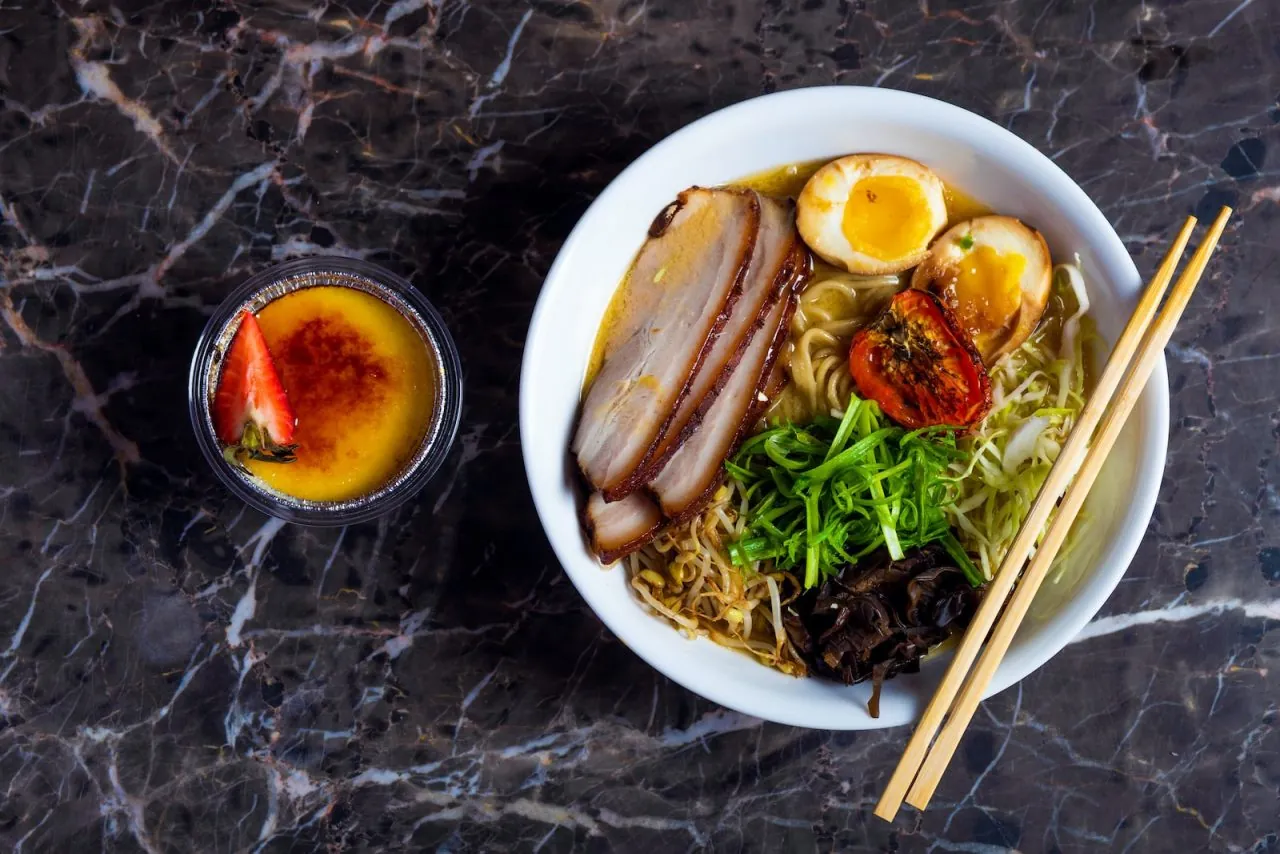
Ramen’s allure goes beyond its bouncy noodles and flavorful soup—it’s also celebrated for its tantalizing array of toppings, several of which we’ll break down for you now. Among the oldest and most popular ramen toppings is braised pork, or chashu, which adds a rich, meaty dimension to the dish. Meanwhile, marinated soft-boiled eggs, known as ajitsuke tamago, offer a creamy or jammy yolk and a slightly sweet, soy-infused exterior that complements the broth beautifully. Scallions and bean sprouts contribute freshness and a subtle crunch, while nori seaweed sheets impart a salty, earthy note. Menma, or fermented bamboo shoots, provide a pleasant chew and a touch of tanginess. Finally, a sprinkling of toasted sesame seeds and spicy condiments like rayu (chili oil) or shichimi togarashi (seven-spice blend) allows diners to customize their ramen, tailoring it to their desired level of heat. These toppings, when combined, create a harmonious symphony of tastes and textures that elevate ramen to a culinary masterpiece.
The Best Ramen in NYC
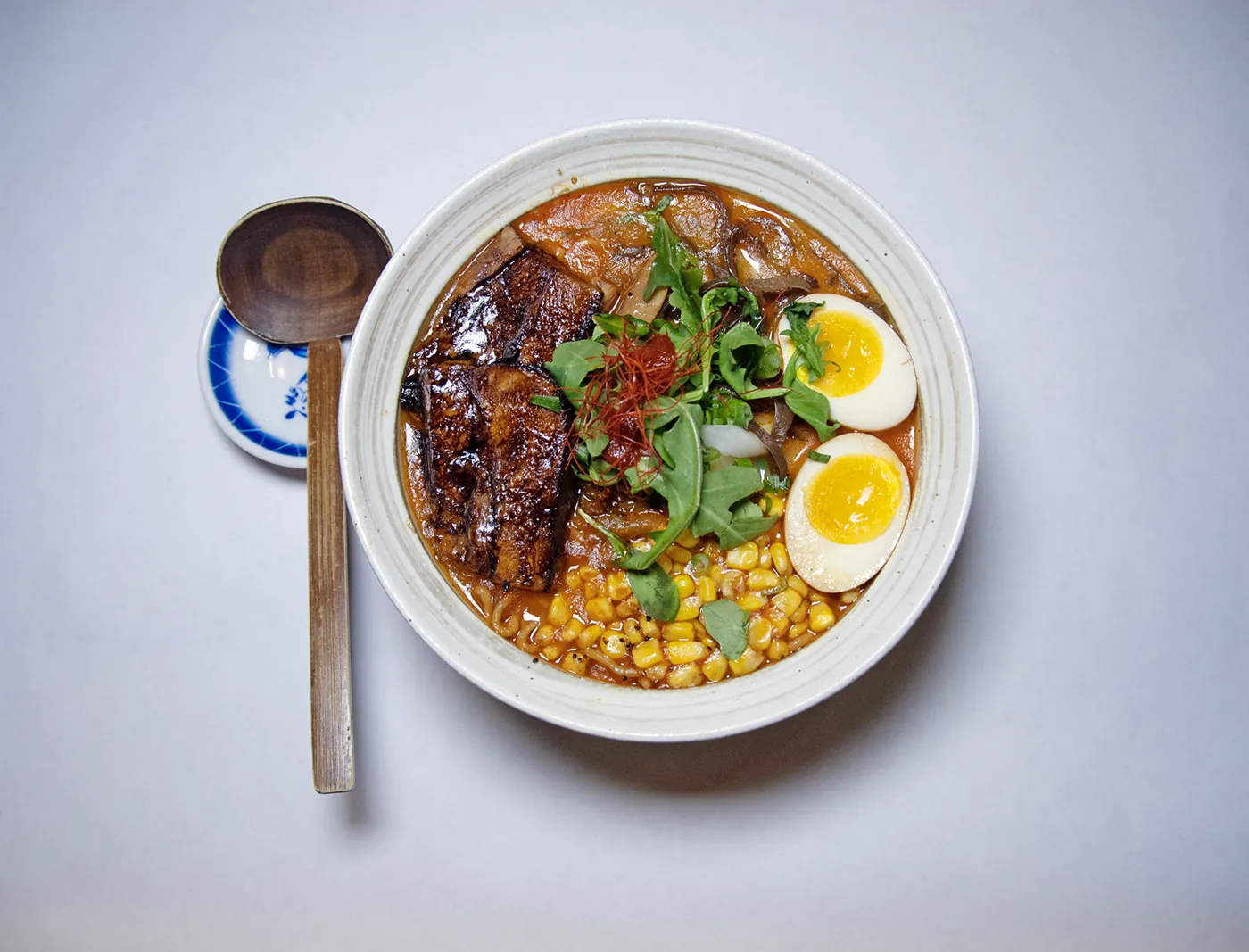
Feeling hungry yet? If this blog has you wondering, “Where can I eat ramen near me?”, look no further than Zen Ramen & Sushi. Our mouthwatering selection of the best ramen in New York City is sure to satisfy any craving.
Visit us today at 150 W 36th Street. Your taste buds will thank you!