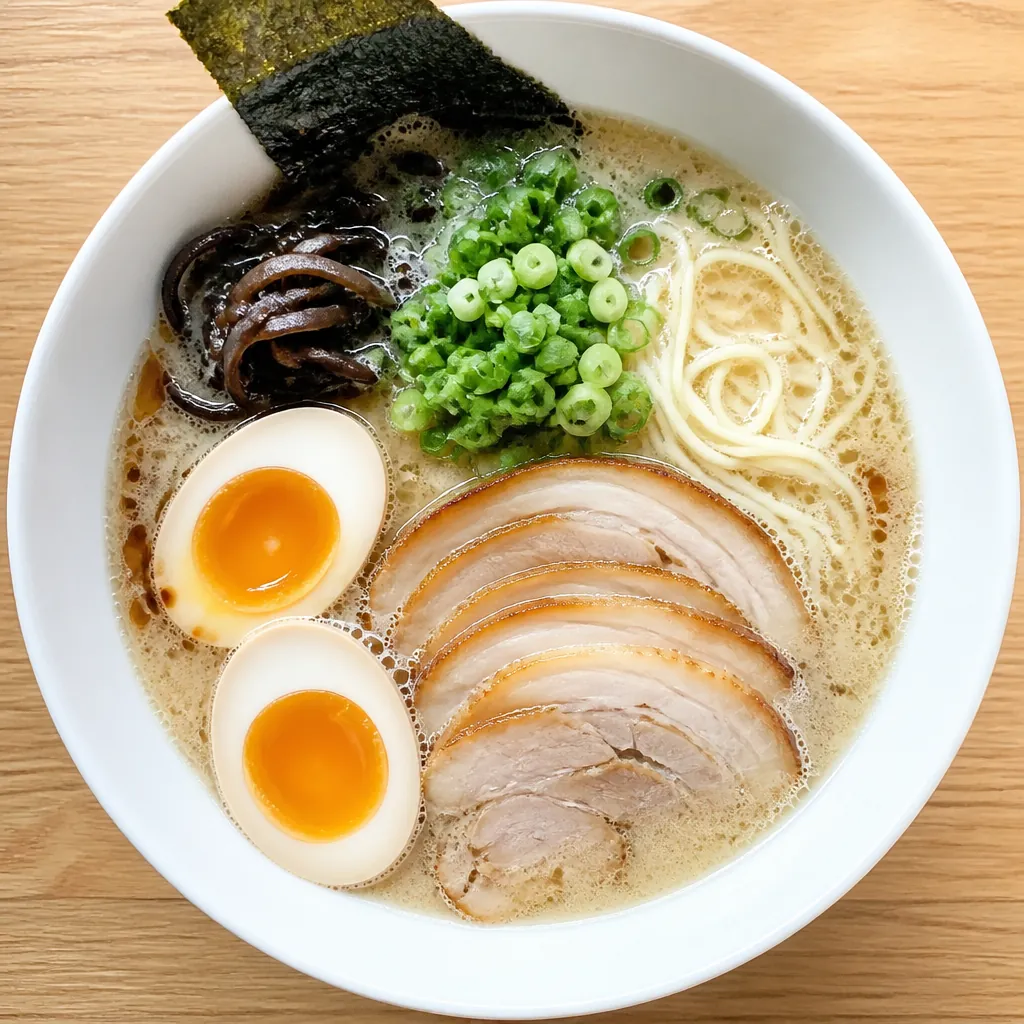
Most people treat ramen as an anytime food and leave the decision to whatever the clock says. That is a reasonable default, but it misses something real: the time of day you sit down with a bowl of ramen actually shapes what you should order, how long you should linger, and how good you are going to feel in the two hours that follow. Ramen for lunch and ramen for dinner are not the same experience, even when the bowl looks identical. Understanding the difference is one of those small pieces of knowledge that consistently makes every visit to a Japanese lunch restaurant more satisfying.
Table of Contents
- Quick Takeaways
- The Japanese Tradition: Ramen as a Lunch Dish
- Broth Weight and the Time-of-Day Rule
- The Lunch Experience: Speed, Value, and Smart Ordering
- The Dinner Experience: Depth, Occasion, and No Alarm Clock
- Comparison: Lunch vs. Dinner Ramen at a Glance
- How to Order at Each Time of Day
- Frequently Asked Questions
- References
Quick Takeaways
| Key Insight | Explanation |
|---|---|
| Ramen is traditionally a lunch dish in Japan | In Japanese food culture, ramen has long been associated with midday eating, valued for speed, satisfaction, and affordability. |
| Broth richness matters more at lunch than at dinner | A heavy tonkotsu at noon can trigger an afternoon energy slump. A lighter shoyu or shio broth delivers full flavor without the fat load. |
| Lunch sets offer better value | Many ramen restaurants run weekday lunch sets combining a bowl with gyoza, rice, or a drink at a meaningfully lower combined price than dinner ordering. |
| Dinner ramen allows more adventurous ordering | With no afternoon to recover for, dinner is the right time for a double-fat tonkotsu, extra toppings, or a spicy miso with all the richness it can carry. |
| Portion size is a meaningful variable at lunch | Ordering a standard size rather than a large at lunch often makes a bigger energy difference than the modest extra portion warrants. |
| The social dynamic shifts between meals | Lunch ramen is usually faster and more solo or small-group. Dinner ramen tends to be a longer, more shared, occasion-driven experience. |
| The best time for ramen depends on what you want from the bowl | Efficiency and value point to lunch. Depth, indulgence, and atmosphere point to dinner. Both are valid, but they require different choices. |
The Japanese Tradition: Ramen as a Lunch Dish
If you look at how ramen is actually eaten in Japan, the midday meal is where the tradition is rooted. Ramen is primarily a lunch food in Japanese culture, eaten quickly, affordably, and with the kind of focus that a solo diner at a counter brings to a bowl they genuinely care about. That is not an accident of history. Ramen shops in Japan have historically catered to workers on a time-limited break, and the format of the dish reflects that: a complete, self-contained meal in a single bowl, ready fast and built to satisfy without requiring two hours at a table.
Dinner is not wrong. But it is culturally the secondary occasion. Ramen eaten at dinner was, in the traditional context, more of a late-night thing after drinking, or a practical choice when nothing else was available. The expansive, richly social dinner experience that many people in the West associate with a Japanese restaurant visit is more naturally associated with other categories of Japanese cuisine. Understanding this distinction does not diminish dinner ramen. It just clarifies why ordering choices, atmosphere expectations, and even bowl selection can reasonably differ between the two.
The time you eat changes what you need from the bowl. Ramen is efficient enough for a lunch break and satisfying enough for a dinner destination. Getting both right just means making slightly different decisions at the menu stage.
At Zen Ramen and Sushi, both meal periods have their own rhythm. Lunch brings a pace and energy that is different from the more relaxed cadence of a dinner visit, and the menu rewards guests who lean into that difference rather than treating every visit as interchangeable.
Broth Weight and the Time-of-Day Rule
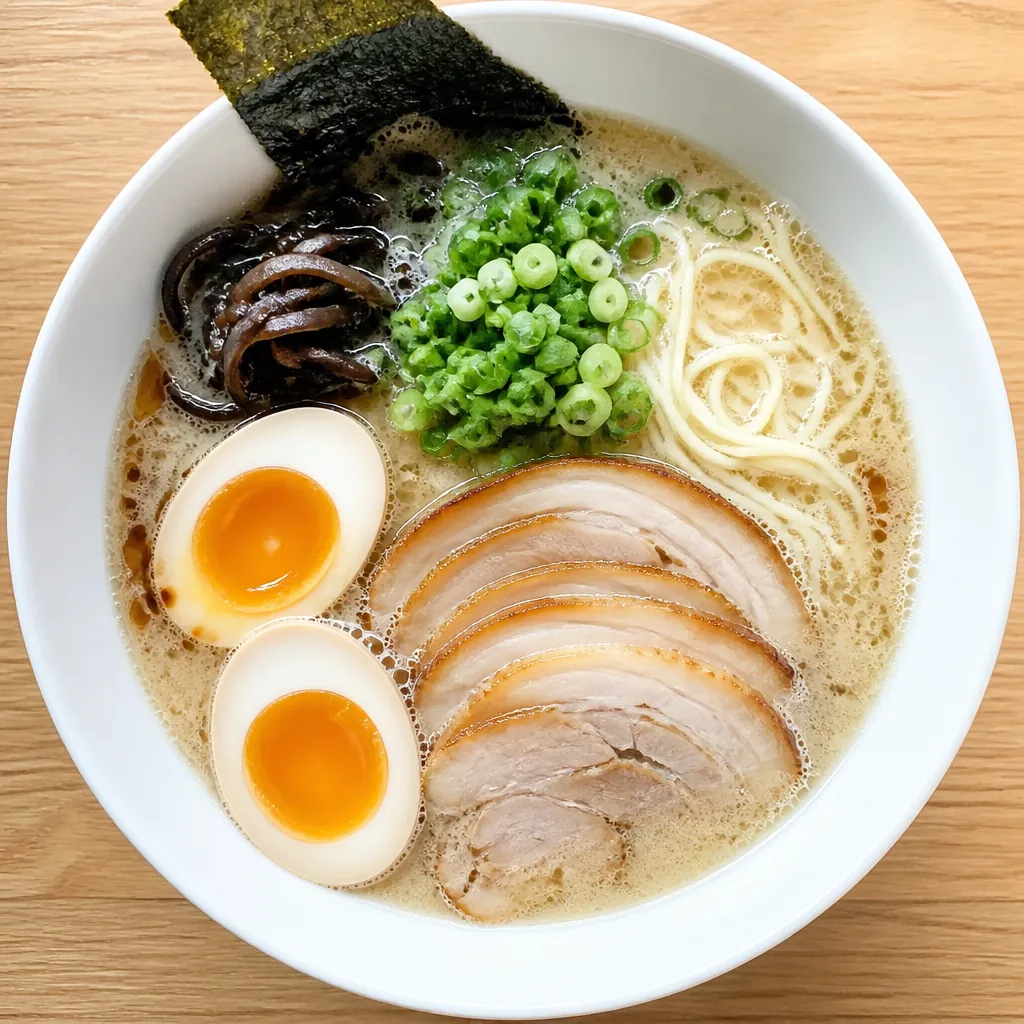
This is the most practical piece of the lunch-versus-dinner equation, and it is worth taking seriously. Broth weight, meaning the fat content and richness of the soup base, has a direct effect on how you feel for the next several hours. A rich, cloudy tonkotsu is made by boiling pork bones at high heat for an extended time, which produces a dense, fatty, intensely savory broth that is one of the great things in Japanese cuisine. At dinner, that is a pure pleasure. At noon, it is a calculated risk.
Why lighter broths work better at midday
Shoyu ramen, made with a clear soy-seasoned broth, delivers the full range of ramen flavors without the heavy fat load of a pork bone base. Shio ramen, with its salt-forward brightness and often lighter chicken or seafood stock foundation, works the same way. Both styles are deeply satisfying without the post-meal heaviness that a rich tonkotsu at noon can produce. The common mistake is assuming lighter broth means less flavor. It does not. A well-made shoyu is as complex and savory as anything on the menu; it just finishes clean rather than coating the palate.
When tonkotsu at lunch is still the right call
There are good reasons to order tonkotsu at lunch, and the solution is not to avoid it entirely. Ordering a standard size rather than a large, and skipping the extra-fat add-on if one is offered, gets you the full experience with a meaningfully reduced energy impact in the afternoon. The portion difference between standard and large is often smaller than it looks on paper, but the afternoon difference is real. If you know you have a light schedule after lunch, or you are simply someone whose body handles rich food at midday without difficulty, tonkotsu at lunch is perfectly reasonable. Just go in with that awareness rather than ordering on autopilot.
Pro tip: If you are visiting Zen Ramen and Sushi for a weekday lunch and need to be sharp for the rest of the afternoon, choose shoyu or shio over tonkotsu. Both give you a complete, satisfying ramen experience, and you will feel the difference by 3 PM.
The Lunch Experience: Speed, Value, and Smart Ordering
The practical advantages of ramen for lunch go beyond just broth selection. Lunch at a quality ramen restaurant tends to offer better per-dollar value than dinner at the same table. Many Japanese restaurants run weekday lunch sets that combine a standard bowl with a side such as gyoza, a small rice, or a drink at a price that is noticeably better than ordering each item individually at dinner. These sets are not just a discount. They are a curated combination designed to work well together, and they reflect the traditional lunch format that treats ramen as a complete, efficient meal.
The pace of lunch service is also different. A well-run ramen restaurant moves quickly at midday. That is a feature, not a limitation. If you are someone who finds long, drawn-out lunch breaks hard to justify, the structure of a ramen lunch naturally accommodates you. Order, receive your bowl within a few minutes, eat with full attention, and you are done inside forty-five minutes without feeling rushed in any bad way.
Pro tip: When visiting a Japanese lunch restaurant for ramen on a weekday, ask whether a lunch set is available. The side dish and value combination often makes the lunch visit more complete than ordering a bowl alone at a higher dinner price.
One more consideration for the lunch visit: wait times at popular ramen restaurants tend to be shorter at lunch than at dinner on busy evenings. Arriving just before or just after the peak noon hour often means you are seated immediately, which matters when you are working with a limited break window. At Zen Ramen and Sushi, the lunch period is designed to move well, so that a genuinely good bowl of ramen does not have to mean a two-hour midday disappearance.
The Dinner Experience: Depth, Occasion, and No Alarm Clock
Dinner ramen is a different thing entirely, and that difference is worth embracing rather than minimizing. Without a workday afternoon waiting on the other side of the meal, the entire set of constraints that shape the lunch visit disappears. Ramen at dinner is when you order the bowl you actually want, not the bowl that will leave you functional at a desk two hours later.
The case for tonkotsu and richer styles at dinner
A double-fat tonkotsu with extra chashu, a spicy miso with the full richness the broth can carry, a bowl with extra noodles or an added soft-boiled egg, all of these make most sense at dinner. The meal is an occasion in itself rather than a bridge between morning and afternoon. There is time to eat slowly, to pay attention to the layers in the broth, to add a side of gyoza and eat it without looking at the time.
The social dimension of dinner ramen
Dinner also changes the social experience. Ramen at lunch tends to be solo or small-group, fast, and focused on the bowl. Dinner ramen is more naturally a group meal, or at least a meal where conversation, a shared appetizer, and a longer table presence feel appropriate. Bringing someone to a ramen restaurant for dinner works as a real dining experience rather than a quick fuel stop. The restaurant environment at dinner tends to have a different energy, slightly more ambient, and that atmosphere rewards guests who lean into it.
At Zen Ramen and Sushi, the dinner menu is where the full range of the kitchen’s work is available, including fresh sushi alongside the ramen. The combination of a few sushi pieces followed by a rich ramen bowl is one of the most satisfying ways to use a dinner visit, and it is a pairing that does not translate well to a rushed forty-five minute lunch.
Comparison: Lunch vs. Dinner Ramen at a Glance
| Factor | Ramen for Lunch | Ramen for Dinner |
|---|---|---|
| Best broth choice | Shoyu or shio for most diners; tonkotsu in standard size if preferred | Any broth style, including rich tonkotsu and spicy miso with full toppings |
| Portion strategy | Standard size; skip extra-fat add-ons to avoid afternoon fatigue | Full size, extra toppings, and sides are all appropriate |
| Value opportunity | Weekday lunch sets often include gyoza, rice, or a drink at a better combined price | A la carte or full menu; better opportunity to combine ramen with sushi or shared starters |
| Typical pace | Efficient, 30-45 minutes; faster service and shorter waits at most shops | Leisurely, 60-90 minutes; better suited to groups and occasion dining |
| Social format | Solo or small group; focused on the bowl | Groups, dates, or family meals; conversation and shared ordering encouraged |
| Cultural precedent | Strongly rooted in Japanese tradition as the primary ramen meal | More flexible; richly satisfying but less traditionally central |
How to Order at Each Time of Day
Good ramen ordering at any hour starts with knowing what the broth base is and what effect it will have. The four main ramen broth styles, shoyu, shio, miso, and tonkotsu, sit on a spectrum from lighter to richer. Shoyu and shio sit toward the lighter end, making them the default-smart choice for a lunch visit when energy management matters. Miso sits in the middle, flavorful and moderately rich. Tonkotsu is the richest and the one that warrants the most consideration when you are ordering at noon.
Lunch ordering checklist
Check whether a lunch set is available. Choose shoyu, shio, or miso unless you specifically want tonkotsu. If you order tonkotsu, go standard size and skip the extra-fat option. Add a side of gyoza if the set includes it. Arrive slightly before or after the noon rush for the fastest seating.
Dinner ordering checklist
Order the broth you actually want without energy-management constraints. Consider starting with a few sushi pieces or a small shared plate if the menu offers it. Tonkotsu with full toppings is appropriate and worth ordering slowly. If you are with a group, a mix of broth styles at the table gives everyone a chance to taste the range. Take the time to eat the noodles at the right texture, because at dinner there is no reason to rush them to the bottom of the bowl.
At Zen Ramen and Sushi, the staff can speak to which bowls are best suited to a quick lunch visit versus a longer dinner experience. Asking that question directly is never a wrong move. The kitchen makes both kinds of bowls with the same care, and knowing which to order at which time of day is part of what separates a great visit from a merely good one. You can also explore the full range of broth styles, including the differences between tonkotsu and shoyu preparations, to come to your next visit with a clear preference already in mind.
Frequently Asked Questions
Is ramen a good lunch option or is it too heavy for midday?
Ramen is an excellent lunch option when you match the broth style to your afternoon plans. Shoyu and shio ramen are light enough to eat at noon without any post-meal sluggishness. Even tonkotsu works at lunch if you order a standard portion and skip heavy add-ons. The key is making a deliberate broth choice rather than defaulting to whatever sounds most indulgent on the menu.
What is the best time for ramen according to Japanese food culture?
In Japanese tradition, ramen is primarily a lunch dish. It developed as fast, affordable, and satisfying midday food for workers and students. Dinner ramen exists and is perfectly valid, but the cultural and historical center of gravity for the dish sits firmly at lunch, which is also why many Japanese ramen shops have historically offered their best value during the midday service.
Does a Japanese lunch restaurant serve the same ramen at lunch and dinner?
Most quality ramen restaurants serve the same core bowls at both meal periods. What changes is the availability of lunch sets, the pace of service, and sometimes the atmosphere. Some restaurants run lunch-only specials or smaller portion options that are not available at dinner. It is always worth asking what the current lunch set includes, because the value is often meaningfully better than ordering a la carte at dinner.
What ramen broth should I order for a ramen dinner?
At dinner, the broth constraints that apply to lunch largely disappear. Tonkotsu is the natural go-to for a rich, indulgent dinner bowl. Spicy miso is another strong dinner choice, especially in colder months. If you want to try several styles across a group visit, dinner is the right time for that kind of exploration since there is no afternoon energy cost to consider. Order the richest bowl on the menu with full toppings and eat it slowly.
How long should a ramen lunch actually take?
A well-run ramen lunch at a quality Japanese restaurant should comfortably fit within forty-five minutes from seating to finish, sometimes less. Ramen is designed as a fast-service dish, and the broth and noodles are ready quickly. If you are on a work break, ramen is actually one of the more practical sit-down restaurant options available because the kitchen turn time is short and the eating experience is focused rather than drawn out.
Can I combine sushi and ramen in one visit, and which meal works better for that?
Combining sushi with ramen is one of the most satisfying ways to eat at a Japanese restaurant that offers both, and dinner is the better setting for it. At lunch, time pressure makes a multi-course meal harder to enjoy properly. At dinner, starting with a selection of sushi and following it with a bowl of ramen as the main course gives both dishes the attention they deserve. The contrast between the clean, precise flavors of fresh sushi and the deep umami of a ramen broth is genuinely complementary.
Have you noticed a real difference in your ramen experience depending on whether you visit for lunch or dinner? Share your thoughts below, or come try both and see for yourself at Zen Ramen and Sushi.
References
- When to eat ramen: the traditional Japanese meal timing guide
- Ramen for lunch: broth choices, lunch sets, and midday ordering advice
- Japan Guide overview of ramen types including shoyu, shio, miso, and tonkotsu
- Types of ramen explained: kotteri, assari, and the full broth spectrum
- Ramen as a culinary tradition in Japan: regional styles and broth culture