
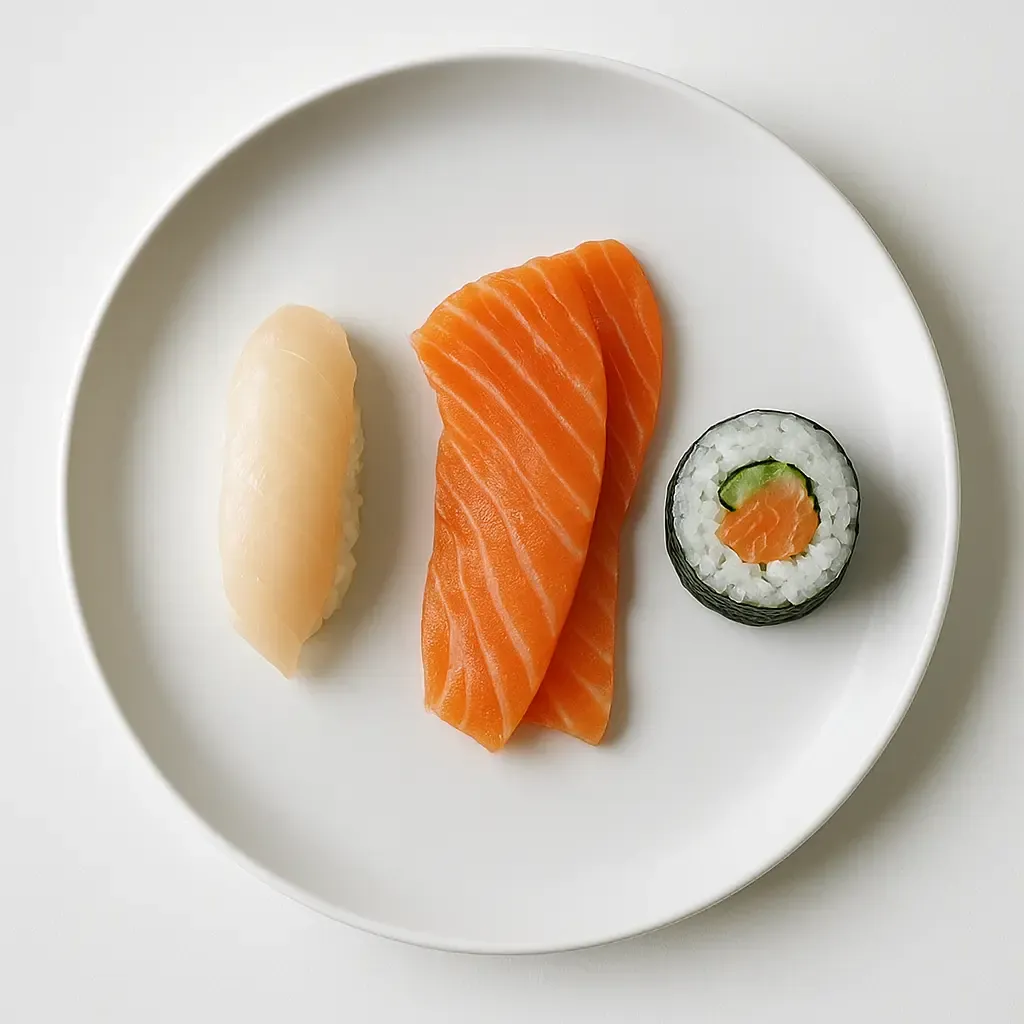
Walk into any sushi restaurant and the menu can feel overwhelming. Three foundational sushi styles dominate: nigiri, sashimi, and maki rolls. Each represents a distinct preparation method, ingredient ratio, and eating experience. At Zen Ramen and Sushi, we watch first-time diners hesitate between these options daily. The difference is not just semantic. Understanding what separates nigiri sushi, sashimi, and maki rolls determines whether you order the right dish for your taste preferences, dietary needs, and budget. This guide eliminates the confusion with specific, actionable distinctions you can use the next time you dine with us or recommend our menu to a friend.
Table of Contents
- Quick Takeaways
- What Is Nigiri Sushi
- What Is Sashimi
- What Is Maki
- Key Differences Between Sushi Styles
- Which Sushi Style Should You Order
- Frequently Asked Questions
- References
Quick Takeaways
| Key Insight | Explanation |
|---|---|
| Nigiri requires both fish and rice | Hand-pressed sushi rice forms the base, topped with a single slice of raw or cooked seafood. No rice means no nigiri. |
| Sashimi contains zero rice | Pure sliced fish or seafood served alone, making it the lowest-carb and highest-protein option on any sushi menu. |
| Maki always includes nori seaweed | Rice and fillings rolled inside or outside nori sheets, then sliced into bite-sized pieces. The roll format defines maki. |
| Price per piece varies dramatically | Sashimi typically costs 20-40% more than equivalent nigiri due to larger fish portions and no rice filler. Maki offers the best value per dollar. |
| Texture preferences determine satisfaction | Nigiri balances soft rice with firm fish. Sashimi delivers pure seafood texture. Maki adds crunch from vegetables or tempura elements. |
| Soy sauce application differs by style | Dip nigiri fish-side down to avoid rice absorption. Sashimi can handle full immersion. Maki exterior nori prevents soy sauce penetration. |
| Rice-free diets require sashimi exclusively | Both nigiri and maki contain seasoned rice, making sashimi the only truly carb-conscious choice for keto or low-carb eating patterns. |
What Is Nigiri Sushi
Nigiri sushi consists of a small oblong mound of hand-pressed vinegared rice topped with a single slice of fish, shellfish, or occasionally egg. The Japanese term “nigiri” translates to “two fingers,” referencing the traditional size of each piece. At Zen Ramen and Sushi, our chefs form each rice portion to approximately 20-25 grams, then apply a thin slice of fish weighing 15-20 grams.
The rice temperature matters more than most diners realize. Proper nigiri uses rice at body temperature, roughly 98°F, which contrasts with the cold fish to create a dynamic temperature experience. Cold rice hardens and loses its delicate texture, while hot rice overwhelms the fish flavor. A common mistake is ordering nigiri and letting it sit for 10-15 minutes while eating other dishes. The rice dries out and the fish warms to room temperature, degrading both components.
Pro tip: Order nigiri in small batches of 2-4 pieces and eat them immediately. The quality window for optimal texture lasts approximately 5-7 minutes after plating.
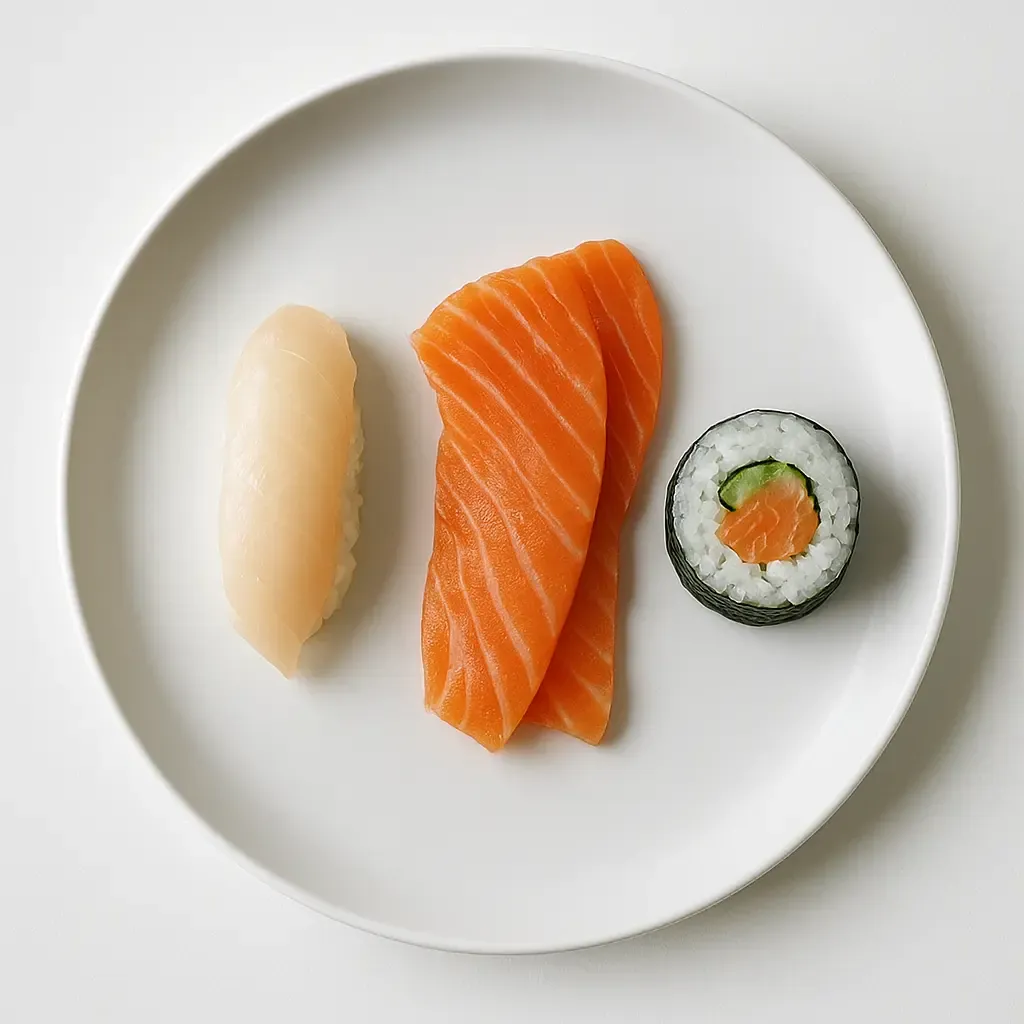
Common Nigiri Varieties at Zen Ramen and Sushi
We serve 14 different nigiri options daily. The most popular selections include salmon (sake), tuna (maguro), yellowtail (hamachi), eel (unagi), and shrimp (ebi). Each requires different preparation techniques. Salmon and tuna arrive raw and chilled. Eel comes pre-grilled with a sweet soy-based tare sauce. Shrimp is blanched and butterflied to lay flat across the rice.
The binding element between fish and rice is critical. Traditional nigiri uses a microscopic amount of wasabi, roughly the size of a grain of rice, spread between the fish and rice base. This wasabi serves three purposes: it acts as an adhesive, provides antimicrobial properties, and adds a subtle heat that enhances rather than overwhelms the fish flavor. Customers who dislike wasabi can request “wasabi-free” nigiri, though the fish may slide off the rice more easily.
What Is Sashimi
Sashimi is not technically sushi at all. The word “sushi” refers specifically to vinegared rice preparations. Sashimi contains no rice, no seaweed, and no binding agents. It is purely sliced raw fish or seafood, arranged artistically and served with garnishes like shredded daikon radish, shiso leaves, or edible flowers.
The cutting technique defines sashimi quality. Each slice should measure 8-10mm thick for fatty fish like salmon or toro, and slightly thinner at 6-8mm for leaner fish like snapper or halibut. The knife angle, pull direction, and number of strokes per slice all affect the final texture. In practice, a skilled sushi chef makes one continuous pull cut, never sawing back and forth, which would tear the fish fibers and create a ragged edge.
Portion sizes vary significantly between restaurants. At Zen Ramen and Sushi, our standard sashimi order includes 6-8 slices depending on the fish type. Fattier, more expensive fish like toro or uni come in smaller portions, while more affordable options like salmon or octopus arrive with larger piece counts. This portion variation confuses diners comparing prices across different fish varieties.
Why Sashimi Costs More
The price premium for sashimi is substantial and justified. A typical nigiri piece uses 15-20 grams of fish combined with 20-25 grams of rice. A sashimi portion for the same price includes 35-50 grams of pure fish with no rice filler. You are paying for a 75-150% increase in actual seafood content. The data consistently shows that sashimi orders generate 30-40% higher food costs for restaurants compared to equivalent nigiri sales.
Freshness requirements are also more stringent. Nigiri fish sits atop rice that provides some moisture and temperature regulation. Sashimi fish sits exposed on the plate, making any quality defects immediately visible. Discoloration, drying, or texture changes that might go unnoticed in nigiri format become glaring problems in sashimi presentation.
Pro tip: Order sashimi as your first course when your palate is fresh. The subtle flavor differences between fish varieties become harder to distinguish after eating ginger, wasabi, or soy-heavy maki rolls.
What Is Maki
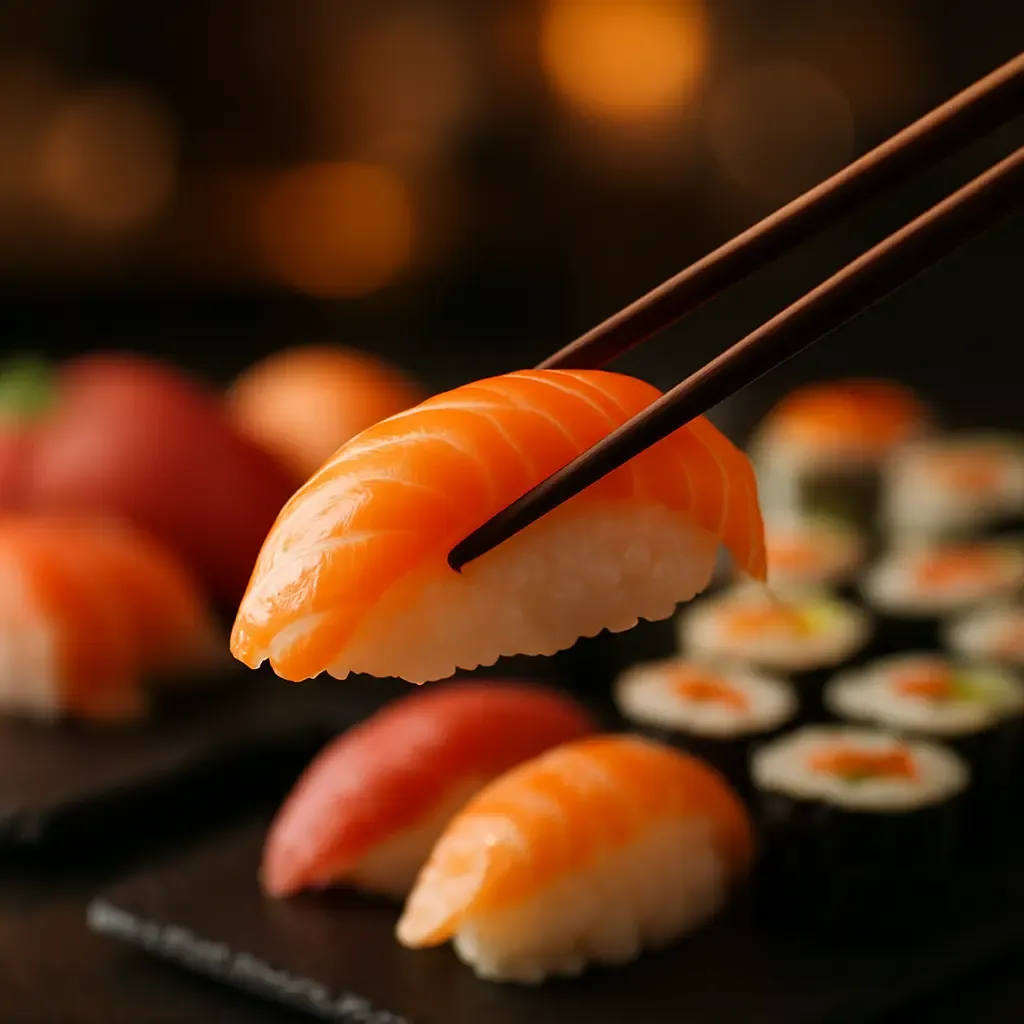
Maki rolls represent the most diverse category of sushi styles. The defining characteristic is the cylindrical roll format, created by wrapping rice and fillings in nori seaweed sheets, then slicing the roll into 6-8 pieces. At Zen Ramen and Sushi, maki accounts for roughly 60% of all sushi orders, far exceeding nigiri and sashimi combined.
Three subcategories dominate the maki category. Hosomaki are thin rolls with nori on the outside, containing a single filling ingredient like cucumber, tuna, or salmon. Uramaki are inside-out rolls with rice on the exterior and nori inside, often topped with sesame seeds, tobiko, or thin-sliced avocado. Futomaki are thick rolls containing multiple ingredients, typically including vegetables, egg, and pickled elements alongside fish.
The American-Style Maki Revolution
Traditional Japanese maki rolls remain simple: one to three ingredients, minimal sauce, and restrained presentation. American sushi restaurants, including establishments like those operated by competitors such as Ichiran, Yasubee, and Kame, have expanded maki into elaborate creations featuring tempura, cream cheese, spicy mayo, and fried toppings. These fusion rolls generate higher check averages and appeal to diners intimidated by raw fish.
At Zen Ramen and Sushi, our most popular maki is the spicy tuna roll, which blends chopped raw tuna with sriracha mayo, rolled with cucumber and scallions. This single roll generates 18-22% of total sushi revenue despite representing just one option among 20+ maki varieties. The lesson is clear: customers ordering maki prioritize flavor intensity and texture variety over the pure, minimalist approach of nigiri or sashimi.
Structural Integrity Issues
Maki construction requires precise rice moisture content and nori handling. Too much water in the rice and the roll becomes mushy, failing to hold its shape when sliced. Too little moisture and the rice grains separate, causing the roll to fall apart when picked up with chopsticks. The nori sheet must be toasted to the correct dryness level. Under-toasted nori becomes chewy and difficult to bite through. Over-toasted nori shatters when rolled, creating gaps where fillings leak out.
Temperature also affects maki stability. Cold rice from refrigeration cannot be rolled properly because it hardens and refuses to stick together. Room temperature rice works best for rolling but must be used within 2-3 hours before bacterial growth becomes a food safety concern. This timing constraint is why busy sushi restaurants prepare maki in small batches throughout service rather than pre-rolling hours in advance.
Key Differences Between Sushi Styles
The practical distinctions between sushi styles extend beyond ingredients to encompass eating technique, nutritional profiles, and ideal pairing scenarios. Understanding these differences helps you order intelligently when dining at Zen Ramen and Sushi or recommending our menu to friends unfamiliar with Japanese cuisine.
| Characteristic | Nigiri | Sashimi | Maki |
|---|---|---|---|
| Rice content | 20-25g per piece | Zero rice | 80-120g per roll (6-8 pieces) |
| Fish portion | 15-20g per piece | 35-50g per order | 60-90g per roll, often mixed with vegetables |
| Eating method | Pick up with fingers or chopsticks, dip fish side into soy sauce | Chopsticks only, full immersion in soy sauce acceptable | Chopsticks or fingers, dip edge into soy sauce |
| Best for sharing | Moderate (order 2 pieces per person) | Difficult (individual portions) | Excellent (pre-sliced into 6-8 pieces) |
| Price per order | $3.50-$8.00 for 2 pieces | $12-$22 for 6-8 slices | $8-$16 per roll |
| Carbohydrate content | 10-12g per piece | 0-1g per serving | 40-60g per roll |
Nutritional Considerations for Different Dietary Goals
Customers following specific eating patterns face clear choices. Low-carb and ketogenic diets require sashimi exclusively. A typical 6-piece sashimi order contains 25-30g of protein, 8-15g of fat (depending on fish type), and less than 2g of carbohydrates. Compare this to a single spicy tuna roll delivering 45-55g of carbohydrates from rice alone, plus another 10-15g from any sweet sauce glazes.
Calorie density varies dramatically. Nigiri averages 60-80 calories per piece (40-50 from rice, 20-30 from fish). Sashimi delivers 30-50 calories per slice of lean fish like tuna or snapper, but 60-90 calories per slice of fatty fish like salmon or mackerel. Maki rolls range from 250-400 calories per roll depending on ingredients, with tempura and cream cheese additions pushing some specialty rolls above 500 calories.
According to nutritional data from the USDA, a standard 100g serving of raw salmon provides 208 calories and 22g of protein, while the same portion of vinegared sushi rice contains 140 calories and 2.8g of protein. This 7:1 protein-to-calorie ratio advantage makes sashimi the most efficient choice for protein-focused diets.
Texture and Temperature Dynamics
The eating experience differs substantially between styles. Nigiri creates a temperature contrast between cool fish and body-temperature rice, with a textural interplay between firm seafood and soft, slightly sticky rice. Sashimi presents uniform cold temperature throughout, with texture depending entirely on the fish type and cutting technique. Maki introduces additional textural elements through vegetables, tempura coatings, or crunchy toppings, while the nori wrapper adds a subtle oceanic flavor and slight chewiness.
Mouthfeel varies by fish type and cut. Fatty tuna (toro) melts on the tongue regardless of whether it is served as nigiri or sashimi. Lean white fish like halibut or snapper provides a firmer, meatier bite. Shellfish like scallop or octopus delivers a sweet, slightly springy texture. These textural differences become more pronounced in sashimi format where no rice or accompanying ingredients dilute the experience.
Which Sushi Style Should You Order
The optimal choice depends on specific, measurable factors rather than vague preferences. At Zen Ramen and Sushi, we guide first-time diners through a decision tree based on four variables: fish familiarity, hunger level, carbohydrate tolerance, and budget constraints.
Decision Framework for First-Time Sushi Diners
New customers uncomfortable with raw fish should start with cooked options across all three styles. Order shrimp or eel nigiri, cooked salmon or octopus sashimi, and tempura shrimp or California maki rolls. This approach provides exposure to different formats without the raw fish intimidation factor. Once comfortable with the preparation styles, gradually introduce raw options like salmon nigiri or tuna sashimi.
Hunger level determines optimal format selection. A light meal or appetizer calls for sashimi or a single nigiri order (4-6 pieces). A moderate meal works well with a combination of nigiri (4-6 pieces) plus one maki roll. A full meal requires either multiple maki rolls or a mixed plate combining all three styles. The data from our point-of-sale system shows that customers ordering only nigiri or sashimi add a ramen or rice bowl entree 70% of the time to feel satisfied.
Budget Optimization Strategies
Cost per gram of fish protein varies dramatically. Maki delivers the most affordable option, with specialty rolls at Zen Ramen and Sushi ranging from $8-$16 and containing 60-90g of fish plus substantial vegetable and rice content. This translates to roughly $0.12-$0.20 per gram of fish. Nigiri middle-ground pricing of $3.50-$8.00 per two-piece order (30-40g total fish) works out to $0.18-$0.27 per gram. Sashimi commands premium pricing at $12-$22 per order (210-400g depending on fish type), or $0.30-$0.55 per gram for high-grade options like fatty tuna.
Value-focused diners should order maki rolls featuring multiple ingredients. Our dragon roll includes shrimp tempura, eel, avocado, cucumber, and tobiko for $14, delivering approximately 200g of total food weight. Compare this to $14 spent on sashimi, which yields 50-70g of pure fish with minimal accompaniment. The perceived fullness and satisfaction differ substantially despite identical prices.
Recommendations for Repeat Customers and Referrals
When bringing friends to Zen Ramen and Sushi, order a mixed plate showcasing all three styles. Request 6 pieces of assorted nigiri, one order of salmon or tuna sashimi, and two contrasting maki rolls like a simple tuna roll and a more elaborate specialty roll. This combination costs $45-$60 and provides 12-15 individual pieces plus the sliced rolls, easily serving 2-3 people as a substantial meal.
The mixed approach solves the common problem where one person prefers rice-free sashimi while another wants filling maki rolls. It also creates a natural conversation flow as different items arrive at different temperatures and require different eating techniques. First-time guests observe how to properly dip nigiri fish-side down, use chopsticks to eat sashimi, and apply the right amount of wasabi and ginger as palate cleansers between different fish types.
Common Ordering Mistakes to Avoid
The biggest error is ordering too much variety in a single visit. Customers excited by extensive menus frequently order 4-5 different maki rolls, multiple nigiri types, and a sashimi platter. This approach guarantees that half the food sits on the table for 20-30 minutes while you eat through the volume, degrading quality. The rice dries out, the nori becomes soggy, and the fish warms to room temperature.
Another mistake is ordering items in the wrong sequence. Strongly flavored rolls like spicy tuna or eel-based options should come after milder options. Starting with intense flavors numbs your palate, making it impossible to appreciate subtle differences in subsequent courses. At Zen Ramen and Sushi, our servers recommend beginning with simple nigiri or sashimi, progressing to basic maki like salmon or California rolls, and finishing with specialty rolls featuring bolder sauces and toppings.
Frequently Asked Questions
What is the main difference between nigiri and sashimi?
Nigiri includes a base of vinegared rice topped with fish, while sashimi is purely sliced raw fish with no rice component. This makes sashimi higher in protein per serving and suitable for low-carb diets, whereas nigiri provides a more balanced combination of carbohydrates and protein. Nigiri is considered true sushi because the vinegared rice defines the category. Sashimi technically falls outside the sushi classification despite appearing on sushi restaurant menus.
Can you eat sushi with your hands or must you use chopsticks?
Nigiri and maki are traditionally eaten with fingers in Japan, though chopsticks are equally acceptable in American restaurants. Sashimi requires chopsticks because it lacks a rice base to provide structural support for finger pickup. At Zen Ramen and Sushi, we provide both chopsticks and wet towels (oshibori) so customers can choose their preferred method. The most important factor is eating nigiri quickly after it arrives, regardless of whether you use fingers or chopsticks.
Why does sashimi cost more than nigiri if it contains less total food?
Sashimi delivers 75-150% more actual fish per dollar spent compared to nigiri, where rice comprises nearly half the weight. The rice acts as an affordable filler ingredient costing roughly $0.15-$0.25 per nigiri piece, while the fish represents the premium component at $1.50-$4.00 depending on the variety. Sashimi eliminates the rice filler entirely, meaning you pay for pure seafood protein. The higher visible price reflects the increased fish content, not reduced value.
Which sushi style is best for someone trying sushi for the first time?
Start with maki rolls containing cooked ingredients like shrimp tempura, eel, or crab. The California roll remains the most popular entry point, featuring cooked crab (or imitation crab), avocado, and cucumber with rice and nori. This combination introduces sushi format and eating techniques without raw fish concerns. After becoming comfortable with maki, progress to cooked nigiri like shrimp or eel, then eventually try raw salmon or tuna nigiri, which have milder flavors than more assertive options like mackerel or sea urchin.
How many pieces of sushi should one person order for a meal?
A light meal requires 6-8 pieces of nigiri or one specialty maki roll. A moderate meal works well with 8-12 pieces of nigiri plus one maki roll, or two contrasting maki rolls. A full meal typically involves 12-16 pieces of nigiri, or three maki rolls, or a combination of both. At Zen Ramen and Sushi, our most common single-person order includes 8 pieces of assorted nigiri plus one specialty roll, providing adequate variety and portion size for $30-$40 depending on fish selections.
Should you mix wasabi into soy sauce when eating sushi?
No. Mixing wasabi into soy sauce is considered poor etiquette because it dilutes both condiments and creates a murky mixture that obscures the soy sauce’s appearance and the wasabi’s distinct heat profile. Proper technique involves taking a small amount of wasabi and placing it directly on the fish portion of nigiri or sashimi, then lightly dipping into pure soy sauce. For maki rolls, the wasabi is typically already included inside the roll, making additional wasabi unnecessary unless you prefer extra heat.
What is the proper way to dip nigiri in soy sauce?
Turn the nigiri piece sideways using chopsticks or fingers, then dip only the fish side into soy sauce, keeping the rice dry. Dipping the rice causes it to absorb excessive soy sauce, becoming soggy and falling apart while overwhelming the delicate fish flavor with salt. The goal is to lightly season the fish while maintaining the rice’s structural integrity and subtle sweetness. Place the entire piece in your mouth fish-side down so your tongue contacts the seasoned fish first.
What has been your experience ordering different sushi styles, and which format do you find yourself returning to most often when visiting Japanese restaurants?