
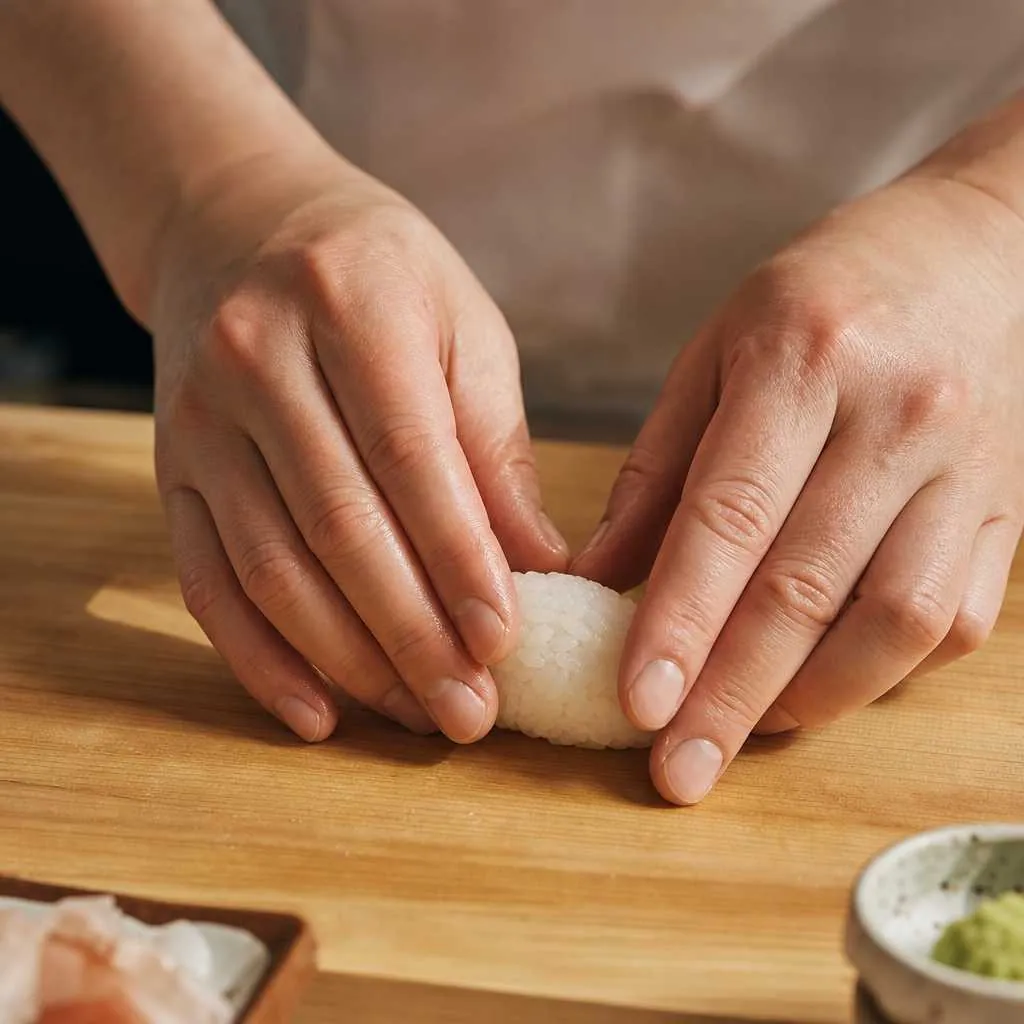
Most diners never think about what happens before their nigiri arrives at the table. They assume the fish was sliced, rice was pressed, and the plate appeared. The reality of sushi chef preparation is far more disciplined and physically demanding than that assumption allows. At Zen Ramen and Sushi, our chefs begin their nigiri work hours before the first guest sits down, following a sequence that prioritizes rice temperature, fish handling, and knife precision in a specific order. Understanding that process changes how you experience every piece on your plate.
Table of Contents
- Quick Takeaways
- Why Nigiri Preparation Is Harder Than It Looks
- The Daily Sushi Chef Schedule at Zen Ramen and Sushi
- Fresh Sushi Making: The Rice Foundation
- How Sushi Is Made: Fish Selection and Knife Work
- Comparing Nigiri Preparation Approaches
- What Separates a Skilled Sushi Chef from an Average One
- Frequently Asked Questions
- References
Quick Takeaways
| Key Insight | Explanation |
|---|---|
| Rice temperature is non-negotiable | Sushi rice must be served at body temperature, approximately 37 degrees Celsius. Cold rice breaks the structural bond of the nigiri and deadens flavor. |
| Fish is portioned fresh every morning | At Zen Ramen and Sushi, fish portions are never pre-cut the night before. Morning preparation ensures proper texture and prevents oxidation at the cut surface. |
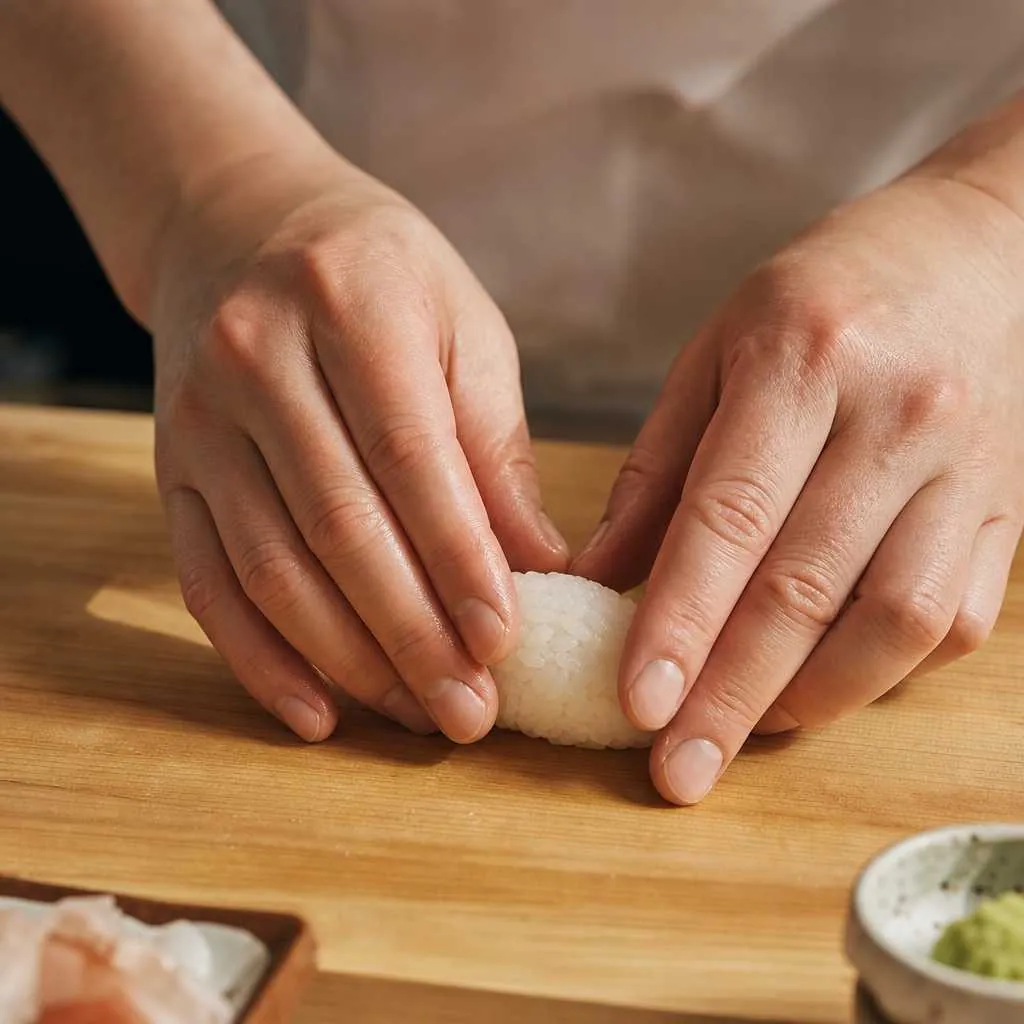
| Each nigiri piece requires exactly 3 shaping motions | Traditional hand-forming uses three distinct hand presses. More than three compacts the rice too tightly and kills the airy texture that makes nigiri enjoyable. |
| A sushi chef’s knife angle determines the entire eating experience | Cutting against the grain of fish at a 45-degree angle produces the correct mouthfeel. Cutting with the grain gives a stringy, chewy result that most diners find unpleasant. |
| Wasabi placement is intentional, not decorative | Wasabi placed directly between rice and fish acts as a natural antibacterial layer and fuses the two components together during hand-pressing. |
| Seasoning the rice is a timed chemical process | Rice vinegar, sugar, and salt must be folded into hot rice at a precise window after cooking. Missing that window changes the starch behavior and final texture. |
| Eye contact with the fish is a real quality check | Chefs visually inspect each slice for color consistency, marbling, and surface moisture before it ever touches rice. This takes about two seconds per piece and catches problems a machine cannot detect. |
Why Nigiri Preparation Is Harder Than It Looks
Nigiri appears simple. A palm-sized oval of rice, a slice of fish on top, done. That simplicity is exactly what makes it so unforgiving. There are no sauces heavy enough to hide a mistake, no textures complex enough to distract from poor rice, and no garnish that covers up fish handled incorrectly. Every flaw in sushi chef preparation is visible and edible.
The difficulty sits in the compounding of small technical decisions. Rice cooked one minute past its ideal window, fish sliced two millimeters too thick, or a hand-press applied with slightly too much force all produce a noticeably inferior piece. In practice, training a sushi chef to produce consistent nigiri takes between two and five years in traditional Japanese apprenticeship programs, with the first year often spent exclusively on rice preparation before any fish is introduced.
A common mistake made by restaurants prioritizing speed over craft is pre-forming rice into balls in advance and refrigerating them. Cold, pre-formed rice is the single largest quality gap between fast-casual sushi and properly prepared nigiri. It produces a dense, clumpy bite that feels nothing like the light, slightly warm piece a trained chef produces by hand to order.
The Daily Sushi Chef Schedule at Zen Ramen and Sushi
The preparation process at Zen Ramen and Sushi starts well before the dining room opens. This is not a marketing talking point. It is a logistical reality driven by the time requirements of proper rice preparation, fish delivery inspection, and station setup that cannot be rushed without visible quality loss.
Morning Delivery and Fish Inspection
Fish arrives at the restaurant in the early morning. Our chefs do not simply accept delivery and move on. Each batch is inspected for smell, color, and surface texture. Salmon should have a clean, mild ocean scent. Tuna should show deep, consistent color without gray patches near the bloodline. Any piece that does not meet these checks does not reach the prep station. This inspection step is non-negotiable and it is the primary reason that friends who have recommended Zen Ramen and Sushi to each other consistently mention the freshness as the first thing they notice.
Station Setup and Tool Preparation
Knives are sharpened at the start of every shift, not weekly. A dull knife drags through fish rather than slicing cleanly, which tears the cell structure of the flesh and changes both texture and how quickly the piece oxidizes on the plate. The cutting boards are sanitized, the water for hand-wetting is prepared at the correct temperature, and the vinegar mixture for rice seasoning is measured and ready before any cooking begins.
Pro tip: If you want to know whether a sushi restaurant takes preparation seriously, look at the color of the chef’s knife. A blade that catches light evenly along the full length has been properly maintained. A blade with visible scratches or an uneven edge has not.
Fresh Sushi Making: The Rice Foundation
Fresh sushi making is built entirely on the rice. This is not a figure of speech. Experienced sushi chefs will tell you directly that a mediocre fish on perfect rice is more enjoyable than premium fish on poor rice. The rice is the chassis; everything else is built on top of it.
The Rice Cooking Process
Sushi rice requires a short-grain Japanese variety, typically Koshihikari, cooked with a specific water-to-rice ratio that produces a stickier, denser grain than long-grain alternatives. The rice is rinsed multiple times before cooking to remove excess surface starch that would otherwise make the final texture gummy rather than lightly cohesive. After cooking, it moves immediately to a wooden hangiri bowl, which is a flat-bottomed wooden tub that absorbs excess moisture while the vinegar seasoning is folded in.
Seasoning the Cooked Rice
The vinegar mixture, called awase-zu, contains rice vinegar, sugar, and salt in ratios that vary by chef and restaurant. The mixture is added to the rice while it is still hot, typically above 80 degrees Celsius, and folded in using a horizontal cutting motion rather than stirring. Stirring crushes the grains. The folding motion coats each grain without breaking it. A hand fan is traditionally used during this process to cool the rice quickly while maintaining surface sheen. The target is rice that reaches body temperature, around 37 degrees Celsius, by the time it is shaped for service.
“Sushi rice is the most important element in sushi. If you cannot make good sushi rice, you cannot make good sushi, regardless of how expensive your fish is.” – Jiro Ono, as cited in culinary documentation of traditional Edo-style sushi technique.
Pro tip: When you are eating nigiri and the rice falls apart before the fish does, the rice was either too cold, under-seasoned, or over-compressed during forming. None of those are fish problems. They are all rice handling problems.
How Sushi Is Made: Fish Selection and Knife Work
Understanding how sushi is made at a craft level means understanding that the fish preparation stage involves at least as much skill as the rice work. The fish must be broken down from larger cuts into the precise block shape, called saku, from which individual nigiri slices are cut. This block preparation determines the angle and consistency of every slice that follows.
Breaking Down Fish into Saku Blocks
A whole fillet of tuna or salmon arrives in a large piece. The chef identifies the grain direction of the muscle fibers and removes any sinew, bloodline, or surface membrane. The fillet is then portioned into rectangular saku blocks, each sized to produce uniform nigiri slices. The saku preparation is where waste is managed. A well-trained chef produces minimal trim waste by understanding the muscle structure of each fish species, which differ significantly between tuna, salmon, yellowtail, and white fish varieties.
The Cutting Angle and Slice Thickness
Each slice for nigiri is cut at an angle between 30 and 45 degrees against the grain of the muscle fibers. This angle cuts across the longer protein strands rather than following them, which produces a tender slice that breaks down easily during chewing. Slice thickness for standard nigiri sits between 5 and 7 millimeters for most fish, with fattier fish like otoro cut slightly thicker because the fat content adds perceived tenderness even at greater thickness.
Hand-Forming the Nigiri
The chef picks up a rice portion of approximately 15 to 20 grams and applies the first shaping press to form an oval mound. The fish slice is placed across the fingers of the other hand, a small amount of wasabi is applied to the fish surface, and the rice is placed wasabi-side down onto the fish. Two additional press-and-rotate motions complete the form. The total contact time between the chef’s warm hands and the rice should be under eight seconds to prevent the exterior grains from warming beyond the desired temperature range.
Comparing Nigiri Preparation Approaches
Not every sushi restaurant uses the same preparation philosophy. The differences between approaches produce measurably different results in texture, temperature, and overall experience. The table below compares the three most common production methods found across Japanese cuisine restaurants in the United States.
| Preparation Approach | Method Details | Quality Result |
|---|---|---|
| Traditional Hand-Forming (Zen Ramen and Sushi approach) | Rice seasoned fresh per service, fish cut to order from saku blocks, nigiri formed by hand using three-press technique with wasabi applied between rice and fish | Highest quality. Correct temperature, airy rice texture, clean knife cut, precise portion size. Time-intensive but produces the intended eating experience. |
| Pre-formed Rice with Fresh Fish | Rice balls pre-formed during prep and stored at room temperature for up to two hours, fish sliced fresh when ordered | Moderate quality. Fish remains fresh but rice loses temperature consistency and begins to dry at the surface. The rice-to-fish bond is weaker because the rice is partially set before forming. |
| Fully Pre-made and Refrigerated Nigiri | Complete nigiri assembled during prep and refrigerated until ordered, rewarmed or served cold | Lowest quality. Cold rice changes starch structure and becomes unpleasantly firm. Fish texture also deteriorates as the cut surface oxidizes and the cold draws moisture out. Common in high-volume fast-casual sushi. |
What Separates a Skilled Sushi Chef from an Average One
This question has a specific, answerable answer that goes beyond generalities about passion or dedication. The difference between a skilled sushi chef and an average one is measurable in the physical consistency of the product they produce across a full service shift. A skilled chef produces piece 80 of the night at the same quality as piece 1. An average chef degrades somewhere in the middle of service as fatigue affects hand pressure consistency and attention to rice temperature management.
Knife Maintenance Habits
A skilled sushi chef sharpens and maintains their personal knives as a daily practice. Most experienced sushi chefs own multiple knives, with the yanagiba being the primary sashimi and nigiri slicing blade. The yanagiba is a single-bevel knife, meaning it is sharpened only on one side, which allows the blade to slide through fish with minimal drag. Maintaining a single-bevel edge correctly requires specific technique that takes years to learn. A chef who has not mastered their own knife maintenance cannot produce consistent cut quality regardless of fish quality.
Temperature Awareness During Service
During a busy service, kitchen temperatures rise. A skilled chef adjusts the rice water temperature, the handling time per piece, and the frequency of refreshing their hand-wetting water to compensate. These micro-adjustments happen continuously and unconsciously in an experienced chef. They are not procedures followed from a checklist. They are instincts developed through years of repeated service. This is what makes sushi chef preparation a genuine craft skill rather than a replicable procedure.
When a friend recommends Zen Ramen and Sushi to you, part of what they are recommending is having experienced this consistency firsthand. It is not luck that their second and third visits matched the first. It is the result of preparation discipline that starts hours before the restaurant opens.
Frequently Asked Questions
What does sushi chef preparation actually involve before the restaurant opens?
Preparation before service includes fish delivery inspection, breaking down whole fillets into saku blocks, cooking and seasoning sushi rice, sharpening knives, sanitizing cutting surfaces, and setting up the station with all required tools and ingredients. At Zen Ramen and Sushi this process begins several hours before the first guest is seated because shortcuts in any of these steps directly affect the quality of the nigiri served.
Why does nigiri rice need to be at body temperature?
Rice at body temperature, approximately 37 degrees Celsius, behaves as intended during hand-forming. The starches are in the right state of flexibility to hold the oval shape without becoming gummy or crumbling. Cold rice stiffens and clumps. Rice that is too warm becomes sticky and loses the light, slightly separate grain texture that makes good nigiri pleasant to eat. Body temperature also means the rice does not affect the temperature of the fish placed on top, keeping the overall piece at the ideal eating temperature.
How is the fish for fresh sushi making selected each day?
Our chefs inspect each fish delivery for smell, color, and surface texture using specific visual and sensory criteria for each species. Salmon should have a clean scent and bright, consistent orange color. Tuna should show deep red to pink tones without gray discoloration near the bloodline. Any fish that does not meet these standards is rejected regardless of delivery cost or supplier relationship. This daily inspection is the primary quality gate for all fresh sushi making at Zen Ramen and Sushi.
How long does it take to learn how sushi is made at a professional level?
Traditional Japanese apprenticeship training for sushi chefs requires between two and five years before a chef is considered capable of producing consistent, high-quality nigiri independently. The first phase of training in many traditional settings focuses entirely on rice preparation, sometimes for a full year, before any fish work begins. Knife skills, fish breakdown, and hand-forming are introduced progressively. This timeline reflects the reality that consistency at speed requires muscle memory that only develops through thousands of repetitions.
What is the difference between nigiri prepared by hand versus machine-formed sushi?
Hand-formed nigiri produces an oval rice portion with slightly varied grain structure inside, meaning the grains are not uniformly compressed. This variation creates pockets of air within the rice that give it a light, yielding texture when eaten. Machine-formed sushi applies uniform pressure across the entire rice portion, producing a denser, more uniform result that tends to feel heavier and less refined in the mouth. Hand-forming is also faster to adjust during service because a chef can respond to rice temperature changes in real time, which a machine cannot do.
Does wasabi between the rice and fish serve a function beyond flavor?
Yes, wasabi serves two practical functions beyond flavor. First, it acts as a natural antibacterial barrier between the raw fish and the rice, reducing microbial transfer. Second, it acts as an adhesive layer that bonds the fish slice to the rice mound during the final hand-press. Without wasabi in this position, the fish can slide off the rice more easily, which is both a presentation problem and a sign of improper forming technique. This is why traditional nigiri is served with wasabi already applied, not as a side condiment for dipping.
If you have visited Zen Ramen and Sushi and watched our chefs work at the sushi station, we would love to hear what stood out to you about the preparation process and whether it changed how you experienced the nigiri on your plate.
We would love your feedback and any insights you would share with others. What perspective would you add?
References
- Statista: Data and statistics on the Japanese restaurant and sushi industry in the United States
- Forbes: Business and food industry reporting on culinary craft and restaurant quality standards
- U.S. Food and Drug Administration: Federal guidelines on raw fish handling, food safety, and sushi preparation requirements
- FoodSafety.gov: Government resource on safe handling of raw seafood and temperature requirements for food service
- The Culinary Institute of America: Professional culinary education resources on knife skills, fish fabrication, and Japanese cuisine techniques