
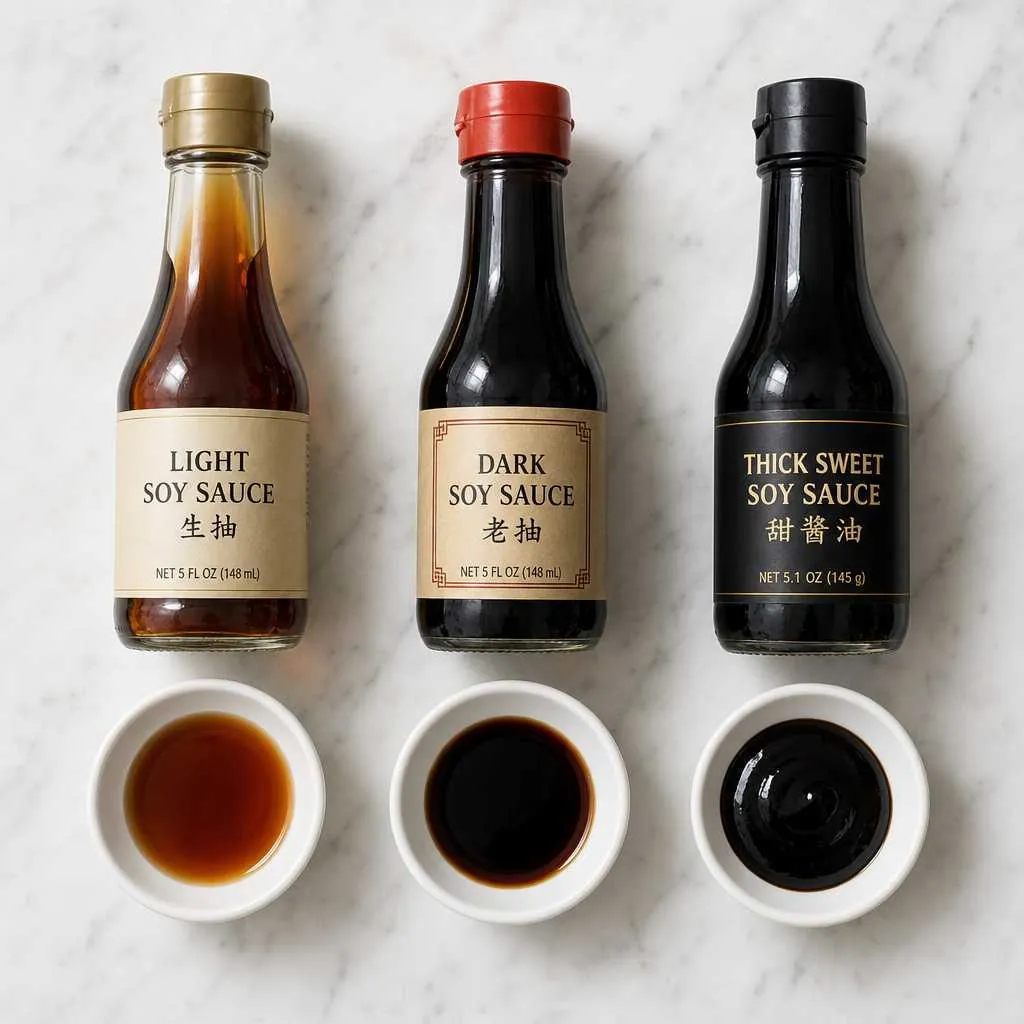
Most people pour soy sauce over their sushi without a second thought. That single habit is quietly ruining some of the best bites on the plate. The wrong soy sauce can overpower delicate fish, mask the umami in a carefully seasoned rice, and turn a refined sushi dining experience into something flat and salty. Knowing which sauce belongs next to which piece of sushi is not a trivial preference. It is the difference between eating well and eating memorably. This guide breaks down every type of soy sauce you will encounter and exactly how to use each one.
Table of Contents
- What Soy Sauce Actually Is and Why It Matters for Sushi
- The Main Types of Soy Sauce and What They Do Differently
- Quick Takeaways
- Matching Soy Sauce to the Right Sushi
- Soy Sauce Comparison: Which One to Use
- Common Mistakes People Make with Soy Sauce at the Sushi Table
- Understanding the Broader World of Japanese Condiments
- Soy Sauce Etiquette in a Sushi Dining Setting
- Frequently Asked Questions
- References
What Soy Sauce Actually Is and Why It Matters for Sushi
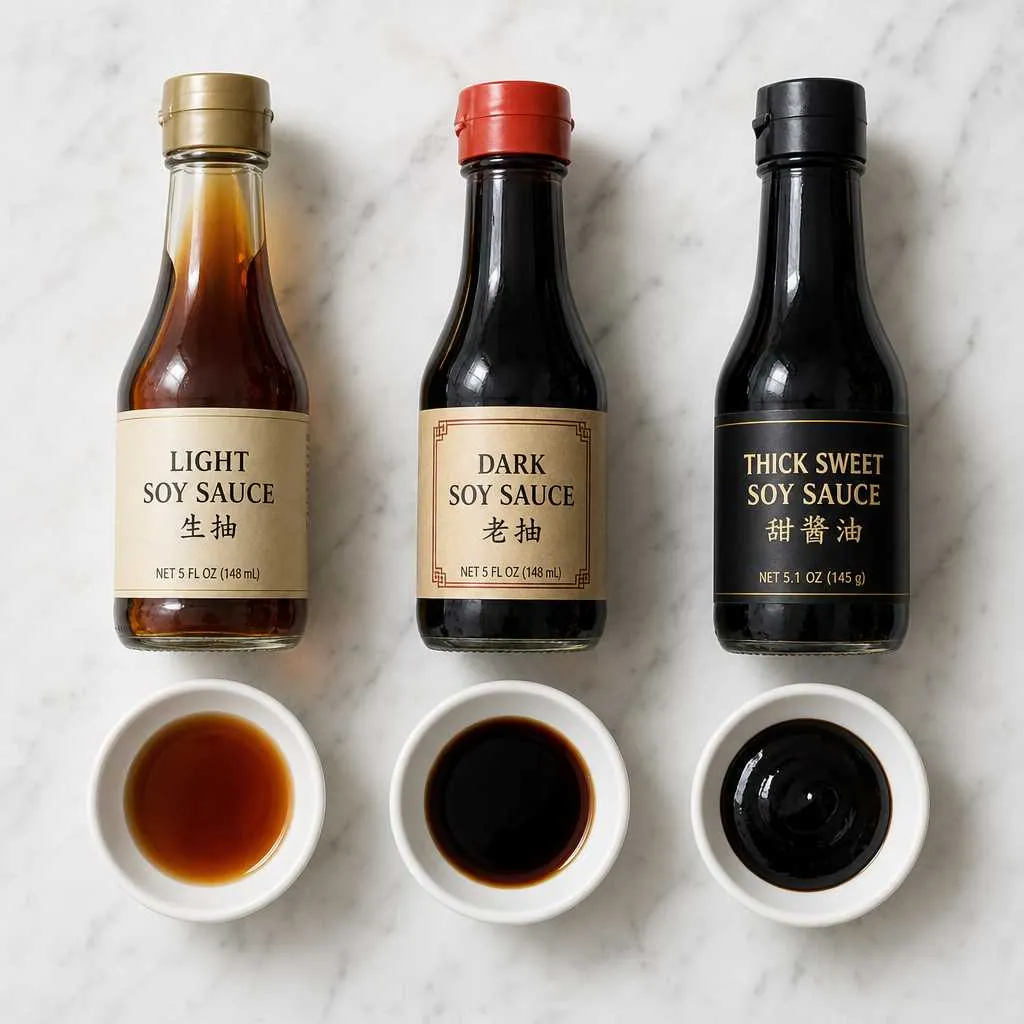
Soy sauce is a fermented liquid condiment made from soybeans, wheat, salt, and a fermenting agent called koji. The fermentation process, which can last anywhere from a few months to several years depending on the style, produces hundreds of flavor compounds that include umami, slight sweetness, acidity, and bitterness in careful balance.
For sushi, that complexity matters enormously. Sushi rice is seasoned with rice vinegar, sugar, and salt, and the fish on top carries its own delicate flavor. The soy sauce you introduce into that equation either complements those elements or fights them. A standard mass-produced soy sauce from a grocery shelf will often be too aggressive in sodium and too thin in flavor to complement premium sushi.
In practice, restaurants that take their sushi seriously use at least two different types of soy sauce for different preparations. At Zen Ramen and Sushi, this is not an afterthought. The condiments on the table are chosen to match what is being served, and knowing how to use them makes every order better.
The Main Types of Soy Sauce and What They Do Differently
There are five main categories of soy sauce used in Japanese cuisine, and each one has a specific role. Using them interchangeably is a mistake.
Koikuchi: The Everyday Standard
Koikuchi is the most common soy sauce in Japan, accounting for roughly 80 percent of domestic production according to data cited by the Japan Soy Sauce Brewers Association. It has a deep brown color, a balanced flavor, and moderate saltiness. This is the soy sauce most people picture when they think of the condiment.
For sushi dining, koikuchi works well with richer rolls, cooked ingredients like eel or shrimp tempura, and any sushi with bold, fatty flavors. It does not work well with ultra-delicate white fish sashimi, where it simply drowns out the fish.
Tamari: The Wheat-Free Umami Bomb
Tamari is produced with little to no wheat, which gives it a thicker consistency, deeper color, and significantly richer umami profile compared to koikuchi. It originated as the liquid byproduct of miso production and has been used in Japanese cuisine for centuries.
This is the sauce serious sushi chefs reach for when serving high-quality nigiri. Tamari clings better to fish, releases slowly on the palate, and does not overwhelm the natural flavor of tuna, salmon, or yellowtail. If you are sitting down to premium sushi dining and only one sauce is at the table, it should be tamari.
Shiro: The Light-Colored Option for Delicate Fish
Shiro soy sauce is pale gold in color and noticeably sweeter than koikuchi. It uses a much higher proportion of wheat, which produces a lighter flavor and prevents it from staining delicate ingredients. Chefs at high-end omakase counters use it precisely because it does not visually alter the presentation of white fish sashimi like flounder or sea bass.
The flavor is subtle enough that it enhances without competing. For most casual diners, shiro is unfamiliar, but trying it alongside halibut or snapper sashimi is a revelation.
Saishikomi: The Twice-Brewed Richness
Saishikomi is made by using soy sauce instead of brine during the fermentation process, which produces a product that is twice as thick, twice as dark, and significantly sweeter than koikuchi. It is also called sweet soy sauce in some markets.
A small amount of saishikomi applied with a brush to nigiri is common in high-end sushi preparation, specifically because it eliminates the need for a dipping bowl entirely. The sauce is already calibrated to the dish.
Quick Takeaways
| Key Insight | Explanation |
|---|---|
| Tamari is the best general soy sauce for nigiri sushi | It clings to fish, releases umami slowly, and avoids overwhelming delicate flavors |
| Never drown sushi rice in soy sauce | The rice absorbs too much liquid, falls apart, and the vinegar seasoning is lost |
| Shiro soy sauce works best with white fish sashimi | Its pale color and mild sweetness preserve both the appearance and flavor of delicate cuts |
| Saishikomi is used as a brush-applied finish, not a dipping sauce | It is too rich and thick for dipping. Applied correctly, it eliminates the need for a bowl |
| Dip fish-side down, not rice-side down | This controls how much soy sauce the piece absorbs and keeps the rice intact |
| Wasabi belongs in soy sauce only if used sparingly | Dissolving too much wasabi kills its sharp aromatics and creates a bitter, muddy flavor |
| Soy sauce quantity matters as much as type | A light touch lets the chef’s seasoning come through. Excess soy sauce is the most common sushi mistake |
Understanding soy sauce at this level changes how you order and eat. When you sit down at Zen Ramen and Sushi and a small ceramic dish of sauce arrives with your sushi, there is intention behind it. The following sections explain how to read that intention and work with it.
Matching Soy Sauce to the Right Sushi
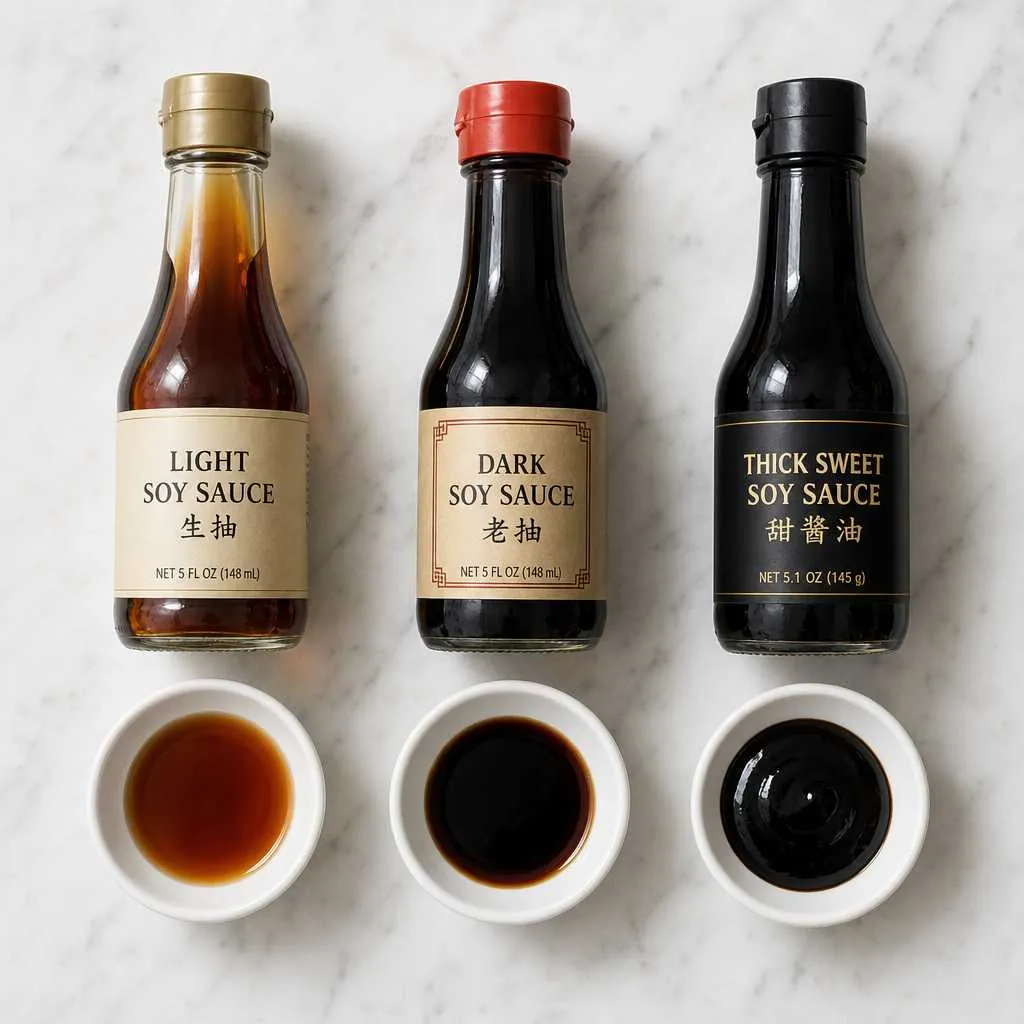
The matching logic is not complicated once you understand the core principle: the more delicate the fish, the lighter and more restrained the soy sauce should be. The richer or fattier the ingredient, the more the soy sauce can carry flavor without overpowering.
Nigiri Sushi
Nigiri is where soy sauce selection matters most. The fish sits directly on seasoned rice, and the goal is to add just enough soy to enhance the fish’s natural flavor without making the whole piece taste like salt water. Tamari or a light koikuchi applied only to the fish side is the correct approach for most nigiri.
For fatty fish like toro (bluefin tuna belly) or salmon, the fat acts as a buffer that can handle a slightly stronger soy sauce. For white fish like flounder or sea bass, shiro soy sauce is better. A common mistake is using the same soy sauce for every piece in sequence regardless of what the piece is.
Maki and Hand Rolls
Maki rolls involve multiple ingredients wrapped in rice and nori. Because of that complexity, the soy sauce does not need to be as delicate. Standard koikuchi works well here because the multiple flavors in a roll can absorb a more assertive sauce without losing their character.
The same applies to spicy rolls, fusion rolls, and any maki that includes sauces already applied on top. In those cases, adding more soy sauce is often unnecessary and will make the piece too wet.
Sashimi Without Rice
Sashimi is pure fish, no rice, no wrapping. This is where the quality of your soy sauce becomes most obvious because nothing else is competing. Use tamari or shiro soy sauce and dip only lightly. The fish should still taste primarily like fish after the dip, not primarily like soy.
Pro tip: At Zen Ramen and Sushi, if you are unsure which soy sauce is on the table, ask your server before you start dipping. Knowing whether you have tamari or koikuchi changes how much you should use from the very first piece.
Soy Sauce Comparison: Which One to Use
| Soy Sauce Type | Best Used With | Flavor Profile |
|---|---|---|
| Koikuchi (Dark Soy Sauce) | Cooked sushi rolls, eel, shrimp tempura rolls, rich maki | Balanced, moderate salt, slightly sweet, all-purpose |
| Tamari (Wheat-Free or Low-Wheat) | Premium nigiri, tuna, salmon, yellowtail sashimi | Rich, thick, deep umami, less sharp than koikuchi |
| Shiro (White or Light Soy Sauce) | White fish sashimi, flounder, sea bass, halibut nigiri | Pale gold, mild, slightly sweet, does not stain fish |
The comparison above covers the three soy sauces most commonly encountered in a restaurant sushi dining context. Saishikomi is typically used by the chef before the plate reaches you, so it rarely appears as a table condiment.
“Soy sauce is not a seasoning you add to food. It is a seasoning that completes food. The difference lies in how much, how carefully, and which type you choose.” – Nobu Matsuhisa, chef and restaurateur, in multiple published interviews on Japanese culinary philosophy.
Common Mistakes People Make with Soy Sauce at the Sushi Table
A common mistake is filling the dipping dish to the brim and dunking every piece of sushi rice-side down. The rice soaks up soy sauce like a sponge, the piece disintegrates, and the only flavor left is salt. Sushi chefs season their rice carefully and that seasoning is part of the experience.
Mixing Wasabi Directly into the Soy Sauce Dish
This is widely done and widely misunderstood. Wasabi has volatile aromatic compounds that dissipate quickly when dissolved in liquid. Mixing wasabi into soy sauce accelerates that dissipation, which means the sharp, sinus-clearing punch disappears and you are left with a slightly bitter, murky dipping liquid. Place a small amount of wasabi directly on the fish instead.
Some traditional sushi chefs apply wasabi directly between the fish and the rice, which means the piece is already seasoned before it reaches you. If that is the case, adding more wasabi to soy sauce is redundant and will create too much heat.
Using Too Much Sauce on Delicate Sashimi
The most expensive fish in a sushi order is usually the most delicate. Toro, uni, and high-grade scallop have subtle flavors that disappear immediately if over-sauced. The correct amount of soy sauce for these pieces is a very brief, light contact, not a full dip.
Pro tip: If you are at Zen Ramen and Sushi and you receive a piece of nigiri that already has a sauce brushed on top by the kitchen, skip the dipping dish entirely for that piece. The chef has already seasoned it to their specification, and adding more soy sauce will push it past the balance point.
Understanding the Broader World of Japanese Condiments
Soy sauce does not operate in isolation. Japanese condiments are a system, and each element in that system has a specific function. Understanding where soy sauce fits within that system helps you use it better.
Ponzu: The Citrus Alternative
Ponzu is a soy-based sauce made with citrus juice, typically yuzu or sudachi. It is thinner, brighter, and more acidic than regular soy sauce. Ponzu is excellent with white fish sashimi, scallop, and any sushi that benefits from a clean, acidic note rather than a deep, savory one. It functions as both a dipping sauce and a light dressing.
At a quality Japanese restaurant, ponzu will often appear alongside fried appetizers, thin-sliced beef, and lighter sashimi. It is not a substitute for soy sauce in nigiri applications, but it is a genuine alternative for certain dishes.
Ginger: Palate Cleanser, Not Flavor Enhancer
Pickled ginger (gari) is served as a palate cleanser between different types of sushi, not as a topping on the sushi itself. A common misuse is placing a large piece of ginger on top of nigiri before eating it. That practice covers the fish’s flavor entirely. Eat a small piece of ginger between different fish types, and your palate resets cleanly.
Wasabi: Heat and Antimicrobial Function
Real wasabi (hon-wasabi) is made from the grated rhizome of Wasabia japonica and has a sharp, clean heat that fades within 30 seconds. Most wasabi served outside Japan is a mixture of horseradish, mustard, and green food coloring, which delivers a longer-lasting, more pungent heat. Both function similarly as condiments, but real wasabi is significantly more expensive and considerably more nuanced. When a restaurant uses real wasabi, they will tell you, because it is a meaningful difference.
Soy Sauce Etiquette in a Sushi Dining Setting
Sushi dining has a set of customs around soy sauce that are worth knowing, not because violating them is offensive in a casual restaurant setting, but because following them produces a noticeably better meal.
The main rule is that soy sauce goes on the fish, not the rice. This applies to nigiri specifically. Flip the piece so the fish faces down, dip briefly, and eat it in one bite if possible. This keeps the rice intact, controls the amount of soy sauce that enters the piece, and lets you taste the fish and the rice together as the chef intended.
The second rule is to pour only as much soy sauce as you will use. Wasting soy sauce in the dipping dish is considered wasteful in traditional Japanese dining culture. Pour a small amount, use it, and add more if needed.
The third rule applies specifically at sushi dining establishments like Zen Ramen and Sushi where the chef may add finishing sauces. If a piece arrives with a visible glaze or drizzle, that is the chef’s seasoning decision. Treat it as a complete dish and taste it before reaching for the soy sauce. In many cases, you will not need any additional sauce at all.
Frequently Asked Questions
What is the difference between regular soy sauce and tamari for sushi?
Regular soy sauce (koikuchi) contains wheat and has a thinner, sharper flavor. Tamari contains little or no wheat, which gives it a thicker consistency, deeper umami, and a rounder, less salty flavor. For nigiri sushi in particular, tamari is the better choice because it clings to the fish without overwhelming its natural taste.
Can I use low-sodium soy sauce for sushi?
Low-sodium soy sauce is a reasonable choice if you are managing sodium intake, but it often tastes noticeably flat compared to full-sodium options because salt plays a structural role in the fermented flavor profile. If you use low-sodium soy sauce, use tamari-style low-sodium products rather than low-sodium koikuchi, as the tamari base retains more depth even with reduced salt content.
Should I mix wasabi into my soy sauce?
No. Mixing wasabi into soy sauce destroys the volatile aromatic compounds that make wasabi sharp and interesting. Place wasabi directly on the fish instead. If the chef has already applied wasabi between the fish and the rice, you likely do not need any additional wasabi at all.
What soy sauce does Zen Ramen and Sushi use?
The specific soy sauce served at Zen Ramen and Sushi is selected to match the dishes being served. Your server can tell you exactly what is at the table. As a general approach, Japanese restaurants focused on authentic sushi dining tend to use tamari or high-quality koikuchi rather than mass-market supermarket brands, because the quality difference is immediately noticeable with fresh fish.
Is ponzu sauce a type of soy sauce?
Ponzu is a soy-based sauce combined with citrus juice, giving it a distinctly brighter and more acidic flavor than straight soy sauce. It qualifies as a Japanese condiment in the broader soy sauce family, but it is not interchangeable with soy sauce for dipping nigiri. Ponzu works best with lighter preparations like white fish sashimi, scallop, or thin-sliced beef dishes.
How do I know if I am using too much soy sauce on my sushi?
The simplest test is this: if the primary flavor of the bite is salty rather than the fish or rice, you used too much. The soy sauce should be a background note that lifts the other flavors, not the dominant taste. Start with a very brief dip, fish-side down, and adjust from there. Most people who practice this approach use significantly less soy sauce than they used before.
If you have a specific soy sauce question after your next visit to Zen Ramen and Sushi, or you have discovered a combination that surprised you, share it in the comments below or mention it to your server. Real feedback from real diners helps everyone at the table eat better.
References
- Global soy sauce production and consumption data from Statista’s food and beverage industry reports
- Forbes coverage of Japanese cuisine trends, restaurant culture, and premium ingredient sourcing
- FDA guidelines on fermented soy products, labeling requirements, and sodium content standards in condiments
- USDA Agricultural Marketing Service resources on soy-based product standards and quality grading
- Peer-reviewed food science research on fermentation chemistry in soy sauce and umami compound development