
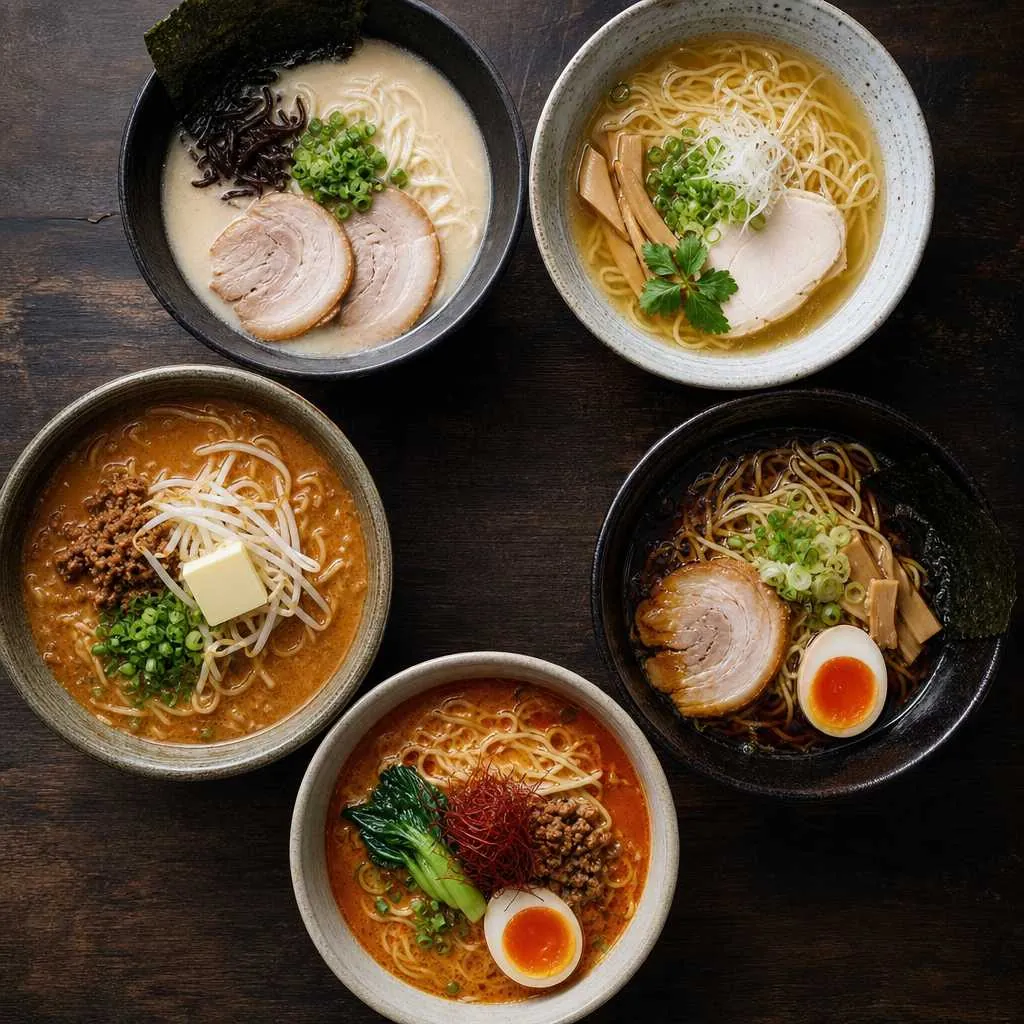
Most people who love ramen have tried maybe two or three styles. They have had a rich tonkotsu or a clean shio, and they assume they understand the regional ramen landscape. They do not. Japan has more than a dozen distinct regional ramen traditions, each shaped by local climate, agriculture, and centuries of culinary habit. Understanding these differences does not just make you a more informed diner. It completely changes what you order and why. This guide breaks down the major regional ramen styles, what makes each one technically distinct, and what to look for when you want to experience authentic ramen at its best.
Table of Contents
- Quick Takeaways
- Why Regional Ramen Matters
- Hokkaido Ramen: The North
- Tohoku and Kanto Styles
- Chubu and Kansai Ramen
- Kyushu Ramen: The South
- Comparison of Regional Ramen Styles
- How to Identify Authentic Ramen
- Frequently Asked Questions
- References
Quick Takeaways
| Key Insight | Explanation |
|---|---|
| Hokkaido ramen uses miso as its base | Sapporo-style ramen built the miso ramen tradition, blending fermented soybean paste with pork or chicken broth to combat harsh northern winters. |
| Tonkotsu is a Kyushu specialty, not a generic term | Tonkotsu broth originates in Fukuoka and is made by boiling pork bones at high heat for hours, producing an opaque, milky, intensely porky soup. |
| Tokyo ramen is lighter than most people expect | Kanto-style ramen traditionally uses a soy-based shoyu broth blended with chicken and dashi, producing a clear amber soup with moderate saltiness. |
| Noodle texture varies by region, not just broth | Hakata-style ramen uses thin, straight noodles suited to its thin tonkotsu broth, while Sapporo ramen pairs with thick, wavy noodles to hold the heavy miso soup. |
| Shio ramen is the oldest ramen style in Japan | Salt-based broth predates miso and soy sauce variations, originating in Hakodate and relying on seafood and chicken stocks for delicate, clean flavor. |
| Toppings are not decorative, they are functional | Each regional style pairs specific toppings to balance broth intensity. Corn and butter in Hokkaido add sweetness to cut miso. Pickled ginger in Hakata offsets pork heaviness. |
| Ramen regions still evolve today | Contemporary chefs in cities like Kyoto and Osaka continue to develop hybrid regional ramen styles, drawing on local ingredients while honoring traditional broth techniques. |
Why Regional Ramen Matters
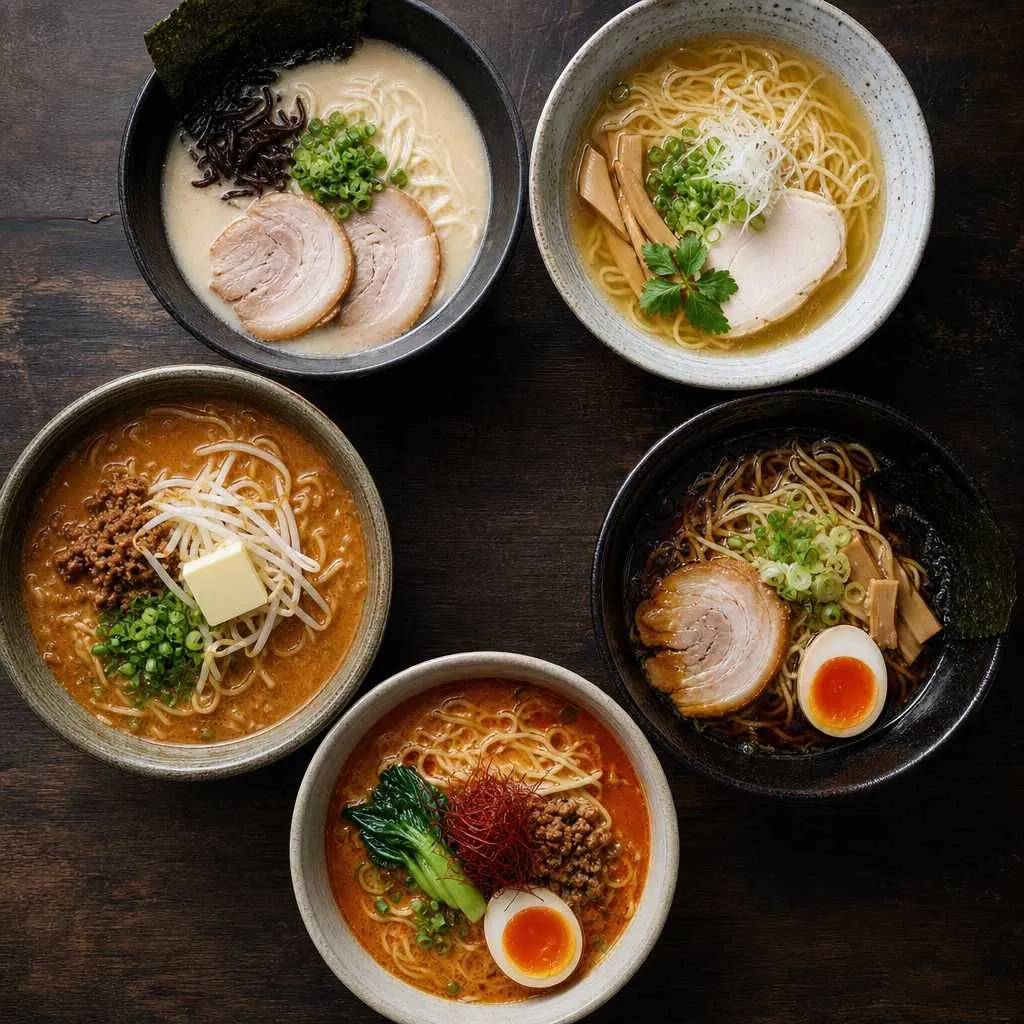
Ramen is not a single dish. It is a category of Japanese noodle soups with radically different flavor profiles, textures, and philosophies depending on where in Japan the bowl was developed. Treating all ramen as interchangeable is like treating all Italian pasta as the same dish regardless of region or preparation.
The four primary broth bases are shio (salt), shoyu (soy sauce), miso, and tonkotsu (pork bone). But these categories only scratch the surface. Within each base, regional variations in water chemistry, local protein sources, fermentation traditions, and climate preferences produce bowls that taste nothing alike even when labeled the same way.
For anyone who has had a friend recommend a ramen restaurant, the regional context is what separates a good recommendation from a great one. Knowing that you love the deep, funky richness of a Sapporo miso bowl helps you seek out similar experiences. Knowing the difference between Hakata tonkotsu and Kumamoto tonkotsu tells you which bowl to order even within the same style.
Hokkaido Ramen: The North
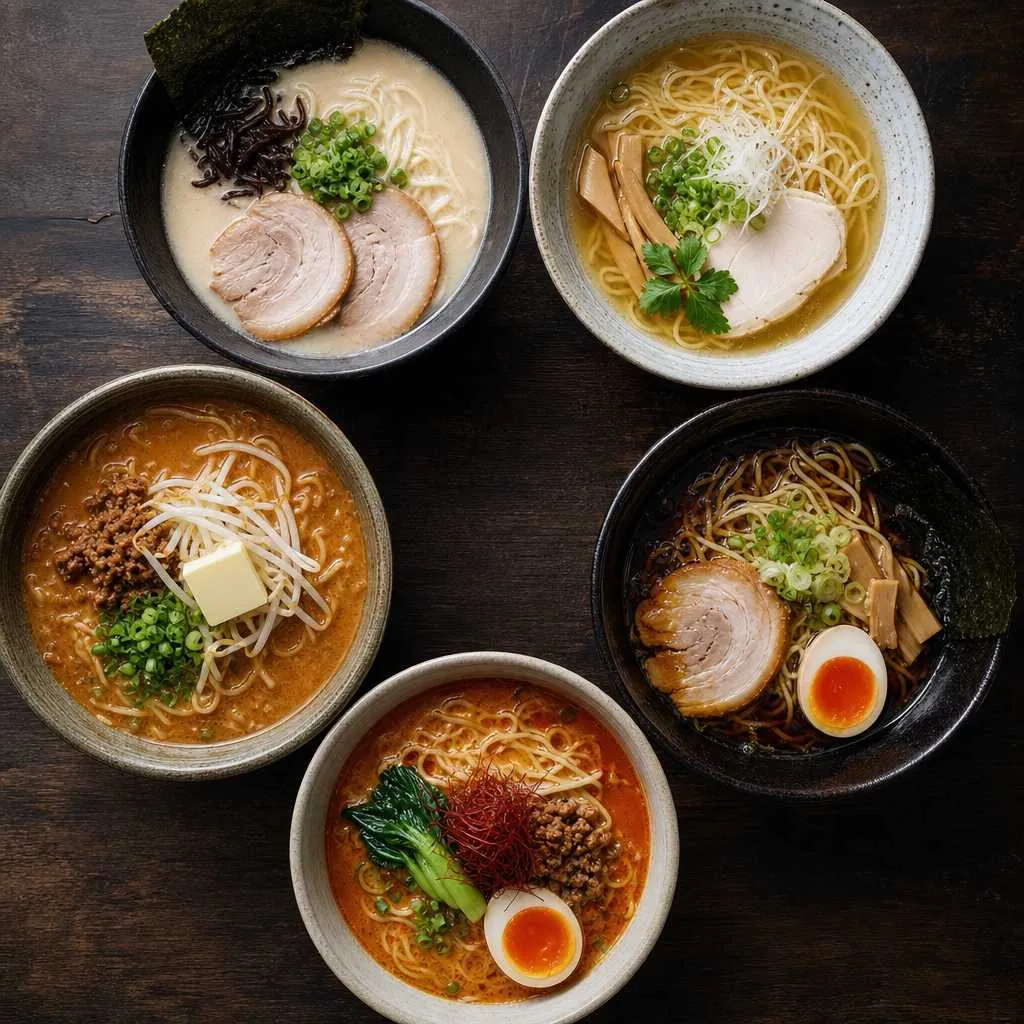
Hokkaido sits at Japan’s northern extreme, and its food culture reflects a climate that demands warmth and substance. The prefecture produced three ramen styles that now define distinct corners of the Japanese ramen styles landscape.
Sapporo Miso Ramen
Sapporo is the birthplace of miso ramen in Japan. The style emerged in the 1950s at a restaurant called Aji no Sanpei, where the owner began adding miso paste to pork broth to create something hearty enough for Hokkaido winters. Sapporo miso ramen uses thick, wavy noodles that grip the heavy broth. Toppings typically include corn, butter, bamboo shoots, bean sprouts, and chashu pork.
The miso itself is usually a blend of red and white miso, giving the broth a complex savory flavor that is simultaneously sweet, salty, and deeply umami. In practice, the best versions of this bowl are stir-fried at high heat before serving, which adds a slight smokiness that simpler preparations miss entirely.
Hakodate Shio Ramen
Hakodate, located on the southern tip of Hokkaido, claims Japan’s oldest ramen tradition. Shio ramen here is built on a clear, delicate broth made from chicken, seafood, and pork, seasoned only with salt. The result is a pale golden soup with a clean finish that lets individual ingredients speak clearly. This is the style that shows off quality ingredients without any broth complexity to hide behind.
Asahikawa Shoyu Ramen
Asahikawa sits in the interior of Hokkaido and experiences some of the coldest winters in Japan. Its ramen compensates with a double-broth system combining pork and seafood stocks, seasoned with soy sauce and topped with a layer of lard to retain heat. The noodles are wavy and medium-width. This is a bowl designed to stay warm on the walk from the counter to the table.
Pro tip: When ordering Hokkaido-style miso ramen, ask whether the kitchen stir-fries the toppings separately before adding broth. That extra step is what creates the wok-char flavor that distinguishes an exceptional bowl from a merely decent one.
Tohoku and Kanto Styles
Moving south from Hokkaido, the Tohoku region and greater Tokyo area contribute some of Japan’s most widely recognized ramen varieties. These styles tend to be more restrained than Hokkaido bowls, prioritizing clarity and balance over richness.
Tokyo Shoyu Ramen
Tokyo shoyu ramen is the style most Americans encountered first through Japanese restaurant chains that expanded internationally in the 1990s and 2000s. The broth is a blend of chicken stock and dashi seasoned with soy sauce, producing a clear amber soup with a savory, slightly sweet finish. The noodles are thin, slightly wavy, and springy.
Classic Tokyo toppings include menma (bamboo shoots), nori (seaweed), narutomaki (fish cake), chashu, and a soft-boiled egg. This is the style that codified what many Western diners think ramen looks like. A common mistake is confusing this restrained style with Kanto-region soy sauce ramen in general, as significant variation exists even within the greater Tokyo area.
Kitakata Ramen
Kitakata, a small city in Fukushima Prefecture, has one of the highest ramen shops per capita ratios in Japan. Its ramen is characterized by flat, wide, wavy noodles and a light shoyu broth built on pork and niboshi (dried sardine) stock. The noodles are notable for their high water content, giving them a soft, almost chewy texture that holds up to the light broth without becoming soggy.
Chubu and Kansai Ramen
Central and western Japan produced some of the most unusual and regionally specific ramen styles in the country. These bowls challenge expectations and reflect local ingredient traditions that differ significantly from both northern and southern Japan.
Nagoya Taiwan Ramen
Taiwan ramen in Nagoya has nothing to do with Taiwan. It was created in Nagoya by a Taiwanese chef who spiced up a local noodle dish with chili and garlic, creating an intensely savory, spicy, and aromatic ramen variation that became a Nagoya institution. The broth is a rich soy-based pork stock, and the heat level is aggressive by default. This is a perfect example of how regional ramen often reflects immigrant culinary influence filtered through local tastes.
Kyoto Ramen
Kyoto ramen tends toward rich, thick chicken-based broths seasoned with soy sauce and often finished with a significant layer of oil to retain heat. The style has become famous for its intense saltiness relative to the light aesthetic typically associated with Kyoto cuisine. The most famous Kyoto ramen shops, including Tenkaippin, have made this thick chicken-based style internationally recognizable.
Osaka Ramen
Osaka does not have a single dominant ramen style the way Fukuoka or Sapporo do. The city functions as a mixing point for styles from across Japan, with significant shoyu and shio traditions present alongside newer fusion approaches. This makes Osaka an excellent city for ramen varieties exploration, but a difficult place to describe a single regional character.
“Ramen is not fast food in Japan. It is a serious culinary tradition tied to geography, agriculture, and identity. The regional differences are as meaningful as the differences between French regional cuisines.” – Ivan Orkin, American ramen chef and author of The Gaijin Cookbook
Kyushu Ramen: The South
Kyushu is the southernmost of Japan’s four main islands and the region most responsible for the global ramen boom of the 2000s and 2010s. Tonkotsu ramen, which originated here, became the dominant style for ramen expansion outside Japan.
Hakata Tonkotsu
Hakata, the central district of Fukuoka City, is the origin point of tonkotsu ramen. The broth is made by boiling pork bones at a rolling boil for twelve to eighteen hours, breaking down collagen into gelatin and producing an opaque, creamy, intensely savory soup. The noodles are thin and straight, cooked al dente, and served in small portions to be refilled (a practice called kaedama).
Classic Hakata toppings are minimal: chashu pork, green onions, pickled ginger, sesame seeds, and sometimes a slice of wood ear mushroom. The broth is the star. A common mistake among first-time tonkotsu eaters is adding too many condiments before tasting the broth on its own. The depth is already there.
Kumamoto Ramen
Kumamoto ramen adds a layer of complexity to the Hakata model by incorporating garlic oil and charred garlic paste into the tonkotsu broth. The result is a richer, more aromatic bowl with a slight bitterness that balances the pork fat. Kumamoto noodles are slightly thicker than Hakata noodles and have a firmer bite. This is arguably the most complex of the Kyushu regional styles.
Kagoshima Ramen
Kagoshima sits at the southern tip of Kyushu and uses a lighter tonkotsu base blended with chicken stock, producing a cleaner, more balanced soup than either Hakata or Kumamoto. The noodles are straight and medium-width. This is the most approachable of the Kyushu styles for diners who prefer less pork intensity.
Pro tip: If you are new to tonkotsu and find the pure pork bone broth overwhelming, start with Kagoshima-style ramen. The chicken-pork blend is gentler and gives you a more balanced entry point before moving to full Hakata-style tonkotsu.
Comparison of Regional Ramen Styles
The table below compares three of the most widely available and historically significant authentic ramen styles. Use it as a reference when deciding what to order based on your flavor preferences.
| Style | Broth Character | Best For |
|---|---|---|
| Sapporo Miso (Hokkaido) | Rich, thick, deeply savory and slightly sweet. Opaque golden-brown color. Pork or chicken base with fermented miso seasoning. Stir-fried toppings add wok char. | Diners who want a bold, warming bowl with complex umami. Best in cold weather. Pairs well with corn, butter, and chashu pork toppings. |
| Tokyo Shoyu (Kanto) | Clear amber broth. Lighter body than miso or tonkotsu. Chicken and dashi base with soy sauce seasoning. Clean, balanced, slightly sweet and salty finish. | First-time ramen eaters and those who prefer subtlety over richness. The most recognizable style internationally. Good baseline for comparing other styles. |
| Hakata Tonkotsu (Kyushu) | Opaque, creamy, milky-white broth. Extremely rich and porky. High collagen content gives it a thick, almost coating texture. Thin straight noodles cooked firm. | Diners who want maximum depth and pork intensity. Best appreciated when the broth is tasted first without additional condiments. Not suitable for those avoiding pork. |
How to Identify Authentic Ramen
The word authentic gets used loosely in restaurant marketing. In the context of regional ramen, it has a specific meaning: the broth technique, noodle type, and toppings align with the conventions of the regional style being presented.
Broth Clarity as a Quality Signal
For shio and shoyu ramen, clarity is a quality signal. A cloudy Tokyo shoyu broth suggests imprecise technique or shortcuts in stock preparation. For tonkotsu, opacity is the goal. Understanding which broths should be clear and which should be opaque helps you evaluate what is in the bowl before you taste it.
Noodle Specifications Matter
Authentic regional ramen matches noodle thickness and texture to broth weight. Thin, low-water-content noodles in a heavy miso broth will become soggy quickly and lose structural integrity. Thick wavy noodles in a delicate shio broth will overpower the soup. When a restaurant takes regional ramen seriously, the noodle specification is deliberate and matches the bowl.
Toppings Are Not Optional Extras
Each traditional regional style has a set of canonical toppings that serve functional flavor roles. Corn and butter in Sapporo miso ramen are not decorative. The sweetness of corn cuts the salt, and the fat of butter enriches the broth and softens the miso sharpness. When a restaurant skips or substitutes these elements arbitrarily, it is usually cutting costs, not innovating.
At Zen Ramen and Sushi, the approach to Japanese ramen styles takes these regional distinctions seriously. If a friend has recommended the restaurant to you, ask your server which regional tradition the featured ramen bowl draws from. That question alone will tell you a great deal about the kitchen’s philosophy.
Frequently Asked Questions
What is the difference between tonkotsu and tonkatsu?
Tonkotsu (spelled with an “o” in the middle syllable) refers to pork bone broth used in ramen, originating from Kyushu. Tonkatsu (with an “a” in the middle syllable) is a separate dish entirely, consisting of breaded and deep-fried pork cutlet. They share no preparation method and are not interchangeable terms. This is one of the most common ordering mistakes at Japanese restaurants.
Which regional ramen style is best for someone who dislikes strong flavors?
Hakodate shio ramen is the most appropriate starting point for those who prefer mild, clean flavors. The salt-seasoned broth is delicate and transparent, relying on seafood and chicken stock for its character. Tokyo shoyu ramen is a close second, offering a balanced soy-seasoned broth without the intensity of miso or tonkotsu. Both styles are well-suited for first-time ramen eaters.
Is miso ramen always from Hokkaido?
No, but Hokkaido is where miso ramen originated. Sapporo’s Aji no Sanpei is widely credited as the birthplace of the style in the 1950s. Since then, miso ramen has spread across Japan and appears in many regional variations. However, when you order miso ramen at a restaurant that specifies regional origin, Hokkaido-style miso ramen carries a specific flavor profile that differs from Kyoto or Tokyo interpretations of the same base.
What makes Hakata ramen different from other tonkotsu styles?
Hakata tonkotsu uses thin, straight noodles and a pure pork bone broth with minimal seasoning beyond salt. The broth is boiled aggressively to produce maximum opacity and collagen content. Other Kyushu tonkotsu styles like Kumamoto add garlic oil and charred garlic paste, while Kagoshima blends in chicken stock to lighten the body. Hakata is the most intense and least modified expression of tonkotsu ramen.
Can ramen be authentic if it is made outside Japan?
Yes, with qualifications. Authenticity in ramen comes from technique and ingredient fidelity, not geography. A restaurant outside Japan that sources quality pork bones, follows traditional boiling protocols, and uses appropriate noodle specifications can produce an authentic regional ramen bowl. What undermines authenticity is substituting ingredients arbitrarily, using pre-made broth concentrates without modification, or misrepresenting the regional style being served.
How long does proper tonkotsu broth take to prepare?
Authentic Hakata-style tonkotsu broth requires a minimum of twelve hours of boiling pork bones at high heat. Most serious ramen kitchens run their broth preparation for eighteen hours. The high-heat boiling is what emulsifies the fat and breaks down collagen into gelatin, producing the characteristic milky opacity and thick mouthfeel. Broth made in four to six hours will be noticeably thinner and less complex.
What is the kaedama system and which ramen style uses it?
Kaedama is a noodle refill system specific to Hakata-style ramen. When you finish your noodles but still have broth remaining, you pay a small additional fee (typically around 100 yen in Japan) to receive a fresh serving of thin noodles dropped directly into your remaining broth. This practice reflects Hakata ramen’s philosophy that noodles should be eaten quickly and firm, with the broth as the centerpiece of the dining experience.
Have you tried multiple regional ramen styles, and which one convinced you that broth traditions are worth taking seriously? Share your experience in the comments below.
References
- Statista: Global food service and Japanese cuisine market data and consumer trends
- Forbes: Coverage of Japanese culinary culture, restaurant industry trends, and food tourism
- Smithsonian Magazine: Historical and cultural reporting on Japanese food traditions and culinary anthropology
- ScienceDirect: Peer-reviewed research on fermentation science, broth chemistry, and umami flavor compounds in Japanese cuisine
- Epicurious: Expert culinary coverage of Japanese ramen varieties, regional cooking techniques, and ingredient sourcing