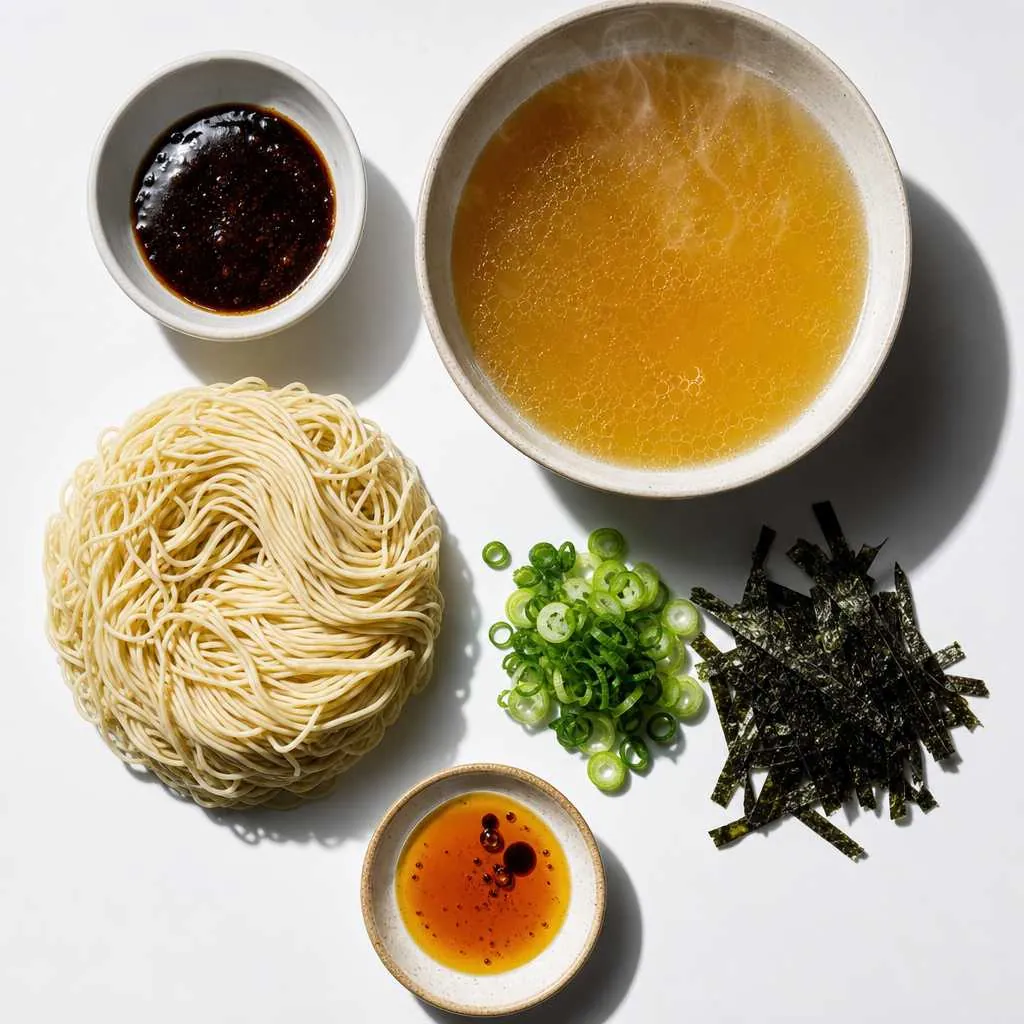
Most people who sit down to a bowl of ramen think of it as a single dish. It is not. A well-executed bowl is the result of at least four distinct components, each built and timed separately, then combined in a specific order that determines the final flavor. Get the order wrong and the broth tastes flat. Skip a layer and the texture collapses. Understanding ramen construction is what separates a memorable bowl from a forgettable one, and it is the foundation of everything the kitchen at Zen Ramen and Sushi builds toward every service.
Table of Contents
- Quick Takeaways
- Why Ramen Construction Matters More Than Any Single Ingredient
- The Four Pillars of a Perfect Ramen Bowl
- Broth Building: Where Ramen Flavors Begin
- Tare: The Secret Layer Most Diners Never Think About
- Noodle Selection and Its Role in Texture
- Toppings and Finishing Oils: The Final Architecture
- Comparing Three Classic Ramen Construction Styles
- Common Mistakes That Ruin an Otherwise Good Bowl
- Frequently Asked Questions
- References
Quick Takeaways
| Key Insight | Explanation |
|---|---|
| Tare goes in first, not last | Adding the seasoning concentrate before the broth ensures even distribution and prevents saltiness pooling at the bottom. |
| Broth temperature is structural, not just aesthetic | Broth served below 75°C (167°F) causes noodles to stiffen and fat to congeal before the bowl reaches the table. |
| Noodle alkalinity changes flavor perception | Kansui-treated noodles carry a slight mineral flavor that enhances rich tonkotsu broths but can clash with lighter shio preparations. |
| Chashu fat content must match broth weight | Lean chashu in a heavy miso broth creates a dry bite. Fatty pork belly slices work best when the broth is rich and collagen-heavy. |
| Aroma oils are added last, never cooked in | A finishing drizzle of sesame oil, chili oil, or mayu (blackened garlic oil) loses its volatile aromatics instantly if added too early. |
| Marinated eggs must cure a minimum of 8 hours | Less than 8 hours produces a pale, under-seasoned yolk. The 12-to-24-hour window hits the ideal custard texture and soy depth. |
| Topping placement affects eating order | Placing nori at the bowl’s edge keeps it from immediately softening. Eating it mid-bowl, once partially saturated, adds a deliberate umami shift. |
Why Ramen Construction Matters More Than Any Single Ingredient
A common mistake among home cooks and even some restaurant kitchens is treating ramen as a broth problem. They spend 18 hours on a perfect tonkotsu stock, then dump it over the wrong noodles, skip the tare, and wonder why the bowl tastes incomplete. The broth is only one component. Without the other three, it cannot perform.
Think of ramen construction the way a chef thinks about a composed dish. Every element has a role, a placement order, and a timing requirement. The reason a bowl from a serious ramen kitchen tastes different from one assembled carelessly is almost never the quality of a single ingredient. It is the relationship between all components, executed in sequence.
At Zen Ramen and Sushi, every bowl follows a strict build order. That discipline is not theatrical. It is functional. The sequence locks in temperature, distributes seasoning evenly, and ensures that the first spoonful delivers the same balance as the last.
The Four Pillars of a Perfect Ramen Bowl
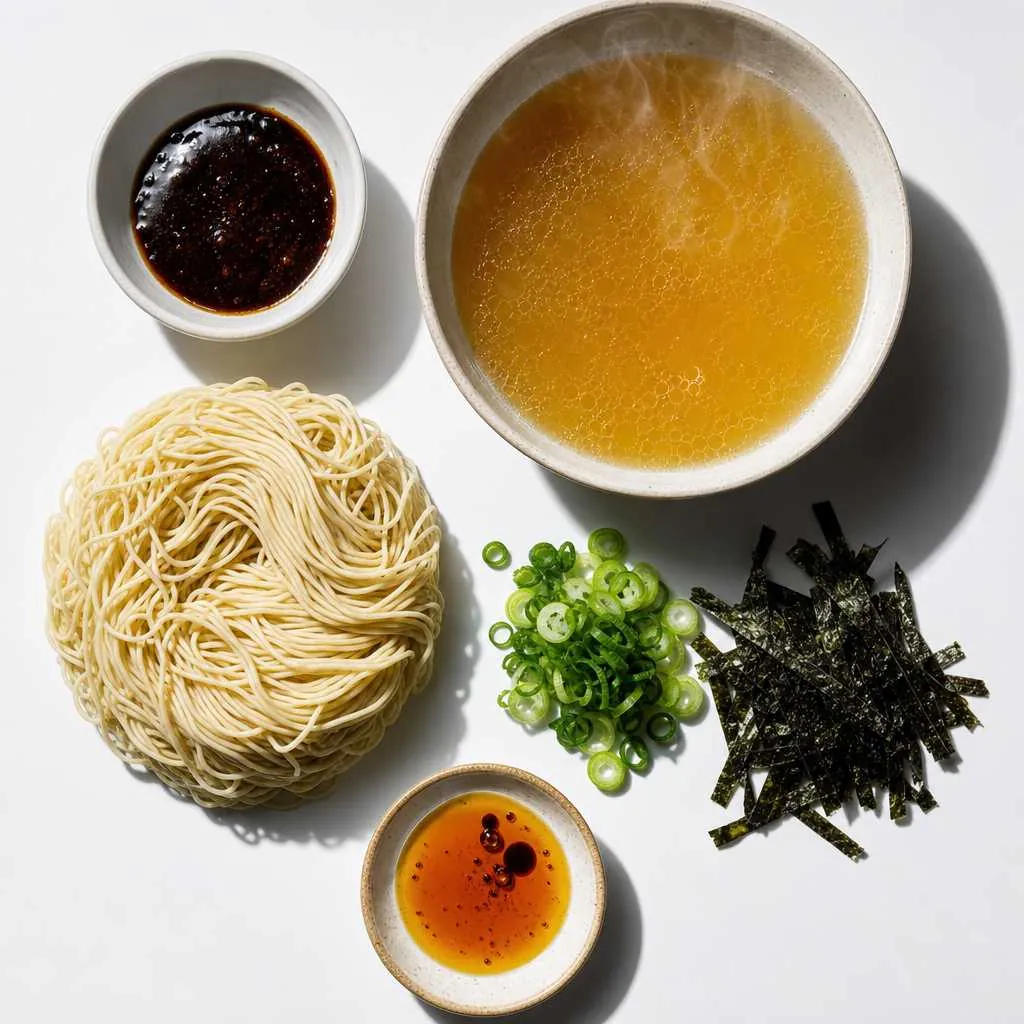
Every bowl of ramen, regardless of regional style, is built on four components. Omit any one of them and the architecture fails.
Broth (Soup Base)
The soup base provides volume, warmth, and the primary flavor category. Tonkotsu (pork bone), tori paitan (chicken), dashi (kombu and bonito), and vegetable stocks each create a different weight and mouthfeel. The broth determines which other elements will work alongside it.
Tare (Seasoning Concentrate)
Tare is a concentrated seasoning paste or liquid stirred into the bowl before the broth is poured. Shio tare (salt-based), shoyu tare (soy-based), and miso tare each change the finished bowl’s salt level, acidity, and umami depth. Skilled ramen construction treats tare as non-negotiable, not optional.
Noodles
Noodle thickness, alkalinity level, and curl all affect how much broth clings to each strand. Thin, straight noodles work in lighter broths. Thick, wavy noodles are designed for heavier, fattier soups. The wrong pairing produces either a bland bite or an overwhelmed one.
Toppings and Aroma Oils
Toppings are not garnish. Each topping is chosen to contribute a specific texture or flavor that the broth and noodles alone cannot provide. Aroma oils are applied last and function as a final sensory layer that hits the nose before the spoon reaches the mouth.
Broth Building: Where Ramen Flavors Begin
The broth is the longest component to produce and the most unforgiving to shortcut. A proper tonkotsu broth requires a rolling boil maintained for 12 to 18 hours to emulsify pork bone collagen into the milky, creamy consistency that defines the style. Reduce that time and the liquid is simply a pale pork stock, not a tonkotsu broth.
Dashi-based broths operate differently. The best dashi is brewed cold overnight or steeped at a precise 60°C (140°F) for one hour. Boiling dashi extracts bitterness from the kombu and dulls the bonito’s delicate smokiness. In practice, temperature discipline during extraction is what separates a clean, refined dashi from one that tastes muddy.
“Ramen broth is not soup. It is a concentrated vehicle for tare. The broth must be built with the assumption that seasoning will be added separately at service.” – Ivan Orkin, ramen chef and author of Ivan Ramen
The fat content of the broth also determines how it interacts with the aroma oil added at the end. A lean chicken broth absorbs finishing oil quickly and integrates it. A fat-heavy tonkotsu forms a separate slick on top, which is exactly the intended effect for that style.
Pro tip: Never salt the broth directly. All seasoning should come through the tare added at service. Pre-salted broth cannot be adjusted per bowl and creates inconsistency across every serving.
Tare: The Secret Layer Most Diners Never Think About
Tare is the single most misunderstood element in ramen. Many diners believe the broth they taste is the broth alone. It is not. The salt, soy, miso, or citrus notes that give the bowl its personality come primarily from the tare stirred into the bowl before the broth arrives.
A shio tare blends sea salt with sake, mirin, and sometimes yuzu or kelp water. It keeps the broth clear and bright. A shoyu tare uses aged soy sauce cooked with aromatics and often a splash of mirin for sweetness. Miso tare is the most complex to build correctly because different miso varieties (white, red, mixed) each introduce different fermentation notes that must be balanced against the broth weight.
Tare Ratios and Bowl Dosing
A standard tare dosing is between 15ml and 30ml per bowl, depending on concentration. Too little and the broth tastes watery regardless of how well it was made. Too much and the salt overwhelms every other flavor. Consistency here is a technical skill, not a matter of intuition.
At Zen Ramen and Sushi, tare is added to the warm bowl first, then the noodles are placed, and then the hot broth is ladled over both. This sequence ensures the tare dissolves fully and the heat from the broth activates its aromatic compounds rather than leaving them cold and unintegrated at the base.
Pro tip: Store tare separately from broth at all times. Tare combined with broth before service begins to oxidize and lose its edge within a few hours. Individual portion dosing at the bowl keeps both components at peak quality.
Noodle Selection and Its Role in Texture
Ramen noodles are wheat-based and made with kansui, an alkaline salt solution containing potassium carbonate and sodium bicarbonate. Kansui gives ramen noodles their characteristic yellow tint, firm bite, and slight mineral taste. This alkalinity is also what makes ramen noodles distinct from other wheat noodles like udon or somen, which use no alkaline agent.
The thickness and curl of the noodle must be matched to the broth. A 1.5mm thin, straight noodle pulls through a light shio or shoyu broth efficiently, picking up just enough liquid per strand. A 2.2mm wavy noodle is engineered for thick miso or tonkotsu, where the waves trap fat-emulsified broth in every fold.
Cooking Noodles to the Right Doneness
Ramen noodles should be cooked separately in unsalted water, drained thoroughly, and placed in the bowl before the broth is poured. Cooking noodles directly in the broth dilutes the broth and produces uneven seasoning. The cook time for most ramen noodles is between 60 and 90 seconds in a rapid boil. Pulling them even 20 seconds late produces a softer, starchier texture that muddies the broth.
A common mistake in lower-quality ramen kitchens is under-shaking the noodles after draining. Excess cooking water left on the noodles waters down the tare-seasoned broth and changes the balance of the first few spoonfuls significantly.
Toppings and Finishing Oils: The Final Architecture
Toppings in a well-constructed bowl are not decorative. Each one is placed with a specific purpose: to introduce a contrasting texture, an additional umami source, or a visual cue that signals the flavor profile of the bowl.
The standard topping set for a shoyu ramen includes chashu pork, a marinated soft-boiled egg (ajitsuke tamago), menma (fermented bamboo shoots), nori, and chopped scallions. Each element plays a defined role. The chashu delivers fat and protein. The egg adds richness and a creamy yolk texture that blends into the broth as it is eaten. Menma contributes a chewy, slightly sour crunch. Nori adds marine umami and changes in texture as it absorbs broth. Scallions cut through fat with sharp, fresh vegetal flavor.
Aroma Oils and Their Correct Application
Aroma oils are the final layer of ramen construction and the most volatile. Mayu, the blackened garlic oil used in Kumamoto-style tonkotsu, is made by blending charred garlic with neutral oil. Its smoky, bitter-edge aroma evaporates within minutes if not applied just before service. Sesame oil, chili oil, and fragrant chicken fat (toriskin oil) behave the same way.
The application is a drizzle of 3ml to 8ml directly on the broth surface at the last moment before the bowl leaves the pass. The oil floats on the broth and reaches the diner’s nose before the spoon touches the bowl. That olfactory introduction sets the expectation for what follows.
Comparing Three Classic Ramen Construction Styles
Understanding how construction principles apply differently across the three most common ramen styles makes it easier to appreciate why each component choice is intentional rather than arbitrary.
| Construction Element | Tonkotsu Ramen | Shio Ramen | Miso Ramen |
|---|---|---|---|
| Broth base | Pork bone, 12-18 hour rolling boil, cloudy and creamy | Chicken or dashi, clear, light-bodied | Chicken or dashi base blended with fermented miso paste |
| Tare type | Shio or shoyu tare used sparingly due to rich base | Shio tare only, salt-forward with citrus or kelp notes | Miso tare dominant, white or red depending on region |
| Noodle | Thin, straight, low hydration for firm bite in fatty broth | Thin, straight, delicate noodle that does not compete with clean broth | Thick, wavy, high hydration to trap thick miso broth |
| Key toppings | Chashu, black garlic oil, pickled ginger, green onion | Clams, yuzu zest, thin-sliced chicken, light menma | Corn, butter, ground pork, bean sprouts, bamboo shoots |
| Finishing oil | Mayu (blackened garlic oil) or lard | Light sesame oil or yuzu oil, used minimally | Sesame oil or spicy chili oil |
Common Mistakes That Ruin an Otherwise Good Bowl
The most destructive mistake is adding tare after the broth. When tare sits under hot broth, it dissolves and distributes. When it is added on top or stirred in after service, it concentrates at the bottom and creates a salty last third to the bowl that the first two thirds did not have.
The second most common error is over-cooking the marinated egg. The perfect ajitsuke tamago has a fully set white and a custardy, jammy yolk that is still slightly translucent at the center. Achieving this requires exactly 6 minutes and 30 seconds at a rolling boil, followed by an immediate ice bath and a minimum of 12 hours in a soy-mirin marinade. Boiling for 7 minutes or more produces a chalky yolk that loses its texture and adds nothing to the bowl.
A third mistake is treating the broth as if it is the complete dish. Perfect ramen is not possible with broth alone, no matter how technically accomplished that broth is. The interplay between tare acidity, noodle alkalinity, topping fat, and finishing oil is where the actual complexity lives. Focusing all effort on one component while neglecting the others produces a bowl that is impressive in one dimension and hollow in every other.
Pro tip: When eating ramen, stir the bowl once before the first spoonful. Tare occasionally settles slightly during the brief trip from the pass to the table. One gentle stir reintegrates it and ensures the first taste is the intended one.
Frequently Asked Questions
What makes ramen construction different from just making soup?
Ramen construction is a multi-component assembly process where broth, tare, noodles, and toppings are each prepared independently and combined in a specific sequence at service. Traditional soup is typically a single pot preparation. The distinction matters because each ramen component requires different cooking methods, temperatures, and timing that cannot be merged into one process without compromising the finished bowl.
How do ramen flavors change depending on the tare used?
Tare is the primary driver of a bowl’s flavor identity. Shio tare produces a clean, mineral, lightly saline character. Shoyu tare adds umami depth, caramel sweetness from the soy fermentation, and a slight acidity. Miso tare introduces fermented complexity, earthiness, and a heavier body that changes how the broth coats the palate. The same tonkotsu broth served with three different tare types will taste like three meaningfully different bowls.
Why do restaurant ramen noodles taste different from packaged instant noodles?
Fresh or artisanal dried ramen noodles use precise kansui ratios, higher-quality wheat flour, and controlled hydration levels that instant noodles do not. The texture of properly made ramen noodles is firm, slightly springy, and carries a subtle alkaline mineral note that balances rich broths. Instant noodle dough is typically fried or mass-processed in ways that eliminate that texture entirely and replace it with a softer, more uniform bite that does not interact with broth the same way.
Can ramen construction techniques apply to vegetarian or vegan bowls?
Yes, and the same four-pillar structure applies directly. A kombu-shiitake dashi serves as the broth. A shio or shoyu tare made without animal products provides the seasoning layer. Plant-based noodles with kansui maintain the same textural function. Toppings such as roasted mushrooms, seasoned tofu, bamboo shoots, and pickled vegetables replace the chashu, and chili oil or sesame oil handles the aroma layer. The architecture is identical. Only the ingredients change.
How important is bowl temperature to the eating experience?
Bowl temperature is structural. A pre-warmed bowl keeps the broth above the threshold where pork fat remains fluid and aromatic oils stay volatile. A cold bowl drops the broth temperature by 5 to 10 degrees Celsius within the first 60 seconds, which causes fat to congeal, noodles to firm unevenly, and aroma oils to go flat. Serious ramen kitchens run bowls through hot water or a warming oven before service. It is not a minor detail.
What is the right way to eat ramen to experience all the layers?
Take a single spoonful of broth first before touching the noodles. This gives you the tare-and-broth baseline. Then lift a portion of noodles and eat them with a small amount of broth, noting how the noodle texture changes the experience. Eat a piece of chashu mid-bowl when the fat from the pork begins to dissolve into the broth and enrich it. Save the nori until it has partially absorbed broth, then eat it as a wrapper for noodles. Eating in sequence reveals each construction layer as it was intended.
If you have eaten a bowl at Zen Ramen and Sushi and noticed a specific flavor moment you could not quite explain, share it in the comments below or the next time you visit, and ask about the tare behind it.
We would love your feedback and any insights you would share with others. What perspective would you add?
References
- Statista: global Japanese restaurant industry data and consumer dining trend statistics
- Forbes: food industry insights on authentic cuisine dining and restaurant quality standards
- ScienceDirect: peer-reviewed food science research on umami compounds, fermentation, and flavor layering in Japanese cuisine
- Britannica: reference encyclopedia entries on Japanese culinary history and ramen cultural origins
- NPR: editorial reporting on ramen culture, Japanese food craftsmanship, and the global rise of artisanal noodle traditions