
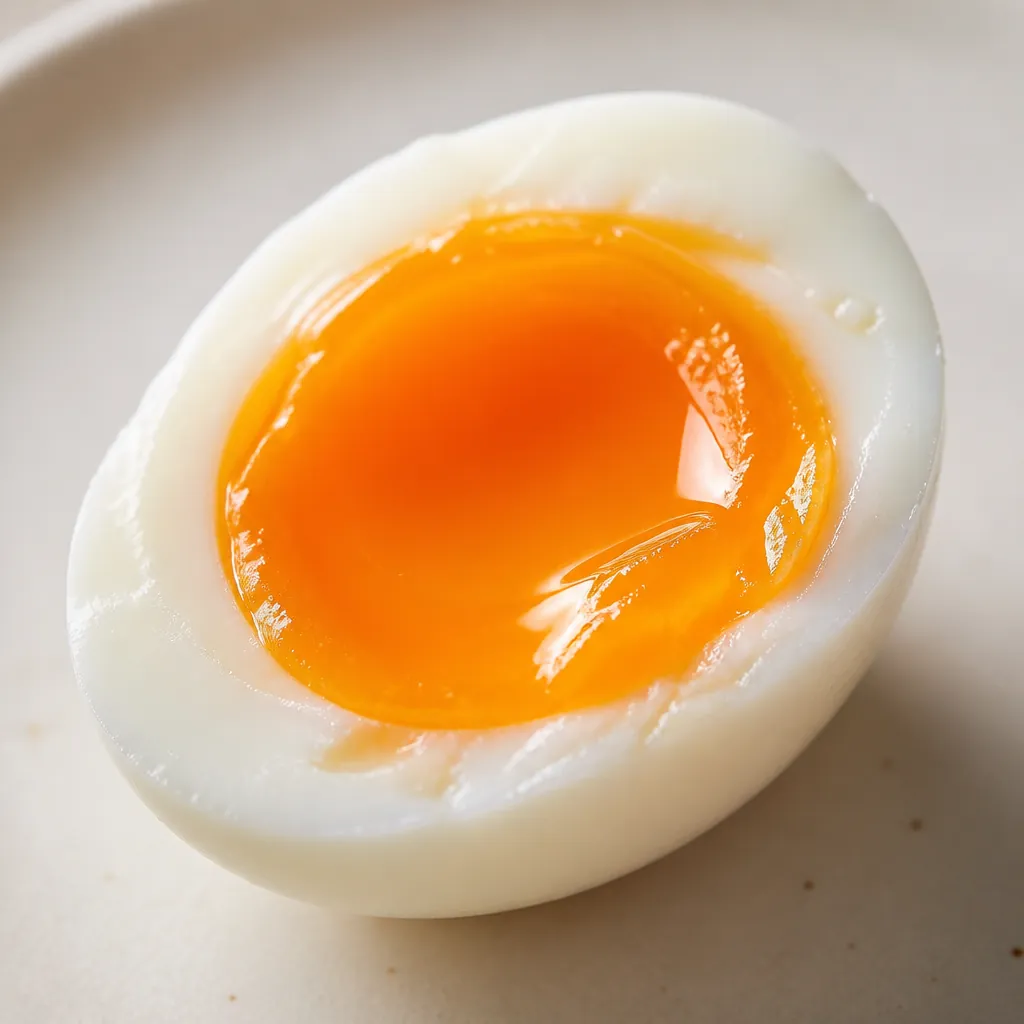
The ramen egg is the single topping most likely to make or break how a bowl of ramen feels. Get it right and you have a jammy, amber-edged oval of custard that bleeds richness into every spoonful of broth. Get it wrong and you have a gray-yolked, rubbery afterthought that nobody orders twice. The technique behind it, known in Japanese as ajitsuke tamago, is a two-stage process: a precisely timed soft-boil followed by a slow cure in a soy-based marinade. Both stages matter. Neither is complicated once you understand what you are actually controlling.
Table of Contents
- What Is Ajitsuke Tamago?
- Quick Takeaways
- The Perfect Soft-Boil: Time and Temperature
- The Marinade: Soy, Mirin, and Umami Depth
- How Long to Marinate, and When to Stop
- Common Mistakes and How to Fix Them
- Ramen Egg Style Comparison
- The Ramen Egg as a Topping at Zen Ramen and Sushi
- Frequently Asked Questions
- References
What Is Ajitsuke Tamago?
Ajitsuke tamago translates directly as “seasoned egg.” The word ajitsuke means marinated or seasoned, and tamago means egg. You will also hear it shortened to ajitama, a casual nickname that blends both words. In practice, the terms nitamago and ajitsuke tamago are used almost interchangeably in home cooking, though some Japanese cooks draw a line: nitamago refers more strictly to the boiled egg before any seasoning is applied, while ajitsuke tamago is the finished, marinated product.
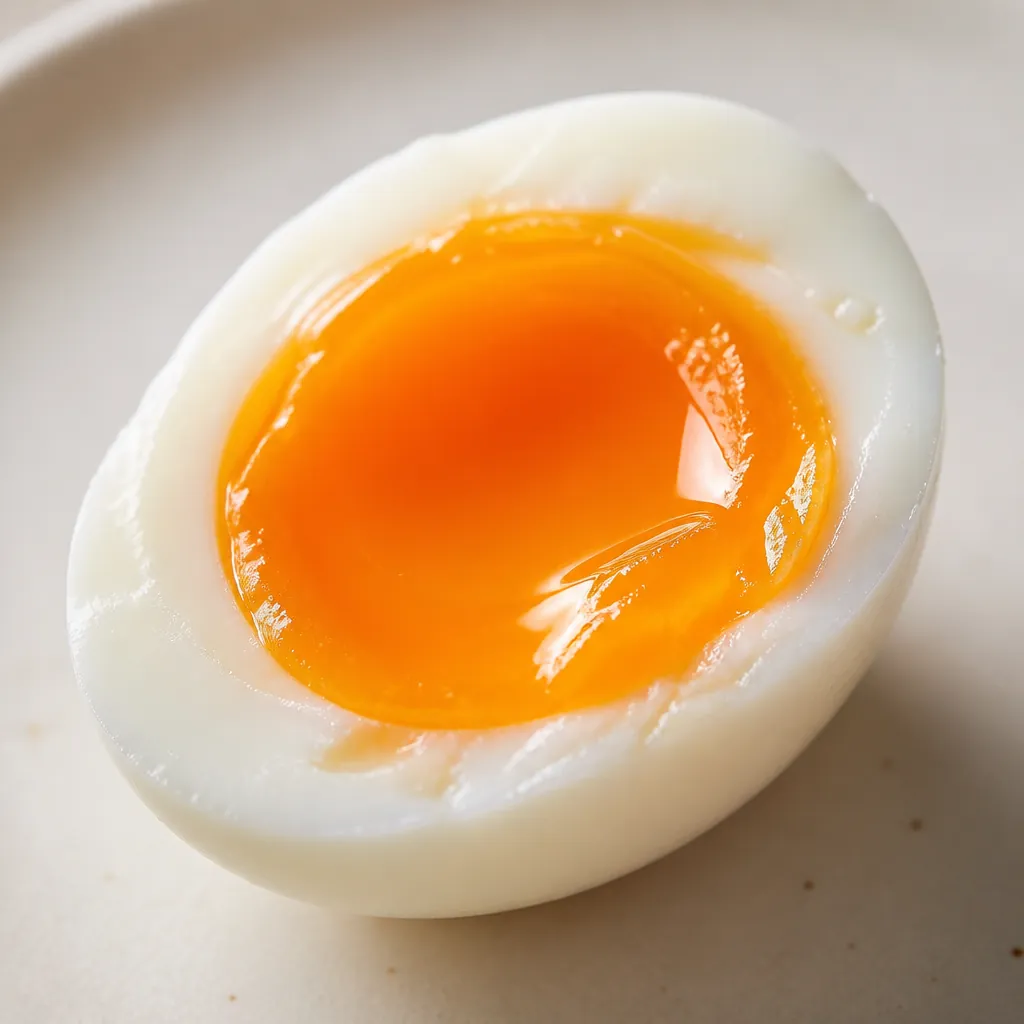
What separates a real ajitsuke tamago from a plain soft-boiled egg dunked in soy sauce is engineering. The goal is a white that is fully set but still tender, a yolk with a custard-like center that holds its shape when halved, and a marinade that has penetrated the white just enough to add a savory-sweet flavor without turning the egg rubbery. Achieving all three at once requires control over two variables: boiling time and marinade concentration.
This is also why the ramen egg stands apart from other Japanese egg preparations. Onsen tamago is cooked slowly in hot water below boiling temperature, creating a silky, barely-set white around a runny yolk. Tamagoyaki is a sweetened rolled omelet. Ajitsuke tamago is distinct because the seasoning happens after the cook, not during it. It is a two-stage technique, and skipping or rushing either stage will cost you the result.
Quick Takeaways
| Key Insight | Explanation |
|---|---|
| 6 to 7 minutes is the boiling window | Cooking large eggs for 6 to 7 minutes in actively boiling water produces the jammy, custard-like yolk that defines a proper ramen egg. Going past 7 minutes pushes the yolk toward fully set. |
| Ice bath immediately after boiling | Shocking the eggs in ice water stops carryover cooking the moment they leave the pot. Skipping this step lets residual heat continue cooking the yolk, often pushing it past the jammy stage. |
| The marinade is soy sauce plus mirin, not just soy sauce | Mirin adds sweetness and body that balances the salt in the soy sauce. A marinade of straight soy sauce will over-salt the egg and toughen the white faster than a diluted, balanced mixture. |
| Optimal marinating time is 4 to 12 hours | A minimum of around 2 to 4 hours gives surface flavor. Overnight (8 to 12 hours) produces the deepest color and flavor without over-curing. Going beyond 12 to 24 hours risks a salty, rubbery texture. |
| Never reuse the marinade | Residual egg protein in a used marinade accelerates spoilage. Make a fresh batch each time, or repurpose the used liquid in a cooked dish immediately. |
| Egg size affects timing | Standard recipes are calibrated for large eggs. Smaller eggs cook faster and absorb marinade more quickly because of their lower surface area ratio. Adjust both the boil and the soak accordingly. |
| Full submersion is required | Any part of the egg above the marinade line will not color or flavor properly. Use a small container, a zip-lock bag with air pressed out, or a paper towel laid over the eggs to keep them fully submerged. |
The Perfect Soft-Boil: Time and Temperature
The soft-boil is where most home cooks make their first mistake, and it is almost always a timing mistake. The target is a yolk that is set on the outside but still flows slowly at the center, what most people call a “jammy” yolk. That texture exists in a narrow window.
Boiling Time by Target Texture
Bring a pot of water to a full, rolling boil before the eggs go in. Lower the eggs gently using a slotted spoon or spider skimmer. Then set a timer immediately. For large eggs, 6 minutes produces a very soft, almost runny center. Seven minutes gives you the classic jammy ramen egg yolk that holds its shape when halved but is still custardy inside. Eight minutes begins to push the yolk toward fully cooked, which is fine for other preparations but wrong for ajitsuke tamago. The moment the timer goes off, transfer the eggs directly into a bowl of ice water and let them sit for at least five minutes.
The ice bath is not optional. Eggs continue cooking from their own internal heat after leaving the water. A full ice bath halts that process immediately and also makes the shells easier to peel cleanly. If you skip the ice bath and simply leave the eggs on the counter, even a 6-minute egg can end up with a yolk that looks closer to 8 minutes by the time it cools.
Peeling Without Wrecking the White
Peel the eggs gently under a thin stream of cool running water. The water works under the membrane and loosens the shell without tearing the white. Crack the shell gently on the widest end first, since there is typically an air pocket there that makes peeling easier. Once peeled, rinse off any shell fragments before placing the eggs in the marinade.
Pro tip: Eggs that are a few days old peel significantly more cleanly than very fresh eggs. The slight separation between the egg white and the shell membrane that develops over time makes peeling soft-boiled eggs far less frustrating.
The Marinade: Soy, Mirin, and Umami Depth
The standard ajitsuke tamago marinade is built on three ingredients: soy sauce, mirin, and sake. Soy sauce provides salt and the deep savory backbone. Mirin adds a gentle sweetness and creates the glossy, amber color on the white. Sake contributes umami depth and helps keep the marinade from tasting flat. Many recipes also add a small amount of sugar, or dilute the mixture with water to control how aggressively the salt penetrates the white.
Choosing the Right Soy Sauce
Use Japanese soy sauce, which is also called shoyu. It is generally less sodium-heavy and more delicately flavored than Chinese soy sauce or generic supermarket brands. Naturally fermented shoyu with no additives is the right call here. The difference is noticeable in the finished egg: a good shoyu produces a rounded, savory sweetness in the cured white, while a cheaper soy sauce can make the egg taste sharp and one-dimensional.
Warming the Marinade Before Use
Several traditional methods call for briefly simmering the soy sauce, mirin, and sake together before cooling and using as a marinade. Bringing the mixture to a boil for about one minute accomplishes two things: it cooks off some of the alcohol from the sake and mirin, and it integrates the flavors so the marinade tastes cohesive rather than like a mixture of separate liquids poured together. Always let the marinade cool completely before adding the eggs. Pouring a warm marinade over peeled eggs can change the texture of the white.
The marinade does not just flavor the egg from the outside. It cures the white through osmosis, drawing salt and sugar into the protein structure. That is why a diluted, balanced marinade produces a better result than undiluted soy sauce: you get flavor penetration without the salt concentration toughening the white.
You can also customize the marinade once you understand the base. Adding garlic, ginger, or a piece of kombu deepens the umami. A splash of rice vinegar lightens the flavor profile. Dried mushroom adds an earthy quality that pairs well with mushroom-based broths. The only constraint is keeping the salt concentration balanced, because it is the salt level that determines both the flavor depth and the final texture of the egg white.
Pro tip: If you want a more intense color on the outside of the egg without over-salting it, dilute your soy sauce and mirin with a small amount of water and marinate for a full 8 to 12 hours rather than using full-strength soy sauce for a shorter time. The slow, diluted cure produces more even color and a better-textured white than a fast soak in concentrated liquid.
How Long to Marinate, and When to Stop
This is where most home attempts go wrong in the second stage. People either rush the marinate or leave the eggs in the liquid for too long. Both produce bad results, just different bad results.
A minimum of around 2 hours in the marinade will produce surface flavor, enough to taste the soy-mirin influence in the first few millimeters of the white. At 4 hours you get a more even, deeper flavor penetration and the characteristic amber color starting to show on the cut surface. The optimal window for most home cooks is overnight, roughly 8 to 12 hours. At that point the white is fully seasoned, the yolk has taken on a faint amber edge, and the flavor is balanced between sweet and savory.
What Happens When You Over-Marinate
Marinating for too long turns the eggs salty and gives the white a hard, chewy texture. This happens because a high concentration of salt essentially continues to “cook” the proteins in the egg white, contracting them further. If your egg white is rubbery, the two most common causes are an overly concentrated marinade or a soak that ran past 24 hours. The fix is to dilute the marinade for future batches and set a firm time limit.
Storage and Food Safety
Keep marinated eggs submerged in fresh marinade in an airtight container in the refrigerator. They hold well for up to about 5 days. Do not store peeled eggs dry, as they will develop a tough outer skin. When the eggs are finished, do not reuse the marinade for a second batch of eggs. Any residual egg proteins that have leached into the liquid accelerate spoilage. You can repurpose the used marinade by cooking it into a stir-fry or simmered dish and using it right away, but it should not be reused cold on new eggs.
Common Mistakes and How to Fix Them
The ramen egg is forgiving once you understand the logic behind each step, but there are a handful of errors that come up repeatedly. Knowing what went wrong is the fastest way to fix it on the next batch.
Starting with cold eggs from the refrigerator changes the boil time. When a cold egg goes into boiling water, the water temperature drops briefly and the egg itself needs extra time to heat through. Many recipes account for this with a 30-second adjustment, but the simplest approach is to let your eggs sit at room temperature for about 10 minutes before boiling, or to add 30 to 60 seconds to your timer when cooking them cold.
Uneven marinade coverage produces eggs that are pale on one side and dark on the other. This happens when the eggs float or sit against the side of the container. The solution is either a small, snug container that keeps the eggs fully submerged in the liquid, a zip-lock bag with as much air removed as possible, or placing a paper towel over the eggs inside the container. The paper towel wicks the marinade upward and keeps the exposed surface consistently coated.
Tearing the white during peeling is usually a freshness issue, not a technique issue. Very fresh eggs have a tight bond between the white and the shell membrane. Eggs that are a few days old separate cleanly. If you are working with very fresh eggs and cannot wait, a longer rest in the ice bath and peeling under running water will help, but do not expect perfection.
Ramen Egg Style Comparison
| Style | Technique | Best Use Case |
|---|---|---|
| Ajitsuke Tamago (Classic) | 7-minute soft-boil, ice bath, overnight soy-mirin marinade. Jammy yolk, amber-stained white. | Tonkotsu, shoyu, and miso ramen. The most versatile ramen egg style and the Japanese restaurant standard. |
| Spicy Ajitama | Same base technique, marinade enhanced with chili flakes, gochujang, or doubanjiang. Adds heat without changing the yolk texture. | Spicy ramen variations, mazemen (brothless ramen). Good for diners who want more aggressive flavor. |
| Umami-Boosted Ajitama | Marinade includes dried kombu, dried shiitake, or a small amount of dashi. Deepens the savory base flavor without adding more salt. | Shio ramen and lighter broths where the egg needs to contribute more flavor because the broth is more delicate. |
The Ramen Egg as a Topping at Zen Ramen and Sushi
Understanding how the ramen egg is made changes the way you order it. The next time you sit down at Zen Ramen and Sushi, notice how the egg is cut and placed. A properly made ajitsuke tamago will show a clean cut edge with a yolk that is set at the perimeter and still soft at the center. The white will carry a faint amber color that darkens toward the outside, evidence of how far the marinade penetrated during the cure.
The ramen egg is not just a garnish. It is a functional component of the bowl. When the yolk mixes into the broth, it rounds out the flavor and adds body to every spoonful. In a rich tonkotsu, the egg provides a slightly sweet counterpoint to the deep pork fat. In a lighter shio or shoyu broth, the marinade flavor on the egg becomes more prominent and actually contributes to the overall seasoning of the bowl.
If you are exploring the full menu at Zen Ramen and Sushi, the ramen egg pairs particularly well with any of the soy-based ramen options, where its sweet-savory marinade echoes the flavors already in the broth. It is worth paying attention to whether the egg is served halved or whole, since a properly halved egg placed cut-side up shows you exactly what you are getting before you take a bite.
For groups that come in together, the ramen egg is also an easy reference point for comparing the kitchen’s attention to detail. A restaurant that produces a consistent ajitsuke tamago, with the right yolk texture and even marinade color, is a restaurant that has its timing and prep discipline in order. That consistency does not happen by accident.
Frequently Asked Questions
What is the difference between ajitsuke tamago and nitamago?
Both terms refer to the soft-boiled soy-marinated ramen egg, and most home recipes and menus use them interchangeably. Technically, nitamago means “boiled egg” and refers more precisely to the cooked egg before it is seasoned. Ajitsuke tamago is the finished product after marinating. In everyday use, the distinction rarely matters, but in traditional Japanese ramen contexts you will hear nitamago used to describe the cooking stage and ajitsuke tamago or ajitama used to describe the seasoned, ready-to-serve egg.
Can I make ramen eggs without sake or mirin?
Yes. Sake contributes umami depth, and mirin adds sweetness, but both have substitutes. Dry sherry can replace sake in a pinch. A small amount of sugar or honey can substitute for the sweetness of mirin. You can also make a simpler marinade with just soy sauce diluted with water and a small amount of sugar. The result will be slightly less complex in flavor, but the technique remains the same and the egg will still be good.
How do I know if I have over-marinated my ramen eggs?
The clearest signs are a rubbery, tough white and a flavor that is aggressively salty rather than savory-sweet. If you cut the egg and the white has a dense, chewy resistance rather than a tender give, it has been in the marinade too long or the marinade was too concentrated. For future batches, dilute the soy sauce with water and aim for the 8-to-12-hour window rather than leaving the eggs in overnight for multiple nights.
Why does my ramen egg peel badly and tear the white?
Very fresh eggs have a tight bond between the white and the inner shell membrane. This makes peeling soft-boiled eggs frustrating regardless of technique. The most reliable fix is to use eggs that are at least 3 to 5 days old. If that is not an option, a longer ice bath and peeling under a thin stream of cool running water will help. Cracking the shell at the widest end first, where the air pocket sits, also makes the initial separation easier.
What ramen styles work best with a ramen egg?
The ramen egg is at home in almost every ramen style, but it is particularly effective in soy-based (shoyu) and pork-bone (tonkotsu) bowls. In shoyu ramen, the egg’s marinade echoes the flavors of the tare and broth. In tonkotsu, the sweetness of the mirin in the marinade provides contrast to the heavy, fatty broth. In lighter shio (salt) ramen, the egg contributes a more pronounced flavored note, so a well-balanced marinade matters even more. For spicy ramen variations, a chili-enhanced ajitama can add another dimension without needing extra toppings.
How long do marinated ramen eggs keep in the refrigerator?
Properly stored in an airtight container and kept submerged in the marinade, ramen eggs will keep for up to about 5 days in the refrigerator. Do not store peeled eggs dry. The marinade keeps them moist and continues adding flavor during storage, which is why eggs that have been in the marinade for 2 days often taste better than eggs marinated for just a few hours. After 5 days, the texture and flavor both deteriorate noticeably.
Have you made ramen eggs at home, or do you have a favorite style you always order? Share your experience in the comments, we would love to hear what works for you.
References
- Ajitsuke Tamago explained: two-stage technique, terminology, and the science behind the jammy yolk
- Classic ramen egg recipe with soy sauce, mirin, sake, and overnight marinating guidance
- Jammy ramen egg recipe with marinating time recommendations and flavor variations
- Step-by-step ramen egg guide covering over-marinating risks and marinade ingredient substitutions
- Guide to egg marinating times, osmosis science, and preventing rubbery texture