Most people order ramen, slurp it down, and leave without ever realizing how much they missed. The broth they barely tasted took hours to build. The noodle texture they accepted was probably wrong for the style they ordered. If you consider yourself a ramen enthusiast, a few well-placed pieces of knowledge turn a decent bowl into an extraordinary one. These ramen enthusiast tips are not about being pretentious. They are about getting more out of every bowl you sit down to, whether you are visiting Zen Ramen and Sushi for the first time on a friend’s recommendation or you have been a regular for years.
Table of Contents
- Quick Takeaways
- The True Origins of Ramen
- The Four Broth Types and What They Mean for Your Bowl
- Noodle Texture Is Not an Accident
- Toppings Are Not Decoration
- Ramen Etiquette That Actually Matters
- Regional Ramen Styles Compared
- Ordering Smart at a Ramen Restaurant
- Pairing Ramen and Sushi at the Same Meal
- Common Mistakes Ramen Lovers Make
- Frequently Asked Questions
- References
Quick Takeaways
| Key Insight | Explanation |
|---|---|
| Broth is the foundation, not the garnish | The four main broths (shoyu, shio, miso, tonkotsu) each have a distinct flavor profile that shapes the entire bowl. Choosing wrong for your mood means a flat experience. |
| Noodle firmness is a decision, not a default | Many ramen shops let you specify texture. If you do not ask, you get whatever the kitchen defaults to. Ask for firm (kata) if you eat slowly. |
| Ramen is originally Chinese in ancestry | Ramen arrived in Japan in the late 19th or early 20th century via Chinese immigrants and was initially called “Chinese soba.” Understanding this history deepens your appreciation. |
| Slurping is correct, not rude | Slurping aerates the noodles, cools them slightly, and enhances flavor. It is accepted ramen etiquette and signals you are engaged with the dish. |
| Toppings change the chemistry of the bowl | A soft-boiled marinated egg, nori, or a pat of butter added to miso ramen each alter texture, salinity, and richness in measurable ways. They are not optional extras. |
| Start with the broth before adding anything | Take your first sip of pure broth before stirring in condiments. This is the only way to evaluate what the kitchen actually built. |
| Regional origin tells you what to expect | Tonkotsu comes from Fukuoka (rich, creamy pork bone broth). Miso ramen was popularized in Hokkaido. Shoyu ramen is a Tokyo staple. Knowing this helps you order intentionally. |
The True Origins of Ramen
Ramen was not invented in Japan. This surprises many diners who think of it as a purely Japanese creation. The dish arrived in Japan in the late 19th or early 20th century, carried over by Chinese immigrants, and was initially sold as street food in cities like Yokohama under the name “Chinese soba.” Japan adopted it, adapted it, and over decades transformed it into something entirely its own.
The real acceleration of ramen culture came after World War II. Food shortages made wheat-based noodles practical and affordable, and ramen spread rapidly across the country. From that period of scarcity grew one of the world’s most obsessively refined culinary traditions. Every regional style you see on a menu today, from the creamy richness of Fukuoka’s tonkotsu to the robust miso bowls of Hokkaido, traces back to that post-war expansion.
Knowing this history makes you a better diner. When you sit down at Zen Ramen and Sushi, you are not just eating noodle soup. You are eating something that survived scarcity, crossed cultures, and was refined over more than a century. That context belongs in every bowl.
The Four Broth Types and What They Mean for Your Bowl
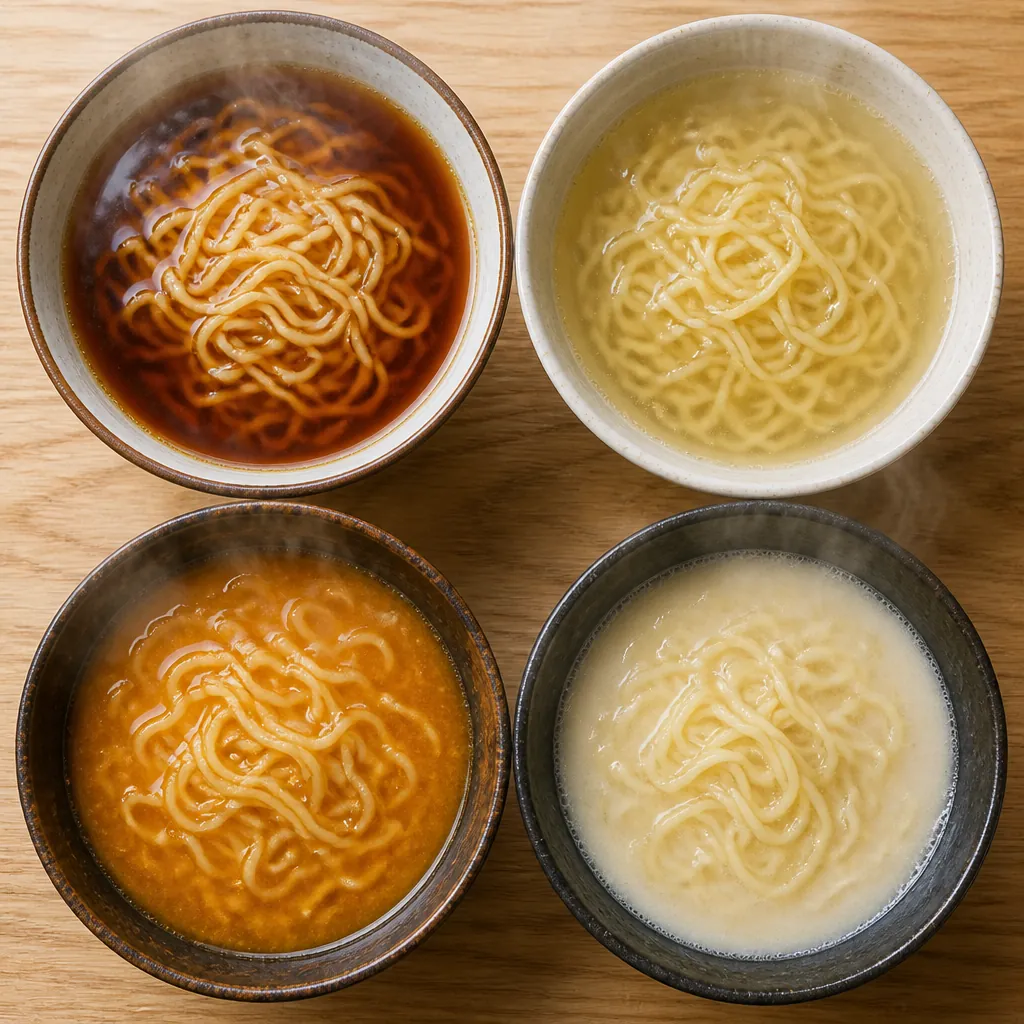
The single most important ramen enthusiast tip is this: understand the broth before you order. The four main categories are shoyu, shio, miso, and tonkotsu, and they are not interchangeable. Each one produces a fundamentally different eating experience.
Shoyu: The Versatile Classic
Shoyu ramen uses a soy sauce base combined with chicken, vegetable, or fish stock. The result is a clear, brown broth with a savory, slightly tangy character. It is particularly associated with Tokyo and is probably the most widely available style outside Japan. It pairs well with almost any topping combination, which is why it became the default introduction to ramen for most people.
Shio: When Subtlety Is the Point
Shio means salt, and shio ramen is the oldest of the four styles. The broth is typically light and clear, built on chicken or fish stock and seasoned with salt rather than a fermented paste or sauce. Because it does not mask ingredients with a dominant flavor, shio ramen rewards quality components. If the kitchen is using excellent stock and fresh toppings, shio will show it. If they are cutting corners, shio will show that too.
Miso: The Hokkaido Comfort Bowl
Miso ramen was popularized in Hokkaido during the mid-20th century and has a thick, nutty, full-bodied broth made from fermented soybean paste combined with pork or chicken stock. It handles cold weather better than any other style, which is why you will often see butter and corn as toppings. Both additions dissolve into the rich base without fighting it.
Tonkotsu: Rich, Creamy, Uncompromising
Tonkotsu originates from Fukuoka and is made by boiling pork bones at high heat for many hours until the collagen breaks down into a milky, velvety broth. It is the most intense of the four. If you have never had it, start with a lighter broth concentration and work your way up. Ordering tonkotsu and finding it too heavy is a common mistake for first-timers.
The broth is where all the magic happens. Everything else in the bowl, the noodles, the toppings, the seasoning, exists to either complement or contrast what the broth is doing.
Noodle Texture Is Not an Accident
Noodle texture is one of the most overlooked variables in ramen, and getting it right matters more than most people realize. Different ramen styles traditionally pair with different noodle types. Tonkotsu ramen typically uses thin, straight noodles because they hold up inside the dense, fatty broth without becoming soggy. Miso ramen pairs well with thicker, wavy noodles that trap the hearty broth in every curl.
In practice, many restaurants allow you to specify noodle firmness. The standard options run from very soft to very firm (kata in Japanese). If you eat at a relaxed pace or plan to spend time at the table, always ask for firmer noodles. Noodles continue cooking in the hot broth even after they leave the kitchen. By the time a soft-ordered bowl reaches the midpoint, the texture can become unpleasantly mushy.
Pro tip: Eat ramen fast. This is not a dish designed for lingering. The window between perfect texture and over-cooked noodles in a hot broth is shorter than most diners expect. Enjoy the conversation before or after, not during.
Toppings Are Not Decoration
A common mistake among new ramen lovers is treating toppings as cosmetic additions. They are not. Each topping changes the chemistry and balance of the bowl in a specific way, and understanding what each one does gives you control over your experience.
The soft-boiled marinated egg (ajitsuke tamago) adds richness and a secondary hit of umami from whatever soy-based marinade the kitchen uses. Nori (dried seaweed) softens into the broth and picks up its flavor, then delivers it in concentrated bites. Chashu (braised pork belly) adds fat and sweetness that rounds out sharper or saltier broths. Bamboo shoots (menma) bring a lightly fermented crunch that contrasts the soft noodles. Butter or corn in miso ramen adds sweetness and extra fat that makes an already hearty bowl feel complete.
When you see a topping you do not recognize at Zen Ramen and Sushi, ask what it does to the bowl rather than whether it tastes good in isolation. That is the right question.
Pro tip: If you are building your own topping combination, balance textures and salinity. A tonkotsu bowl is already rich and salty. Adding both a marinated egg and extra chashu can tip it past the point of balance. One or the other works better.
Ramen Etiquette That Actually Matters
Ramen has a defined eating culture, and while you do not need to perform it theatrically, understanding it makes the meal better. The most important rule is also the most counterintuitive for many Western diners: slurping is correct. Slurping aerates the noodles slightly, cools them enough to eat comfortably, and pulls the broth flavor into the experience simultaneously. It is not a social flaw. It is the intended way to eat the dish.
Sequence Matters
Start with a sip of plain broth before touching anything else. This is your baseline reading of what the kitchen built. After that, taste a noodle on its own to evaluate texture. Then begin combining elements. This sequence sounds precious but it is genuinely practical. Diners who immediately stir everything together lose the ability to understand what they are actually eating.
Condiments Come After Your First Assessment
Most ramen restaurants offer table condiments, such as sesame seeds, chili paste, or rice vinegar. Adding them before tasting is a mistake. You are altering something you have not evaluated yet. Taste first, adjust second. If the broth is already intensely salty, adding soy sauce from the condiment tray will not improve it. If it needs lift, a small amount of vinegar often works better than adding more salt.
Regional Ramen Styles Compared
Understanding where a ramen style comes from tells you what to expect before the bowl arrives. The table below compares the three most commonly found regional styles at Japanese restaurants outside Japan, using the characteristics that actually matter when ordering.
| Regional Style | Origin and Broth Character | Best For |
|---|---|---|
| Shoyu Ramen | Tokyo. Clear, brown, soy sauce base with chicken or fish stock. Savory and slightly tangy. The most versatile style. | First-time ramen diners, anyone who wants a balanced bowl that works with a wide range of toppings. |
| Miso Ramen | Hokkaido. Thick, nutty, fermented soybean paste broth with pork or chicken stock. Robust and warming. | Diners who want a hearty, filling bowl. Pairs well with corn, butter, and bold toppings. |
| Tonkotsu Ramen | Fukuoka. Creamy, milky pork bone broth made by high-heat long cooking. Rich, velvety, and intensely savory. | Experienced ramen eaters who want maximum richness. Not recommended as a starting point for light eaters. |
Ordering Smart at a Ramen Restaurant
The best ramen enthusiasts are deliberate orderers. Before you look at toppings, decide on your broth. Before you decide on your broth, think about your appetite and mood. A tonkotsu bowl when you are already full from appetizers is a bad idea. A shio bowl on a cold evening when you want comfort is equally mismatched.
If a restaurant offers broth richness customization, take it seriously. Many ramen shops allow you to request lighter or heavier concentrations of flavor. Starting lighter and adding seasoning at the table is far easier than trying to dilute an over-seasoned bowl. At Zen Ramen and Sushi, the staff can guide you toward the right bowl for your preference, especially if you are coming in fresh on a friend’s recommendation and have not narrowed down your taste yet.
Order sides intentionally. Gyoza, edamame, or small plates are meant to complement the ramen, not compete with it. If you are ordering a heavily flavored tonkotsu bowl, lighter sides that cleanse the palate between bites of ramen make more sense than rich, fried additions.
Pairing Ramen and Sushi at the Same Meal
One of the advantages of a restaurant like Zen Ramen and Sushi is the ability to combine both ramen and sushi in a single meal. This is less common in Japan, where ramen shops and sushi restaurants are usually separate establishments, but it is a valid and enjoyable approach when done right.
The practical rule is to sequence sushi before ramen, not after. Sushi, particularly lighter nigiri and sashimi, is best appreciated with a clean palate. The delicate flavors of fresh fish are easy to overwhelm after a rich tonkotsu broth has coated your mouth. Start with the sushi, enjoy the contrast of textures and the freshness of the fish, and then move to the ramen as the warmer, more filling main event.
If you are ordering rolls rather than nigiri, spicier rolls with heavy sauces pair better after a lighter shoyu or shio ramen than after tonkotsu. The flavor intensity roughly matches, and neither component overpowers the other.
Common Mistakes Ramen Lovers Make
Even dedicated ramen lovers fall into repeating habits that limit their experience. The most widespread is always ordering the same bowl. It is comfortable, but ramen culture rewards exploration. If you have eaten shoyu ramen exclusively for two years, you have no real frame of reference for how good a well-made miso or tonkotsu bowl can be. Force variety on yourself periodically.
The second most common mistake is ignoring the broth at the end of the bowl. Once the noodles are gone, many diners push the bowl aside. In Japan, drinking the remaining broth is both common and appropriate. It is the most concentrated version of what the kitchen built, and finishing it tells you whether the bowl was genuinely well-made or was propped up by toppings.
A third mistake is over-relying on a single restaurant for your ramen opinions. Every kitchen has its own interpretation of each style. What one place calls tonkotsu may taste completely different from another’s. Broadening your reference points makes you a sharper taster and a better judge of quality when a friend recommends somewhere new to try.
Pro tip: When a ramen recommendation comes from a friend who is not a regular ramen eater, ask them specifically what they liked about the bowl. “It tasted good” tells you nothing. “The broth was rich and the noodles had good chew” tells you whether their experience maps to your preferences.
Frequently Asked Questions
What is the difference between shoyu and tonkotsu ramen?
Shoyu ramen uses a soy sauce base combined with chicken or fish stock, producing a clear, brown, savory broth that is lighter and more versatile. Tonkotsu ramen is made from pork bones boiled at high heat for many hours until the broth becomes creamy and milky. They are two completely different flavor profiles. Shoyu is a better starting point for new ramen diners; tonkotsu rewards those who want intensity.
Is slurping ramen considered rude?
No. Slurping is the accepted and intended way to eat ramen. It aerates the noodles, cools them slightly for comfortable eating, and pulls broth flavor into every bite. In the context of Japanese ramen culture, slurping signals genuine engagement with the dish. You do not need to perform it loudly, but suppressing it entirely means eating the dish incorrectly.
How do I choose the right ramen broth if I am new to it?
Start with shoyu ramen. It is balanced, broadly accessible, and gives you a clear sense of what ramen is without committing to an extreme flavor. Once you have a shoyu reference point, try miso for more body and depth, and then tonkotsu when you are ready for maximum richness. Shio is worth trying if you want to evaluate a kitchen’s stock quality without the mask of heavy seasoning.
Should I eat the noodles or drink the broth first?
Sip the broth first, before touching anything. This gives you an unmodified read on what the kitchen built. Then taste a noodle alone for texture. After that, eat the bowl as you like. The first sip of plain broth is the most informative moment in the entire meal, and most people skip it entirely.
Can I order ramen and sushi at the same meal without one ruining the other?
Yes, with proper sequencing. Eat the sushi first while your palate is clean, then move to ramen. Lighter sushi preparations such as nigiri and sashimi work best before a rich bowl. If you are having spicy rolls or heavily sauced preparations, pair them with a lighter broth style like shio or shoyu rather than tonkotsu.
Why do ramen noodles get soggy so quickly?
Ramen noodles continue cooking in the hot broth even after they are served. This is not a defect. It is a function of the heat retained in a properly made broth. Eating promptly solves this. If you eat slowly, ordering firmer noodles (kata) at the start gives you more time before the texture deteriorates. Do not let the bowl sit while you take photos or wait for a companion to finish a different dish.
Have you found a broth style or topping combination at Zen Ramen and Sushi that changed how you think about ramen? We would love to hear what you discovered.