
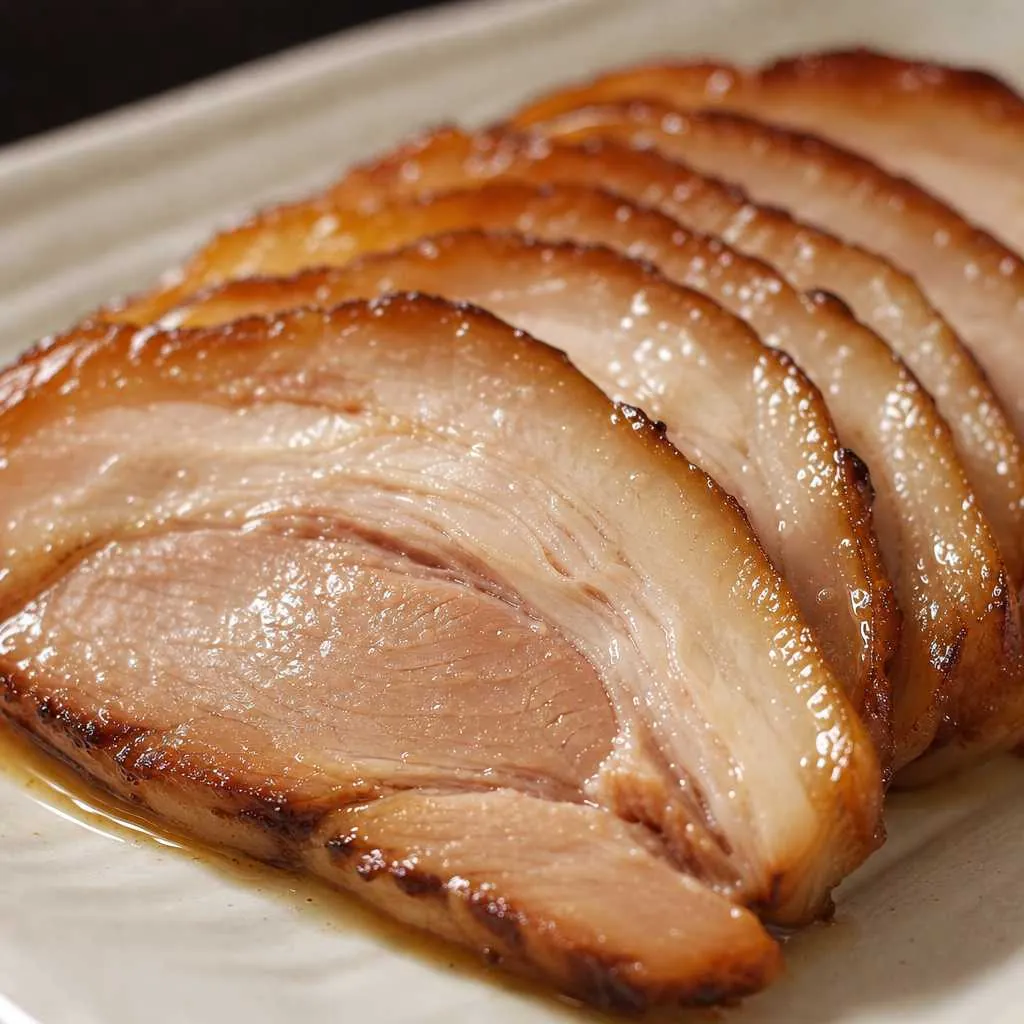
Ask any serious ramen enthusiast what separates a forgettable bowl from one they talk about for weeks, and the answer almost always comes back to the chashu pork. Not the broth, not the noodles, not the soft-boiled egg. The chashu pork is what elevates a bowl from functional to extraordinary. It is the single topping that demands the most technique, carries the most flavor, and makes the biggest visual statement when sliced and laid across the noodles. Understanding what makes chashu exceptional also helps you recognize why some ramen restaurants cut corners and why that shortcut shows up immediately in the eating experience.
Table of Contents
- Quick Takeaways
- What Is Chashu Pork
- The Origins of Chashu
- How Chashu Is Made
- Chashu Styles Compared
- How Chashu Interacts with Ramen Ingredients
- What Separates Great Chashu from Mediocre Chashu
- Ramen Toppings Beyond Chashu
- Frequently Asked Questions
- References
Quick Takeaways
| Key Insight | Explanation |
|---|---|
| Chashu is braised, not grilled | Authentic Japanese chashu pork is slow-braised in a soy and mirin-based liquid, not char-grilled like Chinese char siu. The texture should be tender and moist, not smoky and chewy. |
| Pork belly is the preferred cut | Pork belly delivers the ideal fat-to-meat ratio that keeps chashu slices tender and flavorful after braising. Leaner cuts dry out and lose their appeal on contact with hot broth. |
| The braising liquid becomes tare | Skilled ramen kitchens repurpose the chashu braising liquid as part of the seasoning base. This practice intensifies flavor and reduces waste, a mark of a well-run kitchen. |
| Resting time matters enormously | Chashu needs to rest in its braising liquid for at least several hours, ideally overnight. Cutting immediately after cooking produces uneven, crumbling slices with flat flavor. |
| Thickness changes the experience | Thin slices dissolve into the broth and disappear. Slices between 6 and 10 millimeters thick hold their structure, give a proper bite, and contribute fat to the bowl as they warm. |
| Japanese pork quality affects the result directly | High-quality heritage pork or carefully sourced pork belly produces visibly better chashu. The fat marbling determines how silky the finished slices feel against the palate. |
| Searing before braising creates flavor depth | Rolling the pork belly, tying it tight, and searing all sides before adding liquid creates a Maillard crust that adds savory complexity no amount of extra braising time can replicate. |
What Is Chashu Pork
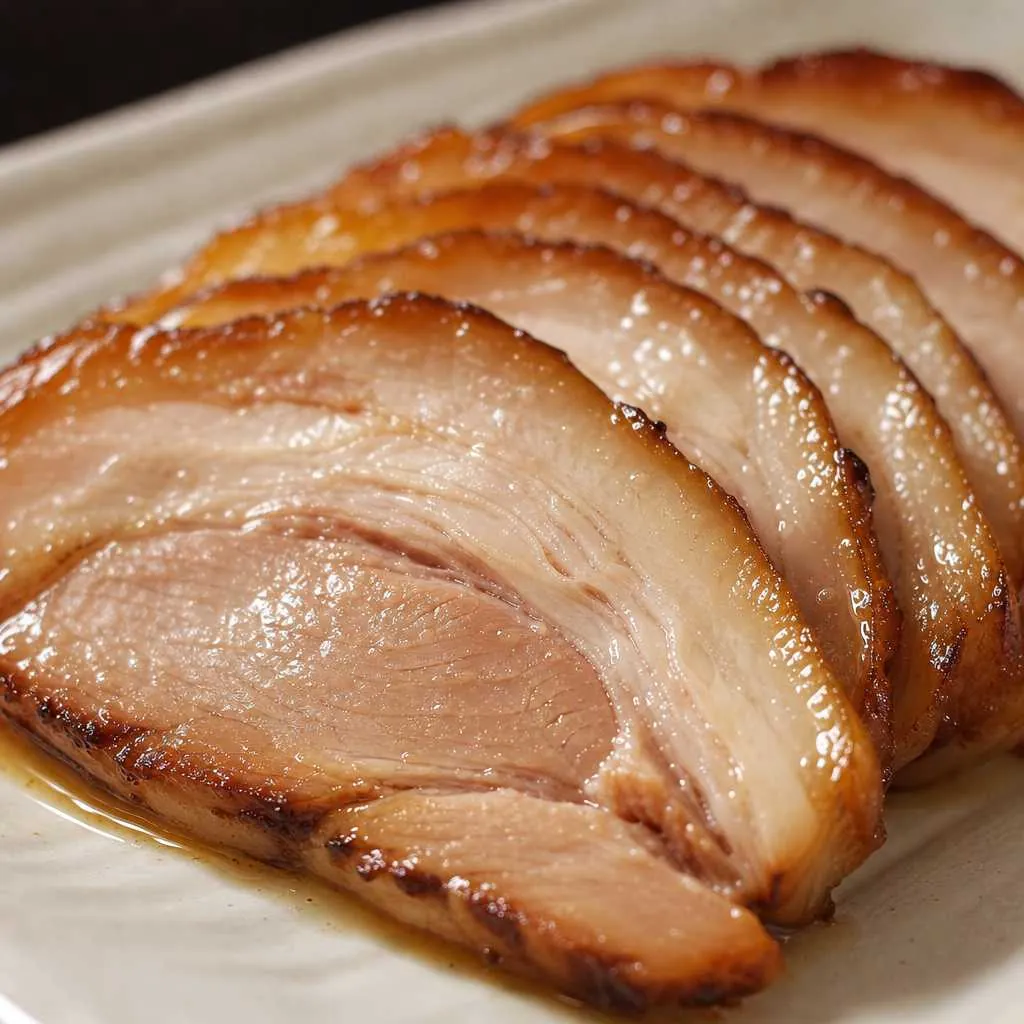
Chashu pork is a slow-braised preparation of pork, most commonly pork belly, cooked in a liquid of soy sauce, sake, mirin, and sugar until deeply tender and glazed with umami-rich flavor. The name comes from the Chinese term for roasted pork, but the Japanese version is a fundamentally different product. Where Chinese char siu is roasted over open heat and carries a characteristic smokiness and caramelized char, Japanese chashu pork is wet-braised and defined by its yielding, melt-soft texture.
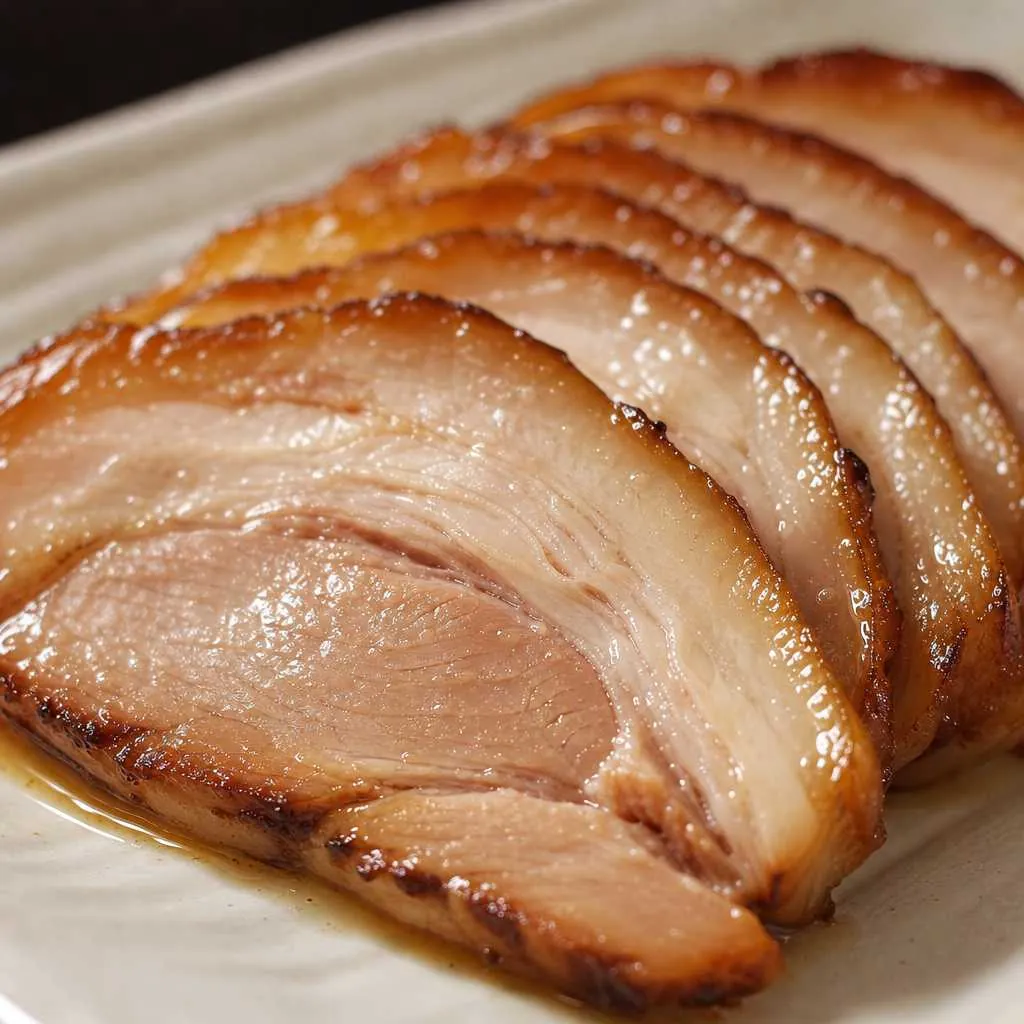
In a well-crafted ramen bowl, chashu sits as the centerpiece of the topping arrangement. It is typically sliced into rounds between 6 and 10 millimeters thick, often fanned or layered across the noodles. The fat in each slice softens as it meets the hot broth, releasing rendered pork fat that enriches every sip.
Chashu is not a garnish. It is a structural flavor component that works in harmony with the broth, tare, and noodles below it. When the chashu is wrong, the entire bowl is wrong.
The Origins of Chashu
The word chashu is a Japanese phonetic adaptation of the Cantonese term for barbecued pork. Chinese immigrants and culinary influences introduced pork preparations to Japan through the port cities of Yokohama and Kobe during the Meiji era in the late 19th century. Japanese cooks, working with local ingredients and cooking habits, gradually shifted away from the dry-heat roasting method and toward the braising approach that is now standard.
By the time ramen developed into a recognizable Japanese dish in the early and mid-20th century, braised pork had already become its natural companion. The transformation of chashu from a roasted preparation to a braised one reflects a broader pattern in Japanese cuisine, which consistently adapts foreign ingredients and techniques into something distinctly its own through precision and restraint.
“Japanese cuisine is not about imitation. It is about transformation. Each borrowed element becomes Japanese through the discipline applied to it.” – Nobu Matsuhisa, chef and restaurateur
Understanding that history matters when you eat chashu. The softness and moisture in every slice are the product of a culinary evolution that prioritized texture and depth over spectacle.
How Chashu Is Made
The production of proper chashu follows a sequence that cannot be meaningfully shortcut. Each step exists for a specific reason, and skipping any one of them produces a noticeably inferior result.
Rolling and Tying the Pork Belly
A skin-off slab of pork belly is rolled tightly, fat side out, and secured with kitchen twine at intervals of roughly two centimeters. The rolling creates a consistent cylindrical shape that braises evenly and, once chilled and sliced, produces the round cross-sections seen in restaurant bowls. Flat-braised belly will work, but the slice presentation is irregular and the fat distribution is uneven.
Searing All Surfaces
The tied roll goes into a hot pan with a neutral oil and is seared on all sides until a golden-brown crust forms. This step builds a Maillard reaction layer that contributes savory, roasted notes to both the pork and the braising liquid. Restaurants that skip this step produce chashu that is technically edible but tonally flat.
Braising in the Seasoned Liquid
The standard braising liquid for chashu pork uses soy sauce, sake, mirin, and sugar, typically in ratios that balance savory against sweet. Some kitchens add aromatics such as ginger, green onion, and garlic. The pork is submerged or partially submerged and cooked at a low simmer for anywhere from 90 minutes to 3 hours, depending on the size of the roll and the desired texture.
The fat cap on the exterior slowly renders and bastes the meat internally. The collagen in the belly converts to gelatin, which is exactly what makes each slice feel almost creamy in the mouth.
Pro tip: Reserve every drop of the braising liquid. Reduced and strained, it functions as a concentrated tare that can season ramen broth, be brushed on finished chashu slices, or serve as a dipping sauce. Discarding it is one of the more common and unnecessary losses in a ramen kitchen.
Chilling and Slicing
The cooked roll is cooled in its liquid and refrigerated overnight. Cold chashu firms up enough to slice cleanly with a sharp knife. Attempting to slice warm chashu produces ragged, falling-apart pieces that are difficult to plate and uneven in eating. The overnight rest also allows the flavors to penetrate more deeply and evenly throughout the roll.
Chashu Styles Compared
Not all chashu is identical. Regional ramen traditions in Japan have produced different approaches to the pork topping, and understanding those differences helps explain why chashu from one style of ramen looks and tastes so different from another.
| Chashu Style | Primary Method | Best Paired With |
|---|---|---|
| Rolled Pork Belly Chashu | Tightly rolled belly, seared, then slow-braised in soy-mirin liquid. Sliced into rounds. The most common style found in tonkotsu and shoyu ramen. | Tonkotsu, shoyu, and shio ramen where visual presentation matters and the fat content complements rich broths. |
| Flat-Braised Pork Shoulder Chashu | Pork shoulder braised flat rather than rolled. Produces irregular slices with more varied texture. Common in Sapporo-style miso ramen. | Miso ramen where the bold seasoning base can stand up to the stronger flavor and firmer texture of shoulder meat. |
| Sous Vide Chashu | Pork belly or shoulder cooked sealed in its seasoning liquid at a controlled low temperature, typically 68 to 74 degrees Celsius, for 24 to 48 hours. Finished with a sear or torch. | Modern ramen styles where precise texture control and consistency across high-volume service are priorities. |
The rolled pork belly approach remains the standard because it delivers the most consistent result for home cooks and restaurant kitchens alike. Shoulder-based chashu is more forgiving due to the lower fat content but requires a longer braise to achieve comparable tenderness. Sous vide chashu offers excellent texture control but requires equipment most home cooks do not have and produces a different, slightly smoother mouthfeel compared to traditionally braised versions.
How Chashu Interacts with Ramen Ingredients
Chashu does not sit passively on top of a ramen bowl. It actively participates in the flavor environment of the dish through rendered fat, seasoning bleed, and textural contrast. Understanding this interaction is what separates a thoughtfully assembled bowl from one where the toppings feel like afterthoughts.
Chashu Fat and Broth Integration
The fat in a slice of chashu begins softening the moment it contacts hot broth. In a tonkotsu bowl, this adds another layer of pork richness to an already fat-forward broth. In a shio or shoyu bowl, where the broth is lighter and more delicate, the rendered chashu fat plays a more prominent role, contributing body and mouthfeel that the cleaner broth alone cannot provide.
A common mistake is placing cold, straight-from-the-refrigerator chashu directly onto a served bowl. The cold mass drops the temperature of the broth noticeably and the fat does not render properly. Either allow the slices to reach room temperature before plating or torch them briefly to warm the surface and re-render the fat cap before placing them on the noodles.
Contrast with Noodle Texture
Ramen noodles, whether thin and straight or thick and wavy, provide chew and bite. Chashu provides the opposite quality: soft, yielding, and rich. That textural contrast is intentional and fundamental to why a ramen bowl feels complete. If the chashu is overcooked to the point of falling apart entirely, that contrast disappears and the bowl becomes one-dimensional in texture.
Seasoning Bleed from Braising Liquid
Well-made chashu carries seasoning within the meat itself from the braising process. As it sits in the hot broth, some of that soy and mirin seasoning migrates outward into the surrounding liquid. In a well-balanced bowl, this contribution is barely perceptible but makes the broth taste slightly more complete near the chashu. In a poorly balanced bowl where the broth is under-seasoned, this bleed can temporarily mask the problem, which is exactly why poorly executed ramen often tastes better near the pork than elsewhere in the bowl.
Pro tip: When ordering ramen, taste a spoonful of broth away from the chashu first. This tells you the true quality of the broth itself before the chashu fat and seasoning alter your perception of it.
What Separates Great Chashu from Mediocre Chashu
In practice, the gap between excellent chashu and passable chashu comes down to four variables: pork sourcing, precision in braising time, rest period, and slice thickness. Getting any one of these wrong produces a noticeable problem even to a casual diner.
Pork Sourcing and Fat Marbling
High-fat pork belly from a well-raised animal produces chashu that feels silky and almost molten in the mouth. Lean pork belly from a commodity source produces chashu that is chewier, less flavorful, and tends to dry out at the edges even with careful braising. The fat is not incidental. It is the mechanism through which chashu delivers most of its flavor and all of its characteristic texture.
Braising Time Precision
Under-braised chashu is the more common error in high-volume restaurant kitchens where time is constrained. The collagen in pork belly requires sustained low heat to convert to gelatin. At the two-hour mark, pork belly is cooked through but not yet transformed. At three hours at a gentle simmer, the texture changes fundamentally into the yielding, creamy consistency that defines great chashu. Over-braising past four hours causes the meat fibers to separate completely and the roll loses its structural integrity when sliced.
The Non-Negotiable Overnight Rest
The braising liquid is not just a cooking medium. It is a seasoning bath that continues to penetrate the meat after the heat is off. A chashu roll removed from the liquid and refrigerated overnight will have flavor throughout the cross-section. A chashu roll sliced and served the same day it was cooked will taste of pork on the exterior and be noticeably blander at the center. There is no shortcut that replicates what twelve hours of resting achieves.
Ramen Toppings Beyond Chashu
While chashu pork commands the most attention among ramen toppings, a complete bowl draws on a supporting cast of ingredients that each serve a specific role. Understanding the full landscape of ramen ingredients helps explain why the best bowls feel balanced rather than simply pork-heavy.
The soft-boiled marinated egg, called ajitsuke tamago, is the second most important topping in most ramen styles. It is hard-boiled for exactly six to seven minutes, peeled while warm, and soaked in a diluted version of the chashu braising liquid. The result is a jammy, custardy yolk surrounded by a white that has taken on a pale amber color and light seasoning from the soy marinade.
Nori, menma bamboo shoots, narutomaki fish cake, and green onion each add specific textural and flavor dimensions. Nori provides a mineral, oceanic note and softens into the broth over time, contributing umami. Menma adds a fermented, slightly funky crunch that cuts through fat. Green onion provides fresh brightness that lifts a rich bowl and prevents flavor fatigue over the course of eating.
At Zen Ramen and Sushi, the approach to ramen toppings reflects this same philosophy of purposeful assembly. Each component earns its place in the bowl by contributing something the others cannot. The chashu pork sits at the center of that philosophy because no other single ingredient contributes as much to both flavor and visual identity.
If you have visited us through a recommendation from a friend, you already know that the quality of what goes into a bowl is visible from the first glance before you even taste anything. The chashu tells that story immediately.
Frequently Asked Questions
What cut of pork is best for chashu?
Pork belly is the best cut for chashu pork in almost every context. The fat-to-lean ratio in belly is ideal for braising because the fat renders slowly, keeping the meat moist throughout cooking and producing the signature silky texture. Pork shoulder works as an alternative and produces a slightly firmer, less fatty result that suits miso ramen styles well. Loin is the wrong choice for chashu because it lacks the fat required to stay tender through a long braise.
Is Japanese chashu the same as Chinese char siu?
No, they are distinct preparations that share only a name origin. Chinese char siu is marinated in a sweet, often red-tinted sauce and roasted over high heat, producing a chewy, smoky, caramelized exterior. Japanese chashu is braised low and slow in a soy-mirin liquid, producing soft, moist, pale meat without char. The flavor profiles are also different: Chinese char siu is sweeter and smokier while Japanese chashu is more savory and umami-forward.
Why does my homemade chashu fall apart when sliced?
The most common cause is slicing before the chashu has been properly chilled. Chashu must be cooled completely in its braising liquid and refrigerated for at least several hours, ideally overnight, before slicing. Warm chashu lacks the structural firmness to hold clean slices. A second cause is over-braising, which breaks down the meat structure beyond the point where it can hold together. Three hours at a low simmer is typically sufficient for a standard pork belly roll.
How long does chashu keep in the refrigerator?
Chashu stored unsliced in its braising liquid keeps well for four to five days refrigerated. Sliced chashu should be eaten within two to three days for best texture and flavor. For longer storage, unsliced chashu can be wrapped tightly and frozen for up to one month. Thaw overnight in the refrigerator and slice cold for clean cuts. The texture after freezing is marginally softer but still acceptable.
What makes chashu taste different from restaurant to restaurant?
The differences come from three main sources. First, pork quality varies significantly and high-quality belly with good marbling produces noticeably better chashu. Second, the braising liquid ratio differs between kitchens, with some skewing sweeter through more mirin and sugar and others emphasizing savory depth through darker soy and reduced sugar. Third, the searing step is handled with varying levels of care. Restaurants that sear thoroughly produce chashu with more savory complexity while those that rush this step produce a flatter, boiled-tasting result.
Can chashu be made without sake or mirin?
Technically yes, but the substitutions change the character of the finished product. Dry sherry can approximate the function of sake in the braising liquid. Honey diluted with water can replace mirin in terms of sweetness, though mirin adds a specific gentle sweetness with slight acidity that honey does not fully replicate. The absence of these ingredients produces chashu that tastes more like soy-braised pork than authentic chashu. For best results, sourcing sake and mirin is worth the effort as both are now widely available at most grocery stores carrying Asian ingredients.
What has been your experience with chashu pork, whether at a restaurant or making it at home, and do you have a preference between pork belly and shoulder styles?
References
- Statista: Global statistics on Japanese restaurant industry trends and consumer dining preferences
- Forbes: Coverage of food industry innovation, restaurant quality standards, and culinary business trends
- ScienceDirect: Peer-reviewed food science research on braising techniques, collagen conversion, and meat texture development
- USDA National Agricultural Library: Research on pork cuts, fat composition, and meat quality grading for culinary applications
- National Center for Biotechnology Information: Published research on Maillard reaction chemistry and flavor development in braised meat preparations