
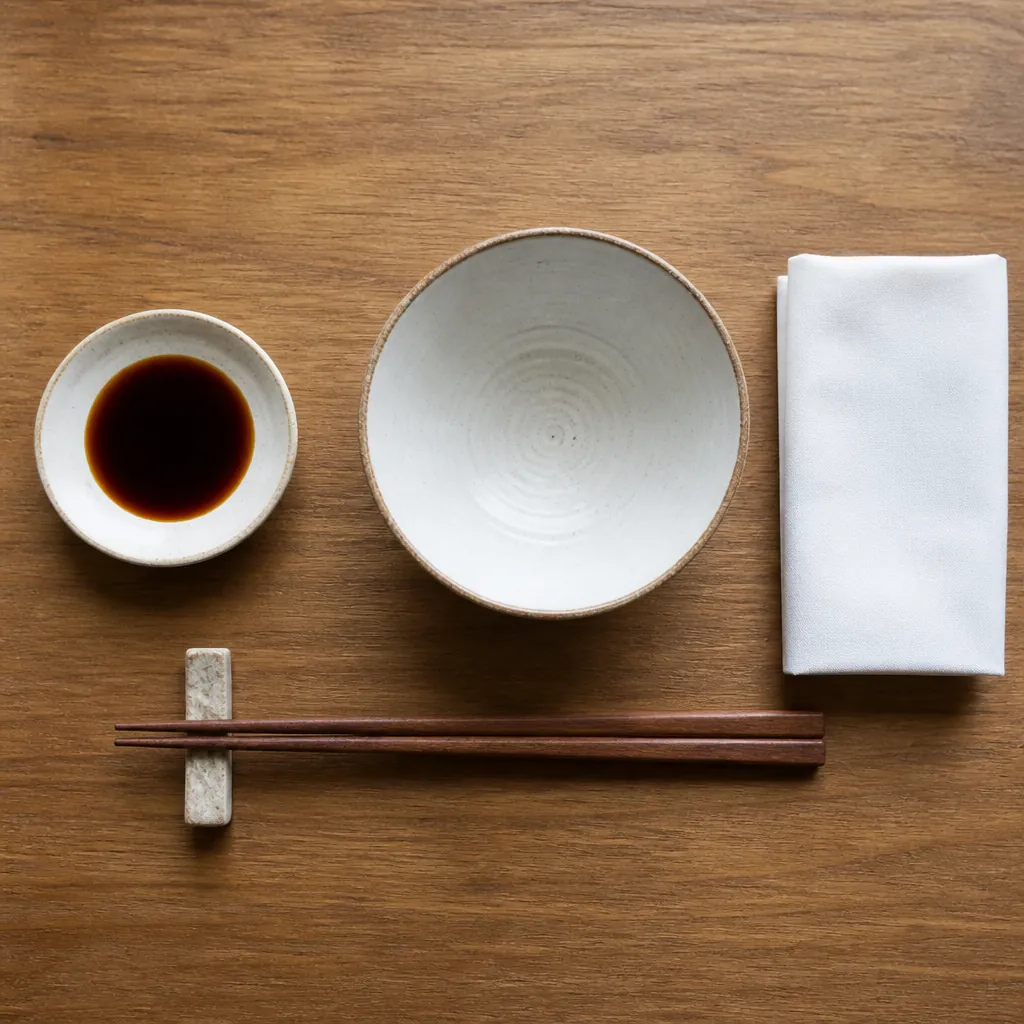
Walking into a Japanese restaurant for the first time and not knowing the customs can turn an exciting meal into an anxious one. Should you slurp your ramen or stay quiet? Do you eat sushi with your hands or chopsticks? Is it rude to pour your own drink? Japanese dining etiquette has real rules, and breaking them unintentionally can make you feel out of place, even in a welcoming spot like Zen Ramen and Sushi. The good news: the customs are not hard to learn, and understanding even a few basics will shift your entire experience from uncertain to genuinely enjoyable.
Table of Contents
- The Philosophy Behind Japanese Dining Culture
- Quick Takeaways
- What Happens When You Walk In
- Chopstick Rules Every Beginner Must Know
- Ramen Restaurant Tips: Slurping, Broth, and Bowl Etiquette
- First Time Sushi Restaurant Guide
- Drinking Customs and Shared Dishes
- Comparing Dining Styles: Ramen vs. Sushi vs. Omakase
- Frequently Asked Questions
- References
The Philosophy Behind Japanese Dining Culture
Japanese food culture is not just about what lands on your plate. Every custom at the table connects to a broader set of values: respect for the food, gratitude toward the people who prepared it, and consideration for everyone sharing the meal. This is not ceremonial performance. It is a practical expression of the Japanese concept of wa, meaning harmony and balance, which runs through every part of daily life, including how people eat.
Understanding this makes the rules feel logical rather than arbitrary. When you learn not to stick chopsticks upright in a bowl of rice, it is not an obscure taboo. It mirrors the way incense is placed at funerals in Japanese tradition, so doing it at a meal signals something deeply disrespectful. Once you know the “why,” the customs become easier to remember and genuinely satisfying to follow.
Quick Takeaways
| Key Insight | Explanation |
|---|---|
| Say “itadakimasu” before eating | This phrase expresses gratitude for the food and those who prepared it. It is standard practice before any Japanese meal. |
| Slurping ramen is acceptable and encouraged | Slurping is considered a sign of enjoyment in Japanese dining culture. At a ramen restaurant, it is not rude, it is appropriate. |
| Sushi can be eaten with your hands | Nigiri sushi was traditionally eaten by hand. Using your fingers at a sushi restaurant is entirely acceptable and practiced widely in Japan. |
| Never pass food chopstick-to-chopstick | Passing food directly between chopsticks resembles a funeral ritual and is considered deeply inappropriate at any Japanese meal. |
| Do not pour your own drink | In Japanese dining tradition, you pour drinks for others at the table and let them pour for you. Pouring your own is seen as impolite in group settings. |
| Lift your bowl when eating soup or rice | Holding your rice bowl or soup bowl close to your mouth is proper form, not lazy posture. It prevents spills and shows engagement with the meal. |
| Say “gochisosama deshita” after finishing | This closing phrase, meaning “thank you for the feast,” is said after the meal and is a respectful acknowledgment of the dining experience. |
What Happens When You Walk In
At most Japanese restaurants, including casual spots like Zen Ramen and Sushi, staff will greet you with a warm welcome the moment you enter. Do not walk past the host stand and seat yourself. Wait to be seated, even if the restaurant looks mostly empty. This small habit signals that you understand how the space is managed and respects the staff’s organization of the dining room.
You will often be handed a hot or cold towel, called an oshibori, before the menu arrives. Use it to wipe your hands only. Wiping your face with it, especially in a sit-down restaurant, is considered poor form. Place it neatly to the side once you are done.
Menus at Japanese restaurants range from fully visual, great for first-timers pointing at pictures, to text-heavy and organized by category. At a ramen and sushi restaurant, expect sections divided by broth type for ramen and by preparation style for sushi. If you are unsure what something is, ask your server. Staff at quality Japanese restaurants are used to explaining dishes and genuinely appreciate curious guests over guessing ones who end up ordering something they did not want.
Pro tip: If you are visiting Zen Ramen and Sushi with a group, decide in advance whether you plan to share dishes or order individually. Sushi is naturally shareable, while ramen is typically a personal bowl. Mixing both into your order is a great way to try a range of the menu on one visit.
Chopstick Rules Every Beginner Must Know
Chopsticks are the center of most Japanese dining etiquette rules, and getting comfortable with them will make the whole meal feel easier. The basic grip: hold the upper chopstick between your thumb and index finger, while the lower one rests against your ring finger and is supported by your thumb. The lower stick stays fixed. The upper one does all the moving. In practice, most first-timers grip both sticks too high or too close to the tips. Aim for the middle of the sticks for better control.
What You Must Never Do With Chopsticks
There is a short list of chopstick behaviors that are genuinely offensive in Japanese food culture, not just awkward. Do not stab food with chopsticks, a practice called sashibashi. Do not rest them across your bowl, called watashibashi. And critically, do not pass food directly from one person’s chopsticks to another’s, which mirrors the way bones are handled during Japanese funeral rites. This last one surprises many first-timers but it is one of the most important rules to know.
Where to Rest Your Chopsticks
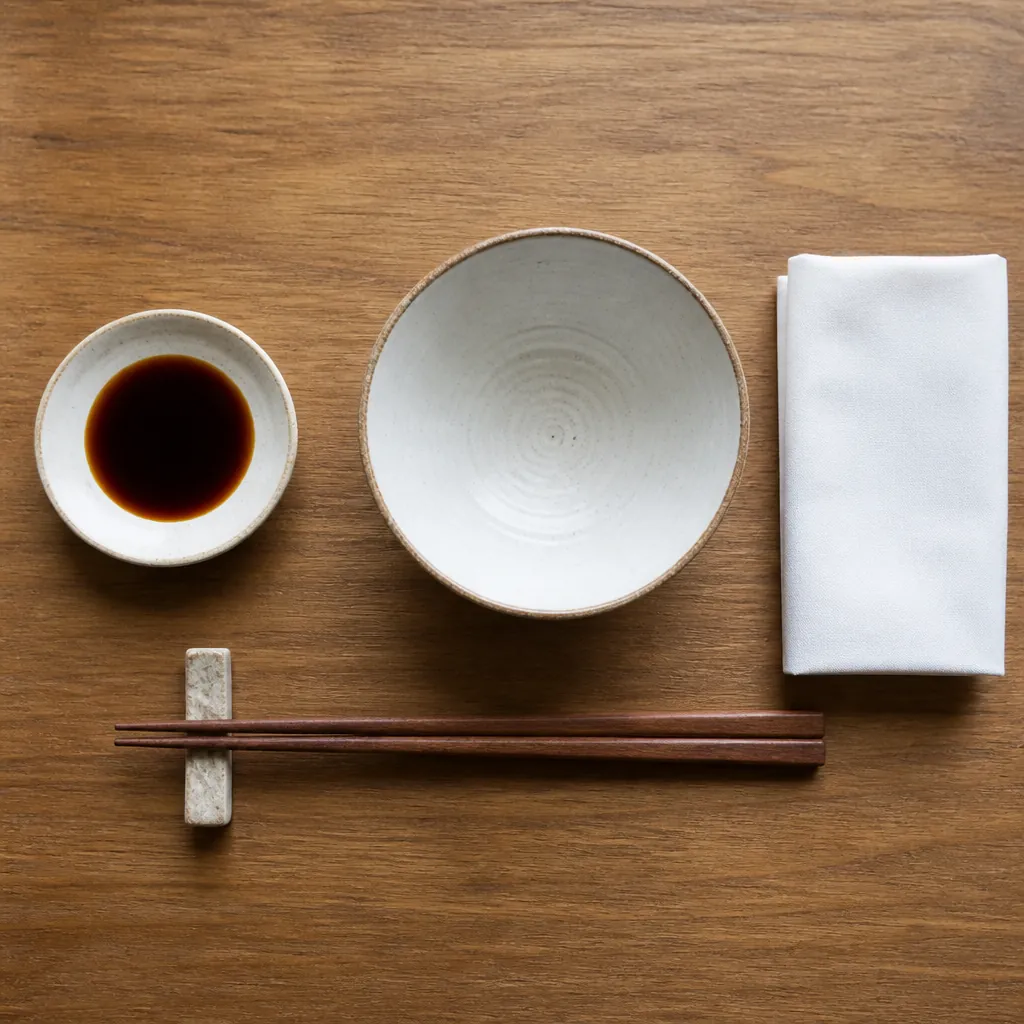
Most Japanese restaurants provide a small ceramic or wooden rest, called a hashioki, for your chopsticks when you are not using them. Place them parallel across the rest when pausing between bites. If no rest is provided, the wrapper your disposable chopsticks came in can be folded into a small rest. Never leave chopsticks sticking upright in your bowl of rice.
Pro tip: If you are genuinely struggling with chopsticks, it is perfectly fine to ask for a fork at Zen Ramen and Sushi. No good restaurant will make you feel bad about it. That said, using the provided chopstick rest and making an effort goes a long way in showing respect for the meal.
Ramen Restaurant Tips: Slurping, Broth, and Bowl Etiquette
Ramen is one of the most misunderstood dishes in terms of how to eat it properly. Many first-timers sit in silence, eating their noodles quietly and leaving half the broth untouched because it feels excessive. Both of these instincts work against the authentic Japanese dining experience.
Slurping Is a Compliment, Not a Breach of Manners
In Japanese dining culture, slurping your ramen loudly is a sign that you are enjoying the bowl. It also serves a practical purpose: pulling air in with the noodles cools them slightly and enhances the aroma. The rich tonkotsu, miso, or shoyu broth at a place like Zen Ramen and Sushi is crafted over hours, and eating it enthusiastically is the appropriate response. Sitting silently and carefully cutting noodles into manageable bites actually reads as disengaged by Japanese standards.
The Broth Is Part of the Dish
A common mistake first-timers make at a ramen restaurant is treating the broth as a soup base to be left behind. Drink it. Lift the bowl with both hands if needed and finish it. Ramen broth is often the most labor-intensive element of the entire dish, built from bones, aromatics, and careful technique. Leaving the bowl full of broth signals that something was wrong with the meal.
Lift your bowl toward your mouth when eating, especially toward the end when using chopsticks to get the last noodles becomes difficult. This is correct form, not casual behavior. Ramen bowls are meant to be held.
The phrases “itadakimasu” before the meal and “gochisosama deshita” after are more than simple greetings. They express gratitude toward the food, the person who prepared it, and nature itself.
First Time Sushi Restaurant Guide
Walking into a sushi restaurant for the first time can feel intimidating, especially when you are not sure of the difference between nigiri, maki, and sashimi, or how to handle the wasabi and ginger on your plate. Here is what actually matters for a first visit.
Nigiri, Maki, and Sashimi: The Basics
Nigiri is hand-pressed rice with a slice of fish or topping on top. Maki is the rolled sushi you probably picture most often, rice and fillings wrapped in seaweed. Sashimi is sliced raw fish served without rice. At Zen Ramen and Sushi, you can explore all three styles, and starting with a combination order is the smartest way to find what you enjoy before committing to a full plate of one type.
Wasabi and Ginger Are Not Both Condiments
A genuinely common mistake at a first time sushi restaurant visit is mixing wasabi directly into the soy sauce dish and dunking everything in it, then eating the pickled ginger alongside each piece of sushi. The ginger is a palate cleanser, meant to be eaten between different types of sushi to reset your taste buds. It is not a topping. Wasabi is already applied to many pieces of nigiri by the chef. Adding more is fine if you prefer heat, but drowning the fish in a wasabi-soy mixture masks the flavor entirely.
Eating Sushi With Your Hands
Nigiri sushi was originally designed to be eaten by hand, and this is still considered acceptable and even preferred by many traditionalists. If you pick up a piece of nigiri and it falls apart trying to maneuver it with chopsticks, use your fingers without guilt. Dip the fish side, not the rice side, lightly into soy sauce. The rice absorbs too much and the piece falls apart if you dip it rice-down.
Drinking Customs and Shared Dishes
In Japanese group dining settings, the custom is to pour drinks for others at your table rather than for yourself. If you are with friends at Zen Ramen and Sushi and the table orders drinks, watch other glasses first before filling your own. If someone’s drink is getting low, offer to pour for them. It is a small gesture that reflects the collective, considerate spirit of Japanese dining culture.
If you are ordering sake, beer, or any other beverage with your meal, it is customary to wait for everyone to have their drink before the first person takes a sip. The group typically raises glasses together and says “kanpai,” the Japanese equivalent of “cheers.” Do not start drinking before the toast if others are still waiting.
Sharing Plates and the Serving Chopstick Rule
When sharing dishes, particularly sushi platters, use the clean, opposite end of your chopsticks to transfer food to your own plate. This is the standard Japanese approach to shared dining: you take food from a communal dish using the end that has not touched your mouth. Some restaurants provide separate serving chopsticks for shared plates. If they do, use them.
Pro tip: When dining with friends at Zen Ramen and Sushi, order a mix of ramen for individual bowls and a shared sushi platter. This covers both the personal, meditative side of ramen eating and the social, exploratory side of sushi sharing, which makes for a genuinely well-rounded Japanese meal experience.
Comparing Dining Styles: Ramen vs. Sushi vs. Omakase
Not all Japanese dining experiences carry the same expectations. Understanding where a casual ramen and sushi restaurant fits compared to more formal styles helps set the right mindset before you walk in.
| Dining Style | Formality Level | Key Etiquette Notes |
|---|---|---|
| Casual Ramen Restaurant | Low to medium. Relaxed, fast-paced environment. | Slurping is expected and welcomed. Order from menus or machines. Eat at your own pace. Tipping customs vary by location. |
| Sushi Bar or Sushi Restaurant | Medium. Respectful but accessible atmosphere. | Avoid mixing excessive wasabi in soy sauce. Eat nigiri in one or two bites. Use ginger as a palate cleanser only. Hands are acceptable for nigiri. |
| Omakase (Chef’s Choice) Dining | High. Formal, course-based experience led entirely by the chef. | Eat each piece as it is served. Do not ask to substitute or skip. Strong perfume is discouraged as it interferes with the tasting experience. |
Zen Ramen and Sushi sits firmly in the middle column. It is a restaurant where the food is taken seriously and Japanese customs are respected, but you do not need to arrive with the tension of a formal omakase experience. The environment is welcoming, especially if you are coming in on a friend’s recommendation and experiencing authentic Japanese dining for the first time.
Frequently Asked Questions
Is it rude to slurp ramen at a Japanese restaurant?
No. Slurping ramen is considered a sign of enjoyment in Japanese food culture. It is not rude, it is the expected and appropriate way to eat noodle soup. Do not hold back out of politeness in a ramen restaurant.
Can I use my hands to eat sushi?
Yes. Eating nigiri sushi with your fingers is entirely acceptable and actually traditional. The key is to dip the fish side lightly into soy sauce, not the rice side, and eat each piece in one or two bites rather than tearing it apart.
What should I say before and after eating at a Japanese restaurant?
Before eating, say “itadakimasu,” which expresses gratitude for the food and those who prepared it. After finishing your meal, say “gochisosama deshita” to thank the restaurant. Both phrases are genuinely appreciated by Japanese restaurant staff and are a simple way to show cultural awareness.
What are the biggest chopstick mistakes to avoid?
The three critical ones: do not stick chopsticks upright in a bowl of rice, do not pass food from chopstick to chopstick, and do not stab food with chopsticks. All three have cultural weight beyond simple bad manners and will be noticed by anyone familiar with Japanese dining customs.
What is the pickled ginger on my sushi plate for?
Pickled ginger, called gari, is a palate cleanser. Eat a small piece between different types of sushi to reset your palate before trying the next one. It is not meant to be eaten alongside each piece of sushi or piled on top of it.
Is it acceptable to ask for a fork at a Japanese restaurant?
Yes. Any good Japanese restaurant, including casual spots like Zen Ramen and Sushi, will provide a fork if you ask. Making an effort with chopsticks is appreciated, but struggling to the point of spilling food is not what anyone wants from your meal. Ask without hesitation if you need one.
How do I know what to order if it’s my first time at a ramen and sushi restaurant?
Start by identifying your broth preference for ramen. Tonkotsu is rich and creamy from pork bone, miso is earthy and slightly sweet, and shoyu is lighter and soy-based. For sushi, a combination platter is the most practical first order because it exposes you to multiple preparations without locking you into one. Ask your server what is most popular or freshest that day, and take the recommendation seriously.
If you have visited Zen Ramen and Sushi or tried Japanese dining for the first time recently, share what surprised you most about the experience in the comments below.