Most restaurants that call themselves “modern Japanese” end up serving fusion dishes that feel disconnected from anything actually Japanese. The noodle broth is thin, the sushi rice is under-seasoned, and the “creative twist” amounts to a drizzle of truffle oil on top. Zen Ramen and Sushi takes a different position: modern Japanese cuisine only earns that label when the modern elements grow directly out of traditional Japanese techniques, not on top of them. Every bowl and every plate at Zen reflects a deliberate choice to honor the craft first and innovate second.
Table of Contents
- Quick Takeaways
- What Makes Modern Japanese Cuisine Different
- Traditional Japanese Techniques at the Core
- How the Zen Ramen and Sushi Menu Reflects Both Worlds
- Comparing Approaches to Modern Japanese Dining
- Why the Broth Is Where Tradition Lives
- The Role of Fresh Ingredients in Creative Sushi
- Frequently Asked Questions
- References
Quick Takeaways
| Key Insight | Explanation |
|---|---|
| Tradition is the foundation, not the decoration | Zen Ramen and Sushi builds creative dishes on top of authentic Japanese techniques like dashi preparation, proper rice seasoning, and long-simmered broths, not around them. |
| Ramen broth depth requires hours, not shortcuts | A tonkotsu or shoyu broth that tastes genuinely complex requires 8 to 18 hours of simmering. Any less and the flavor profile is flat regardless of how creative the toppings are. |
| Sushi rice temperature matters more than most diners realize | Authentic sushi rice is served at body temperature, around 37 degrees Celsius. Cold rice breaks texture and flavor harmony in every piece. |
| Modern creativity at Zen shows up in complementary pairings | Creative touches like yuzu-forward sauces or seasonal garnishes are chosen because they amplify core flavors, not because they are trendy additions. |
| The Zen Ramen and Sushi menu is built around contrast | Each dish balances richness with brightness, and umami with acidity. This is a classical Japanese culinary principle, applied with a contemporary eye. |
| Referrals drive the most loyal Zen diners | Guests who arrive through a friend’s recommendation are already primed to appreciate the craft. They are looking for authenticity, not novelty for its own sake. |
| Differentiating from single-item specialists requires full menu coherence | Unlike ramen-only or sushi-only restaurants, Zen’s strength is that its ramen and sushi menus share the same culinary philosophy, making the full dining experience feel unified. |
What Makes Modern Japanese Cuisine Different
The phrase modern Japanese cuisine gets applied to almost anything with miso in it. That is a problem, because it flattens a genuinely sophisticated culinary tradition into a marketing label. Modern Japanese cuisine, done correctly, means applying precision and seasonal awareness rooted in washoku philosophy to ingredients, presentations, or pairings that may not be strictly traditional in origin.
In practice, this means a chef who understands why dashi is made the way it is can also decide when to pull kombu at 60 degrees Celsius versus 80 degrees, depending on the broth they are building. That is a modern decision grounded in traditional knowledge. A chef who does not have that foundation cannot make that call meaningfully.
Zen Ramen and Sushi operates from this position. The kitchen does not treat tradition and creativity as opposites. They are treated as sequential steps, where you must master the first before the second is worth anything.
Traditional Japanese Techniques at the Core
There are several traditional Japanese techniques that form the non-negotiable foundation of every dish at Zen. These are not background details. They are the reason the food tastes the way it does.
Dashi and the Art of Umami Extraction
Dashi is the clearest demonstration of traditional Japanese technique. It is a stock made primarily from kombu (dried kelp) and katsuobushi (dried fermented bonito flakes). The correct method involves cold-steeping kombu for a minimum of 30 minutes, then heating it to no more than 60 degrees Celsius to extract glutamates without bitterness. Katsuobushi is then added off heat and steeped for three to five minutes before straining.
A common mistake in restaurants attempting Japanese cuisine is boiling the kombu, which releases bitter compounds that no amount of seasoning can fully correct. Zen avoids this. The result is a clean, deeply savory base that makes the difference between a broth that tastes like salt water and one that tastes like the sea.
Sushi Rice Preparation and Seasoning Ratios
Properly prepared sushi rice, called shari, requires short-grain Japanese rice seasoned with a specific ratio of rice vinegar, sugar, and salt. The standard ratio used in traditional Edomae sushi preparation is approximately 5 parts vinegar to 3 parts sugar to 1 part salt, adjusted by the chef based on the rice variety and intended fish pairing.
The rice is seasoned while hot and fanned to cool to body temperature. This technique removes excess moisture while coating each grain with the vinegar mixture evenly. Skip this step and you get rice that is either too wet, too dry, or seasoned unevenly. Zen does not skip it.
Pro tip: When you visit Zen Ramen and Sushi, pay attention to how the sushi rice holds its shape when pressed but separates gently in your mouth. That texture is the clearest signal that the rice was prepared correctly.
How the Zen Ramen and Sushi Menu Reflects Both Worlds
The Zen Ramen and Sushi menu is not divided into a traditional half and a creative half. The integration runs through every dish. This is a deliberate structural choice that separates Zen from competitors who treat their menu as a collection of individual items rather than a coherent culinary statement.
Ramen Variations Built on Classical Broth Styles
Zen’s ramen offerings follow the four canonical Japanese broth styles: tonkotsu (pork bone), shoyu (soy-seasoned), shio (salt-based), and miso. Each of these styles has a regional origin in Japan, its own simmering methodology, and its own tare (seasoning concentrate). Zen respects these origins and starts from them.
The creativity enters through toppings, garnishes, and seasonal additions. A shoyu broth might receive a topping of crispy shallots that add texture contrast, or a drizzle of chili oil that adds heat without disrupting the umami profile. These additions are chosen because they work with the broth’s existing flavor architecture, not against it.
Sushi That Earns the Word “Creative”
Creative sushi at Zen does not mean rolls with fifteen ingredients where the fish becomes an afterthought. It means thoughtful pairings where a secondary element, perhaps a thin slice of jalapeño or a drop of yuzu kosho, sharpens the flavor of the fish rather than masking it.
This approach aligns with the Japanese culinary principle of ma, or intentional restraint. More is not better. What is left out is as important as what is included. Zen applies this consistently, which is why a Zen sushi plate does not feel overcrowded or confused.
“Japanese cuisine is one of the most refined culinary traditions in the world precisely because it treats restraint as a form of respect for the ingredient.” – Nobu Matsuhisa, chef and restaurateur, in multiple published interviews on Japanese culinary philosophy
Comparing Approaches to Modern Japanese Dining
Not every Japanese restaurant in New York approaches the balance between tradition and creativity the same way. Understanding the differences helps a diner who was referred to Zen know exactly what makes the experience distinct.
| Approach | Primary Focus | How It Applies to Zen Ramen and Sushi |
|---|---|---|
| Single-item specialist (e.g., ramen-only or sushi-only) | Deep mastery of one dish category, minimal menu variation | Zen offers full menu breadth while maintaining the same depth of technique across both ramen and sushi, which requires higher kitchen discipline than a single-item format. |
| Fusion-forward Japanese restaurant | Cross-cultural ingredient combinations as the primary selling point | Zen’s creativity is additive within the Japanese tradition, not a cross-cultural hybrid. The reference point is always Japanese culinary logic, not novelty. |
| Tradition-first with modern presentation | Authentic techniques executed with contemporary plating and seasonal awareness | This is Zen’s actual position. Traditional Japanese techniques are the non-negotiable foundation; modern creativity is expressed through carefully chosen ingredients, pairings, and presentation choices that serve the food, not the Instagram post. |
The comparison above is not abstract. Diners who have been referred to Zen by friends often arrive having already tried ramen-only specialists or fusion concepts. What they consistently report is that Zen feels more complete, because a meal that moves from a bowl of tonkotsu ramen to a sushi plate and feels cohesive rather than disjointed is a sign that the kitchen has a unified culinary philosophy.
Why the Broth Is Where Tradition Lives
If you want to evaluate any ramen restaurant quickly, taste the broth before you add anything to it. The broth is the hardest thing to fake and the clearest indicator of how seriously a kitchen takes its craft.
According to data from the Japan External Trade Organization, ramen accounts for one of the highest rates of repeat restaurant visits among Japanese food categories in both domestic and international markets. The reason is broth loyalty. Diners return when they find a broth they trust, and broth trust is built through consistency, which only comes from a disciplined, traditional preparation process.
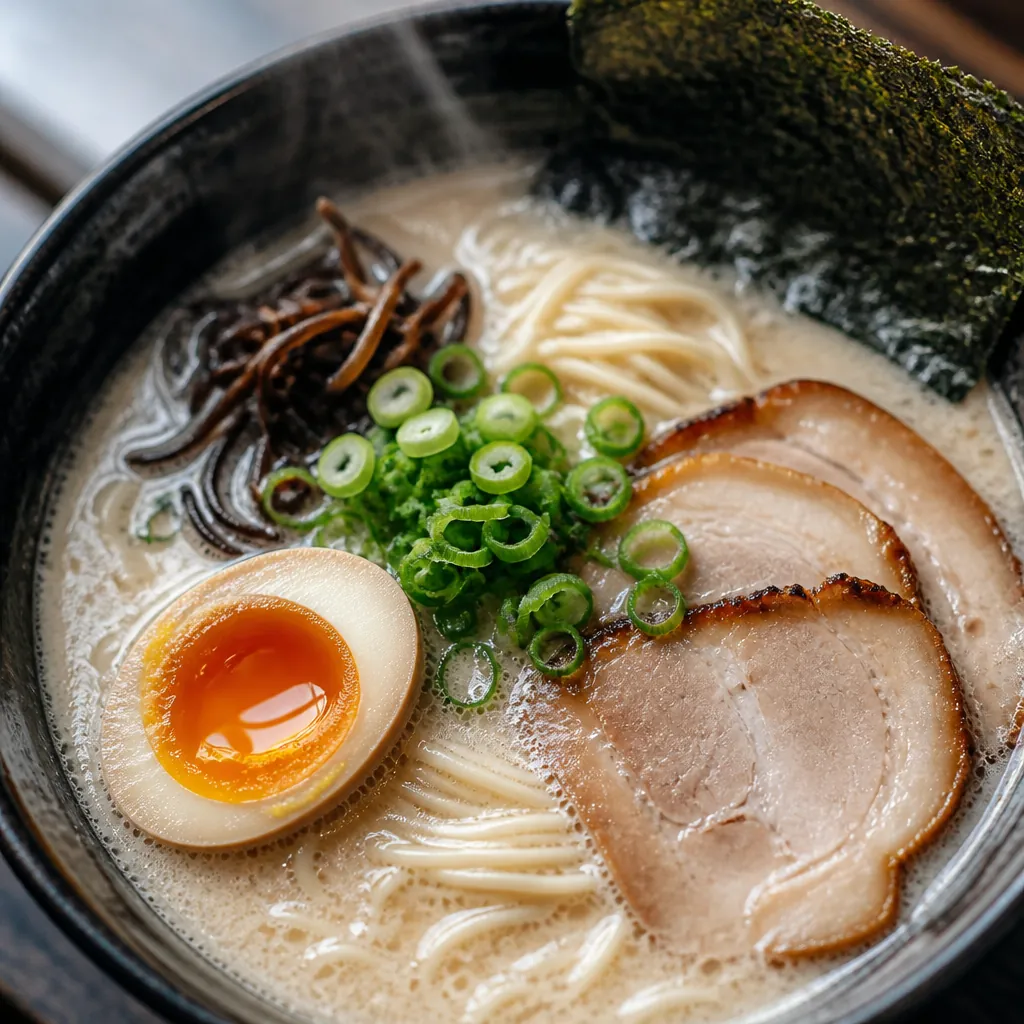
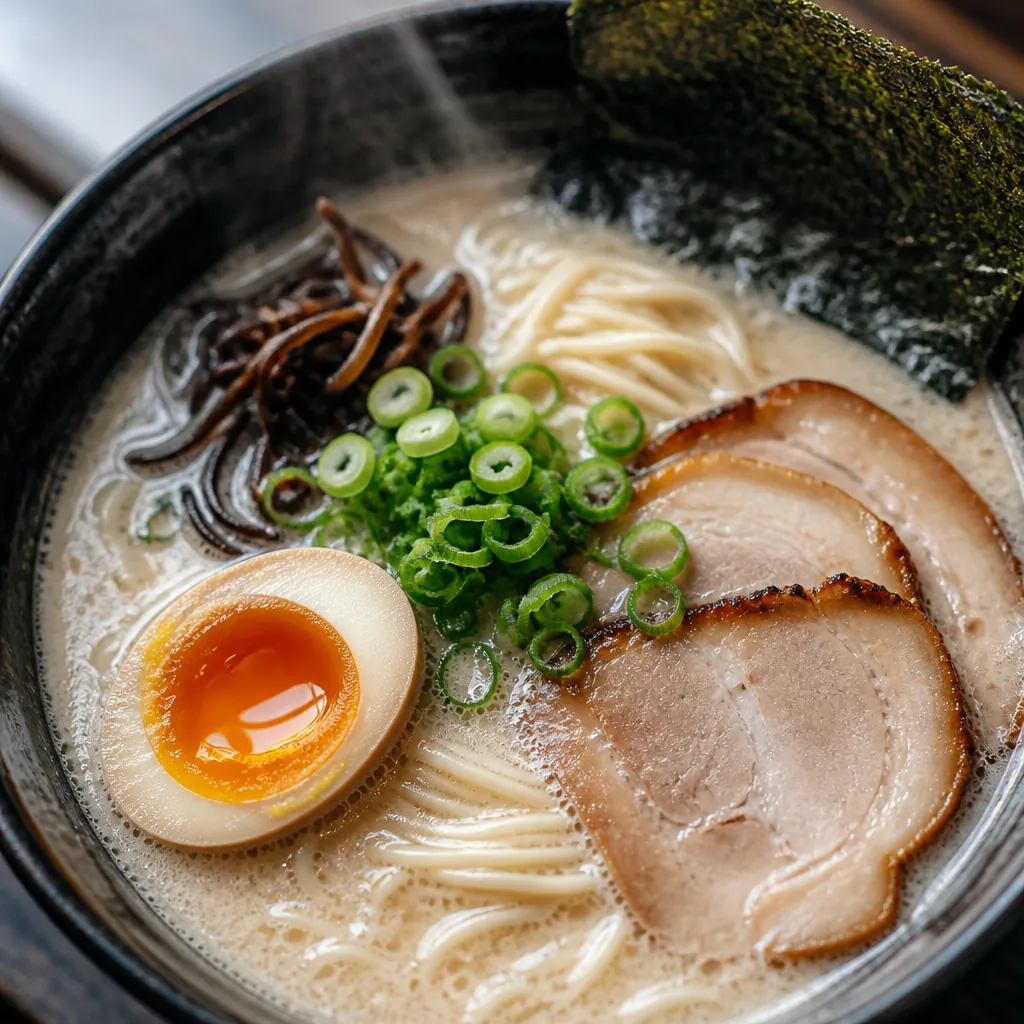
Zen’s tonkotsu broth is simmered for a minimum of 12 hours. The collagen from pork bones breaks down into gelatin, which gives the broth its characteristic milky opacity and body. This cannot be replicated with stock concentrates or additives. It requires time, temperature control, and the right ratio of bones to water.
Pro tip: If you are bringing a first-time visitor to Zen Ramen and Sushi on a friend’s recommendation, order the tonkotsu ramen first. It is the dish that most clearly shows why the kitchen’s commitment to traditional Japanese techniques produces a result that shortcuts cannot match.
The Role of Fresh Ingredients in Creative Sushi
Creative sushi is only as good as the fish it uses. This is not a preference, it is a structural fact. A moderately creative preparation using exceptional fish will always outperform a highly creative preparation using mediocre fish. Zen operates from this principle at the ingredient sourcing level.
Why Ingredient Quality Is the Starting Point for Innovation
The reason traditional Edomae sushi chefs in Tokyo source fish from Tsukiji and Toyosu markets at 4 AM is not ritual. It is because the quality difference between fish sold in the first two hours of market trading and fish sold six hours later is measurable in texture, fat content, and flavor. Freshness is not a marketing claim, it is a technical variable that determines what creative choices are even available to the chef.
When fish is at peak freshness, its natural flavor is clean and specific. That is when a single complementary element, a touch of yuzu zest, a dab of house-made ponzu, a thin slice of cucumber, can elevate it. When fish is past its peak, no amount of creative topping can recover the dish. It just disguises the problem.
Seasonal Awareness as a Form of Creativity
Japanese cuisine has always been organized around shun, the concept of peak seasonality. Eating a fish, vegetable, or garnish at its seasonal peak is considered both a culinary choice and a cultural one. This is not nostalgia. According to research published in the context of Japanese food culture at institutions like Keio University, seasonal alignment in Japanese cooking produces measurably preferred flavor outcomes because ingredients at peak season have higher sugar and umami compound concentrations.
At Zen, seasonal ingredients appear as rotating elements within the menu’s established dishes. This is a creative choice that is simultaneously a traditional one, which is exactly the point. The best creative moves in Japanese cuisine are the ones that feel inevitable in retrospect because they are grounded in something real.
Frequently Asked Questions
What does modern Japanese cuisine actually mean at Zen Ramen and Sushi?
At Zen, modern Japanese cuisine means starting from authentic Japanese culinary techniques and adding carefully chosen contemporary elements that serve the dish’s flavor rather than drawing attention to themselves. It is not about fusion or trend-chasing. It is about applying traditional precision with a current seasonal and creative eye.
How does the Zen Ramen and Sushi menu differ from ramen-only or sushi-only specialists?
Ramen-only specialists go very deep into a single category. Zen goes equally deep across both ramen and sushi, and the two categories share the same culinary philosophy. A diner who orders both ramen and sushi at Zen in a single meal experiences a coherence that a mixed visit to two separate specialists cannot replicate.
Are traditional Japanese techniques still relevant when diners want something new?
Traditional Japanese techniques are the reason the new things at Zen taste as good as they do. A chef who does not know how to properly extract dashi cannot make a creative broth decision that improves on the classic. The techniques are not a constraint. They are the prerequisite for meaningful creativity.
What is the best dish for someone visiting Zen Ramen and Sushi for the first time through a friend’s referral?
Start with the tonkotsu ramen. It is the clearest demonstration of what Zen’s kitchen does differently at the foundational level. Once you have tasted a broth built from 12-plus hours of simmering pork bones, you understand why shortcuts produce inferior results everywhere else you have eaten ramen.
How does Zen balance creativity with authenticity without one undermining the other?
The balance is maintained by treating creativity as an addition to an established traditional foundation, never as a replacement for it. At Zen, a creative topping or garnish is only used if it strengthens the core flavor of the dish. If it competes with the broth or the fish, it is removed. The test is always flavor first, concept second.
Why does sushi rice temperature matter so much for the overall experience?
Sushi rice served cold stiffens and loses its ability to complement the fish. The fat in a piece of fatty tuna, for example, responds differently at room temperature versus refrigerator temperature. Proper body-temperature shari allows the fish and rice to melt together as intended. Cold rice is one of the most common ways restaurants inadvertently undermine otherwise quality ingredients.
Have you noticed the difference between ramen that tastes genuinely complex and ramen that just tastes salty? Share what you think makes the difference, or tell us what you tried at Zen that changed how you think about Japanese food.
References
- Forbes coverage of Japanese cuisine trends and the growth of authentic dining experiences in the US restaurant market
- Statista data and statistics on Japanese restaurant industry performance, consumer preferences, and dining frequency
- McKinsey research on consumer behavior in the food and restaurant sector, including quality-driven dining decisions
- Food and Wine editorial resources on Japanese culinary tradition, ramen culture, and modern sushi preparation standards
- JSTOR academic research on washoku philosophy, Japanese food culture, and the principles of seasonal alignment in traditional Japanese cooking