Most people who order spicy ramen do it once, sweat through their shirt, and swear it off forever. That is a shame, because they almost certainly ordered the wrong heat level, skipped the toppings that balance the fire, and drank water at exactly the wrong moment. Spicy ramen is not a punishment dish. It is one of the most layered, rewarding bowls in Japanese cuisine when you know how to approach it. This guide covers everything a true spicy ramen fan needs: how heat works in the broth, how to build tolerance, what to eat alongside the bowl, and how to spot a genuinely great spicy ramen from one that is just capsaicin dumped into mediocre stock.
Table of Contents
- Quick Takeaways
- What Makes Spicy Ramen Actually Spicy
- Heat Levels Explained: From Mild Kick to Serious Pain
- How to Build Spice Tolerance the Right Way
- Best Spicy Ramen Styles and What Sets Them Apart
- Toppings and Add-Ons That Control the Heat
- What to Drink and Eat Alongside Spicy Ramen
- Comparison of Spicy Ramen Approaches
- Frequently Asked Questions
- References
Quick Takeaways
| Key Insight | Explanation |
|---|---|
| Water makes spice burn worse | Capsaicin is oil-soluble, not water-soluble. Drinking water spreads it across your mouth instead of neutralizing it. Milk or dairy-based broth works far better. |
| Fat in the broth is your ally | Rich tonkotsu or sesame-based broths coat the mouth and slow capsaicin absorption, making high-heat bowls more manageable than thin spicy broths. |
| Tolerance builds faster than you think | Eating spicy food 3 to 4 times per week for three weeks measurably reduces pain receptor sensitivity, according to research published by the National Institutes of Health. |
| Not all spicy ramen heat is the same | Togarashi delivers a sharp front-of-mouth heat. Gochujang creates a slow-building warmth. Doubanjiang adds fermented depth. Each requires a different tolerance strategy. |
| Noodle thickness affects heat perception | Thicker noodles absorb more broth, including capsaicin oil, meaning each bite carries more heat than thin noodles in the same bowl. |
| Ramen egg cools the palate mid-bowl | The fat and protein in a soft-boiled ramen egg (ajitsuke tamago) act as a natural palate reset between spicy spoonfuls without diluting the broth flavor. |
| Starting at a lower heat level is not timid, it is smart | Ordering one level below your perceived maximum lets you actually taste the broth, pork, and tare instead of spending the meal managing pain. |
What Makes Spicy Ramen Actually Spicy
The heat in a spicy ramen bowl does not come from a single source. In practice, most ramen chefs layer multiple spice components, each contributing a different quality of heat at a different point in the eating experience.
Capsaicin is the active compound in chili peppers and the primary driver of burning sensation. It binds to TRPV1 receptors in the mouth, which are the same receptors that detect actual heat above 109 degrees Fahrenheit. That is why spicy food feels like fire even when the bowl is lukewarm.
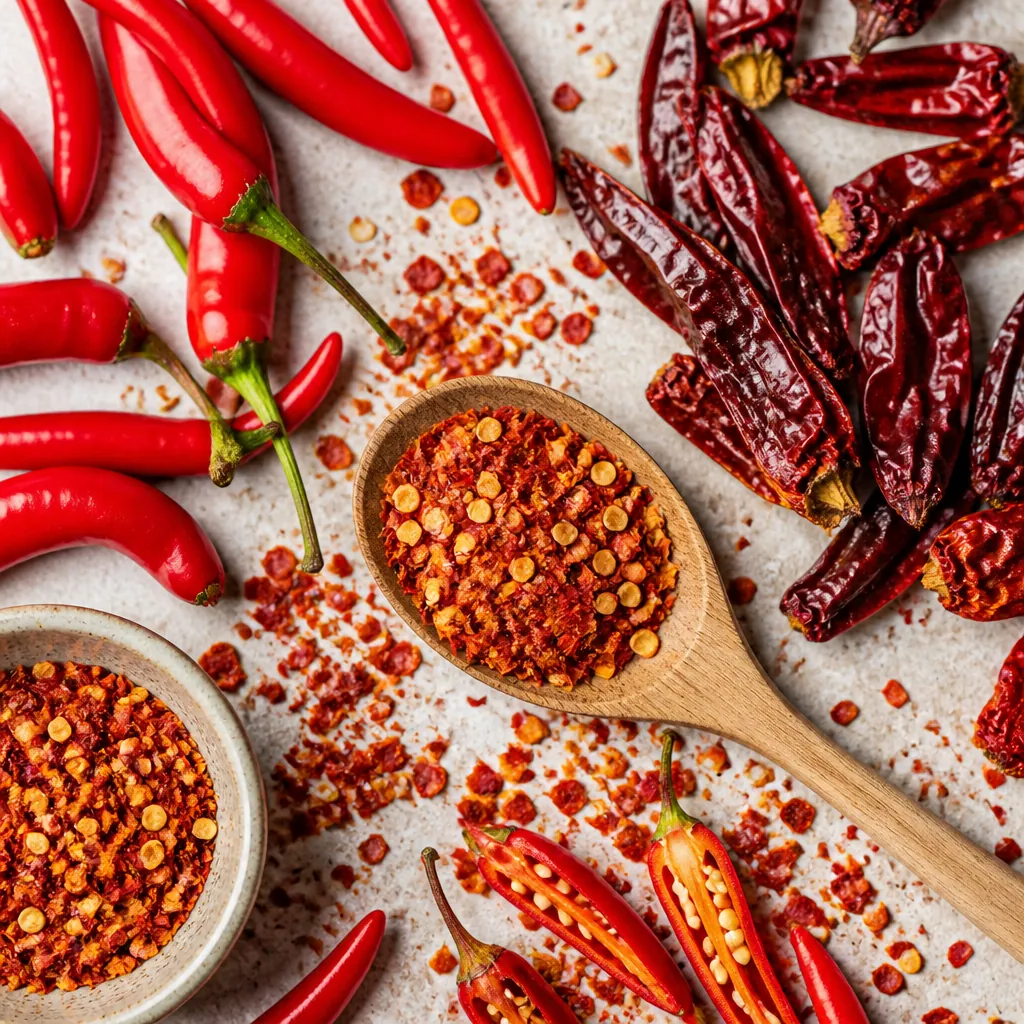
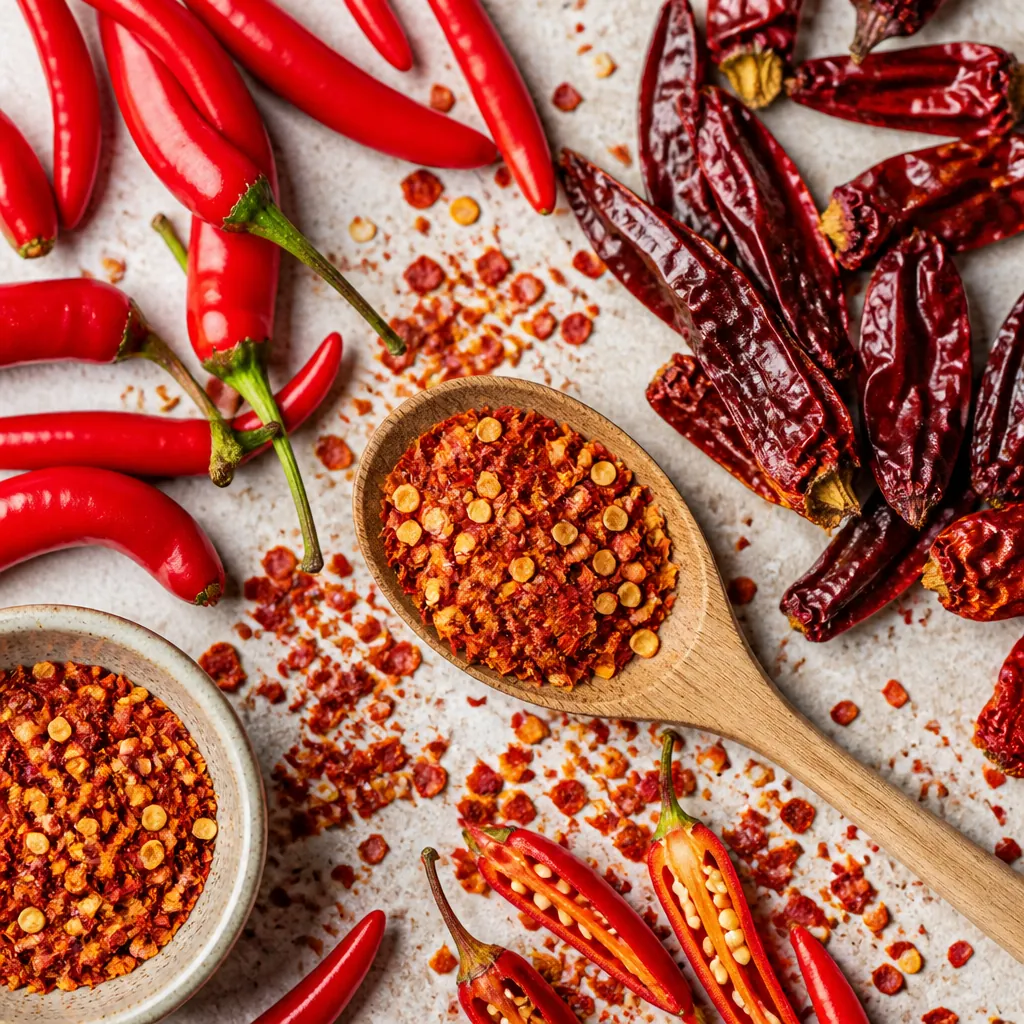
Beyond raw chili, Japanese and Korean spicy ramen commonly use gochujang (fermented chili paste), doubanjiang (spicy fermented bean paste), togarashi spice blends, rayu (chili oil), and fresh sliced chilis. Each ingredient hits differently. Gochujang creates a slow, building warmth that peaks about thirty seconds after you swallow. Rayu delivers immediate tongue-tip fire. Doubanjiang sits somewhere in between with a savory, fermented heat that lingers in the back of the throat.
A common mistake is assuming that red color in the broth equals maximum heat. Many beautiful red-orange broths use a significant amount of paprika or roasted red pepper for color and mild sweetness, while a pale broth loaded with white pepper and rayu can be significantly hotter. Always ask about the specific spice ingredients rather than judging by appearance alone.
Heat Levels Explained: From Mild Kick to Serious Pain
Most ramen restaurants that specialize in spicy ramen offer a numbered or named heat scale. Understanding what those levels actually mean helps you make a better order the first time, rather than learning through suffering.
Level 1 to 2: Approachable Heat
At these levels, you taste the spice as a background element. The broth flavor, the char siu pork, the noodle texture, all of these remain the primary experience. This is the right starting point for anyone new to spicy ramen, and also the level where a well-crafted broth reveals the most complexity.
Level 3 to 4: Moderate Heat That Builds
This is where most serious spicy ramen fans live. The heat is present from the first sip and compounds through the bowl. Sweating is normal. Your nose may run. You will still be able to identify individual flavors if the broth is well-made. At Zen Ramen and Sushi, this range is where the interplay between the rich broth base and the spice becomes genuinely interesting rather than overwhelming.
Level 5 and Above: Endurance Eating
At the highest heat levels, the experience shifts from flavor appreciation to physical management. Some people love this and seek it out. The honest truth is that at extreme heat levels, even a technically perfect broth becomes difficult to evaluate. These levels are best approached after you have built genuine tolerance, not as a first-time challenge.
Pro tip: When ordering spicy ramen for the first time at any restaurant, ask the server which heat level the kitchen considers their “medium” rather than asking for their hottest. The kitchen’s honest medium is often more revealing of the chef’s skill than the maximum level.
How to Build Spice Tolerance the Right Way
Spice tolerance is a real, measurable physiological adaptation. Research from the National Institutes of Health confirms that repeated capsaicin exposure desensitizes TRPV1 receptors, reducing both the intensity and duration of the burning sensation. The key word is repeated. One extreme challenge bowl every few months does nothing for your tolerance.
The Progressive Exposure Method
The most effective approach is eating spicy food at a challenging but manageable level three to four times per week for several weeks. Each session should be slightly uncomfortable but not agonizing. Think of it the same way you would approach any physical training: consistent moderate stress, not occasional extreme stress.
Start with a level that makes you sweat but still allows you to finish the bowl comfortably. After two weeks at that level, step up one increment. Repeat this cycle. Most people find that within a month they have moved up two or three heat levels while actually enjoying the bowl more, not less.
Foods That Support Tolerance Building
Adding other capsaicin-containing foods to your regular diet between ramen visits accelerates tolerance building. Hot sauce on eggs, fresh jalapeños in salads, and gochujang in marinades all count. The body does not distinguish between capsaicin sources, so consistent exposure from multiple directions works faster than ramen alone.
“Repeated exposure to capsaicin induces desensitization of the TRPV1 receptor, a process that requires regular stimulus intervals of no more than 48 to 72 hours to maintain the adapted state.” – National Center for Biotechnology Information, research summary on capsaicin receptor pharmacology
Pro tip: Do not eat a large amount of dairy or fat-heavy food in the two hours before a spicy ramen session if you are trying to build tolerance. Consuming fat immediately before eating capsaicin pre-coats the receptors and reduces the desensitization stimulus you need to build tolerance.
Best Spicy Ramen Styles and What Sets Them Apart
The best spicy ramen is not simply hot broth. It is a style with its own identity, regional roots, and ingredient logic. Knowing these styles helps you order with intention and appreciate what the kitchen is trying to achieve.
Spicy Tonkotsu Ramen
Tonkotsu broth is made by boiling pork bones at a rolling boil for 12 to 18 hours, producing a rich, milky, collagen-heavy soup. Adding chili oil or gochujang to tonkotsu creates a bowl where the fat content literally buffers the capsaicin hit, making the spice feel deep and warming rather than sharp and aggressive. This is the most beginner-friendly spicy ramen style because the richness gives you a natural moderating effect.
Spicy Miso Ramen
Spicy miso ramen is a natural pairing. Miso paste is fermented and savory, and adding doubanjiang or Korean gochujang alongside it creates a complex, layered heat profile that most ramen enthusiasts rank as the most satisfying spicy bowl. The fermented character of both the miso and the spice paste creates umami depth that straight chili broth cannot match.
Spicy Shoyu Ramen
Shoyu (soy sauce) based broth is typically thinner and cleaner than tonkotsu or miso. When made spicy, there is less fat to buffer the capsaicin, meaning the heat is more direct and the experience more intense. A common mistake with shoyu spicy ramen is expecting the heat to feel like miso spicy ramen. It does not. The clarity of the broth makes the spice feel sharper and faster-hitting.
Toppings and Add-Ons That Control the Heat
One of the most underused tools for managing spicy ramen is the topping selection. Most ramen restaurants allow topping customization, and choosing the right additions genuinely changes the heat experience without diluting the broth quality.
Soft-Boiled Ramen Egg (Ajitsuke Tamago)
The jammy, soy-marinated ramen egg is not just a flavor component. The fat and protein in the yolk provide a temporary capsaicin buffer when eaten between spicy spoonfuls. Experienced spicy ramen fans treat the egg as a strategic pause button, not just a garnish.
Chashu Pork
Extra chashu pork adds fat to the equation. More fat in the mouth means more capsaicin binding and slower absorption. If you are tackling a heat level that is near your limit, ordering extra chashu is a practical move, not just an indulgent one.
Bamboo Shoots (Menma) and Corn
Both of these toppings are low-fat and do not buffer heat. They add texture and sweetness but will not help you manage capsaicin intensity. If heat management is your goal, prioritize fat-containing toppings. Corn adds a mild sweetness that can make a spicy bowl feel more balanced overall.
Nori (Dried Seaweed)
Nori does something interesting in a spicy bowl. It absorbs broth and then delivers a concentrated flavor hit that includes the spice. Some people find this intensifies the experience. Others use it to scoop noodles and dilute the broth concentration per bite. It is worth experimenting with based on your preference.
What to Drink and Eat Alongside Spicy Ramen
The single biggest mistake spicy ramen newcomers make is reaching for water the moment the heat builds. Water does not neutralize capsaicin. Because capsaicin is an oil-based compound, water simply redistributes it across more surface area in your mouth, making the burning sensation spread and intensify rather than diminish.
What Actually Works for Cooling the Burn
Milk, yogurt drinks, and any dairy product work because casein protein in milk binds to capsaicin molecules and physically removes them from the receptor sites. At a ramen restaurant, a cold milk-based drink or a Thai-style iced tea with condensed milk is genuinely more effective relief than ice water.
Starchy foods also help. Plain white rice acts as a physical buffer and absorbs spice-laden broth, reducing the concentration hitting your receptors per bite. Many ramen restaurants including Zen Ramen and Sushi offer rice as a side specifically because experienced diners know this pairing works.
Beer and Spicy Ramen
Alcohol increases capsaicin absorption through mucous membranes, which is why drinking beer alongside a very hot bowl can intensify the experience unexpectedly. Light lager with spicy ramen is a common pairing, but be aware that after two or three sips, the perceived heat of the bowl will increase. This can work in your favor if you want the experience to intensify, but it is not a relief strategy.
Pro tip: Order a small bowl of plain steamed rice with any spicy ramen that is at or above your comfortable heat level. Alternate between ramen and a bite of plain rice every four to five spoonfuls. This pacing strategy lets you finish the full bowl and actually taste the broth throughout rather than tapping out halfway through.
Comparison of Spicy Ramen Approaches
Choosing the right spicy ramen style depends on your tolerance level, what flavor experience you are after, and how you want the heat to hit. The table below compares three distinct approaches side by side.
| Approach | Heat Profile | Best For |
|---|---|---|
| Spicy Tonkotsu (Fat-Buffered Heat) | Deep, slow-building warmth. Fat content moderates capsaicin spike. Heat peaks mid-bowl rather than immediately. Rich, coating mouthfeel. | Newcomers to spicy ramen. Anyone who wants high heat without sharp burning. Cold weather dining. Pairing with gyoza or fried sides. |
| Spicy Miso (Fermented Complexity) | Layered heat with umami depth. Gochujang or doubanjiang adds fermented character that compounds over the bowl. Longest lingering heat of the three styles. | Experienced spicy ramen fans who want flavor complexity alongside heat. Best choice when ordering at a higher heat level because the fermented base remains detectable even at high spice concentrations. |
| Spicy Shoyu (Clean, Direct Fire) | Thinner broth delivers unmediated capsaicin hit. Heat is sharp and front-loaded. Less lingering than miso. More intense per sip than tonkotsu at the same heat level. | Tolerance-trained spicy ramen fans who prefer a clean broth and direct heat experience. Not recommended for first-time spicy ramen eaters. Good for evaluating pure spice quality in a kitchen. |
Frequently Asked Questions
Why does spicy ramen make my nose run?
Capsaicin irritates nasal mucous membranes and triggers rhinorrhea, the same response your body uses to flush out inhaled irritants. This is a normal physiological reaction and actually a positive sign that the capsaicin is genuine and active. It does not mean you have reached your limit, and it typically subsides within minutes of finishing the bowl.
Is spicy ramen bad for your stomach?
For most healthy people, eating spicy ramen occasionally causes no lasting harm. Research published in journals indexed by the National Institutes of Health indicates that capsaicin in moderate amounts does not damage the stomach lining and may actually have gastro-protective properties. People with existing conditions like acid reflux, IBS, or gastritis should consult a physician before eating at high heat levels, as capsaicin can trigger flare-ups in those populations.
What is the best spicy ramen for someone who has never eaten spicy food before?
Start with a spicy tonkotsu at the lowest available heat level. The fat content in the broth buffers the capsaicin naturally, making the experience much more forgiving than a thin spicy shoyu. Order a soft-boiled egg and extra chashu as toppings, and have a side of plain rice ready. This setup gives you multiple tools to manage the heat while still experiencing the genuine character of spicy ramen.
How do ramen restaurants in New York City typically scale their heat levels?
There is no industry standard, which makes comparing heat levels across restaurants unreliable. One restaurant’s level 3 may be another’s level 5. A common mistake is ordering at the same numeric level you use elsewhere without asking for context. Always ask the server what makes the kitchen’s heat scale distinctive, or describe your tolerance in plain terms: can handle moderate heat but not extreme, finish a spicy bowl without needing water, and so on. Zen Ramen and Sushi staff can walk you through the specific spice profile at each level, which is a better conversation than just picking a number.
Can I customize the spice level after ordering?
Once the broth is prepared, spice level cannot be reduced. You can add heat with table-side chili oil or togarashi, but removing heat from an already-prepared bowl is not possible without diluting the broth with plain stock, which most kitchens will not do once the bowl is plated. Always specify your heat preference before the order is placed, and when in doubt, go one level lower than your instinct.
Does the type of chili used in spicy ramen matter for the eating experience?
It matters significantly. Korean gochugaru chili flakes produce a moderate heat with a fruity, slightly sweet character. Chinese dried red chilies produce sharp, intense heat with less sweetness. Japanese togarashi blends often include orange peel and sesame, adding aromatic complexity alongside the heat. A kitchen that specifies its chili sources is giving you genuine information about the flavor experience, not just the intensity. When evaluating the best spicy ramen options, kitchens that articulate their spice sourcing tend to be more serious about the overall bowl.
What is your personal strategy for handling a bowl that gets hotter than expected? Share your approach with us the next time you visit Zen Ramen and Sushi, or tell a friend who loves spicy ramen and send them this guide before their next bowl.
References
- National Center for Biotechnology Information: research on capsaicin receptor pharmacology and desensitization
- Statista: consumer data on spicy food preferences and dining trends in the United States
- Forbes: reporting on the growth of Japanese cuisine and ramen culture in the American restaurant industry
- National Institutes of Health: published studies on capsaicin, TRPV1 receptor adaptation, and gastrointestinal effects of spicy food consumption
- U.S. Food and Drug Administration: ingredient safety information relevant to chili compounds and food labeling standards