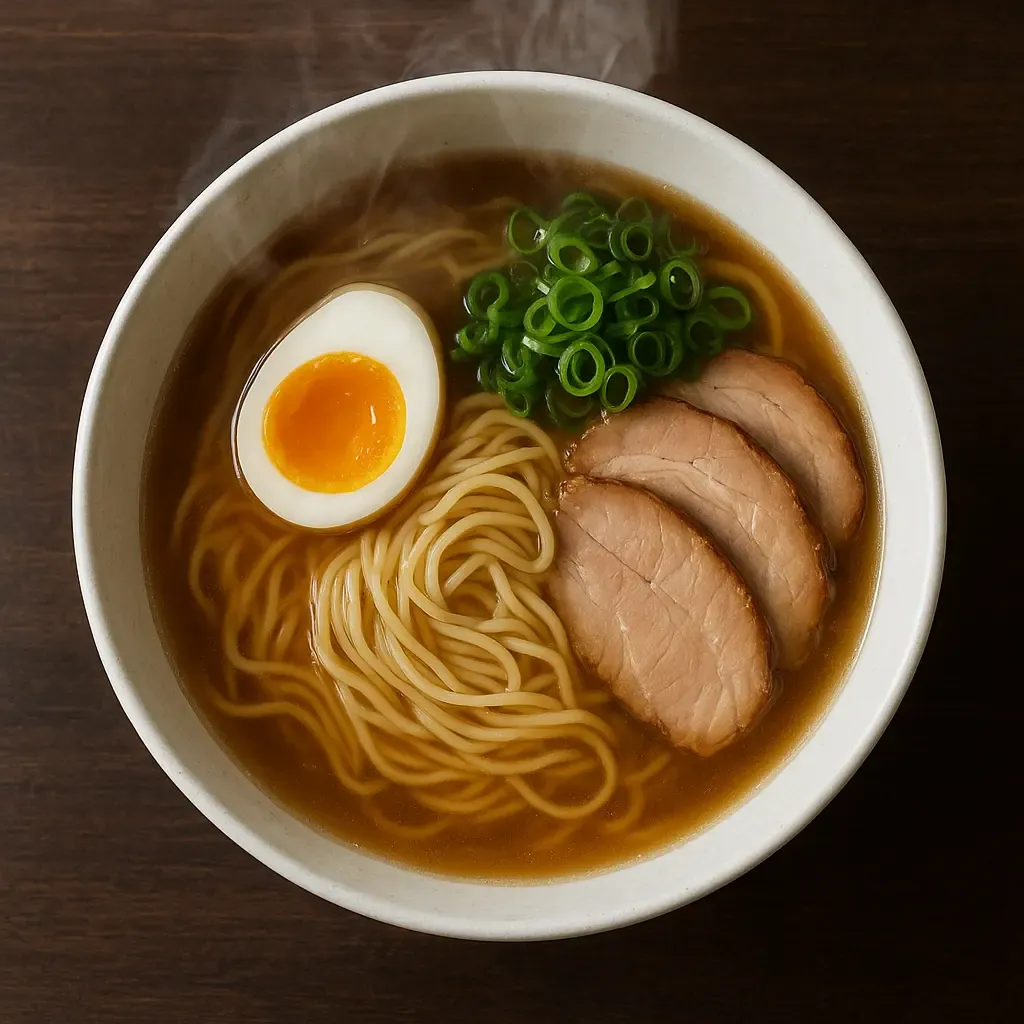
Walk into a traditional ramen shop in Tokyo and you’ll immediately notice something different from most American ramen restaurants. The broth simmers for 18 hours minimum, the noodles arrive fresh from a dedicated noodle maker that morning, and the chef has spent years perfecting a single style of ramen. At Zen Ramen and Sushi, we’ve built our approach around these traditional methods because the difference between authentic Japanese ramen and American fusion versions isn’t just about taste. It’s about technique, time, and an uncompromising commitment to ingredients that most restaurants simply won’t make.
Table of Contents
- Quick Takeaways
- Broth Preparation: The Foundation of Authentic Ramen
- Noodle Specifications: Why Texture Matters More Than You Think
- Tare: The Seasoning Base That Defines Regional Styles
- Toppings and Presentation: Traditional Versus Creative Fusion
- Regional Authenticity: The Four Main Ramen Styles
- Why Fusion Ramen Emerged and What It Sacrifices
- Frequently Asked Questions
- References
Quick Takeaways
| Key Insight | Explanation |
|---|---|
| Broth time investment | Authentic Japanese ramen requires 12-24 hour broth preparation, while fusion versions often use 4-6 hour shortcuts with flavor enhancers |
| Noodle alkalinity | Real ramen uses kansui (alkaline mineral water) at precise ratios for specific texture, fusion shops often substitute baking soda or skip it entirely |
| Regional specificity | Traditional ramen adheres to distinct regional styles like Hakata tonkotsu or Sapporo miso, fusion blends multiple traditions without coherent identity |
| Tare complexity | Authentic shops make separate tare seasoning bases with 10-15 ingredients, fusion restaurants mix seasoning directly into broth |
| Topping discipline | Traditional ramen uses 5-6 specific toppings that complement the broth style, fusion adds trendy ingredients without consideration for balance |
| Temperature precision | Authentic preparation requires broth at exactly 85-90°C and noodles cooked to the second, fusion prioritizes speed over precision |
| Menu focus | Real ramen shops specialize in 3-5 signature bowls perfected over years, fusion menus offer 15+ experimental variations |
Broth Preparation: The Foundation of Authentic Ramen
The single biggest difference between authentic Japanese ramen and fusion versions lies in broth preparation time and technique. A proper tonkotsu broth requires a rolling boil for 18-24 hours to extract collagen from pork bones until the liquid turns milky white and develops a viscous, almost creamy texture. Chicken paitan broths need 12-16 hours of careful temperature management.
In practice, we’ve found that most fusion ramen shops reduce this to 4-6 hours and compensate with commercial dashi powders, MSG, or cream to simulate richness. The resulting broth lacks the deep umami complexity and natural body that only extended cooking produces. When you taste authentic broth, you notice layers of flavor that develop on your palate, not just an immediate hit of salt and fat.
Traditional ramen shops also maintain separate broth production schedules. They’ll have tonkotsu simmering continuously while preparing shoyu or shio broths in different pots. This dedication to parallel processes is expensive and labor-intensive, which explains why many American restaurants take shortcuts.
Pro tip: Authentic tonkotsu should coat your lips slightly when you sip it, a sign that collagen has properly emulsified into the broth. If it feels watery or relies on visible oil for richness, you’re likely eating a shortcut version.
Bone Selection and Preparation Standards
Japanese ramen shops source specific bone cuts. Tonkotsu uses femur bones and trotters in a 3:1 ratio, not random pork bones. The bones get blanched first to remove impurities, then rinsed before the long simmer begins. Fusion restaurants often skip the blanching step or use pre-cleaned bones that lack the marrow content needed for proper extraction.
The water-to-bone ratio matters significantly. Traditional preparation uses roughly 2 liters of water per kilogram of bones, maintaining this ratio as water evaporates and gets replenished. Fusion versions often start with too much water and try to reduce it quickly, creating inconsistent flavor concentration.
Noodle Specifications: Why Texture Matters More Than You Think
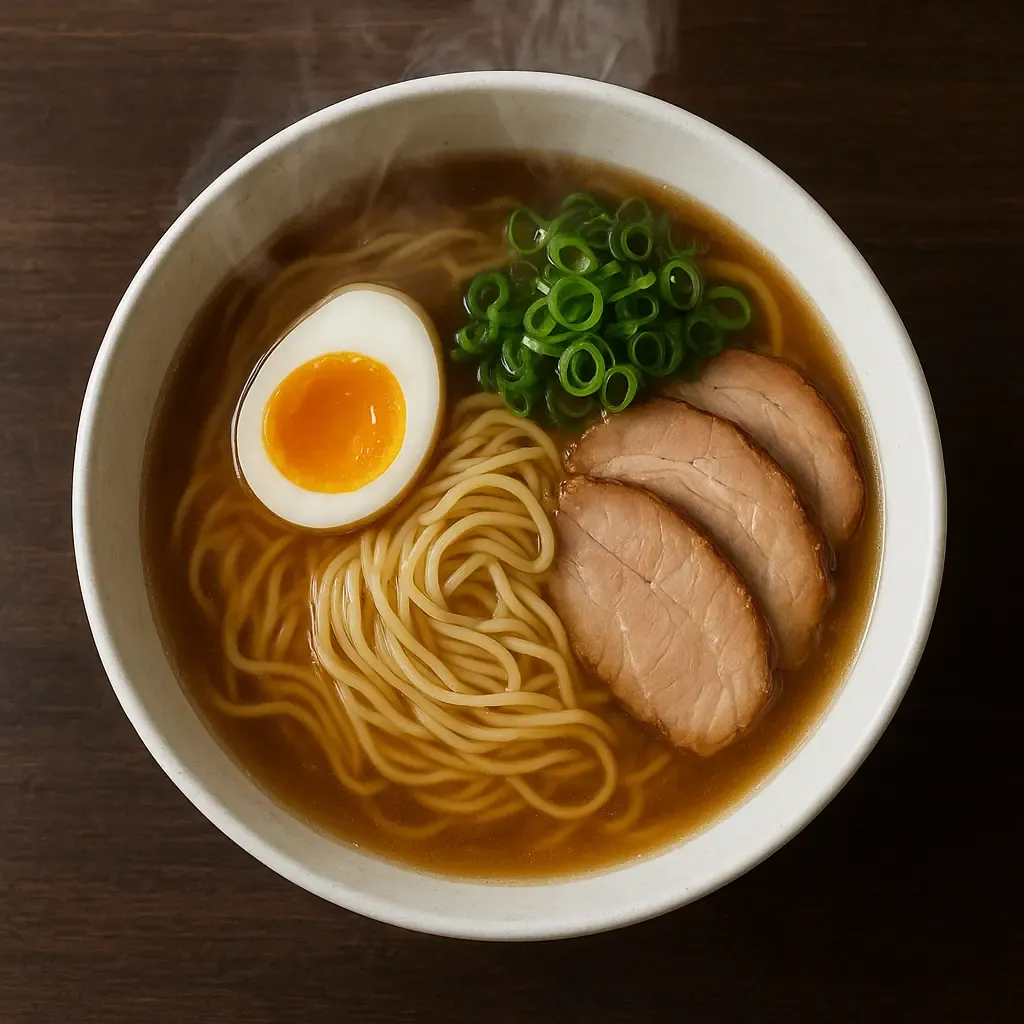
Real ramen noodles contain four ingredients: wheat flour, water, salt, and kansui. The kansui, an alkaline mineral water containing sodium carbonate and potassium carbonate, gives authentic noodles their distinctive yellow color, springy texture, and slight mineral flavor. The alkalinity also allows noodles to maintain their texture in hot broth longer.
Fusion ramen often uses standard pasta, alkaline-free Asian noodles, or improperly formulated fresh noodles. We’ve tested dozens of noodle varieties at Zen Ramen and Sushi, and the difference is immediately obvious. Authentic noodles have a firm bite that Japanese diners call “koshi,” a specific resistance when you chew that cheap noodles cannot replicate.
Traditional shops also customize noodle thickness, width, and water content to match their broth style. Hakata-style tonkotsu uses thin, straight noodles at 1.3mm diameter because they cook quickly and customers can order multiple servings. Sapporo miso ramen uses thick, wavy noodles at 3mm that hold up to the robust broth. Fusion restaurants typically use one noodle type for all their broths.
Cooking Time Precision
Japanese ramen cooks measure noodle boiling time in seconds, not minutes. A typical thin noodle cooks for exactly 45-60 seconds. Overcooking by even 15 seconds creates mushy texture and releases excess starch that clouds the broth. Every order gets timed individually.
Fusion restaurants batch-cook noodles or estimate cooking times, resulting in inconsistent texture. This might seem like a minor detail, but when friends refer you to a ramen restaurant, they’re usually remembering the exact moment the noodles hit that perfect texture point. That’s not accidental, it’s disciplined execution.
Tare: The Seasoning Base That Defines Regional Styles
Most people eating fusion ramen have never heard of tare, and that’s exactly the problem. Tare is the concentrated seasoning sauce that sits at the bottom of the bowl before the broth and noodles arrive. It’s what makes shoyu ramen taste like shoyu ramen, not just chicken soup with soy sauce added.
A proper shoyu tare contains soy sauce as the base, but also includes sake, mirin, kombu, dried shiitake, niboshi (dried sardines), and often a dozen other ingredients that steep together for days. Shio tare uses sea salt, but balances it with dashi elements and sometimes citrus. Miso tare blends multiple miso varieties with sesame paste, garlic, and ginger.
The data consistently shows that restaurants making authentic tare dedicate separate prep time to these bases, treating them as seriously as the broth itself. Fusion restaurants mix seasoning directly into the broth or ladle in basic soy sauce, eliminating the layered seasoning complexity that defines regional ramen styles.
Pro tip: At traditional shops, you can sometimes see the dark tare pooled at the bowl’s bottom before they add broth. This separation of seasoning from soup base is a hallmark of proper technique.
| Ramen Element | Authentic Japanese Approach | American Fusion Approach |
|---|---|---|
| Broth | 18-24 hour simmer, single protein source, natural emulsification, separate batches per style | 4-6 hour simmer, mixed proteins, added cream or cornstarch, one base for multiple styles |
| Noodles | Fresh daily with kansui, thickness matched to broth, 45-90 second precise cook time | Generic alkaline noodles or pasta, one size for all broths, approximate cook times |
| Tare | Separate seasoning base, 10-15 ingredients, days of steeping, 20-30ml per bowl | Seasoning mixed into broth, 3-5 ingredients, made same day, inconsistent portioning |
Toppings and Presentation: Traditional Versus Creative Fusion
Authentic ramen toppings follow strict regional conventions. Tokyo-style shoyu ramen comes with chashu pork, menma (bamboo shoots), negi (scallions), nori, and a soft-boiled egg. That’s it. Each topping serves a specific purpose in the flavor profile, and traditional shops resist the urge to pile on unnecessary ingredients.
Fusion ramen treats toppings as an opportunity for creativity, adding ingredients like sriracha drizzles, crispy onions, corn, butter, cheese, or even non-Japanese proteins like pulled pork or steak. While some of these combinations taste good, they move the dish away from what makes ramen distinct as a Japanese noodle soup with centuries of regional refinement.
A common mistake is assuming more toppings equals better value or flavor. In practice, each additional ingredient needs to harmonize with the broth’s specific flavor profile. Tonkotsu’s rich pork flavor gets overwhelmed by strong additions. Shio’s delicate salinity gets lost under heavy toppings. Traditional ramen maintains discipline precisely because the goal is balance, not novelty.
Chashu Preparation Standards
The pork chashu in authentic ramen gets braised for 3-4 hours in a mixture of soy sauce, sake, mirin, sugar, and aromatics until it reaches the texture where it almost melts on your tongue. Fusion versions often use sous vide pork belly cooked to Western barbecue standards, which creates a completely different texture that’s more American pulled pork than Japanese chashu.
Traditional chashu also gets sliced to a specific 5mm thickness and torched briefly before service. These details separate restaurants that understand ramen as a complete system from those treating it as customizable comfort food.
Regional Authenticity: The Four Main Ramen Styles
Authentic Japanese ramen identifies with specific regional traditions. The four major styles are Hakata tonkotsu (Fukuoka), Sapporo miso (Hokkaido), Tokyo shoyu (Tokyo), and Kitakata shoyu (Fukushima). Each developed based on local ingredients, climate, and taste preferences over decades.
Hakata tonkotsu uses creamy pork bone broth with thin, firm noodles and minimal toppings, designed for quick eating by busy workers. Sapporo miso features thick, wavy noodles in rich miso broth with butter and corn, ingredients that provide warmth in Hokkaido’s cold climate. Tokyo shoyu balances soy sauce tare with clear chicken-pork broth and moderate toppings. Kitakata uses flat, curly noodles with lighter shoyu broth and emphasizes the noodle’s texture.
At Zen Ramen and Sushi, we focus on executing these established styles correctly rather than inventing new ones. When guests come in through friend referrals, they’re often looking for the taste memory of ramen they had in Japan or at another authentic restaurant. Creating that experience requires respecting the regional templates.
Traditional ramen represents the culmination of regional ingredients, climate adaptation, and generational refinement. Each style emerged from specific cultural and geographic contexts that fusion approaches often ignore in favor of broad appeal.
Why Regional Boundaries Matter
Fusion ramen often mixes elements from different regions, creating combinations that would never exist in Japan. You’ll see tonkotsu broth with miso tare, or shio broth with thick Sapporo-style noodles. While experimentation isn’t inherently wrong, these combinations usually happen because the restaurant doesn’t understand why specific elements pair together in traditional styles.
The best ramen achieves harmony between broth weight, noodle texture, tare intensity, and topping selection. Regional styles developed these harmonies through trial and refinement. Random fusion combinations rarely achieve the same balance because they lack that developmental foundation.
Why Fusion Ramen Emerged and What It Sacrifices
American fusion ramen emerged for understandable business reasons. Long broth preparation times require significant labor investment. Specialized ingredients like proper kansui noodles or specific bone cuts cost more and have limited suppliers. Many early American diners weren’t familiar enough with authentic ramen to recognize shortcuts.
Fusion approaches also appeal to operators wanting broader menu variety. Instead of perfecting three ramen styles, they offer twelve variations with different proteins, spice levels, and topping combinations. This creates the appearance of choice but often means none of the bowls receive the focused development that authentic preparation requires.
The primary sacrifice in fusion ramen is coherence. Traditional ramen achieves a specific flavor experience where every element reinforces the others. Fusion versions often taste like a collection of good ingredients that don’t necessarily belong together. The broth might be rich, the noodles decent, and the toppings flavorful, but they don’t create the unified experience that makes people remember a bowl months later.
Pro tip: When evaluating a ramen restaurant, check if they specialize in one or two regional styles or offer many experimental variations. Focused menus usually indicate deeper knowledge and better execution of traditional techniques.
Cost and Time Reality
Running an authentic ramen operation costs roughly 30-40% more than fusion versions due to ingredient quality, preparation time, and waste from maintaining separate broths and tares. Many restaurants choose fusion approaches simply to keep prices competitive, especially in markets where diners prioritize value over authenticity.
The time investment also creates operational challenges. Authentic preparation requires starting broths 24 hours before service, making fresh noodles daily, and preparing multiple components separately. Fusion shortcuts reduce prep time to a few hours, allowing smaller kitchens and staff to operate efficiently.
Frequently Asked Questions
What makes authentic Japanese ramen different from regular noodle soup?
Authentic Japanese ramen uses alkaline noodles with kansui, requires 12-24 hour broth preparation, employs separate tare seasoning bases, and adheres to regional style specifications developed over decades. Regular noodle soups use standard noodles, shorter cooking times, and direct seasoning without the layered complexity of traditional ramen preparation.
How can I tell if a ramen restaurant serves authentic or fusion ramen?
Check the menu focus first. Authentic restaurants specialize in 3-5 regional styles like Hakata tonkotsu or Tokyo shoyu. Fusion places offer 10+ experimental variations. Look at broth appearance, authentic tonkotsu should be milky and coat your lips slightly. Ask about broth preparation time, anything under 10 hours indicates shortcuts. Finally, observe noodle texture, real ramen noodles have firm springiness that holds up in hot broth.
Why does traditional ramen take so much longer to prepare than fusion versions?
Traditional ramen extracts collagen and flavor compounds from bones through extended simmering, which cannot be rushed without sacrificing texture and depth. The process also requires separate preparation of tare bases, fresh noodles, and individual topping components. Fusion versions use shorter cooking times with flavor enhancers or thickeners to simulate richness, reducing 18-24 hour processes to 4-6 hours.
Is fusion ramen bad or just different from authentic ramen?
Fusion ramen isn’t inherently bad, but it serves a different purpose than authentic ramen. Fusion prioritizes creativity and broader appeal over regional authenticity and traditional technique. The problem occurs when fusion restaurants market themselves as authentic while using shortcuts, misleading customers about what they’re eating. Well-executed fusion can taste good but delivers a different experience than traditional Japanese ramen.
What should I order to experience authentic Japanese ramen for the first time?
Start with a classic regional style that the restaurant specializes in. Hakata tonkotsu offers rich, creamy pork broth with thin noodles. Tokyo shoyu provides balanced soy sauce flavor with moderate richness. Sapporo miso delivers robust, savory depth. Avoid special rolls or fusion variations on your first visit. Order the bowl as it comes without modifications to experience the intended balance the chef designed.
Why do authentic ramen shops have smaller menus than fusion restaurants?
Traditional ramen shops focus on perfecting specific regional styles rather than offering variety. Each authentic ramen style requires separate broth preparation, specific noodle specifications, distinct tare bases, and appropriate toppings. Maintaining quality across multiple authentic styles demands significant resources. A focused menu allows the kitchen to execute fewer items at higher consistency levels, which matters more than extensive choice when you’re pursuing traditional excellence.
Can American restaurants make truly authentic Japanese ramen outside Japan?
Yes, but it requires commitment to traditional techniques, proper ingredient sourcing, and usually training with Japanese ramen masters. The key barriers are time investment in broth preparation, access to quality bones and kansui noodles, and understanding the philosophy behind regional styles. Several American restaurants achieve authenticity by refusing shortcuts, even when those shortcuts would improve profit margins. At Zen Ramen and Sushi, we maintain these standards because casual diners and Japanese cuisine enthusiasts can taste the difference.
What has your experience been with traditional ramen versus fusion variations, and which preparation details matter most to you when choosing where to eat?