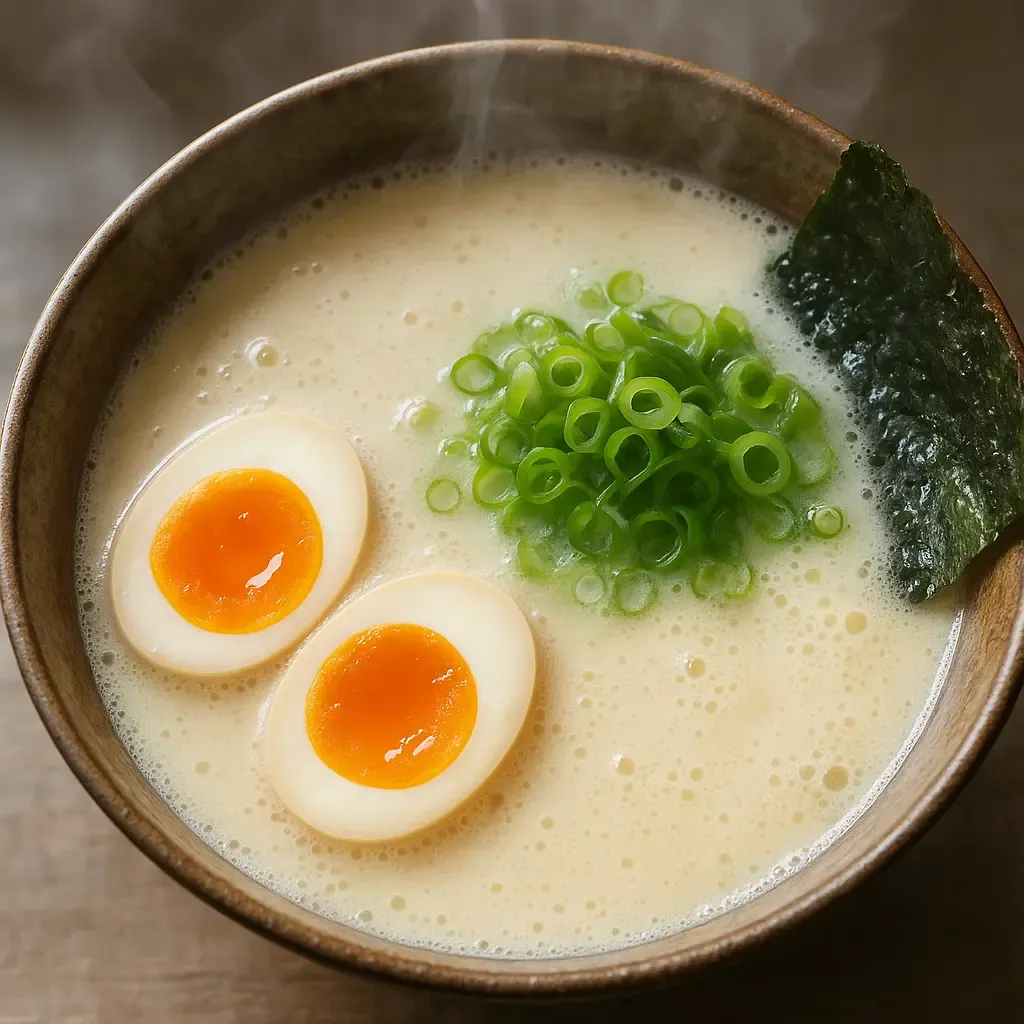
Most diners never realize that the difference between mediocre ramen and unforgettable ramen comes down to one element: the broth. At Zen Ramen and Sushi, we’ve spent years perfecting our ramen broth techniques because we understand that this foundation determines everything. A properly executed tonkotsu takes 18 hours minimum, shoyu demands precision balancing, and miso requires understanding fermentation chemistry. This guide breaks down what makes each authentic ramen style distinct and why these differences matter when you’re choosing your next bowl.
Table of Contents
- Quick Takeaways
- Tonkotsu Ramen Broth Explained
- Shoyu Ramen: The Soy Sauce Foundation
- Miso Ramen: Fermented Complexity
- Comparing the Three Major Broth Styles
- What Makes Ramen Broth Authentic
- Frequently Asked Questions
- References
Quick Takeaways
| Key Insight | Explanation |
|---|---|
| Tonkotsu requires rolling boil extraction | The milky white color comes from emulsified pork bone marrow and collagen, achieved only through 12-18 hours of aggressive boiling that breaks down fat molecules |
| Shoyu broth uses double stock technique | Authentic shoyu combines chintan (clear stock) with tare (soy sauce concentrate), creating depth without cloudiness |
| Miso timing matters critically | Adding miso paste too early destroys beneficial enzymes and aromatic compounds; professional kitchens add it in the final 2-3 minutes |
| Dashi forms the base for shoyu and miso | Quality kombu and katsuobushi create umami foundation that distinguishes Japanese noodle soup from Chinese-style broths |
| Fat content defines texture and mouthfeel | Tonkotsu contains 8-12% fat, shoyu 2-4%, and miso 4-6%, directly impacting richness and how toppings integrate |
| Regional variations reflect local ingredients | Hokkaido miso uses local white miso, while Kyushu tonkotsu employs specific pork breeds, making authentic ramen location-specific |
| Proper tare ratio determines saltiness balance | The ratio should be 1 part tare to 8-10 parts broth; too much tare overwhelms, too little creates flat flavor |
Tonkotsu Ramen Broth Explained
Tonkotsu ramen broth represents the most labor-intensive style in Japanese ramen tradition. The name translates directly to “pork bone,” and that description tells you everything about the process. At Zen Ramen and Sushi, we start with femur bones, trotters, and fatback because these parts contain the highest collagen and marrow content.
The critical mistake most home cooks make is simmering instead of boiling. Tonkotsu demands a rolling boil for the entire cooking period, typically 12-18 hours. This aggressive heat emulsifies the fat and breaks down collagen into gelatin, creating that signature milky white appearance. A gentle simmer produces clear broth, which is fundamentally different.
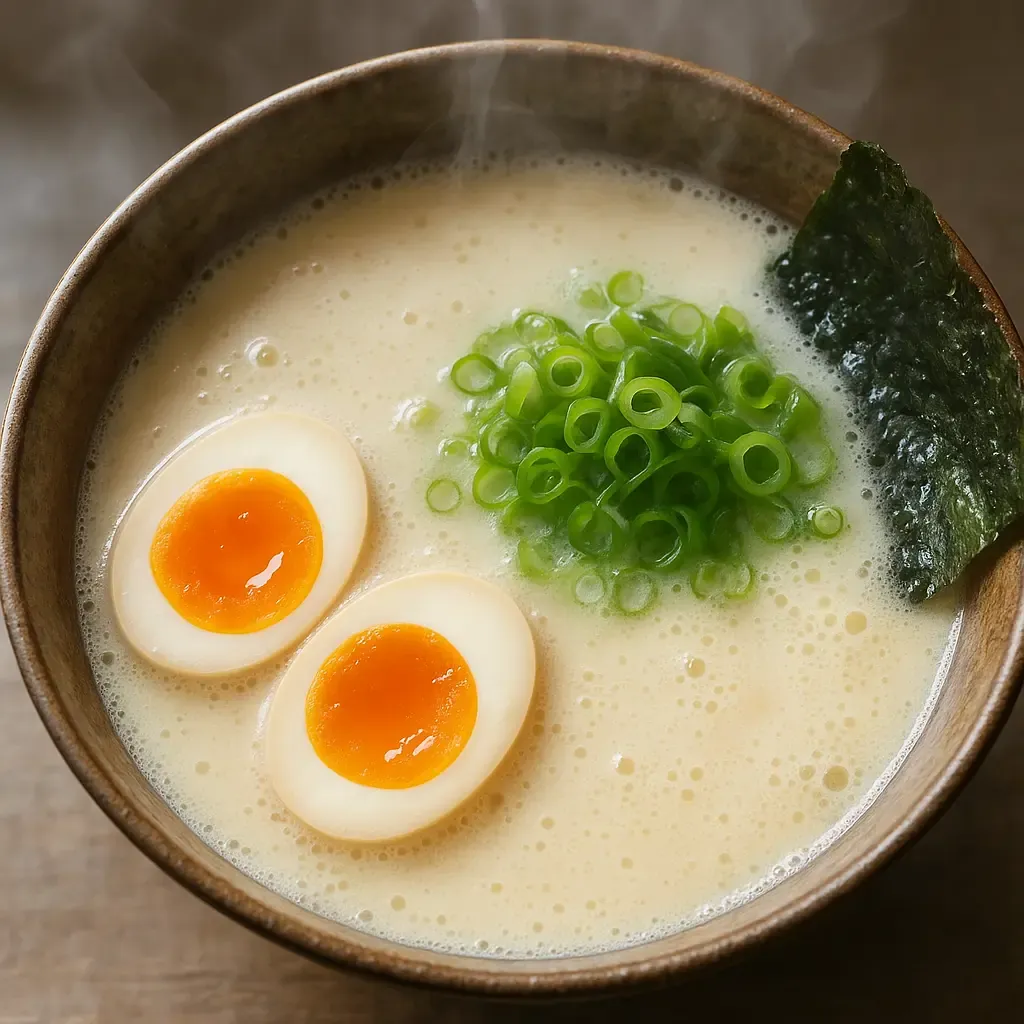
Temperature control separates authentic tonkotsu from imitation. The broth must maintain 205-212°F throughout the cooking process. Drop below 200°F and you lose the emulsification that creates creaminess. Professional kitchens monitor this constantly because even 30 minutes at the wrong temperature affects final texture.
Pro tip: When ordering tonkotsu ramen, look for opacity level. Authentic versions should be completely opaque, not translucent. If you can see the bottom of your bowl through the broth, it was not prepared correctly.
The Science Behind Tonkotsu Richness
Collagen extraction follows predictable chemistry. Pork bones contain approximately 20% collagen by dry weight, but this collagen exists in triple-helix structures that resist breakdown. Only sustained heat above 200°F denatures these structures into gelatin molecules that dissolve into the liquid.
The marrow contributes different qualities. Fat cells rupture under sustained boiling, releasing lipids that emulsify with water-soluble proteins. This creates a stable emulsion similar to mayonnaise, which is why properly made tonkotsu coats your spoon and leaves a rich film in the bowl.
Bone selection matters more than most realize. Femur bones provide marrow richness, while trotters contribute gelatinous body. The ideal ratio uses 60% femur bones, 30% trotters, and 10% fatback. Restaurants using only one bone type produce inferior results.
Shoyu Ramen: The Soy Sauce Foundation
Shoyu ramen takes the opposite approach from tonkotsu. Instead of opacity and heaviness, authentic shoyu prioritizes clarity and balance. The broth base (chintan) typically combines chicken carcasses with pork bones, simmered gently at 185-195°F to maintain transparency.
The defining characteristic comes from the tare, a concentrated soy sauce mixture that guests often overlook. At Zen Ramen and Sushi, our shoyu tare combines three different soy sauce types: koikuchi (standard dark), usukuchi (light colored but saltier), and tamari (wheat-free). Each contributes distinct flavor compounds that single-variety tare cannot achieve.
Dashi integration separates good shoyu from exceptional versions. Quality kombu releases glutamic acid during gentle heating, while katsuobushi adds inosinic acid. These two umami compounds create synergistic effects, with combined impact measuring 7-8 times stronger than either alone, according to research from the Umami Information Center.
“The clarity of shoyu broth reflects the skill of the chef. Any cloudiness indicates temperature mismanagement or excessive boiling, which extracts undesirable proteins and creates murky appearance.” – Japanese Culinary Institute
Building Layers in Shoyu Broth
Professional shoyu preparation involves three distinct components assembled at service. The base stock simmers for 6-8 hours, extracted at temperatures that preserve clarity. The aromatic oil layer uses chicken fat infused with garlic and ginger. The tare provides seasoning and soy complexity.
Timing the tare addition affects final flavor dramatically. Adding it to hot stock hours before service allows soy proteins to denature and bitter compounds to concentrate. The correct method adds tare to the serving bowl first, then ladles hot stock over it, preserving soy sauce aromatics that volatilize above 160°F.
Miso Ramen: Fermented Complexity
Miso ramen emerged from Hokkaido in the 1960s and represents the newest of the three major styles. The fermented soybean paste base creates earthy, savory depth that neither tonkotsu nor shoyu can replicate. At Zen Ramen and Sushi, we use a blend of white (shiro) and red (aka) miso to balance sweetness against fermented intensity.
The base stock for miso typically uses pork bones and chicken, similar to shoyu but simmered slightly harder to create medium body. The broth needs enough structure to support miso’s thick texture without becoming heavy like tonkotsu. Most kitchens target a middle viscosity that coats noodles without overwhelming them.
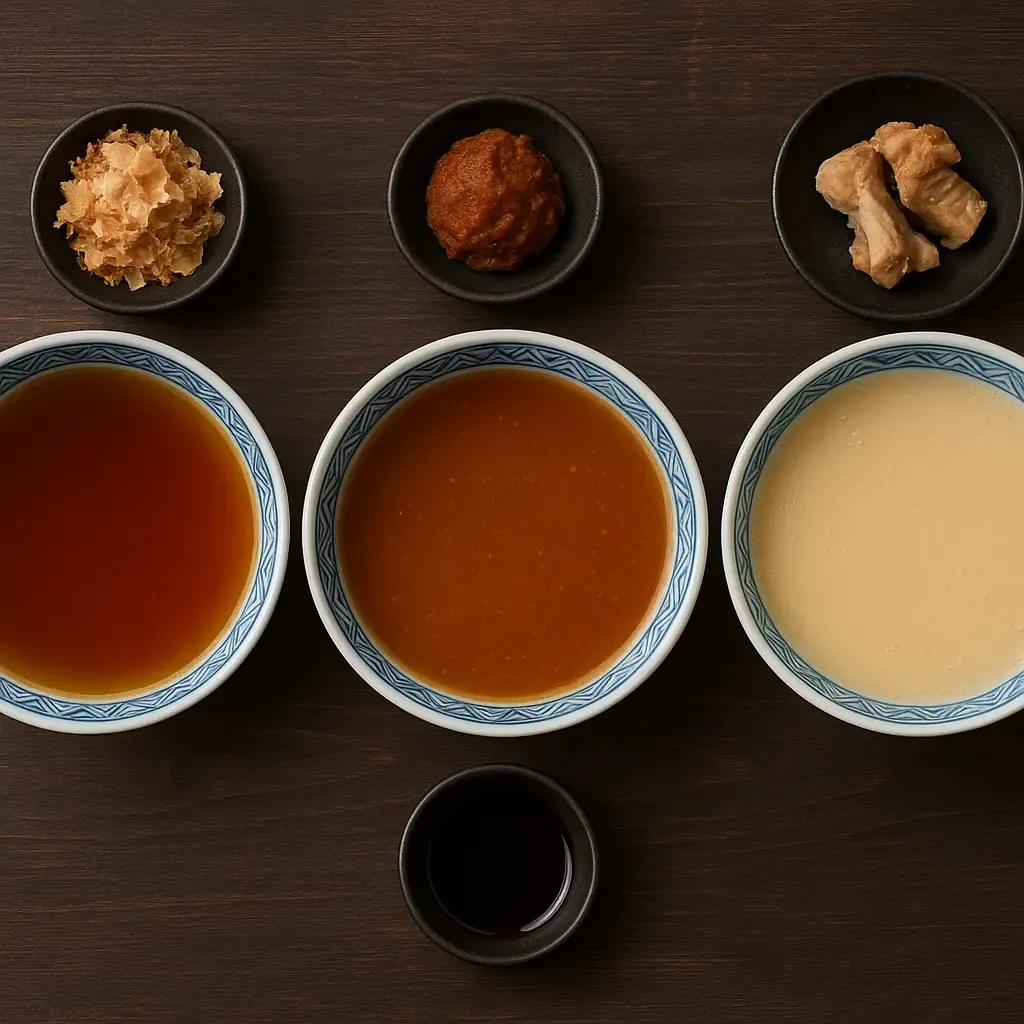
Miso paste contains living enzymes and aromatic compounds that heat destroys. Adding miso at the beginning of cooking creates flat, one-dimensional flavor. The professional technique dissolves miso in a small amount of stock, then incorporates this mixture in the final 2-3 minutes before service. This preserves the complex flavor profile that fermentation created.
Pro tip: When trying miso ramen at different restaurants, notice whether the miso flavor tastes bright and complex or flat and one-note. Flat flavor indicates the miso was cooked too long, destroying the aromatic compounds that make this style distinctive.
Miso Paste Selection and Blending
White miso (shiro) ferments for 2-4 weeks and contains higher rice koji content, creating sweet, mild flavor. Red miso (aka) ferments 6-12 months with higher soybean ratio, developing intense, salty character. Using only one type produces unbalanced results.
The standard blend uses 60% white to 40% red miso, though some regional styles prefer different ratios. Hokkaido shops often use more white miso, while Tokyo-style miso ramen incorporates higher red miso percentages. The blend directly affects whether your Japanese noodle soup tastes sweet and approachable or bold and assertive.
Regional miso varieties create distinct flavor profiles. Sendai miso from Miyagi Prefecture uses rice koji and extended fermentation for robust taste. Shinshu miso from Nagano offers medium color and balanced flavor. Professional ramen shops source specific regional varieties rather than using generic supermarket miso.
Comparing the Three Major Broth Styles
Understanding the technical differences between tonkotsu, shoyu, and miso helps you make informed choices when dining. Each style suits different preferences and occasions, but the distinctions run deeper than simple taste differences.
| Characteristic | Tonkotsu | Shoyu | Miso |
|---|---|---|---|
| Cooking Time | 12-18 hours rolling boil | 6-8 hours gentle simmer | 8-10 hours medium simmer |
| Appearance | Opaque milky white | Clear light brown | Cloudy tan to brown |
| Fat Content | 8-12% (richest) | 2-4% (lightest) | 4-6% (medium) |
| Primary Umami Source | Collagen and bone marrow | Dashi (kombu and katsuobushi) | Fermented soybean enzymes |
| Sodium Level | Medium (relies on fat for flavor) | Highest (soy sauce base) | High (miso paste naturally salty) |
| Best For | Cold weather, hearty appetite | Balanced meal, showcasing toppings | Bold flavors, warming comfort |
| Noodle Pairing | Thin straight noodles | Medium curly noodles | Thick curly noodles |
The noodle pairing matters more than casual diners realize. Thin straight noodles work best with rich tonkotsu because they provide textural contrast without competing. Thick curly noodles trap miso paste in their curves, enhancing each bite. Medium noodles suit shoyu’s balanced profile perfectly.
Fat content determines how toppings integrate. High-fat tonkotsu requires fatty chashu pork and seasoned egg to match its richness. Lean shoyu pairs well with menma (bamboo shoots) and nori, which would get lost in heavy tonkotsu. Miso’s medium body accepts the widest topping range.
What Makes Ramen Broth Authentic
Authenticity in ramen extends beyond following traditional recipes. The term describes a commitment to proper technique, quality ingredients, and respecting the time requirements each style demands. At Zen Ramen and Sushi, we reject shortcuts that compromise final quality.
Bone quality affects results more than cooking time. Fresh pork bones from young animals contain higher collagen levels than older specimens. Frozen bones lose cellular integrity during the freeze-thaw cycle, releasing less gelatin during cooking. Authentic ramen shops source fresh bones from specific suppliers rather than using whatever is available.
Water chemistry influences extraction efficiency. Hard water with high mineral content interferes with protein extraction and creates off-flavors. Japanese ramen regions traditionally use soft water, which explains why replicating exact flavors proves difficult in areas with different water profiles. Professional operations install water softening systems to control this variable.
The Role of Tare in Authentic Preparation
Tare represents the seasoning concentrate that defines each bowl’s final character. Every ramen style uses tare, though the composition differs dramatically. Shoyu tare uses soy sauce base, shio tare uses salt, and miso tare incorporates fermented paste.
The tare-to-broth ratio follows strict guidelines. Standard proportion uses 30-40ml tare per 300ml broth, roughly 1:8 to 1:10 ratio. Too much tare creates overwhelming saltiness, while too little produces weak, unbalanced soup. This ratio remains consistent across all three major styles despite different tare compositions.
Tare aging improves flavor complexity. Shoyu tare benefits from 2-3 weeks aging, allowing soy proteins to break down and mellow harsh notes. Miso tare tastes better after 1 week, as fermentation continues at refrigerator temperatures. Fresh tare lacks the depth that aged versions provide.
Temperature and Timing at Service
Serving temperature affects how you perceive broth flavor. Ramen should reach the table at 185-195°F, hot enough to warm thoroughly but not so hot that it burns your mouth. Lower temperatures allow fat to separate and pool, while excessive heat volatilizes aromatic compounds before you can taste them.
Bowl preheating maintains proper serving temperature. Cold bowls drop broth temperature by 15-20°F instantly, affecting texture and mouthfeel. Professional ramen shops stack bowls above steaming pots or run them through dish machines immediately before service to ensure they are hot.
Assembly order matters for consistent results. The sequence should be: tare in bowl first, add hot broth and stir, place noodles, arrange toppings. Adding tare after noodles makes thorough mixing impossible, creating uneven seasoning. This standardized process ensures every bowl meets quality standards.
Frequently Asked Questions
What is the main difference between tonkotsu and shoyu ramen broth?
Tonkotsu uses pork bones boiled aggressively for 12-18 hours to create opaque, rich broth with 8-12% fat content. Shoyu uses chicken and pork simmered gently for 6-8 hours to maintain clarity, then seasons with soy sauce tare. Tonkotsu tastes creamy and heavy, while shoyu offers balanced, umami-forward flavor with much lower fat content.
How long does authentic ramen broth take to make?
Tonkotsu requires 12-18 hours of continuous rolling boil. Shoyu and miso base stocks need 6-10 hours of gentle simmering. The tare preparations add another 1-2 hours, though these can be made in advance. Any restaurant claiming “authentic ramen” made in under 6 hours is using shortcuts that compromise quality.
Can you make authentic ramen broth at home?
Yes, but it requires commitment. Tonkotsu demands 18 hours of attention and creates significant kitchen odors. Shoyu and miso are more home-friendly, requiring 8-10 hours and producing less intense smells. The main challenge is sourcing quality bones and maintaining consistent temperatures. Most home cooks succeed better with shoyu or miso than tonkotsu.
Why does miso ramen taste different at various restaurants?
Miso blend ratios and regional paste varieties create dramatic differences. Restaurants using only white miso produce sweet, mild broth, while red miso creates bold, salty flavor. The timing of miso addition matters critically. Shops adding miso early destroy aromatic compounds, creating flat taste. Quality restaurants add miso in the final 2-3 minutes to preserve complex fermented flavors.
What makes ramen broth cloudy or clear?
Cooking temperature determines clarity. Gentle simmering at 185-195°F extracts flavor while maintaining transparency, producing clear shoyu broth. Aggressive boiling above 205°F emulsifies fats and breaks down proteins, creating cloudy tonkotsu. Miso falls between these extremes. Cloudiness is not a flaw; it indicates proper technique for specific styles.
How do restaurants keep ramen broth hot throughout service?
Professional kitchens maintain broth at 185-195°F in steam tables or specialized ramen warmers. They preheat serving bowls to prevent temperature drop. The broth never sits at room temperature. At Zen Ramen and Sushi, we prepare broth in small batches throughout service rather than making one large batch that sits for hours, ensuring every bowl meets temperature standards.
What is the white stuff floating in tonkotsu ramen?
Those are emulsified fat globules and collagen particles suspended in the broth. Proper tonkotsu creates stable emulsion where fat does not separate. If you see large oil slicks instead of cloudy suspension, the broth was not boiled aggressively enough or was allowed to cool and reheat. Quality tonkotsu should look like milky soup, not oily water.
We want to hear about your ramen broth experiences. Which style do you prefer, and what makes a bowl exceptional for you?