
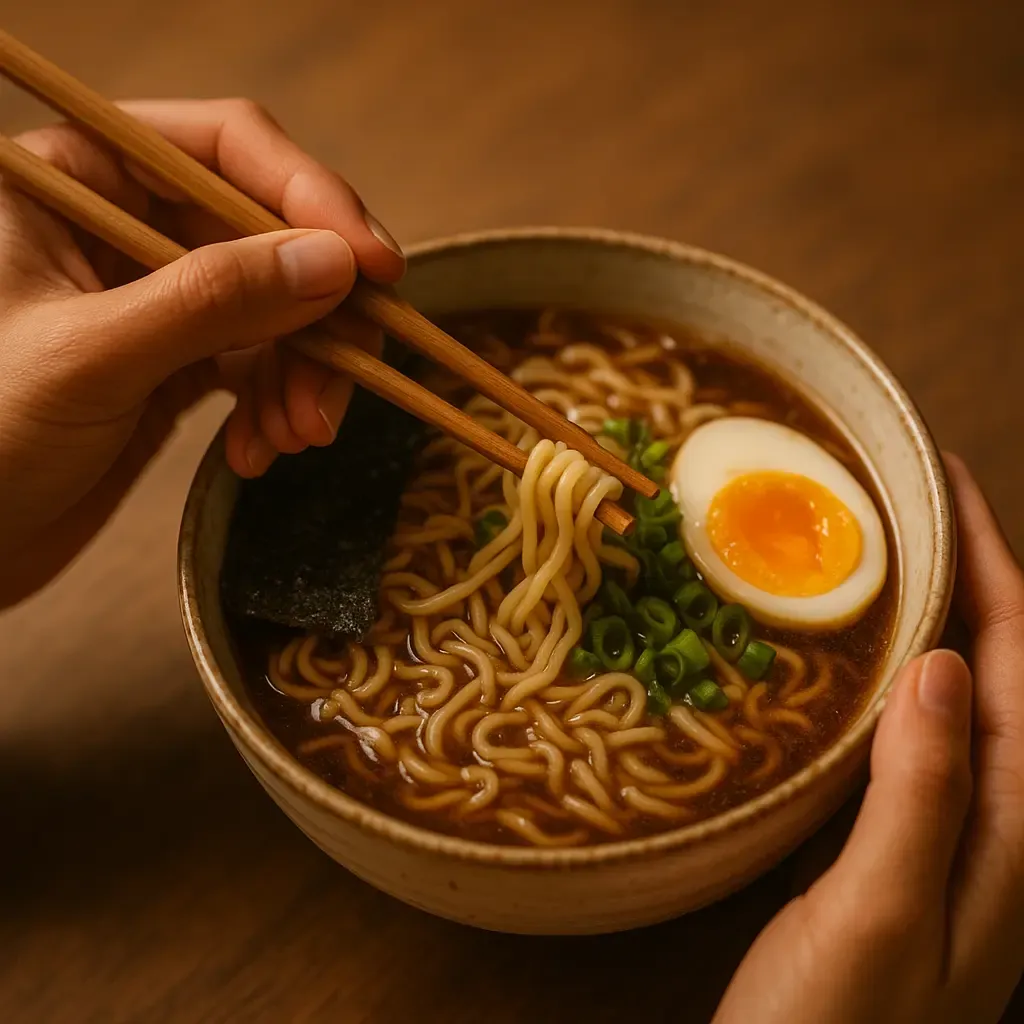
Walking into a Japanese restaurant for the first time can feel intimidating if you are unsure about proper dining customs. Many first-time visitors to Zen Ramen and Sushi worry about making cultural mistakes that might embarrass them or disrespect the chef’s craftsmanship. Understanding Japanese dining etiquette transforms your meal from an anxious experience into an authentic cultural immersion. These five practical tips will help you navigate traditional Asian dining customs with confidence, ensuring you honor the culinary traditions while fully enjoying your ramen and sushi.
Table of Contents
- Quick Takeaways
- Chopstick Fundamentals That Show Respect
- Sushi Etiquette Beyond the Basics
- Ramen Consumption Without Hesitation
- Table Manners and Social Customs
- Payment Protocol and Tipping Practices
- Frequently Asked Questions
- References
Quick Takeaways
| Key Insight | Explanation |
|---|---|
| Never stick chopsticks vertically in rice | This gesture resembles funeral rituals and is considered highly disrespectful in Japanese culture |
| Slurping ramen is encouraged | Audible slurping cools the noodles, aerates the broth, and signals appreciation to the chef |
| Sushi is eaten in one bite | Taking multiple bites disrupts the chef’s intended flavor balance and can appear disrespectful |
| Soy sauce goes on fish, not rice | Dipping rice-side down causes grains to fall off and masks the sushi rice’s carefully seasoned flavor |
| Say itadakimasu before eating | This phrase expresses gratitude for the meal and shows respect for Japanese dining customs |
| Tipping is not customary | Japanese service culture views tipping as unnecessary or even insulting, though American restaurants may differ |
| Share dishes are placed center table | Transfer food to your plate first rather than eating directly from communal dishes |
Chopstick Fundamentals That Show Respect
Proper chopstick handling matters more than most first-time diners realize. Japanese restaurant tips consistently emphasize that certain chopstick behaviors carry deep cultural meaning, particularly those associated with death and mourning rituals.
The most serious offense involves sticking chopsticks vertically into a bowl of rice. This practice, called tsukitate-bashi, directly mimics the way rice is offered to deceased ancestors at Buddhist altars. At Zen Ramen and Sushi, you will notice experienced diners always lay their chopsticks across their bowl or on the provided chopstick rest between bites.
Another practice to avoid is passing food directly from your chopsticks to another person’s chopsticks. This resembles a Japanese funeral custom where family members pass cremated bones using chopsticks. Instead, place the food on the other person’s plate and allow them to pick it up themselves.
Pro tip: If you drop your chopsticks, ask your server for a new pair rather than picking them up from the floor, as this is considered unhygienic and improper.
How to Hold Your Chopsticks Correctly
The upper chopstick should rest between your thumb and index finger, moving like a pencil while the lower chopstick remains stationary against your ring finger. Many Americans struggle with this grip initially, but muscle memory develops quickly with practice.
In practice, holding chopsticks near the top rather than the middle demonstrates refinement. Japanese etiquette experts note that holding chopsticks too close to the food end appears childish or unsophisticated. Position your grip about two-thirds up from the pointed ends for optimal control and cultural appropriateness.
Sushi Etiquette Beyond the Basics
Sushi etiquette represents perhaps the most misunderstood aspect of Japanese dining among Western visitors. The attention sushi chefs dedicate to rice temperature, fish quality, and flavor sequencing demands respect through proper consumption techniques.
Authentic sushi should be eaten in a single bite. Sushi chefs at establishments like Zen Ramen and Sushi craft each piece with specific proportions that create a balanced flavor when consumed whole. Taking multiple bites breaks this harmony and signals unfamiliarity with Japanese culinary traditions.
Soy sauce application requires precision. Dip the fish side, never the rice side, into your soy sauce dish. According to Japanese culinary experts, sushi rice is already seasoned with a vinegar mixture called sushizu. Soaking rice in soy sauce overwhelms this delicate seasoning and causes the rice to disintegrate.
Wasabi and Ginger Usage
Never mix wasabi directly into your soy sauce unless eating sashimi. This practice, common at Americanized sushi restaurants, dilutes both condiments and indicates amateur status. The chef has already placed the appropriate amount of wasabi between the fish and rice.
Pickled ginger (gari) serves as a palate cleanser between different sushi types, not as a topping to eat with your sushi. Take a small piece between bites to refresh your taste buds, especially when transitioning from lighter fish like tai to richer options like salmon or tuna.
Pro tip: Nigiri sushi can be eaten with your hands, which is actually more traditional than using chopsticks, while sashimi and rolls should be eaten with chopsticks.
Japanese dining culture emphasizes that the chef’s presentation is the final form. Altering the food through excessive condiments or deconstruction shows disrespect for the culinary expertise involved.
Ramen Consumption Without Hesitation
Ramen etiquette differs dramatically from Western soup customs, and understanding these differences enhances both your dining experience and your appreciation for the dish. The most important rule: slurping is not only acceptable but encouraged.
Audible slurping serves multiple practical functions. It aerates the broth as it enters your mouth, distributing flavor compounds across your palate more effectively. Slurping also cools the noodles, allowing you to eat ramen while it is still hot without burning your mouth. Data from Japanese cultural studies shows that slurping signals satisfaction and compliments the chef’s work.
Eat your ramen quickly after it arrives. Noodles continue cooking in hot broth, and the chef has timed your bowl to be consumed within 5-10 minutes for optimal texture. At Zen Ramen and Sushi, as with traditional ramen shops, letting your bowl sit demonstrates either unfamiliarity with traditional Asian dining or dissatisfaction with the meal.
Proper Ramen Eating Sequence
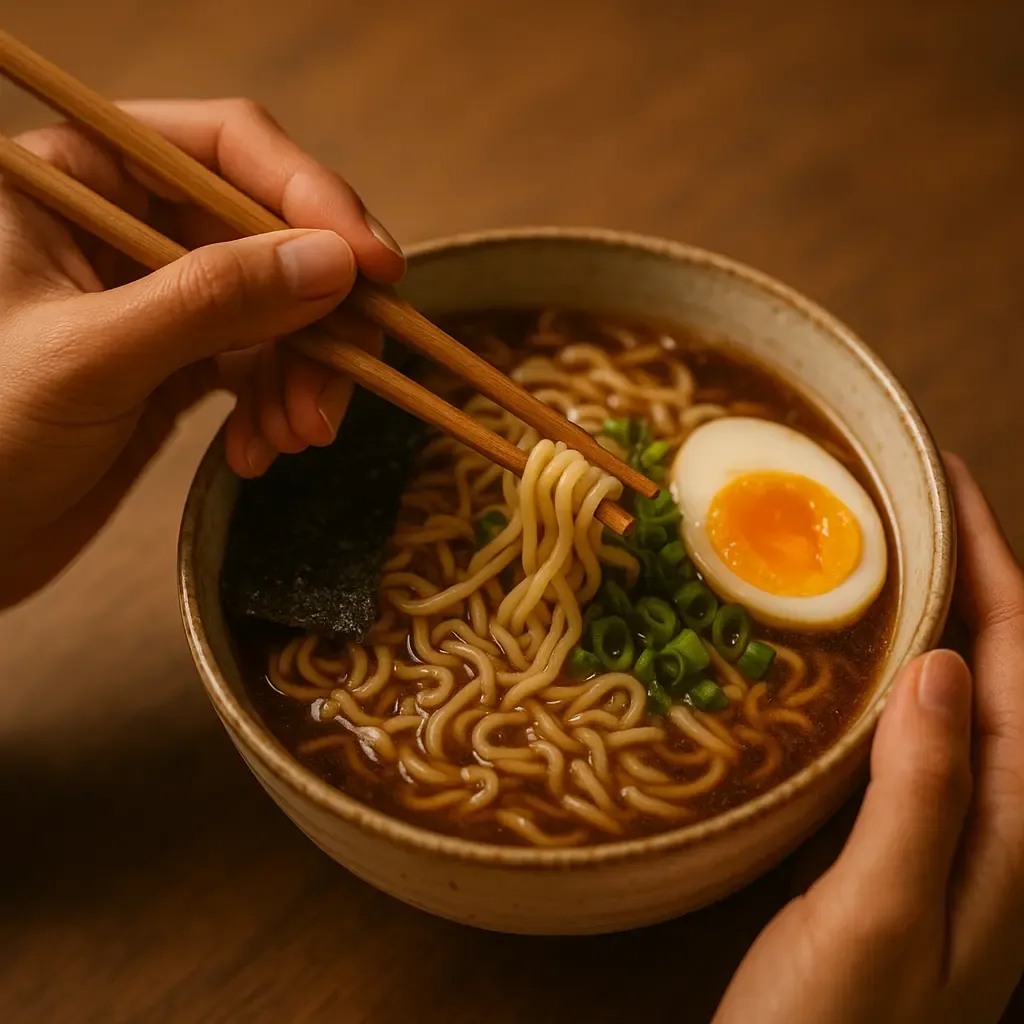
Start with the noodles while they maintain their intended texture. Use your chopsticks to lift a portion, bringing the bowl to your mouth rather than leaning down over the table. Take the noodles in quickly with a slurp, then sip some broth to complete the flavor experience.
After finishing the noodles, drinking directly from the bowl is completely acceptable and expected. Tilt the bowl to your lips and drink the remaining broth. Some diners leave a bit of broth unfinished, which is fine, but drinking it all signals your enjoyment and respect for the chef’s broth-making skill.
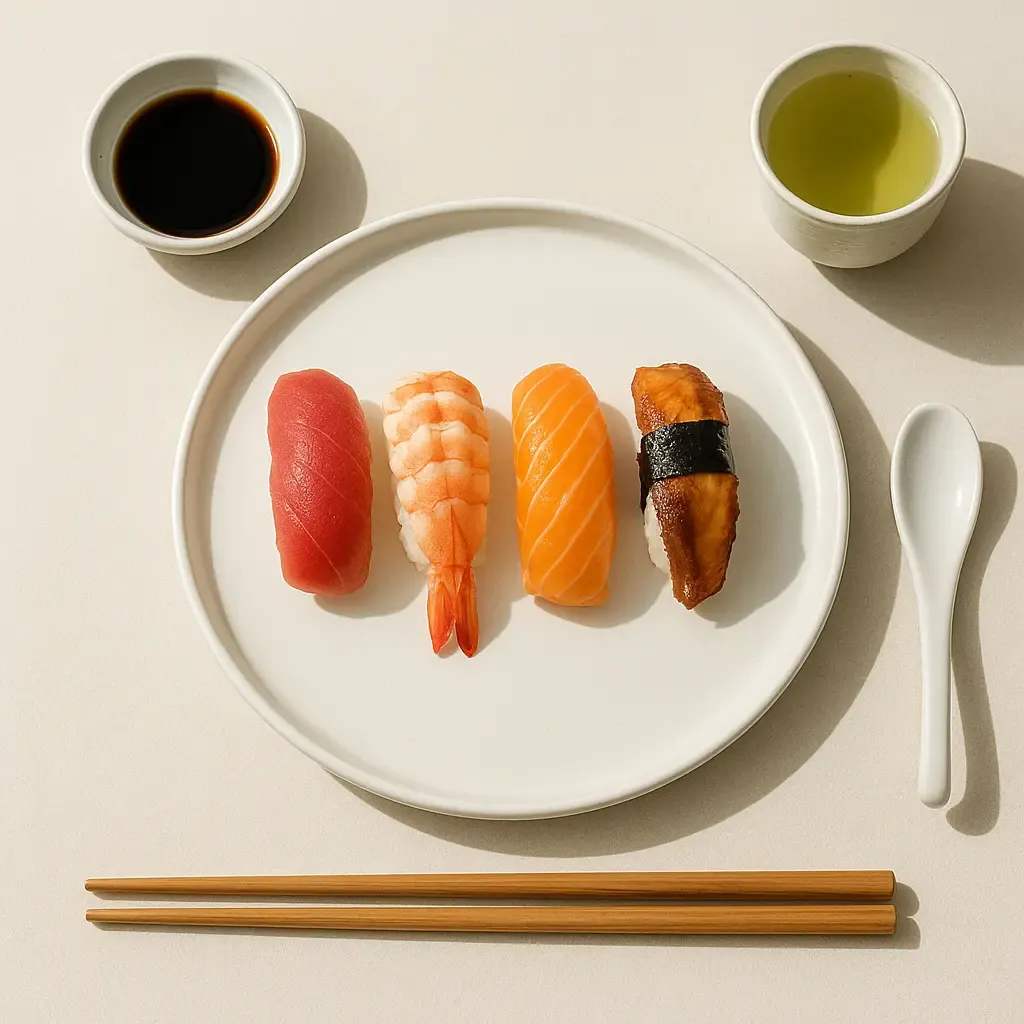
Table Manners and Social Customs
Japanese dining involves several table customs that extend beyond food consumption. Understanding these social protocols prevents awkward situations and demonstrates cultural awareness that other diners and staff will notice and appreciate.
Always say “itadakimasu” (I humbly receive) before beginning your meal. This phrase expresses gratitude for the food, the people who prepared it, and the life that was sacrificed for your nourishment. At the meal’s end, say “gochisousama deshita” (thank you for the meal) to your server or the chef if visible.
When dining with others, avoid starting to eat until everyone has been served. Japanese dining culture emphasizes group harmony, and beginning before others receive their food appears selfish and impatient. If someone insists you start while the food is hot, politely decline once, then accept their encouragement.
Proper Plate and Bowl Handling
Small dishes and bowls should be lifted to your mouth, while large plates and communal dishes remain on the table. This distinction applies particularly to rice bowls, miso soup bowls, and small appetizer plates. Leaving these items on the table and hunching over to eat appears unrefined.
Never pass dishes over someone else’s food or reach across another diner. Ask for items to be passed to you, or wait until you can retrieve them without invading another person’s dining space. This consideration for others reflects the Japanese cultural value of maintaining wa, or social harmony.
| Dining Situation | Japanese Custom | Common Western Mistake |
|---|---|---|
| Eating sushi | One bite consumption, fish-side dipped in soy sauce | Multiple bites, rice-side dipped causing disintegration |
| Consuming ramen | Loud slurping, quick consumption within 5-10 minutes | Quiet eating, slow consumption allowing noodles to overcook |
| Using chopsticks | Rest on chopstick holder, never vertical in rice | Leaving stuck in food, pointing at people while holding |
Payment Protocol and Tipping Practices
Payment customs at Japanese restaurants differ from typical American dining establishments, and understanding these differences prevents awkward moments at the end of your meal. The traditional Japanese approach to service and compensation shapes these protocols.
In Japan, tipping is not practiced and can actually offend service staff who view excellent service as a professional standard rather than something requiring extra compensation. However, Zen Ramen and Sushi operates in an American context where servers typically depend on gratuities. A common mistake is assuming Japanese ownership means Japanese tipping customs apply.
The practical approach: observe whether the restaurant operates on American service standards. If servers take your order at the table, refill drinks, and check on your meal multiple times, standard American tipping of 15-20% applies. If you order at a counter and pick up your own food, tipping expectations are minimal or nonexistent.
How to Request and Handle the Check
Japanese restaurants traditionally expect diners to approach the register to pay rather than processing payment at the table. When you are ready to leave, catch your server’s eye and make a subtle crossing motion with your index fingers, or simply say “check please.” Avoid waving, snapping, or calling out loudly.
Many Japanese establishments prefer payment at a central register near the entrance. After receiving your check at the table, take it to the front counter rather than waiting for the server to return. This system allows servers to focus on food service rather than payment processing, improving efficiency.
Cash remains preferred at some traditional Japanese restaurants, though Zen Ramen and Sushi accepts cards like most American establishments. Having cash available demonstrates preparedness and cultural awareness, particularly at smaller or more traditional venues.
Frequently Asked Questions
Should I use chopsticks or my hands to eat sushi at Zen Ramen and Sushi?
Both methods are traditionally acceptable for nigiri sushi, with hands being the more authentic approach. Sushi originated as street food eaten by hand, and many sushi chefs prefer this method because it prevents the delicate rice from being crushed by chopstick pressure. Sashimi and rolls should always be eaten with chopsticks. Use whichever method feels most comfortable while following other etiquette guidelines like one-bite consumption and proper soy sauce dipping.
Is it rude to ask for a fork at a Japanese restaurant?
Asking for a fork is not inherently rude, though it signals unfamiliarity with Japanese dining customs. Most Japanese restaurants in America keep forks available for guests who struggle with chopsticks. However, your dining experience improves significantly when you make the effort to use chopsticks, as certain dishes like ramen are nearly impossible to eat properly with Western utensils. If you need a fork, ask politely and without apology, as your comfort matters more than perfect cultural adherence.
Can I add extra soy sauce or wasabi to my sushi?
You can request additional condiments, but doing so may indicate to the chef that you find their seasoning inadequate. Sushi chefs spend years perfecting the balance of flavors in each piece, including the amount of wasabi between the fish and rice. Adding more wasabi or drowning sushi in soy sauce masks the subtle flavors the chef intended you to experience. If you consistently need more seasoning, you might prefer Americanized sushi rolls that cater to bolder flavor preferences.
What should I do if I receive a dish I cannot identify or do not know how to eat?
Simply ask your server for guidance without embarrassment. Servers at Zen Ramen and Sushi regularly help first-time diners navigate unfamiliar dishes and appreciate genuine curiosity about proper consumption methods. Phrasing your question as interest in authentic eating methods rather than confusion about the food itself shows respect. You might say, “What is the traditional way to eat this?” rather than “What is this thing?” This approach demonstrates cultural interest rather than ignorance.
Is it acceptable to customize my ramen order or request ingredient substitutions?
Most Japanese restaurants accommodate reasonable modifications, though extensive customization may be viewed as disrespectful to the chef’s vision. Requesting no green onions or asking for noodles to be less firm falls within acceptable bounds. However, asking to completely reconstruct a dish or substitute core ingredients suggests you should order a different menu item instead. The chef designed each ramen bowl as a complete flavor system, and major alterations compromise that carefully constructed balance.
Do I need to remove my shoes when dining at Zen Ramen and Sushi?
Shoe removal is only required in Japanese restaurants with traditional tatami mat seating areas, where street shoes would damage the flooring. Most American Japanese restaurants, including typical ramen and sushi establishments, use standard table and booth seating that does not require shoe removal. If your restaurant has a raised platform with cushioned floor seating, you will see a clear shoe storage area at the step up. When in doubt, observe what other diners are doing or ask the host when you arrive.
How do I get the server’s attention without being rude?
Make eye contact with your server and raise your hand slightly at shoulder height, or use the subtle crossing index fingers gesture to request the check. Never snap your fingers, whistle, or shout across the restaurant. Some Japanese restaurants have call buttons at each table, which are completely appropriate to use when you need service. The best approach is catching your server’s eye during their natural table scan rather than actively summoning them, as this aligns with the Japanese preference for subtle communication and anticipatory service.
Have you discovered any other Japanese dining customs that enhanced your experience at Zen Ramen and Sushi or changed how you approach traditional Asian dining?