
Most people walk into a sushi restaurant and freeze when they see the menu. The names sound similar, the descriptions blur together, and you end up ordering the same California roll you always get. Here’s the truth: understanding the difference between nigiri, sashimi, and maki rolls transforms your entire dining experience. At Zen Ramen and Sushi, we serve fresh sushi crafted the traditional way, and knowing what you’re ordering helps you appreciate the skill behind each piece.
The Japanese approach to sushi is deceptively simple. It relies on pristine fish, perfectly seasoned rice, and precise technique. Once you understand the three core sushi types, you’ll order with confidence and discover combinations you never knew existed.
Table of Contents
- Quick Takeaways
- What Makes Nigiri Different
- Sashimi Explained
- Maki Rolls Deconstructed
- Fish Quality Matters More Than You Think
- How to Order Like a Regular
- Frequently Asked Questions
- References
Quick Takeaways
| Key Insight | Explanation |
|---|---|
| Nigiri showcases fish and rice equally | A slice of fresh fish draped over hand-pressed sushi rice, requiring precise technique to balance texture and temperature |
| Sashimi is purely about the fish | No rice, no extras. Just expertly sliced raw fish that reveals quality instantly |
| Maki rolls offer endless variety | Rice and fish wrapped in nori seaweed, ranging from simple cucumber rolls to elaborate specialty creations |
| Fish freshness determines everything | A restaurant’s fish sourcing practices directly impact taste, texture, and safety |
| Temperature contrast creates the experience | Proper nigiri pairs slightly warm rice with cold fish, a detail that separates authentic preparation from shortcuts |
| Starting simple builds your palate | Begin with mild fish like salmon or tuna before advancing to more assertive flavors like mackerel or sea urchin |
| Ordering sequence matters | Progress from lighter, delicate fish to richer, fattier varieties to avoid overwhelming your taste buds |
What Makes Nigiri Different
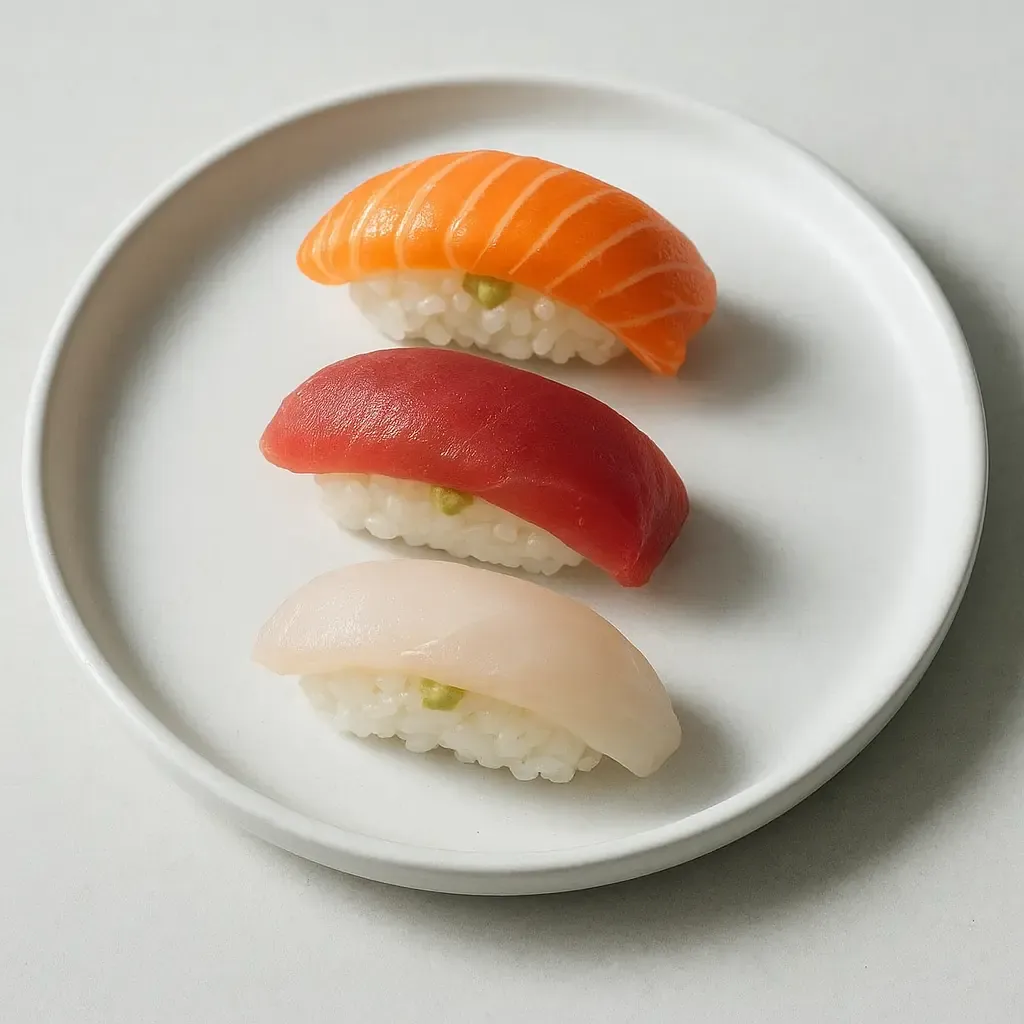
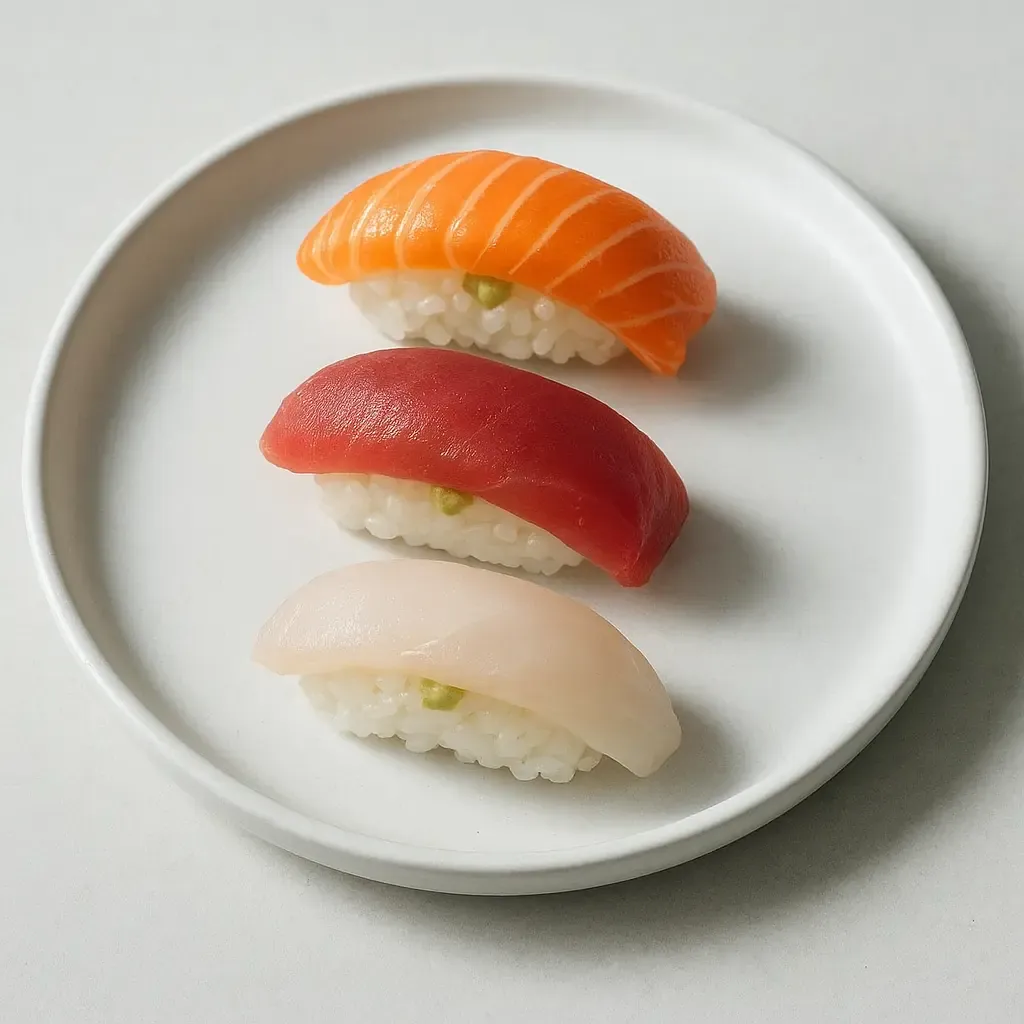
Nigiri represents sushi in its most elemental form. A practiced chef takes a small amount of sushi rice, shapes it by hand in seconds, and tops it with a slice of fish. The rice stays slightly warm, the fish cold. This temperature contrast is intentional and non-negotiable in traditional preparation.
The rice itself carries seasoning. Sushi rice gets mixed with rice vinegar, sugar, and salt after cooking. At Zen Ramen and Sushi, we adjust the seasoning based on the fish topping it. Fattier fish like salmon or toro pairs with slightly more vinegar to cut through richness. Leaner fish like snapper needs less acid.
A common mistake is confusing nigiri with any sushi that has rice. Nigiri specifically means hand-pressed rice with a topping, no roll involved. The fish drapes over the rice like a blanket, typically secured with a thin dab of wasabi between the layers. Some fish, like eel or shrimp, get brushed with tare sauce or lightly torched for added dimension.
The Rice-to-Fish Ratio Debate
In practice, the ratio matters more than most realize. Too much rice and you’re eating a rice ball with a fish garnish. Too little and the rice falls apart. The standard measure hovers around 20 grams of rice per piece, with fish slices cut to 1/4 inch thickness.
Different regions in Japan have their own styles. Edo-mae (Tokyo-style) nigiri tends toward larger pieces with more pronounced rice. Osaka-style prefers smaller, more delicate portions. At Zen Ramen and Sushi, we follow Edo-mae proportions because they hold up better during eating and provide satisfying bite structure.
Pro tip: Eat nigiri in one bite if possible, and flip it upside down when dipping in soy sauce so the fish touches the sauce, not the rice. Rice soaks up soy sauce like a sponge and becomes mushy.
Sashimi Explained
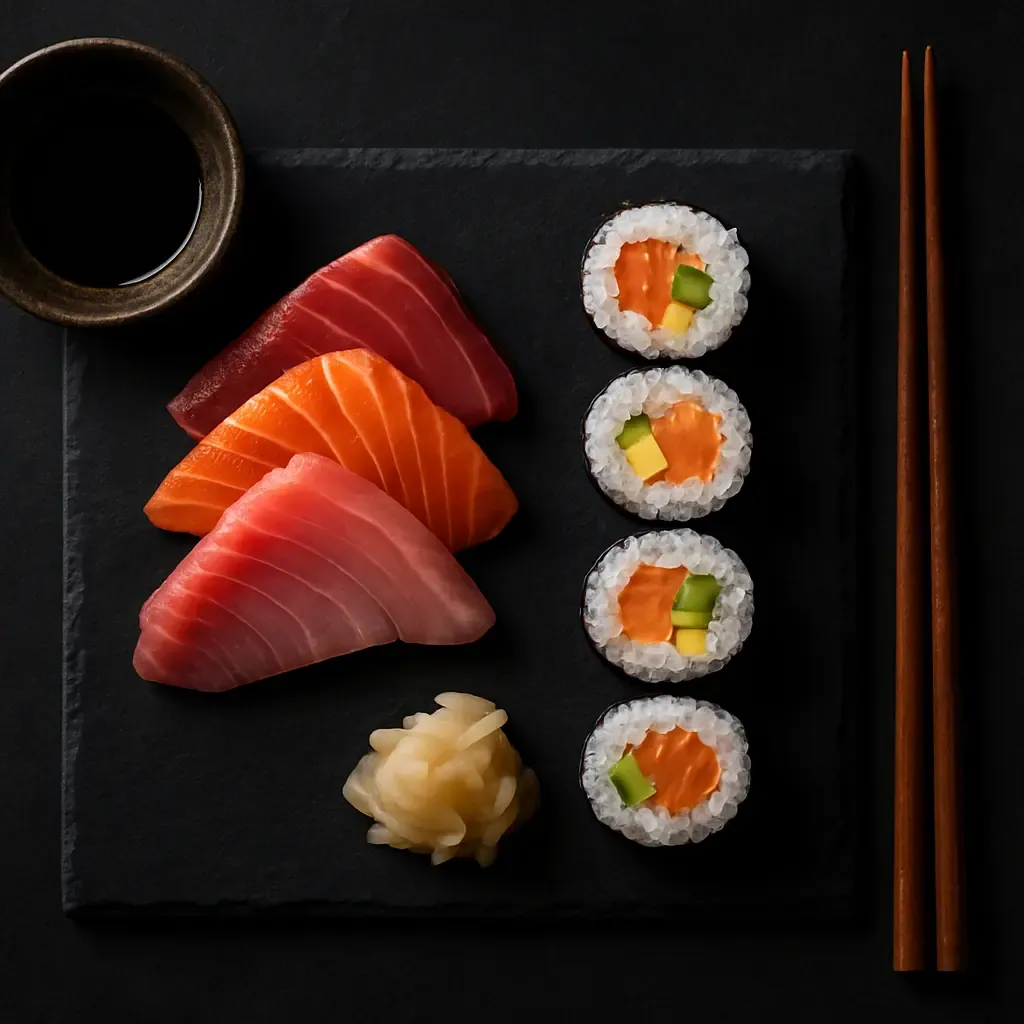
Sashimi strips away everything except the fish. No rice, no seaweed, no distractions. Just pristine slices of raw fish arranged on a plate, often with a garnish of shredded daikon radish and a shiso leaf. This simplicity makes sashimi the ultimate test of a restaurant’s fish quality.
The slicing technique changes based on the fish. Firmer fish like tuna get cut thicker, around 3/8 inch, to provide substantial chew. Softer fish like fatty tuna or salmon get sliced thinner because they practically melt on the tongue. Whitefish often gets cut paper-thin and served almost translucent.
Temperature control is critical. Fish should be served between 40-45°F. Any colder and the fat solidifies, muting flavor. Any warmer and texture suffers. Professional kitchens pull sashimi fish from refrigeration about 5 minutes before slicing to let it temper slightly.
Reading Fish Freshness
Fresh fish has specific visual markers. The flesh should look moist but not wet, with a slight sheen. Any discoloration, brown edges, or mushiness indicates age. Smell matters too. Fresh fish smells like clean ocean water, never fishy or ammonia-like.
According to the FDA’s guidelines on fish consumption, proper handling and storage prevent 95% of foodborne illness from raw fish. Reputable restaurants maintain detailed logs of fish sourcing, storage temperatures, and prep dates. At Zen Ramen and Sushi, we receive fish deliveries six days per week and serve sashimi the same day it arrives.
Sashimi pricing reflects both quality and scarcity. A plate of basic tuna sashimi runs $12-15, while premium cuts like chu-toro (medium fatty tuna) or uni (sea urchin) command $25-40 per serving. The price difference comes from the limited availability of specific cuts and the expertise required to prepare them properly.
Maki Rolls Deconstructed
Maki translates directly to “roll” in Japanese. These are the cylindrical pieces you see on every sushi menu, wrapped in dark green nori seaweed with rice and fillings visible in cross-section. The category splits into several distinct types based on size and construction method.
Hosomaki are thin rolls with one ingredient, like a cucumber roll or tuna roll. They measure about 1 inch in diameter and get cut into 6 pieces. These showcase the filling because nothing else competes for attention. Hosomaki represents traditional maki style and remains the standard in Japan.
Uramaki flips the construction inside-out, with rice on the outside and nori wrapped around the filling. California rolls, spicy tuna rolls, and most American-style specialty rolls use this technique. The outside rice layer gets coated with sesame seeds, tobiko (fish roe), or tempura flakes for texture contrast.
Specialty Roll Construction
Specialty rolls at Zen Ramen and Sushi incorporate multiple proteins, sauces, and toppings. A typical specialty roll starts with a base of rice and nori, adds 2-3 ingredients inside (often including cucumber for crunch), then gets topped with additional fish, avocado slices, or seared protein.
The engineering matters. Rolls need structural integrity to hold together when picked up with chopsticks. Too many wet ingredients and the roll becomes soggy. Too much filling and it won’t seal properly. Professional sushi chefs use specific rolling pressure, about 2-3 pounds per square inch, to compress ingredients without crushing the rice.
Pro tip: When trying a new specialty roll, ask if the chef can make it “cut six ways” instead of eight. Larger pieces maintain better structure and give you a more complete flavor profile in each bite.
| Sushi Type | Key Characteristics | Best For |
|---|---|---|
| Nigiri | Hand-pressed rice with fish topping, no wrapping, eaten in one bite | Experiencing pure fish flavor with complementary rice, showcasing chef technique |
| Sashimi | Sliced raw fish only, no rice or accompaniments beyond garnish | Tasting fish quality directly, lower-carb option, palate training |
| Maki Rolls | Rice and ingredients rolled in nori, cut into 6-8 pieces | Variety of textures and flavors, easier for beginners, shareable plates |
Fish Quality Matters More Than You Think
Every sushi restaurant claims to serve fresh fish. The reality is more complicated. “Fresh” can mean anything from line-caught this morning to previously frozen and thawed. Both can be excellent, but the sourcing and handling make all the difference.
Most sushi-grade fish gets flash-frozen on the boat using super-freezing technology that drops temperature to -40°F in minutes. This process kills parasites while preserving texture better than slow freezing. According to FDA regulations, most fish served raw must be frozen first, with specific exceptions for tuna and farm-raised salmon.
The data consistently shows that frozen-then-thawed fish, when handled properly, maintains 90-95% of the quality of never-frozen fish. The remaining difference shows up in very subtle texture changes that only experienced palates detect. What matters infinitely more is how long fish sits after thawing and what temperature it’s stored at.
Supply Chain Transparency
Reputable restaurants maintain relationships with specific fish suppliers and can tell you exactly where each fish came from. At Zen Ramen and Sushi, we work with suppliers who source from Tokyo’s Toyosu Market (which replaced the famous Tsukiji Market) and domestic sources along the Pacific coast.
Supply chain transparency extends to sustainability. Certain fish populations face overfishing pressure, and responsible restaurants adjust menus accordingly. Bluefin tuna, for example, remains controversial due to population concerns. Many establishments now feature more sustainable alternatives like albacore, skipjack, or farmed options.
“The difference between good sushi and great sushi is 80% ingredient quality, 15% technique, and 5% presentation. You cannot compensate for mediocre fish with fancy knife work.” – Jiro Ono, subject of the documentary Jiro Dreams of Sushi
Seasonality affects both quality and price. Certain fish taste better during specific months due to fat content changes. Salmon peaks in late fall when preparing for spawning. Mackerel reaches optimal flavor in autumn. A restaurant that adjusts its menu seasonally demonstrates understanding of these rhythms.
How to Order Like a Regular
Walking into Zen Ramen and Sushi for the first time can feel overwhelming. The menu lists dozens of options, half of them in Japanese. Here’s the ordering strategy that regulars use to maximize their experience without looking like they’re guessing.
Start with sashimi or nigiri of a mild fish. Salmon and tuna work perfectly as entry points because most people already know they enjoy these flavors. Order 2-3 pieces to establish a baseline. This approach helps you gauge the restaurant’s fish quality before committing to larger orders or more expensive options.
Progress from lean to fatty fish. Lean fish like snapper or halibut have clean, subtle flavors. Medium-fat fish like salmon provide richness without overwhelming your palate. Fatty fish like toro or mackerel deliver intense, oily flavors that can dominate everything that follows. Eating in this sequence prevents flavor fatigue.
Strategic Menu Navigation
In practice, the best value often hides in the Japanese sushi guide section that lists traditional preparations. These classic options typically cost 30-40% less than specialty rolls while showcasing better fish quality. An order of tuna nigiri (usually 2 pieces) runs $6-8, while a specialty roll with the same amount of tuna costs $14-16.
Avoid ordering too much at once. Sushi tastes best within 5 minutes of preparation. The rice begins to dry out, the fish warms up, and flavors start to blend together. Order in waves, 6-8 pieces at a time, so everything arrives at optimal temperature and texture.
Ask questions without apologizing. Saying “I’m not familiar with hamachi, how would you describe it?” shows you’re engaged and learning. Good restaurants appreciate customers who want to understand what they’re eating. Phrases like “What’s particularly good today?” or “What just came in?” signal that you value freshness and trust the chef’s judgment.
Pro tip: If you see “omakase” on the menu, it means chef’s choice. This option lets the chef select and prepare a progression of sushi based on what’s best that day. Omakase typically delivers the highest quality experience because the chef controls pacing, variety, and showcases premium ingredients.
Pairing and Accompaniments
Ginger, wasabi, and soy sauce serve specific purposes. Pickled ginger cleanses your palate between different fish types. Wasabi adds heat and antimicrobial properties (though most restaurant wasabi is actually horseradish-based). Soy sauce provides salt and umami depth.
The mistake most beginners make is drowning everything in soy sauce. Quality fish needs minimal seasoning. Nigiri comes pre-seasoned with wasabi between the fish and rice, so additional wasabi isn’t always necessary. Try your first piece plain to taste the fish, then adjust seasoning on subsequent pieces.
Sake and beer pair naturally with sushi, but so does green tea. Hot tea between courses helps cleanse oils from fatty fish and refreshes your palate. Many regulars at Zen Ramen and Sushi alternate between sake and tea throughout their meal to maintain taste sensitivity.
Frequently Asked Questions
What is the difference between sushi and sashimi?
Sushi refers to any dish that includes vinegared rice, whether it has fish or not. Sashimi is sliced raw fish served without rice. All sashimi can be served as sushi (fish on rice), but not all sushi includes raw fish. Vegetarian rolls with cucumber and avocado are still sushi because they contain sushi rice.
Is nigiri always raw fish?
No. While most nigiri features raw fish, common cooked options include ebi (cooked shrimp), unagi (grilled eel), and tamago (sweet egg omelet). Some nigiri gets lightly seared or torched for texture contrast. The defining characteristic of nigiri is the hand-pressed rice base with a topping, regardless of whether that topping is raw or cooked.
How many pieces of sushi should I order?
Plan on 8-12 pieces per person for a full meal, or 4-6 pieces as an appetizer. Most people find that 2-3 rolls or 8-10 pieces of nigiri provides satisfying portion size. If you’re sharing multiple dishes, adjust downward. Start with less and order more if needed, since sushi tastes best fresh rather than sitting on your table.
Why does sushi rice taste sweet?
Sushi rice gets seasoned with a mixture of rice vinegar, sugar, and salt after cooking. The sugar balances the vinegar’s acidity and enhances the natural sweetness of the rice. Traditional ratios use about 1-2 tablespoons of sugar per cup of uncooked rice. This seasoning distinguishes sushi rice from plain steamed rice and helps it complement raw fish flavors.
Can I ask for brown rice instead of white rice?
Most sushi restaurants can accommodate brown rice requests, though it changes the traditional experience. Brown rice has nuttier flavor and chewier texture that can overpower delicate fish. It also doesn’t hold together as well as properly prepared sushi rice. If health concerns drive your choice, consider ordering more sashimi (no rice) instead.
What does sushi-grade fish actually mean?
The term “sushi-grade” has no official FDA definition or legal standard. It’s a marketing term that suppliers use to indicate fish appropriate for raw consumption. What matters is proper handling, freezing protocols, and freshness. Reputable suppliers follow FDA guidelines for parasite destruction through specific freezing methods, typically -4°F for 7 days or flash-freezing to -31°F for 15 hours.
Should I eat nigiri with chopsticks or my hands?
Traditional etiquette allows both. Using your hands is actually considered more appropriate for nigiri because chopsticks can compress and damage the rice structure. Pick up the nigiri, flip it so the fish faces your tongue, and eat it in one bite. Chopsticks work better for sashimi and rolls. Do whatever feels most comfortable, but hands give you better control with nigiri.
What’s your favorite way to experience fresh sushi, and have you discovered combinations at Zen Ramen and Sushi that surprised you?