
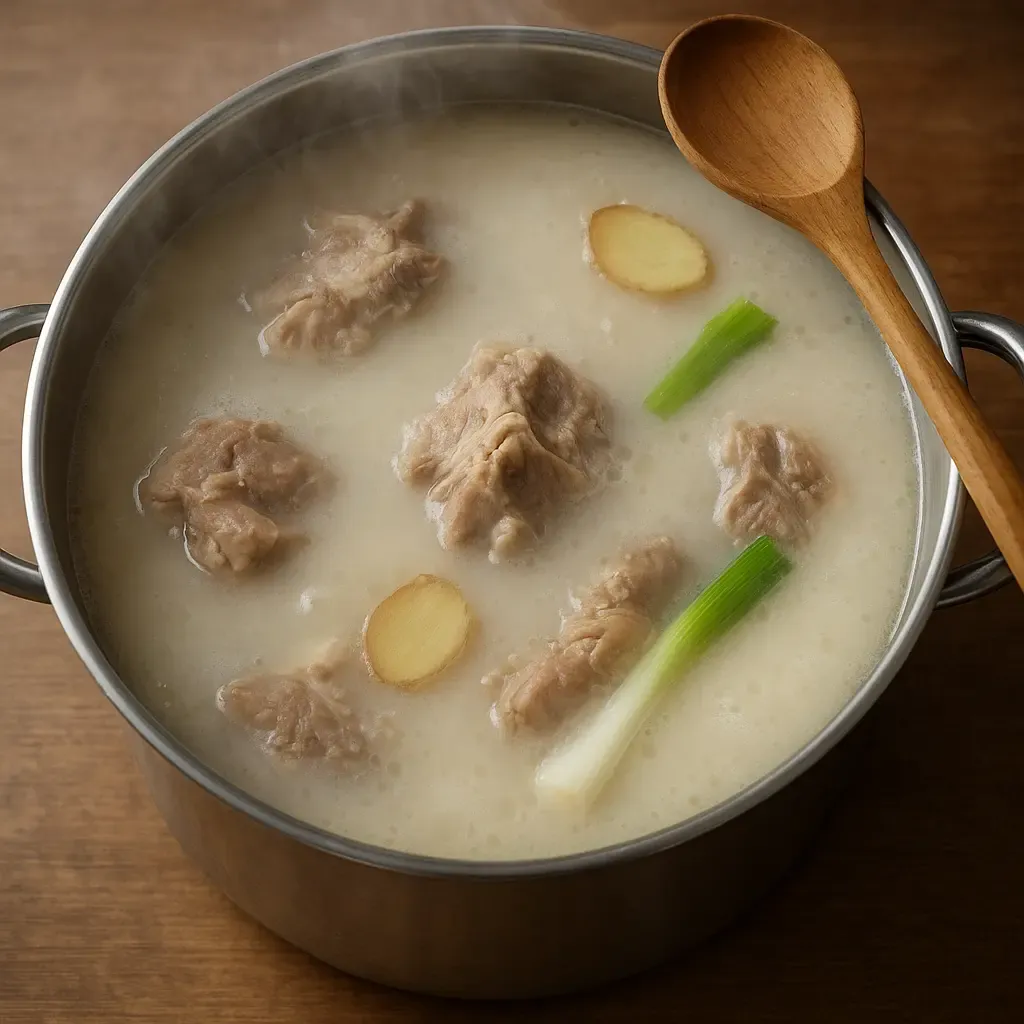
Most ramen restaurants rely on shortcuts. Instant dashi packets, pressure cookers that finish broth in three hours, and flavor enhancers that mask the absence of real depth. At Zen Ramen and Sushi, we reject these compromises. Our authentic ramen starts with a commitment most establishments avoid: 18 to 48 hours of slow simmering, where pork bones, chicken carcasses, and aromatics transform into a broth that carries the weight of traditional Japanese technique. The difference between rushed broth and patient extraction is not subtle. It is the foundation of everything that follows.
Table of Contents
- Quick Takeaways
- Bone Selection Determines Broth Character
- Time and Temperature Control
- Tare: The Seasoning Base
- Fat Separation and Texture
- Comparison: Broth Styles
- Water Quality Matters
- Frequently Asked Questions
- References
Quick Takeaways
| Key Insight | Explanation |
|---|---|
| Bone ratio determines richness | Pork bones to water ratio of 1:2 produces the creamy, collagen-rich tonkotsu base that defines authentic ramen broth |
| Rolling boil extracts collagen | Maintaining a vigorous boil for tonkotsu versus gentle simmer for chintan creates fundamentally different textures and opacities |
| Tare is the flavor anchor | The concentrated seasoning base, separate from broth, allows precise flavor control and consistency across every bowl served |
| Fat layer preservation | Skimming versus retaining fat changes mouthfeel and aroma retention, separating heavy tonkotsu from lighter shio styles |
| Water minerality affects extraction | Hard versus soft water impacts amino acid and collagen extraction rates, changing both cooking time and final flavor profile |
| Aromatics timing prevents bitterness | Adding ginger, garlic, and scallions in the final 2-4 hours prevents the acrid notes that plague overcooked vegetable components |
| Broth storage degrades quality rapidly | Even refrigerated, broth loses aromatic volatiles and develops off-flavors within 48 hours, requiring daily production cycles |
Bone Selection Determines Broth Character
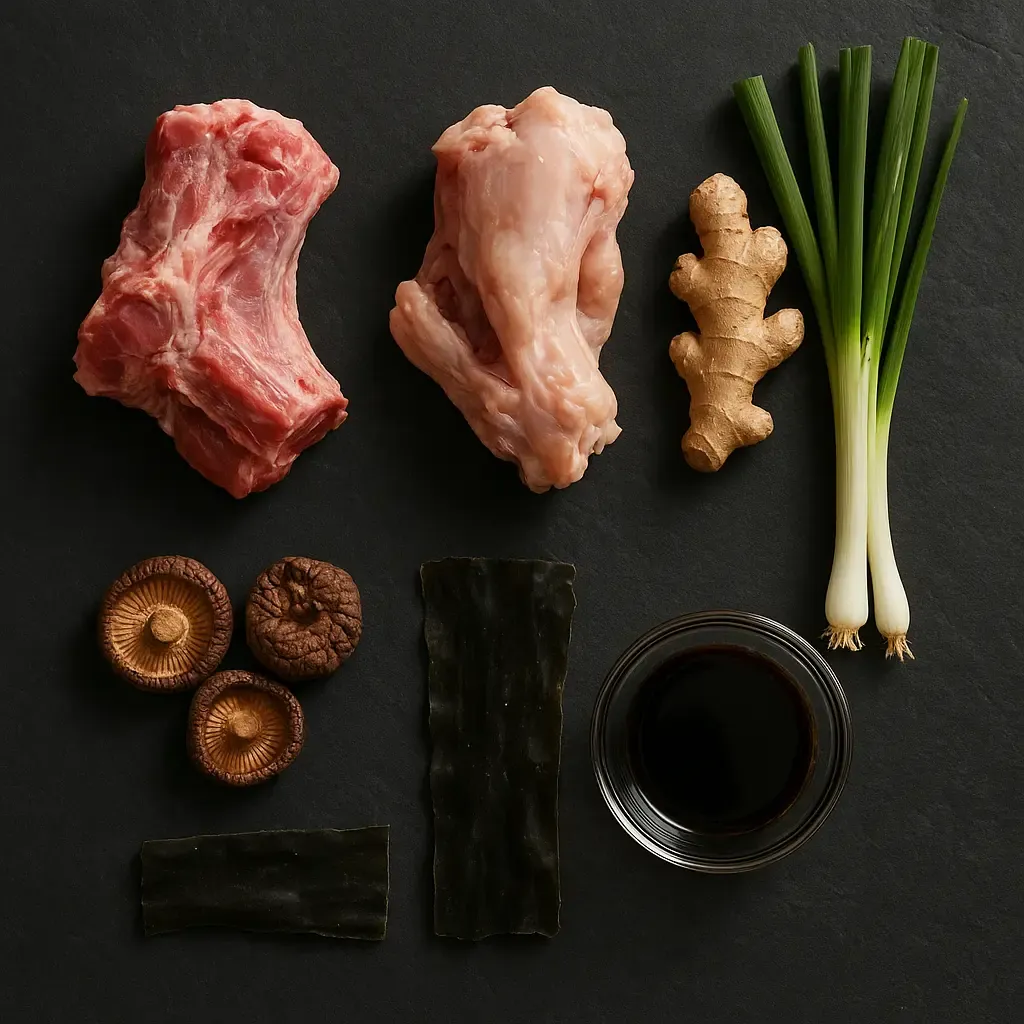
The bones you choose dictate what your broth can become. Pork femur bones and neck bones contain the highest concentration of collagen and marrow, producing the thick, milky tonkotsu style that coats your spoon. Chicken carcasses and wings offer a lighter backbone for shio and shoyu styles, extracting gelatin without overwhelming richness.
We source whole pork bones with marrow intact, not pre-cut fragments that have already lost fat and moisture. The initial blanching step, often skipped by time-pressed kitchens, removes blood proteins and impurities that create metallic off-flavors. Five minutes of hard boiling, followed by a cold water rinse, sets the stage for clean extraction over the next 18 to 24 hours.
Pro tip: Crack thick bones with a cleaver before simmering. Exposed marrow releases fat and minerals 40% faster than intact bones, reducing cooking time without sacrificing depth.
Bone-to-water ratios matter more than most recipes acknowledge. For tonkotsu, we use one kilogram of bones per two liters of water. Drop below this ratio and you get thin, disappointing broth that tastes like pork-flavored water. Exceed it and you waste bones without proportional flavor gain. These numbers come from testing, not tradition worship.
Time and Temperature Control
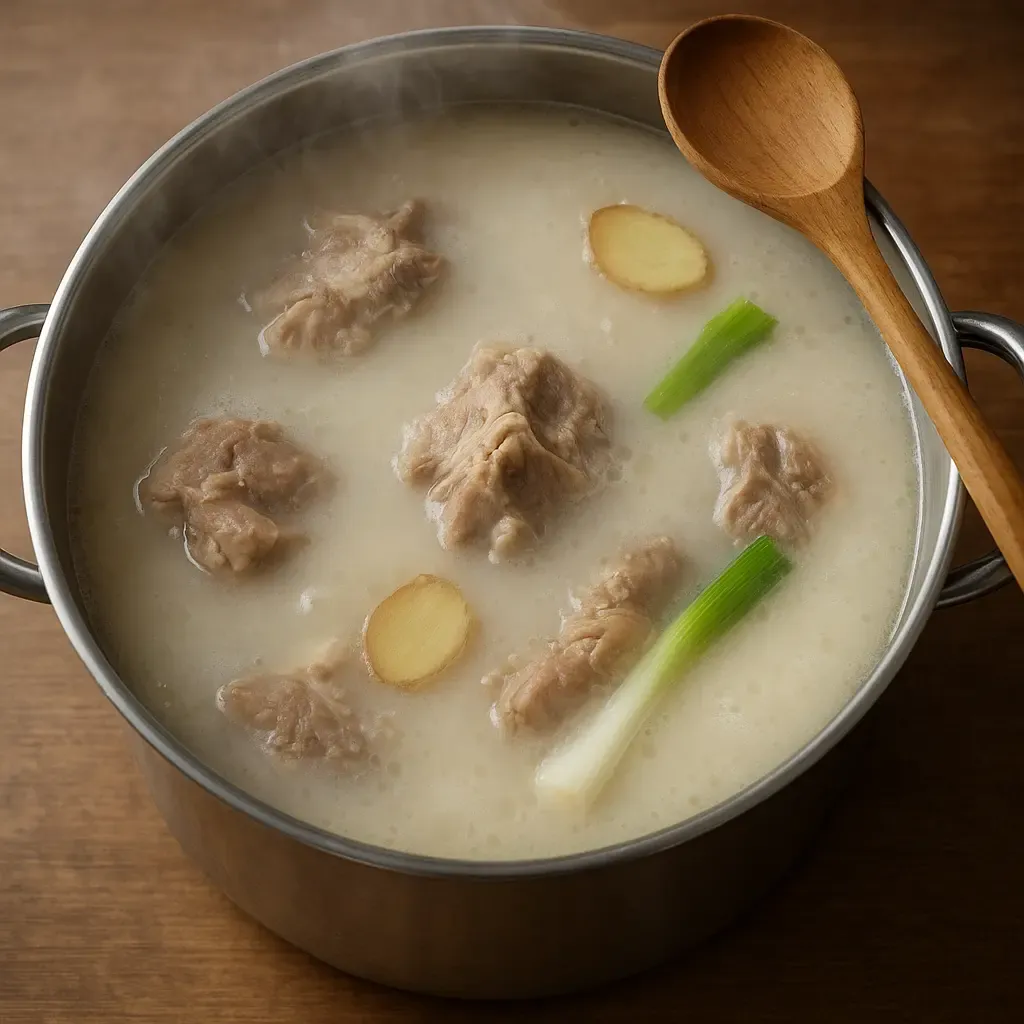
Temperature separates traditional ramen from approximations. A rolling boil at 212°F extracts collagen from connective tissue, emulsifying fat into the water phase to create the cloudy appearance of authentic tonkotsu. Lower the heat to a simmer and you produce clear chintan broth instead, where fat floats separately rather than integrating.
The common mistake is assuming longer always means better. After 20 hours, pork bone broth begins developing chalky, mineral-heavy notes as calcium leaches excessively. Chicken broth turns sour past 12 hours as proteins break down into unpleasant compounds. We stop tonkotsu at 18 hours and chicken-based broth at 8 hours based on sensory testing, not arbitrary tradition.
Maintaining Consistent Temperature
Residential stovetops fluctuate wildly. Commercial burners provide stable heat, but even then, evaporation concentrates the broth unevenly. We add hot water periodically to maintain volume, never cold water that drops temperature and stalls extraction. A kitchen thermometer stays in the pot continuously. When temperature dips below 205°F, collagen extraction slows by roughly 30%.
Some shops use pressure cookers to finish broth in three hours. The results taste flat. High-pressure cooking denatures proteins differently than atmospheric boiling, producing broth that lacks the layered complexity of slow extraction. There are no shortcuts that preserve quality.
Tare: The Seasoning Base
Broth provides body. Tare provides identity. This concentrated seasoning base, added to each bowl individually, determines whether you are eating shoyu, shio, or miso ramen. Most diners never realize that the broth itself is unsalted until tare enters the equation.
Our shoyu tare combines soy sauce with mirin, sake, kombu, and niboshi for umami depth. The ratio is roughly 3 parts soy sauce to 1 part mirin, with fish and seaweed steeping for 24 hours before straining. Shio tare starts with sea salt dissolved in hot water, balanced with chicken stock reduction and a small amount of rice vinegar to cut richness.
Portioning Tare Correctly
We add exactly 30 milliliters of tare per 300 milliliter serving of broth. Too much and the bowl becomes aggressively salty, masking the broth work beneath. Too little and the soup tastes watery despite hours of simmering. Consistency requires measuring, not eyeballing.
Pro tip: Keep tare refrigerated in squeeze bottles with measured spouts. Room temperature tare develops bacterial growth within hours, and inconsistent portions destroy the dining experience even when broth is perfect.
“The quality of ramen broth is directly proportional to the time invested in its preparation. Authentic tonkotsu cannot be rushed without fundamental compromise to texture and flavor extraction.” – Japan External Trade Organization culinary standards documentation
Fat Separation and Texture
Fat creates mouthfeel and carries aromatic compounds that water-based broth cannot hold alone. During long simmering, pork fat renders into the liquid, but not all fat belongs in the final bowl. We skim aggressively during the first three hours when impurities and unstable fats rise, then allow the clean fat to emulsify naturally.
For tonkotsu, we retain most of the emulsified fat, creating that characteristic rich coating on your lips after each spoonful. For lighter shio ramen broth, we separate more fat, achieving a cleaner, more delicate profile. The decision is stylistic but must be consistent. Mixed messages confuse the palate.
The Mayu Addition
Some styles finish with mayu, blackened garlic oil that adds smoky bitterness. We prepare this separately by charring garlic cloves in neutral oil until nearly burnt, then blending into a paste. A small spoonful floats on the broth surface, releasing aroma with each bite. This is optional but traditional for certain regional styles.
Comparison: Broth Styles
| Style | Base Ingredients | Cooking Method | Finished Character |
|---|---|---|---|
| Tonkotsu | Pork femur bones, neck bones, fatback | Rolling boil for 18-20 hours, high heat maintained throughout | Cloudy white, creamy texture, rich pork flavor with high collagen content |
| Chintan (Shoyu base) | Chicken carcasses, pork bones, kombu, niboshi | Gentle simmer for 8-10 hours, careful skimming for clarity | Clear golden liquid, light body, clean umami from sea and land ingredients |
| Miso Tonkotsu | Pork bones, chicken bones, miso paste integration | Standard tonkotsu process with miso tare addition at service | Opaque tan color, robust fermented notes, heavier mouthfeel than straight tonkotsu |
Water Quality Matters
Water is not neutral. Mineral content affects extraction rates and final flavor in ways most restaurants ignore. Hard water with high calcium and magnesium levels slows collagen breakdown, requiring longer cooking times. Soft water extracts faster but can produce broth that tastes flat without mineral balance.
We test our water supply quarterly. Municipal water in many areas contains chlorine and chloramines that create medicinal off-flavors when concentrated through long boiling. A simple carbon filter removes these compounds without stripping beneficial minerals. The investment is $200. The improvement is immediately noticeable.
Some shops use distilled or reverse osmosis water, then add minerals back manually. This level of control is unnecessary unless your source water is genuinely problematic. In practice, filtered tap water produces excellent results when bone quality and technique are sound.
Aromatics Integration
Ginger, garlic, scallions, and onions build complexity, but timing determines whether they enhance or sabotage your broth. Add them at the start and you get bitterness from overcooked vegetables. We add aromatics in the final two to four hours, extracting their volatile compounds without the acrid notes of prolonged heat exposure.
Whole versus chopped matters here. Crushed ginger releases oils faster than sliced coins. Whole garlic cloves provide subtle background sweetness while minced garlic becomes harsh. These details accumulate into significant flavor differences across 18-hour cooking windows.
Frequently Asked Questions
How long does authentic ramen broth take to make?
Authentic tonkotsu ramen broth requires 18 to 20 hours of active simmering at a rolling boil. Lighter chicken-based broths for shoyu or shio styles need 8 to 10 hours at a gentle simmer. Preparation includes an initial blanching step and periodic skimming. Pressure cooker methods that promise three-hour broth cannot replicate the collagen extraction and flavor complexity of traditional long simmering.
What makes tonkotsu broth cloudy and thick?
The cloudy appearance and thick texture of tonkotsu comes from collagen and fat emulsification during vigorous boiling. Maintaining water at a rolling boil causes collagen molecules from pork bones to break down and disperse into microscopic particles that remain suspended in the liquid rather than settling. The continuous agitation also forces fat droplets to integrate with the water phase, creating a stable emulsion that coats your mouth with each spoonful.
Can you make ramen broth ahead and store it?
Ramen broth can be refrigerated for up to 48 hours, but quality degrades noticeably after the first day. Aromatic volatile compounds dissipate, fat begins to oxidize, and off-flavors develop even under refrigeration. We prepare broth daily rather than in large batches. Freezing preserves broth for up to one month, though texture changes slightly upon thawing as emulsified fats separate and require re-heating and stirring to reintegrate.
What is the difference between broth and tare in ramen?
Broth provides the body and base flavor from simmered bones, while tare is the concentrated seasoning sauce that defines the ramen style. Broth is typically unsalted or lightly salted. Tare, added to each bowl individually in precise portions, contains soy sauce for shoyu ramen, salt solution for shio, or fermented miso paste for miso styles. This separation allows consistent seasoning control and lets one broth type serve multiple ramen varieties.
Why do some ramen shops use pressure cookers?
Pressure cookers reduce cooking time to approximately three hours by raising the boiling point of water under sealed, high-pressure conditions. This speeds collagen extraction but produces broth with noticeably different flavor development. The layered complexity from slow oxidation and Maillard reactions that occur during 18-hour atmospheric cooking cannot be replicated under pressure. Most shops using this method prioritize speed over the depth that defines authentic ramen broth.
Does bone quality affect the final broth?
Bone quality directly determines broth richness and flavor. Fresh bones with intact marrow and adherent cartilage provide more collagen, fat, and minerals than pre-cut or frozen fragments. Pork bones from younger animals contain more collagen that breaks down into gelatin, creating better body. Bones that have been frozen and thawed lose moisture and some fat content, requiring slightly longer cooking times to achieve equivalent extraction. We source bones from specific suppliers who provide whole, fresh cuts.
What water temperature extracts collagen best?
Collagen extraction occurs most efficiently at sustained temperatures between 205°F and 212°F, the range of a rolling boil at sea level. Below 200°F, collagen breakdown slows significantly, extending cooking time without benefit. Pressure cooking raises this temperature further, but the sealed environment changes how proteins denature. For traditional atmospheric cooking, maintaining a vigorous boil throughout the entire simmering period produces the highest collagen yield and the characteristic creamy texture.
Have you tried making authentic ramen broth at home, or do you have questions about the techniques we use at Zen Ramen and Sushi? Share your experiences or ask about specific steps in the process.
References
- Serious Eats: detailed culinary science and technique articles for traditional cooking methods
- Japan External Trade Organization: Japanese food culture and authenticity standards
- ScienceDirect: peer-reviewed research on collagen extraction and protein denaturation
- Food & Wine: professional chef techniques and traditional recipe documentation