
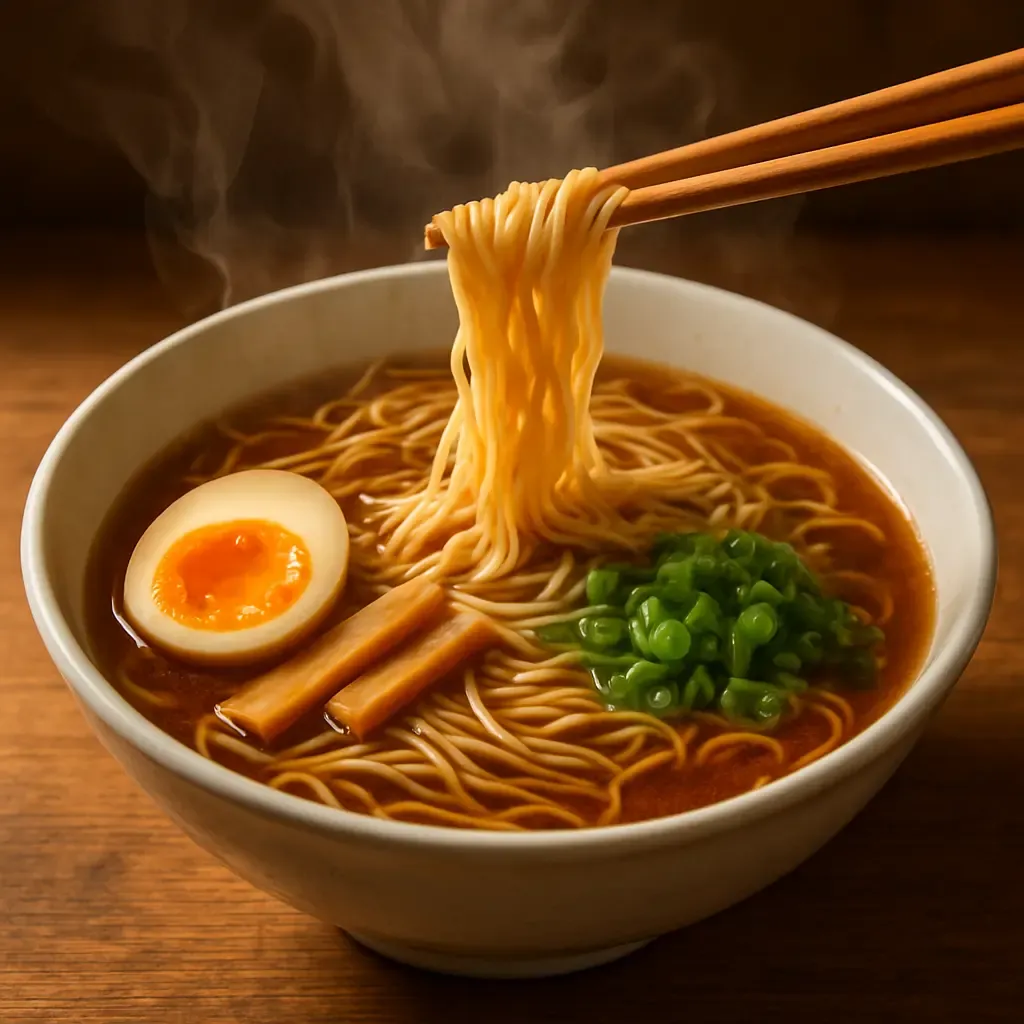
Most first-time ramen diners commit the same mistake: they treat it like a leisurely meal when locals approach it as a quick, focused culinary experience. At Zen Ramen and Sushi, we see guests who understand proper ramen etiquette extract far more satisfaction from every bowl. The difference between awkwardly fumbling with chopsticks and confidently enjoying your ramen like a Tokyo local comes down to understanding a few specific practices that transform your entire dining experience. These aren’t arbitrary rules but practical techniques developed over generations in Japanese ramen shops.
Table of Contents
- Quick Takeaways
- The Fundamental Approach to Ramen Consumption
- Proper Chopstick Technique for Noodles
- Slurping Mechanics and Cultural Significance
- Toppings and Condiment Protocol
- Broth Consumption and Bowl Handling
- Common Mistakes That Identify Tourists
- Frequently Asked Questions
- References
Quick Takeaways
| Key Insight | Explanation |
|---|---|
| Eat ramen immediately upon serving | Noodles continue cooking in hot broth, turning mushy within 5 minutes. Locals begin eating within 30 seconds of receiving their bowl. |
| Slurping is mandatory, not optional | Aerating noodles through slurping enhances flavor perception and cools noodles to optimal eating temperature while showing appreciation to the chef. |
| Never bite noodles in half | Proper technique involves lifting a small portion with chopsticks and slurping the entire strand without breaking it mid-bite. |
| Use the ceramic spoon for broth only | The renge (flat-bottomed spoon) is designed specifically for broth and collecting small toppings, never for twirling noodles like pasta. |
| Finish your meal within 15 minutes | Ramen shops in Japan expect quick turnover. Taking longer signals unfamiliarity with dining culture and affects noodle quality. |
| Leave minimal broth to show satisfaction | While finishing all broth shows appreciation, leaving a small amount indicates the portion was generous and you’re comfortably satisfied. |
| Don’t over-customize with condiments | The chef has balanced flavors intentionally. Taste before adding anything, then make minimal adjustments if needed. |
The Fundamental Approach to Ramen Consumption
Ramen is not a conversation meal. In practice, Japanese ramen shops operate on a fundamentally different model than Western restaurants. The expectation is focused consumption with minimal talking, which maximizes both your enjoyment and respects the establishment’s operational rhythm.
When your bowl arrives at Zen Ramen and Sushi, observe it briefly to appreciate the presentation, then start immediately. The clock is ticking. Fresh ramen noodles have a texture window of approximately 3 to 5 minutes before they absorb too much broth and lose their essential firmness. This isn’t about rushing, it’s about experiencing the dish as the chef intended.
The proper sequence matters. Begin with noodles while they’re at peak texture, alternating with broth sips. Save heavier toppings like chashu pork or eggs for midway through your bowl. This rhythm prevents flavor fatigue and ensures each component shines at its optimal temperature.
Pro tip: Before your first bite, lean over the bowl and inhale deeply through your nose. This practice, common in Japanese ramen shops, primes your palate and shows respect for the aromatic complexity the chef has built.
Proper Chopstick Technique for Noodles
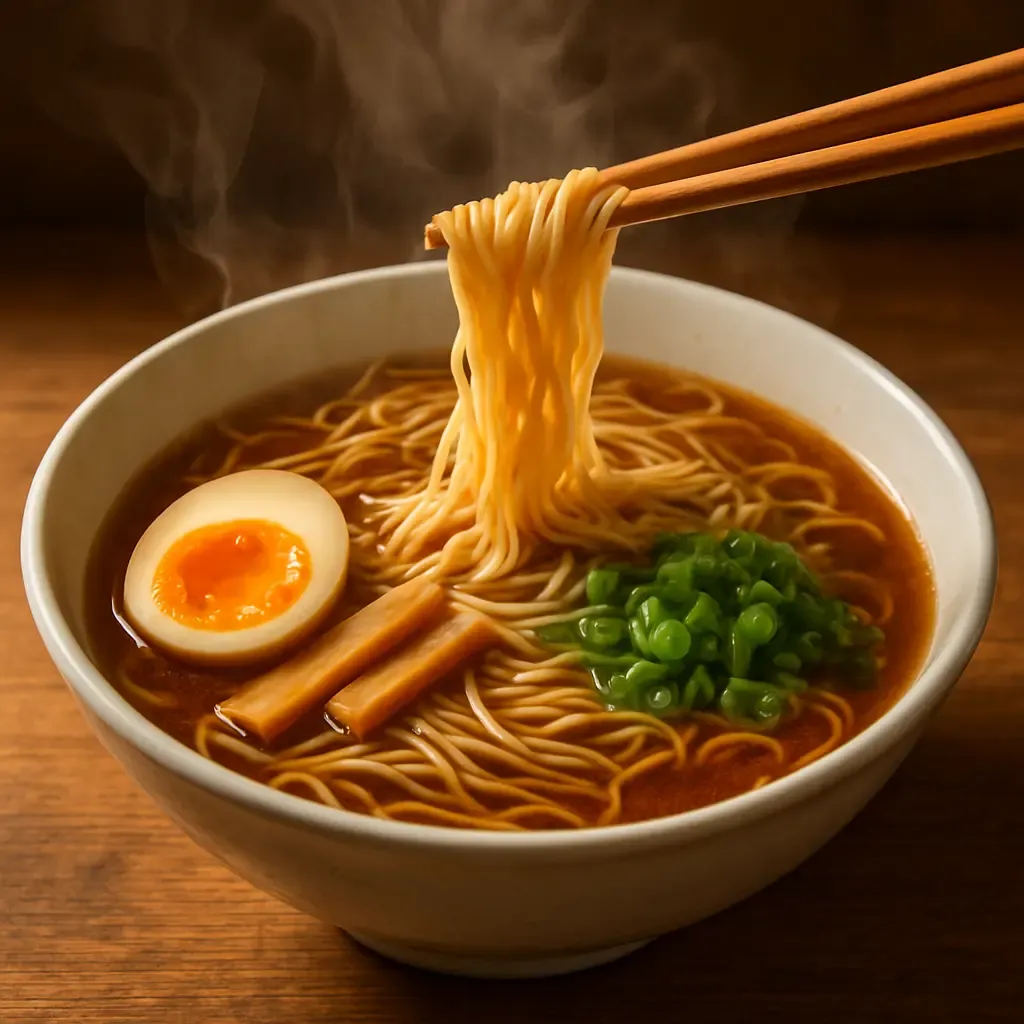
Most Western diners hold chopsticks too close to the tips, sacrificing control. Position your grip approximately two-thirds up the length of the chopsticks. This provides the leverage needed to lift heavy, broth-laden noodles without them slipping back into the bowl.
The lifting motion requires specificity. Insert closed chopsticks into the noodle mass, separate them slightly to capture a small bundle (roughly the diameter of a quarter), then twist 90 degrees while lifting. This twisting action collects stragglers and prevents the common mistake of pulling up a single noodle that dangles awkwardly.
The Three-Lift Rule
Experienced ramen eaters never excavate noodles from the bottom of the bowl on their first few bites. Surface noodles have been exposed to air and are slightly cooler, perfect for establishing your eating rhythm. As you progress through the bowl, deeper noodles remain hotter and require more pronounced slurping to cool.
Don’t stab at toppings with chopsticks. Use a pinching motion to secure items like menma (bamboo shoots) or nori. Stabbing is considered crude and damages the presentation for any Instagram-conscious dining companions you’ve brought along.
Slurping Mechanics and Cultural Significance
Slurping isn’t about making noise for its own sake. The technique serves three functional purposes: cooling hot noodles, aerating them to enhance flavor compounds (similar to wine tasting), and creating the signature ramen-shop atmosphere that signals a thriving establishment.
The actual mechanics require practice. Create a slight opening between your lips, position the noodles at the entrance, then inhale sharply while simultaneously using your tongue to guide the strands. The sound comes from air mixing with noodles and broth, not from forcing volume.
“Slurping noodles is considered polite in Japan because it indicates that you are enjoying your food and that the meal is being served at the correct temperature. The sound is actually a compliment to the chef.”
A common mistake is over-thinking slurping volume. In Japanese ramen shops, the ambient noise level naturally includes slurping from multiple diners. At Zen Ramen and Sushi, you’ll notice regular customers create a moderate, consistent sound without exaggeration. Match that energy rather than staying silent or performing theatrical slurps.
Pro tip: Practice your slurping technique with cold soba noodles first. The firmer texture and lower temperature make it easier to master the mechanics before graduating to hot ramen.
Toppings and Condiment Protocol
Every ramen bowl arrives with intentionally placed toppings. Their arrangement isn’t random. Delicate items like green onions and nori rest on top because they wilt quickly. Protein elements sit partially submerged to stay warm without overcooking. Respect this architecture on your first few bites.
Condiment discipline separates tourists from locals. The table typically offers chili oil (rayu), white pepper, garlic press, and additional tare (seasoning base). Taste your ramen as served before reaching for anything. The chef spent years perfecting that specific balance.
| Condiment | Appropriate Use | Common Misuse |
|---|---|---|
| Chili Oil (Rayu) | Add 3-4 drops midway through bowl for heat escalation | Pouring liberally at start masks the base flavor profile |
| White Pepper | Light dusting (2-3 shakes) to enhance pork-based broths | Heavy application that creates visible white layer on broth |
| Pressed Garlic | Half-clove maximum, added in final third of meal | Multiple cloves added immediately, overwhelming other aromatics |
If you genuinely find the ramen underseasoned or want more heat, make adjustments gradually. Add a small amount, stir gently, taste, then decide if more is needed. This methodical approach prevents the irreversible mistake of over-seasoning.
Broth Consumption and Bowl Handling
The renge (ceramic spoon) serves a specific function. Use it to sip broth between noodle bites and to collect small floating elements like corn or chopped scallions. Never use it to twirl noodles or as a support structure for building elaborate topping combinations.
Approximately halfway through your bowl, you’ll reach a decision point about broth consumption. Japanese ramen broths contain substantial sodium and fat content. Locals commonly drink about 60 to 70 percent of the broth, leaving a small pool at the bottom. This signals satisfaction without the health implications of consuming 2,000+ mg of sodium in one sitting.
Proper Bowl Lifting Technique
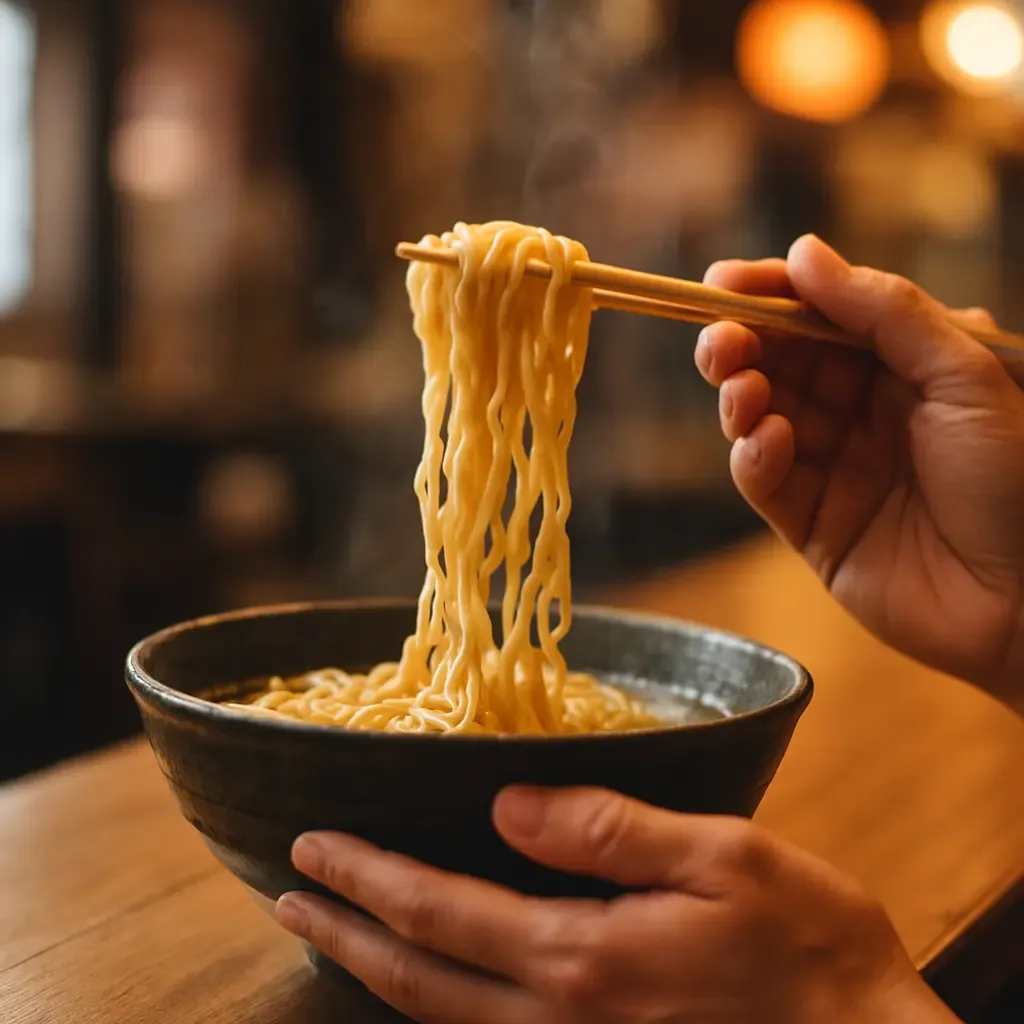
As broth levels drop, lifting the bowl becomes acceptable and even expected. Use both hands, supporting the bowl from underneath rather than gripping the sides. Bring it to mouth level and sip directly, using the spoon only for initial broth tasting at the start of your meal.
The final moments of your ramen experience should feel unhurried despite the overall quick pace. When you’ve finished the noodles and consumed your chosen amount of broth, place chopsticks across the bowl or on the provided rest. This signals completion to staff without needing to verbally request anything.
Common Mistakes That Identify Tourists
Taking photos for more than 15 seconds before eating ruins your noodle texture and marks you as inexperienced. Snap one quick shot if you must, then put your phone away and eat. The ramen in front of you has a shelf life measured in minutes, not the time it takes to find perfect lighting and angles.
Breaking noodles mid-bite ranks as the most visible etiquette error. If you’ve lifted too large a portion, don’t bite through and let half fall back into the broth. Instead, accept the struggle, commit to slurping the entire mass, and lift smaller portions next time. This demonstrates you’re learning rather than applying Western pasta logic to Japanese noodles.
Excessive talking during consumption identifies casual diners rather than ramen enthusiasts. Brief comments about flavor are fine, but extended conversations cool your broth and slow your pace. Save the detailed discussion for after you’ve both finished and are having tea.
Leaving substantial amounts of toppings uneaten suggests either unfamiliarity with ramen composition or dislike of ingredients. If you have dietary restrictions, communicate them when ordering. Otherwise, incorporating all provided toppings into your eating rhythm shows proper appreciation.
Over-reliance on the spoon for noodle assistance indicates chopstick uncertainty. The spoon and chopsticks operate independently. Trying to use the spoon as a support platform for loading noodles onto chopsticks creates awkward mechanics and slows your pace unnecessarily.
Frequently Asked Questions
Is it rude to not finish all the broth in a ramen bowl?
No, leaving some broth is completely acceptable and actually common among Japanese diners. Most locals consume the noodles, toppings, and about 60 to 70 percent of the broth. The sodium content in a full bowl of ramen broth can exceed 2,000 mg, so leaving some demonstrates you enjoyed the meal while being mindful of health. Finishing absolutely everything can even suggest the portion was too small, though either approach is acceptable at Zen Ramen and Sushi.
Should I mix all the toppings into my ramen immediately or eat them separately?
Neither extreme is correct. Proper technique involves integrating toppings gradually throughout your meal. Start with noodles and broth to establish the base flavor profile, then incorporate toppings like chashu, egg, or bamboo shoots in alternating bites. This creates flavor variation across your meal rather than a homogeneous mixture. Delicate toppings like nori should be eaten quickly as they disintegrate in broth within minutes.
What do I do if the ramen is too hot to eat comfortably?
This is precisely why slurping technique exists. The inhalation of air while drawing noodles into your mouth cools them to a comfortable temperature. Never blow on your ramen or wait several minutes for it to cool, both practices that degrade noodle texture. If the broth temperature is genuinely excessive, take small sips from the spoon first while starting on noodles from the surface, which cool fastest. Within 60 to 90 seconds, the temperature becomes manageable.
Can I add extra ingredients or make substitutions to my ramen order?
Simple additions like extra chashu, a seasoned egg, or additional nori are standard and welcomed. However, requesting fundamental changes to broth type, noodle preparation, or asking to remove core ingredients suggests the ordered ramen style wasn’t the right choice. Unlike Western restaurants with extensive customization cultures, ramen shops present curated combinations. At Zen Ramen and Sushi, we’re happy to accommodate dietary restrictions, but asking to fundamentally alter a signature preparation misses the point of the chef’s craft.
How long should a proper ramen meal take from start to finish?
Target 10 to 15 minutes for the actual eating portion. This includes brief initial appreciation, focused consumption, and natural pauses between noodle bites. Any longer and you’re treating ramen like a leisurely Western meal, which affects both your experience (noodles become mushy) and the restaurant’s operational flow. Ramen shops in Japan typically see customers seated, served, eating, and departed within 20 minutes total. This isn’t rushed dining but rather appropriate pacing for a dish designed for quick, focused enjoyment.
Is it acceptable to use a fork instead of chopsticks for ramen?
While no one will refuse service, using a fork fundamentally changes the eating experience and identifies you as uncomfortable with Japanese dining culture. Forks don’t allow for proper noodle lifting technique, make slurping nearly impossible, and prevent you from experiencing ramen as intended. If chopstick proficiency is a concern, practice with easier foods first or request a lesson at the start of your meal. At Zen Ramen and Sushi, we’d rather help you learn proper technique than watch you struggle with inappropriate utensils for the entire meal.
What ramen etiquette question still confuses you, or which traditional practice do you find most challenging when you visit Japanese restaurants?