Most people who discover Zen Ramen and Sushi do so through a friend’s recommendation, and that pattern is not a coincidence. Word-of-mouth is the most honest form of endorsement in the restaurant industry, and it survives only when a place consistently delivers. This summer, if you are weighing your options for an authentic Japanese cuisine experience, the choice is straightforward. Zen Ramen and Sushi offers the kind of food and atmosphere that makes people pull out their phones mid-meal to text a friend. Here is exactly why that reputation is earned, not manufactured.
Table of Contents
- Quick Takeaways
- What Sets Zen Ramen and Sushi Apart From the Competition
- The Ramen Experience: Broth, Noodles, and Technique
- Sushi Quality and Freshness in Every Roll
- Why Japanese Cuisine Is the Perfect Summer Choice
- How Zen Ramen and Sushi Compares to Other Japanese Restaurants
- Atmosphere, Service, and the Full Dining Experience
- Frequently Asked Questions
- References
Quick Takeaways
| Key Insight | Explanation |
|---|---|
| Authentic broth preparation | Zen Ramen and Sushi uses slow-simmered broths that follow traditional Japanese methods, not shortcuts common in fast-casual competitors. |
| Fresh sushi, daily sourced | The sushi menu is built around fresh daily sourcing, which directly affects the texture, flavor, and safety of every roll and nigiri served. |
| Best Japanese restaurant for group dining | The menu breadth accommodates both ramen lovers and sushi enthusiasts at the same table, making it a strong choice for mixed-preference groups. |
| Summer-specific menu advantages | Lighter sushi preparations and cold noodle options make Zen Ramen and Sushi especially suited for Japanese cuisine summer dining when heavy meals lose appeal. |
| Referral-driven reputation | The restaurant’s primary customer base arrives through friend recommendations, reflecting consistent quality that sustains repeat visits and word-of-mouth trust. |
| No assembly-line approach | Unlike high-volume Japanese chains, Zen Ramen and Sushi prioritizes craft over speed, meaning each dish receives individual attention before leaving the kitchen. |
| Welcoming environment for all experience levels | Whether you are a seasoned Japanese food enthusiast or trying ramen for the first time, the staff at Zen guides without condescension. |
What Sets Zen Ramen and Sushi Apart From the Competition
The New York Japanese restaurant market is not thin on options. Ichiran, Yasubee, and Kamen Ramen all have loyal followings built on specific strengths. Ichiran is known for its solo dining booths and tonkotsu focus. Yasubee delivers a controlled, specialized ramen format. Kamen leans into a curated, noodle-forward menu. Each of these places does one thing well and structures the entire experience around that one thing.
Zen Ramen and Sushi takes a different position. It does not compete on gimmick or singular obsession. It competes on range combined with consistency, which is a genuinely harder thing to execute. Maintaining quality across both a ramen program and a sushi program requires more kitchen discipline, more sourcing effort, and more staff training than owning a single lane.
In practice, this means a table of four with different preferences, one person who only eats sushi, one who wants a rich tonkotsu bowl, one who is a vegetarian, and one who wants to try something new, can all leave satisfied. That kind of inclusive menu performance is rare and is one of the clearest reasons the restaurant generates the referral traffic it does.
Pro tip: When visiting with a group, order a mix of sushi starters while the ramen is being prepared. The timing works naturally and gives the table a shared experience before individual bowls arrive.
The Ramen Experience: Broth, Noodles, and Technique
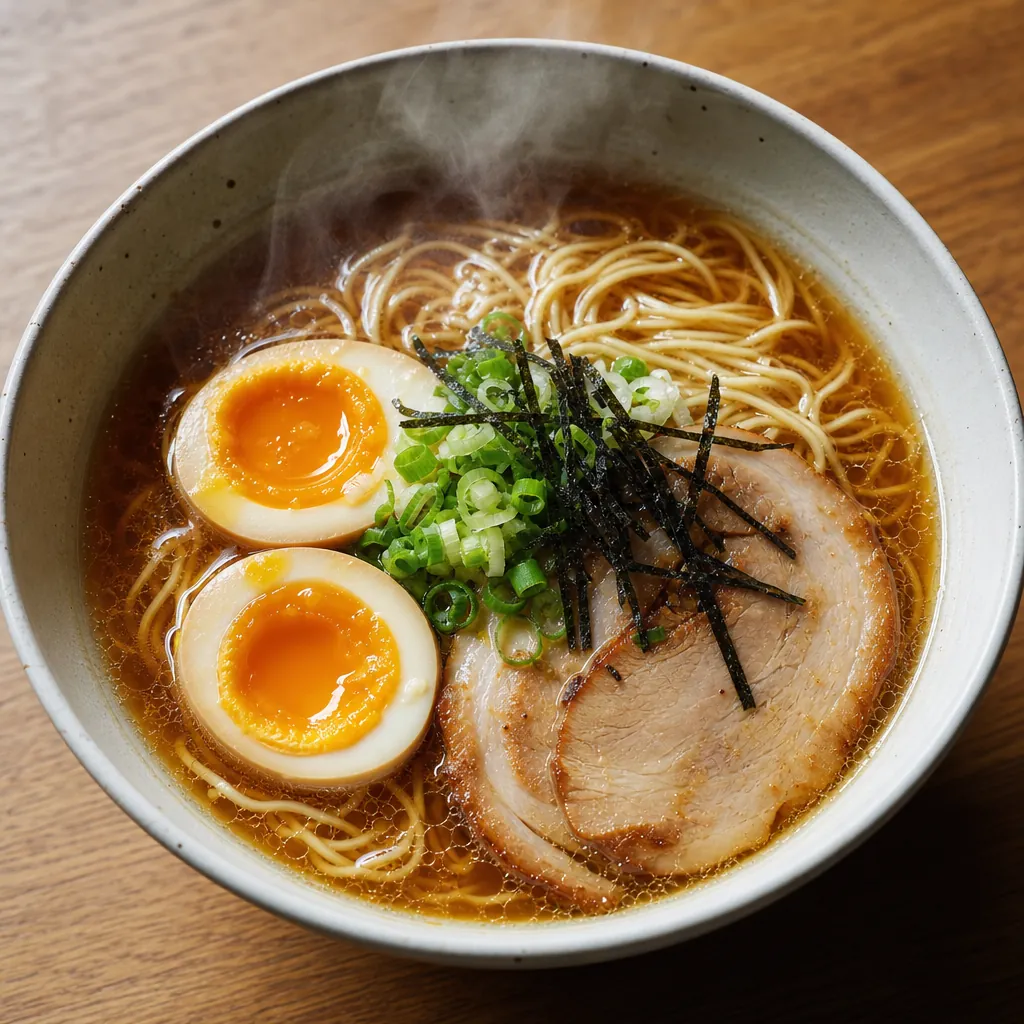
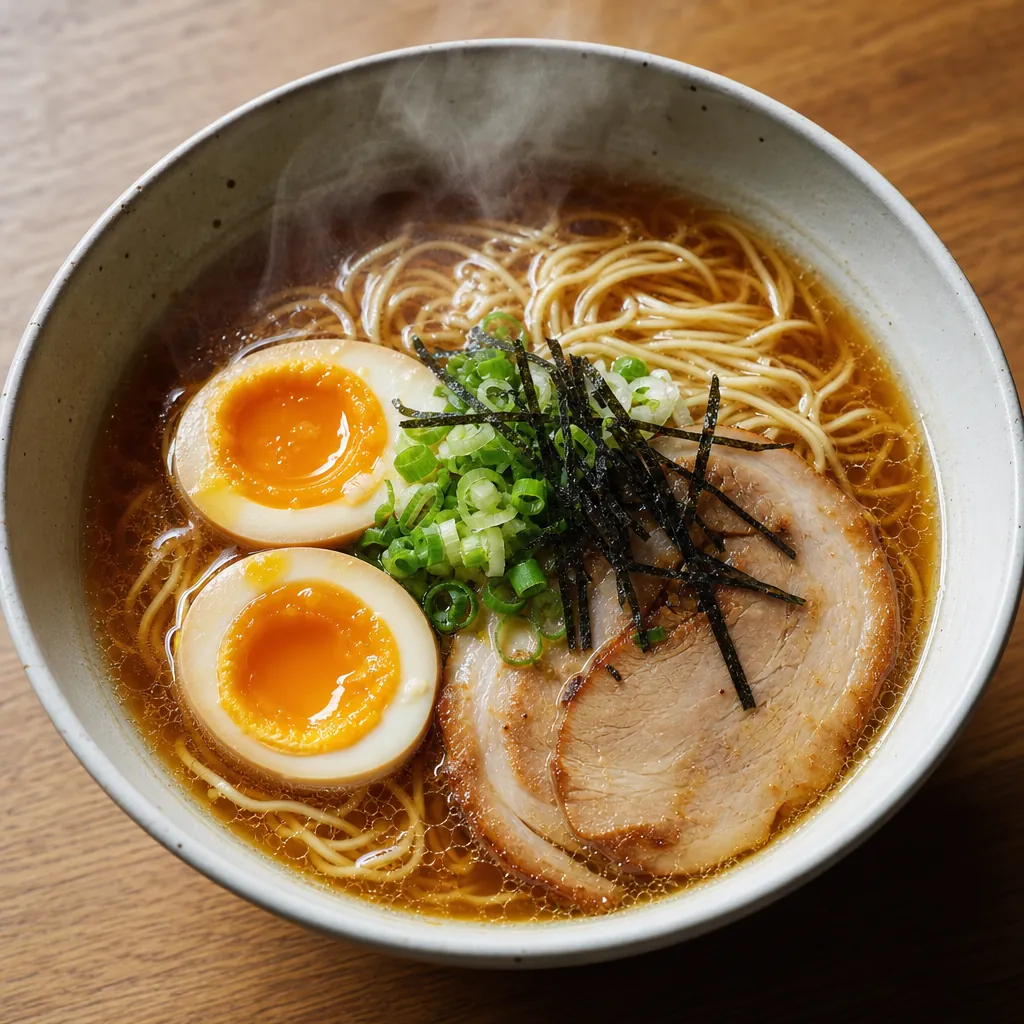
Ramen is a deceptively technical dish. The broth alone can take 12 to 18 hours to develop properly, and that investment of time is exactly what separates a memorable bowl from a forgettable one. According to food science research from institutions studying umami chemistry, the glutamate compounds that make broth satisfying only reach full depth through extended simmering of bone and connective tissue. Cutting that process short produces a broth that is thin in flavor regardless of how it is seasoned after the fact.
Broth Varieties and Why They Matter
The tare, the concentrated seasoning base added to each bowl, is where a ramen kitchen’s identity is most clearly expressed. At Zen Ramen and Sushi, the broth varieties are not interchangeable or derived from the same base. A tonkotsu broth requires a different production process than a shoyu or miso base, and treating each one as its own program rather than a variation on a theme is the correct approach. A common mistake at many American Japanese restaurants is building one stock and seasoning it differently. That shortcut is detectable immediately to anyone who has eaten ramen in Japan.
Noodle Texture and the Role of Alkalinity
Ramen noodles achieve their characteristic chew and yellow color through kansui, an alkaline solution used in the dough. The ratio of kansui to flour determines the final texture. Thinner, straighter noodles carry a delicate tonkotsu better. Thicker, wavy noodles hold miso broths more effectively. Matching the noodle to the broth is a technical decision that reflects genuine knowledge of the cuisine, not just recipe-following.
Zen Ramen and Sushi demonstrates this matching discipline across its menu. That attention is what a first-time visitor from a friend’s recommendation notices most, even if they cannot name the specific reason the bowl feels more complete than what they have had elsewhere.
Sushi Quality and Freshness in Every Roll
Sushi quality is a function of two variables: sourcing and rice technique. Neither one compensates for a deficit in the other. A perfectly seasoned rice bed cannot rescue low-grade fish, and pristine fish placed on poorly seasoned, incorrectly tempered shari is a wasted ingredient. Both elements must be right simultaneously.
Fish Sourcing and Daily Freshness Standards
The shelf life of sushi-grade fish before quality degrades is narrow. Daily sourcing is not a marketing phrase when it is practiced correctly, it is a logistical commitment that costs more and requires reliable supply relationships. A restaurant that sources fish three times per week versus daily is serving a different product at the edges of those sourcing windows. That difference is subtle on day one and obvious by day three.
Zen Ramen and Sushi’s sushi program is built around freshness as a non-negotiable rather than an aspiration. In practice, this means the menu may occasionally reflect what is best available rather than offering every item every day, and that kind of supply-driven flexibility is actually a quality signal, not an inconsistency.
Rice Technique and Temperature
Sushi rice served too cold is a common complaint in Japanese restaurants that prepare rice in bulk and hold it refrigerated. Cold rice loses its seasoning integration and develops an unpleasant firmness. Proper sushi rice should be served at body temperature, seasoned with rice vinegar, salt, and sugar in a ratio specific to the chef’s preference. This is a detail that only matters if a restaurant is genuinely committed to the craft.
Why Japanese Cuisine Is the Perfect Summer Choice
Summer dining shifts preferences toward lighter, cleaner flavors. Heavy cream sauces, rich braises, and dense carbohydrate-forward dishes lose appeal when temperatures rise. Japanese cuisine is structurally well-suited to this preference shift. The flavor profiles across ramen, sushi, and traditional Japanese sides are built around umami depth, clean acid notes, and textural contrast rather than heaviness through fat content.
“Japanese cuisine is one of the few culinary traditions where lightness and depth coexist without compromise. A well-made dashi broth or a properly seasoned sushi rice achieves satisfaction without weight.” – Nobu Matsuhisa, chef and restaurateur, as cited across multiple culinary publications.
For Japanese cuisine summer dining specifically, sushi is particularly well-positioned. Cold preparations, bright rice vinegar seasoning, fresh fish, and clean wasabi heat are naturally refreshing. Lighter ramen styles, including shio and shoyu broths, also perform well in warm weather because they are less heavy than tonkotsu while still offering full flavor satisfaction.
Zen Ramen and Sushi’s menu structure accommodates both the person who wants a light sushi-forward summer lunch and the person who wants a full ramen bowl regardless of season. That flexibility makes it a reliable destination from June through August when dining preferences are at their most varied.
Pro tip: During summer visits, start with a cold appetizer or sashimi order before committing to a hot ramen bowl. Your palate will appreciate the temperature contrast, and you will eat more intentionally rather than feeling rushed by a single large dish.
How Zen Ramen and Sushi Compares to Other Japanese Restaurants
Direct comparison is useful here because the Japanese restaurant options in the New York area are specific and distinct. Vague claims about being the best mean nothing without context. Below is an honest comparison across the dimensions that actually matter to a diner making a decision.
| Criteria | Zen Ramen and Sushi | Ichiran USA (Midtown) | Yasubee |
|---|---|---|---|
| Menu Range | Full ramen and sushi menu, suitable for groups with mixed preferences | Tonkotsu-only ramen, very limited menu by design | Ramen-focused, limited sushi options |
| Dining Format | Social, table-based dining ideal for groups and shared ordering | Solo booth format, intentionally isolating | Traditional table service, smaller venue |
| Sushi Program | Full sushi menu with daily fresh sourcing as a stated priority | Not offered | Not a primary focus |
| Summer Dining Suitability | High, with lighter broth options and full cold sushi menu available | Limited, heavy tonkotsu is less appealing in warm weather | Moderate, ramen-forward without cold dish diversity |
| Ideal For | Groups, date nights, casual diners, Japanese food enthusiasts at any experience level | Ramen purists seeking solo immersive experience | Ramen-focused diners who prefer a quieter, specialized setting |
Atmosphere, Service, and the Full Dining Experience
Food quality is the foundation, but atmosphere and service determine whether a restaurant becomes someone’s regular spot or stays a one-time visit. The best Japanese restaurant experiences are defined by how seamlessly the staff supports the meal without overshadowing it. This is a cultural principle in Japanese hospitality called omotenashi, the practice of anticipating a guest’s needs before they are expressed.
At Zen Ramen and Sushi, the service model reflects this principle. Staff are knowledgeable about the menu without being performative about it. A guest who does not know the difference between shio and tonkotsu gets a clear, useful explanation. A guest who already knows what they want is not subjected to an unnecessary sales pitch. That calibration is harder to train than it appears and is one of the clear differentiators from high-volume chain experiences where scripts replace genuine hospitality.
The physical environment supports the food rather than competing with it. The goal is a welcoming restaurant space where the meal is the event, not the decor. For diners arriving through a friend’s recommendation, first impressions matter enormously because they either validate or undermine everything the referring friend said. Zen Ramen and Sushi consistently delivers an environment that validates the recommendation.
Frequently Asked Questions
Is Zen Ramen and Sushi a good choice for someone new to Japanese cuisine?
Absolutely. The menu is approachable without being dumbed down. Staff are trained to guide first-time diners through options based on their flavor preferences, whether they prefer lighter or richer tastes, and whether they want to start with something familiar like a simple roll before trying more traditional preparations.
What is the best dish to order at Zen Ramen and Sushi during summer?
During summer, the sushi menu and lighter broth ramen options like shio or shoyu are the strongest choices. Cold preparations are refreshing in warm weather, and the fresh daily sourcing of the sushi program means summer visits often coincide with some of the best product available. Starting with sashimi or a maki selection before a lighter ramen bowl is a particularly satisfying sequence.
How does Zen Ramen and Sushi compare to Ichiran for a group dinner?
Ichiran’s solo booth format is intentionally designed against group social dining. It is an immersive solo experience by design. Zen Ramen and Sushi is the direct opposite in the best way, with a table-based format, a menu that covers both ramen and sushi, and a service style that accommodates groups with different preferences. For a group dinner, Zen is the correct choice without qualification.
Does Zen Ramen and Sushi use fresh fish for its sushi?
Yes. Daily fresh sourcing is a core part of the sushi program’s quality commitment. The practical consequence of this is that the fish served at Zen Ramen and Sushi is at or near its peak freshness window, which directly affects flavor, texture, and the clean finish that distinguishes quality sushi from average sushi.
Why do most customers find Zen Ramen and Sushi through friend referrals?
Referral traffic is the product of consistent quality over time. When a restaurant delivers on its promise repeatedly, diners tell people they trust. Zen Ramen and Sushi has built its customer base primarily through this channel because the food, service, and atmosphere consistently meet or exceed what the referring friend described. That kind of sustained performance is the only thing that keeps a referral-driven reputation alive.
Are there vegetarian or lighter options available at Zen Ramen and Sushi?
Yes. Japanese cuisine naturally accommodates lighter and plant-forward preferences through preparations like vegetable-based broths, cucumber and avocado rolls, and various vegetable-topped bowls. Zen Ramen and Sushi’s menu breadth means vegetarian diners are not limited to one or two afterthought options, which makes it a genuinely inclusive restaurant for mixed groups.
If you have visited Zen Ramen and Sushi or are planning your first trip this summer, share what you ordered or what you are most looking forward to trying.
We would love your feedback and any insights you would share with others. What perspective would you add?
References
- Statista restaurant industry data on consumer dining preferences and Japanese cuisine market trends
- Forbes coverage of the restaurant industry, food quality standards, and what drives dining loyalty
- FDA guidelines on sushi-grade fish sourcing, freshness standards, and safe seafood handling in restaurants
- ScienceDirect food science research on umami compounds, broth development, and Japanese culinary technique
- HubSpot data on word-of-mouth marketing, referral behavior, and how restaurants build trust through customer recommendations