
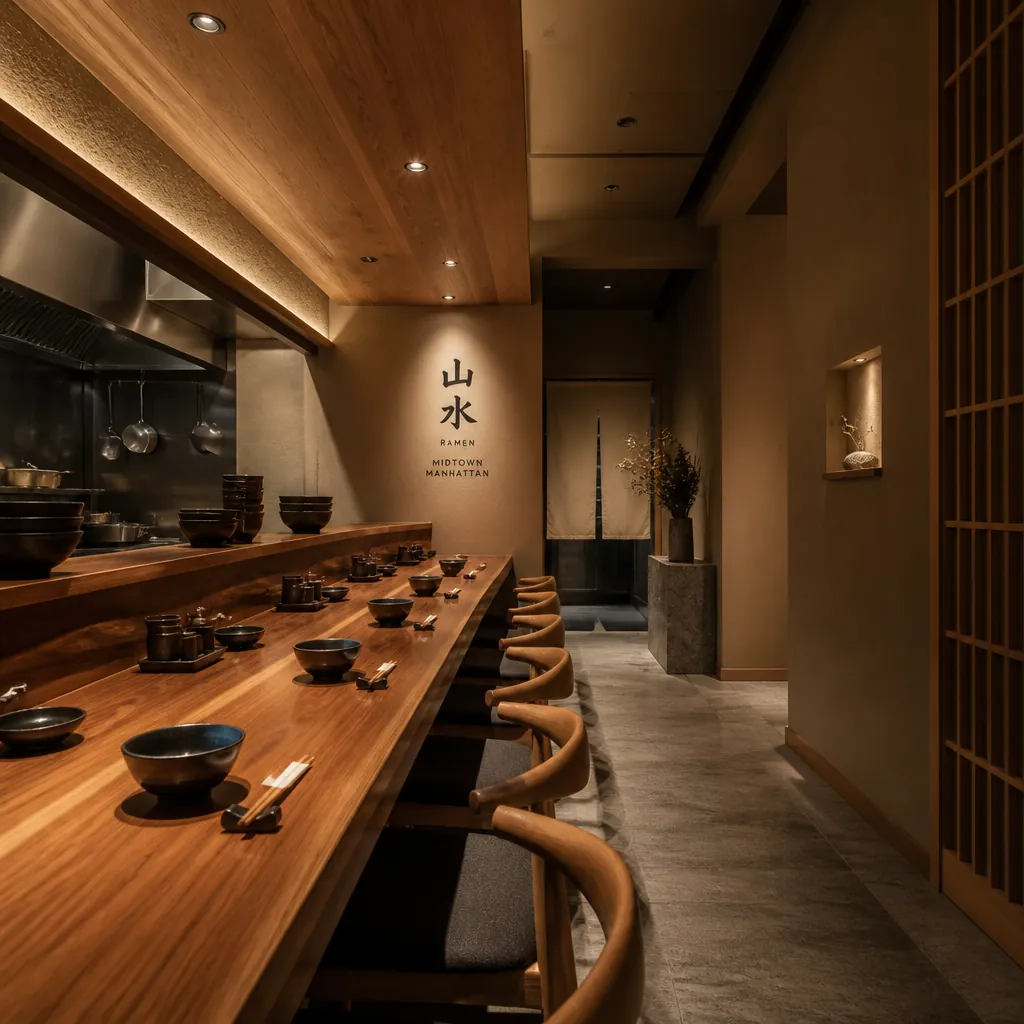
Most people walk into a restaurant expecting food. What separates a forgettable meal from one you text your friends about the next morning is something harder to name but immediately felt the moment you sit down. At Zen Ramen and Sushi, that something has a name: omotenashi, the Japanese philosophy of wholehearted, selfless hospitality. As a Japanese hospitality restaurant rooted in the traditions of authentic ramen and sushi, Zen does not treat service as a transaction. Every bowl, every roll, every greeting is an expression of a 500-year-old cultural commitment to making guests feel genuinely cared for. This article breaks down exactly how that plays out in practice.
Table of Contents
- Quick Takeaways
- What Omotenashi Actually Means (and Why Most Restaurants Get It Wrong)
- The Zen Approach to Welcoming Guests
- Craft on the Plate: How the Food Itself Is an Act of Hospitality
- Omotenashi Dining vs. Standard Service: A Direct Comparison
- Ichigo Ichie: Why Every Visit to Zen Is Unrepeatable
- What to Expect When You Visit Zen Ramen and Sushi
- Frequently Asked Questions
- References
Quick Takeaways
| Key Insight | Explanation |
|---|---|
| Omotenashi is anticipation, not reaction | True Japanese hospitality means addressing a guest’s needs before they voice them, not just responding promptly to requests. |
| The broth is a statement of care | Zen’s ramen broth is slow-simmered for hours, a deliberate act that cannot be rushed. That time investment is itself a form of respect for the guest. |
| Ambiance is part of the hospitality | The cozy, modern setting at Zen Ramen and Sushi is intentional. A welcoming Japanese restaurant does not leave atmosphere to chance. |
| Fresh sushi signals seriousness | Sushi quality degrades fast. Consistently fresh fish and precise preparation show that Zen prioritizes the guest’s experience over convenience. |
| Staff attentiveness is trained, not accidental | Guest reviews consistently single out individual staff members for going beyond expectations. That level of care reflects deliberate restaurant culture, not luck. |
| Referrals are earned through feelings, not just flavors | When someone recommends Zen to a friend, they are mostly selling the feeling of being well looked after. The food closes the deal; the hospitality opens the conversation. |
| Omotenashi dining removes the transactional feeling | Japanese-style service expects nothing in return. That selfless orientation is exactly what makes guests feel they are guests, not just customers. |
What Omotenashi Actually Means (and Why Most Restaurants Get It Wrong)
The word omotenashi is often translated simply as “hospitality,” but that translation strips away almost everything important about it. At its core, omotenashi means wholehearted service delivered without any expectation of return. It is not about scripted pleasantries or upselling technique. It is about genuine attentiveness, meticulous attention to detail, and the ability to foresee what a guest needs before they ask.
Most restaurants treat service as a logistics problem: get the order right, keep the wait time short, process the check efficiently. That is adequate, but it is not omotenashi. The difference becomes obvious the moment you experience the real thing. A staff member who notices your water glass is half empty and refills it before you glance around for help, a bowl of ramen that arrives precisely at peak temperature, a birthday celebrated with a small, thoughtful gesture without being prompted. These are not random acts of niceness. They are the result of a cultural philosophy practiced with discipline.
Omotenashi is guided by three core principles: meticulous attention to detail, foreseeing the needs of others, and surpassing expectations to ensure a memorable experience.
The common restaurant failure is confusing friendliness with omotenashi. Friendly staff is a baseline expectation anywhere. What sets a welcoming Japanese restaurant apart is the invisible work happening before a guest even voices a preference. That proactive orientation is what Zen Ramen and Sushi builds into its floor culture, and it is the reason guests consistently describe leaving with more than they expected.
Pro tip: When you visit Zen Ramen and Sushi, pay attention to the small details that happen without you asking. That is the easiest way to spot omotenashi in action and to understand why the experience feels qualitatively different from a standard restaurant visit.
The Zen Approach to Welcoming Guests
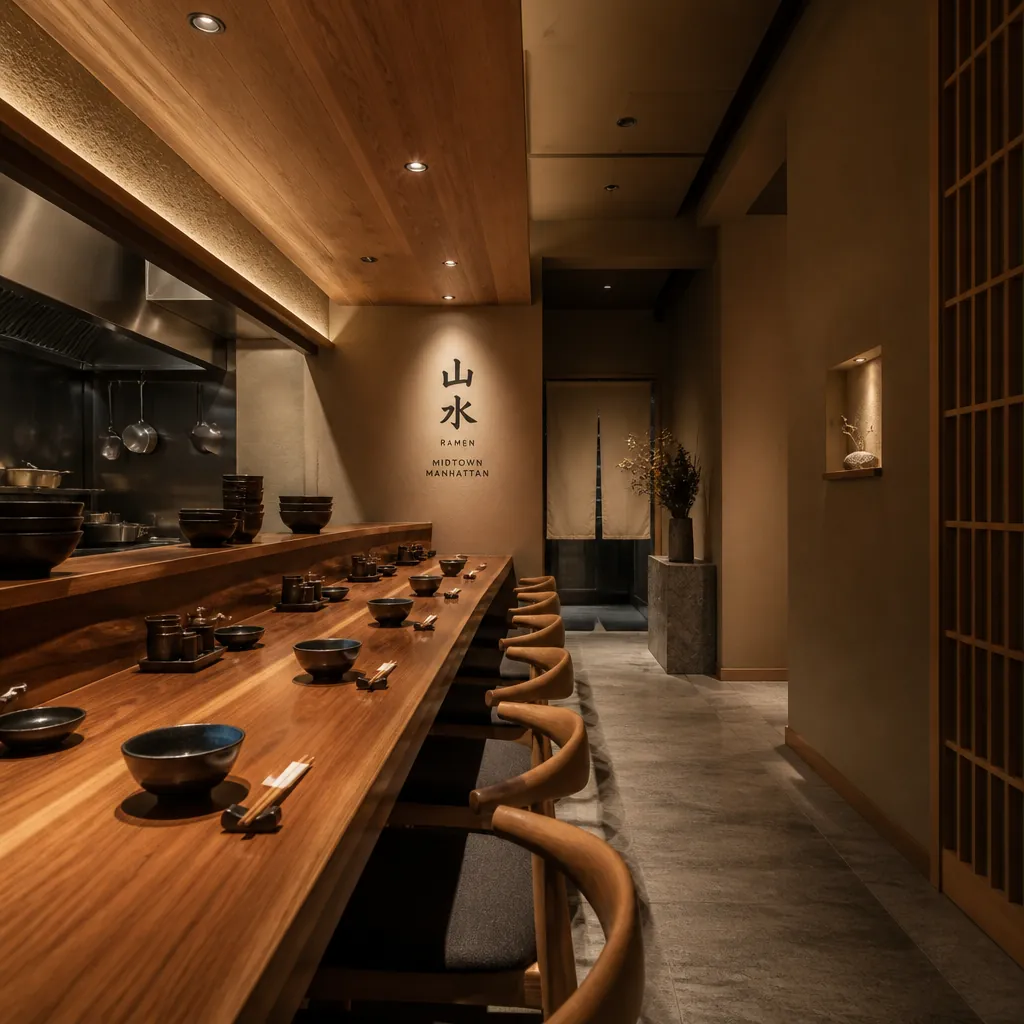
Walking into Zen Ramen and Sushi in Midtown Manhattan, the atmosphere is cozy and modern. That combination is deliberate. The space is warm enough that you feel like you belong there, and organized enough that it does not feel chaotic even when the dining room is full. For a restaurant near Bryant Park that draws both regulars and first-time visitors referred by friends, setting that tone immediately matters.
The Role of Staff in Setting the Emotional Register
Staff attentiveness at Zen goes beyond standard table service. Guest accounts consistently highlight individual servers, particularly for going out of their way during special occasions or guiding first-timers through the menu with genuine enthusiasm rather than rehearsed recitation. That is not a coincidence. In a restaurant built around omotenashi dining principles, the front-of-house team understands that their job is to make each guest feel important, not just processed.
The practical effect of this is that new visitors referred by friends rarely feel lost. When someone comes in because a friend recommended Zen specifically, they arrive with a certain expectation. Zen’s hospitality style meets and typically exceeds it, which is why the referral cycle keeps running. A guest who feels genuinely welcomed tells the next person about more than just the tonkotsu ramen.
How the Physical Environment Supports Hospitality
Japanese hospitality does not stop at human interaction. The environment itself is considered part of the guest experience. At Zen, the modern layout keeps noise at a level that allows for actual conversation, the lighting is comfortable rather than clinical, and the overall design signals care without being fussy. These are not decorative choices. They are hospitality choices made in the same spirit as the kitchen’s commitment to quality ingredients.
Pro tip: If you are bringing someone to Zen Ramen and Sushi for the first time, the happy hour window from 4 PM to 8 PM is an especially good entry point. The sushi rolls offer excellent value at that time, and the quieter early-evening pace lets first-timers appreciate both the food and the atmosphere at their own speed.
Craft on the Plate: How the Food Itself Is an Act of Hospitality
In the omotenashi framework, the food is not separate from the hospitality. It is the clearest expression of it. Serving a guest a bowl of ramen made with a broth that was rushed or assembled from shortcuts is, in a sense, a failure of respect. Zen Ramen and Sushi treats the kitchen as an extension of its hospitality philosophy, not a separate department.
The Ramen Broth: Patience as a Form of Respect
Zen’s ramen broth is slow-simmered for hours using traditional Japanese techniques. That is not a marketing claim about flavor. It is a statement about priorities. Cutting corners on broth is easy and saves time. Refusing to do so, even when the restaurant is busy, signals that the guest’s experience at the table takes precedence over operational convenience. The result is a bowl that delivers deep, balanced flavor built from real process rather than shortcuts.
The Spicy Tonkotsu Ramen and Beef Ramen have both drawn specific praise from guests, not just for flavor but for the sense that someone cared about what ended up in the bowl. That perception is not separate from hospitality. It is hospitality expressed through craft.
Sushi Freshness as Non-Negotiable
Sushi is one of the most unforgiving foods to serve at anything less than full quality. The difference between fresh and not-quite-fresh fish is obvious to anyone who has eaten well-made sushi, and it lands on the guest as a clear signal about how much the kitchen respects them. Zen’s sushi preparation prioritizes freshness and precise technique, from nigiri to signature rolls. Guests have singled out the sushi as “incredibly fresh, beautifully presented,” which describes not just a product but a kitchen discipline that makes omotenashi tangible.
The menu also runs from classic Japanese preparations to rolls with creative combinations that suit a wide range of tastes. That range reflects an understanding that genuine hospitality includes acknowledging that guests are different from each other, and designing the menu around that reality rather than forcing everyone into a narrow lane.
Omotenashi Dining vs. Standard Service: A Direct Comparison
To understand what makes Zen Ramen and Sushi operate differently, it helps to place omotenashi dining next to the two most common alternative service models in the New York City Japanese restaurant market.
| Approach | Core Philosophy | Guest Experience |
|---|---|---|
| Omotenashi Dining (Zen Ramen and Sushi) | Selfless, anticipatory service rooted in Japanese cultural tradition. Staff proactively addresses needs; food preparation is an act of respect for the guest. Every visit is treated as unique and worth honoring. | Guests feel genuinely welcomed rather than processed. The experience is warm, personal, and memorable enough to generate referrals. Staff acknowledgment of occasions and preferences creates lasting loyalty. |
| Solo Booth / Transactional Model | Service is minimized by design. The focus is on food purity and efficiency. Human interaction is reduced to an order process. The model values product over relationship. | Works well for diners who want a solitary, focused eating experience. Less suited to guests seeking warmth, group dining, or a welcoming atmosphere. Hospitality, in the cultural sense, is not the point. |
| Standard Restaurant Service | Service responds to requests rather than anticipating them. Quality varies by staff member and shift. Hospitality is measured by efficiency and accuracy, not by the emotional experience of the guest. | Can be perfectly competent without being memorable. Guests are unlikely to generate referrals based on service alone. The meal is the entirety of the experience, not part of something larger. |
The practical takeaway from this comparison is that omotenashi dining is not just a style preference. It produces measurably different outcomes in guest behavior, particularly in referral-driven markets where word-of-mouth is the primary growth engine.
Ichigo Ichie: Why Every Visit to Zen Is Unrepeatable
Underneath omotenashi sits another Japanese concept that shapes how Zen approaches each service: ichigo ichie, meaning “one time, one meeting.” The philosophy holds that each encounter between a host and a guest is a unique moment that will never be repeated in exactly the same way, and therefore deserves to be honored fully. It traces back to the Japanese tea ceremony tradition and the teachings of Sen no Rikyu, the tea master who made it a foundational principle of Japanese hosting culture.
Applied to a restaurant setting, ichigo ichie means the team at Zen does not treat the Tuesday lunch rush as an obstacle to get through. They treat each table as the specific, unrepeatable gathering it is. For guests who come in celebrating a birthday, a work lunch with a colleague, or a first dinner with someone they want to impress, that orientation matters. It shows up in the small gestures, the attentiveness to the occasion, and the sense that the staff is genuinely present rather than running on autopilot.
For diners arriving via a friend’s recommendation, ichigo ichie also sets realistic expectations. Your friend’s experience at Zen was theirs. Yours will be different, shaped by your own preferences, the dishes you order, and the particular moments of the visit. The job of the restaurant is to make that specific visit the best it can be, not to replicate someone else’s.
What to Expect When You Visit Zen Ramen and Sushi
Zen Ramen and Sushi is located at 150 W 36th Street in Midtown Manhattan, near Bryant Park. The restaurant serves lunch and dinner, and it can draw a crowd during peak hours, particularly on weekends and Friday evenings. That energy is part of the Midtown character of the place, but the kitchen and floor team are set up to keep service quality consistent even when the dining room is full.
Planning Your Visit
If you are coming on a friend’s recommendation and want a relaxed, unhurried experience, arriving earlier in the dinner service is a practical choice. Happy hour from 4 PM to 8 PM brings solid value on sushi rolls, and the pace allows you to actually pay attention to the food and the atmosphere rather than competing with a packed dining room. For groups, it is worth planning ahead given the restaurant’s popularity.
What to Order If You Are New
The Spicy Tonkotsu Ramen is among the most praised dishes, consistently drawing comparisons to the best ramen in Midtown Manhattan. The Beef Ramen is another standout. On the sushi side, the rolls are creative without being gimmicky, and the nigiri reflects solid technique with fresh fish. For those who want to explore the menu more broadly, the gyoza and the dessert options, including mochi and green tea ice cream, round out the meal in the traditional Japanese way.
The menu is broad enough to satisfy both purists and people newer to Japanese cuisine. That range is itself an act of omotenashi: a genuinely welcoming Japanese restaurant does not design its menu only for insiders.
Frequently Asked Questions
What does omotenashi mean in the context of a restaurant like Zen Ramen and Sushi?
Omotenashi refers to wholehearted, selfless Japanese hospitality. In a restaurant context, it means the staff anticipates your needs before you voice them, the food is prepared with genuine care for the guest’s experience, and every element of the visit, from the greeting to the final bite, is treated as an opportunity to make you feel valued. At Zen, this shows up in attentive service, quality ingredients, and an atmosphere designed to make guests comfortable.
How is Zen Ramen and Sushi different from other Japanese ramen restaurants in NYC?
Several ramen restaurants in NYC focus purely on the product and minimize human interaction by design. Zen takes a different approach, combining a high-quality menu with genuine warmth and attentiveness from the floor team. The result is a dining experience that is both culinarily strong and emotionally welcoming, which is why a significant portion of its guests arrive through direct friend referrals rather than advertising.
Is Zen Ramen and Sushi a good choice for a group dining out together?
Yes. The menu covers enough ground to accommodate different preferences, from traditional ramen preparations to creative sushi rolls and lighter options, so groups with varying tastes tend to find the visit works for everyone. The atmosphere is lively enough to feel like a real occasion without making conversation difficult. Planning ahead and arriving during off-peak hours makes the group experience even smoother.
What is the best time to visit Zen Ramen and Sushi to avoid a long wait?
The restaurant is open for lunch starting at 11:30 AM on weekdays and can get busy during the midtown lunch rush. For a more relaxed experience, the early dinner window, particularly during happy hour from 4 PM to 8 PM, tends to be a good balance of energy and availability. Weekend peak times run later into the evening, so arriving early on Saturday or Sunday is the practical move.
What should a first-time visitor order at Zen Ramen and Sushi?
For ramen, the Spicy Tonkotsu Ramen is a strong starting point. It is one of the most consistently praised dishes and gives a clear picture of what Zen’s kitchen does well. On the sushi side, the specialty rolls during happy hour offer excellent value and variety. Gyoza makes a solid appetizer, and the green tea ice cream or mochi is worth saving room for at the end of a meal.
Why do so many people find out about Zen Ramen and Sushi through friends rather than online searches?
Referrals thrive when the experience exceeds what a menu description can convey. The food at Zen is strong enough to merit a recommendation on its own, but the reason guests specifically tell their friends to go is the way the visit feels. Being genuinely looked after, having staff notice your occasion or help you navigate the menu with real engagement, creates the kind of experience people want to share. That is omotenashi working exactly as intended.
If you have visited Zen Ramen and Sushi recently, we would love to hear which part of the experience stood out most to you and whether the omotenashi spirit came through in the way you hoped.
References
- An in-depth look at the meaning and cultural roots of Japanese omotenashi hospitality
- How omotenashi principles translate into practical customer care in Japanese service settings
- The three core principles of omotenashi as a serving philosophy in Japanese culture
- The meaning, history, and modern application of ichigo ichie in Japanese hospitality
- How Japan redefines hospitality through the omotenashi framework in restaurants and beyond