
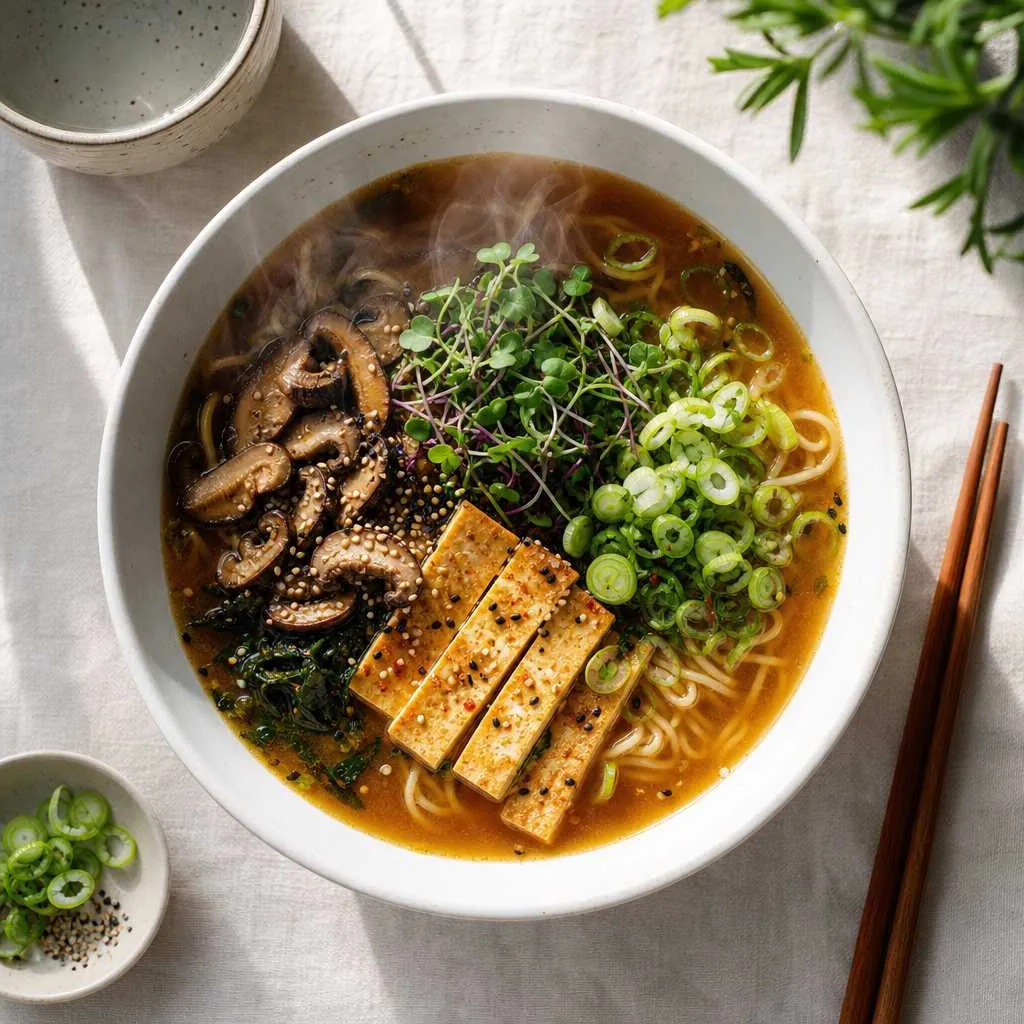
Most people assume ramen is off-limits if they don’t eat meat. That assumption is wrong, and it’s costing plant-based diners some of the most satisfying bowls in Japanese cuisine. Vegetarian ramen built on a proper miso base or a deeply reduced vegetable broth can match the richness of any tonkotsu without compromise. The plant-based food market in the United States crossed $8 billion in retail sales in 2023 according to the Good Food Institute, and restaurants that understand this are building menus around it. At Zen Ramen and Sushi, this means real options, not afterthoughts.
Table of Contents
- Quick Takeaways
- Why Vegetarian Ramen Deserves Serious Attention
- Miso Ramen: The Natural Home of Plant-Based Flavor
- Building a Vegetable Broth with Real Depth
- Plant-Based Toppings That Actually Belong in the Bowl
- Broth Comparison: Miso vs. Shio vs. Vegetable Dashi
- Common Mistakes in Vegetarian Ramen
- How Vegetarian Ramen Fits Into Authentic Japanese Food Culture
- Frequently Asked Questions
- References
Quick Takeaways
| Key Insight | Explanation |
|---|---|
| Miso is naturally plant-based | White, red, and mixed miso pastes are fermented soybean products with no animal ingredients, making them a reliable base for vegetarian ramen. |
| Kombu dashi is the foundation | Dried kelp simmered in water produces a mineral-rich, umami-forward stock that replaces pork or chicken bone broth without losing depth. |
| Shiitake mushrooms double as protein and umami | Dried shiitake mushrooms release glutamates when rehydrated, contributing the same savory intensity that animal bones provide in traditional broths. |
| Noodle choice matters for plant-based diners | Standard ramen noodles contain wheat and water, no animal products, but always confirm the specific brand uses no egg in its formulation. |
| Tare is where the seasoning lives | A miso tare stirred into plain vegetable stock at the bowl stage allows precise flavor control and keeps the broth from becoming flat or one-dimensional. |
| Roasted vegetables add body | Charring onions, garlic, and ginger before adding them to stock introduces Maillard compounds that replicate the toasty depth of meat-based broths. |
| Plant-based ramen is not a trend | Shojin ryori, the Buddhist vegetarian cooking tradition in Japan, has been producing meat-free noodle dishes for centuries, long before modern food trends. |
Why Vegetarian Ramen Deserves Serious Attention
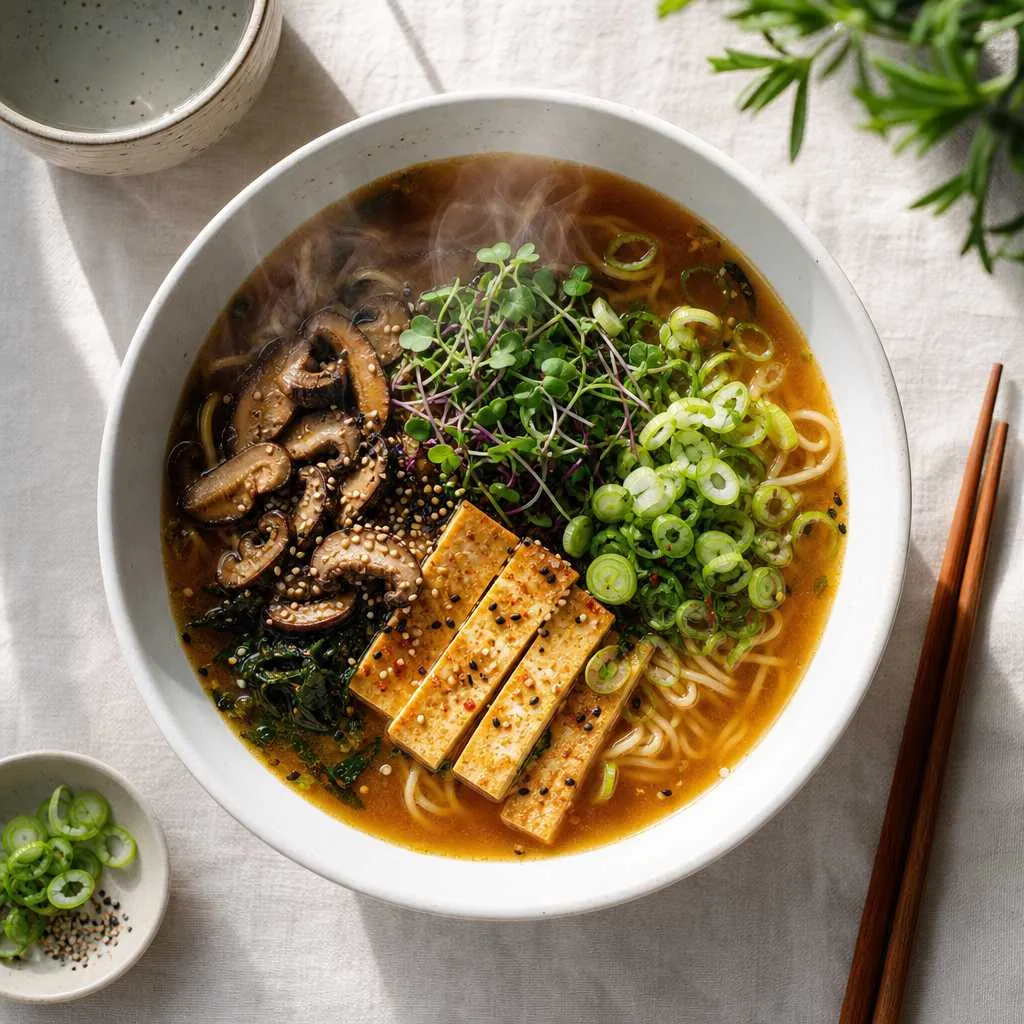
The argument that vegetarian ramen is a watered-down compromise misunderstands how broth works. Umami, the fifth taste that makes ramen addictive, comes from glutamate and inosinate compounds. Animal bones provide inosinate, but glutamate, the more powerful of the two, is abundant in kombu, miso, tomatoes, and dried mushrooms. A well-executed plant-based broth hits the same flavor receptors.
According to a 2023 Statista report, approximately 6 percent of Americans identify as vegetarian and another 3 percent as vegan, but over 40 percent actively reduce meat consumption. That last group is the audience most restaurants underserve. These are not diners who want a side salad. They want a full bowl with real flavor, proper toppings, and a broth that justifies the bowl price.
Zen Ramen and Sushi sits in a position where friends often bring mixed groups to the table. Someone in the group eats no meat. The worst outcome for a referral-driven restaurant is a table where one person has nothing meaningful to order. Vegetarian Japanese food done right keeps the entire table happy and brings that group back.
Miso Ramen: The Natural Home of Plant-Based Flavor
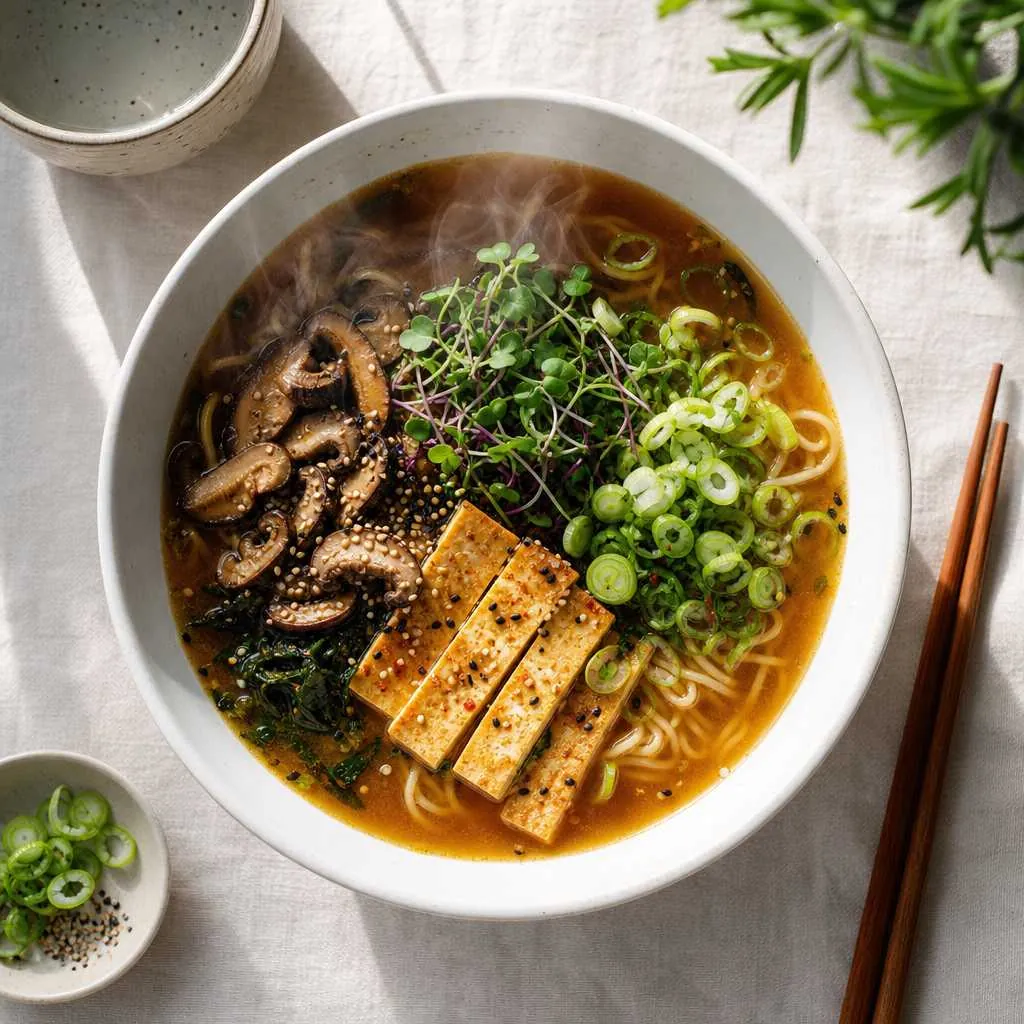
Miso ramen is arguably the most naturally suited ramen style for vegetarian preparation. The tare, which is the concentrated seasoning paste stirred into the broth at service, is made from fermented soybeans. It carries salt, sweetness, acidity, and a layered funkiness that no meat-based seasoning can replicate. The broth becomes a vehicle, and miso is the destination.
White Miso vs. Red Miso in Ramen
White miso (shiro miso) ferments for a shorter period, producing a sweeter, milder flavor. It works best in lighter vegetable broths where the goal is delicacy. Red miso (aka miso) ferments longer, developing a saltier, more aggressive profile. It stands up to bolder toppings like charred corn, roasted garlic oil, and crispy shallots.
A mixed miso (awase miso) blends both and is the most practical choice for a restaurant setting because it pleases a wider range of palates without compromising authenticity. In practice, most miso ramen bowls served at quality Japanese restaurants use awase miso adjusted with a splash of sake or mirin to round out the edges.
Building the Miso Tare Correctly
A common mistake is dissolving miso directly into simmering broth and then continuing to heat it. Boiling miso destroys the beneficial fermentation cultures and dulls the flavor. The correct method is to temper the miso with a small amount of warm broth in a separate bowl, then stir the mixture into the serving bowl just before ladling in the hot stock.
This technique keeps the miso flavor bright and forward rather than cooked-out and flat. It also allows each bowl to be seasoned individually, which matters when guests have different salt preferences.
“Miso is a living ingredient. Heat is its enemy. The moment you respect that, your miso ramen becomes a completely different dish.” – Nobu Matsuhisa, chef and restaurateur, on Japanese fermentation principles.
Building a Vegetable Broth with Real Depth
The difference between a memorable vegetarian ramen and a forgettable one is almost always the broth. A weak broth produces a weak bowl regardless of how good the toppings are. Building depth into a plant-based stock requires understanding which ingredients contribute which flavor compounds.
The Kombu and Dried Mushroom Foundation
Kombu (dried kelp) contains glutamic acid in concentrations that exceed most other natural ingredients. A cold-water steep of kombu for 30 minutes before gentle heating extracts maximum glutamate without the bitter, slimy compounds that emerge from boiling. Combining this with dried shiitake mushrooms, which contribute guanylate, creates a synergistic umami effect that is measurably more intense than either ingredient alone.
The science behind this synergy is well documented in food chemistry literature. Glutamate and guanylate together produce an umami response up to eight times stronger than glutamate alone. This is why a kombu-shiitake dashi can hold its own against a 12-hour pork bone broth in terms of flavor impact.
Roasting for Maillard Depth
Raw vegetables make thin, green-tasting stock. Roasting onions, garlic, ginger, and leeks at 400 degrees Fahrenheit until they develop color before adding them to the stock pot introduces the same browning chemistry that makes meat-based broths taste toasty and complex. This step is non-negotiable for a serious vegetable ramen broth.
Adding a piece of charred ginger directly over an open flame or under a broiler adds a smokiness that is particularly effective in miso ramen, where it complements the fermented bass notes of the tare.
Pro tip: Add a small piece of dried tomato or a teaspoon of tomato paste to your vegetable stock. Tomatoes are extraordinarily high in glutamate and contribute a rounded sweetness that fills the mid-palate gap many plant-based broths leave behind.
Plant-Based Toppings That Actually Belong in the Bowl
Toppings are not decoration. In a properly built vegetarian ramen bowl, each topping serves a textural or flavor function. The goal is contrast: something creamy, something chewy, something crispy, something bright.
Tofu Preparations That Work in Ramen
Silken tofu blended with a small amount of sesame paste and miso creates a creamy element that melts into the broth, adding body and protein without the rubbery texture that straight tofu blocks often produce. Firm tofu marinated in soy and mirin, then pan-seared or baked until golden, serves as the protein centerpiece with genuine flavor rather than just filler.
Agedashi-style tofu, lightly dusted in potato starch and deep-fried until the exterior is crisp, holds its texture in hot broth far longer than plain tofu. This preparation makes tofu a legitimate protein anchor rather than an apology for the absence of chashu pork.
Vegetables That Belong in the Bowl
Plant-based ramen toppings that consistently deliver are: menma (bamboo shoots, which add a fermented, slightly sour chew), wood ear mushrooms (which stay crunchy in hot liquid), corn kernels roasted until slightly caramelized, and blanched bok choy for fresh bitterness that cuts through the miso richness.
Nori sheets placed against the inside of the bowl wall add oceanic umami from the seaweed itself and create a visual contrast. A soft-boiled egg is not plant-based, but for lacto-ovo vegetarians it remains the single most effective topping for adding protein and richness to a miso bowl.
Pro tip: Finish every vegetarian ramen bowl with a small drizzle of toasted sesame oil or chili-garlic oil right before serving. These finishing oils coat the surface of the broth, seal in heat, and add an aromatic layer that elevates the perception of richness without any animal products.
Broth Comparison: Miso vs. Shio vs. Vegetable Dashi
Not every vegetarian ramen style works equally well for every topping profile. Understanding which broth to pair with which toppings is what separates a thoughtful menu from a thrown-together one.
| Broth Style | Flavor Profile | Best Plant-Based Pairings |
|---|---|---|
| Miso Tare in Kombu-Shiitake Stock | Rich, fermented, savory, slightly sweet. The most forgiving and full-bodied of the three options for vegetarian preparations. | Roasted corn, bamboo shoots, wood ear mushrooms, sesame oil, crispy tofu, charred garlic oil. |
| Shio (Salt) Tare in Vegetable Dashi | Light, clean, mineral-forward. Relies entirely on the purity of the dashi. Least forgiving of poor-quality stock. | Delicate greens, yuzu zest, thin-sliced radish, silken tofu, sudachi, light sesame. |
| Shoyu Tare in Roasted Vegetable Stock | Soy-forward, savory, with caramel notes from roasted aromatics. Bridges the gap between light and heavy styles. | Sauteed king oyster mushrooms, marinated tofu, spinach, menma, nori, scallions. |
Common Mistakes in Vegetarian Ramen
A common mistake is assuming vegetarian automatically means light. Many diners who order vegetarian ramen are disappointed not because the broth lacks meat, but because the kitchen failed to compensate with fat, depth, and seasoning. Miso tare added too sparingly produces a thin, underseasoned bowl. Fat is the carrier of flavor in ramen, and without the pork fat that floats on tonkotsu, vegetarian bowls need deliberate fat replacement: sesame oil, chili oil, or a small amount of coconut-derived fat in some fusion preparations.
Another consistent failure is under-cooking the noodles or, worse, over-cooking them. Ramen noodles are alkaline (the kansui gives them their yellow color and firm bite). They continue cooking in hot broth. The correct approach is to cook noodles to 80 percent doneness, drain them, and add them to the bowl where the residual heat of the broth finishes them. This is true regardless of whether the broth is meat-based or vegetarian.
The final mistake is treating vegetarian ramen as a single fixed option. Guests who avoid meat are not a monolith. Some are vegan and cannot have soft-boiled eggs. Some avoid soy. Some are gluten-intolerant and need rice noodles. A well-prepared kitchen knows which components of their vegetarian ramen can be swapped without rebuilding the whole dish.
How Vegetarian Ramen Fits Into Authentic Japanese Food Culture
Shojin ryori, the ancient Buddhist vegetarian cooking tradition practiced in Japanese temples since the 13th century, has always used kombu dashi and fermented soybean products as its flavor foundation. This is not a modern Western adaptation of Japanese food. It is, arguably, the original form of sophisticated Japanese cooking.
Ramen itself is a relatively modern dish, arriving in Japan in the late 19th century with Chinese influences. The tonkotsu and chicken-bone broths that dominate popular ramen culture are regional specialties, not the definition of the entire category. Kyoto-style ramen, for instance, has always emphasized lighter broths that translate naturally to vegetarian preparations.
For Zen Ramen and Sushi guests who are exploring vegetarian Japanese food for the first time, this context matters. Choosing a miso ramen without meat is not a compromise. It is a direct connection to one of Japan’s oldest culinary traditions. That framing changes how a dish is received at the table.
Frequently Asked Questions
Is miso ramen always vegetarian?
Not automatically. Many miso ramen preparations use a chicken or pork bone stock as the base, with miso added as the tare. The miso paste itself is plant-based, but the broth underneath may not be. Always ask whether the restaurant uses a meat-based stock or a pure vegetable and kombu dashi before ordering.
What is the richest plant-based broth option for ramen?
A long-simmered combination of kombu, dried shiitake mushrooms, roasted onion, garlic, and ginger produces the most body and depth. Adding a small amount of white miso and a drizzle of sesame oil at the end creates a broth that rivals meat-based stocks in terms of perceived richness and satiety.
Can vegetarian ramen be as filling as meat-based ramen?
Yes, if the protein and fat elements are handled correctly. A well-marinated and seared block of firm tofu, combined with bamboo shoots, soft-boiled egg for lacto-ovo vegetarians, and a generous portion of noodles in a properly seasoned miso broth produces a bowl that is just as satisfying in volume and caloric content as a meat-based version.
What noodles are used in vegetarian ramen?
Standard ramen noodles are made from wheat flour, water, salt, and kansui (an alkaline mineral solution). They contain no animal ingredients in their base form. However, some commercially produced noodles include egg. Always confirm with the restaurant whether their noodles are egg-free if you are strictly vegan rather than lacto-ovo vegetarian.
How does Zen Ramen and Sushi approach vegetarian ramen compared to competitors?
The core difference is intention. Many ramen restaurants offer a single vegetarian option as a menu footnote. Zen Ramen and Sushi treats plant-based preparation as a culinary discipline, using proper miso tare, kombu-shiitake dashi, and deliberate topping selection rather than simply removing the pork from a standard bowl and calling it vegetarian.
Is vegetarian ramen suitable for vegans?
A miso ramen built on kombu-shiitake dashi with tofu, bamboo shoots, mushrooms, nori, and vegetables is fully vegan if it excludes the soft-boiled egg and any butter-based finishing oils. The broth itself and the noodles in most preparations contain no animal products. Confirm finishing oils and any marination liquids with your server to be certain.
If you have tried vegetarian ramen or have a specific miso broth approach you swear by, share your experience in the comments. Other plant-based ramen lovers in this community genuinely want to hear what works for you.
We would love your feedback and any insights you would share with others. What perspective would you add?
References
- Statista: plant-based food market size and consumer trend data in the United States
- Forbes: coverage of the growing plant-based restaurant and food industry in North America
- USDA National Agricultural Library: nutritional and agricultural research on soybean fermentation and miso production
- Nutrition.gov: government dietary guidance on plant-based protein sources and fermented food products
- ScienceDirect: peer-reviewed food science research on umami synergy between glutamate and guanylate compounds in plant-based broths