
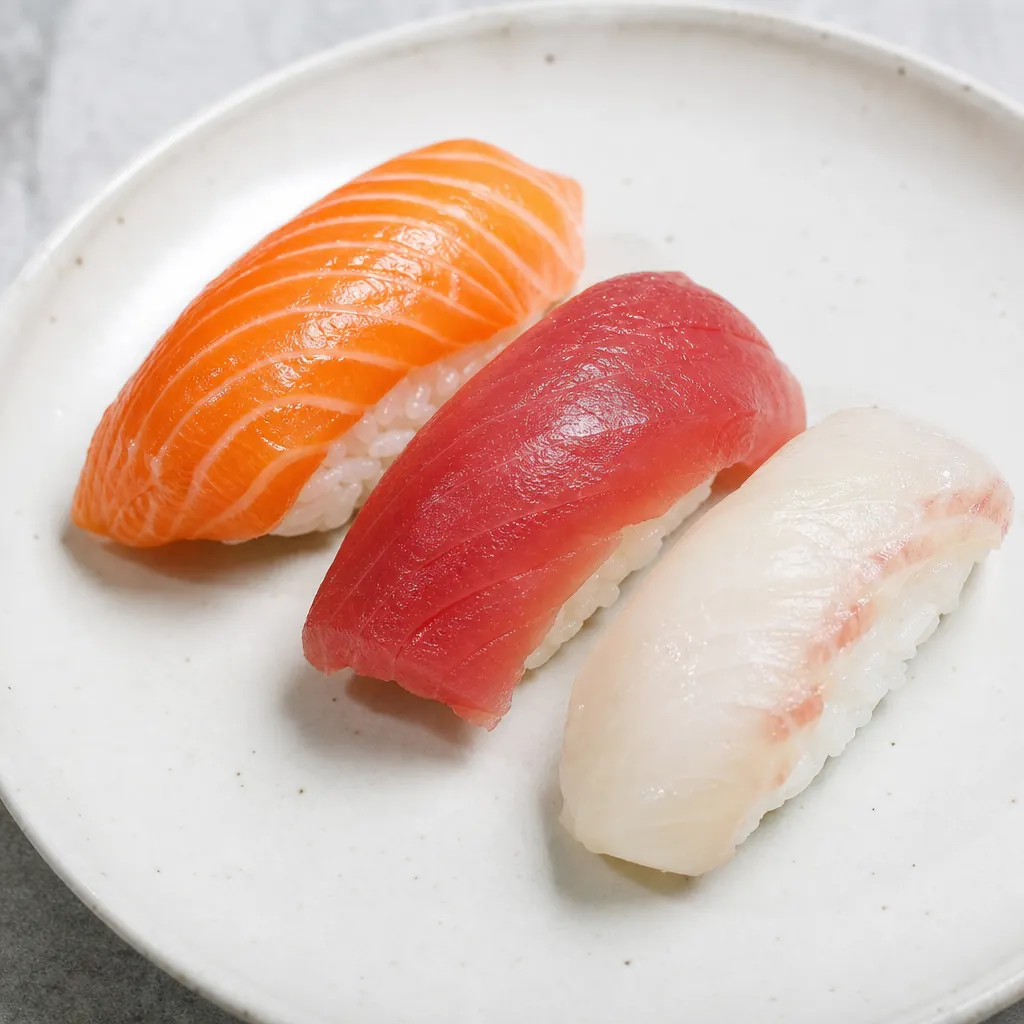
Most first-time visitors to a Japanese sushi restaurant freeze when the menu arrives. The words nigiri, maki, and sashimi look similar enough to cause real confusion, and ordering the wrong thing when you were expecting something else is a frustrating experience. Understanding the nigiri vs maki distinction alone will transform how you order, eat, and appreciate Japanese cuisine. This guide breaks down exactly what each type is, how it is prepared, and how to choose the right option for your taste and experience level at a restaurant like Zen Ramen and Sushi.
Table of Contents
- Quick Takeaways
- What Is Nigiri and Why It Demands Quality Fish
- What Is Maki and How the Rolls Differ
- Sashimi Explained: Pure Fish, No Rice
- Nigiri vs Maki: A Direct Comparison
- Sushi for Beginners: Where to Start Your Order
- Types of Sushi Beyond the Basics
- How to Eat Each Type Correctly
- Frequently Asked Questions
- References
Quick Takeaways
| Key Insight | Explanation |
|---|---|
| Nigiri is hand-pressed rice topped with fish | No seaweed wrapper is used. The quality of the rice and the freshness of the fish are both fully exposed, which is why skilled chefs treat nigiri as the true test of their craft. |
| Maki always involves a seaweed (nori) wrapper | The filling can range from simple cucumber to elaborate combinations of fish, vegetables, and sauces. Rolls are sliced into bite-sized pieces after rolling. |
| Sashimi contains zero rice | It is purely sliced raw fish or seafood, served with soy sauce and wasabi. This is the leanest and most protein-dense option on any Japanese sushi restaurant menu. |
| Beginners almost always find maki the easiest entry point | The combination of rice, nori, and fillings softens the raw fish flavor, making it more approachable than sashimi or nigiri eaten alone. |
| Sashimi grade fish carries specific freshness standards | In practice, fish served as sashimi must meet stricter handling and freezing requirements than fish used in cooked dishes. Always order sashimi from a restaurant you trust. |
| Uramaki is maki turned inside-out | The rice is on the outside and the nori is on the inside. Most Western-style specialty rolls like the California Roll are uramaki, not traditional hosomaki. |
| Wasabi and soy sauce serve different roles for each type | For nigiri, a small amount of wasabi is often placed between the rice and fish by the chef. For sashimi, you mix wasabi into soy sauce. For maki, dipping lightly is standard. |
What Is Nigiri and Why It Demands Quality Fish
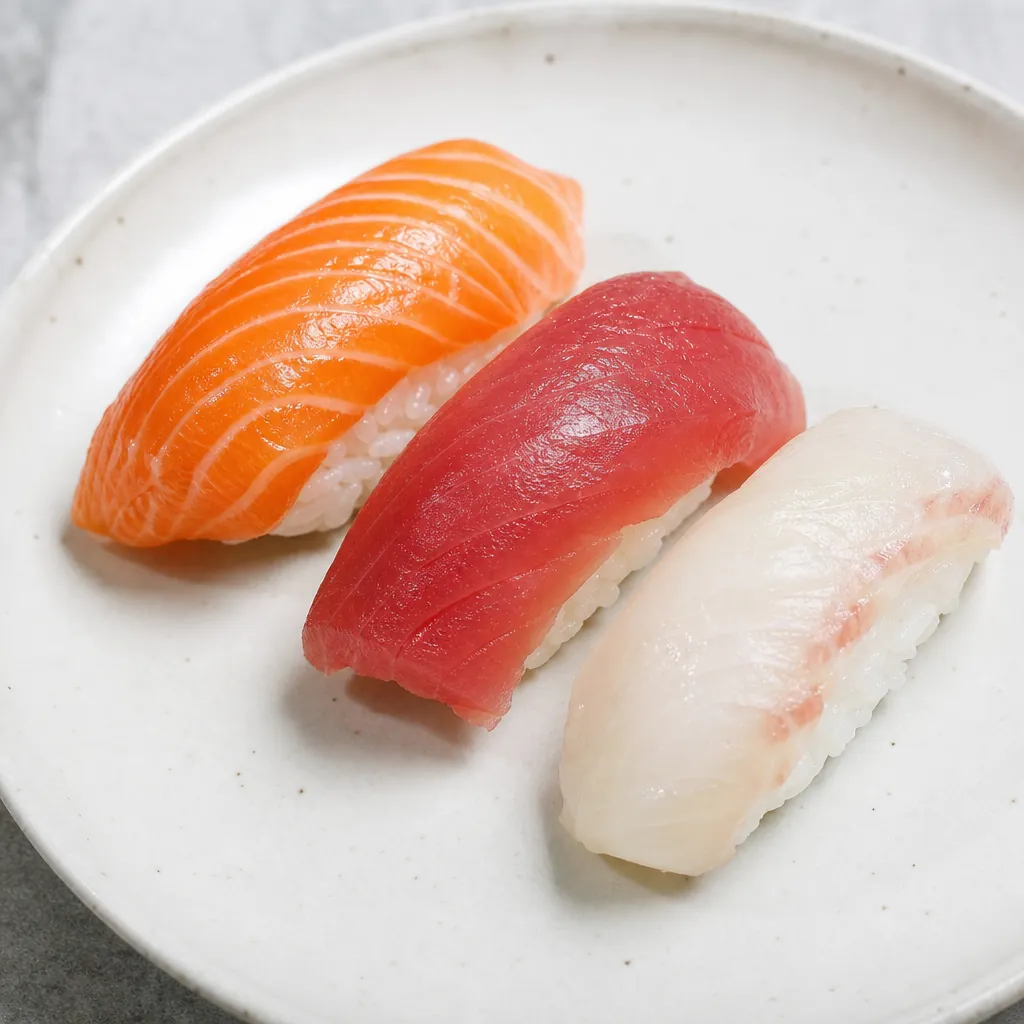
Nigiri, short for nigirizushi, is a hand-formed mound of vinegared sushi rice with a slice of fish, seafood, or other topping pressed onto it. The word nigiri literally means “gripped” or “squeezed” in Japanese, which describes exactly how a skilled sushi chef shapes each piece by hand. No mold, no tool. Just practiced pressure and technique built over years of repetition.
A common mistake diners make is assuming nigiri is just “fish on rice.” In practice, the rice itself carries enormous weight here. The temperature, seasoning, and texture of the rice are calibrated to complement the specific topping. Tuna nigiri calls for slightly different rice firmness than scallop nigiri because the textures of the proteins differ so much.
Common Nigiri Toppings Worth Knowing
The most popular nigiri toppings in a Japanese sushi restaurant include maguro (bluefin tuna), sake (salmon), hamachi (yellowtail), ebi (shrimp), and unagi (freshwater eel). Unagi is one of the few cooked options and is glazed with a sweet soy-based sauce before being placed on rice. It is an excellent starting point for diners who are cautious about raw fish.
Tamago nigiri, which uses a sweet rolled egg omelette, is another cooked option that is widely available and frequently recommended for children and first-time visitors to any sushi bar. It tastes nothing like raw fish and gives you a clear sense of how well the kitchen handles their sushi rice.
Pro tip: When eating nigiri, turn it upside down and dip the fish side, not the rice, into the soy sauce. This keeps the rice from absorbing too much liquid and falling apart in your hand.
What Is Maki and How the Rolls Differ
Maki, or makizushi, means “rolled sushi.” A bamboo mat is used to roll vinegared rice and fillings inside a sheet of dried seaweed called nori. The resulting cylinder is then sliced into six to eight rounds. What you get in your order is those individual rounds, not the full cylinder.
The category of maki covers several distinct styles, and knowing the difference between them helps you order with precision rather than guessing from a photo on the menu.
Hosomaki: The Thin Roll
Hosomaki is a thin roll with a single filling, such as cucumber (kappamaki) or tuna (tekkamaki). The nori is on the outside and the portions are compact. This style is closer to traditional Japanese sushi and carries less filling per bite than the American-style rolls many diners know.
Futomaki: The Thick Roll
Futomaki is a larger roll with multiple fillings packed in, often including vegetables, fish cake, and egg. A single piece of futomaki is genuinely filling. This type is common in Japanese home cooking and is popular during certain celebrations and seasonal meals in Japan.
Uramaki: The Inside-Out Roll
Uramaki places the rice on the outside and the nori on the inside, wrapping around the fillings. This is the format used by the California Roll, the Spicy Tuna Roll, and most of the specialty rolls you see on menus at contemporary types of sushi restaurants in the United States. The outer layer of rice is often coated with sesame seeds or tobiko (flying fish roe).
Pro tip: If you are new to sushi and want to explore multiple flavors efficiently, order one hosomaki and one uramaki roll. The contrast shows you both the traditional and contemporary faces of Japanese rolling technique side by side.
Sashimi Explained: Pure Fish, No Rice
Sashimi is not technically sushi at all, because sushi by definition requires vinegared rice. Sashimi is simply sliced raw fish or seafood, served with garnishes like shredded daikon radish, shiso leaves, wasabi, and soy sauce. It is the most direct expression of fish quality on the entire menu, with nothing to hide behind.
“Sashimi is where the fish speaks for itself. There is no rice, no sauce, no wrapper to distract you. The chef who serves excellent sashimi is telling you they trust their sourcing completely.” – Traditional Japanese culinary principle shared widely in professional chef training.
Because sashimi exposes the fish so completely, the sourcing and handling of the seafood matters more here than in any other format. The U.S. Food and Drug Administration has specific guidelines about parasite destruction in fish intended for raw consumption, which typically means the fish must be frozen at certain temperatures before being served raw. Reputable restaurants follow these protocols without exception.
How Sashimi Is Sliced
A sashimi knife, called a yanagiba, is a single-bevel blade specifically designed for long, clean, pulling cuts through fish flesh. The direction, thickness, and angle of the cut vary depending on the fish. Tuna is cut thicker because its texture holds up well. Flounder is cut thinner and sometimes scored to improve tenderness. This is skilled craft, not prep work anyone does casually.
Salmon sashimi is consistently the most popular sashimi explained entry point for beginners because its flavor is mild, its fat content gives it a buttery texture, and its bright orange color is visually approachable and not intimidating.
Nigiri vs Maki: A Direct Comparison
The most common point of confusion at a Japanese sushi restaurant is choosing between nigiri and maki when both sound appealing. The answer depends on what you actually want from the meal, not on which one sounds more authentic.
| Feature | Nigiri | Maki |
|---|---|---|
| Rice | Hand-pressed mound, topping is the focus | Rolled into cylinder, rice is part of the structure |
| Seaweed (Nori) | Rarely used, sometimes a thin strip holds topping | Always present, either on outside or inside |
| Fillings | Single topping, usually one slice of fish | One or multiple fillings wrapped inside |
| Flavor profile | Clean, direct, fish-forward | Layered, sometimes with sauces and textures |
| Best for | Diners who want to taste the fish clearly | Diners who prefer variety and blended flavors |
| Portion size | Typically ordered in pairs (2 pieces per order) | Typically 6-8 pieces per roll |
| Beginner friendliness | Medium. Fish flavor is prominent. | High. Especially uramaki with multiple fillings. |
In practice, most experienced diners at a quality Japanese sushi restaurant order both. A few pieces of nigiri show you what the kitchen’s fish sourcing looks like. A specialty maki roll shows you what the kitchen does with creativity and technique. Both together give you a well-rounded picture of what the restaurant can do.
Sushi for Beginners: Where to Start Your Order
If a friend has just brought you to a Japanese restaurant for the first time and you have never ordered sushi before, the most common mistake is over-ordering out of excitement or under-ordering out of anxiety. Both lead to a bad first experience.
The data consistently shows that first-time sushi diners who have a guided introduction are far more likely to return and become regular customers. According to the National Restaurant Association, Japanese cuisine is among the top five most popular ethnic dining categories in the United States, and familiarity drives repeat visits more than any other single factor.
A Simple Beginner Order Structure
Start with one California Roll or a cucumber hosomaki. Both are cooked or vegetable-based options with mild flavors. Add one salmon nigiri to experience what straightforward nigiri tastes like. If both appeal to you, try salmon sashimi on your next visit. This progression builds your palate without overwhelming it.
Avoid ordering the most adventurous items on your first visit. Sea urchin (uni) and fermented options have polarizing flavors that even experienced sushi eaters sometimes need time to appreciate. Jumping straight to uni as a beginner is the sushi equivalent of starting a wine journey with a heavily tannic, aged Barolo.
Pro tip: Ask your server at Zen Ramen and Sushi which rolls are their kitchen’s most requested items. Popular consensus from regular customers is one of the most reliable signals of what a restaurant executes particularly well.
Types of Sushi Beyond the Basics
Once you are comfortable with nigiri, maki, and sashimi, the broader world of types of sushi opens up with options that most menus include but rarely explain well.
Temaki: The Hand Roll
Temaki is a cone-shaped hand roll made by rolling nori and fillings into a cone, rather than a cylinder. It is meant to be eaten immediately with your hands, as the nori softens and loses its crispness within minutes. Temaki is excellent for casual dining but does not translate well to shared platters because it becomes soggy quickly.
Chirashi: Scattered Sushi
Chirashi means “scattered” and describes a bowl of seasoned sushi rice topped with an assortment of sashimi-grade fish, vegetables, and garnishes. It is not rolled, not pressed, and not wrapped. Chirashi bowls are one of the most popular lunch options in Japan and offer an efficient way to taste multiple types of fish in a single serving.
Oshi: Pressed Sushi
Oshizushi originates from the Osaka region of Japan and uses a wooden mold to compress layers of rice and fish into a block, which is then sliced into rectangular pieces. This style is less common on menus outside Japan but represents one of the oldest forms of what eventually evolved into modern sushi.
How to Eat Each Type Correctly
There is no single “correct” way to enjoy sushi that overrides personal preference, but there are conventions that make the experience better and show respect for the craft involved in preparing the food.
Nigiri can be eaten with your hands or with chopsticks. Most traditional sushi etiquette actually permits fingers for nigiri because it gives you more control and prevents the rice from being crushed by chopstick pressure. This surprises many diners who assume chopsticks are mandatory for everything at a Japanese meal.
Maki rolls are almost universally eaten with chopsticks. Picking up an entire uramaki roll with your fingers is possible but messy, and the rice tends to stick to your hands rather than stay in the roll. If a piece is too large to eat in one bite, it is acceptable to bite it in half, but do not dip a half-eaten piece back into the communal soy sauce dish.
Sashimi is always eaten with chopsticks. The slices are thin enough that picking them up requires precision, and the dipping motion into soy sauce is part of the experience. Use wasabi sparingly. A common mistake among newer diners is mixing large amounts of wasabi into the soy sauce and then drowning every piece of fish in the mixture. This masks the actual flavor of the fish entirely, which defeats the purpose of ordering high-quality sashimi in the first place.
Pro tip: The pickled ginger served alongside sushi is a palate cleanser, not a condiment to layer onto each piece. Eat a small slice between different types of fish to reset your taste buds, not alongside the sushi itself.
Frequently Asked Questions
What is the main difference between nigiri and maki?
Nigiri is hand-pressed rice with a single fish or seafood topping placed on top. Maki is rice and fillings rolled inside nori seaweed and sliced into rounds. Nigiri highlights the fish directly while maki blends multiple flavors and textures together in each bite.
Is sashimi the same as sushi?
No. Sashimi is not sushi because it contains no rice. Sushi by definition requires vinegared rice as its base. Sashimi is simply raw fish or seafood sliced and served with condiments. The two are often served at the same restaurants and from the same menu, which causes the confusion, but they are distinct food categories.
Which type of sushi is best for someone who does not like the taste of raw fish?
Maki rolls with cooked fillings are the clearest answer. A California Roll uses imitation crab (which is cooked), avocado, and cucumber. A shrimp tempura roll uses battered, fried shrimp. Unagi nigiri uses cooked freshwater eel with a sweet glaze. Tamago nigiri uses a sweet egg omelette. All of these are completely cooked options that belong firmly within the sushi category.
How do I know if a Japanese sushi restaurant uses fresh fish?
Freshness signals are visible and detectable. Fresh fish in nigiri and sashimi has a clean, mild ocean smell, not a strong or sharp fishy odor. The flesh should look vibrant and hold its shape when sliced. A restaurant’s turnover rate matters here: a busy location selling high volumes of fish rotates its inventory faster and keeps fresher stock. This is one practical reason why choosing a well-reviewed, consistently busy Japanese restaurant is a smarter choice than ordering sashimi from a quiet or unfamiliar spot.
Can I order sashimi at Zen Ramen and Sushi alongside ramen?
Yes, and this combination is actually a popular approach for diners who want a full Japanese meal. Starting with sashimi or a small sushi selection before a bowl of ramen follows a logical progression from lighter to heavier flavors. The clean, cold, delicate flavors of sashimi contrast well with the rich, warm broth of ramen. Many regular customers at Japanese restaurants use this exact pairing to build a satisfying multi-course meal without it feeling excessive.
What does sushi grade mean for fish quality?
“Sushi grade” or “sashimi grade” is not a legally regulated term in the United States, but in practice it refers to fish that has been handled and frozen according to FDA guidelines designed to eliminate parasites. Reputable fishmongers and restaurants use this term to indicate the fish meets the standards required for safe raw consumption. When a restaurant describes fish as sashimi grade, they are signaling that it passed specific handling and temperature protocols, not just that it is fresh.
What is the difference between a California Roll and a traditional Japanese maki roll?
A California Roll is an American invention, created in the 1970s to introduce Japanese flavors to diners unfamiliar with raw fish. It uses cooked imitation crab, avocado, and cucumber, rolled uramaki style with rice on the outside. Traditional Japanese hosomaki uses raw fish or a single simple filling inside a nori-out roll. The California Roll broke nearly every traditional maki convention when it was created, but it successfully introduced millions of people to Japanese cuisine and remains a gateway dish for beginners globally.
What type of sushi did you try first, and did it make you want to explore more Japanese cuisine? Share your experience below and let us know what you would recommend to a friend visiting a sushi restaurant for the first time.
References
- U.S. Food and Drug Administration: federal guidelines on fish handling and parasite destruction standards for raw seafood consumption
- Statista: consumer research and market data on Japanese cuisine popularity and restaurant dining trends in the United States
- Forbes: reporting on the growth of Japanese restaurant culture and culinary tourism across North America
- National Restaurant Association: industry data on ethnic dining preferences, customer return rates, and top cuisine categories in the U.S.
- Nutrition.gov: nutritional profiles and health considerations for raw fish, seafood, and Japanese dietary patterns