
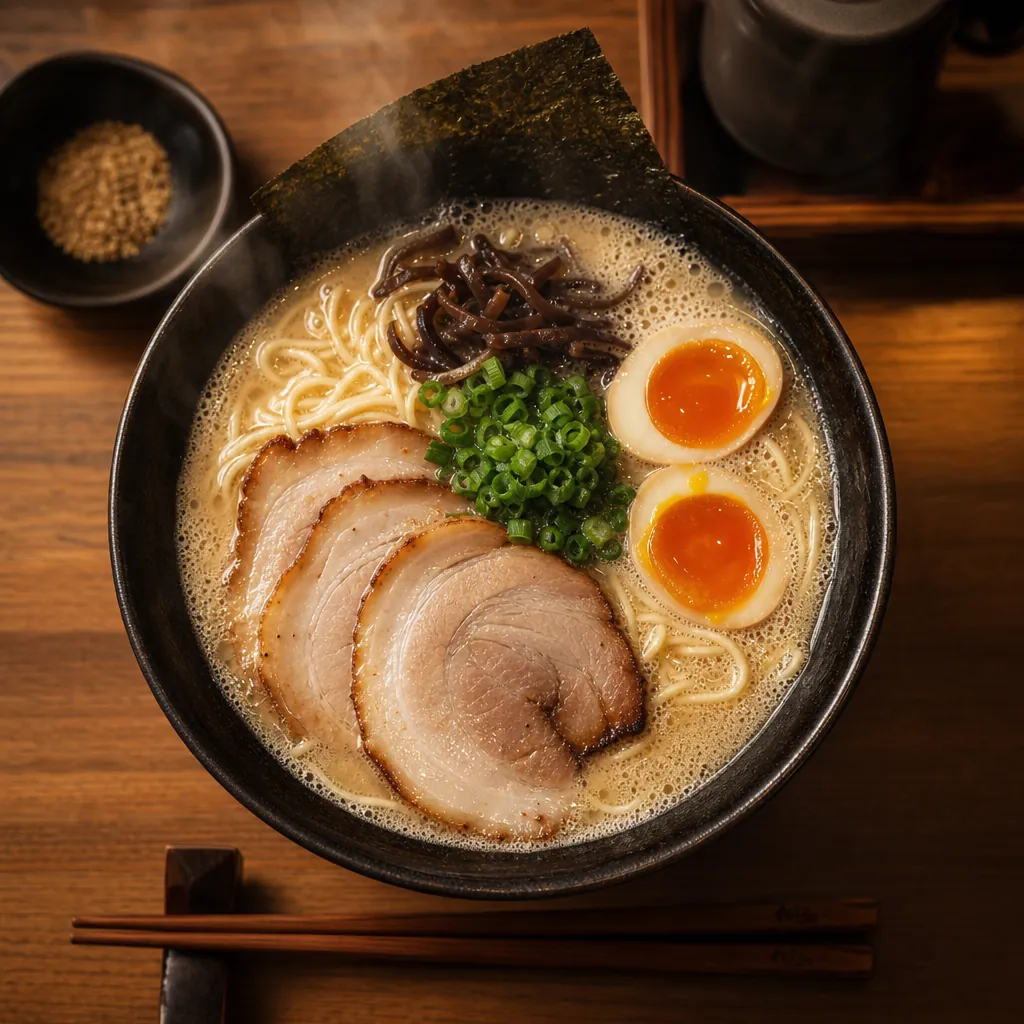
Nielsen reports that 92% of consumers trust recommendations from friends and family above all other forms of advertising. That number should stop any restaurant owner in their tracks. If you are searching for the best local Japanese restaurant because a friend told you about a bowl of tonkotsu that changed their week, you already understand something that paid advertising cannot replicate. Word-of-mouth is not a marketing tactic. It is the natural result of doing things right, consistently, and with care. At Zen Ramen and Sushi, that principle shapes everything from broth preparation to the moment a guest walks out the door.
Table of Contents
- Quick Takeaways
- Why Word-of-Mouth Dominates Restaurant Discovery
- The Ramen and Sushi Community Effect
- What Makes a Japanese Food Recommendation Stick
- Restaurant Referrals vs. Other Discovery Channels
- Authentic Japanese Dining as a Community Anchor
- How Zen Ramen and Sushi Earns Referrals
- Frequently Asked Questions
- References
Quick Takeaways
| Key Insight | Explanation |
|---|---|
| Word-of-mouth outperforms paid ads in restaurant discovery | 92% of diners trust personal recommendations over any form of advertising, making referrals the highest-ROI channel for restaurants like Zen Ramen and Sushi. |
| Broth depth signals craftsmanship instantly | A bowl of ramen made with a 12-hour tonkotsu broth communicates quality without a single word. That experience becomes the story a diner tells friends. |
| Sushi freshness is a binary trust signal | Diners know immediately whether fish is fresh. One mediocre roll ends the referral chain. Consistent quality keeps it running. |
| Community forms around ritual, not novelty | Regulars return for the same dishes weekly. That ritual is what they recommend, not a one-time special event. |
| Japanese food recommendations travel in tight social clusters | Ramen and sushi enthusiasts share recommendations within specific groups. One genuinely satisfied diner can introduce an entire friend group to a restaurant. |
| Staff knowledge amplifies the referral | When a server explains the difference between shoyu and miso broth, that conversation becomes part of the story the diner shares later. |
| Atmosphere shapes the story diners tell | A calm, intentional dining environment gives guests something to describe. A forgettable room produces a forgettable recommendation. |
Why Word-of-Mouth Dominates Restaurant Discovery
Referral traffic is not a soft metric. According to HubSpot’s marketing research, referred customers convert at a 30% higher rate than leads from other channels and have a significantly higher lifetime value. For a Japanese restaurant, that lifetime value compounds quickly because ramen and sushi are repeat-visit categories. People do not eat sushi once and move on. They find a place they trust and return regularly.
The restaurant industry has a discovery problem that algorithms cannot solve. A user searching “best local Japanese restaurant” online is comparing menus and star ratings from strangers. A person who received a specific recommendation from a friend already has emotional context. They walk in expecting to like it, and that expectation shapes their experience before the food even arrives.
In practice, the restaurants that consistently appear in personal recommendations share one trait: they created a specific memory. Not a “pretty good” experience, but a moment where the food or service exceeded what the diner expected. That gap between expectation and reality is what converts a satisfied customer into an active recommender.
Pro tip: Ask your most loyal regulars what specific dish or moment they mention when they recommend you to friends. Their answers will tell you exactly which parts of your experience are doing the referral work, and which parts are invisible to word-of-mouth.
The Ramen and Sushi Community Effect
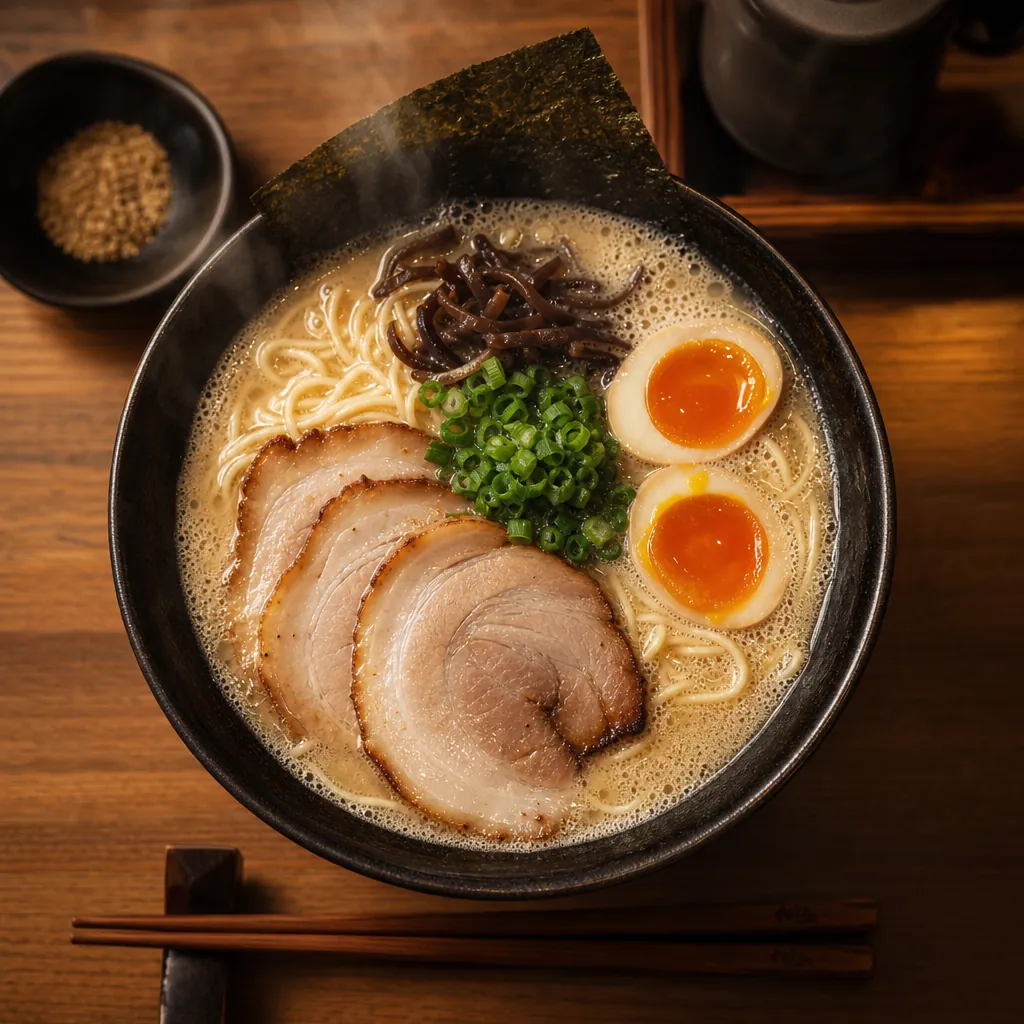
There is a specific social dynamic around Japanese food that does not apply to every cuisine. Ramen enthusiasts and sushi lovers are not casual about their preferences. They discuss broths, fish sourcing, rice temperature, and nigiri technique with the same seriousness that wine drinkers discuss terroir. This level of engagement creates a ramen and sushi community that actively shares information and recommendations.
That community has real economic weight. A single engaged ramen enthusiast who visits weekly and recommends the restaurant to four friends per year generates a measurable ripple effect. Those four friends each have their own networks. The original customer is not just a repeat diner. They are an ongoing distribution channel for the restaurant’s reputation.
How Shared Meals Create Social Bonds Around a Restaurant
Ramen and sushi are inherently social foods. Sushi is meant to be ordered and shared across the table. A large ramen order becomes a conversation about which bowl someone chose and why. These shared decisions create shared memories that are easier to recommend later because the memory belongs to a group, not just one person.
Zen Ramen and Sushi benefits from this dynamic because the menu encourages group exploration. When four people sit down and order different ramen styles, each person leaves with a different story. That multiplies the referral surface area of a single dining occasion.
Why Casual Diners Become Community Members
A common mistake is assuming that only hardcore food enthusiasts drive word-of-mouth. In practice, casual diners who have one exceptional experience are often more vocal recommenders because the experience exceeded a lower baseline expectation. They were not expecting to be moved by a bowl of ramen, and that surprise is what makes the story worth telling.
“People do not tell their friends about average experiences. They tell them about the meal that made them feel something.” – Insights from McKinsey’s consumer experience research on what drives restaurant loyalty and referral behavior.
What Makes a Japanese Food Recommendation Stick
Not all recommendations carry equal weight. A vague “you should check out this Japanese place” does not drive foot traffic. A specific recommendation, such as “order the spicy miso ramen and sit by the window,” creates a roadmap. The specificity signals genuine experience and gives the recipient clear action to take.
The data consistently shows that specificity increases conversion. According to research from Nielsen on consumer trust, recommendations that include specific details about what to order or what to expect are significantly more likely to result in a visit than general endorsements. Japanese food recommendations in particular tend to be specific because the cuisine has enough complexity to generate real opinions about individual dishes.
The Role of First Impressions in Generating Referrals
The first visit determines whether a diner becomes a recommender. A first-time guest who is greeted well, guided through an unfamiliar menu with genuine enthusiasm, and served food that delivers on its description will leave with a complete story to tell. A first-time guest who feels ignored or confused will leave with nothing worth sharing.
For a restaurant serving authentic Japanese cuisine to diners who may not be deeply familiar with the menu, staff education is not optional. The ability to explain the difference between tonkotsu and shio broth, or to describe why the salmon nigiri is exceptional on a given day, turns a transaction into a conversation. That conversation is what gets repeated.
Consistency Is the Mechanism Behind Long-Term Referrals
One exceptional meal generates one recommendation. Consistent exceptional meals generate an ongoing referral stream. The restaurants that maintain strong word-of-mouth over years are the ones where the ramen tastes the same on a Tuesday night as it does on a Friday. Inconsistency breaks trust fast, and broken trust is almost impossible to recover through marketing spend.
Pro tip: Standardize the key flavor decisions in your broth and rice preparation so that a diner who brings a friend two weeks after their first visit is not disappointed by a variation. The friend’s experience validates or undermines the original recommendation.
Restaurant Referrals vs. Other Discovery Channels
It is worth being direct about this comparison because restaurant owners frequently over-invest in channels that underperform relative to referrals. Below is a clear breakdown of how the major discovery channels compare for a Japanese restaurant in a local market.
| Discovery Channel | Conversion Quality | Community-Building Potential |
|---|---|---|
| Friend or Family Referral | Highest. The referred diner arrives with trust pre-established and a specific expectation based on the recommender’s experience. Conversion to repeat visitor is significantly higher than other channels. | Very high. Referrals bring in people already connected to existing regulars, which deepens the social fabric around the restaurant. |
| Online Review Platforms (e.g., Yelp, Google Maps) | Moderate. Diners using these platforms are actively searching and comparing multiple options. The emotional investment of a personal recommendation is absent. Trust depends on review volume and recency. | Low to moderate. Reviews can attract new diners but rarely create the group-based loyalty that referrals do. Individual reviews do not carry social context. |
| Social Media Discovery | Variable and generally low. Impressions are high but intent is low. A diner who sees a photo of ramen on a feed has no committed motivation to visit. Conversion rates from passive social exposure are weak without a strong call to action. | Moderate if content is consistent. Social media can reinforce existing loyalty but rarely creates it from scratch for a local restaurant. |
The table above is not an argument against using review platforms or social media. It is an argument for understanding which channel deserves your primary attention and energy. Restaurant referrals are not passive. They are earned through specific, repeatable actions in the dining room, and they compound over time in ways that paid impressions cannot.
Authentic Japanese Dining as a Community Anchor
Authenticity is not a marketing word. It is a functional description of a restaurant where the food reflects genuine craft and cultural knowledge. When a diner eats at a place that clearly knows what it is doing, that confidence communicates itself through every element of the meal. The temperature of the broth. The ratio of fat to clarity in the soup. The way the rice holds together in a nigiri without being over-pressed.
Authentic Japanese dining creates a reference point for diners who may not have encountered it before. Once a person understands what properly made ramen tastes like, they cannot unknow it. That knowledge makes them a credible recommender because they can articulate why a bowl is good, not just that it is good.
How Zen Ramen and Sushi Positions Itself Against Chain Japanese Concepts
The competitive landscape for Japanese restaurants in New York includes well-funded single-concept chains that have built strong brand recognition through atmosphere and operational efficiency. These establishments offer a controlled, consistent experience. What they often cannot offer is the warmth of a neighborhood restaurant where the staff recognizes you and the menu reflects genuine culinary investment rather than market research.
In practice, the diners who recommend Zen Ramen and Sushi are not recommending it as a category of food. They are recommending a specific place with specific people and a specific atmosphere. That particularity is something large-format operations cannot replicate, and it is the core of why a neighborhood Japanese restaurant can build a loyal community that chains cannot.
How Zen Ramen and Sushi Earns Referrals
Referrals do not happen because a restaurant asks for them. They happen because a diner had an experience worth describing. At Zen Ramen and Sushi, the referral-generating moments are built into the dining experience itself, not added on top of it as a promotional layer.
The broth preparation is the starting point. A tonkotsu or miso broth that has been developed over hours carries a depth that is immediately recognizable to a diner who has eaten mediocre ramen elsewhere. That contrast is the story. The fish sourcing for the sushi program creates a second referral hook because freshness in raw fish is unmistakable and memorable.
The Moment That Generates the Recommendation
Every referral has a specific origin moment. For ramen, it is usually the first spoonful of broth. For sushi, it is often the texture of a properly prepared piece of fish against well-seasoned rice. These moments are not accidents. They are the result of preparation standards that prioritize the diner’s experience over operational shortcuts.
When a diner calls a friend that evening and says “you have to try this place,” they are reliving that specific moment. The restaurant’s job is to make sure that moment exists in every meal, not just in the meals served to new guests.
Building Repeat Visits That Deepen Community Ties
A referred diner who has a good first experience is not yet a community member. They become one through repeat visits that build familiarity and personal connection. Recognizing returning guests, remembering preferences, and occasionally introducing regulars to new menu items builds the kind of relationship that makes a restaurant feel like a place a person belongs to rather than just a place they go.
Statista research on restaurant loyalty indicates that acquiring a new diner costs five times more than retaining an existing one. The math strongly favors investing in the experience that turns a referred first-timer into a weekly regular who then refers others. That cycle is how a neighborhood Japanese restaurant builds a genuine community over years, not quarters.
Frequently Asked Questions
Why do personal recommendations matter more than online reviews for finding the best local Japanese restaurant?
Personal recommendations carry emotional context that online reviews cannot provide. When a friend recommends a specific ramen or sushi restaurant, they are sharing their own experience with someone who trusts their judgment. That trust transfers to the restaurant before the first visit. Online reviews aggregate opinions from strangers with no personal connection to the reader, which reduces their persuasive weight significantly even when the star ratings are high.
What specific elements of ramen make it the most talked-about dish in Japanese food recommendations?
Broth depth is the primary driver. A properly prepared tonkotsu or miso broth creates a flavor experience that is difficult to achieve at home and clearly differentiated from quick-service alternatives. The combination of broth, noodle texture, topping quality, and bowl temperature creates a multi-layered experience with several specific details that diners naturally describe when recommending the dish. Ramen also has enough variation in style that diners often direct friends to a specific variety, which makes the recommendation feel personal and curated.
How does a ramen and sushi restaurant build a genuine community rather than just a customer base?
Community forms when diners feel a consistent personal connection to a place, not just a transaction. This requires staff who recognize regulars, a menu that rewards repeat exploration, and an atmosphere that makes people want to linger and return. The food must be the anchor, but the human elements around it are what transform individual diners into a group of people who feel they share something. Hosting occasional tasting events, seasonal menu additions, or simply maintaining quality over years all contribute to this shift from customer base to community.
What is the difference between word-of-mouth from a ramen enthusiast versus a casual diner?
A ramen enthusiast provides a credible, detailed recommendation that carries weight within food-focused social circles. Their referral is specific, comparative, and often reaches others who care deeply about quality. A casual diner who is surprised by how good a meal was generates a different but equally valuable type of referral. Their recommendation reaches people who would not have sought out the restaurant on their own, which expands the audience. Both types of referral are worth cultivating because they reach different parts of a potential customer’s social network.
How does authentic Japanese dining differ from the experience at popular single-concept Japanese chain restaurants?
Single-concept chains optimize for operational consistency and brand recognition across multiple locations. They deliver a reliable, predictable experience that is well-suited to their format. A neighborhood Japanese restaurant like Zen Ramen and Sushi offers something different: the warmth of a specific place with its own character, staff who are personally invested in the dining experience, and culinary decisions made out of genuine craft rather than standardized protocols. The guest at a neighborhood restaurant is a person, not a seat number, and that distinction is felt throughout the meal and remembered long after it ends.
Can a restaurant actively encourage word-of-mouth without it feeling forced or transactional?
Yes, but only through the quality of the experience itself. Asking customers to leave reviews or refer friends as a systematic request often feels hollow and can undermine the authenticity of the relationship. The more effective approach is to create experiences so genuinely good that referrals happen without prompting. Staff who share genuine enthusiasm about a new seasonal ramen, or who take time to explain the sourcing behind the day’s sashimi, give diners real content to share. The referral grows out of the conversation, not out of a request to recommend.
If you have visited Zen Ramen and Sushi or found your favorite Japanese restaurant through a friend’s recommendation, we would love to hear what specific moment made you want to pass it on.
References
- Nielsen research on global consumer trust in advertising and peer recommendations
- HubSpot marketing statistics on referral customer conversion rates and lifetime value
- McKinsey and Company insights on consumer experience and what drives restaurant loyalty behavior
- Statista data on restaurant customer retention costs and repeat visit economics
- Forbes coverage of word-of-mouth marketing effectiveness and community-driven brand growth