
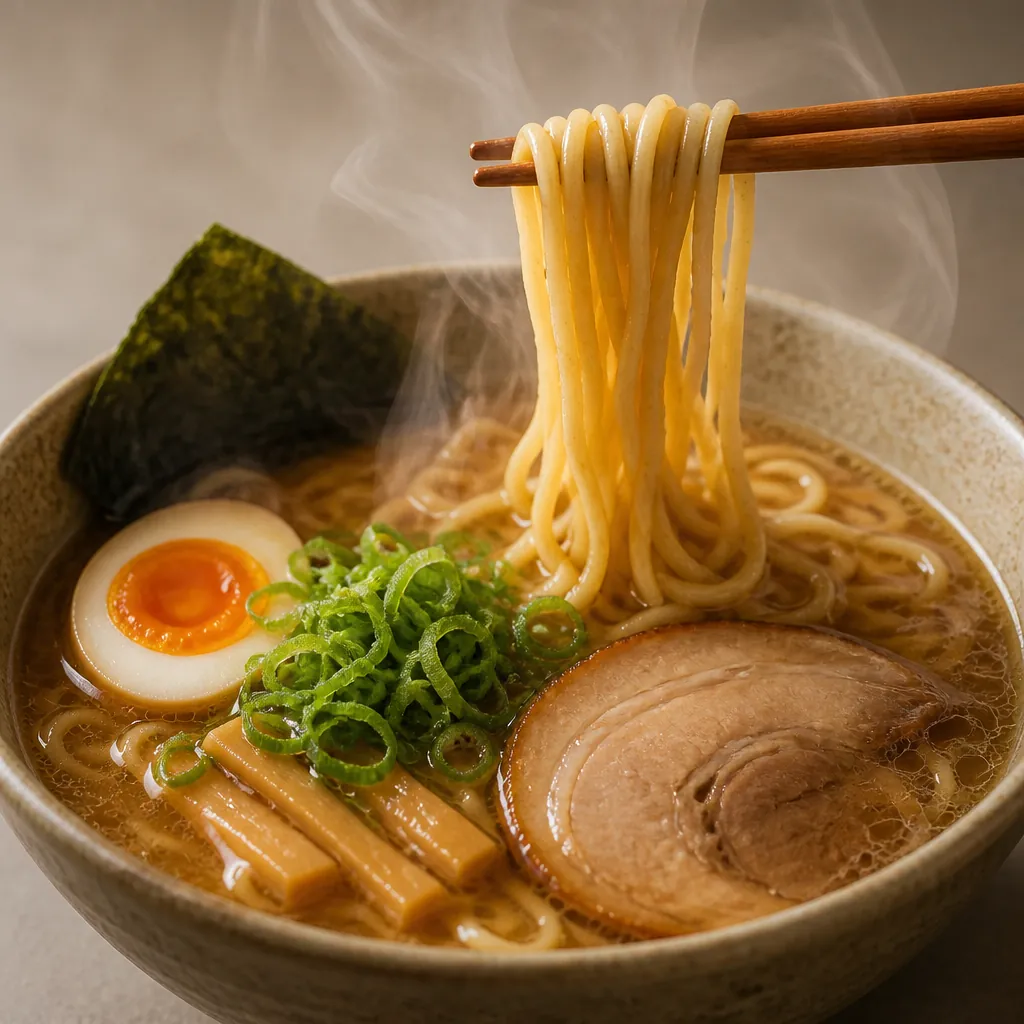
Most people finish a bowl of ramen in under four minutes. That speed is a small tragedy, because a well-crafted bowl of ramen represents hours of simmering broth, precisely timed noodles, and ingredients chosen with real intention. Mindful eating Japanese food is not a wellness trend with a catchy hashtag. It is a centuries-old practice baked into how Japanese cuisine is designed, served, and consumed. At Zen Ramen and Sushi, every bowl and every roll is built around these same principles, and understanding them changes the way you experience your meal.
Table of Contents
- Quick Takeaways
- What Mindful Eating Means in Japanese Food Culture
- Slow Food Culture Japan: The Philosophy Behind the Pace
- Ramen and Mindfulness: A Bowl That Demands Your Attention
- Sushi and the Art of Presence
- Comparing Three Mindful Eating Frameworks from Japanese Tradition
- How to Practice Mindful Eating at a Japanese Restaurant
- Frequently Asked Questions
- References
Quick Takeaways
| Key Insight | Explanation |
|---|---|
| Itadakimasu is not just a formality | This pre-meal phrase, meaning “I humbly receive,” anchors your attention to gratitude before the first bite, shifting you from autopilot eating to conscious presence. |
| Hara hachi bu rewires your stopping point | The Okinawan principle of eating to 80% fullness works because the brain takes roughly 20 minutes to register satiety. Stopping early prevents overeating and promotes satisfaction over stuffing. |
| Ichiju-sansai structures the meal to slow you down | One soup and three dishes spread your attention across varied textures and flavors, forcing you to pause between bites rather than tunnel-eating a single large portion. |
| Slurping ramen is a sensory tool, not bad manners | Drawing air through the noodles cools them and drives aromatic compounds into the retronasal cavity, intensifying the flavor experience and making you more aware of what you are tasting. |
| Shun (seasonality) connects you to the present moment | Eating ingredients at their seasonal peak is itself a mindfulness practice. It roots the meal in a specific time and place rather than a generic, any-day experience. |
| Silence at the table is an invitation, not awkwardness | Japanese dining culture deliberately reduces table noise to keep attention on the food. A quieter table is a more flavorful table. |
| The ramen shop environment is purpose-built for focus | Counter seating, solo booths, and a direct line of sight to the chef are architectural choices that minimize distraction and maximize sensory engagement with the bowl. |
What Mindful Eating Means in Japanese Food Culture
Mindful eating is sometimes reduced to “eating slowly and chewing more.” That is a pale version of what Japanese dining philosophy actually demands. Japanese food culture treats the meal as a complete sensory and moral event, not just a caloric transaction.
It starts with washoku, the foundational concept that Japanese cooking is guided by the harmony of food. Every element on the plate, from the color of garnishes to the weight of a ceramic bowl, is considered in relation to everything else. The meal is designed to be observed and appreciated before it is eaten.
The ritual bookends matter just as much. Before eating, the phrase itadakimasu (“I humbly receive”) acknowledges the farmer, the animal, and the natural forces that produced the meal. After eating, gochisousama (“thank you for the feast”) closes the experience with gratitude. These are not empty customs. They function as deliberate pauses that separate eating from everything else happening in the day.
A common mistake among diners new to Japanese food is treating these phrases as decoration. In practice, they are the on and off switch for a mindful eating session. Skipping them is like trying to meditate while scrolling a phone.
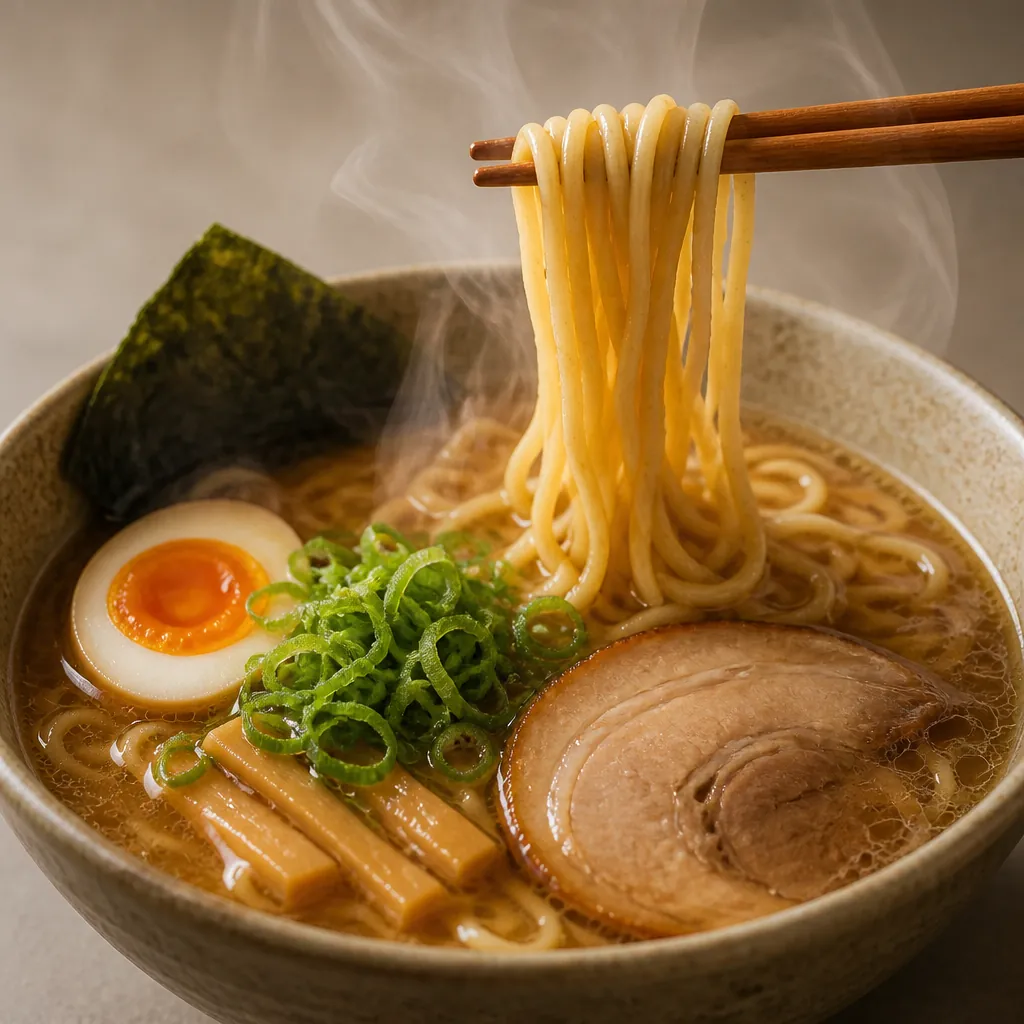
Japanese cuisine is also built around umami, the fifth taste derived from ingredients like kombu seaweed and bonito flakes. Umami rewards attention. It is a deep, layered flavor that only reveals itself to someone who is actually paying attention to what they are eating. Rush through a bowl of tonkotsu ramen and you taste “salty broth.” Slow down and you begin to notice the richness of the pork bone, the slight sweetness of the tare, the oceanic back-note of dried fish. The food teaches you to be present by offering more the more carefully you listen.
“Mindful eating is not just about consumption. It is about engaging all your senses and appreciating the immense effort and history captured in a single serving.”
Slow Food Culture Japan: The Philosophy Behind the Pace
Slow food culture in Japan is not a protest movement against fast food. It is simply the natural consequence of a culinary tradition that has always insisted on doing things the right way, regardless of how long that takes. Ramen broth that simmers for 12 to 18 hours is not slow for the sake of being artisanal. It is slow because shortcuts produce a lesser broth, and a lesser broth is not worth serving.
Ichiju-Sansai: The Structural Architecture of Slow Eating
One of the most durable frameworks for slow, mindful eating in Japan is ichiju-sansai, which translates to “one soup, three dishes.” The format traces back to Heian period court cuisine and was standardized by the Edo period. It structures a meal around a soup, a main dish, and two smaller side dishes, typically accompanied by rice.
This structure is a built-in brake on speed. When your attention is distributed across multiple small dishes with different flavors and textures, you naturally slow down. You cannot shovel through ichiju-sansai the way you can work through a single large plate. The variety of tastes, from salty to umami to subtly sweet, keeps you engaged course by course rather than numbed by repetition.
Hara Hachi Bu: Eating to 80% Full
Hara hachi bu is a principle rooted in Okinawan culture, derived from a Confucian teaching, that translates to “eat until you are 80 percent full.” The practice accounts for a real biological delay: it takes approximately 20 minutes for stretch receptors in the stomach and hormonal signals to communicate fullness to the brain. By stopping at 80% perceived fullness, you allow that delay to resolve, and you often find that genuine satisfaction arrives within a few minutes of putting down your chopsticks.
This principle is not about deprivation. It is about trusting the process and paying close enough attention to your own body to catch the signal before it becomes discomfort. That level of attention is, by definition, mindful eating.
Pro tip: At your next meal, put your chopsticks down completely between every two or three bites. This physical pause forces a mental one, and it is the simplest way to begin practicing hara hachi bu without any prior knowledge of Japanese dining philosophy.
Shun: Seasonal Eating as a Mindfulness Practice
The Japanese concept of shun refers to consuming food at its peak seasonality, when ingredients are at their most flavorful and nutritious. Every dish in Japanese cuisine flows from this philosophy. Eating with the seasons does more than improve flavor. It roots the meal in a specific time and place. You are not eating “salmon.” You are eating salmon in autumn 2026, at a particular table, in a particular moment that will not come again. That specificity is mindfulness in its most practical form.
Ramen and Mindfulness: A Bowl That Demands Your Attention
Ramen is probably the most misunderstood dish when it comes to mindfulness. Its reputation for being consumed quickly, standing at a counter, eating alone, seems at first to run against the idea of a contemplative meal. But that reputation is the point. Ramen and mindfulness are not accidentally connected. The traditional ramen-ya is an environment engineered for focused eating.
The Ramen Shop as a Space for Presence
The design of a classic ramen shop removes distraction by default. Counter seating gives you a direct view of the chef and the cooking process. Solo booths, common in many ramen shops, eliminate social pressure to perform conversation. The act of ordering, sometimes through a ticket machine, then waiting quietly for your bowl, creates a pre-meal ritual that functions as preparation rather than mere queuing.
The bowl itself arrives as a complete composition. The color contrast of tare-glazed chashu against the pale broth, the precise placement of a soft-boiled egg, the green of scallions against white fat droplets on the surface. These are not accidents. They are invitations to look before you eat.
Why Slurping Is an Act of Mindfulness
In traditional Japanese dining etiquette, slurping ramen and soba noodles is not only acceptable but encouraged. Drawing air through the noodles as you eat them serves real purposes. It cools the noodle strand rapidly as it leaves the hot broth, and it drives aromatic compounds directly into the retronasal cavity, the back passage connecting the throat to the nose, where flavor perception is most acute.
The practical result is that slurping makes you taste more of what is in your bowl. It is a sensory amplifier, not a breach of manners. More importantly, it requires you to slow down and attend to what you are eating rather than swallowing mechanically.
Pro tip: Before you take your first sip of ramen broth, hold the spoon under your nose for a moment and breathe. The aromatic compounds in a well-made broth are far more complex than what you taste alone, and taking a second to smell it before drinking resets your attention entirely.
The mindfulness embedded in ramen is also about respect for process. A broth built on pork bones, chicken carcasses, or dried seafood represents hours of patient cooking. Rushing through the bowl disrespects that work in the most literal sense. Paying attention to what is in front of you is the minimum courtesy owed to the person who made it.
Sushi and the Art of Presence
Sushi asks something specific of you: full attention to a single bite. A piece of nigiri is not designed to be part of a distracted, multi-tasking meal. It is designed to be the only thing happening for about three seconds. That is the entire duration of the experience, and if you are not present for it, the nuance is gone.
The Role of Freshness in Forcing Attention
Fresh fish has a delicacy that disappears when attention lapses. The clean sweetness of properly sourced fish, the subtle temperature contrast between cool fish and slightly warm shari (the seasoned rice), the precise amount of wasabi placed between the two: none of this registers if you are eating mechanically. Japanese cuisine insists on freshness not just for nutritional reasons but because freshness is what makes the experience worth paying attention to.
The Japanese concept of shun applies directly here. A sushi chef worth their skills sources fish based on what is at its seasonal peak, and each piece on the plate is an expression of that specific moment in the culinary calendar. Being present for that is both a pleasure and a form of respect.
Omakase and the Practice of Surrender
The word omakase means “I leave it up to you.” When you order omakase, you surrender the menu decision entirely to the chef. The experience is typically paced slowly, encouraging diners to savor each bite and engage with the stories behind the ingredients. Courses might start with delicate sashimi, move through nigiri featuring seasonal fish, and include warm dishes that reveal the chef’s range.
Surrendering control of the menu is, in itself, a mindfulness practice. You cannot project forward to what you want next because you do not know. You are forced into the present bite, the present flavor, the present moment. That is what makes omakase one of the most genuinely mindful dining formats available anywhere in the world.
Comparing Three Mindful Eating Frameworks from Japanese Tradition
Japanese dining philosophy does not offer one single technique for mindful eating. It offers several, each operating at a different level of the meal. Here is how the three most practical frameworks compare.
| Framework | Core Principle | How It Shows Up at the Table |
|---|---|---|
| Hara Hachi Bu | Stop eating at approximately 80% fullness to honor the body’s natural satiety signals | Eating smaller portions, pausing between courses, and leaving a little in the bowl deliberately rather than finishing out of habit |
| Ichiju-Sansai | Structure the meal as one soup and three dishes to ensure variety, balance, and a naturally slower pace | Distributing attention across multiple small dishes instead of plowing through a single large one. A ramen bowl plus a few small bites of sushi approximates this rhythm. |
| Itadakimasu / Gochisousama Ritual | Frame the meal with pre-meal gratitude and post-meal acknowledgment to create conscious entry and exit from the eating experience | A brief pause before the first bite and a moment of appreciation after the last. These phrases convert an ordinary meal into a bounded, intentional event. |
In practice, these three frameworks reinforce each other. Saying itadakimasu before you eat puts you in a state of attention. Ichiju-sansai structure keeps your attention distributed and slow. Hara hachi bu stops you before fullness tips into discomfort. Together they form a complete system for eating that nourishes rather than numbs.
How to Practice Mindful Eating at a Japanese Restaurant
Reading about mindful eating and actually practicing it at a restaurant are different things. The table is where theory meets habit, and habit is hard to interrupt. Here is what actually works when you sit down.
Before the Food Arrives
Put your phone face-down before the food arrives. Not silenced, not face-up. Face-down. The visual presence of a screen is enough to split attention even when no notification appears. Japanese dining culture encourages quiet appreciation over entertainment, and that starts before the first dish lands.
If you are with company, try talking about what you ordered and why you chose it. This brief ritual connects you to the upcoming meal rather than to the conversation you were having before you walked in.
While Eating Ramen
Look at the bowl before you touch it. Note the color of the broth, the way the fat sits on the surface, the arrangement of toppings. This is not precious or affected. It is the same attention a chef used to build that bowl, and mirroring it for even ten seconds resets your pace entirely.
Taste the broth on its own first. Not with noodles, not with a topping. Just the broth, from a spoon. Everything in that bowl was built to support that liquid, and understanding it before you complicate it with noodles makes every subsequent bite more layered.
While Eating Sushi
Eat nigiri in a single bite. This is not just etiquette. The piece is constructed to deliver a specific ratio of fish, rice, wasabi, and sometimes soy in one complete mouthful. Biting halfway through and putting it back on the plate breaks the design. Eating it whole forces you to be present for the full sequence of flavors as they develop.
Resist the urge to drown every piece in soy sauce. A well-made piece of sushi has already been seasoned by the chef, and excess soy masks the nuance that makes fresh fish worth paying attention to. Trusting the chef’s seasoning is itself an act of mindful presence.
The Role of Silence
Japanese dining culture does not demand total silence, but it does treat quiet as a resource rather than a void to fill. Silence at the table allows you to focus on flavors, colors, and the present moment. A meal eaten in even partial quiet is consistently more memorable than one eaten over loud music and competing conversations. You do not need a hushed room. You need a few seconds between bites where your full attention is on the food.
Pro tip: Try taking three full breaths between your soup course and your main course at your next meal. This is not a yoga exercise. It is a physiological reset that reduces eating speed, sharpens taste perception, and gives the hara hachi bu signals time to begin their 20-minute journey to your brain.
Frequently Asked Questions
What does “mindful eating Japanese food” actually mean in practice?
It means approaching a Japanese meal with deliberate attention rather than automatic consumption. Concretely, this includes pausing before eating (with itadakimasu), observing the food before touching it, eating slowly enough to distinguish individual flavor layers, and stopping before feeling overfull. It does not require meditation experience or any special knowledge. It just requires slowing down enough to notice what is in front of you.
Is slow eating actually better for digestion?
Yes, and the mechanism is straightforward. Digestion begins in the mouth with salivary enzymes, and chewing more thoroughly gives those enzymes more time to begin breaking down food before it reaches the stomach. Eating slowly also reduces the likelihood of swallowing air, which contributes to bloating. Beyond the chemistry, slower eating gives the brain time to register satiety accurately, which means you are more likely to stop eating at the right point rather than continuing past it.
Why does Japanese ramen culture encourage eating quickly if mindfulness is the point?
There is a distinction worth making here. Ramen is meant to be eaten while hot and before the noodles over-absorb the broth and become soggy. That is a practical demand for attention and presence, not a license for distracted speed-eating. Eating ramen efficiently, meaning with focus and without unnecessary delay, is different from eating it with your phone out and your mind elsewhere. The goal is engaged eating, not slow eating for its own sake.
How is sushi connected to mindfulness?
Sushi in its traditional form, particularly nigiri, is a single-bite experience built around precise flavor ratios and the peak freshness of seasonal fish. It demands presence because its nuances are genuinely brief. The temperature contrast, the delicacy of the fish, the balance of the seasoned rice: these things register only if you are paying attention. Sushi also follows the Japanese concept of shun, seasonal peak sourcing, which roots each piece in a specific moment. Eating it mindfully is what allows you to actually experience that.
What is the relationship between Japanese dining philosophy and wellness?
Japanese culinary philosophy treats food as a holistic approach to wellness that encompasses mindfulness, balance, and a connection to nature. The emphasis on fresh, seasonal ingredients, moderate portions, varied textures, and ritualized eating practices produces meals that are nourishing at every level, not just calorically. Principles like hara hachi bu (stopping at 80% fullness) and ichiju-sansai (structured variety) create natural portion control and sensory engagement without requiring discipline or restriction.
Can I practice mindful eating at a casual Japanese restaurant, or does it require a formal setting?
Completely casual settings work just fine. The principles behind mindful eating in Japanese cuisine, pausing before eating, observing the food, eating slowly, noticing flavors, stopping before fullness, do not require ceremony or an expensive omakase counter. A bowl of ramen and a few pieces of sushi at any good Japanese restaurant are more than enough to practice with. The environment helps, but the practice lives in your own attention, not in the setting.
What is the difference between Japanese slow food philosophy and mindful eating trends in Western wellness culture?
Western mindful eating frameworks tend to focus primarily on the individual’s psychological relationship to food, hunger cues, and emotional triggers. Japanese slow food culture builds mindfulness into the structure of the meal itself: the rituals, the portion formats, the etiquette, the environment of the restaurant. The result is that Japanese dining encourages mindfulness through design rather than willpower. You do not have to remind yourself to slow down when the food, the setting, and the customs are already doing that work for you.
Have you noticed a difference in how present you feel while eating ramen or sushi compared to other meals? We would love to hear what the experience is like for you.
References
- How ramen philosophy connects mindfulness and Japanese food culture
- The Zen way of mindful Japanese cuisine and washoku principles
- Hara hachi bu: the Okinawan mindful eating practice explained
- A guide to Japanese cuisine, shun, and umami philosophy
- Japanese mindful dining, silence, and reflective eating practices