
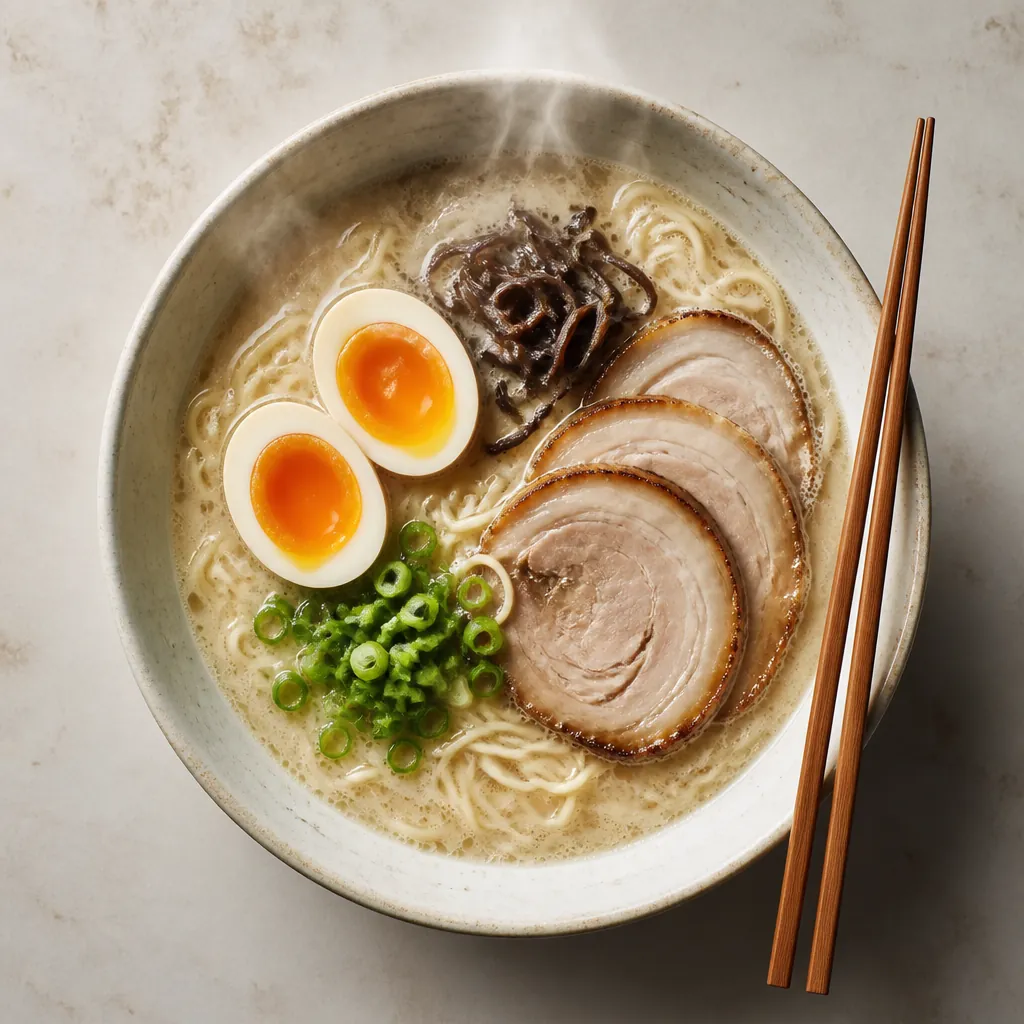
You walk in, sit down, and the menu is two pages of Japanese terms, broth types, and topping options you’ve never seen before. A server sets down a small dish of pickled ginger and you’re not sure if it’s a snack or a condiment. Sound familiar? For anyone visiting a Japanese ramen and sushi restaurant for the first time, the experience can feel equal parts exciting and overwhelming. This guide cuts through every point of confusion, from understanding broth styles to knowing how to handle your soy sauce without accidentally insulting anyone. By the end, you’ll order confidently, eat well, and actually understand what you’re tasting.
Table of Contents
- Quick Takeaways
- Understanding Ramen Broth Types Before You Order
- How to Customize Your Ramen Bowl
- Sushi Types Every First-Timer Should Know
- How to Order Sushi Without Overthinking It
- Dining Etiquette at a Japanese Restaurant
- Ramen vs. Sushi: What to Order First
- Frequently Asked Questions
- References
Quick Takeaways
| Key Insight | Explanation |
|---|---|
| Broth type is your most important ramen decision | Tonkotsu is rich and creamy, shoyu is salty and lighter, miso is earthy, shio is the most delicate. Pick based on how heavy you want your meal. |
| Pickled ginger is a palate cleanser, not an appetizer | Eat it between different pieces of sushi to reset your taste buds. Do not pile it on top of your roll. |
| Dip sushi fish-side down into soy sauce | Dipping the rice side soaks up too much soy sauce and throws off the balance of flavors the chef designed. |
| Slurping ramen is acceptable and encouraged | In Japanese dining culture, slurping noodles is a sign of enjoyment. It also cools the broth as you eat. Don’t hold back. |
| Start sushi with mild, cooked, or vegetable options | California rolls, cucumber maki, and salmon nigiri are excellent entry points that don’t require a taste for strong raw fish. |
| Don’t mix wasabi into your soy sauce | The traditional approach is to place a small amount of wasabi directly on the sushi. Mixing it into soy sauce is considered messy and wastes both ingredients. |
| Ask about noodle firmness when ordering ramen | Many ramen restaurants let you request your noodle texture: soft, regular, or firm (kata). Firm noodles hold up better as you eat, especially if you’re a slow eater. |
Walking into Zen Ramen and Sushi for the first time, the most common mistake people make is not the food itself. It’s the ordering process. They pick the first familiar-sounding item, play it completely safe, and walk away having missed most of what makes Japanese cuisine worth coming back for. This guide is designed to fix that, starting with the part of the menu that usually intimidates people the most: ramen.
Understanding Ramen Broth Types Before You Order
The single most useful piece of knowledge you can bring to a ramen restaurant is knowing the four major broth categories. Every other decision, toppings, noodle style, protein, flows from this one choice.
Tonkotsu: Rich, Creamy, and Pork-Forward
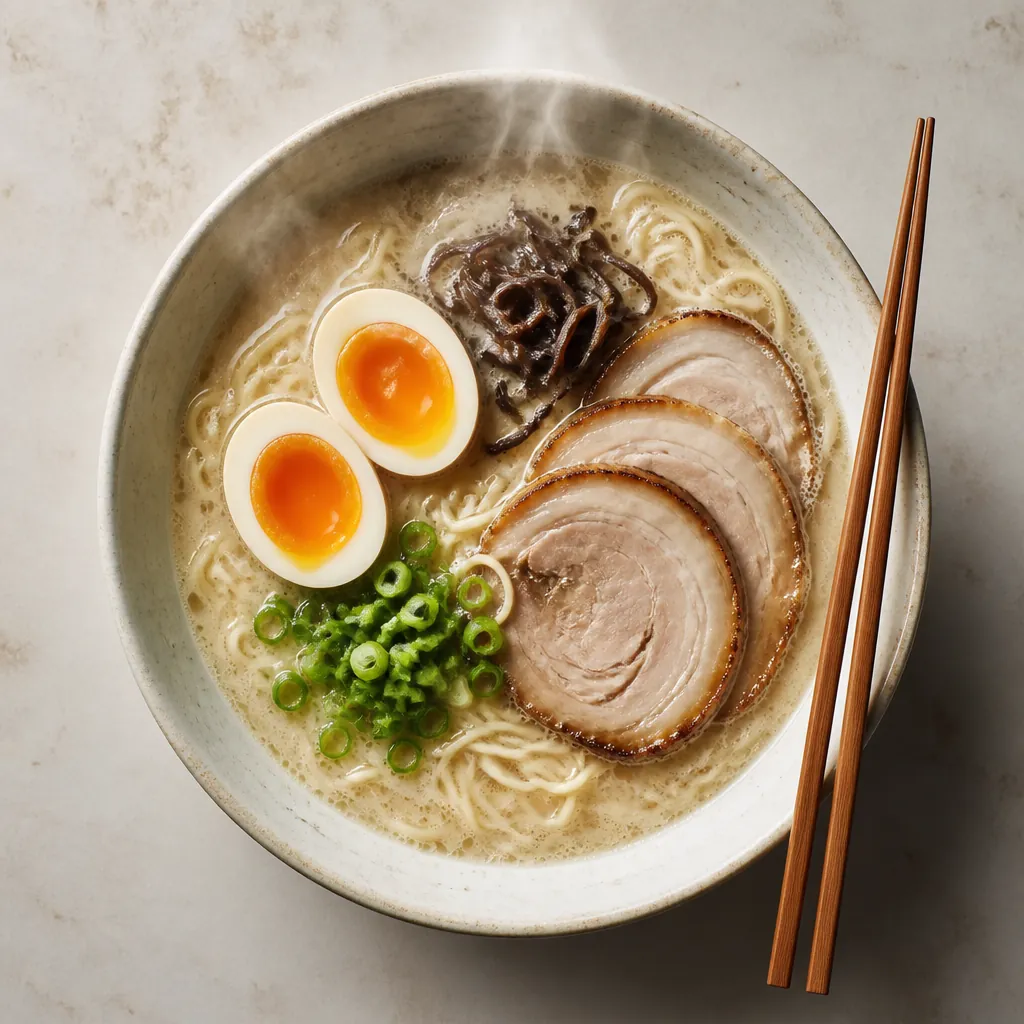
Tonkotsu broth is made by boiling pork bones for hours, sometimes an entire day, until the fat, collagen, and marrow dissolve into a thick, milky, beige-white liquid. The result is deeply savory, almost buttery, and unmistakably rich. This is the broth that converted most non-ramen eaters into regulars. If you’re not sure where to start and you enjoy hearty, full-flavored meals, tonkotsu is the answer.
One important note: tonkotsu (pork bone broth) is completely different from tonkatsu (breaded pork cutlet). Don’t let the similar spelling trip you up on your first visit.
Shoyu: The Everyday Classic
Shoyu ramen uses a soy sauce seasoning base, which gives the broth a clear to light brown color and a savory, slightly salty flavor. It’s the most common style found across Japan and the one most people unconsciously picture when they think of restaurant ramen. The broth is typically lighter than tonkotsu but still deeply flavorful. It’s a great middle-ground choice if you want something satisfying without being too heavy.
Miso: Earthy and Bold
Miso ramen gets its distinctive flavor from fermented soybean paste, which creates a complex, earthy, slightly sweet broth. It’s heartier than shoyu and pairs especially well with corn, butter, and ground pork as toppings. If you enjoy bold, fermented flavors (think: miso soup amplified into a full meal), this is a strong choice.
Shio: Light, Delicate, and Underrated
Shio ramen uses a salt-based seasoning and produces the clearest, most delicate broth of the four. It’s often made with chicken or seafood stock and highlights the natural flavor of the ingredients rather than masking them. Shio is frequently overlooked by first-timers who assume it will taste boring. It won’t. It’s the choice that shows off the kitchen’s technical skill most clearly.
A well-made bowl of ramen is not fast food dressed up. Every component, the broth, the noodles, the tare, and the toppings, is designed to work together. Ordering well means understanding the system, not just picking what sounds familiar.
How to Customize Your Ramen Bowl
Most ramen restaurants, including Zen Ramen and Sushi, give you meaningful choices beyond just picking a broth. Knowing what those choices mean puts you in control of the experience instead of leaving it to chance.
Noodle Firmness
Many ramen restaurants let you specify how firm you want your noodles. Common options run from soft (やわらかい, yawarakai) through regular to firm (かた, kata). Firm noodles are generally the better choice if you expect to eat slowly or if you’re sharing dishes, because they hold their texture longer in the hot broth. If you prefer a softer, more yielding bite, go regular or soft. There’s no wrong answer here, just personal preference.
Broth Richness and Oil Level
Some restaurants allow you to adjust the richness (concentration of the broth) and the amount of oil or fat floating on top. If you’re new to tonkotsu and worry about it being too heavy, asking for a lighter fat level is a perfectly reasonable request. On the other hand, if you love richness, the extra oil carries a lot of the flavor.
Toppings Worth Knowing
Standard ramen toppings each serve a purpose. Chashu is braised, often melt-in-your-mouth pork belly or shoulder, and it’s the protein anchor of most bowls. Menma are fermented bamboo shoots that add a slightly crunchy, earthy contrast. Nori (dried seaweed) absorbs broth and adds umami. A soft-boiled marinated egg (ajitsuke tamago) brings richness and a hint of sweetness. Negi (green onions) add a fresh bite that cuts through the fat. You don’t need to memorize all of these, but knowing what you’re looking at on the menu makes the difference between an accidental order and a deliberate one.
Pro tip: If you’re eating ramen for the first time and want the most complete tasting experience, order the bowl as the kitchen recommends it, without substitutions. Add or remove things on your second visit once you know what the default tastes like.
Sushi Types Every First-Timer Should Know
The word “sushi” covers a lot of ground. Most people use it as a catch-all for Japanese food involving raw fish, but the actual category is much more specific, and understanding it will make your ordering dramatically easier.
Sushi, technically, refers to vinegared rice. What goes on top or inside that rice determines the type. Sashimi, by contrast, is just sliced fish or seafood with no rice at all. These are related but not the same thing, and mixing them up when ordering at the bar is a common first-timer mistake.
Nigiri: The Classic Two-Ingredient Format
Nigiri sushi is a hand-pressed mound of vinegared rice with a single piece of fish or seafood placed on top. It’s a deliberately simple format designed to let the quality of the fish speak clearly. Salmon nigiri, tuna nigiri, and shrimp nigiri are excellent entry points. The rice and fish are the entire dish, and the balance between them is what good sushi chefs spend years perfecting.
Maki: Rolls for Everyone
Maki rolls are what most first-timers picture when they think of sushi. Rice and fillings are wrapped in nori (dried seaweed) and sliced into rounds. They range from a plain cucumber maki to elaborate multi-ingredient specialty rolls. For anyone nervous about raw fish, a vegetable avocado roll or a California roll (which uses cooked crab or imitation crab) is a great starting point that lets you get comfortable with the flavors and textures before moving further.
Sashimi: Fish Without the Rice
Sashimi is simply sliced raw fish or seafood, served without rice. Because there’s nothing to hide behind, the quality of the fish is the entire point. Order sashimi when you want to focus purely on the fish itself. Salmon and yellowtail (hamachi) are among the most approachable choices for newcomers because of their buttery texture and mild flavor.
How to Order Sushi Without Overthinking It
The practical process of ordering sushi at a restaurant like Zen Ramen and Sushi is straightforward once you drop the assumption that you need to know everything before you start. You don’t. You need a reasonable starting strategy, and the rest comes with the meal.
Start Small and Build
Rather than ordering everything at once, begin with two or three items, eat them, and then add more. This approach lets you pace the meal properly and avoid wasting food or money on items you ordered before realizing you were already full. At a sit-down restaurant, ordering in rounds is completely normal and expected.
How Much to Order Per Person
A practical guideline for a moderate appetite: three to four rolls of maki, or six to eight pieces of nigiri, plus a starter like miso soup or edamame, is usually a satisfying meal. If you’re combining sushi with ramen as part of a larger Japanese restaurant experience, scale down the sushi order by about a third. The ramen bowl is a full meal on its own, and the combination should feel balanced, not punishing.
The Omakase Option
Some Japanese restaurants offer omakase, a Japanese term meaning roughly “I’ll leave it up to you,” where the chef selects and prepares the meal for you. This is an excellent option for first-timers who feel paralyzed by choice, because it hands the decision over to someone who knows the menu and can read what’s fresh that day. Ask your server whether a tasting or chef’s selection option is available.
Pro tip: When ordering nigiri for the first time, start with salmon (sake) or tuna (maguro). Both have a mild, accessible flavor profile that works well as an entry point before moving toward more assertive fish like mackerel (saba) or sea urchin (uni).
Dining Etiquette at a Japanese Restaurant
You don’t need to perform a deep study of Japanese table customs to have a good meal. But there are a handful of practical habits that make the experience better for you and that show genuine respect for the food being served.
Soy Sauce and Wasabi
Pour a small amount of soy sauce into your dipping dish. The goal is to use it all, not to have soy sauce left over at the end. When dipping sushi, place the fish side into the soy sauce briefly. Dipping the rice side first soaks up far more soy sauce than intended and can cause the piece to fall apart.
Wasabi should be added in small amounts directly to the sushi, not stirred into the soy sauce as a thick slurry. Mixing wasabi into the soy sauce is common in many American Japanese restaurants, but it’s considered imprecise because you can’t control the ratio properly, and it overwhelms the subtle flavor of the fish. Add just a trace of wasabi to the fish using your chopstick tip if you want heat.
Pickled Ginger Is a Palate Cleanser
The pink or pale-yellow slices of pickled ginger (gari) served alongside sushi are not a condiment to pile on top of your roll. They’re meant to be eaten between pieces of sushi to reset your palate so each piece tastes distinct. Eat one or two slices between orders and leave them off the sushi itself.
Slurping Noodles Is Fine
This surprises most first-timers: making noise while eating ramen is not rude in Japanese dining culture. Slurping actually aerates the broth as it enters your mouth, which enhances the flavor, and it also cools the hot liquid before it hits your throat. Don’t perform it aggressively, but don’t suppress it either. Enjoy your bowl the way it was designed to be eaten.
Chopstick Rules Worth Following
Never stick chopsticks upright into a bowl of rice. This gesture is associated with funeral rituals in Japanese culture and is considered deeply inappropriate at the table. When you’re not using your chopsticks, lay them horizontally across your bowl or on the chopstick rest provided. Don’t pass food directly from your chopsticks to someone else’s, as this also carries funerary associations.
Ramen vs. Sushi: What to Order First
When you’re at a restaurant that does both, as Zen Ramen and Sushi does, you’ll face the question of how to structure your meal. The answer depends on what kind of experience you’re after, but here’s a practical breakdown to guide the decision.
| Factor | Starting with Ramen | Starting with Sushi |
|---|---|---|
| Appetite management | Ramen is a complete, filling meal. Order it first only if you plan to eat lightly afterward. | Sushi portions are more modular. Starting with a few pieces lets you pace the meal and still have room for ramen. |
| Flavor progression | Broth flavors are intense and coat the palate. Sushi after ramen can feel muted by comparison. | Sushi’s clean flavors are an ideal opener before moving to the richer, warmer experience of ramen. |
| Best for first-timers | Good if ramen is specifically why you came and you want to focus on it without distraction. | Better overall approach for a first visit. You get to explore different textures and flavors without committing to one format. |
The most sensible approach for a first visit to a combined ramen and sushi restaurant is to order a small sushi selection first, two or three pieces of nigiri or a maki roll, then follow with a ramen bowl. This gives you a complete picture of what the kitchen can do without overloading any one element of the meal.
Frequently Asked Questions
What should I order at a Japanese restaurant if it’s my first time?
Start with a bowl of shoyu or tonkotsu ramen and a small selection of sushi, such as a salmon nigiri and a California roll. These choices give you a balanced introduction to both sides of the menu without requiring any prior knowledge. Ask your server what the kitchen is known for, because a good server will point you directly to the best items.
Is it rude to ask for modifications to your ramen at a Japanese restaurant?
Reasonable modifications are completely acceptable at most Japanese restaurants in the United States. Asking for less salt, firmer noodles, or no pork is fine. What differs from a typical American restaurant is that very high-end Japanese establishments may have a strong preference for serving the dish as designed. At a welcoming, approachable restaurant like Zen Ramen and Sushi, your server will be happy to work with any dietary needs or preferences.
What does “omakase” mean and should a first-timer try it?
Omakase means “chef’s choice” and refers to a meal where you leave the selection entirely to the chef. It’s an excellent option for first-timers who find the menu overwhelming, because the chef will typically guide you through a progression of flavors and showcase what’s freshest. Ask your server whether an omakase or tasting option is available at your visit.
Can I eat sushi if I don’t like raw fish?
Absolutely. There are plenty of sushi options that contain no raw fish at all. California rolls use cooked crab or imitation crab. Shrimp nigiri (ebi) is made with cooked shrimp. Vegetable rolls with avocado, cucumber, or pickled vegetables are widely available. Tamago nigiri uses a sweet Japanese omelette. You can have a full and satisfying sushi experience without touching anything raw.
How do you eat ramen properly at a Japanese restaurant?
Pick up your chopsticks and start with the noodles first, before they soften too much in the hot broth. Sip the broth from the bowl or use the wide ceramic spoon provided. It’s perfectly acceptable, and culturally appropriate, to slurp the noodles as you eat. Work through the toppings as you go. Finishing your broth is a genuine compliment to the cook, so don’t leave much behind if you enjoyed the bowl.
What is the difference between sushi and sashimi?
Sushi refers specifically to dishes made with vinegared rice. The fish or other toppings are placed on or inside that rice. Sashimi, by contrast, is sliced raw fish or seafood served on its own, without any rice. Both are common on Japanese restaurant menus, and both are worth trying, but they’re distinct preparations that serve different purposes in a meal.
If you’ve recently visited Zen Ramen and Sushi for the first time, or if this guide helped you decide what to order, share what you ended up trying and whether it matched your expectations – real feedback from actual first-timers is the most useful thing for anyone about to walk through that door.
We would love your feedback and any insights you would share with others. What perspective would you add?
References
- Beginner’s guide to ordering and eating sushi, including types and how much to order
- Japanese dining etiquette guide covering soy sauce, wasabi, and chopstick rules
- Comprehensive breakdown of the four main ramen broth types for newcomers
- Detailed comparison of shio, shoyu, miso, and tonkotsu ramen broths
- Beginner’s guide to ordering and eating sushi with etiquette tips