Pick the wrong ramen broth and the whole bowl falls flat. Most first-time ramen diners do not realize how dramatically the broth changes the entire experience, from texture and salt level to topping choices and how full you feel afterward. Tonkotsu ramen alone has a global fanbase built on decades of devoted slurping, yet shoyu and miso each offer something tonkotsu simply cannot. This guide breaks down every meaningful difference so you walk into Zen Ramen and Sushi already knowing exactly what you want to order, and why.
Table of Contents
- Quick Takeaways
- What Is Tonkotsu Ramen?
- What Is Shoyu Ramen?
- What Is Miso Ramen?
- Ramen Broth Comparison: Side by Side
- Which Broth Matches Your Taste Profile?
- Common Ordering Mistakes and How to Avoid Them
- How Zen Ramen and Sushi Approaches Each Broth
- Frequently Asked Questions
- References
Quick Takeaways
| Key Insight | Explanation |
|---|---|
| Tonkotsu broth is thick by design | Pork bones are boiled at high heat for 12 to 18 hours, releasing collagen that turns the liquid creamy and opaque. This is not a mistake in the cooking process. |
| Shoyu is the oldest mainstream style | Soy sauce seasoning gives shoyu ramen a clear, amber broth with a sharp umami punch. It originated in Tokyo and remains the most widely recognized style globally. |
| Miso ramen is the boldest and youngest | Developed in Hokkaido during the 1950s, miso broth carries a nutty, fermented depth that dominates the bowl. It is the most forgiving style for customization. |
| Richness and salt level are not the same thing | Tonkotsu feels rich because of fat content, not necessarily sodium. Shoyu can carry just as much salt with a thinner mouthfeel. |
| Noodle thickness matters per broth | Tonkotsu pairs with thin straight noodles. Miso handles thicker, wavy noodles better. Shoyu is flexible across noodle widths. |
| Toppings are not interchangeable | Corn and butter belong in miso. Chashu and soft-boiled egg shine in tonkotsu and shoyu. Mixing toppings across styles muddies the flavor profile. |
| First-timers often default to tonkotsu incorrectly | If you dislike heavy, fatty broths, shoyu is the safer first-timer choice. Tonkotsu requires an appreciation for richness that not every diner has from the start. |
What Is Tonkotsu Ramen?
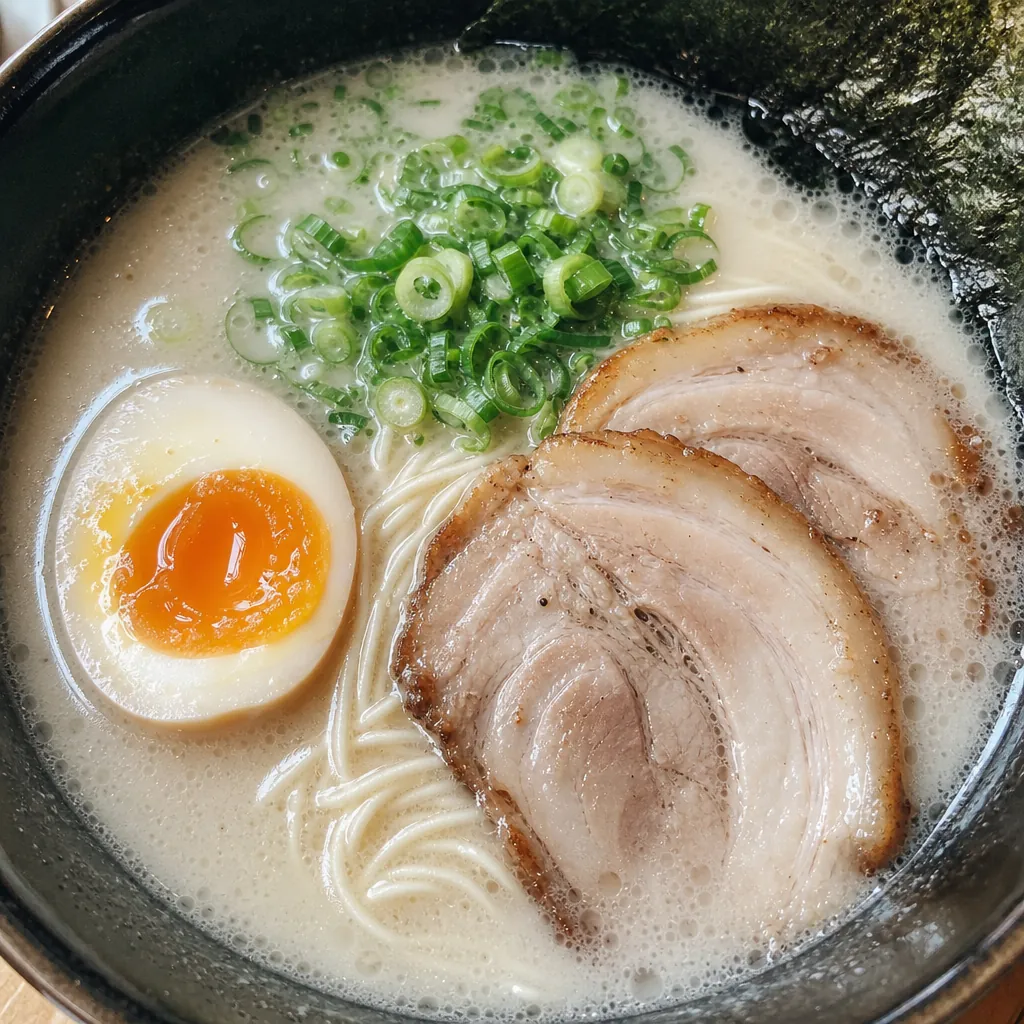
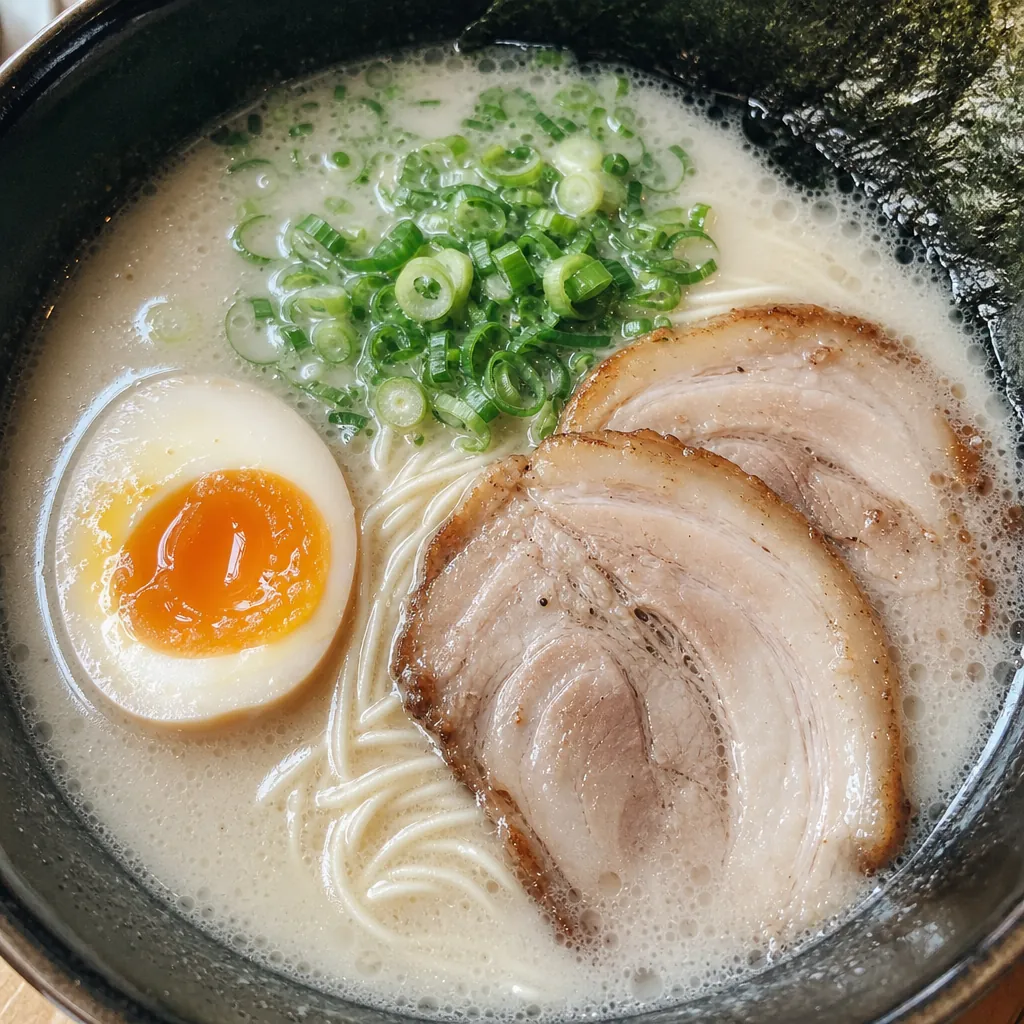
Tonkotsu ramen originates from Fukuoka in the Kyushu region of Japan. The broth is made exclusively from pork bones, which are boiled aggressively and continuously for anywhere between 12 and 18 hours. That long, high-heat process emulsifies fat and collagen into the liquid, producing the cloudy, creamy white or pale beige color that defines the style.
The flavor is intensely savory with a fatty richness that coats the back of your throat. It is not subtle. A proper tonkotsu broth should feel almost silky when it hits your lips, and it should leave a slight film on the spoon. If it is watery or translucent, something went wrong in the kitchen.
Traditional Tonkotsu Toppings
Classic tonkotsu comes with chashu pork, thin straight noodles, a soft-boiled egg marinated in soy and mirin, green onions, nori, and sesame seeds. Black garlic oil, called mayu, is a Fukuoka-specific addition that layers a roasted bitterness on top of the richness. Bamboo shoots, known as menma, are also common.
A common mistake is assuming that spicy tonkotsu is a separate broth type. It is the same pork bone base with a chili paste added, usually togarashi or doubanjiang. The broth structure does not change, only the heat level.
Pro tip: If you are ordering tonkotsu for the first time and you tend to find heavy soups filling, ask for lighter seasoning rather than skipping the broth entirely. The collagen richness is fundamental to the experience, but the salt level is adjustable at most quality ramen restaurants.
What Is Shoyu Ramen?
Shoyu ramen is the style most people encounter first in Japanese restaurant culture. The name translates directly to soy sauce ramen, referring to the tare, or seasoning base, stirred into the broth. The broth beneath is typically chicken, though some restaurants blend chicken with pork or dashi. The result is a clear to amber-colored soup with a clean, assertive savory character.
Unlike tonkotsu, where the richness is visual before you taste it, shoyu keeps its depth hidden. The broth looks light but delivers a layered umami that builds with each spoonful. This is the style that Tokyo ramen shops built their reputations on throughout the mid-twentieth century.
Why Shoyu Is the Most Versatile Broth
Shoyu handles nearly any topping without overwhelming it. The relatively neutral base allows the chashu, menma, narutomaki fish cake, and soft-boiled egg to each hold their own flavor. Ramen chefs who want to highlight the quality of their proteins often choose shoyu as the canvas.
The noodle pairing is equally flexible. Thin, curly noodles work well, as do medium-width straight ones. In practice, shoyu is the style that restaurants use to demonstrate overall kitchen skill because there is nowhere to hide behind heavy fat or bold fermented flavors.
“Shoyu ramen is Tokyo’s gift to the ramen world. It rewards restraint and precision above all else.” – Kenji Lopez-Alt, food writer and author of The Food Lab
What Is Miso Ramen?
Miso ramen is the newest of the three major styles, developed in Sapporo, Hokkaido around the mid-1950s. It uses a fermented soybean paste, miso, stirred into a chicken or pork broth as the primary seasoning. The broth is opaque like tonkotsu but carries an entirely different character: earthy, nutty, and slightly sweet with a fermented tang underneath.
Hokkaido winters are severe, and miso ramen was built for cold weather. The broth is denser in flavor than shoyu, and restaurants often finish it with a pat of butter and a spoonful of corn kernels, both regional Hokkaido staples. The fat from the butter binds with the miso’s fermented oils to create a mouthfeel that sits between shoyu and tonkotsu on the richness scale.
Types of Miso Used in Ramen
Not all miso tastes the same. White miso, called shiro miso, ferments for a shorter period and produces a milder, sweeter broth. Red miso, called aka miso, ferments longer and creates a more intense, salty, and complex base. Many ramen kitchens blend two or three miso varieties to build a proprietary flavor profile that is difficult to replicate at home.
The choice of miso affects everything downstream: the right noodle gauge, the topping selection, and even how much sesame oil to finish the bowl with. This is why miso ramen varies more dramatically between restaurants than tonkotsu or shoyu.
Pro tip: Miso ramen holds heat longer than shoyu because of the higher fat content and thicker consistency. Do not let it sit. Eat it immediately after it arrives at the table to catch the full flavor before the butter melts completely and the corn sinks.
Ramen Broth Comparison: Side by Side
Each broth style has a distinct profile across flavor, texture, origin, and ideal pairing. The table below cuts through the overlap and shows clearly where each broth excels and where it has real limitations. Use it as a reference before your next visit to Zen Ramen and Sushi.
| Category | Tonkotsu Ramen | Shoyu Ramen | Miso Ramen |
|---|---|---|---|
| Broth base | Pork bones, boiled 12-18 hours | Chicken or chicken-pork blend with soy sauce tare | Chicken or pork broth with fermented soybean paste |
| Color and appearance | Cloudy white to pale beige, opaque | Clear to amber, translucent | Brown to golden, semi-opaque |
| Flavor profile | Rich, fatty, intensely savory, long finish | Clean, sharp umami, balanced, lighter body | Earthy, nutty, fermented, robust depth |
| Richness level | Very high (collagen and fat emulsified) | Moderate (lean protein-based broth) | High (fat from butter, sesame, and miso oils) |
| Best noodle pairing | Thin, straight noodles | Thin to medium, curly or straight | Thick, wavy noodles |
| Signature toppings | Chashu, soft-boiled egg, nori, mayu oil | Narutomaki, menma, chashu, green onion | Corn, butter, ground pork, bean sprouts |
| Origin region | Fukuoka, Kyushu | Tokyo, Kanto | Sapporo, Hokkaido |
| Best suited for | Diners who want maximum richness and body | First-timers and those preferring lighter soups | Cold-weather cravings, bold flavor seekers |
Which Broth Matches Your Taste Profile?
The honest answer is that broth selection should match how you eat, not how adventurous you want to appear. Most people who tell you tonkotsu is their favorite have simply had it more times than the others. Given equal exposure, preference is genuinely personal.
You Should Order Tonkotsu If
You gravitate toward rich, fatty comfort foods. You enjoy French onion soup, bone broth, or creamy pasta sauces. You want a bowl that fills you completely and leaves you satisfied for hours. Tonkotsu is not a light lunch option and was never intended to be one.
You Should Order Shoyu If
You prefer clean, bright flavors where individual ingredients stand out. You enjoy dishes like a well-made chicken consomme or a clear dashi-based soup. You want to taste the chashu and egg separately from the broth, rather than having everything blend into the same richness. Shoyu lets the kitchen’s individual components shine.
You Should Order Miso If
You enjoy fermented, complex flavors: kimchi, aged cheese, sourdough bread. You want something filling and warming but with more flavor variety than tonkotsu’s one-note richness. Miso ramen is also the most accommodating for vegetarian adaptations when the broth is made with dashi or vegetable stock instead of meat.
Diners who bring friends to Zen Ramen and Sushi often end up splitting a bowl or trying bites of each style. That is genuinely the best way to find your preference without committing to a full bowl of something unfamiliar.
Common Ordering Mistakes and How to Avoid Them
In practice, the most frequent error is ordering based on what sounds familiar rather than what actually matches your palate. Tonkotsu is the most marketed style internationally, largely because Ichiran, Ippudo, and other chains have built entire brand identities around it. But marketing familiarity is not the same as personal taste compatibility.
A second common mistake is treating broth richness and spice level as the same dimension. Adding spice to miso ramen does not make it feel lighter. It makes it feel both spicy and heavy. If you want a lighter bowl with heat, ask for shoyu with chili tare, not spicy miso.
The Noodle and Broth Mismatch Problem
Some diners request noodle substitutions that work against the broth’s structure. Thick, wavy noodles in tonkotsu broth absorb too much liquid and become gluey before you can finish the bowl. Thin noodles in miso broth get lost beneath the heavier flavors. Trust the kitchen’s default noodle pairing until you have eaten a style enough times to understand what you are adjusting and why.
The third mistake is waiting too long to eat. Ramen degrades faster than almost any other dish in Japanese cuisine. The noodles continue cooking in the hot broth, the fat separates, and the temperature drops below the threshold where it tastes its best. Order, eat immediately, and save the conversation for after the bowl is done.
How Zen Ramen and Sushi Approaches Each Broth
Zen Ramen and Sushi is not a single-style shop. The menu reflects a genuine commitment to offering all three major broth traditions without cutting corners on any of them. That means separate broth bases developed and maintained independently rather than a single stock seasoned differently at the end.
The tonkotsu at Zen Ramen and Sushi gets its characteristic creaminess from a long, high-temperature cook on pork knuckle and neck bones. The shoyu broth uses a chicken-forward base with a house soy tare that includes mirin and sake for balance. The miso broth blends white and red miso varieties for a flavor that sits between mild and aggressive, making it approachable for first-timers without boring longtime miso enthusiasts.
If a friend referred you here, there is a reasonable chance they had a strong opinion about which broth to try. That opinion is worth taking seriously. Regulars at Zen Ramen and Sushi tend to develop clear loyalties, and those loyalties are almost always grounded in genuine repeat experience rather than trend-following. Ask your friend what they ordered and why, then decide whether your own preferences align or whether you want to go in a different direction.
Pro tip: If you are visiting Zen Ramen and Sushi for the first time and cannot decide, order shoyu. It is the most revealing test of a kitchen’s overall skill, and it gives you a reliable baseline for comparing the tonkotsu and miso on your next visit.
Frequently Asked Questions
Is tonkotsu ramen always made from pork?
Yes. By definition, tonkotsu broth uses pork bones as its base. The word tonkotsu means “pork bone” in Japanese. There is no plant-based or chicken-based version that can legitimately be called tonkotsu. Some restaurants offer a “tonkotsu-style” vegetarian broth using cashews or oat milk to approximate the creaminess, but this is a separate product, not the traditional style.
What is the difference between tonkotsu and tonkatsu?
They are entirely different dishes. Tonkotsu is a broth made from pork bones used in ramen. Tonkatsu is a breaded, deep-fried pork cutlet served as a main dish, often over rice or with shredded cabbage. The similarity in name causes frequent confusion, particularly among diners new to Japanese cuisine.
Which ramen broth has the least sodium?
This varies by restaurant and recipe, but as a general guideline, tonkotsu broth often carries less sodium per serving than shoyu or miso, despite tasting richer. The high fat and collagen content creates a perception of intensity that does not always come from salt. Shoyu tare is typically high in sodium because soy sauce is the primary seasoning agent. Miso paste also contains substantial sodium, especially red miso varieties. Always ask your server if you have specific dietary concerns.
Can I get miso ramen without butter and corn?
Absolutely. Corn and butter are Hokkaido regional additions, not defining components of miso broth itself. A miso ramen served with standard chashu, a soft-boiled egg, green onions, and menma is a perfectly traditional bowl. The miso flavor comes entirely from the broth, not from those toppings. Request the bowl without corn and butter and the kitchen will serve it with the standard topping set instead.
Which broth is best if I want sushi alongside my ramen?
Shoyu ramen pairs most naturally with sushi because both share a clean, soy-forward flavor profile without competing aggressively for attention. Tonkotsu’s richness can overwhelm delicate raw fish flavors if you alternate between the two. Miso’s earthiness creates a similar contrast issue with lighter fish like flounder or sea bass. At Zen Ramen and Sushi, starting with sushi and following with shoyu ramen keeps the palate in sequence rather than fighting itself.
How long does each broth typically take to prepare from scratch?
Tonkotsu requires the longest preparation, typically 12 to 18 hours of continuous high-heat simmering. Shoyu broth using chicken takes 4 to 6 hours for a properly developed base, though the soy tare preparation adds additional time. Miso broth can be prepared in 3 to 5 hours for the stock component, with the miso paste stirred in at the end to preserve its fermented flavor compounds. This is why ramen prepared fresh in-house costs more than instant versions, and why the gap in quality is so apparent.
Which broth is your go-to at Zen Ramen and Sushi, and has trying a different style ever changed your mind about your original favorite?
References
- Global ramen market data and consumer food preference statistics on Statista
- Forbes Food and Beverage coverage of Japanese cuisine trends and restaurant culture
- U.S. Food and Drug Administration guidance on sodium content in restaurant soups and broths
- USDA Nutrition.gov resource on fermented foods including miso and their dietary properties
- ScienceDirect peer-reviewed food science research on collagen extraction and emulsification in bone broths