
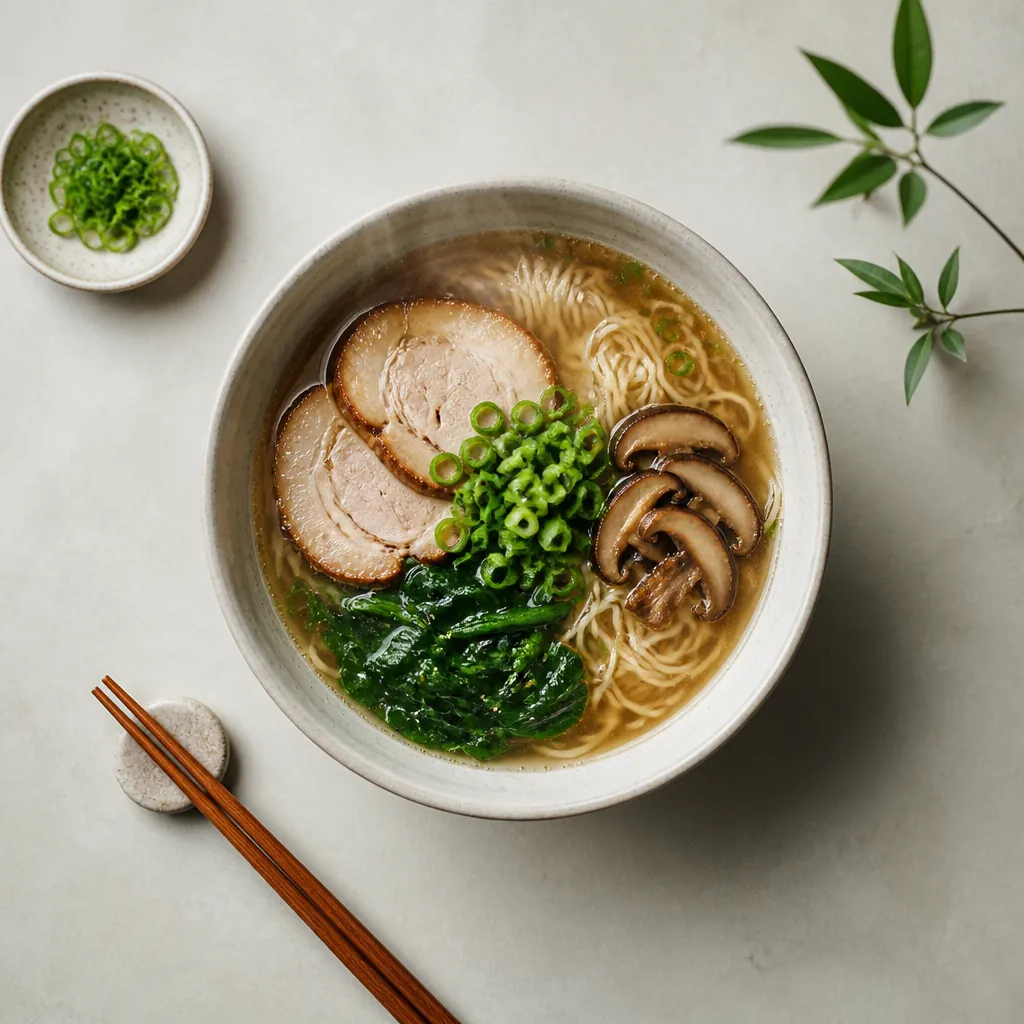
Most people who eat Japanese food regularly notice something: they feel better afterward than they do after most other restaurant meals. That observation is not a coincidence. The health benefits of Japanese food are rooted in centuries of culinary tradition that prioritizes whole ingredients, minimal processing, and balanced portions. When that tradition is expressed through dishes like ramen and sushi, the result is a diet that supports heart health, digestive wellness, and healthy weight management all at once. If a friend sent you here before your first visit to Zen Ramen and Sushi, this is exactly what you should know going in.
Table of Contents
- Quick Takeaways
- What Makes the Japanese Diet Different
- The Nutritional Case for Healthy Ramen
- Why Nutritious Sushi Earns Its Reputation
- The Japanese Diet and Long-Term Health Outcomes
- How to Order for Maximum Nutritional Value
- Comparing Japanese Diet Approaches
- Frequently Asked Questions
- References
Quick Takeaways
| Key Insight | Explanation |
|---|---|
| Whole ingredients drive the health advantage | Traditional Japanese meals use minimally processed, seasonal ingredients, keeping nutrient density high and empty calories low. |
| Ramen broth delivers collagen and minerals | A properly made bone broth base provides collagen, gelatin, and trace minerals that support joint and gut health. |
| Fatty fish in sushi supply omega-3s | Fish like salmon and mackerel are rich in omega-3 fatty acids, which are linked to lower inflammation and better cardiovascular function. |
| Fermented ingredients support gut microbiome | Miso, natto, and soy-based condiments are probiotic-rich foods that aid digestion and strengthen immune response. |
| Portion structure prevents overeating | Japanese meals arrive in smaller, multi-course servings that promote satiety without the volume that leads to caloric excess. |
| Seaweed adds iodine and antioxidants | Nori and other sea vegetables found in sushi rolls provide iodine essential for thyroid function and a range of antioxidants not common in Western diets. |
| Low added sugar keeps metabolic health stable | Traditional Japanese cuisine avoids the heavy sugar loads found in many Western restaurant dishes, reducing the blood sugar spikes associated with chronic disease risk. |
What Makes the Japanese Diet Different
The traditional Japanese diet, known as washoku, is built on a specific set of priorities: fresh seasonal ingredients, natural flavors left largely unmasked by heavy sauces, and a structure of small complementary dishes rather than one oversized plate. According to nutritional research from Healthline, the diet is rich in fish, seafood, tofu, natto, seaweed, and steamed rice, while remaining low in added sugars and fats. That combination is genuinely unusual among cuisines that are also widely enjoyed as restaurant food.
What separates washoku from, say, a typical American restaurant meal is not just the ingredient list. It is the underlying philosophy. Every component on the table is meant to contribute something distinct in flavor and nutrition. Nothing is filler. That philosophy carries directly into a bowl of ramen or a sushi platter at Zen Ramen and Sushi, where the same respect for ingredient quality shapes how dishes are prepared.
Japan consistently ranks among the countries with the highest life expectancy globally. While genetics and activity levels contribute to that, researchers point repeatedly to diet as a major factor. The low rates of obesity and chronic disease in Japan track closely with traditional eating patterns, particularly the emphasis on seafood, fermented foods, vegetables, and moderate portions.
The Role of Mindful Eating in Japanese Culture
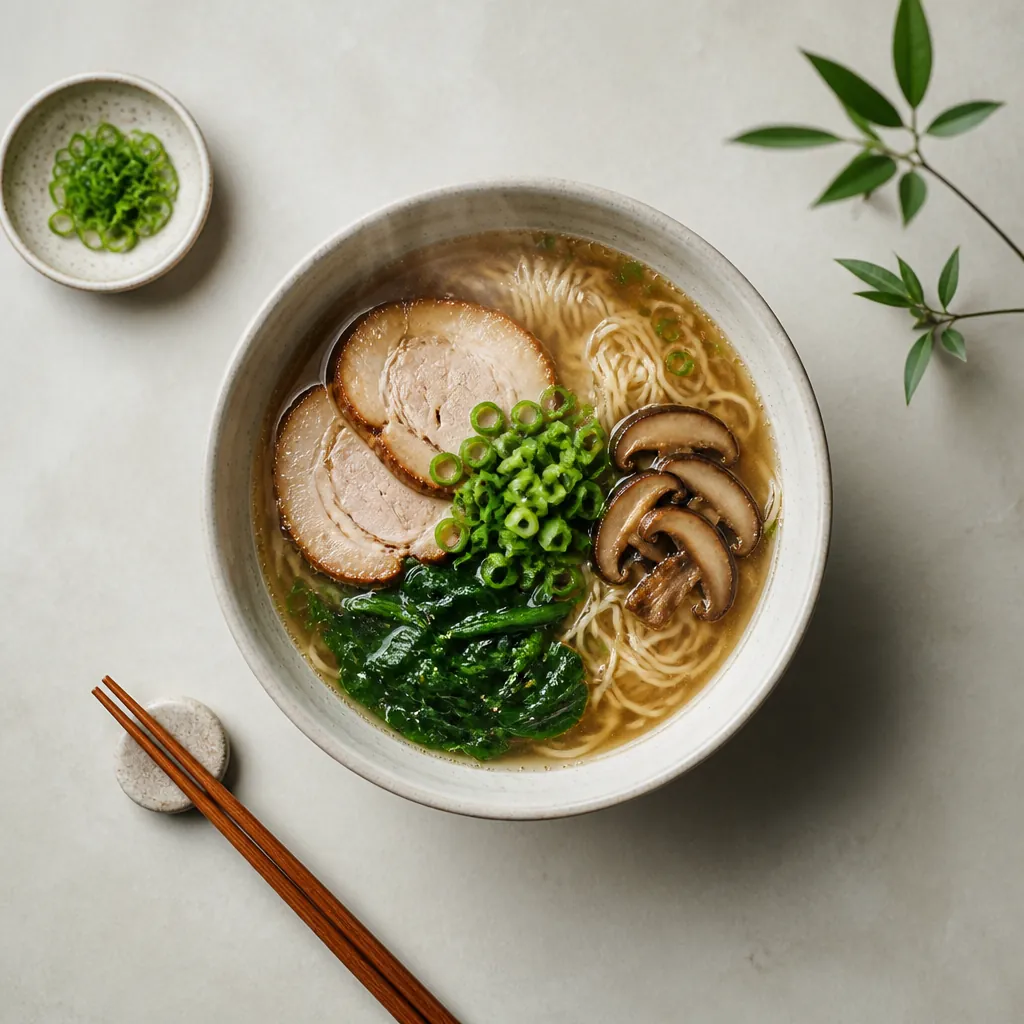
Japanese meals are not just about what is on the plate. The cultural practice of eating mindfully, taking smaller bites, slowing down between courses, and stopping before feeling completely full, is embedded in the dining structure itself. When your ramen arrives at Zen Ramen and Sushi alongside a small side dish, that is not incidental. It reflects a tradition of varied, portioned eating that naturally limits overconsumption.
A common mistake Western diners make is treating a ramen bowl as equivalent to a loaded American entree and then adding a full sushi platter on top. In practice, a bowl of ramen is already a complete, balanced meal. Supplement it with a few pieces of sushi rather than a full roll order, and you stay much closer to the portioning logic the cuisine was built around.
The Nutritional Case for Healthy Ramen
Healthy ramen is not a contradiction in terms, though it does depend heavily on how the dish is made. Authentic ramen is built on a broth that has been simmered for hours from bones, aromatics, and often kombu seaweed. That process extracts collagen, gelatin, and minerals including calcium and magnesium that a quick powder-based broth simply cannot replicate. When you are eating a properly made tonkotsu or shoyu ramen, the broth alone is nutritionally significant.
The noodles in ramen are wheat-based and provide a reasonable source of carbohydrates for sustained energy. They are not the enemy. The issue with the instant ramen most people associate with the word is the sodium content and the absence of real broth. Restaurant ramen made from scratch carries far less of that concern, though people managing sodium intake should still be intentional about it.
Protein and Vegetable Content in a Ramen Bowl
A typical ramen bowl at a quality Japanese restaurant contains chashu pork or chicken, a soft-boiled marinated egg, bamboo shoots, nori, and scallions. That combination delivers a solid protein load alongside fiber, vitamins, and minerals. The egg alone provides high-quality complete protein with all essential amino acids. The nori contributes iodine and antioxidants that most diners are not getting elsewhere in their diet.
Ramen that includes miso as its base adds another layer of nutritional value. Miso is a fermented soybean paste that functions as a prebiotic, supporting the gut microbiome in ways that standard soup bases do not. A miso ramen is not just a flavor choice. It is a functionally different nutritional experience from a clear shio broth.
Pro tip: If you are watching sodium, ask for your ramen broth on the lighter side. A quality kitchen can adjust salt concentration without sacrificing the depth of flavor that makes the dish worth ordering in the first place.
Why Nutritious Sushi Earns Its Reputation
Nutritious sushi starts with raw fish that has been carefully sourced and handled. The omega-3 fatty acid content in fatty fish like salmon and mackerel is well-documented to reduce inflammation, support cardiovascular health, and improve blood pressure markers. These are not marginal effects. Omega-3s are among the most researched dietary compounds in nutrition science, and the dose you get from two or three pieces of nigiri is meaningful.
Sushi rice is seasoned with rice vinegar, which has a lower glycemic impact than plain white rice might suggest. The vinegar slows starch digestion slightly, moderating the blood sugar response. This is not a major effect, but it is a meaningful one for people paying attention to metabolic health.
What Nori and Seaweed Actually Contribute
The sheet of nori wrapping a sushi roll is not decorative. Seaweed is one of the most nutrient-dense foods available in any cuisine. It provides iodine, which is critical for thyroid function and is difficult to get in adequate amounts from a typical Western diet. It also contains fucoxanthin, an antioxidant compound specific to certain sea vegetables that has attracted significant research attention for its metabolic properties.
Beyond iodine and antioxidants, nori contributes small amounts of protein, iron, and vitamins A and C. For a thin sheet of seaweed that most diners barely register as an ingredient, that is a surprisingly dense nutritional profile. Sushi’s reputation as health food is not marketing. It is grounded in the actual composition of what is on the plate.
The Case for Sashimi Over Heavy Rolls
Sashimi, which is sliced raw fish served without rice, is the purest expression of sushi culture’s nutritional advantages. Pure protein, omega-3s, and virtually no carbohydrates. If you are eating at Zen Ramen and Sushi and want to maximize the health value of your sushi order, a sashimi selection is the clearest path there. This does not mean rice-based rolls are a poor choice. It means sashimi is an option worth knowing about if your goals lean toward lower carbohydrate intake or higher protein density.
The traditional Japanese diet is a whole-foods-based diet rich in fish, seafood, and plant-based foods with minimal amounts of animal protein, added sugars, and fat. This eating pattern is rich in nutrients and may provide numerous health benefits, including improved weight loss, digestion, longevity, and overall health.
The Japanese Diet and Long-Term Health Outcomes
Japan’s track record on population health is well known. The country consistently reports among the highest life expectancy figures globally, along with comparatively low rates of obesity and diet-related chronic disease. Researchers who have studied this pattern point to several dietary factors: high consumption of omega-3-rich seafood, regular intake of fermented foods, a vegetable-forward plate structure, and low sugar and saturated fat consumption.
These are not factors that operate in isolation. They work together. Omega-3s reduce systemic inflammation. Fermented foods improve gut microbiome diversity, which influences immune function. Low sugar intake keeps insulin response stable. When you eat a meal that checks several of these boxes at once, which a bowl of miso ramen with fish-based toppings or a sushi platter with seaweed and pickled ginger does, you are eating in a way that is consistent with the dietary patterns associated with those health outcomes.
Fermented Foods and Gut Health
Miso, soy sauce made through genuine fermentation, natto, and pickled vegetables are central to Japanese cuisine and all function as sources of beneficial bacteria and enzymes. Fermented foods have been shown to improve digestion, reduce gut inflammation, and support immune system regulation. In a restaurant context, miso soup, which comes alongside many ramen orders, is delivering probiotic benefit that most diners do not consciously account for.
This is one area where Japanese cuisine outperforms most other major dining traditions. French cuisine may excel at fat-based richness. Indian cuisine brings extraordinary spice complexity. But neither tradition integrates fermented, gut-supporting ingredients as consistently into everyday restaurant meals as Japanese cuisine does.
Pro tip: Do not skip the miso soup that comes with your meal. Many diners set it aside to focus on the main bowl, but that small cup is delivering probiotic benefit, umami depth, and warmth that primes your digestion for everything that follows.
How to Order for Maximum Nutritional Value
Ordering well at a Japanese restaurant is not complicated, but it does require some intentionality. The menu at Zen Ramen and Sushi gives you real choices that affect the nutritional character of your meal. Understanding those choices before you sit down makes the difference between eating thoughtfully and defaulting to habit.
For ramen, broth type matters most. Miso broth adds fermented benefit. Shoyu (soy sauce) broth tends to be lighter. Tonkotsu, the rich pork bone broth, is the most calorie-dense but also the most collagen-rich. None of these is a wrong choice, but each has a different nutritional emphasis. Match it to what you are trying to get from the meal.
Pairing Ramen and Sushi Strategically
Combining a smaller ramen serving with a sashimi selection is one of the smartest meals you can order at a Japanese restaurant. You get the broth’s collagen and minerals, the noodles’ sustained carbohydrate energy, and the sashimi’s concentrated omega-3 and protein hit, all without redundancy or excess. It is a genuinely complete meal by almost any nutritional framework.
Avoid the temptation to build a meal entirely around specialty rolls that are heavy on mayonnaise-based sauces and tempura. Those rolls exist and they are delicious, but they shift the nutritional profile significantly toward fat and refined starch. Anchor your order in nigiri, sashimi, or simple rolls, and treat the specialty rolls as the accent rather than the centerpiece.
Comparing Japanese Diet Approaches
| Approach | Primary Nutritional Strength | Best For |
|---|---|---|
| Traditional Washoku (full diet) | Complete macronutrient balance, high micronutrient density, fermented food integration, minimal processed ingredients | Long-term health maintenance and chronic disease prevention |
| Sushi-Focused Eating | High omega-3 intake from fatty fish, seaweed nutrients, lean protein, low added fat | Cardiovascular health support and high-protein, lower-carbohydrate meals |
| Ramen-Centered Eating | Bone broth collagen, fermented miso base, varied vegetable toppings, balanced macronutrients | Gut health, post-activity recovery, and satisfying warming meals in cooler seasons |
Frequently Asked Questions
Is ramen actually healthy or is that a stretch?
Restaurant ramen made from real bone broth and whole toppings is genuinely nutritious. The confusion comes from conflating it with instant ramen, which bears almost no resemblance nutritionally. A bowl of authentic miso or tonkotsu ramen with an egg, greens, and nori is a protein-rich, mineral-dense, gut-supporting meal. The main thing to watch is sodium, particularly if you finish the entire broth.
What makes sushi a healthier choice than other restaurant options?
Sushi built around raw fish and rice delivers lean protein, omega-3 fatty acids, iodine from seaweed, and a moderate carbohydrate load without the heavy saturated fat that dominates many Western restaurant dishes. It is one of the few restaurant meals where the most flavorful option is also nutritionally sound. The key is ordering nigiri or sashimi as the backbone of the meal rather than loading up exclusively on deep-fried or mayonnaise-heavy specialty rolls.
How does the Japanese diet compare to the Mediterranean diet for health benefits?
Both are strong dietary patterns with real evidence behind them. The Mediterranean diet emphasizes olive oil, legumes, and whole grains alongside seafood. The Japanese diet similarly foregrounds seafood but adds fermented foods, sea vegetables, and a portion structure that is more naturally moderate. Neither is definitively superior. But for diners who eat Japanese food regularly at a restaurant like Zen Ramen and Sushi, the Japanese dietary pattern is the one that is most practically accessible and immediately applicable.
Is the sodium in ramen a serious health concern?
Sodium in ramen is real and worth managing, especially if you have high blood pressure or follow a sodium-restricted diet. The most effective approach is to enjoy the noodles and toppings fully and leave some of the broth in the bowl rather than drinking all of it. A quality kitchen can also reduce the salt concentration on request without destroying the dish. Eating ramen once or twice a week as part of an otherwise balanced diet does not represent a meaningful sodium risk for most healthy adults.
What is the healthiest sushi to order for someone new to Japanese food?
Start with salmon nigiri, tuna nigiri, and a seaweed salad. Salmon delivers omega-3s in a mild, approachable flavor. Tuna is lean, high-protein, and clean-tasting. Seaweed salad introduces the umami depth and iodine content that make Japanese cuisine nutritionally distinctive. From there, a miso soup rounds out the meal with fermented benefit. That combination is nutritionally excellent and accessible for first-time Japanese diners.
Can eating Japanese food regularly support weight management?
Yes, and the mechanism is straightforward. Japanese cuisine’s emphasis on high-protein fish, fiber-rich vegetables, and controlled portions naturally supports satiety without excessive caloric intake. The absence of heavy added sugars and saturated fats keeps the caloric density lower than comparable Western restaurant meals. People who adopt Japanese dietary habits consistently, not just occasional restaurant visits, tend to maintain healthier weights over time, which is consistent with what population health data from Japan shows.
If you have tried ramen or sushi at Zen Ramen and Sushi, share what you ordered and how it made you feel. Your experience helps others in your circle eat better and discover what authentic Japanese food actually tastes like.
We would love your feedback and any insights you would share with others. What perspective would you add?