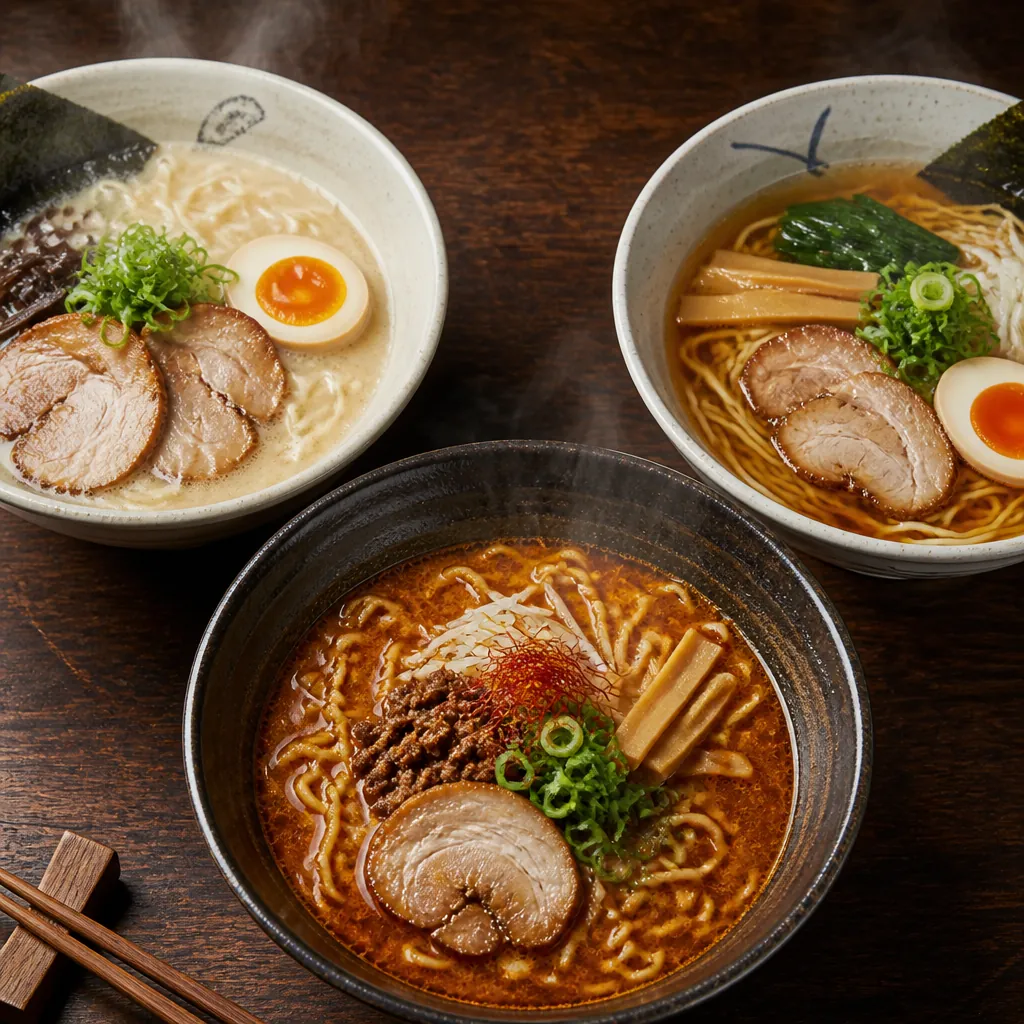
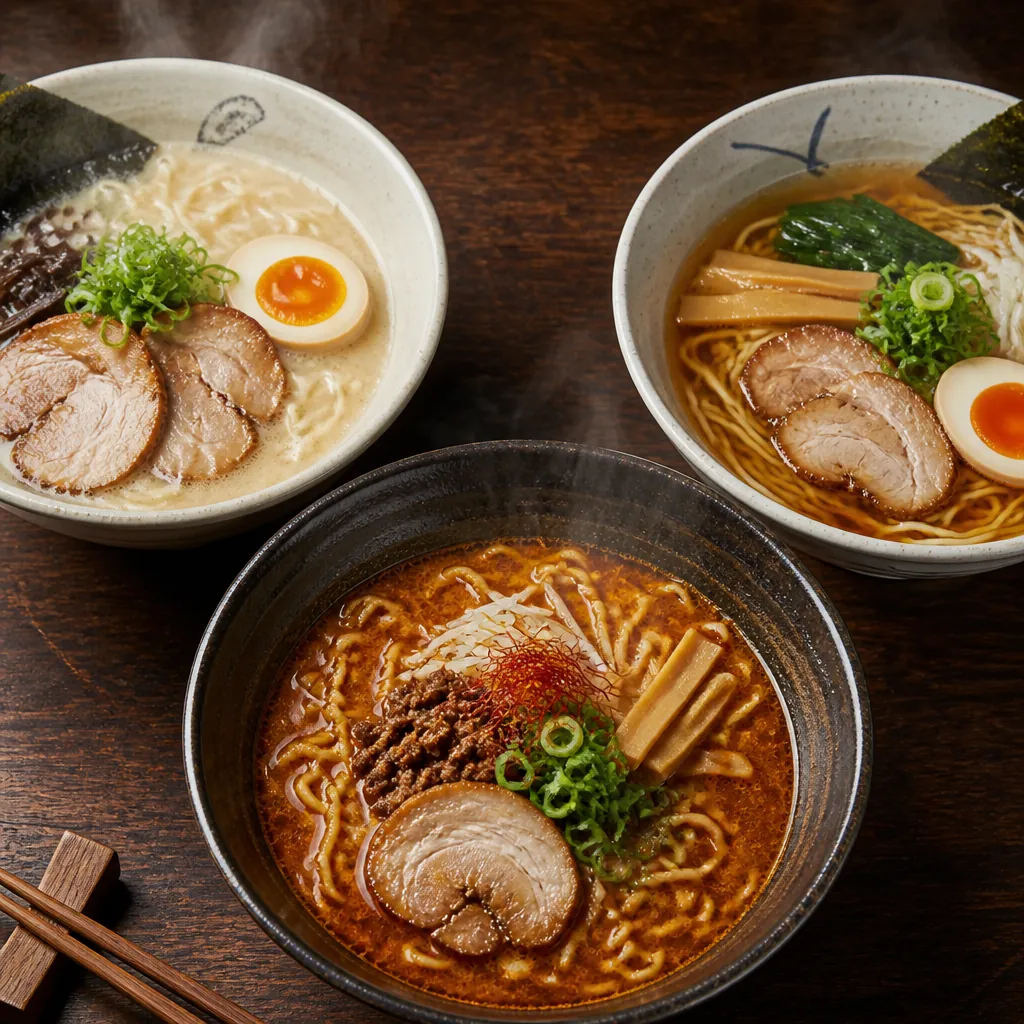
Pick the wrong ramen broth on your first visit and you might write off an entire style you would have loved. Tonkotsu ramen, miso ramen, and shoyu ramen are the three styles you will see most often on any serious Japanese menu, and they are genuinely different experiences, not just variations on a theme. The broth is the soul of every bowl, and understanding what separates a cloudy, bone-rich tonkotsu from a clear, soy-forward shoyu, or a thick, fermented-miso base, means you can order with confidence every single time you sit down at Zen Ramen and Sushi.
Table of Contents
- Quick Takeaways
- What Is Tonkotsu Ramen?
- What Is Miso Ramen?
- What Is Shoyu Ramen?
- Side-by-Side Broth Comparison
- How to Choose Your Broth
- Noodles and Toppings That Match Each Broth
- Frequently Asked Questions
- References
Quick Takeaways
| Key Insight | Explanation |
|---|---|
| Tonkotsu is defined by pork bones, not soy sauce | The milky white color and creamy texture come from collagen released during long, high-heat pork bone simmering, not from any added seasoning. |
| Miso ramen is the youngest of the three | It was popularized in Sapporo, Hokkaido, in the 1950s, decades after tonkotsu and shoyu were already established styles. |
| Shoyu ramen is historically the first modern ramen | The first shoyu ramen was served at Rairaiken in Asakusa, Tokyo, in 1910, making it the original template for Japanese ramen. |
| No two miso ramen bowls taste the same | Every kitchen blends its own ratio of red, white, and yellow miso pastes, so the flavor varies more between restaurants than any other broth style. |
| Noodle thickness is not random | Thin, straight noodles suit light shoyu broths; thick, wavy noodles trap rich miso or tonkotsu broth better with every bite. |
| Tonkotsu originated in Kurume, Fukuoka, in 1937 | Tokio Miyamoto created it at his stall Nankin Senryo, though the iconic cloudy broth as we know it was refined after 1947. |
| Shoyu broth clarity signals freshness | A clear amber shoyu broth shows the cook has skimmed carefully and not let the fat emulsify, a hallmark of disciplined preparation. |
What Is Tonkotsu Ramen?
Tonkotsu ramen is built on one thing: pork bones simmered at a rolling boil for many hours until the collagen and marrow dissolve completely into the liquid. The result is a creamy, opaque, ivory-white broth that coats your spoon like a light cream sauce. It is rich, porky, and deeply savory in a way that lighter broths simply cannot replicate.
Tonkotsu ramen originated in Kurume, a city in Fukuoka Prefecture, Japan, in 1937, when Tokio Miyamoto opened a stall called Nankin Senryo. The style that defines the broth today, where the bones are boiled hard enough to turn the liquid white, was discovered accidentally around 1947 and spread across the island of Kyushu before eventually becoming one of the most recognized ramen styles worldwide.
Why Tonkotsu Tastes So Different from Other Broths
The key is the cooking method. Most broths are simmered gently to keep them clear. Tonkotsu breaks that rule on purpose. A high, vigorous boil forces fat, collagen, and marrow to emulsify together, creating that signature milky texture. A single bowl can take anywhere from 8 to 18 hours of active cooking to produce properly.
Because the broth is already so assertive, the seasoning tare added to tonkotsu is usually lighter than what you would find in a miso bowl. The broth carries itself. Typical toppings include chashu pork belly, a soft-boiled marinated egg, thin slices of green onion, bean sprouts, and sheets of nori. Some versions add a small amount of black garlic oil (mayu) for extra depth.
Pro tip: If you see tonkotsu on a menu described as “Hakata-style,” expect an especially concentrated, almost gelatinous broth with very thin, straight noodles. Hakata is the commercial district of Fukuoka city and developed its own, even more intensely porky version of the original Kurume style.
What Is Miso Ramen?
Miso ramen is the boldest, most complex bowl of the three. The base broth, usually made from chicken or pork bones, is combined with fermented soybean paste to create something thick, earthy, and layered with umami. Because miso paste is a living, fermented ingredient, the flavor depth it adds cannot be faked with shortcuts.
Miso ramen originated in Sapporo, the capital of Hokkaido Prefecture in northern Japan, in the 1950s. Credit for the style typically goes to a restaurant called Aji-no-Sanpei, which began serving it around 1950. By the 1960s, the style had spread nationwide, and it remains closely associated with Sapporo to this day.
The Role of Miso Paste Blending
There is no single miso ramen recipe because there is no single miso paste. Red miso (aka miso) delivers a bolder, earthier flavor. White miso (shiro miso) is milder and slightly sweet. Yellow miso sits somewhere between the two. Most serious ramen kitchens blend two or more types to hit a specific flavor profile, meaning the miso ramen at one restaurant will taste noticeably different from the one at another, even if both are excellent.
The toppings for miso ramen tend to be more robust than those for shoyu or shio. Buttered corn, thick slices of chashu, bean sprouts, and a drizzle of aromatic black garlic oil all appear regularly because the miso broth is assertive enough to hold its own against strong accompaniments.
Pro tip: Miso ramen is the style most forgiving of extra toppings and garnishes. If you like loading your bowl, this is the broth to choose. It will absorb added flavors rather than lose its identity under them, which lighter shoyu or shio broths cannot manage as well.
What Is Shoyu Ramen?
Shoyu ramen is the oldest of the three styles and, in many ways, the most misunderstood. Because it is lighter and clearer than tonkotsu or miso, some diners assume it is less complex. That reading is wrong. A properly made shoyu broth, simmered from chicken or pork bones and seasoned with good soy sauce, dried kelp, mirin, and sake, produces something translucent and amber-colored that carries enormous nuance without weight.
The first shoyu ramen was served at a restaurant called Rairaiken in Asakusa, Tokyo, in 1910 during the Meiji period. It was originally called Tokyo Ramen, and it remains the defining style of the capital. The clarity of a well-made shoyu broth is a direct reflection of the cook’s discipline. Keeping the fat from emulsifying while still extracting maximum flavor from the bones requires careful skimming and temperature control throughout a long cook.
What Shoyu Ramen Teaches You About Ramen Balance
Shoyu ramen is the best introduction to ramen as a concept. It gives you the full picture of what the soup is supposed to be, without any one element dominating. The soy sauce adds saltiness and umami, the broth adds body, and the noodles and toppings remain clearly visible and distinct rather than disappearing into a heavy base.
Typical shoyu ramen noodles are medium-thin and wavy, which allows them to hold just enough broth without becoming waterlogged. Toppings include chashu pork belly, marinated soft-boiled eggs (ajitsuke tamago), menma (pickled bamboo shoots), nori, and sliced green onions. The result is a bowl where every component earns its place.
Side-by-Side Broth Comparison
Understanding the structural differences between these three styles helps you make sense of the menu the moment you open it. The table below focuses on the traits that actually matter when you are deciding what to order.
| Feature | Tonkotsu | Miso | Shoyu |
|---|---|---|---|
| Base ingredient | Pork bones (boiled hard) | Chicken or pork bones plus fermented miso paste | Chicken or pork bones plus soy sauce |
| Broth appearance | Opaque, milky white | Cloudy, brownish-amber, thick | Clear to lightly amber, translucent |
| Flavor profile | Rich, creamy, intensely porky | Bold, earthy, umami-forward, complex | Savory, balanced, lighter body with depth |
| Origin region | Kurume, Fukuoka (Kyushu) | Sapporo, Hokkaido | Asakusa, Tokyo |
| Year popularized | 1937 (refined post-1947) | 1950s, spread nationally by 1960s | 1910 |
| Best noodle match | Thin, straight noodles | Thick, wavy noodles | Medium-thin, wavy noodles |
| Best for | Diners who want richness and comfort | Diners who want bold, layered flavor | Diners who want balance and clarity |
How to Choose Your Broth
The most common mistake first-time ramen diners make is ordering by what sounds familiar rather than by what they actually want to eat right now. Each of these three broth styles satisfies a different craving, and matching the bowl to the moment matters.
Choose Tonkotsu When You Want Comfort and Weight
Tonkotsu is the right call on a cold evening, after physical activity, or anytime you want a meal that feels genuinely filling. The collagen-rich broth is sustaining in the same way a slow-cooked stew is. It is not a light bowl, and it is not supposed to be. If you are new to ramen and want to understand what all the excitement is about, tonkotsu delivers the most immediate, visceral impression of what great ramen can be.
Choose Miso When You Want Complexity
Miso ramen rewards curiosity. Because every kitchen uses its own paste blend, no two bowls are identical, and a really good miso broth has layers that reveal themselves as you eat. Choose miso if you enjoy fermented foods, strong umami flavors, and bowls that are generous with toppings. It is also the style most commonly associated with cold-weather eating, given its origins in northern Hokkaido.
Choose Shoyu When You Want Balance
Shoyu is the choice for diners who want to taste everything without any single element overpowering the rest. It is also the best option if you are new to ramen and want a clean, clear baseline experience before exploring richer styles. A bowl of shoyu ramen made with quality ingredients is never boring. It is restrained on purpose, which is a skill in itself.
The broth is not a background ingredient. It is the entire point. Every other element in the bowl exists to complement it, not to compete with it.
Noodles and Toppings That Match Each Broth
Noodle selection in Japanese ramen kitchens is not arbitrary. Thicker noodles are designed to trap and carry rich, creamy broths like tonkotsu or miso to your palate with every bite. Thinner noodles work with lighter soups like shoyu because they do not overwhelm the more delicate broth flavors. This matching logic applies to toppings too.
Tonkotsu Toppings
Chashu pork belly is the classic anchor topping for tonkotsu. The fat in the pork mirrors the fat in the broth, creating a unified richness. Soft-boiled marinated eggs, bean sprouts, green onions, nori, and a spoonful of black garlic oil (mayu) all appear regularly. Some Hakata-style versions also include pickled ginger (beni shoga) to cut through the heaviness with acidity.
Miso Toppings
Buttered corn is one of the most distinctive miso ramen toppings and a Sapporo signature. The sweetness of the corn and the fat from the butter work with the fermented, savory miso in a way that sounds odd until you taste it. Bean sprouts, thick chashu slices, green onions, and a spoonful of black garlic oil round out the typical Sapporo-style bowl.
Shoyu Toppings
Shoyu ramen toppings lean toward balance and restraint. Chashu, a soft-boiled egg, menma (pickled bamboo shoots), nori, and fine-cut green onions are standard. The goal is to complement rather than overshadow the broth’s clarity. Because the broth is lighter, heavier toppings like rich pork fat or thick butter would disrupt the bowl’s intended character.
At Zen Ramen and Sushi, every bowl is built with this pairing logic in mind. The noodles, toppings, and broth are chosen together, not assembled independently, which is why each style tastes coherent from the first sip to the last noodle.
Pro tip: When eating any ramen, stir the broth before your first sip. Settled toppings and oils layer at the surface and bottom, and a quick stir integrates the flavors the way the kitchen intended.
Frequently Asked Questions
Is tonkotsu ramen always pork-based?
Yes. The word “tonkotsu” literally translates to “pork bone” in Japanese. The broth is always made from pork bones simmered at high heat until the liquid turns white and creamy. There is no vegetarian or chicken version of genuine tonkotsu. Restaurants that want to offer a similar creamy texture without pork typically describe their broth as a different style entirely.
Which ramen broth has the most calories?
Tonkotsu broth is generally the richest in fat and calories because of the emulsified pork fat and collagen that form its base. Miso ramen tends to come next, partly because it is often served with buttery toppings like corn. Shoyu ramen is typically the lightest of the three, though calorie counts always depend on the specific toppings and portion size.
Can you mix ramen broth styles?
Some ramen kitchens do blend styles, for example adding miso paste to a tonkotsu base or using a shoyu tare over a chicken broth. These hybrid bowls are intentional creations and can be excellent. However, when you see tonkotsu, miso, or shoyu listed on a menu without modification, each refers to its own distinct style and should be treated as such.
What is the difference between tonkotsu and tonkatsu?
Tonkotsu (豚骨) is pork bone broth used in ramen. Tonkatsu (豚カツ) is a completely separate dish: a breaded and deep-fried pork cutlet. They share the same pork (ton/豚) character but are otherwise unrelated. The spelling difference of one letter trips up even regular Japanese food lovers.
Which broth style is best for first-time ramen eaters?
Shoyu ramen is an excellent starting point because it shows you the structure of a ramen bowl without overwhelming your palate. Once you understand shoyu, tonkotsu and miso both make more sense as variations rather than entirely foreign concepts. That said, if you know you love rich, hearty soups, starting with tonkotsu is perfectly valid and rarely disappoints.
Does miso ramen always come from Sapporo?
No, miso ramen is served at ramen restaurants across Japan and around the world. But Sapporo-style miso ramen, with its thick, buttery, heavily garnished bowl, is the original and most referenced version. Other regions have developed their own miso ramen interpretations, which is part of what makes miso the most variable of the three main broth styles.
Is there a right order to eat ramen?
There is no strict rule, but in Japan it is generally understood that ramen is meant to be eaten quickly, while the noodles are still at their best texture. Leaving noodles in hot broth for too long makes them soft and waterlogged, especially in a rich tonkotsu bowl. Most ramen enthusiasts take their first sip of broth immediately, then work through the noodles at a steady pace rather than pausing frequently.
Have you tried all three broth styles, and do you have a clear favorite, or does it depend entirely on the day and your mood? Share your experience in the comments.
References
- Wikipedia overview of tonkotsu ramen: origins, ingredients, and regional variations in Fukuoka Prefecture
- MasterClass guide to Sapporo-style miso ramen: history, ingredients, and regional context in Hokkaido
- Just One Cookbook detailed guide to shoyu ramen: Tokyo origins in 1910 and traditional preparation methods
- Tasting Table comparison of shoyu and miso ramen: broth ingredients, noodle choices, and key toppings
- Crossroad Fukuoka deep dive into Kurume ramen: the 1937 founding of tonkotsu ramen by Tokio Miyamoto