
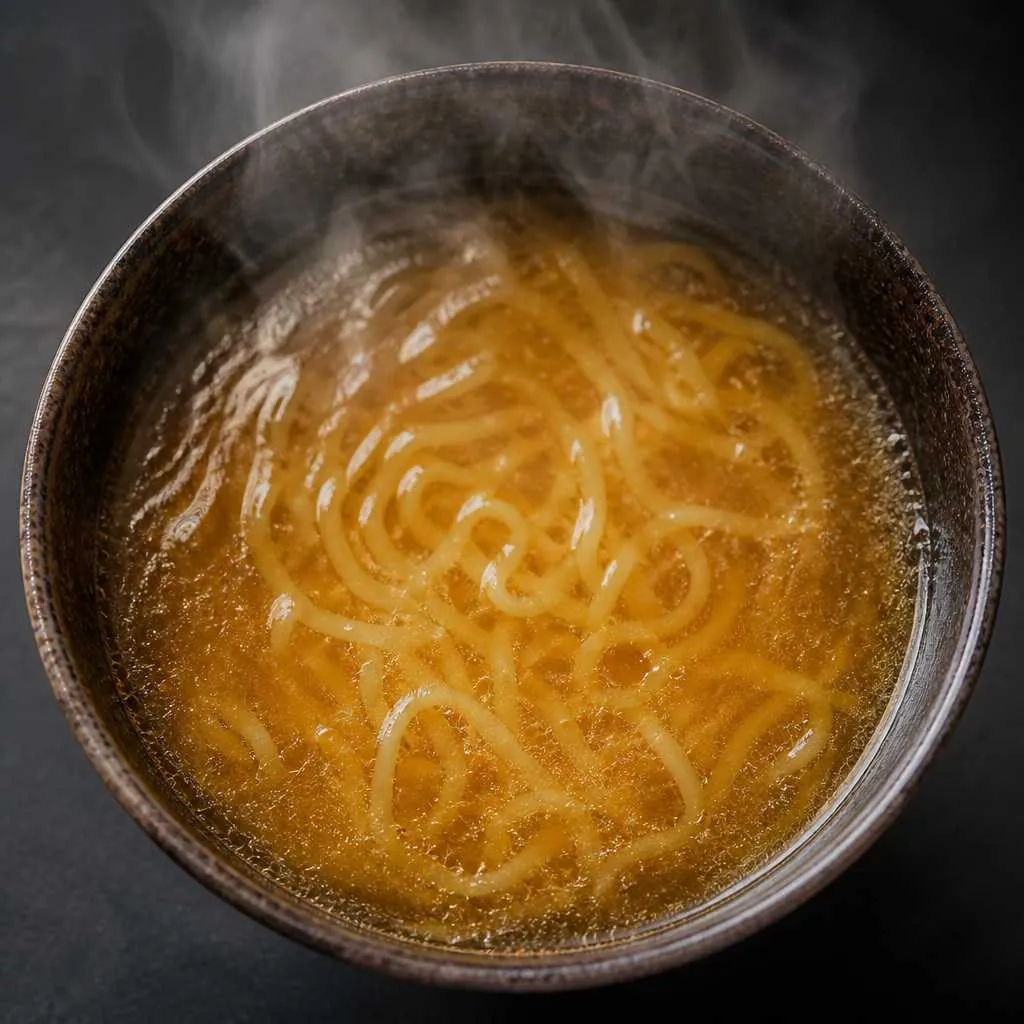
Most people credit the noodles or the toppings when they describe a bowl of ramen as life-changing. They are wrong. The real architect of flavor in authentic Japanese ramen is dashi broth, the fundamental stock that carries umami from the first sip to the last drop. Without a properly built dashi, even the most premium tare or the most carefully sourced pork bones produce a flat, one-dimensional bowl. Understanding dashi is not optional for anyone serious about Japanese cuisine. It is the starting point.
Table of Contents
- Quick Takeaways
- What Is Dashi Broth and Why It Defines Japanese Flavor
- The Science of Umami in Dashi
- The Main Types of Dashi Used in Ramen
- Dashi Versus Other Broth Traditions: A Direct Comparison
- How Dashi Builds the Perfect Ramen Base
- Common Mistakes That Ruin Dashi Broth
- What to Expect from Dashi-Forward Ramen at Zen Ramen and Sushi
- Frequently Asked Questions
- References
Quick Takeaways
| Key Insight | Explanation |
|---|---|
| Dashi is not a background ingredient | It is the primary flavor vehicle in authentic Japanese ramen, not a filler stock. Every other component layers on top of it. |
| Kombu and katsuobushi are the classic pairing | Kombu delivers glutamate-based umami while katsuobushi contributes inosinate, and combining both creates a synergistic flavor spike that neither provides alone. |
| Temperature control matters more than time | Kombu should never boil. Extracting it below 140 degrees Fahrenheit preserves clean glutamate flavor and avoids slimy, bitter compounds. |
| Niboshi dashi produces a more aggressive ramen base | Dried sardine dashi delivers a bolder, fishier umami profile suited to tonkotsu and miso-forward bowls rather than delicate shio preparations. |
| Dashi is not the same as the full broth | In a ramen kitchen, dashi is one foundational layer. It combines with tare (seasoning concentrate) and aroma oil to complete the ramen base. |
| Vegan dashi is a legitimate alternative | Kombu-only or kombu-plus-shiitake dashi delivers measurable umami without animal products, making it viable for plant-based ramen preparations. |
| Fresh dashi degrades within 24 hours | Once extracted, dashi loses its top-note delicacy quickly. Restaurants committed to quality prepare it daily or in small batches rather than storing large volumes. |
What Is Dashi Broth and Why It Defines Japanese Flavor
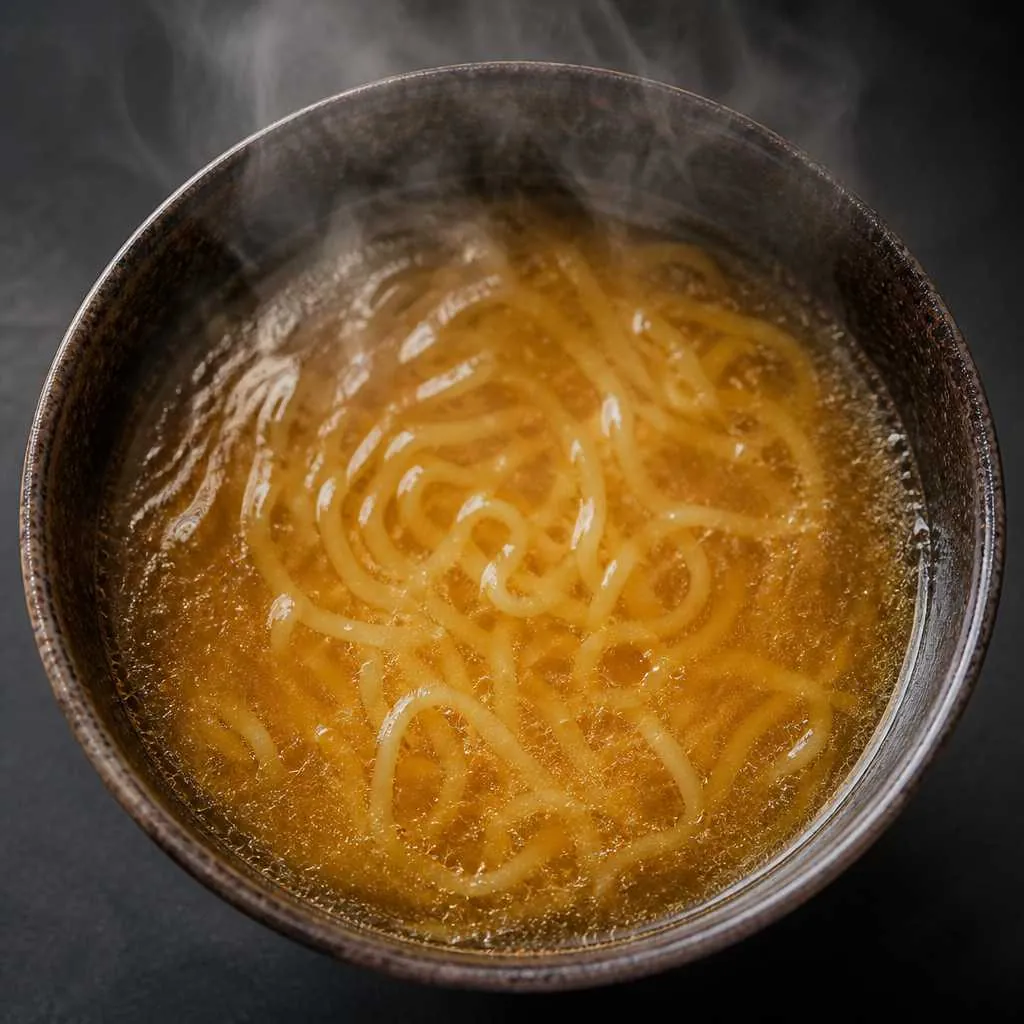
Dashi broth is a Japanese extraction stock built by steeping umami-rich ingredients in water, typically without long simmering times. Unlike Western stocks that rely on hours of bone reduction, dashi is precise, fast, and calibrated to extract specific flavor compounds rather than collagen or fat.
The word dashi comes from the Japanese verb dasu, meaning to extract or to bring out. That etymology is functionally accurate. The goal is not to build a rich, heavy liquid. The goal is to pull specific savory compounds out of dried or fermented ingredients and deliver them cleanly to the palate.
In practice, a well-made dashi is nearly invisible as a flavor. You do not taste it the way you taste miso paste or soy sauce. You taste its absence when it is missing. Dishes feel flat, hollow, or aggressively salty without it because the umami scaffolding that balances salt and sweetness is gone. This is why professional ramen chefs treat dashi as structural, not decorative.
The Science of Umami in Dashi
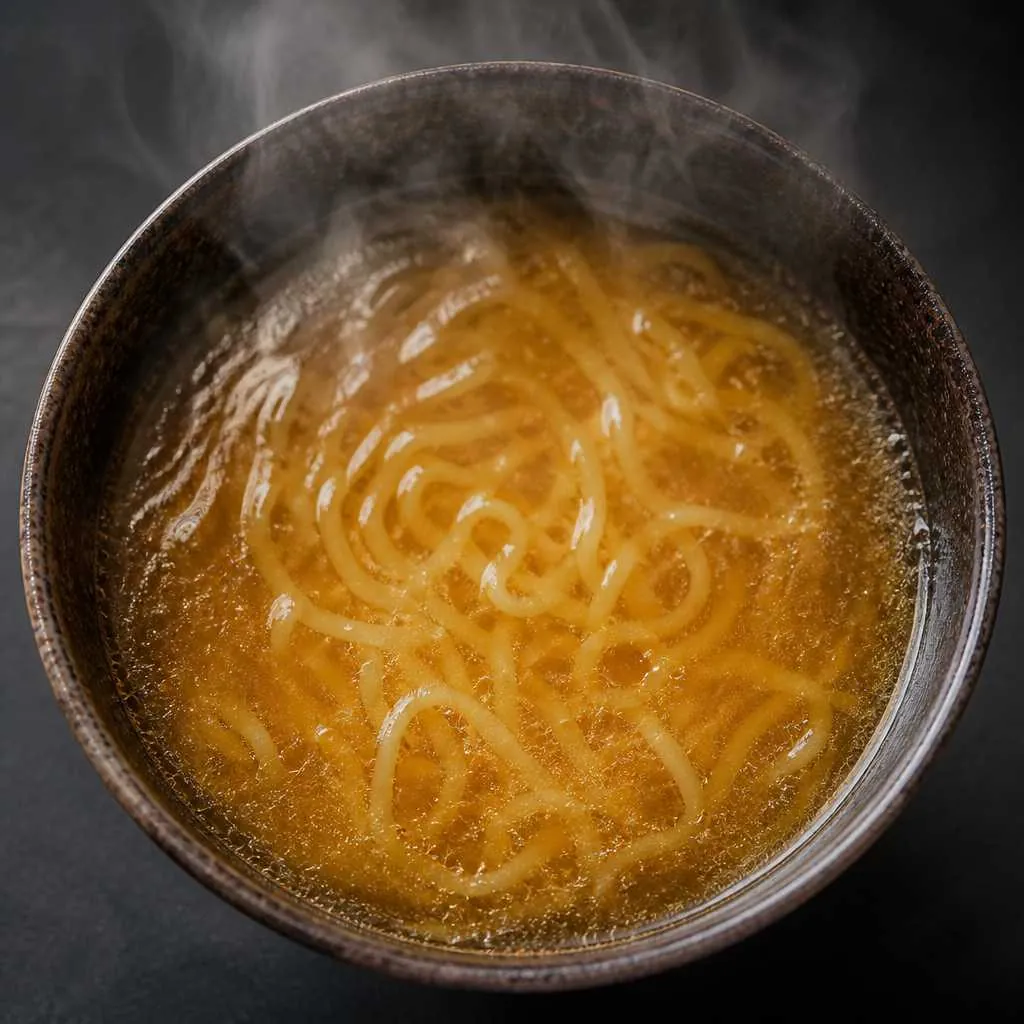
Umami was identified as a distinct basic taste by Professor Kikunae Ikeda at the University of Tokyo in 1908. Ikeda isolated glutamic acid from kombu seaweed and recognized it as responsible for the savory depth he could not attribute to sweet, sour, salty, or bitter. That discovery directly explains why dashi works the way it does.
“Umami is a pleasant savory taste imparted by glutamate and ribonucleotides, which occur naturally in many foods.” – Umami Information Center, Tokyo
Glutamate from kombu and inosinate from dried fish work together through a process called umami synergy. Research published by flavor scientists shows that combining these two compounds multiplies perceived savory intensity by a factor of up to eight, far beyond what either compound delivers individually. This is not theory. It is measurable chemistry that experienced Japanese cooks have relied on for over a century without needing the scientific vocabulary to describe it.
Guanylate, the third major umami compound, appears in dried shiitake mushrooms. When shiitake dashi is combined with kombu dashi, the synergistic effect applies again, producing a particularly round, deep umami character that works well in vegetarian ramen bases.
Pro tip: When ordering ramen at a quality Japanese restaurant, ask whether the kitchen uses house-made dashi or a commercial dashi powder. The answer tells you immediately how seriously the team approaches the foundational layer of every bowl.
The Main Types of Dashi Used in Ramen
Ichiban Dashi: The First Extraction
Ichiban dashi, meaning first dashi, is the premium extraction taken from a single steep of kombu and katsuobushi (dried, fermented, and smoked tuna flakes). It is pale, clean, and carries the most delicate aromatic compounds. In a ramen kitchen, ichiban dashi shows up in shio ramen preparations where clarity of flavor is non-negotiable.
The extraction takes roughly 10 to 15 minutes total. Kombu steeps in cold water that is slowly brought to near-boil, then removed before boiling. Katsuobushi is added, steeped for about five minutes, and then strained. The resulting liquid is the most valued form of dashi in Japanese cooking.
Niboshi Dashi: The Bold Alternative
Niboshi dashi uses small dried sardines called niboshi or iriko. The fish are soaked in cold water for 30 minutes to several hours, then gently heated. The result is a darker, more aggressively flavored stock with a pronounced marine and mineral character. This profile integrates well into miso and tonkotsu ramen bases where it amplifies the depth of fermented paste or pork fat without being buried by them.
A common mistake is skipping the pre-soak on niboshi. Without it, the dashi tends to turn bitter because the fish heads and innards release unpleasant compounds quickly under heat. Removing the heads and gutting the fish before steeping eliminates most of that bitterness, though some cooks prefer a small amount for complexity.
Kombu Dashi: The Vegan Foundation
Kombu dashi alone produces a light, mineral-forward stock that sits at the base of many plant-based ramen preparations. Paired with dried shiitake mushrooms, it develops enough complexity to carry a full bowl without any animal product input. The glutamate from kombu plus the guanylate from shiitake creates a genuinely satisfying umami depth that does not read as a compromise to diners familiar with traditional preparations.
Dashi Versus Other Broth Traditions: A Direct Comparison
Understanding where dashi sits relative to other broth traditions clarifies why it is non-substitutable in authentic Japanese ramen. Western stocks, Chinese high stocks, and dashi are each optimized for different outcomes, and swapping one for another changes the fundamental nature of the dish.
| Broth Type | Primary Ingredients | Role in Ramen Base |
|---|---|---|
| Japanese Dashi | Kombu, katsuobushi, niboshi, or shiitake | Delivers clean, synergistic umami as the aromatic and flavor foundation without adding fat, collagen, or turbidity |
| Western Chicken or Veal Stock | Roasted bones, mirepoix, herbs | Builds body through collagen and gelatin, adds roasted flavor notes. Does not replicate glutamate-inosinate synergy and turns the broth opaque |
| Chinese Qingtang (Clear Stock) | Chicken, pork, or ham simmered slowly | Produces clean savory depth through long extraction, used in some fusion ramen but lacks the specific kombu glutamate profile that defines dashi-forward bowls |
In practice, some modern ramen kitchens blend dashi with pork or chicken stock to create layered broths. This is a legitimate technique, but the dashi component still needs to be present and correctly made. Replacing it entirely with Western stock produces a bowl that tastes like a noodle soup from a different culinary tradition, not a Japanese ramen.
How Dashi Builds the Perfect Ramen Base
A ramen base is not a single ingredient. It is a system composed of three elements: the dashi (the umami stock), the tare (a concentrated seasoning sauce that defines the style as shio, shoyu, or miso), and the aroma oil (typically a flavored fat that adds texture and fragrance). Remove any one of these and the bowl loses structural integrity.
Dashi carries the tare. When a few tablespoons of shoyu tare meet a bowl of well-made dashi, the glutamate in the dashi amplifies the savory intensity of the soy sauce through synergy, making it taste more complex and complete than either would alone. This is why ramen made with quality dashi requires less tare to achieve the same seasoning level, meaning the bowl is less aggressively salty while tasting more satisfying.
The Role of Dashi in Shio Ramen
Shio ramen relies entirely on dashi quality because it has the fewest ingredients to hide behind. The broth is clear, pale, and seasoned with salt-based tare alone. Any weakness in the dashi shows immediately as flatness or over-salted sharpness with no depth. Ichiban dashi made from a kombu-katsuobushi combination is the standard foundation for shio preparations at serious Japanese restaurants.
The Role of Dashi in Shoyu and Miso Ramen
Shoyu ramen uses soy sauce tare over dashi, and the darker, more complex tare can partially mask a weaker dashi. However, skilled diners notice the difference. Miso ramen blends fermented soybean paste into the broth, which contributes its own glutamate and adds a thick, rich character. Even here, dashi provides the clean liquid backbone that keeps the miso from tasting heavy or one-note. Niboshi dashi is a common choice for miso ramen precisely because its bold profile stands up to the paste without disappearing.
Pro tip: At Zen Ramen and Sushi, trying the shio ramen alongside the miso ramen on the same visit is the clearest way to taste how dashi performs differently depending on which tare it carries. The contrast in depth, clarity, and umami character is educational in the best possible way.
Common Mistakes That Ruin Dashi Broth
A common mistake is boiling kombu. Once kombu reaches a rolling boil, it releases glutinous compounds that turn the dashi cloudy and add an unpleasant, sticky bitterness. The correct technique stops the heating process before the water reaches a full boil, typically when small bubbles begin forming at the bottom of the pot around 140 to 160 degrees Fahrenheit.
Another consistent error is steeping katsuobushi for too long. Five minutes is the standard window. Beyond that, the bonito flakes begin releasing bitter, astringent notes that overwhelm the clean, smoky savory quality they are prized for. Precision in timing, not extended extraction, is what separates professional dashi from home attempts that taste muddy.
Using stale kombu is a third common failure point. Dried kombu should have a white powder coating on its surface, which is mannitol, a natural compound that contributes sweetness and umami. Wiping it off removes flavor. Kombu that has lost its surface coating or developed a strong fishy smell has degraded past its useful window and produces a flat, disappointing dashi regardless of technique.
Finally, many home cooks and inexperienced kitchen teams treat dashi as an afterthought that can be made from powder. Instant dashi powder (dashi-no-moto) produces a functional but simplified result that lacks the aromatic top notes and textural roundness of fresh extraction. For a restaurant environment where the broth is the central product, powder-based shortcuts communicate clearly in the bowl that corners were cut.
What to Expect from Dashi-Forward Ramen at Zen Ramen and Sushi
At Zen Ramen and Sushi, the commitment to authentic Japanese broth means dashi is treated as the non-negotiable foundation of every ramen bowl on the menu. The shio and shoyu preparations in particular reflect how a clean, well-extracted dashi changes the quality ceiling of the final dish.
Guests who come through referrals from friends who have eaten here before frequently comment on the broth depth as what separates a bowl at Zen from ramen they have eaten elsewhere in the city. That depth is not accidental. It is the result of starting with properly sourced kombu and katsuobushi and executing the extraction at the correct temperature and timing every single service.
The sushi program at Zen also benefits indirectly from this attention to ingredient quality. A kitchen culture that treats dashi seriously applies the same precision to fish sourcing, rice preparation, and seasoning across the entire menu. Diners who come for ramen and discover the sushi, or vice versa, are tasting the same underlying commitment to authentic Japanese culinary practice expressed through different dishes.
If a friend recommended Zen Ramen and Sushi to you, ordering a bowl of shio ramen first gives you the clearest read on the dashi quality because the preparation hides nothing. From there, moving to a richer miso or tonkotsu shows you how that same foundational stock adapts across the full range of the menu.
Frequently Asked Questions
What is dashi broth made from?
Classic dashi broth is made by steeping kombu (dried kelp) and katsuobushi (dried, fermented bonito flakes) in water at a controlled temperature below boiling. Variations include niboshi dashi made from dried sardines, shiitake dashi from dried mushrooms, and combined versions that layer different umami compounds for greater complexity.
Why does dashi taste different from regular chicken or beef stock?
Dashi delivers umami through glutamate and inosinate compounds extracted from dried and fermented ingredients, not through collagen, fat, or roasted bone flavors. The result is a lighter, cleaner savory depth without the heaviness or turbidity of Western-style stocks. This clarity is exactly what makes it ideal as a ramen base.
Can dashi broth be made without fish?
Yes. Kombu dashi is fully vegan and produces genuine umami from glutamate in the kelp. Adding dried shiitake mushrooms introduces guanylate, a second umami compound that creates synergy with the kombu glutamate and produces a notably richer flavor without any animal products. Vegan dashi is a serious, functional option rather than a compromise.
How long does homemade dashi stay fresh?
Fresh dashi is best used within 24 hours. The top-note aromatic compounds that make ichiban dashi exceptional begin degrading within a few hours of extraction. Refrigerated dashi holds its broader flavor for up to three days but loses the delicate brightness that defines a high-quality preparation. Professional ramen kitchens make dashi fresh daily for this reason.
What is the difference between dashi and ramen broth?
Dashi is one foundational component of ramen broth, not the complete broth itself. A full ramen broth is assembled by combining dashi with tare (a concentrated seasoning sauce that defines the style) and an aroma oil. Some heavier ramen styles also incorporate long-cooked pork or chicken stock alongside dashi to add body and richness. Dashi provides the umami foundation that the other components build on.
Is the dashi in restaurant ramen different from store-bought dashi packets?
Significantly different. Instant dashi powder and pre-made dashi packets use dried and powdered ingredients that produce a simplified, two-dimensional version of fresh-extracted dashi. They lack the aromatic volatile compounds that evaporate during extraction and that give a properly made ichiban dashi its characteristic clean, smoky, marine complexity. A restaurant using fresh-extracted dashi produces a noticeably different bowl than one relying on commercial powders.
If you have tasted the difference between a dashi-forward ramen and a flat broth bowl, share what stood out to you. Your experience helps other diners know what to look for and what to ask about when choosing where to eat.
References
- Forbes: Food industry coverage including flavor science and restaurant quality trends
- Statista: Consumer data on Japanese restaurant market growth and dining preferences in the United States
- ScienceDirect: Peer-reviewed research on glutamate, inosinate, and umami synergy in food science
- USDA Agricultural Marketing Service: Grading and sourcing standards for imported dried seafood products including kombu and katsuobushi
- JSTOR: Academic food history and culinary anthropology research on the origins and development of dashi in Japanese cuisine