
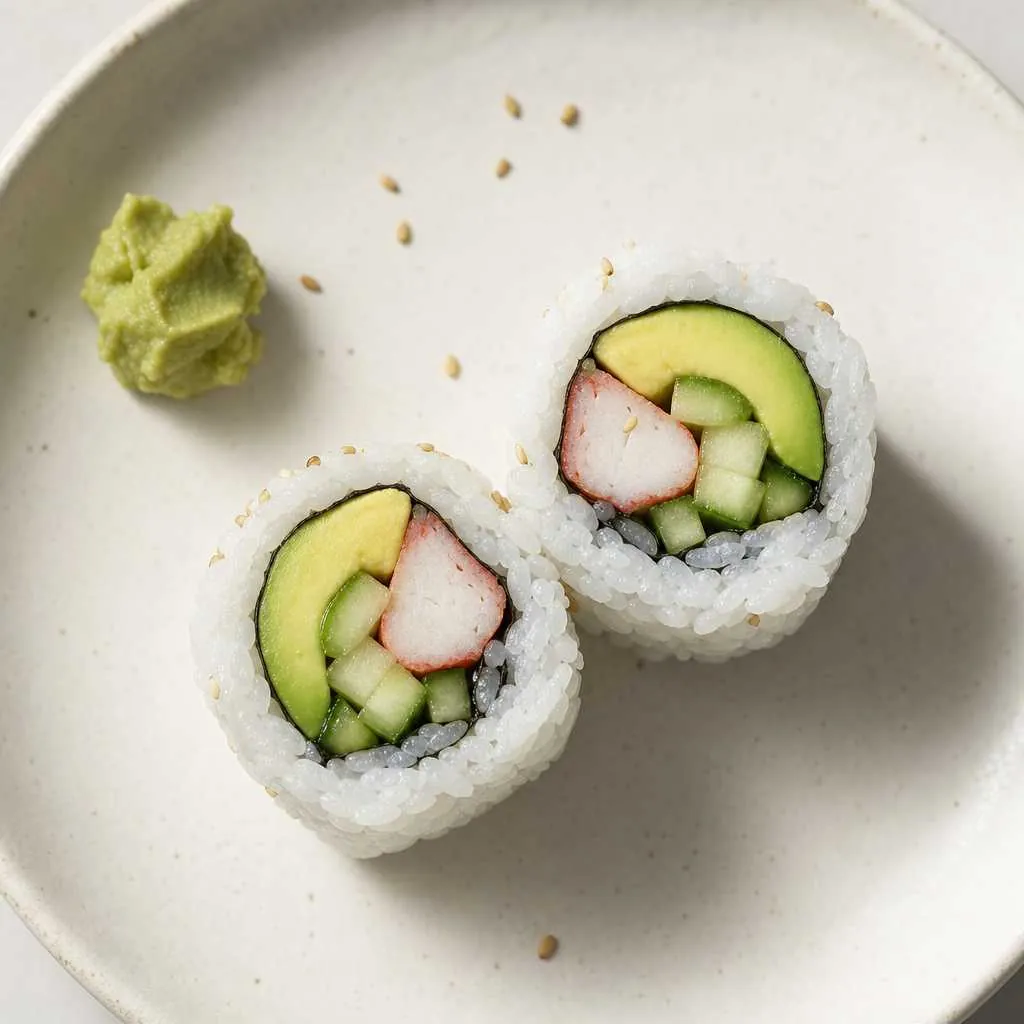
The California roll did not just make sushi accessible to American diners in the 1970s. It rewired how an entire cuisine evolves. What started as a practical workaround, replacing raw tuna with imitation crab and avocado to ease Western hesitation toward raw fish, became the blueprint for every fusion sushi experiment that followed. According to Statista, the U.S. sushi restaurant market generates over $22 billion annually, and a significant share of that revenue traces back to the creative lineage the California roll started. Understanding where modern sushi came from, and where it is heading, matters whether you are a dedicated Japanese cuisine enthusiast or someone who just wants to order confidently at a great restaurant.
Table of Contents
- Quick Takeaways
- The California Roll Origin Story
- What Makes a Sushi Roll Modern
- The Most Influential Modern Sushi Innovations
- Fusion Sushi Done Right vs. Done Wrong
- Comparing Sushi Roll Styles
- What to Expect at a Quality Modern Sushi Restaurant
- Frequently Asked Questions
- References
Quick Takeaways
| Key Insight | Explanation |
|---|---|
| The California roll changed sushi globally | By inverting the roll so rice faces outward and using familiar ingredients, it made sushi a mainstream dining choice and opened the door for every modern variation that followed. |
| Inside-out construction is now the default | The uramaki technique (rice on the outside) pioneered by the California roll is now the standard format for most Western sushi rolls, including spicy tuna, dragon rolls, and rainbow rolls. |
| Fusion sushi requires culinary discipline | Successful fusion sushi respects the foundational textures and balances of Japanese cuisine. Rolls that pile on sauce without structural logic fail both in flavor and presentation. |
| Quality rice is still the non-negotiable base | Every modern innovation sits on sushi rice. Short-grain Japanese rice seasoned with precise ratios of rice vinegar, sugar, and salt remains the technical standard that separates good from mediocre sushi. |
| The dragon roll is the California roll’s most successful heir | Using shrimp tempura inside and avocado draped on top, the dragon roll extended California roll logic into something visually dramatic and flavor-layered, making it a staple on nearly every modern menu. |
| Raw fish hesitancy is declining among younger diners | Research from the National Restaurant Association shows Gen Z diners are more adventurous than any previous generation, driving demand for traditional nigiri and sashimi alongside fusion rolls. |
| Plant-based sushi is a real and growing category | Beyond vegetarian standbys like cucumber rolls, chefs are now working with roasted beets, jackfruit, and marinated tofu to create plant-based rolls with the same textural satisfaction as fish-forward options. |
The California Roll Origin Story
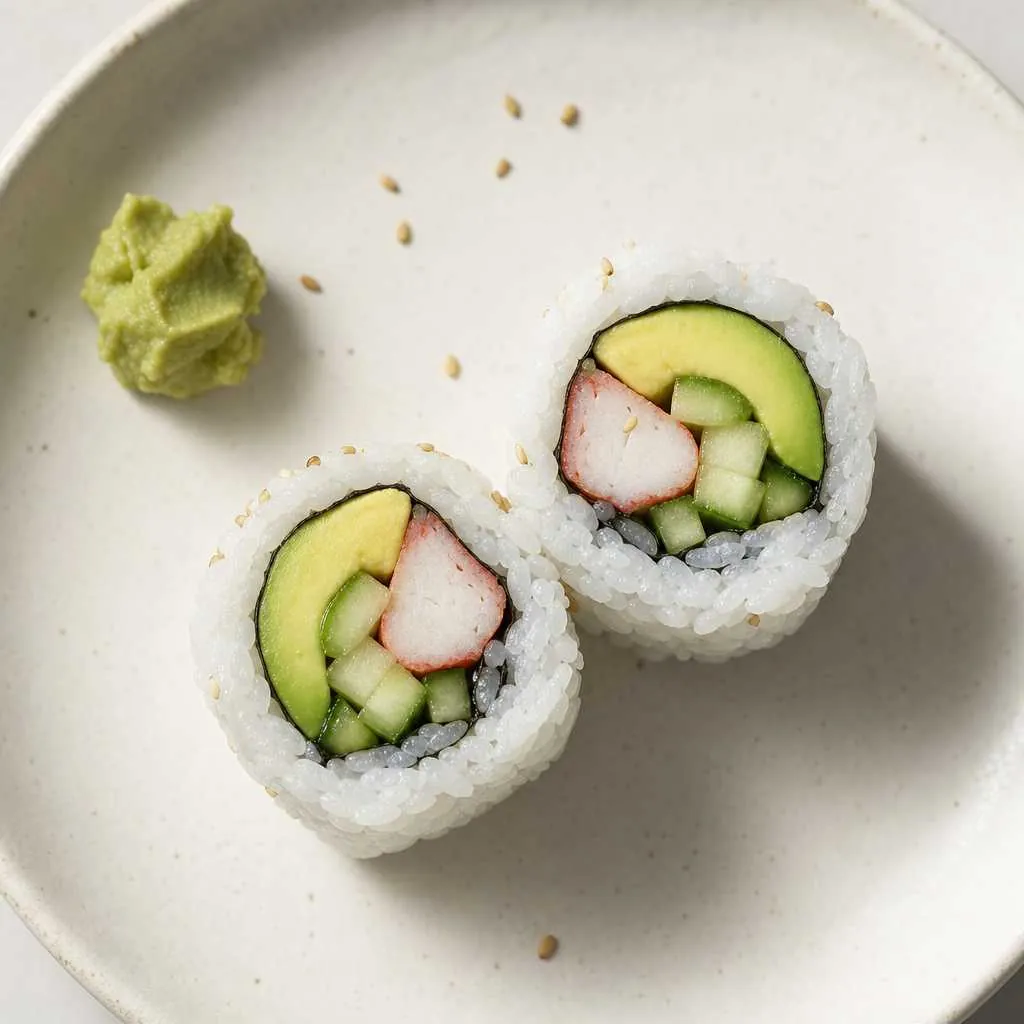
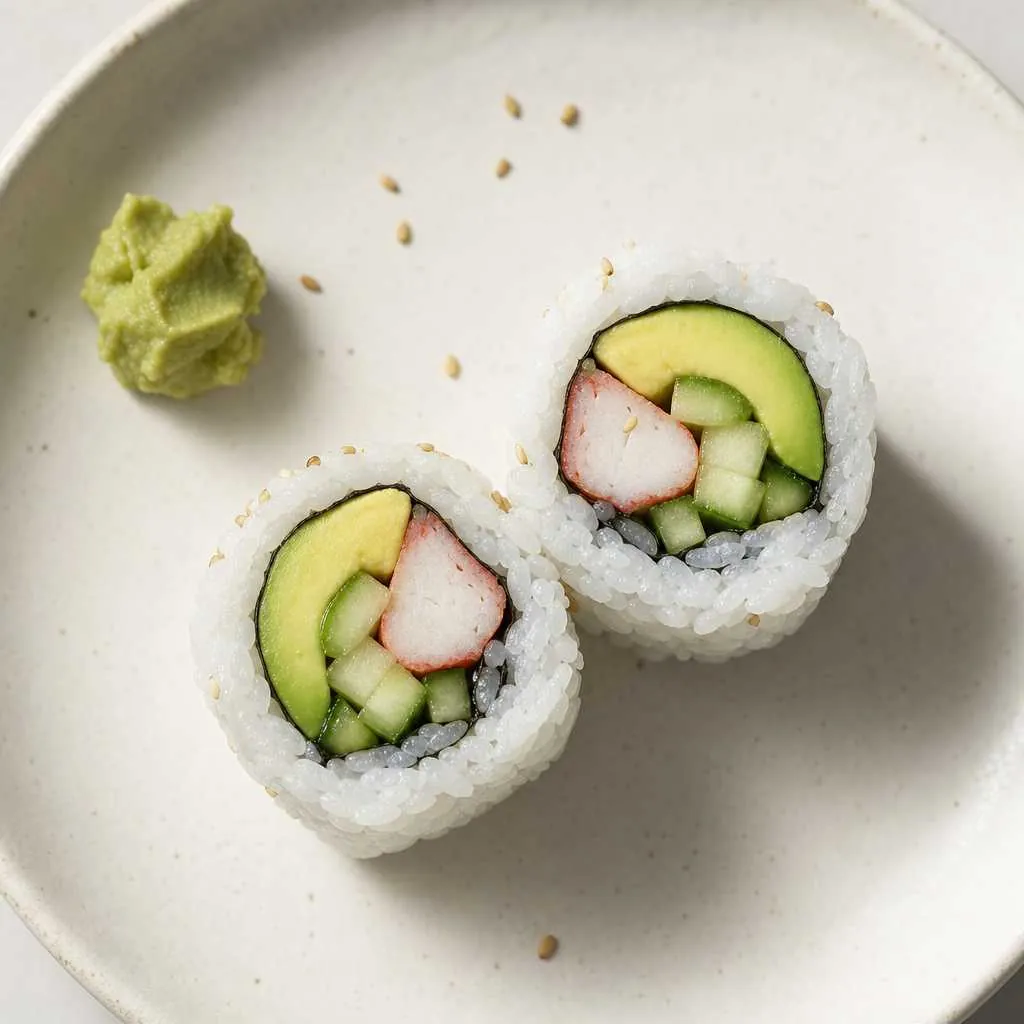
Most food historians credit the California roll to either Ichiro Mashita at Tokyo Kaikan in Los Angeles or Hidekazu Tojo in Vancouver, both working in the late 1960s and early 1970s. The specific credit remains debated, but the culinary logic is consistent: Western diners were uncomfortable with raw fish, so the solution was to replace it with cooked imitation crab (surimi), pair it with creamy avocado, add cucumber for crunch, and flip the entire construction so the seaweed sits inside, hidden from view.
That last decision, putting the rice on the outside, was arguably the more important innovation. The uramaki format (inside-out roll) gave chefs a new canvas. Sesame seeds could coat the outer rice. Sauces could be drizzled over the top. Thin slices of fish or avocado could be draped like scales along the length of the roll. None of that visual drama was possible with traditional maki construction where nori faces outward.
The California roll reached mainstream American restaurants through the 1980s sushi boom, when Japanese cuisine shifted from an exotic novelty to a restaurant category in its own right. It served as the entry point for millions of diners who would later move on to spicy tuna, salmon avocado, and eventually full omakase experiences.
What Makes a Sushi Roll Modern
The word “modern” in sushi gets used loosely, but in practice it refers to rolls that depart from the traditional Japanese maki format in one or more meaningful ways. Traditional maki uses nori on the outside, raw fish or a single vegetable inside, and minimal adornment. A modern sushi roll typically involves at least one of four innovations: ingredient substitution, construction inversion, topping complexity, or sauce architecture.
Ingredient Substitution
The California roll proved that swapping traditional fish for a familiar, accessible ingredient does not dilute the sushi experience. It reframes it. Modern rolls now substitute with everything from crispy tempura shrimp to seared wagyu beef, from mango slices to truffle-infused cream cheese. The substitution only works when the replacement ingredient matches or enhances the textural profile expected in that roll position.
Sauce Architecture
A common mistake in modern sushi is treating sauce as an afterthought. The best fusion sushi rolls at restaurants like Zen Ramen and Sushi treat sauce as a structural layer. Spicy mayo applied inside the roll behaves differently than when it is drizzled on top. Eel sauce (unagi sauce) adds a sweet-savory glaze that changes how the entire roll reads on the palate. A well-designed sauce does not overpower the fish. It amplifies what the fish is already doing.
Construction Complexity
Double-stuffed rolls, baked rolls, and volcano rolls represent the upper end of construction complexity. These require significantly more technical skill from the kitchen because heat application changes the texture of every layer. A baked roll that emerges gummy or a volcano roll where the topping slides off immediately signals poor technique, regardless of how premium the ingredients are.
“Sushi is not just food. It is a representation of precision, patience, and respect for the ingredient. When fusion builds on that foundation, it succeeds. When it ignores it, it becomes something else entirely.” – Nobu Matsuhisa, chef and restaurateur, in multiple recorded interviews on his culinary philosophy.
The Most Influential Modern Sushi Innovations
Not every modern sushi roll deserves equal credit for advancing the craft. A handful of rolls genuinely changed what chefs and diners expected from the format, and tracing their influence helps explain the current menu landscape at any serious sushi restaurant.
The Spicy Tuna Roll
The spicy tuna roll emerged in Los Angeles in the 1980s as a way to use tuna scraps that would otherwise be discarded. Mixing chopped tuna with sriracha or togarashi-based mayo created a spreadable filling that worked beautifully inside an uramaki roll. It introduced heat as a legitimate sushi flavor dimension rather than a novelty, and it remains one of the top-ordered rolls in American Japanese restaurants today.
The Dragon Roll
The dragon roll is the California roll’s most architecturally ambitious descendant. Shrimp tempura inside provides crunch and warmth. Thinly sliced avocado layered across the top of the rice exterior creates the visual suggestion of dragon scales. Eel sauce drizzled over the top ties the sweet and savory elements together. The dragon roll demonstrated that visual presentation could be a meaningful part of the sushi experience without compromising flavor integrity.
The Rainbow Roll
The rainbow roll places a California roll at its center and tops it with alternating slices of fish (typically tuna, salmon, yellowtail, and sometimes shrimp or avocado) across the entire length. It became the clearest example of using the California roll as a modular base for higher-end compositions. In practice, the quality of a rainbow roll is entirely determined by the freshness of the raw fish on top, making it an excellent indicator of how serious a restaurant is about its fish sourcing.
Baked and Volcano Rolls
Baked sushi rolls, developed largely in Hawaii and Southern California during the 1990s, apply a mayonnaise-based topping to a completed roll and bake or broil the entire piece. The result is a warm, slightly crispy outer layer with a melted, creamy top. Volcano rolls add a dramatic mound of similar topping and sometimes include a drizzle of sriracha that suggests heat visually as well as literally. These styles pushed sushi into comfort food territory without abandoning the rice-and-fish core.
Pro tip: When ordering a baked roll, ask your server whether it is baked to order or prepared in advance and reheated. Rolls baked to order will have a noticeably better texture, with the rice maintaining its integrity rather than becoming compressed and gummy from sitting.
Fusion Sushi Done Right vs. Done Wrong
Fusion sushi has earned both loyal fans and legitimate critics, and both groups have valid points. The criticism centers on restaurants that use “fusion” as cover for low-quality fish buried under heavy sauces, or that construct rolls so large they cannot be eaten in a single bite, which is a fundamental breach of the sushi eating format.
Fusion sushi done correctly maintains what Japanese culinary tradition calls ma, the principle of considered balance and negative space. Each ingredient in a well-constructed fusion roll has a reason to be there. The tempura adds crunch. The avocado adds fat and creaminess to balance lean fish. The thin cucumber slice inside adds water content that refreshes the palate between bites. None of this is accidental in a properly designed roll.
A common mistake restaurants make is stacking too many strong flavors into a single roll. When you have cream cheese, spicy mayo, eel sauce, and multiple fish types all in one roll, the result is not complexity. It is chaos. The individual ingredients cancel each other out, and you are left tasting only the sauce. Restraint is the mark of a kitchen that understands fusion rather than one that is simply performing it.
Zen Ramen and Sushi approaches fusion with this balance in mind. The goal is always to build on the California roll’s foundational logic rather than abandon it: identify a familiar entry point for the diner, pair it with ingredients that enhance rather than overwhelm, and finish with a sauce or topping that ties the flavors together without dominating.
Pro tip: If you are new to fusion sushi, order a California roll and a spicy tuna roll on the same visit and compare them side by side. The contrast between the cooked, mild California roll and the raw, heated spicy tuna roll gives you a clear understanding of how ingredient choice changes the entire experience of the same basic format.
Comparing Sushi Roll Styles
| Roll Style | Key Characteristics | Best For |
|---|---|---|
| Traditional Maki | Nori on the outside, single primary filling, minimal adornment, bite-sized portions, emphasis on ingredient purity | Diners who want to experience the fish itself without distraction, and those building toward omakase appreciation |
| California Roll Style (Uramaki) | Rice on the outside, sesame-coated exterior, cooked or mild fillings, accessible flavor profile, multiple complementary ingredients inside | First-time sushi eaters, diners who prefer cooked fish, and anyone ordering for a mixed-preference group |
| Modern Fusion Rolls | Complex construction, multiple sauce layers, often includes tempura or baked elements, strong visual presentation, flavor-forward rather than ingredient-forward | Experienced sushi diners looking for creative interpretations, diners who enjoy bold flavor combinations, and shareable social dining moments |
What to Expect at a Quality Modern Sushi Restaurant
The difference between a restaurant that does modern sushi well and one that uses it as a marketing label is visible long before the food arrives. Start with the rice. A quality sushi restaurant will have sushi rice that is warm (not hot, not cold), slightly glossy, and holds its form without being packed so densely that it becomes a compressed block. If the rice is wrong, nothing else on the menu can compensate.
Fish sourcing transparency matters more than ever. Restaurants serious about their sushi will be able to tell you where their salmon comes from, whether the tuna is sashimi grade, and how frequently they receive deliveries. This is not snobbery. It is food safety and flavor quality combined. Fatty tuna (otoro) that has been sitting in a display case for three days tastes completely different from the same fish served the day it arrived.
When comparing Zen Ramen and Sushi to solo-concept sushi bars that focus on a single style, the advantage of a full Japanese dining environment becomes clear. Having high-quality ramen and sushi under one roof means the kitchen is invested in the full range of Japanese culinary technique, from slow-cooked broths to precise knife work on fish. That breadth of skill typically raises the standard across every dish.
The menu structure tells you a great deal about a restaurant’s philosophy. A menu that offers fifty rolls is not necessarily better than one that offers twenty. In practice, a focused menu with clearly described, well-executed rolls demonstrates more culinary confidence than an overwhelming list where many items use similar ingredients with only superficial variation.
Service knowledge is another quality marker. Your server should be able to describe what makes each roll distinct, suggest pairings between rolls and other menu items, and flag which rolls contain common allergens without needing to check extensively. When a server can explain why a particular roll works, it signals a kitchen culture that teaches the food rather than just executing it.
Frequently Asked Questions
What exactly is in a traditional California roll?
A traditional California roll contains imitation crab (surimi), avocado, and cucumber wrapped in rice and nori using the inside-out (uramaki) technique, so the rice faces outward and is typically coated with sesame seeds. Some variations substitute real crab or add a small amount of Japanese mayonnaise inside. The roll contains no raw fish, which is what made it the entry point for Western diners unfamiliar with raw seafood.
Is a California roll considered authentic Japanese sushi?
No, and that is not a criticism. The California roll was invented in North America, not Japan, and does not appear in traditional Japanese sushi culture. It is a Japanese-American culinary creation that uses Japanese techniques (specifically uramaki construction and sushi rice) to build something new. Japan has since embraced its own versions of American-influenced sushi, but the original California roll belongs specifically to the North American sushi evolution.
What is the difference between fusion sushi and traditional sushi?
Traditional sushi emphasizes the natural flavor of a single primary ingredient, usually fish, supported by perfectly prepared rice and minimal accompaniment. Fusion sushi deliberately combines elements from different culinary traditions, often adding cooked proteins, Western-style sauces, or non-Japanese ingredients into the roll structure. The key distinction is intention: traditional sushi lets the ingredient speak, while fusion sushi constructs a new flavor conversation between multiple components.
How should I order sushi rolls if I am new to Japanese cuisine?
Start with the California roll to establish your baseline, then move to a spicy tuna roll to experience raw fish with a familiar heat element that eases the transition. From there, try a rainbow roll or dragon roll, which use the California roll format as a base but add visual complexity and varied fish flavors across the top. Avoid ordering the most extreme fusion rolls on your first visit. Build familiarity with the core flavors first, and the more adventurous options will make far more sense once you have a reference point.
What makes a sushi roll high quality versus mediocre?
The rice is the first and most important indicator. It should be at body temperature, lightly seasoned with rice vinegar, and hold together without being compressed into a dense block. Fish should smell clean and oceanic, never fishy or sour. A well-constructed roll should be bite-sized or close to it, with each component present in every bite rather than concentrated at one end. Sauce should complement without dominating. If you taste only the sauce and lose the fish entirely, the balance is wrong regardless of how attractive the roll looks.
Are plant-based sushi rolls worth ordering at a restaurant that also serves fish?
Absolutely, and the best test of a sushi chef’s skill is whether their vegetable or plant-based rolls are as carefully constructed as their fish-forward offerings. A thoughtfully prepared roasted sweet potato roll or a mango and avocado uramaki at a restaurant like Zen Ramen and Sushi reveals whether the kitchen cares about every dish on the menu or only the premium items. Plant-based rolls also provide excellent palate contrast when ordered alongside fish-forward rolls in a shared dining scenario.
What is your experience with modern sushi rolls? We would love to hear which innovations have surprised you and which ones you think have pushed the format too far.
References
- Statista market data on the U.S. sushi and Japanese restaurant industry revenue and consumer trends
- Forbes coverage of food industry innovations and the evolution of Japanese cuisine in American dining culture
- U.S. Food and Drug Administration guidelines on fish safety, sashimi-grade standards, and raw seafood handling for restaurants
- National Restaurant Association research on dining trends, consumer adventurousness by generation, and Japanese cuisine popularity data