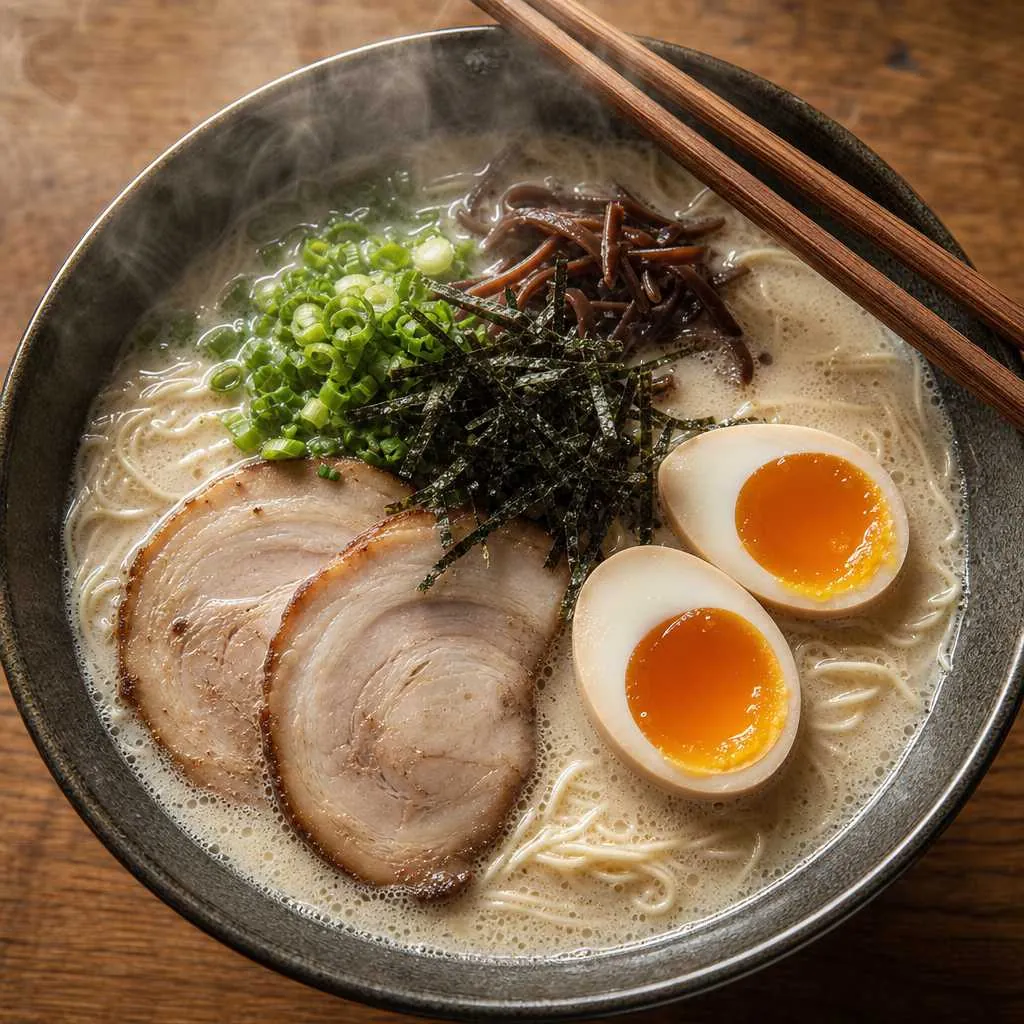
Walking into a ramen restaurant for the first time and staring at a menu full of unfamiliar terms is more common than most people admit. The ramen menu can feel overwhelming, especially when you are not sure whether to order tonkotsu or shoyu, what a soft-boiled ajitsuke tamago actually is, or whether you even need to customize anything at all. This guide cuts through the confusion directly. Whether a friend brought you to Zen Ramen and Sushi or you are finally checking out a spot you have heard about, knowing how to read a Japanese restaurant menu changes the entire dining experience from stressful to genuinely enjoyable.
Table of Contents
- Quick Takeaways
- Understanding Ramen Broth Types
- Decoding Noodle Options
- Toppings and Add-Ons Explained
- Ordering Ramen Step by Step
- Sushi Alongside Ramen: How to Order Both
- Ramen Ordering Styles Compared
- Common Mistakes First-Timers Make
- Frequently Asked Questions
- References
Quick Takeaways
| Key Insight | Explanation |
|---|---|
| Broth type is the most important choice | Tonkotsu, shoyu, miso, and shio each deliver completely different flavor profiles. Pick this first before worrying about toppings. |
| Richness level affects the entire bowl | Many menus let you customize fat content and broth intensity. First-timers should start at the default level before experimenting. |
| Noodle thickness matters | Thicker noodles hold rich broths better. Thinner noodles suit lighter broths like shio. Ask your server if the menu does not specify. |
| Toppings are not optional decorations | Chashu pork, marinated egg, nori, and bamboo shoots each contribute distinct flavors. Leaving them out changes the intended dish. |
| Spice levels are adjustable at most restaurants | Zen Ramen and Sushi allows customization. Asking about spice options is always appropriate and never unusual. |
| Ramen and sushi pair well when ordered strategically | Start with lighter sushi rolls before heavier ramen bowls to avoid flavor fatigue during the meal. |
| Slurping is acceptable and even encouraged | In Japanese dining culture, slurping noodles signals enjoyment and also helps cool the broth as it enters your mouth. |
Understanding Ramen Broth Types
The broth is the soul of any ramen bowl. Every other element, from noodles to toppings, is built around it. When you open a ramen menu for the first time, the broth category is the decision that defines your entire experience. Getting this right matters more than any topping choice.
There are four foundational broth styles you will encounter at most Japanese restaurants, including at Zen Ramen and Sushi. Each one has a distinct base, flavor depth, and typical protein pairing.
“>
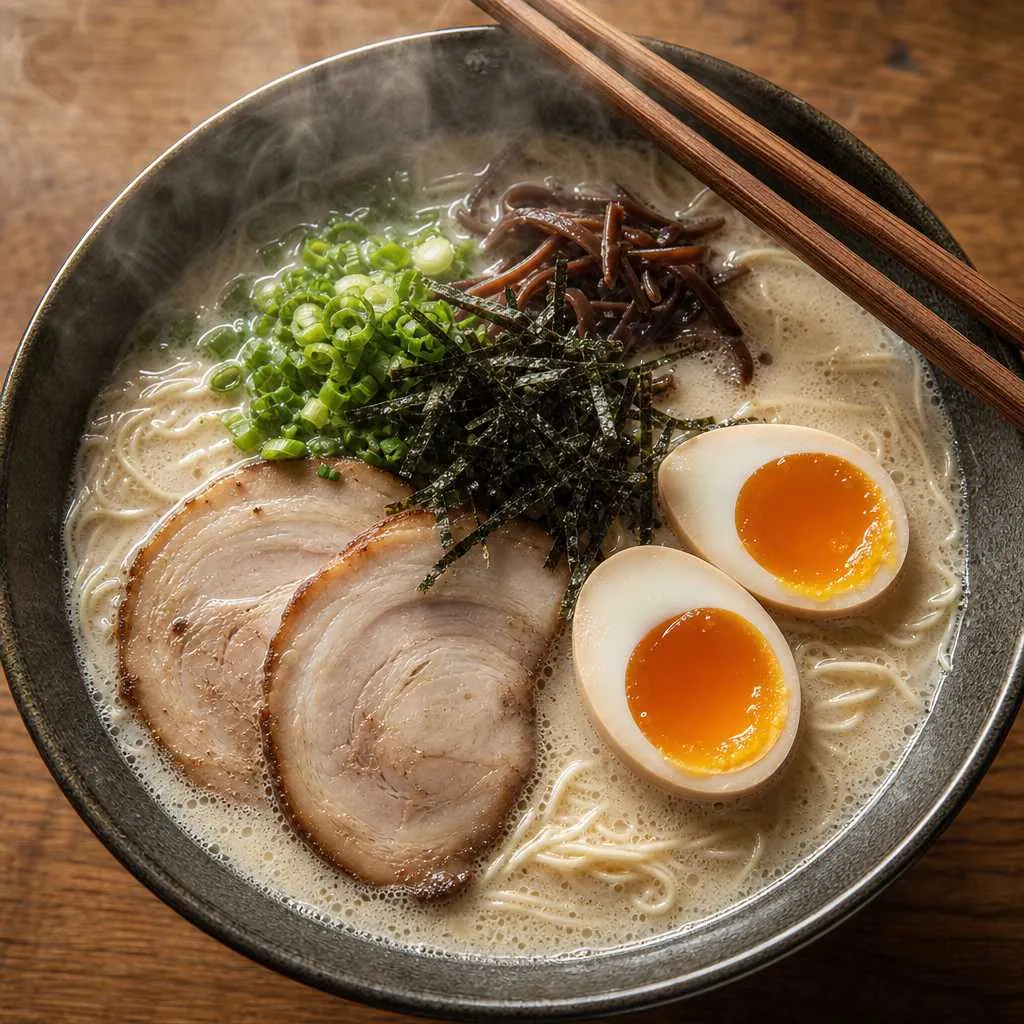
Tonkotsu: Rich and Creamy Pork Bone Broth
Tonkotsu is made by boiling pork bones for many hours until the collagen breaks down and the broth turns milky white. The result is thick, fatty, and deeply savory. This is the most popular broth style for newcomers because the richness feels immediately satisfying.
In practice, tonkotsu pairs best with thin straight noodles and chashu pork slices. If you are ordering ramen for beginners and want something reliably impressive on a first visit, tonkotsu is the safest starting point.
Shoyu: Soy Sauce-Based Clarity
Shoyu ramen uses a clear to brown chicken or pork broth seasoned with soy sauce tare. It is less fatty than tonkotsu but intensely umami-forward. The broth is lighter in texture while still delivering serious flavor.
Shoyu is often considered the most traditional Tokyo-style ramen. If you prefer cleaner flavors over richness, this is where to start.
Miso: Fermented Depth and Complexity
Miso ramen uses a base of fermented soybean paste blended into the broth. The flavor is earthy, slightly sweet, and complex. It tends to pair well with corn, butter, and ground pork toppings, which is why many miso bowls appear loaded.
A common mistake is assuming miso ramen will taste like miso soup. It does not. The broth base is usually chicken or pork stock, with the miso tare providing seasoning, not the entire flavor.
Shio: The Lightest and Most Delicate
Shio means salt in Japanese. This is the lightest broth style, typically pale yellow or clear, and it lets the quality of the base stock shine. It suits diners who want something less heavy or are pairing their bowl with multiple sushi dishes during the same meal.
Pro tip: If you are dining at Zen Ramen and Sushi for the first time and cannot decide, ask your server which broth the kitchen considers the house specialty. Most ramen restaurants have one broth they have perfected above the others, and that is usually the right answer for a first visit.
Decoding Noodle Options
Noodles in ramen are not interchangeable. The texture, thickness, and alkalinity of the noodle interact directly with the broth. Ordering the wrong noodle style for your chosen broth is one of the most common first-timer errors, and it is entirely avoidable with basic knowledge.
Thin Straight Noodles
These noodles work best with rich broths like tonkotsu. The thin noodle absorbs broth quickly and delivers flavor in every bite. Because they cook fast, they stay firm longer in the bowl. Thin straight noodles are common in Hakata-style tonkotsu ramen.
Wavy Medium Noodles
Wavy noodles trap broth in their ridges, which makes them versatile across broth types. They are particularly well-suited to miso and shoyu broths because the waves carry the thicker tare-seasoned liquid effectively. Most beginner-friendly ramen bowls use wavy medium noodles as the default.
Flat Wide Noodles
Wide flat noodles appear less frequently on standard ramen menus but are worth noting when available. They deliver a different mouthfeel, more similar to udon, and pair well with heavy, stew-like broths. If Zen Ramen and Sushi offers a seasonal or specialty bowl using flat noodles, it is usually worth trying.
The data from Japanese culinary sources consistently shows that noodle firmness, called “kata” in Japanese, is a preference most diners develop after a few visits. On a first visit, ordering the default firmness is the right call. Adjust on your next trip.
Pro tip: Eat your ramen quickly. Noodles continue absorbing broth after the bowl is placed in front of you, and they become soft and lose their texture after about ten minutes. This is not a sign of poor quality. It is just the nature of fresh alkaline noodles in hot liquid.
Toppings and Add-Ons Explained
The topping section of a ramen menu is where most first-timers either over-order or skip things they would have loved. The standard toppings on a Zen Ramen and Sushi bowl are there for a reason. They balance fat, acid, texture, and umami in a specific way. Understanding what each topping does helps you make additions or substitutions with intention.
Chashu Pork
Chashu is braised or roasted pork belly or shoulder, sliced thin. It is typically soy-and-sake marinated, giving it a sweet and savory exterior with a melt-in-your-mouth center. A chashu slice placed on hot broth will soften further as you eat. This is the most common protein topping on any ramen menu and the one to order if you are unsure.
Ajitsuke Tamago (Marinated Soft-Boiled Egg)
This is a soft-boiled egg marinated in soy sauce and mirin until the white turns golden-brown and the yolk becomes jammy. The ajitsuke tamago adds richness and a mild sweetness to each spoonful. Skipping it on a first visit is a common regret. It is almost always worth adding.
Nori, Menma, and Narutomaki
Nori is dried seaweed, which adds a briny depth. Menma is fermented bamboo shoots, providing crunch and a slightly fermented tang. Narutomaki is the white-and-pink fish cake with the swirl pattern. It contributes mild sweetness and textural contrast. None of these are dramatic additions on their own, but together they complete the intended bowl.
Extra Toppings and Sides
Most menus include optional extras like corn, butter, green onions, mushrooms, or extra chashu. Ordering one or two extras is normal. Ordering six extras on a first visit makes it harder to understand the base dish. Start clean, then build on subsequent visits.
“>
Ordering Ramen Step by Step
Ordering ramen confidently comes down to a simple sequence. Most people skip this structure and end up frozen in front of the menu. The sequence below works at Zen Ramen and Sushi and at any Japanese restaurant you visit in the future.
Step one is choosing your broth. This decision shapes everything else. Step two is confirming the noodle type or accepting the default pairing. Step three is reviewing the included toppings on your selected bowl. Step four is deciding whether to add or remove any toppings. Step five is specifying spice level, richness, and portion size if those options are available.
That is the complete process. Five decisions in order. It takes less than two minutes once you know what each term means.
“Ramen is a deeply personal food. The best bowl is not necessarily the most expensive or the most complex one. It is the one that matches your preferences on that specific day.” — Ivan Orkin, ramen chef and author of “Ivan Ramen”
One thing that separates a confident ramen order from a confused one is knowing that you are allowed to ask questions. Servers at a dedicated ramen restaurant like Zen Ramen and Sushi are genuinely helpful when it comes to describing broth intensity or recommending their most popular bowls. There is no such thing as a stupid question at a ramen counter.
Sushi Alongside Ramen: How to Order Both
One of the advantages of dining at Zen Ramen and Sushi over single-concept ramen spots like Ichiran or Yasubee is the ability to build a complete Japanese meal combining both disciplines. However, there is a right way to approach this combination and a wrong way.
Order Lighter Sushi First
Begin with nigiri or simple sashimi before your ramen arrives. The clean, delicate flavors of fresh fish are best experienced before your palate is coated in rich tonkotsu or miso broth. Sashimi in particular showcases fish quality in a way that disappears if eaten after a heavy bowl.
Rolls as a Side, Not a Starter
Maki rolls with sauces and multiple fillings work better as a side dish alongside your ramen rather than as a course before it. The layered flavors in a spicy tuna roll or a specialty roll can complement a shoyu or shio ramen without overwhelming the lighter broth.
Avoid Doubling Up on Rich Items
A common mistake when ordering both ramen and sushi is combining a heavy tonkotsu bowl with a cream-cheese-based or heavily sauced specialty roll. The richness becomes cumulative and you end up unable to finish either dish comfortably. Pick one heavy item and balance it with something lighter.
This is an area where Zen Ramen and Sushi has a genuine advantage over purely ramen-focused competitors. The menu breadth means you can eat as light or as substantial as your appetite allows, which is particularly useful for groups where preferences differ.
Ramen Ordering Styles Compared
| Ordering Approach | Best For | Potential Drawback |
|---|---|---|
| Default Bowl (no customizations) | First-time visitors who want to taste the chef’s intended version | May not suit dietary restrictions or spice preferences without asking |
| Fully Customized Bowl (broth richness, noodle firmness, spice level all adjusted) | Experienced ramen diners who know exactly what they want | First-timers often customize away from the balanced flavor the kitchen designed |
| Server-Recommended Bowl | Visitors who are unfamiliar with the menu and trust the kitchen’s expertise | You may not get the exact broth type you would have preferred if you had more information |
In practice, the default bowl on a first visit almost always produces the most satisfying result. Customization is a tool for repeat visitors who have a baseline reference point. Without that baseline, customization is guesswork.
Common Mistakes First-Timers Make
After observing how new diners approach a ramen menu, several patterns emerge consistently. These mistakes are easy to avoid once you know they exist.
The first mistake is treating the broth like soup to be sipped at the end. Ramen broth is meant to be consumed throughout the meal, with each noodle-and-topping combination. Waiting until the end to drink the broth means you have missed the way flavor builds during the meal.
The second mistake is removing toppings because they look unfamiliar. Menma, narutomaki, and nori are not garnishes. They were placed there because they contribute specific flavors and textures. Trying the bowl as designed before removing anything is the better approach.
The third mistake is ordering the spiciest available option on a first visit without knowing the restaurant’s heat scale. Spice levels vary wildly between restaurants. What is “level 3” at one place might be the equivalent of “level 6” somewhere else. Starting at the mid-point is the safer choice.
The fourth mistake is letting the noodles sit. As noted earlier, fresh ramen noodles continue cooking in the broth after the bowl is served. Starting to eat within one minute of the bowl arriving is not impolite. It is the correct behavior.
The fifth mistake is skipping the marinated egg because it looks soft. The jammy yolk of an ajitsuke tamago is intentional. That semi-liquid center mixes with the broth and creates a richer, creamier mouthfeel with each spoonful. This is one of the most rewarding elements of a properly made ramen bowl.
Pro tip: If you are visiting Zen Ramen and Sushi with a group and everyone is ordering something different, ask for a small taste of each broth style before committing. Most attentive servers at specialty ramen restaurants are happy to accommodate this request, and it turns the meal into a genuine tasting experience rather than a guessing game.
Frequently Asked Questions
What is the difference between ramen broth types on a menu?
The four main broth types are tonkotsu (rich pork bone broth), shoyu (soy sauce seasoned broth), miso (fermented soybean paste broth), and shio (salt-seasoned light broth). Each has a distinct flavor intensity and texture. Tonkotsu is the richest and most filling. Shio is the lightest and most delicate. Shoyu and miso fall between those two extremes in different directions.
Is it rude to customize my ramen order at a Japanese restaurant?
No. Customization is expected and welcomed at most Japanese ramen restaurants, including Zen Ramen and Sushi. Specifying spice level, noodle firmness, and broth richness is entirely normal. The one caution is that extensive changes on a first visit mean you are eating a different dish than what the kitchen designed, so you lose the ability to evaluate the original recipe.
How do I know how spicy a ramen bowl will be?
Menus typically label spicy bowls with chili symbols or note the spice level in the description. If you are uncertain, ask your server to describe the heat level on a simple scale. At Zen Ramen and Sushi, the staff can guide you toward a spice level that matches your tolerance. When in doubt, start at the default or mid-range spice setting.
Can I order sushi and ramen in the same visit without one overwhelming the other?
Yes, but sequence matters. Order lighter sushi items, particularly nigiri or sashimi, before your ramen arrives. If you want rolls as well, order them as a side to accompany your ramen rather than as a standalone course before it. Avoid combining a very rich ramen broth with heavily sauced or cream-based sushi rolls in the same meal.
What does “kata” or “soft” noodle firmness mean on a ramen menu?
Kata means firm in Japanese. When you specify kata for your noodles, you are requesting that they be cooked for less time, leaving them with more bite and texture. Soft noodles are cooked longer and become more yielding. For first-timers, the default or medium firmness is the intended experience. Kata is preferred by experienced ramen diners who eat quickly and want the noodles to stay firm throughout the meal.
What is the best ramen option for someone who does not eat pork?
Shio ramen is often the best starting point, as it is typically made with chicken stock and can easily be prepared without pork-based toppings. Shoyu ramen made with chicken base is another good option. When visiting Zen Ramen and Sushi, inform your server of the dietary restriction upfront so they can guide you to the right bowl and confirm which toppings are pork-free.
How much should I expect to spend when ordering ramen for beginners at Zen Ramen and Sushi?
A standard ramen bowl at a quality Japanese restaurant typically falls in the range of fifteen to twenty-five dollars, with specialty or premium bowls running slightly higher. Adding a marinated egg, extra chashu, or a side of sushi rolls will add to that total. For a first visit, budgeting for the bowl plus one or two add-ons gives you the full experience without overordering.
Have you visited Zen Ramen and Sushi for the first time recently? Share what you ordered and whether it matched your expectations. Your experience might help the next first-timer decide.
References
- Global consumer dining and restaurant industry statistics and trends
- Forbes coverage of food culture, restaurant dining, and culinary trends in the United States
- USDA nutrition information portal covering sodium, fat, and protein content in broth-based dishes
- Academic research on Japanese food culture, culinary history, and the global spread of ramen
- FDA food labeling and allergen disclosure guidelines relevant to restaurant menu reading