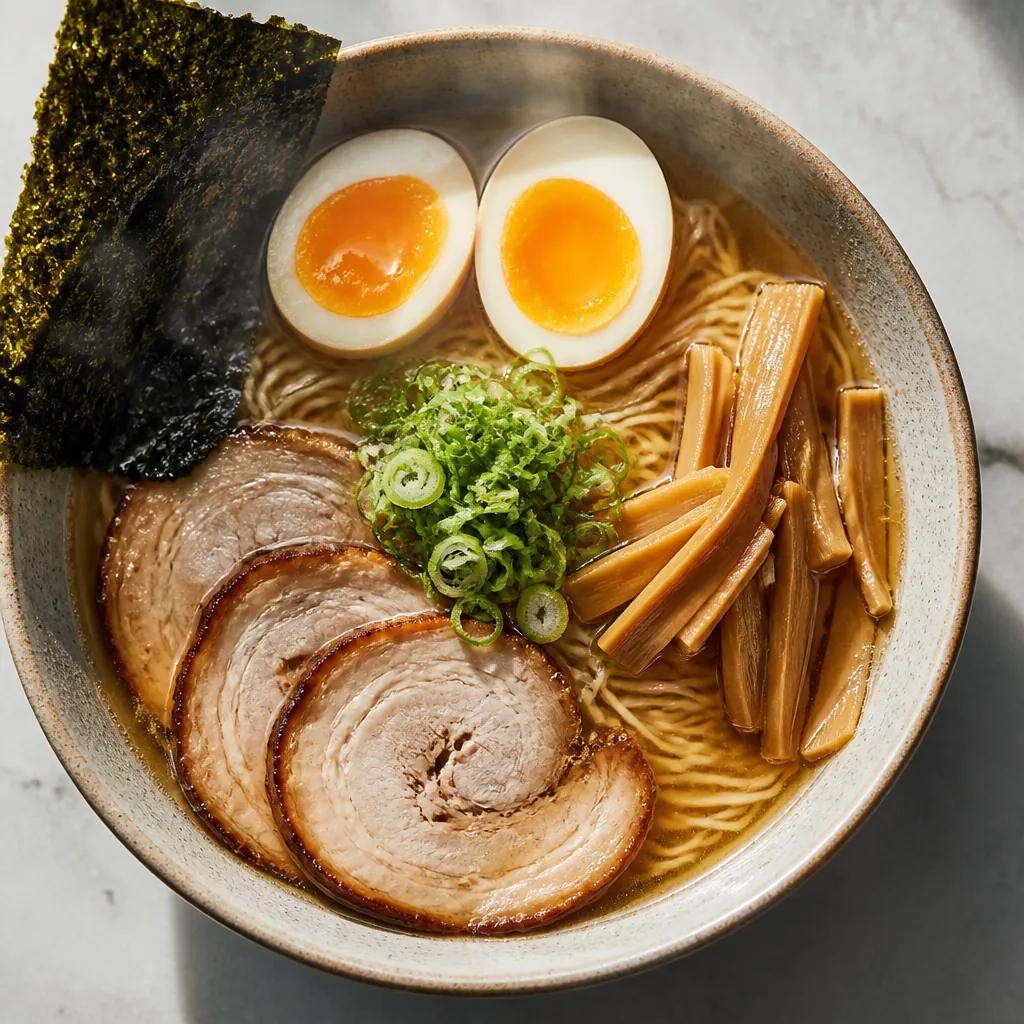
Most people ordering a ramen bowl focus entirely on the broth. That is the wrong instinct. The broth sets the stage, but ramen toppings are what separate a forgettable bowl from one you will be thinking about on the drive home. Chashu that melts against the noodles, a perfectly marinated egg cut to reveal a jammy yolk, a sheet of nori softening at the edges as it absorbs the soup – every one of these elements does specific, deliberate work. If you have ever wondered why your bowl at a great ramen spot hits differently than one assembled carelessly, the answer is almost always in the toppings. This guide ranks and explains them so you know exactly what you are eating and why it matters.
Table of Contents
- Quick Takeaways
- The Essential Tier: Toppings Every Bowl Needs
- The Texture Tier: Toppings That Build the Eating Experience
- The Flavor Amplifier Tier: Small Additions, Big Impact
- The Wildcard Tier: Toppings That Divide Opinion
- Ramen Topping Pairing by Broth Type
- Frequently Asked Questions
- References
Quick Takeaways
| Key Insight | Explanation |
|---|---|
| Chashu is the anchor topping | Braised or roasted pork belly or shoulder, chashu provides fat, protein, and sweetness that anchor the entire bowl. It is the topping most ramen styles are built around. |
| Ajitsuke tamago is non-negotiable for richness | A soft-boiled egg marinated in sweetened soy sauce and mirin adds creaminess and umami that no other topping replicates. The jammy yolk bleeds into the broth and changes it. |
| Nori is a flavor delivery mechanism, not a garnish | A sheet of dried seaweed placed against the bowl absorbs broth and changes texture as you eat. It concentrates oceanic umami and should be eaten before it fully softens. |
| Menma (bamboo shoots) provides the crunch layer | Fermented bamboo shoots seasoned in a soy-based sauce add a slightly tangy, savory chew. Without them, most bowls feel texturally flat. |
| Scallions are a freshness reset | Fresh green onions cut through fat and grease. In tonkotsu especially, they prevent the richness from becoming overwhelming by the bottom of the bowl. |
| Narutomaki is tradition, not filler | The white fish cake with the pink spiral is not decoration. It adds a mild, bouncy bite that contrasts the soft noodles and tender pork. |
| Topping order affects the eating experience | Eat nori early before it fully dissolves. Save half of the egg to mix into the broth at the end. Eat chashu mid-bowl when it has absorbed maximum broth. |
The Essential Tier: Toppings Every Bowl Needs
These are the toppings that form the structural backbone of a proper ramen bowl. Removing any one of them creates a noticeable absence, not just a stylistic difference. If you sit down at a ramen counter and the bowl in front of you has none of these, something has gone wrong.
Chashu: The Topping That Defines the Bowl
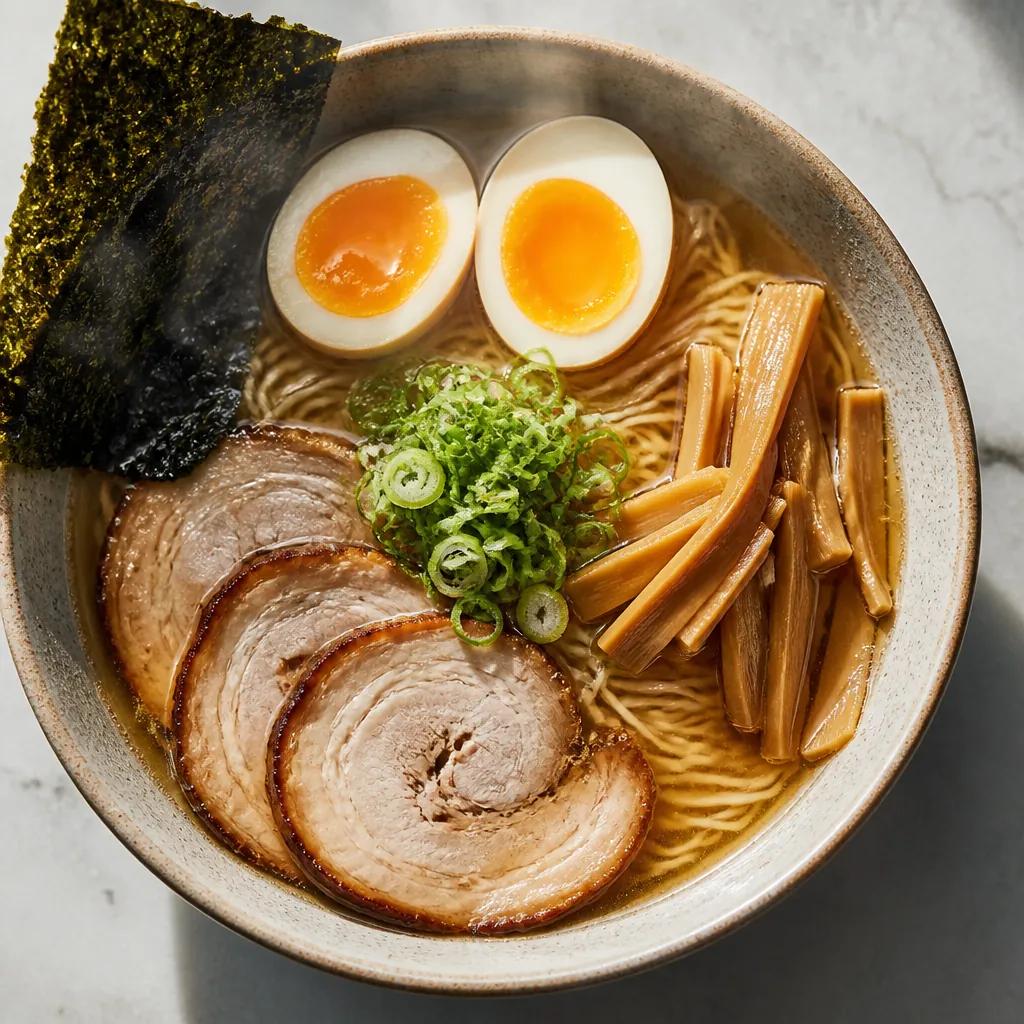
Chashu is fatty braised or roasted pork, typically pork belly or pork shoulder, sliced thin and laid over the noodles. It is the most common ramen topping and the one most restaurants are judged on. A great chashu slice is silky, slightly sweet from the braising liquid, and falls apart the moment it hits the hot broth.
The difference between mediocre chashu and exceptional chashu comes down to the braise. A proper preparation uses soy sauce, mirin, sake, and sugar, and the pork simmers until it is fully tender before being rested and sliced. At Zen Ramen and Sushi, the chashu in both the Tonkotsu and Spicy Tonkotsu bowls carries this same philosophy of slow preparation over shortcut cooking.
Some restaurants substitute kakuni, braised pork belly cut into thicker cubes rather than slices, which gives more chew and a deeper caramelized exterior. Both are excellent. Neither is wrong.
Ajitsuke Tamago: The Egg That Earns Its Place
Called ajitama for short, this is a soft-boiled egg marinated overnight in a sweetened soy-based sauce. The white becomes deeply savory and slightly firm, while the yolk stays jammy and custardy at the center. Cut it in half before eating and watch what it does to the broth around it. That is the point.
A common mistake is treating the egg as an afterthought. The marinating time matters enormously. An egg soaked for only a few hours tastes flat compared to one that has been in the marinade for twelve to eighteen hours and has fully absorbed the soy, mirin, and sugar. Plain soft-boiled eggs (hanjuku tamago) work in a pinch but they are a compromise, not a substitute.
Pro tip: When eating your ramen, cut the ajitama in half at the table and let the yolk bleed slightly into the broth. It adds a layer of richness that changes the flavor of every subsequent spoonful.
The Texture Tier: Toppings That Build the Eating Experience
Ramen without textural contrast is just hot noodle soup. The toppings in this tier exist specifically to create something to bite against, chew through, or encounter differently from the soft noodles and liquid broth. They are the reason eating a great bowl of ramen is an active experience rather than a passive one.
Nori: More Than a Sheet of Seaweed
A single sheet of nori placed vertically against the side of the bowl is one of the most recognizable images in Japanese ramen. Its job is not decorative. Nori absorbs broth from the moment it touches the surface, and as it softens it concentrates oceanic umami and releases it back into every bite. Eat it within the first few minutes while it still has some structural integrity and can be used to scoop noodles and broth together.
Nori works best in shoyu and shio broths where its brininess complements the clear, seasoned soups. In a very heavy tonkotsu, a single sheet can feel overwhelmed, though many great bowls still include it as a textural counterpoint to the richness.
Menma: The Underrated MVP
Menma, also called bamboo shoots, is one of the most overlooked toppings in casual ramen conversation. These are fermented bamboo shoots seasoned in a soy-based sauce, resulting in a slightly tangy, savory condiment with a satisfying crunch that holds up even as the bowl sits. They add a chewy, slightly fibrous texture that no other topping replicates.
Proper menma carries a sweet, nutty, and mildly spicy quality from the seasoning process. The fermentation gives it depth that plain bamboo shoots lack entirely. A bowl without menma tends to feel texturally one-note after the first few bites, especially in shoyu-based ramen where the topping’s flavor profile complements the soy broth directly.
Pro tip: If you are building your own bowl at home, do not use plain canned bamboo shoots as a menma substitute. Season them properly with sesame oil, soy sauce, mirin, and garlic to get even close to the real thing. The fermented version from an Asian grocery will always be better, but a proper quick-cook version beats unseasoned bamboo shoots every time.
Bean Sprouts: The Unsung Crunch
Bean sprouts are particularly important in miso ramen, where their raw crunch contrasts the heavier, paste-based broth. They are also standard in many spicy preparations. The mistake is overcooking them by stirring them too aggressively into a hot bowl. Place them on top and let the heat soften them gradually so they retain some bite.
The Flavor Amplifier Tier: Small Additions, Big Impact
These toppings do not anchor the bowl on their own. What they do is shift the flavor in ways that are immediately noticeable when present and quietly missed when absent. They are the reason the same base broth can taste different across several bowls.
Scallions and Shiraga Negi: The Freshness Layer
Scallions (chopped green onions) and shiraga negi (julienned long green onion strips) serve different purposes despite coming from the same vegetable family. Scallions add an aromatic, herby freshness that lifts the top notes of the broth. Shiraga negi, with its crisp julienned texture, physically cuts through grease and fat in richer broths like tonkotsu.
In practice, both appear in the same bowl at many top ramen shops, used in different quantities depending on broth weight. The heavier the broth, the more you want the sharper, more acidic cut of shiraga negi to keep each bite from feeling heavy.
Narutomaki: The Iconic Fish Cake
The narutomaki fish cake, white with its distinctive pink spiral, is a classic topping that goes back to the earliest commercial ramen presentations. Made from steamed fish paste, it has a bouncy, mild bite that contrasts soft noodles and tender pork. It is not a bold flavor statement. Its role is textural variety and visual identity.
Some bowls use kamaboko, a broader category of steamed fish cake, instead. Both work. Neither should be treated as decoration to push aside. The mild, slightly sweet fishiness actually integrates into the broth as you eat and adds a subtle seafood note that complements shoyu and shio soups especially well.
Sesame Seeds and La-yu Chili Oil: The Finish
Toasted sesame seeds scattered over the bowl add a nutty aromatic that layers with the fat in the broth. La-yu chili oil, drizzled on just before serving, adds heat and a glossy richness that changes the visual and the flavor simultaneously. These are finishing toppings, applied last, and they signal that the bowl is complete.
The best ramen toppings do not compete with the broth. They complete it. Each topping should add something the broth cannot do alone: a crunch the liquid cannot provide, a freshness that cuts through fat, or a richness that deepens the base. A bowl where every topping earns its place is the standard worth chasing.
The Wildcard Tier: Toppings That Divide Opinion
These toppings are not wrong in any ramen bowl. But they are specific to certain broth styles, regional traditions, or personal preferences. Adding them outside their intended context ranges from interesting to actually unpleasant, depending on execution.
Corn and Butter: The Miso Ramen Power Pair
Canned corn and a pat of butter are most closely associated with Hokkaido-style miso ramen. The corn adds sweetness and a pop of texture, while the butter melts into the rich miso broth and adds dairy fat that rounds out the aggressive saltiness of the paste. This combination works because miso ramen is already rich and hearty enough to handle both.
Put corn and butter in a delicate shio broth and it overwhelms. Context matters enormously with these two.
Kimchi: Bold, Not Subtle
Kimchi as a ramen topping appears most often in spicy preparations and tonkotsu bowls. Its fermented sharpness and heat add an acidic punch that cuts through pork fat. The problem is that kimchi is assertive enough to pull the bowl’s flavor profile in a different direction entirely. Use it intentionally, not reflexively.
Mayu (Black Garlic Oil): For Tonkotsu Purists
Mayu is charred garlic oil, deeply smoky and intense, most associated with Kumamoto-style tonkotsu ramen. A small amount drizzled onto the surface adds a bitter, smoky depth that transforms the bowl. It is an acquired addition but one that rewards exploration. Too much makes the entire bowl taste like burned garlic. The amount matters as much as the ingredient itself.
Ramen Topping Pairing by Broth Type
Not all toppings belong in all broths. This is one of the most common misunderstandings casual ramen diners carry. Pairing well is the difference between a coherent bowl and a muddled one. The table below maps the most effective topping combinations by broth type, drawing from established Japanese ramen tradition.
| Broth Type | Ideal Core Toppings | Avoid or Use Sparingly |
|---|---|---|
| Tonkotsu (rich pork bone) | Chashu, ajitama, shiraga negi, sesame seeds, mayu, bean sprouts | Heavy butter and corn (overwhelms), too much nori |
| Shoyu (soy sauce broth) | Chashu, menma, nori, narutomaki, scallions, ajitama | Kimchi (too acidic against the soy base) |
| Miso | Corn, butter, ground pork, bean sprouts, scallions, menma | Narutomaki (flavor clash with miso paste), excessive nori |
| Shio (salt broth) | Narutomaki, wakame, scallions, kamaboko, nori | Mayu (too smoky for the clean broth), heavy chili oil |
| Spicy broth | Ajitama, chashu, bean sprouts, kimchi, la-yu chili oil | Corn and butter (sweetness conflicts with heat) |
When you order a Spicy Tonkotsu or Miso Ramen at Zen Ramen and Sushi, the kitchen’s topping choices already follow this logic. The components you find in each bowl are not random. They are selected to complement the specific broth, which is exactly what separates a well-constructed ramen program from one that simply piles things on.
Understanding this pairing framework also helps you make smart customization requests. Asking for extra menma in a shoyu bowl is a great call. Asking for butter in a delicate shio is a request that should come with a real consideration of what it will do to the balance of the bowl.
Frequently Asked Questions
What are the most traditional ramen toppings in Japanese cuisine?
The most traditional and widely recognized ramen toppings are chashu pork, ajitsuke tamago (marinated soft-boiled egg), menma (fermented bamboo shoots), nori (dried seaweed sheet), narutomaki fish cake, scallions, and bean sprouts. These form the classical lineup you will find across most authentic Japanese ramen styles, and they are the baseline against which other toppings are measured.
What is the difference between menma and plain bamboo shoots?
Menma is bamboo shoots that have been boiled and then fermented in a soy-based sauce, resulting in a savory, slightly sweet, and mildly tangy condiment with a firm chew. Plain bamboo shoots are neutral in flavor and soft in texture. They are not the same product and do not taste remotely similar. In a ramen context, plain bamboo shoots are a poor substitute for properly seasoned menma.
How should nori be eaten in a ramen bowl?
Eat the nori sheet early in the meal, before it fully absorbs the broth and loses all structural integrity. While it still has some firmness, you can use it to scoop up noodles and broth together for a concentrated bite. Once it is fully saturated, it is essentially part of the broth. Neither way is wrong, but eating it fresh gives you more control over the flavor and texture experience.
Can I add ramen toppings to any type of broth?
You can, but it is not always a good idea. Different toppings are designed for different broth weights and flavor profiles. Corn and butter work beautifully in miso ramen but overwhelm a light shio broth. Kimchi suits spicy and tonkotsu preparations but can strip the nuance from a shoyu bowl. Understanding basic pairing principles leads to a far better eating experience than simply adding everything available.
What is ajitsuke tamago and how is it different from a regular boiled egg?
Ajitsuke tamago is a soft-boiled egg that has been marinated in a sweetened soy sauce and mirin mixture, typically overnight. The marinating process infuses the egg white with deep savory flavor and gives it a slightly amber color. The yolk remains jammy and custardy rather than fully cooked. A regular soft-boiled egg has none of the marination, which means it is largely flavorless compared to a properly prepared ajitama.
What toppings work best for someone new to ramen?
Start with the shoyu or tonkotsu bowl and make sure it includes chashu, an ajitama egg, menma, scallions, and nori. That five-topping combination covers every major textural and flavor category: protein richness, creaminess, crunch, freshness, and umami depth. Once you understand how those five elements interact in a bowl, adding or swapping from there becomes intuitive rather than guesswork.
If you have a favorite ramen topping we did not cover, or one that completely changed how you think about a bowl, share it in the comments. We genuinely want to know what you are adding to your order.
We would love your feedback and any insights you would share with others. What perspective would you add?
References
- Complete guide to classic and creative ramen toppings from Just One Cookbook
- Overview of ramen types, broths, and traditional toppings from Japan Guide
- Fifty Japanese ramen toppings ranked and explained with broth pairing suggestions
- What menma is, how it tastes, and how to use it as a ramen topping
- Full Japanese ramen guide covering broths, noodles, and topping combinations