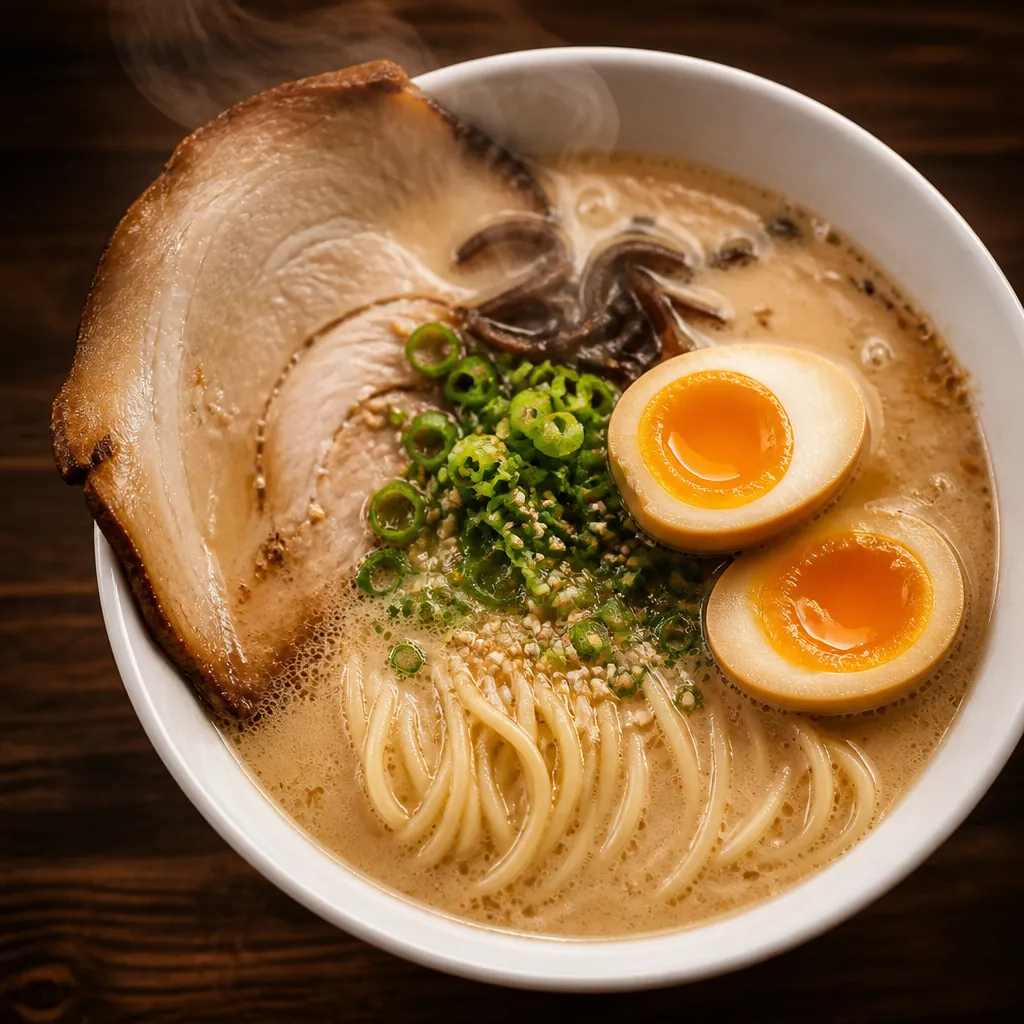
You sit down at a Japanese restaurant, open the menu, and suddenly feel like you need a translator. Words like tare, omakase, and nigiri stare back at you, and your best guess still feels shaky. Knowing your Japanese food terms is not just trivia. It changes how you order, what you appreciate in every bowl and plate, and how much you actually enjoy the meal. This guide covers the 10 most essential Japanese food terms every ramen and sushi fan should have in their back pocket, with the context that makes each one genuinely useful at the table.
Table of Contents
- Quick Takeaways
- 1. Umami: The Taste That Explains Everything
- 2. Tare: The Secret Weapon in Every Ramen Bowl
- 3. Dashi: The Foundation of Japanese Broth
- 4. Shoyu, Shio, Miso, and Tonkotsu: The Four Ramen Broth Families
- 5. Nigiri vs. Maki: Two Sushi Styles You Must Distinguish
- 6. Sashimi: Raw Fish on Its Own Terms
- 7. Nori: The Seaweed That Holds It All Together
- 8. Chashu: The Pork Topping That Makes or Breaks a Ramen Bowl
- 9. Omakase: The Highest-Trust Dining Move You Can Make
- 10. Kansui: Why Ramen Noodles Are Different From Any Other Noodle
- Broth Styles Side by Side
- Frequently Asked Questions
- References
Quick Takeaways
| Key Insight | Explanation |
|---|---|
| Tare is not the broth | Tare is the concentrated seasoning added to the bowl before the broth. It defines a ramen’s flavor profile more than the stock itself. |
| Umami is a measurable taste | Scientists confirmed umami taste receptors on the human tongue in 2002. It is not just a marketing word for “savory.” |
| Nigiri and sashimi are not the same | Nigiri is fish over pressed rice. Sashimi is sliced raw fish served alone, with no rice at all. |
| Omakase is a relationship, not just an order | Omakase means you trust the chef entirely. Telling them your allergies upfront is part of the deal. |
| Kansui is what makes ramen noodles unique | Without this alkaline water, ramen noodles would be ordinary wheat noodles. Kansui gives them their spring and their faint yellow color. |
| Tonkotsu is a stock, not a tare | Tonkotsu refers to the pork-bone broth base, not the seasoning style. It can be combined with any tare type. |
| Nori serves different roles in ramen and sushi | In sushi, nori wraps the roll. In ramen, it is typically a topping that softens in the broth and adds subtle sea flavor. |
1. Umami: The Taste That Explains Everything
Most people learn four basic tastes in school: sweet, sour, salty, and bitter. Then they encounter Japanese food and realize something is missing from that list. Umami is that missing piece, the fifth taste, and it is the single most important concept for understanding why ramen broth and quality sushi taste the way they do.
The term was coined by Japanese scientist Kikunae Ikeda in the early twentieth century to describe a rich, meaty, deeply savory sensation that the other four tastes cannot fully capture. Ikeda identified glutamic acid, found in ingredients like kombu seaweed and soy sauce, as the chemical responsible for this taste.
In practical terms, umami explains why a slow-simmered ramen broth feels round and satisfying, why a piece of aged tuna on nigiri lingers on your palate, and why soy sauce dipping sauce elevates sashimi. Every time a dish at a Japanese restaurant makes you want more without being able to say exactly why, you are experiencing umami at work.
Pro tip: If you want to understand umami before you even order, ask your server which broth or preparation has the longest cook time. The longer a stock simmers, the more glutamates are released, and the deeper the umami becomes.
2. Tare: The Secret Weapon in Every Ramen Bowl
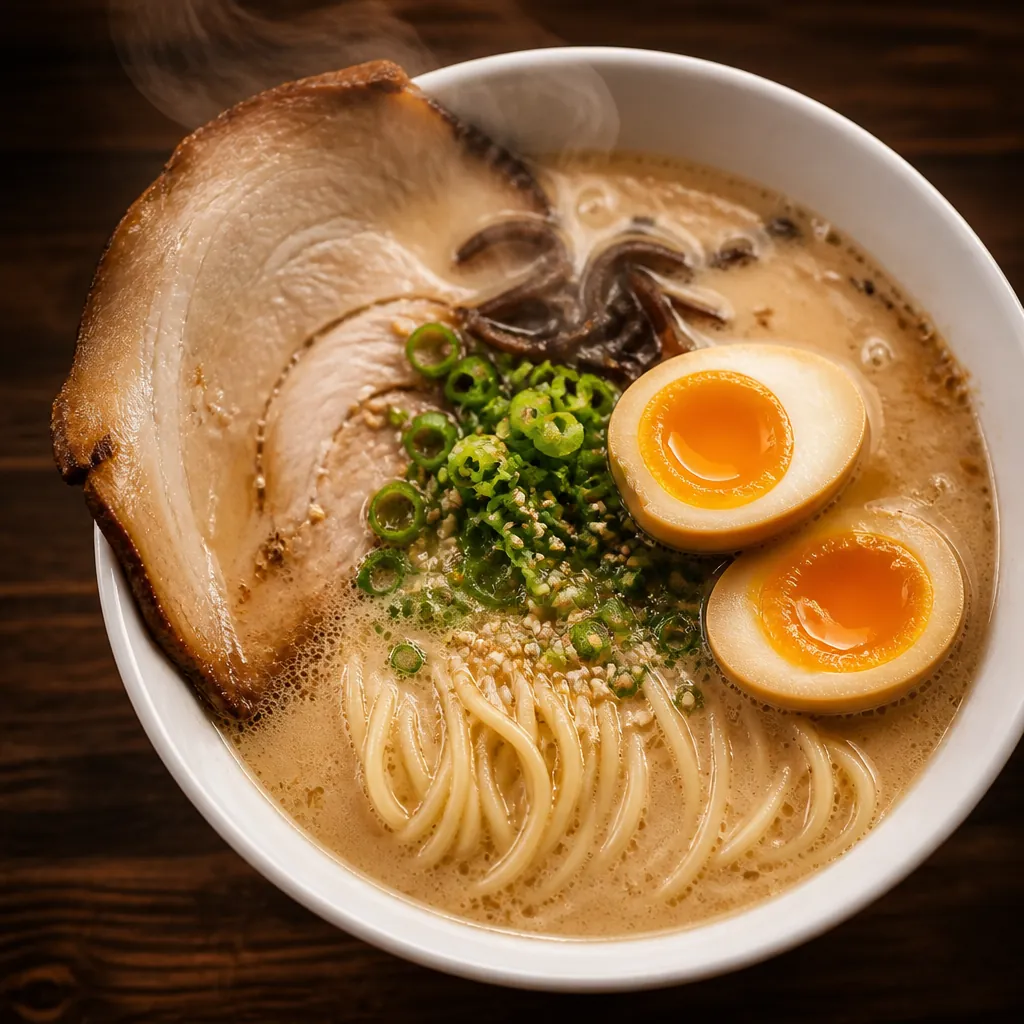
Every serious ramen conversation eventually comes back to tare (pronounced tah-reh). This is the concentrated, salty seasoning that a ramen chef adds to the bottom of each bowl before pouring in the broth. It is the element that gives each bowl its defining flavor identity, and it is different from shop to shop, chef to chef.
Why Tare Matters More Than the Stock Alone
The stock provides the body of the broth. The tare provides the character. A well-made tonkotsu stock poured over a shoyu tare becomes a completely different bowl than the same stock poured over a miso tare. Common tare ingredients include sake, soy sauce, dried seaweed, and mirin, but the exact combination and ratios are kept as closely guarded secrets in Japanese ramen culture.
When you eat at a great ramen restaurant, the tare is what makes their bowl unmistakably theirs. It is not something that shows up as a listed ingredient, but it is the reason one bowl stays with you long after the meal.
The tare is the ramen chef’s signature. The broth is the canvas; the tare is the paint that defines the entire picture.
Pro tip: If you find a ramen bowl you love, notice whether it leans salty, rich, or subtly sweet. That profile is coming from the tare. Paying attention to it helps you order smarter the next time.
3. Dashi: The Foundation of Japanese Broth
Dashi is a Japanese soup stock made from kombu (dried kelp) and katsuobushi (dried, fermented bonito fish flakes). It is light in color and mild in appearance, but it carries a concentrated umami depth that forms the backbone of many Japanese broths, including ramen.
Most ramen broths combine dashi with either pork or chicken stock to build complexity. The dashi contributes a subtle sea-based umami while the meat stock adds richness and body. Used alone, dashi creates a clean, refined broth. Combined with other stocks, it acts as a flavor amplifier.
Understanding dashi also explains why Japanese cuisine can achieve so much depth without relying on heavy cream or butter. The umami in dashi does the heavy lifting.
4. Shoyu, Shio, Miso, and Tonkotsu: The Four Ramen Broth Families
Walk into any ramen restaurant without knowing these four terms and you are navigating blind. The ramen glossary begins here.
Shoyu
Shoyu means soy sauce in Japanese. A shoyu ramen uses a soy sauce-based tare that gives the broth a dark amber color and a savory, slightly tangy depth. It is one of the most classic ramen styles and one of the most widely available.
Shio
Shio means salt. Shio ramen uses a salt-based tare and typically results in the clearest, most delicate broth of the four main styles. It lets the quality of the stock shine without interference, which is exactly why a poorly made stock cannot hide behind a shio preparation.
Miso
Miso ramen uses a tare built around fermented soybean paste. It tends to produce a rich, hearty broth with a complex, slightly earthy flavor. Sapporo, on the northern Japanese island of Hokkaido, is widely associated with the origins of miso ramen, and cold-weather climates suited this richer, warming style.
Tonkotsu
This is where a common misunderstanding surfaces. Tonkotsu refers to the pork-bone stock, not the tare style. Tonkotsu broth is made by boiling pork bones at high heat for hours, producing a thick, creamy white broth that is intensely rich and collagen-heavy. It is frequently paired with shoyu or shio tare, which means treating tonkotsu as a separate, fourth category is technically an oversimplification, but it is so distinct in character that most ramen lovers treat it as its own family.
5. Nigiri vs. Maki: Two Sushi Styles You Must Distinguish
These two terms appear on nearly every sushi glossary, and confusing them leads to misorders and missed opportunities.
Nigiri is a bite-sized mound of vinegared rice with a single piece of fish or seafood pressed on top. It requires minimal ingredients and puts the fish’s quality front and center. The simplicity is the point. A skilled sushi chef shapes the rice with deliberate pressure so it is firm enough to hold together but loose enough to dissolve in your mouth.
Maki is sushi rolled in a tube shape. A sheet of nori is layered with vinegared rice and fillings, then rolled firmly and sliced into bite-sized rounds. The word maki literally means “to roll” in Japanese. When you look at a cross-section of maki, you see the filling in the center, surrounded by rice, wrapped in a thin seaweed sheet.
Uramaki: The Inside-Out Roll
There is a popular subtype worth knowing: uramaki, which means “inside out.” Here the rice is on the outside, and the nori is on the inside wrapping the filling. This is the construction used in California rolls and many Western-style sushi preparations. The style became widespread outside Japan partly because some diners were unfamiliar with nori and preferred not to see it on the outside of their roll.
6. Sashimi: Raw Fish on Its Own Terms
Sashimi is thinly sliced raw fish, served without rice. It is not a type of sushi, though many menus group them together. Technically, sushi is defined by the seasoned rice, and sashimi involves no rice at all.
The quality of sashimi depends entirely on the freshness and grade of the fish and on the precision of the knife work. Thicker slices suggest different textures and fish types than paper-thin cuts. The fish placed on top of a nigiri piece is technically a form of sashimi in terms of preparation, but the combination with rice transforms it into a different dish entirely.
A common mistake first-time diners make is drowning sashimi in soy sauce. The sauce should barely touch the fish. The goal is enhancement, not submersion.
7. Nori: The Seaweed That Holds It All Together
Nori is dried, toasted seaweed pressed into thin sheets. In sushi, it wraps maki rolls and temaki (hand rolls), forming the structural outer layer. In ramen, it appears as a topping, where it slowly absorbs the broth and adds a subtle sea-minerality to each sip.
Good nori is dark green, almost black, with a clean crispness before it hits liquid. Low-quality nori has a papery texture and a flat, bitter taste that overwhelms rather than complements. At a quality Japanese restaurant, you will notice the nori holds its structure in the roll longer than it breaks down.
Nori is also rich in natural glutamates, which means its presence in a dish is another quiet contributor to the umami experience. This is one reason a sheet of nori in a ramen bowl is not just decoration.
8. Chashu: The Pork Topping That Makes or Breaks a Ramen Bowl
Chashu (also written as chāshū) is braised or rolled pork belly that appears as one of the signature toppings in ramen. It is slow-cooked in a combination of soy sauce, sake, mirin, and sugar until the fat renders into silk and the meat falls apart with gentle pressure.
In practice, chashu quality varies dramatically between ramen shops. At its best, a single slice melts in the mouth and adds a layer of sweet-savory richness to the broth as it sits in the bowl. At its worst, it is tough, thin, and essentially flavorless. The difference usually comes down to braising time and the fat-to-lean ratio in the cut of pork used.
When evaluating a ramen restaurant, the chashu is one of the clearest signals of the kitchen’s attention to detail. A restaurant that cares about its chashu almost certainly cares about everything else in the bowl.
9. Omakase: The Highest-Trust Dining Move You Can Make
Omakase literally translates to “I leave it up to you.” When you order omakase at a sushi restaurant, you are handing the chef complete control over what you eat. No menu, no individual selections. The chef presents their best and most seasonally appropriate choices, one piece or course at a time, at a fixed price.
Omakase is a trust-based dining style that reflects a core principle of Japanese culinary culture: the chef’s knowledge of what is best, right now, is worth more than your ability to select from a list of options. The experience highlights seasonal ingredients and the chef’s personal culinary philosophy.
The practical side of omakase: disclose any allergies or strong dislikes before the meal begins. That is not just courtesy, it is how the format is designed to work. Once the chef starts, the selections are in motion.
10. Kansui: Why Ramen Noodles Are Different From Any Other Noodle
Every component in ramen has a reason, and the noodles are no exception. Ramen noodles contain wheat flour, salt, water, and one ingredient that sets them apart from all other wheat noodles: kansui.
Kansui is an alkaline water that gives ramen noodles their characteristic springy texture and their faint yellow color. Without it, you would have ordinary wheat noodles. With it, you have a noodle that has enough chew to hold up inside a rich, hot broth without turning mushy, and enough structure to carry the flavors of the tare and stock in each bite.
The shape and thickness of ramen noodles also vary by regional style. Thinner, straighter noodles tend to pair with lighter broths like shio or shoyu, while thicker, wavier noodles are more commonly paired with heavier broths like tonkotsu or miso. This is not an arbitrary pairing. The surface area and texture of the noodle determine how much broth it can hold and how it feels in the mouth.
Broth Styles Side by Side
| Ramen Style | Base Flavor | Broth Appearance |
|---|---|---|
| Shoyu | Soy sauce-based, savory and tangy | Dark amber, clear to slightly cloudy |
| Shio | Salt-based, clean and delicate | Pale yellow, very clear |
| Miso | Fermented soybean paste, rich and earthy | Opaque, golden to deep brown |
| Tonkotsu | Pork bone stock, intensely rich | Creamy white, thick and opaque |
Understanding these four families from the Japanese cuisine ramen tradition does more than help you order. It helps you understand why certain noodle types, toppings, and tare combinations are matched the way they are. The logic in ramen is intentional, not decorative.
At Zen Ramen and Sushi, these distinctions inform every bowl and every plate, making them worth exploring one by one whether you are a regular or sitting down for the first time.
Frequently Asked Questions
What is the difference between shoyu and tonkotsu ramen?
Shoyu refers to a soy sauce-based tare that seasons the broth, giving it a dark color and tangy savory flavor. Tonkotsu refers to the base stock, made by boiling pork bones until the broth turns creamy white and rich. The two are not mutually exclusive. A bowl can use tonkotsu stock with a shoyu tare at the same time.
Is sashimi the same as sushi?
No. Sashimi is thinly sliced raw fish served without rice. Sushi is defined by the presence of vinegared rice. The two are related in that sushi chefs prepare both, but ordering sashimi and ordering sushi are different requests that will produce entirely different plates.
What does omakase cost at a Japanese restaurant?
Omakase pricing varies widely depending on the restaurant’s ingredient sourcing, the chef’s reputation, and the number of courses served. It is generally among the more expensive ways to dine at a Japanese restaurant because the chef selects premium and seasonal items. Always ask about the omakase price point before committing, since it is usually set per person.
Why do ramen noodles have a yellow tint?
The yellow color comes from kansui, the alkaline water used to make ramen noodles. The alkalinity affects the pigments in the wheat flour, resulting in the characteristic pale yellow hue. If a ramen shop’s noodles look completely white, they may not be traditional wheat-kansui noodles.
What is nori used for in ramen versus sushi?
In sushi, nori is primarily structural. It wraps maki rolls and temaki hand rolls, holding the rice and fillings together. In ramen, nori appears as a topping, where it softens in the hot broth and contributes a subtle minerality and sea-based umami to the bowl. The function is different, but the ingredient is the same dried, toasted seaweed sheet.
Can I order omakase if I have food allergies?
Yes, and you must disclose allergies before the meal starts. Omakase is designed around chef-led selection, which means the chef needs your dietary restrictions as input before any course is prepared. Most Japanese restaurants with an omakase menu are experienced at working around common allergies as long as they are informed in advance.
What makes Japanese ramen broth different from regular soup?
The layering is what separates them. A ramen broth combines a carefully prepared stock, often built with dashi, pork, or chicken, with a separate tare seasoning that is added per bowl. This two-component system allows a single stock to produce multiple flavor profiles depending on which tare is used. Most other soups use a single seasoned liquid with no such separation between stock and seasoning concentrate.
Have you encountered a Japanese food term at a restaurant that left you puzzled? Share it in the comments or send it our way. We would love to help you decode it.
References
- San-J guide to ramen broth types, tare, and dashi explained
- Uwajimaya overview of ramen stocks, tare styles, and how they interact
- NoRecipes explanation of umami as the fifth taste in Japanese cuisine
- Britannica definition of omakase and how the chef’s choice dining format works
- WebstaurantStore breakdown of nigiri, maki, and other sushi styles