
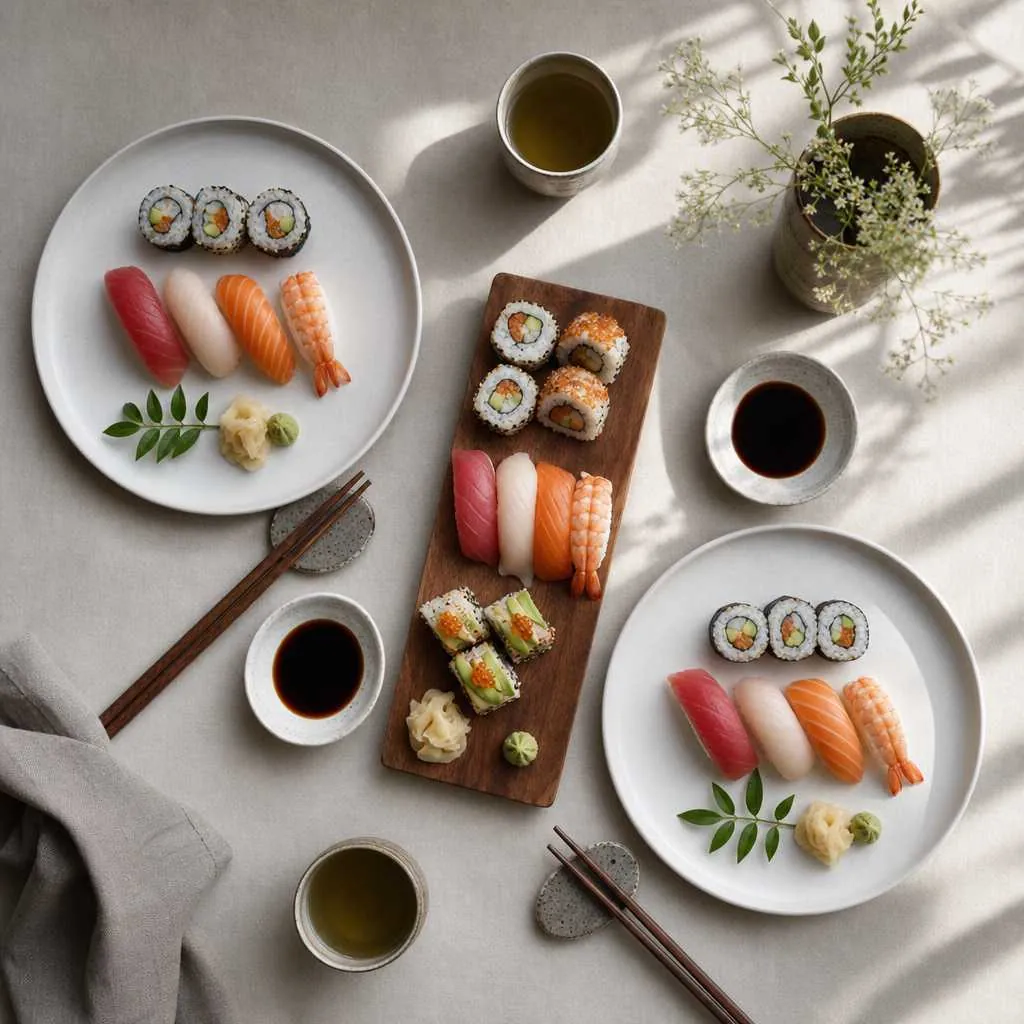
Most couples planning a sushi date night at a Japanese restaurant make the same mistake: they order either sushi or ramen, treating them as competing categories rather than complementary experiences. The reality is that a well-planned evening at a place like Zen Ramen and Sushi, where both disciplines are executed with real craft, offers one of the most satisfying sharing meals you can have. This guide covers exactly how to pair, sequence, and share sushi and ramen as a couple so that every course builds on the last and neither dish feels like an afterthought.
Table of Contents
- Quick Takeaways
- Why Sushi and Ramen Work Together on a Date
- How to Sequence Your Order for Maximum Enjoyment
- Best Sushi Rolls to Share as a Couple
- Choosing the Right Ramen for Two
- Pairing Sushi and Ramen by Flavor Profile
- Comparison of Sharing Approaches at a Japanese Restaurant
- What to Drink on a Japanese Restaurant Date
- Common Ordering Mistakes Couples Make
- Frequently Asked Questions
- References
Quick Takeaways
| Key Insight | Explanation |
|---|---|
| Start with sushi, finish with ramen | Raw fish requires a clean palate. Rich broth comes second so it does not overwhelm the delicate flavors of sashimi or nigiri. |
| Order two to three rolls maximum before ramen | More than three rolls before a full bowl of ramen leaves couples too full to appreciate the broth, which is often the kitchen’s most labor-intensive element. |
| Choose contrasting ramen broths as a couple | One person ordering tonkotsu and the other ordering shoyu or miso allows both of you to taste two flavor worlds without ordering four dishes. |
| Share nigiri, not specialty rolls, as an opener | Nigiri is lighter and cleaner. Heavy specialty rolls with cream cheese or spicy mayo compete directly with ramen richness and dull the experience. |
| Edamame is a smarter starter than tempura | Fried appetizers before fried sushi rolls before rich ramen stacks fat on fat. Edamame keeps the palate ready for varied textures. |
| Split a single ramen bowl at low-traffic times | Many Japanese restaurants will accommodate a shared ramen order with extra broth on the side. Ask your server. This stretches your sushi budget and keeps portions balanced. |
| Sake pairs better with sushi, beer pairs better with ramen | The umami in sake bridges raw fish flavors. A crisp Japanese lager cuts through the fat in tonkotsu or miso broths more effectively than wine does. |
Why Sushi and Ramen Work Together on a Date
The assumption that sushi and ramen belong in separate restaurant categories is a Western import. In Japan, izakayas and casual restaurants have long served both alongside each other. The pairing works because the two dishes operate in completely different textural and thermal registers. Sushi is cold, precise, and often subtle. Ramen is hot, bold, and deeply savory. Together, they create a full-spectrum meal rather than a one-note dinner.
For couples, this dynamic is especially useful. The sharing format of sushi rolls means you are already eating from the same plate, which creates a natural, relaxed rhythm before the more individual ramen bowls arrive. A restaurant like Zen Ramen and Sushi that handles both disciplines with equal seriousness gives you a rare opportunity: a date meal with genuine range, from the first piece of salmon nigiri to the last sip of tonkotsu broth.
In practice, the couples who enjoy this experience most are the ones who treat it like a tasting menu, not a fast-casual meal. Pace matters. Conversation matters. The food is the backdrop for the evening, not a race to finish before the next reservation.
How to Sequence Your Order for Maximum Enjoyment
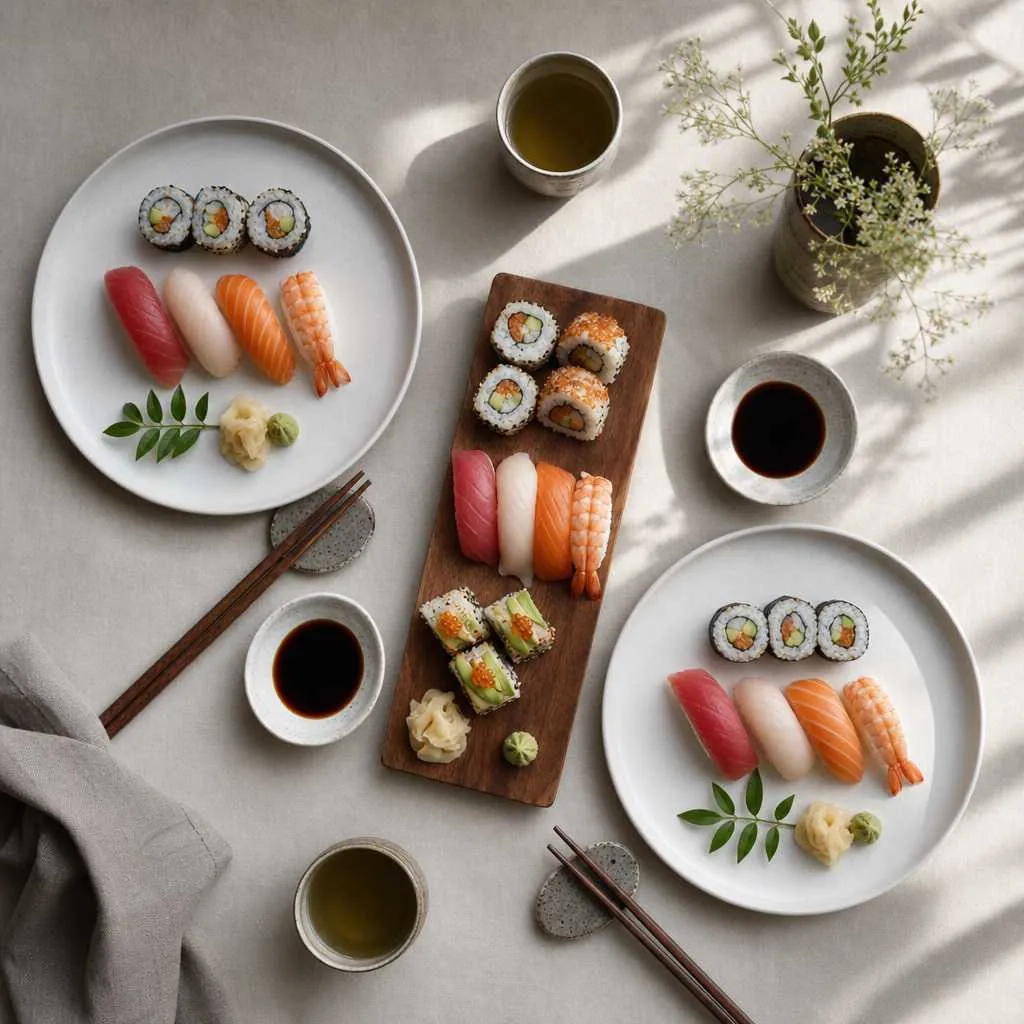
Sequencing is the single most underrated decision couples make at a Japanese restaurant. Most people order everything at once and let the kitchen decide when it arrives. A better approach is to stagger your order in three distinct phases.
Phase One: The Light Opening
Begin with edamame or a small seaweed salad. These are not filler items. They reset your palate after the commute, the drinks, and any ambient snacking you did before arriving. Seaweed salad in particular introduces the ocean-forward umami note that sets up sushi perfectly.
Phase Two: Sushi as the Feature Course
Order two to three items here, ideally a mix of nigiri and one shared roll. Two pieces of salmon nigiri, two pieces of yellowtail nigiri, and a cucumber or avocado roll give you enough variety without overwhelming what comes next. Nigiri is the move because the rice-to-fish ratio is designed to be satisfying in small portions.
Phase Three: Ramen as the Anchor
This is where the evening settles in. Each person orders their own bowl, or you agree on two contrasting styles and swap halfway through. The broth is the heart of the dish, so take the first few spoonfuls on their own before adding the toppings. Ramen with a well-developed bone broth like tonkotsu can take 12 or more hours to prepare. That deserves a moment of undistracted attention.
Pro tip: Tell your server upfront that you want the sushi to arrive before the ramen, not simultaneously. Most kitchens can accommodate this. It changes the entire feel of the evening from cafeteria-style to intentional dining.
Best Sushi Rolls to Share as a Couple
Not every sushi roll is built for sharing before a ramen course. The criteria here are simple: lighter preparations that do not compete with the richness coming next, and even numbers of pieces so no one is negotiating the last bite.
Cucumber Roll (Kappamaki)
Six pieces, clean flavor, almost no fat. This is the palate-cleansing choice. It works as a bridge between phases and gives both of you something to eat while you wait for the nigiri. Do not skip it because it seems plain. Plain is the point.
Salmon Avocado Roll
The fat in the salmon and the creaminess of the avocado are rich, but the roll is still cold and fresh enough to not feel heavy. Eight pieces split evenly. This is the crowd-pleasing choice for a reason, and it holds up well as a pre-ramen course because the flavors are not aggressive.
Spicy Tuna Roll
A common mistake is ordering this roll right before a heavy tonkotsu ramen. The spice from the sriracha or chili oil does not pair well with the sweetness of pork-based broths. If you want the spicy tuna roll, pair it with a shoyu or shio ramen, where the broth is cleaner and the spice contrast works in your favor.
A common mistake is ordering too many specialty rolls with heavy sauces. Eel sauce, spicy mayo, and cream cheese preparations taste excellent in isolation but create palate fatigue before you even touch the ramen. Save those for a sushi-only visit.
Pro tip: At Zen Ramen and Sushi, ask your server which rolls are made with the freshest fish that day. The answer will tell you what came in that morning, and that is always the smarter order over menu-memorized defaults.
Choosing the Right Ramen for Two
Ramen is not a monolith. The four major broth categories, tonkotsu, shoyu, miso, and shio, are distinct flavor systems. Choosing well as a couple is not about matching. It is about contrast.
Tonkotsu for the Rich Experience
Tonkotsu is pork bone broth, cloudy, fatty, and deeply savory. It is the most filling ramen style and the most famous internationally. If one person orders this, the other should go lighter. Tonkotsu on both sides of the table means both people are full after the first third of the bowl, and the sushi that preceded it feels like a mistake.
Shoyu for Clarity and Depth
Shoyu (soy sauce) ramen is the cleaner counterpart. The broth is typically chicken or dashi-based with soy added for depth. It is aromatic without being heavy. Pairing one tonkotsu and one shoyu gives a couple access to two completely different ramen philosophies at the same table, which is exactly what a date night should offer.
Miso for Boldness Without the Fat
Miso ramen sits between tonkotsu and shoyu in terms of weight. It is fermented and earthy, with a complexity that rewards slow eating. This is the right choice if one person does not eat pork but still wants a full-flavored bowl. In practice, miso ramen also holds its temperature longer, which is useful if the conversation has been going well and you keep forgetting to eat.
“Ramen is not fast food. It is slow food that happens to be served in a bowl you can carry.” – Ivan Orkin, American ramen chef and author of Ivan Ramen
Pairing Sushi and Ramen by Flavor Profile
The most useful way to think about pairings is to match intensity levels. Light sushi preparations before light ramen. Bold sushi before bold ramen. Crossing these creates imbalance, where the more aggressive flavor wipes out the subtler one.
Light Pairings
Sashimi (no rice) or simple nigiri before shio ramen. Shio is the most delicate broth style, seasoned primarily with salt and often made with a clear seafood-based stock. This combination works for couples who want to taste the precision of Japanese cooking without richness dominating the evening.
Medium Pairings
A salmon avocado roll and cucumber roll before shoyu ramen. This is the most versatile combination and works well for first-time visitors to a Japanese restaurant who want variety without sensory overload.
Bold Pairings
A tuna or salmon roll with a side of gyoza before tonkotsu ramen. This is the full-commitment order. It works best for couples who have already eaten light earlier in the day. The gyoza adds a slight char and garlicky note that actually bridges nicely into a pork-based broth.
According to the Japan Tourism Agency, Japanese food tourism has grown significantly year over year, with ramen and sushi consistently ranking as the top two dishes international visitors seek out. The demand is not arbitrary. These two dishes represent the full range of Japanese culinary technique, raw precision on one side and patient extraction on the other.
Comparison of Sharing Approaches at a Japanese Restaurant
| Sharing Approach | Best For | Potential Drawback |
|---|---|---|
| Individual sushi order plus individual ramen bowl | Couples with different taste preferences who want their own experience | Less interactive, less sharing dynamic, can feel like eating alongside each other rather than with each other |
| Shared sushi platter followed by contrasting ramen bowls | Couples who want a communal first course and individual main course | Requires coordination on sushi preferences upfront, may move slower if the restaurant is busy |
| One ramen split between two plus multiple sushi orders | Couples who prioritize sushi and want ramen as a warm finish | Not all restaurants accommodate split ramen orders, and portion size may feel insufficient as a main course for two |
What to Drink on a Japanese Restaurant Date
Drink pairing is where most couples default to what they know rather than what works. Wine is not the answer here. A crisp Burgundy or Sauvignon Blanc can work with raw fish in isolation, but it fights with ramen broth in a way that neither dish deserves.
Sake with Sushi
Sake is the most logical pairing for the sushi phase. A junmai daiginjo, which is the highest grade of sake, is light, slightly fruity, and high in umami from the rice fermentation. It amplifies the clean flavors of fresh fish without overpowering them. Order it cold and sip between pieces rather than gulping it between bites.
Japanese Lager with Ramen
Sapporo, Asahi, or Kirin with tonkotsu or miso ramen is a pairing that works because the carbonation and mild bitterness of a lager cuts through fat efficiently. The beer refreshes your palate between spoonfuls so that the thirtieth bite of ramen tastes as good as the first. This is a functional pairing, not a romantic-sounding one, but it is correct.
Hot Green Tea as a Non-Alcoholic Option
Sencha or hojicha served hot throughout the meal works as well as any alcoholic pairing. The tannins in green tea clean the palate between sushi and ramen in a way that water cannot. If you or your date does not drink alcohol, this is not a compromise. It is genuinely the right call.
Pro tip: Avoid sugary cocktails during a Japanese restaurant date. Sweet drinks compete with the natural sugars in sushi rice and create a cloying effect that makes the ramen broth taste saltier than it is.
Common Ordering Mistakes Couples Make
The most common mistake is ordering too much, too fast. Couples who have not eaten at a Japanese restaurant together often treat the menu like a survey, ordering one of everything to see what they like. The result is a table full of cold ramen and warm sushi, neither of which is what the chef intended.
A second mistake is ignoring the server’s recommendations because one person has already decided what they want. The server at a quality Japanese restaurant like Zen Ramen and Sushi knows what is fresh, what broth has been simmering since morning, and which rolls are being repped by the kitchen that week. That information is free and frequently changes the best option on the table.
A third mistake specific to couples is ordering duplicate dishes out of politeness. If your date orders tonkotsu, you do not need to also order tonkotsu to match the mood. Two different ramen bowls give you twice the experience, and sharing is the entire point of the evening. The couples dining experience at a Japanese restaurant is built for contrast, not uniformity.
Finally, rushing. Japanese dining culture values the meal as an event in itself. Ichiran, one of the better-known ramen competitors in the space, is specifically designed for solo focused eating, which is the opposite of what a date night needs. A restaurant that serves both sushi and ramen gives you the extended timeline and the variety to make a full evening of it. Use that.
Frequently Asked Questions
Is it acceptable to order both sushi and ramen on the same date night?
Absolutely, and it is actually the better approach at a restaurant that specializes in both. Ordering only one category when you are at a restaurant with serious expertise in both means leaving half the menu unexplored. The key is sequencing sushi first, ramen second, and keeping the sushi order light enough that the ramen still feels like a complete course.
How many sushi rolls should two people order before ramen?
Two rolls and four to six pieces of nigiri is the practical ceiling before a full ramen course. That gives each person roughly five to seven pieces of sushi, which is enough to satisfy without creating fullness. If both people want more, order sushi after the ramen as a lighter finish, which is actually a traditional Japanese eating pattern.
What is the best ramen for someone who has never had ramen before?
Shoyu ramen is the most accessible entry point. The broth is clear, aromatic, and familiar in the sense that soy sauce is already a known flavor for most people. It is not as intense as tonkotsu, not as challenging as miso, and it pairs with standard toppings like soft-boiled egg, nori, and chashu pork without anything unexpected. After shoyu, the rest of the ramen menu makes more sense.
Can vegetarians enjoy a sushi and ramen date night at a Japanese restaurant?
Yes, with some planning. Vegetable rolls like cucumber, avocado, and sweet potato are genuinely good sushi options and not afterthought items. For ramen, ask about the broth base specifically. Some restaurants offer vegetable or mushroom-based broths that are full-flavored without any animal products. Miso broth is frequently adaptable to vegetarian preparation because the fermented paste itself is plant-based.
Should couples share a ramen bowl or order separately?
Order separately. Ramen is a temperature-sensitive dish that deteriorates fast once the heat drops. Sharing a bowl means one person gets cold noodles while the other finishes. The better move is to order two different styles and swap a few spoonfuls early in the meal, while both bowls are still at peak temperature. That gives you the sharing experience without the quality compromise.
What is the right way to eat sushi on a date without being awkward?
Eat nigiri in one bite. Chopsticks are correct, but your hands are also traditional and accepted. Do not cut or bite nigiri in half if you can avoid it because it breaks the rice structure that the chef compressed by hand. For rolls, one bite is the goal for smaller cuts, two bites for larger specialty rolls. Dip fish-side down into soy sauce, never the rice side, which dissolves and makes the bite structurally unstable.
If you have had a sushi and ramen date night recently and found a pairing combination that worked particularly well, we would genuinely like to hear which roll and which ramen you chose and how the evening went.
References
- Statista: Global consumer data and statistics on Japanese restaurant industry trends and dining preferences
- Forbes: Restaurant industry coverage including Japanese cuisine dining culture and couples dining trends
- Nutrition.gov: U.S. government nutrition resource covering nutritional profiles of seafood including sushi fish varieties
- U.S. Food and Drug Administration: Official guidance on safe consumption of raw fish and seafood at restaurants
- McKinsey and Company: Research on consumer dining behavior and experience-driven restaurant spending