
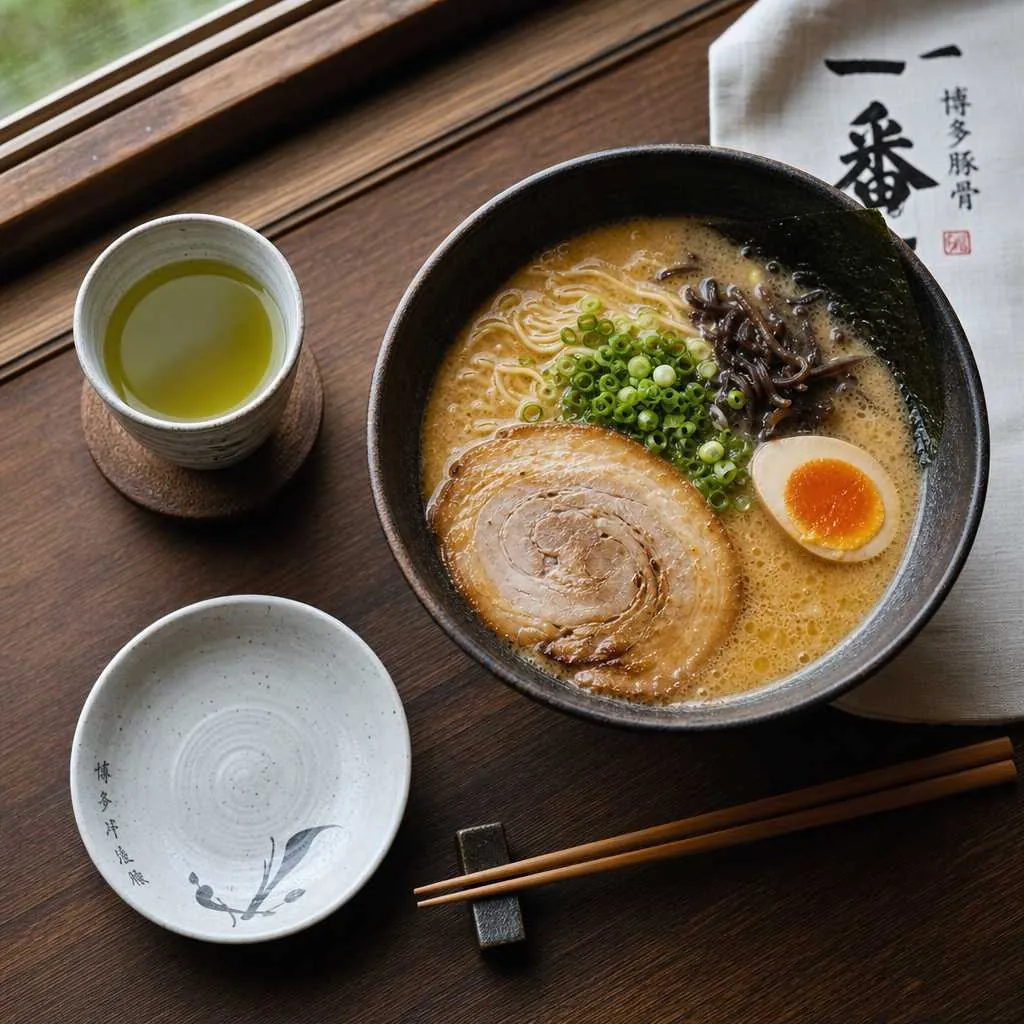
Most people pour green tea without thinking twice about what it does to the food in front of them. That is a missed opportunity. Green tea is not a passive beverage in Japanese dining culture. It is an active participant in the meal, shaping how flavors land, how richness dissolves, and how the palate resets between bites. Whether you are sitting down to a bowl of tonkotsu ramen or a plate of nigiri, the tea you choose and when you drink it changes the entire experience. This guide breaks down exactly how these pairings work and why they matter to anyone serious about Japanese cuisine.
Table of Contents
- Quick Takeaways
- Why Green Tea Belongs at the Japanese Table
- Types of Green Tea Used in Japanese Dining
- Pairing Green Tea with Ramen
- Pairing Green Tea with Sushi
- Comparison of Green Tea Styles for Food Pairing
- Japanese Beverage Traditions Beyond Green Tea
- Common Mistakes in Tea Pairing
- Frequently Asked Questions
- References
Quick Takeaways
| Key Insight | Explanation |
|---|---|
| Sencha cuts through fatty broths | The grassy bitterness of sencha counterbalances the richness of tonkotsu and miso ramen broths, preventing palate fatigue. |
| Gyokuro enhances delicate sushi | Its umami depth mirrors the savory notes in fresh fish, making it the preferred pairing for lighter white-fish nigiri. |
| Hojicha is the right call after heavy meals | Its roasted, low-caffeine profile aids digestion and provides a warm, mellow finish after rich or spicy dishes. |
| Temperature matters as much as variety | Serving green tea at 70 to 80 degrees Celsius preserves its sweetness. Boiling water releases excessive tannins and bitterness. |
| Genmaicha works across the full meal | The toasted rice notes in genmaicha make it versatile enough to accompany both sushi and noodle courses without clashing. |
| Green tea cleanses between bites | Tannins in green tea act as a palate cleanser, resetting taste receptors so each piece of sushi registers with full clarity. |
| Pairing tradition reflects mindfulness | Japanese dining culture views the tea as inseparable from the meal. Choosing the right tea signals respect for the food and the guest. |
Why Green Tea Belongs at the Japanese Table
Green tea has been consumed in Japan for over 1,200 years. According to the Japanese Tea Export Promotion Council, Japan produces approximately 80,000 metric tons of tea annually, and the vast majority is green tea consumed domestically. This is not a trend. It is a deeply embedded dietary habit that developed alongside Japanese cuisine itself.
The reason green tea works so well in a dining context comes down to catechins, the polyphenolic compounds responsible for its astringency. Catechins bind to proteins and fats in the mouth, which physically clears the coating that rich foods leave behind. This is why a sip of sencha after a piece of fatty tuna feels like a reset rather than an interruption.
Beyond function, there is philosophy. Japanese dining traditions treat the table as a holistic experience where every element, from the shape of the bowl to the temperature of the tea, is considered. Serving green tea is an act of hospitality and intention. Restaurants that understand this, including those offering both ramen and sushi under one roof, build the beverage into the dining experience from the first moment a guest sits down.
“Tea is not just a beverage in Japan. It is a form of communication between host and guest, a signal that care has been applied to every detail of the experience.” – Kakuzo Okakura, The Book of Tea
Pro tip: If you are dining at Zen Ramen and Sushi for the first time, ask the server about the green tea options available. The choice between sencha and genmaicha on its own tells you something meaningful about how the kitchen approaches its beverage program.
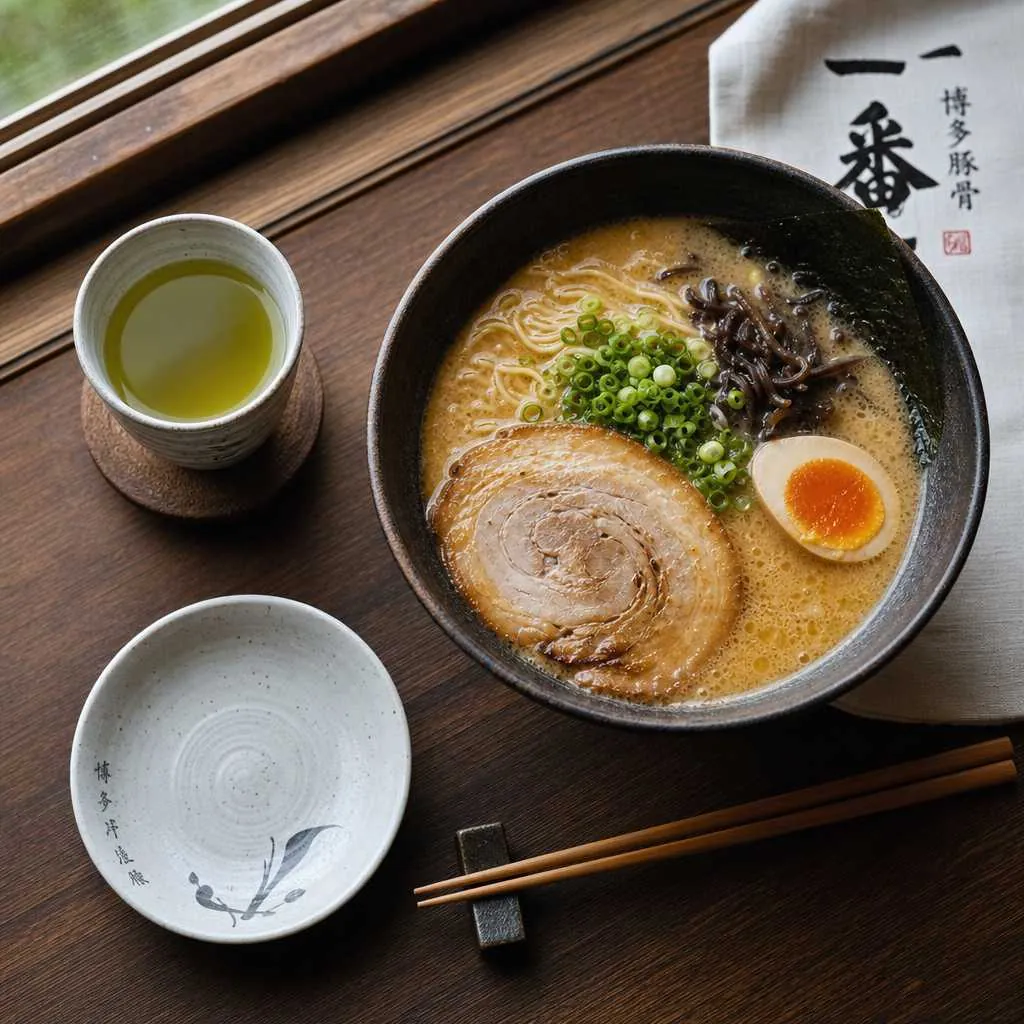
Types of Green Tea Used in Japanese Dining
Not all green tea is the same, and using the wrong variety with a specific dish actively diminishes the food. Here are the varieties that appear most frequently in authentic Japanese restaurant settings, each with a distinct purpose at the table.
Sencha
Sencha is the most widely consumed green tea in Japan, accounting for roughly 60 percent of total domestic production. It has a balanced flavor profile: fresh, slightly grassy, with a clean finish that carries mild bitterness. Sencha is the default companion for most savory Japanese dishes because it does not overpower the food but actively supports its flavors.
Gyokuro
Gyokuro is shade-grown, which increases its L-theanine content and gives it a pronounced umami quality that is almost broth-like. It pairs exceptionally well with high-quality sashimi and nigiri where the fish is the star. A common mistake is serving gyokuro too hot. Brew it at 50 to 60 degrees Celsius to protect its sweetness and prevent bitterness from dominating.
Genmaicha
Genmaicha blends green tea with roasted brown rice. The result is a warm, nutty flavor with significantly reduced astringency. This makes it approachable for guests who find pure green tea too sharp, and it pairs well with both rice-based sushi and heavier noodle dishes. It is particularly effective during longer meals where a consistent, non-intrusive beverage is needed across multiple courses.
Hojicha
Hojicha is roasted green tea with a caramel and slightly smoky character. Its caffeine level is low, which makes it appropriate toward the end of a meal. In practice, hojicha served after a bowl of rich tonkotsu ramen or a spicy maki roll helps the body settle without the stimulating effect of unroasted varieties. Many traditional Japanese restaurants specifically reserve hojicha for post-meal service.
Matcha
Matcha deserves separate consideration because it is consumed as a suspension rather than an infusion. In a dining context, thin matcha (usucha) can accompany lighter fare or serve as a palate reset between courses. Thick matcha (koicha) is typically reserved for formal tea ceremony settings, not casual dining. Confusing these contexts is an error that undermines the experience for knowledgeable guests.
Pairing Green Tea with Ramen
Ramen is a complex dish with several distinct broth styles, each presenting different pairing challenges. The guiding principle is contrast: the tea should cut through what makes the broth heavy, without competing with its defining flavor notes.
Tonkotsu Ramen and Sencha
Tonkotsu broth is rich, opaque, and loaded with collagen from hours of boiling pork bones. The fat content is high. Sencha is the correct pairing here because its catechins actively bind to the lipids in the broth, clearing the palate after each sip. A guest who drinks sencha between bites of tonkotsu ramen will find that the broth tastes fresher with each spoonful rather than becoming cumulatively heavy.
Miso Ramen and Genmaicha
Miso ramen carries a deep fermented savoriness that is both rich and complex. Genmaicha complements this profile because its roasted rice notes echo the earthiness of miso without amplifying the salt. This is a harmonizing pairing rather than a contrasting one. In practice, guests who prefer a warmer, more unified flavor experience across the meal respond well to this combination.
Shio Ramen and Gyokuro
Shio ramen is the lightest of the major broth styles, built on clear chicken or seafood stock seasoned primarily with salt. Its subtlety demands a tea that does not overwhelm it. Gyokuro, served at a lower temperature and in smaller portions, mirrors the delicacy of shio broth and allows both the tea and the ramen to express their cleaner flavors without either dominating.
Pro tip: Avoid drinking green tea while actively eating ramen noodles. The correct approach is to alternate: take a few bites, sip the broth, then drink a small amount of tea to reset. This rhythm is how experienced diners manage palate fatigue through a full bowl.
Pairing Green Tea with Sushi
Sushi presents a different pairing challenge than ramen. The flavors are more subtle, the textures more varied, and the progression across a meal moves from lighter to richer fish as a matter of custom. The tea needs to support this arc rather than flatten it.
Nigiri and the Palate Cleanse Function
The purpose of green tea at a sushi counter is primarily to cleanse. Each piece of nigiri carries its own flavor signature, from the mild sweetness of flounder to the iron-forward richness of tuna. Drinking sencha between pieces prevents flavor overlap. This is not a secondary function. A traditional sushi chef in Japan considers the tea as essential as the pickled ginger in managing the guest’s tasting experience.
Fatty Fish and Astringency
Richer fish such as salmon, yellowtail, and otoro tuna have high fat content. The astringency of sencha or a slightly stronger gyokuro binds to the fat, producing a sensation of freshness that counteracts richness. Guests who skip the tea and eat multiple fatty nigiri in sequence often report that the fish starts to taste similar by the fourth or fifth piece. Tea eliminates this problem entirely.
Soy Sauce and Tea Interaction
A common mistake is drinking green tea immediately after dipping sushi heavily in soy sauce. The sodium in soy sauce temporarily dulls the taste receptors, and the bitterness of green tea amplifies rather than cleanses in this context. The correct sequence is to eat the sushi, allow the soy sauce flavor to resolve, and then sip the tea. This typically takes only 20 to 30 seconds but makes a noticeable difference in how the tea functions.
Comparison of Green Tea Styles for Food Pairing
| Tea Type | Best Food Pairing | Flavor Role at the Table |
|---|---|---|
| Sencha | Tonkotsu ramen, fatty nigiri, tempura | Cuts richness through astringency, resets palate cleanly |
| Gyokuro | Shio ramen, white-fish sashimi, lighter nigiri | Adds umami depth, mirrors delicate flavors without overpowering |
| Genmaicha | Miso ramen, rice rolls, mixed sushi platters | Harmonizes with savory dishes through earthy, toasted notes |
| Hojicha | Post-meal, spicy dishes, heavier maki rolls | Soothes and settles after rich or spicy flavors, low caffeine |
| Matcha (thin) | Between courses, light appetizers | Intense palate reset, used sparingly in dining contexts |
Japanese Beverage Traditions Beyond Green Tea
Green tea dominates Japanese dining culture, but it does not stand alone. Understanding where other beverages fit helps guests at a restaurant like Zen Ramen and Sushi make informed choices depending on the occasion and their personal preferences.
Mugicha, or barley tea, is caffeine-free and slightly bitter with a toasted grain flavor. It is widely served cold in summer and pairs naturally with lighter Japanese dishes. It does not have the catechin content of green tea, so it functions more as a refreshing accompaniment than an active palate cleanser. For guests who are caffeine-sensitive, mugicha is a legitimate alternative that still respects the dining tradition.
Sake is frequently discussed in the context of sushi pairing, and the conventional wisdom that sake and sushi are a natural match is largely correct. Sake’s amino acid profile mirrors the umami in fish, creating a harmonizing effect. However, the traditional Japanese rule is that sake should not accompany rice, because both are rice-based. In practice at a sushi bar, this means sake is served with sashimi rather than nigiri. Green tea fills the gap that sake cannot occupy.
Beer, particularly Japanese lagers such as Sapporo or Asahi, is popular at ramen restaurants. Cold lager cuts through fat effectively and has broad appeal. However, the carbonation can numb the palate over time, which is why alternating between beer and green tea during a ramen meal produces a better overall tasting experience than drinking beer exclusively.
Common Mistakes in Tea Pairing
The most frequent error is treating green tea as a neutral background beverage. It is not neutral. Every variety has a specific flavor contribution, and serving the wrong type at the wrong moment actively works against the food. A restaurant that serves gyokuro with tonkotsu ramen, for instance, is mismatch the tea’s umami intensity with a broth that already has excessive depth. The result is a muddy, overloaded flavor experience that neither the food nor the tea deserves.
Brewing temperature errors are equally common. Using boiling water for all green tea varieties is a default practice that destroys the nuance of higher-grade teas like gyokuro and produces an excessively bitter sencha. The data consistently shows that water temperature is the single most controllable variable in tea quality. A thermometer at the service station is a practical investment that pays off immediately in beverage consistency.
Another overlooked mistake is ignoring the guest’s meal progression. Serving a highly astringent tea at the start of a sushi meal before the guest has eaten anything creates an abrasive first impression. The traditional approach is to serve a lighter, lower-astringency tea such as genmaicha or hojicha with the first arrival and transition to sencha or gyokuro as the meal progresses to richer courses. This mirrors the structure of the meal itself and shows that the restaurant has thought through the complete dining arc.
Frequently Asked Questions
What green tea is most commonly served at Japanese restaurants?
Sencha is the most common green tea served in Japanese restaurants globally. Its balanced flavor profile, moderate astringency, and affordable production cost make it the default choice for table service. Some establishments also offer genmaicha as a lighter alternative, particularly for guests who find pure green tea too sharp.
Should green tea be drunk hot or cold with Japanese food?
Hot green tea is traditional in Japanese dining and functions better as a palate cleanser because its warmth promotes salivation and accelerates the binding of catechins to fats and proteins. Cold green tea is acceptable in summer settings, particularly with lighter dishes, but it is less effective as a between-bite cleanser. For ramen, hot tea is always the correct call because the bowl itself is hot and cold beverages disrupt the temperature experience.
Does green tea go well with spicy Japanese dishes?
Hojicha is the best choice for spicy dishes. Its roasted character does not amplify the heat the way that the tannins in sencha can. Gyokuro and higher-grade teas are generally poor companions for spicy food because their delicacy is overpowered by chili heat, making the tea’s flavor contribution invisible. If hojicha is not available, a mild genmaicha is a reasonable alternative for spicy preparations.
Can green tea be served with dessert at a Japanese restaurant?
Yes, and this is a well-established practice in Japan. Matcha or hojicha served with wagashi (traditional Japanese sweets) or mochi is a classic pairing because the bitterness of the tea balances the sweetness of the dessert. At a ramen and sushi restaurant, hojicha after a sesame or red bean dessert works particularly well. It finishes the meal without adding heaviness.
How is green tea different from other Japanese beverages in a dining context?
Green tea is unique among Japanese beverages because it actively modifies the perception of food rather than simply accompanying it. Its catechin content clears fat and protein from the palate in a way that water, barley tea, or lager cannot fully replicate. This functional role is what gives it a central place in Japanese dining traditions, not just cultural habit. Other beverages are accompaniments. Green tea is a tool for experiencing food at its best.
Is it appropriate to ask for specific green tea varieties at a Japanese restaurant?
Absolutely, and in practice, guests who ask this question signal that they are engaged with the food and the experience. A well-staffed Japanese restaurant should be able to explain what tea varieties they carry and make a recommendation based on what the guest has ordered. At Zen Ramen and Sushi, asking about the tea program is a natural starting point for building a more intentional meal.
What has been your own experience pairing green tea with ramen or sushi? Share your thoughts in the comments, or let us know what you tried the next time you visit Zen Ramen and Sushi.
References
- Global and Japanese tea production statistics and consumption trends on Statista
- Research on green tea catechins, polyphenols, and their effects on flavor perception from the National Institutes of Health
- Food and Agriculture Organization data on global tea production and Japanese beverage trade
- Forbes coverage of Japanese culinary culture, dining trends, and beverage traditions
- Peer-reviewed studies on sensory science, astringency, and palate cleansing in food and beverage pairing research