
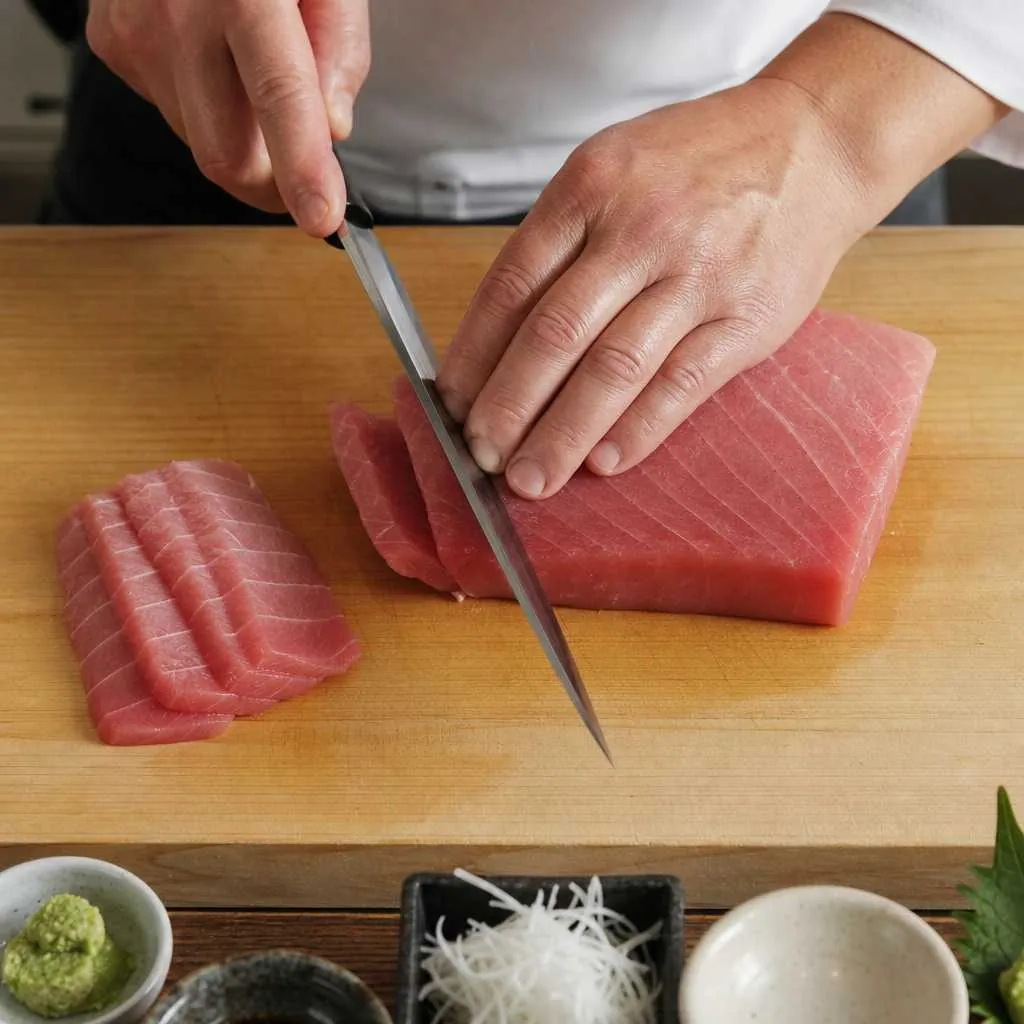
Most people assume “sushi grade fish” is a regulated, government-certified standard. It is not. The term has no legal definition under U.S. federal food safety law, which means any fish counter or grocery store can slap that label on a fillet and charge a premium for it. That gap between perception and reality is exactly where food safety risks hide. Understanding what sushi grade fish actually signals, and what it does not, is essential for anyone eating raw fish at a restaurant or sourcing it at home. At Zen Ramen and Sushi, every raw preparation starts with sourcing decisions that go far beyond a label.
Table of Contents
- Quick Takeaways
- What Sushi Grade Actually Means
- FDA Guidelines and Freezing Requirements
- How Fish Quality Is Evaluated in Practice
- Raw Fish Safety Risks and How Restaurants Manage Them
- How Sushi Grade Standards Compare Across Sourcing Methods
- What to Look for When Dining at a Sushi Restaurant
- Frequently Asked Questions
- References
Quick Takeaways
| Key Insight | Explanation |
|---|---|
| “Sushi grade” is a marketing term, not a legal standard | No U.S. federal agency certifies or defines sushi grade fish. The designation is used voluntarily by suppliers and retailers. |
| FDA freezing protocols are the closest thing to a real standard | The FDA recommends freezing fish at -4°F (-20°C) for at least 7 days, or -31°F (-35°C) for 15 hours, to kill parasites before raw consumption. |
| Freshness and parasite risk are two separate concerns | A fish can look and smell fresh while still carrying live Anisakis larvae. Freezing addresses parasites; freshness addresses bacterial growth. |
| Tuna and farmed salmon carry lower parasite risk | Bluefin and yellowfin tuna are generally considered safer for raw consumption because their biology does not support common parasites. Farmed Atlantic salmon has minimal Anisakis exposure. |
| Handling chain matters more than origin labeling | A fish handled poorly from boat to plate can degrade faster than one that was frozen correctly immediately post-catch and thawed carefully. |
| Reputable sushi restaurants source from licensed seafood distributors with documented cold chains | Ask whether a restaurant uses a licensed seafood supplier that follows FDA parasite destruction guidelines. Transparency here is a direct signal of food safety culture. |
| Color enhancers are sometimes used on “fresh” fish | Carbon monoxide treatment can keep tuna looking bright red for weeks. Genuinely fresh, high-quality fish does not need this treatment. |
What Sushi Grade Actually Means
The phrase was created by the seafood industry, not regulators. It emerged as a way for wholesale fish suppliers to communicate to restaurants and retailers that a particular fish had been handled with raw consumption in mind. Over time, the term migrated to retail counters where it became a pricing mechanism as much as a quality signal.
In practice, when a reputable supplier uses the term, it typically signals three things: the fish was handled and stored at temperatures close to freezing throughout the supply chain, it was processed in a facility with strong sanitation practices, and it met the supplier’s internal visual and sensory quality criteria. None of those are standardized across the industry.
The honest answer is this: sushi grade means the seller believes the fish is suitable for raw consumption based on their own criteria. Whether those criteria are rigorous depends entirely on the supplier. A high-volume grocery chain and a specialized Japanese seafood importer can both use the label while operating under completely different standards.
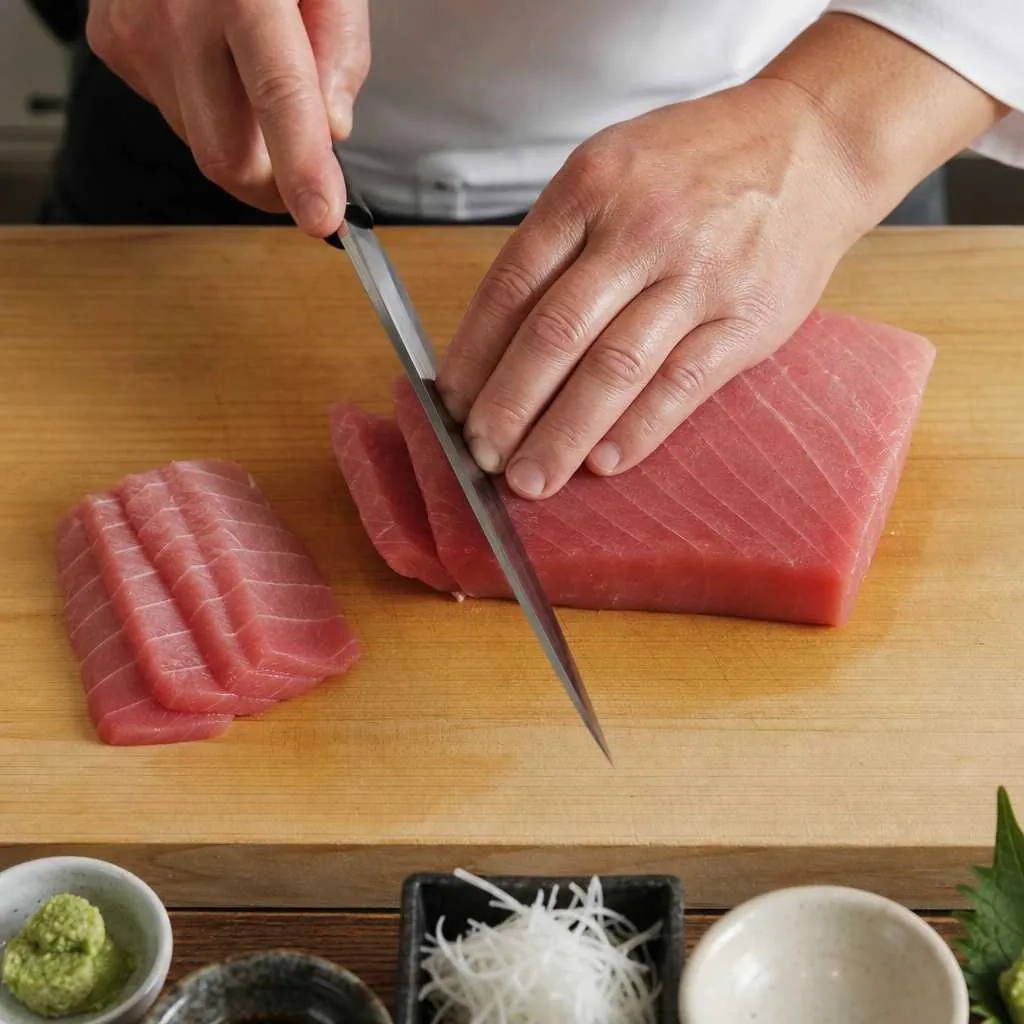
For diners at a Japanese restaurant like Zen Ramen and Sushi, the relevant question is not whether a fish is labeled sushi grade, but whether the restaurant can tell you who supplied it and how it was handled. That accountability is what separates serious sushi operations from places that treat raw fish as an afterthought.
Pro tip: When you visit a sushi restaurant for the first time, ask one direct question: “Do you source from a licensed seafood importer who follows FDA parasite destruction guidelines?” A confident, specific answer tells you a great deal about how that kitchen operates.
FDA Guidelines and Freezing Requirements
The FDA does not certify sushi grade fish, but it does publish the closest thing to a binding standard: the FDA Food Code and the FDA’s Fish and Fishery Products Hazards and Controls Guidance. These documents specify parasite destruction requirements that apply to fish served raw or partially cooked in food service settings.
What the FDA Actually Requires for Raw Fish Service
Under FDA guidelines, fish intended for raw consumption must be frozen under one of these conditions before serving: -4°F (-20°C) or below for a minimum of 7 days in a freezer, -31°F (-35°C) or below until solid and then stored at -4°F (-20°C) or below for a minimum of 24 hours, or -31°F (-35°C) or below until solid for at least 15 hours. These protocols are designed specifically to destroy Anisakis and other parasitic worms that would otherwise survive in the fish tissue.
Tuna species classified as exempt from these freezing requirements include bigeye tuna, bluefin tuna, and yellowfin tuna. These species are considered naturally low-risk for the parasites covered by the guidelines, which is one reason high-grade tuna for sashimi is sometimes served without prior freezing.
The Gap Between Federal Guidelines and State Enforcement
State health departments enforce food code requirements at the restaurant level, and not every state has adopted the FDA model food code uniformly. New York, for example, requires that raw fish be frozen prior to service. California follows similar rules. But enforcement depends on the health inspector’s knowledge and the restaurant’s ability to document its cold chain.
“Parasite destruction by freezing does not guarantee microbiological safety of the fish. It addresses one specific hazard. Other controls, including temperature management throughout the supply chain, are required for overall safety.” – FDA Fish and Fishery Products Hazards and Controls Guidance, 4th Edition
A restaurant that can show a supplier invoice and a temperature log for incoming fish is operating at a higher standard than one that simply trusts the label on the box. This is the kind of operational discipline that distinguishes serious Japanese restaurants from operations that treat sushi as a menu trend rather than a culinary tradition.
How Fish Quality Is Evaluated in Practice
Professional sushi chefs and skilled fish buyers do not rely on labels. They use sensory evaluation and knowledge of species-specific characteristics to assess quality before any fish goes near a cutting board. This hands-on expertise is what the term sushi grade attempts to shortcut, and why the shortcut is an imperfect substitute.
Visual Indicators Professionals Use
Flesh color and translucency matter. Fresh tuna should have a deep, natural red with no brown oxidation at the cut edges. Fresh white fish such as flounder or halibut should have a clean white-to-translucent color with a firm, moist appearance. Salmon should show vibrant orange-pink without grayish tones near the skin line.
Eyes and gills on whole fish tell the freshest story. Bright, clear, convex eyes indicate freshness. Sunken or cloudy eyes indicate time. Gills should be bright red to pink, not brown or gray. A common mistake among casual buyers is evaluating only cut fillets, which have already lost the most reliable freshness indicators.
Smell and Texture as Quality Signals
Fresh, high-quality fish for raw consumption should smell like clean ocean water, not “fishy.” A strong, ammonia-adjacent odor indicates bacterial breakdown. The flesh should spring back when pressed gently, not leave a depression. Any softness or mushiness is a sign of cellular degradation, whether from age, poor temperature control, or both.
Pro tip: If you are buying fish labeled as sushi grade from a fishmonger or fish counter, ask when it was delivered and request to smell it before purchase. Any hesitation from the seller is your answer.
Species-Specific Quality Considerations
Not all raw fish carries equal risk or requires equal scrutiny. Salmon is one of the higher-risk species for Anisakis parasites in wild-caught form, which is why reputable restaurants either source farmed Atlantic salmon (which has minimal parasite exposure due to controlled feed) or use wild salmon that has been properly frozen. Wild-caught Pacific salmon served raw without documented freezing is a food safety concern regardless of how it is labeled.
Flatfish like flounder and halibut carry moderate parasite risk and benefit strongly from the FDA freezing protocols. Shellfish used in sushi, such as scallops and shrimp, have different microbiological risk profiles that require separate consideration beyond the sushi grade framework.
Raw Fish Safety Risks and How Restaurants Manage Them
Two distinct categories of risk apply to raw fish: parasitic infection and bacterial contamination. They require different controls and neither is eliminated by using the sushi grade label alone.
Parasitic Infection: The Anisakis Problem
Anisakis simplex is a nematode parasite found in many marine fish species, particularly those that feed on infected crustaceans and small fish in the wild. When a human ingests live Anisakis larvae, the worm attempts to burrow into the stomach or intestinal wall, causing Anisakiasis. Symptoms range from severe abdominal pain and nausea to allergic reactions. The CDC estimates several thousand cases occur annually in Japan, where raw fish consumption is highest, but documented cases in the U.S. are underreported due to misdiagnosis.
Freezing at FDA-specified temperatures reliably kills Anisakis larvae. Marination in citrus (as used in ceviche-style preparations) does not reliably kill them. This distinction matters for certain sushi preparations that use acid-based curing.
Bacterial Contamination: The Temperature Chain
Bacterial risk in raw fish is entirely a function of time and temperature. Fish held above 40°F (4°C) for extended periods allows rapid multiplication of bacteria including Listeria monocytogenes, Salmonella, and Vibrio parahaemolyticus. The last species is particularly associated with raw shellfish in warmer months.
Responsible sushi operations receive fish deliveries at documented temperatures, store fish at 32 to 38°F (0 to 3°C), and track how long each product has been in storage. Fish not used within its acceptable window is not served raw. This is the operational reality that separates a restaurant with genuine food safety standards from one relying purely on supplier assurances.
How Sushi Grade Standards Compare Across Sourcing Methods
Not all sourcing paths for raw fish are equally rigorous. Understanding the differences helps both restaurant operators and informed diners make better judgments about what they are actually eating.
| Sourcing Method | Typical Quality Controls | Raw Fish Safety Reliability |
|---|---|---|
| Licensed Japanese Seafood Importer | Documented cold chain from origin, species-specific handling protocols, FDA parasite destruction compliance, direct relationships with graded fish markets such as Toyosu in Tokyo | High. Importers serving professional sushi chefs maintain rigorous standards because their client base demands it and their reputation depends on it. |
| Broadline Foodservice Distributor (“Sushi Grade” Label) | Generally frozen to FDA spec, but quality grading is inconsistent across SKUs. Fish is often thawed and re-sold without species-level origin documentation. | Moderate. Parasite risk is usually managed by freezing, but texture, flavor, and bacterial freshness vary widely by lot and handling practices at the distribution level. |
| Retail Fish Counter (Consumer Purchase) | Minimal standardization. “Sushi grade” labeling is largely marketing. Freezing history is often undocumented. Staff may not be trained in raw fish safety evaluation. | Variable and often low for home consumption. Without verified freezing records and proper thawing practices at home, risk is substantially higher than restaurant-level preparation. |
The comparison above makes clear why sourcing relationships matter more than labels. Restaurants that build direct relationships with specialized Japanese seafood importers, as serious ramen and sushi establishments do, are operating in a fundamentally different supply chain than restaurants purchasing from a broadline distributor that serves dozens of cuisine types.
What to Look for When Dining at a Sushi Restaurant
You do not need to interrogate your server with a food science quiz. But a few observable signals tell you a great deal about whether a sushi restaurant takes raw fish quality seriously.
Indicators of a High-Quality Raw Fish Operation
The menu changes seasonally or lists specific fish origins. A sushi restaurant that lists “salmon” with no context treats fish as a commodity. One that specifies “Norwegian farmed salmon” or “wild King salmon, frozen to FDA spec” is telling you something meaningful about its sourcing standards.
The chef can tell you something about the fish. You do not need an elaborate explanation, but a trained sushi chef should be able to say what variety of tuna is on the menu today, whether the salmon is wild or farmed, and how the kitchen handles parasite destruction. Uncertainty or dismissiveness about those questions is a red flag.
Red Flags Worth Noticing
Overly bright, uniform tuna color with no natural variation across the cut surface. This is a common sign of carbon monoxide treatment, which artificially preserves red pigment and masks age-related color degradation. Genuinely fresh, untreated tuna has natural variation in its color.
Fish that smells strongly “fishy” at the table. A clean fish smell is expected. A strong, persistent odor at serving temperature indicates bacterial breakdown that should have kept that fish off the plate.
At Zen Ramen and Sushi, the kitchen’s approach to sushi quality starts before any fish reaches the cutting board. The selections served at the restaurant reflect sourcing decisions made with both flavor and food safety in mind, because those two things are not separable in genuine Japanese cuisine. When a friend recommends a sushi restaurant, they are trusting that the kitchen made those decisions well. That trust is worth honoring with real transparency, not just a well-worded menu.
The best thing a regular diner can do is build a relationship with a restaurant they trust and ask questions when something seems off. Informed customers are the most effective quality control mechanism the restaurant industry has.
Frequently Asked Questions
Is sushi grade fish regulated by the FDA or USDA?
No federal agency defines or certifies “sushi grade” as a legal standard. The FDA publishes guidelines for parasite destruction in fish served raw, but it does not grade or certify fish as sushi grade. The USDA does not regulate seafood; that falls under FDA jurisdiction through the HACCP (Hazard Analysis Critical Control Points) framework for seafood processors.
Can I get sick from sushi grade fish at a restaurant?
Yes, though the risk at a reputable restaurant is low when proper protocols are followed. The primary risks are Anisakis parasites (addressed by FDA-specified freezing), bacterial contamination from poor temperature control, and cross-contamination during preparation. A restaurant that follows documented cold chain procedures and FDA parasite destruction guidelines has substantially lower risk than casual home preparation from retail-labeled “sushi grade” fish.
Why is tuna often exempt from freezing requirements for raw service?
Certain tuna species, including bluefin, bigeye, and yellowfin, are recognized by the FDA as naturally low-risk for Anisakis and the other specific parasites covered by the freezing exemption. This is based on the biology of these species and documented low incidence of relevant parasites in their tissue. However, exemption from freezing requirements does not mean quality controls are unnecessary. Temperature management and freshness still apply.
What is the difference between sashimi grade and sushi grade fish?
There is no meaningful legal difference between the two terms. Both are informal industry designations that suggest the fish is suitable for raw consumption. “Sashimi grade” is sometimes used to imply a slightly higher or more specific quality standard, particularly for fish served without rice or other components, but this distinction is not standardized or regulated. The same questions about sourcing, handling, and freezing history apply regardless of which label is used.
How long can sushi grade fish be stored before use?
Once thawed from a frozen state, sushi grade fish should be used within 24 to 48 hours when stored at 32 to 38°F (0 to 3°C). Fresh, never-frozen fish for raw use should ideally be used the same day it is received. Any fish held longer than these windows should not be served raw, regardless of how it was labeled at purchase. Restaurants with serious food safety practices track receiving dates and times and make disposal decisions accordingly.
Is farmed salmon safer than wild salmon for raw consumption?
From a parasite risk standpoint, yes. Farmed Atlantic salmon is fed controlled, commercially processed feed rather than wild prey fish, which means the primary transmission route for Anisakis does not apply. The FDA specifically notes farmed salmon as lower risk for the parasites covered by its freezing guidelines, which is why many sushi restaurants use farmed salmon. Wild Pacific salmon carries higher natural Anisakis exposure and should be frozen to FDA specifications before raw service.
Have you ever asked a restaurant about their fish sourcing and been surprised by what you learned? Share your experience and let us know what transparency looks like at your favorite sushi spots.
References
- U.S. Food and Drug Administration: official guidance on seafood safety, parasite destruction requirements, and HACCP regulations for fish served raw
- U.S. Centers for Disease Control and Prevention: data on foodborne illness linked to raw fish consumption, including Anisakiasis and Vibrio infections
- Statista: consumer trends and market data on sushi restaurant industry growth and raw seafood consumption in the United States
- Forbes: food industry reporting on restaurant sourcing standards, food safety transparency, and consumer trust in dining establishments
- Seafood Health Facts (Oregon State University and other Sea Grant programs): research-based guidance on seafood safety, species-specific risk, and best handling practices for raw fish