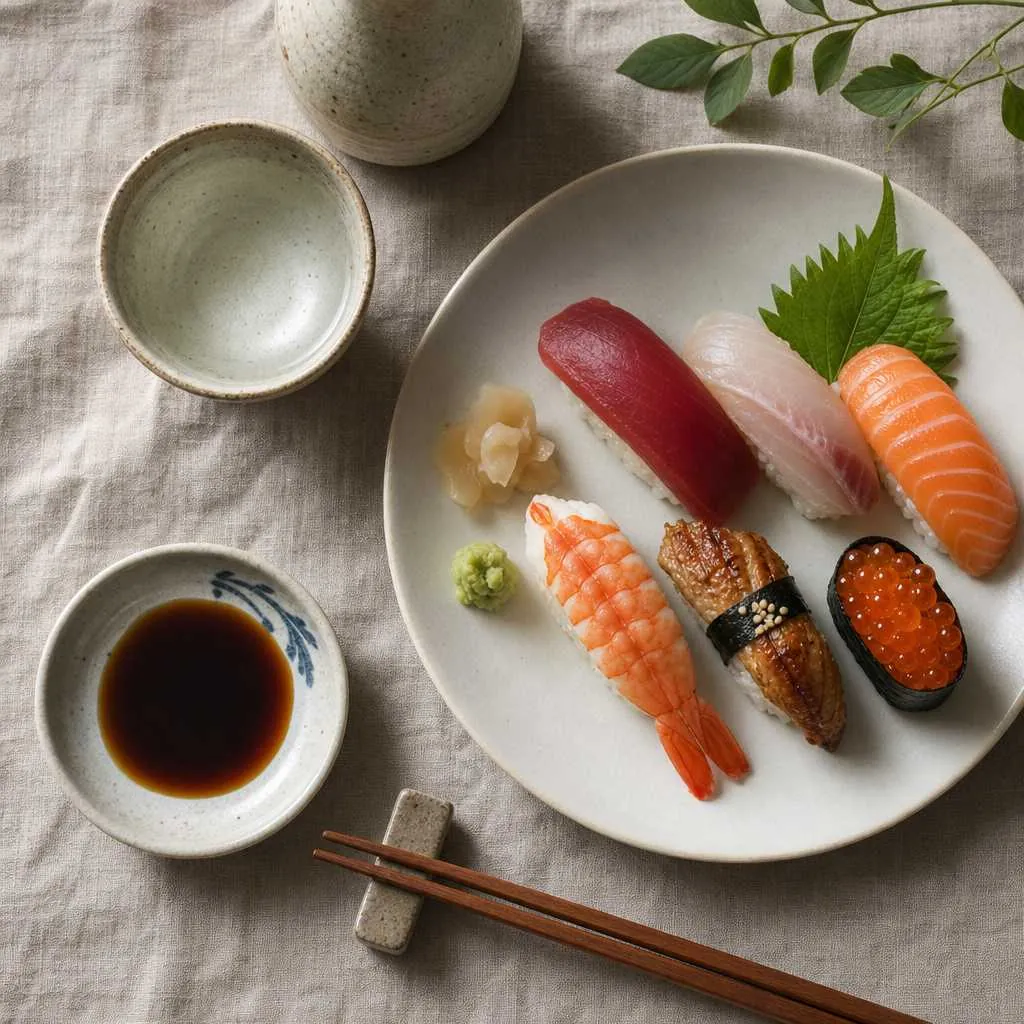
Most people ordering sushi reach for a glass of wine or a cold beer without a second thought. That is a missed opportunity. Sake pairing transforms a good sushi meal into something genuinely memorable, and the principles behind it are not complicated once you understand the basics. Japan’s national beverage has been crafted alongside sushi culture for centuries, and the compatibility runs deeper than tradition. This guide breaks down exactly how to pair sake with sushi and other Japanese dishes, why certain combinations work, and how to make confident choices the next time you sit down at Zen Ramen and Sushi.
Table of Contents
- Quick Takeaways
- Why Sake Pairing Actually Matters
- Understanding Sake Types Before You Order
- Pairing Sake with Sushi: The Core Rules
- Sake with Ramen: An Overlooked Combination
- Comparison of Sake Styles for Dining
- Common Mistakes When Pairing Sake
- Serving Temperature Changes Everything
- Frequently Asked Questions
- References
Quick Takeaways
| Key Insight | Explanation |
|---|---|
| Junmai pairs with fatty fish | The rich, umami-forward profile of Junmai sake complements tuna, salmon, and mackerel sushi without overpowering the fish. |
| Ginjo enhances lighter rolls | Fruity, floral Ginjo sake works best with white fish, cucumber rolls, and vegetable-based nigiri where delicacy is key. |
| Avoid pairing sake with soy sauce-heavy bites | Dipping sushi deeply in soy sauce before sipping sake creates a sodium clash that flattens both flavors simultaneously. |
| Temperature affects the pairing outcome | Chilled sake (around 50 degrees Fahrenheit) preserves aromatic notes, while warm sake brings out earthiness that suits heartier dishes. |
| Sparkling sake is a genuine starter option | Carbonated sake cleanses the palate between courses and pairs particularly well with lighter sashimi at the start of a meal. |
| Nigiri and sake share a regional logic | Both Edomae-style sushi and traditional sake brewing developed in proximity in Japan, creating natural flavor alignments that still hold today. |
| Daiginjo is the premium pairing pick | Highly polished Daiginjo sake, with its clean and refined taste, pairs best with premium omakase-style selections or high-grade tuna. |
Why Sake Pairing Actually Matters
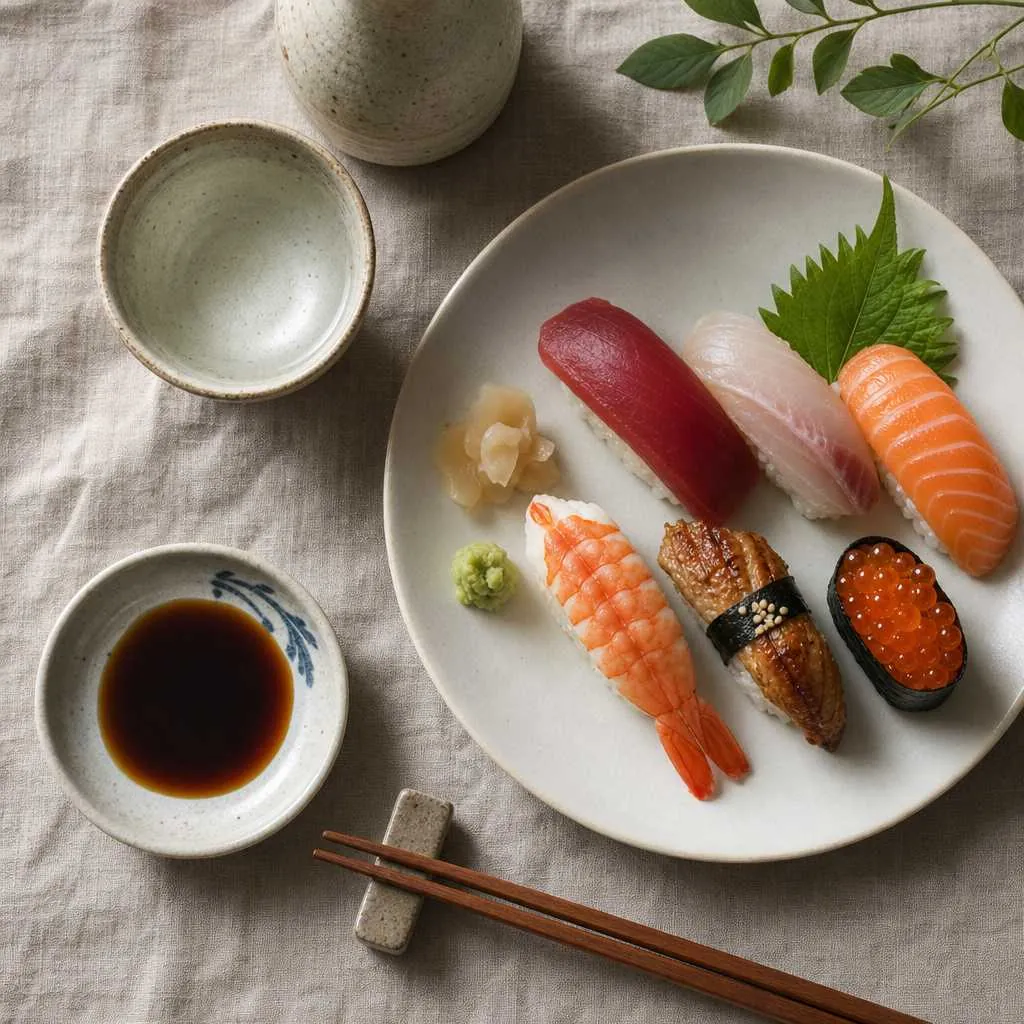
The argument for thoughtful sake pairing is not about snobbery. It is about getting more out of a meal you are already paying for and excited about. When a beverage and a dish share complementary flavor compounds, both taste better. That is not opinion, it is food science.
Sake contains amino acids, particularly glutamates, that amplify the umami already present in fresh fish. According to research published through the Brewing Society of Japan, sake has over 400 flavor compounds, a range that exceeds wine in biochemical complexity. That complexity gives it unusual flexibility as a pairing beverage.
In practice, diners who pair intentionally report greater satisfaction with the overall dining experience. For a restaurant like Zen Ramen and Sushi, where the quality of ingredients and preparation are central to the offering, sake pairing is the natural extension of that commitment to flavor. You are not just eating sushi. You are building a layered sensory experience.
Understanding Sake Types Before You Order
Sake is brewed from polished rice, water, yeast, and koji mold. The degree to which the rice is polished before brewing is the single biggest driver of flavor style, and it determines the grade designation on the label.
Junmai: The Everyday Workhorse
Junmai sake contains no added distilled alcohol and uses rice polished to at least 70 percent of its original size. The result is a full-bodied, slightly acidic sake with strong umami notes. It is approachable, food-friendly, and holds up to bold flavors. This is the style most diners should start with.
Ginjo and Daiginjo: The Aromatic Tier
Ginjo sake uses rice polished to at least 60 percent, and Daiginjo uses rice polished to at least 50 percent. Both go through a slower, cooler fermentation process that produces fruity and floral esters, specifically isoamyl acetate, which gives these sakes their signature banana and apple-like aromas. These are more delicate and perform best with lighter ingredients.
Nigori: The Cloudy Option
Nigori sake is unfiltered or coarsely filtered, leaving rice solids in suspension. It is creamy, slightly sweet, and lower in acid. It pairs surprisingly well with spicy tuna rolls because the sweetness tempers the heat.
Honjozo: The Bridge Style
Honjozo has a small amount of distilled alcohol added to lighten the body and increase aromatic volatility. It is often served warm and bridges the gap between the richness of Junmai and the elegance of Ginjo. A solid choice for ramen courses.
Pairing Sake with Sushi: The Core Rules
The fundamental principle of sushi and sake pairing is that the beverage should support, not compete with, the fish. Sushi relies on the natural sweetness of vinegared rice and the clean, ocean-forward taste of fresh seafood. Sake should amplify those qualities, not mask them.
Fatty Fish Nigiri: Tuna, Salmon, Yellowtail
These cuts contain significant fat, which coats the palate and demands a sake with enough body and acidity to cut through. Junmai Ginjo is the optimal choice here. It has sufficient weight to stand up to fattiness while its light fruit character provides contrast. Avoid overly sweet sakes with these cuts, as sweetness on fat creates a heavy, cloying finish.
White Fish Nigiri: Flounder, Sea Bass, Snapper
White fish is subtle. It is the portion of the sushi menu that most rewards attention. Pair it with a chilled Daiginjo, where the refined, clean profile allows the delicate flavors of the fish to remain central. A Junmai would overpower it. This is a case where more premium sake is genuinely the better choice, not just the more expensive one.
Shellfish and Roe
Scallop, shrimp, and sea urchin are sweet and briny. Sparkling sake or a lightly sweet Nigori provides a pleasant textural and flavor contrast. The carbonation in sparkling sake particularly complements the ocean saltiness of uni.
Vegetable and Cucumber Rolls
These rolls have clean, fresh flavors that are easily washed out by a bold sake. Ginjo served chilled is the right call. Its floral notes echo the freshness of cucumber and avocado without asserting dominance.
“Sake is the only beverage in the world that can claim a flavor relationship with Japanese cuisine at the molecular level. The glutamate compounds in sake mirror those in dashi and fresh seafood, creating a harmonic resonance no other drink can replicate.” – Sake Sommelier Association, Educational Guide
Pro tip: When ordering omakase or a tasting progression at Zen Ramen and Sushi, ask to start with a chilled Ginjo and move to a Junmai as the fish selections become richer and fattier through the meal. This mirrors how wine progressions work at fine dining restaurants.
Sake with Ramen: An Overlooked Combination
Almost every sake pairing guide focuses exclusively on sushi, which leaves ramen diners without guidance. That is a gap worth closing, because the broth-based richness of ramen creates a genuinely different pairing environment.
Tonkotsu Ramen
Tonkotsu broth is built from hours of pork bone reduction. It is fatty, rich, and intensely savory. A warm Honjozo or Junmai served at around 104 degrees Fahrenheit cuts through the fat in tonkotsu the same way a high-acid red wine cuts through a braised short rib. The warmth of the sake also harmonizes with the temperature of the soup.
Shoyu and Shio Ramen
Shoyu (soy sauce-based) and shio (salt-based) broths are lighter and more nuanced than tonkotsu. A room-temperature Junmai works here without overwhelming the broth. Avoid cold Daiginjo with ramen. The contrast between a cold, delicate sake and a steaming bowl of noodles is jarring rather than complementary.
Miso Ramen
Miso broth has fermented complexity that needs a sake with some character to match it. Aged sake, called koshu, is an underrated partner for miso ramen. Koshu develops caramel and nutty notes during aging that directly mirror the fermented depth of miso paste.
Comparison of Sake Styles for Dining
| Sake Style | Best Pairing Match | Avoid Pairing With |
|---|---|---|
| Junmai | Fatty fish nigiri, tonkotsu ramen, grilled skewers | Delicate white fish sashimi, light vegetable rolls |
| Daiginjo | Premium tuna, white fish nigiri, clean sashimi | Rich broth ramen, heavily seasoned rolls |
| Nigori | Spicy tuna rolls, uni, shellfish nigiri | Shoyu-heavy dishes, strongly fermented items |
These pairings are not arbitrary. They follow a principle that matches the weight and intensity of the sake to the weight and intensity of the dish. A light sake with a bold dish disappears. A bold sake with a delicate dish dominates. The goal is balance, and the table above gives you a reliable starting framework.
Common Mistakes When Pairing Sake
A common mistake is ordering one bottle of sake and drinking it straight through every course without adjusting. Sake styles shift the experience of each dish significantly, and drinking the same Junmai through delicate flounder nigiri and then a fatty toro cut produces inconsistent results at both ends.
Another error is over-chilling sake. Many restaurants serve all sake ice cold regardless of style. Cold temperatures suppress the aromatic compounds in Junmai that make it food-friendly and interesting. Junmai is best served slightly cool, around 59 to 64 degrees Fahrenheit, not at refrigerator temperature.
Drinking sake in large sips is also counterproductive. Sake is designed to be sipped in small amounts between bites, allowing the palate to reset and the pairing interaction to occur properly. A large sip floods the mouth and eliminates the subtlety the pairing is designed to create.
Finally, many diners assume that expensive sake is always better for pairing. Daiginjo is the most expensive category and the least versatile for general food pairing. Its refinement makes it outstanding with the right dish and disappointing with the wrong one. Junmai Ginjo is the most consistently useful style across a varied Japanese meal.
Pro tip: When dining with a group at Zen Ramen and Sushi and ordering multiple sake bottles, sequence them from lightest to richest: start with sparkling or Ginjo, move to Junmai Ginjo, and finish with a warm Honjozo alongside any heartier courses.
Serving Temperature Changes Everything
No single variable in sake service has more impact on the pairing outcome than temperature. Unlike wine, sake can be served across a range from 41 degrees Fahrenheit all the way to 131 degrees Fahrenheit, and different temperatures unlock different flavor profiles in the same bottle.
At cold temperatures (41 to 50 degrees Fahrenheit), sake becomes crisp and clean. Fruity esters in Ginjo are most pronounced at this range, which is why chilled service is standard for aromatic styles. At room temperature (59 to 68 degrees Fahrenheit), sake opens up and becomes more complex, with umami notes more accessible. This is where Junmai shows its best character alongside food.
Warm sake (104 to 113 degrees Fahrenheit) transforms the drinking experience entirely. Sweetness diminishes, acidity increases, and the earthy, savory qualities of the rice become dominant. This is the version of sake that pairs best with ramen and other hot, umami-rich dishes. The thermal harmony between a warm bowl and a warm cup is also part of the experience.
Hot sake above 122 degrees Fahrenheit is where things go wrong. At this temperature, alcohol volatilizes too aggressively, producing a harsh, sharp sensation that competes with food rather than complementing it. A well-run Japanese restaurant should never serve sake at this temperature, and it is worth asking your server specifically about the temperature before ordering warmed sake.
Frequently Asked Questions
What type of sake is best for a first-time sake drinker at a sushi restaurant?
Junmai Ginjo served chilled is the most accessible entry point for first-time sake drinkers at a sushi restaurant. It has enough fruity character to feel approachable without the sharpness that can put newcomers off, and it pairs well with a wide variety of sushi rolls and nigiri.
Can I pair sake with a spicy tuna roll?
Yes. Nigori sake is the best match for spicy tuna rolls because its natural sweetness and creamy texture counterbalance the heat from chili-based sauces. A dry Junmai will intensify the spice perception rather than soften it.
Is it acceptable to drink sake with ramen, or is beer the traditional choice?
Both are entirely acceptable, but sake is underused with ramen. Warm Honjozo or Junmai specifically complement the umami depth in tonkotsu and miso broths in ways that beer cannot. Beer’s carbonation can also conflict with the texture of ramen broth. Sake is the more culinarily interesting pairing.
What is the difference between sushi and sake pairing versus wine and sushi pairing?
The key difference is that sake contains no tannins and has a lower sulfur content than most wines. Tannins in red wine create a metallic interaction with raw fish proteins that most people find unpleasant. Sake avoids this entirely, making it a structurally superior pairing for raw seafood. White wine can work, but sake was literally developed alongside sushi culture and has a natural compositional compatibility that wine does not.
How much sake should I order for a sushi dinner for two?
A standard 300ml carafe of sake serves approximately two to three small cups per person, which is the right amount for a moderate sushi dinner for two. If you are planning a longer meal with multiple courses, consider ordering two different carafes of different styles to match the progression of the meal.
Does the quality of sake matter as much as the pairing choice?
Quality matters within reason, but the pairing match matters more than the price point. A well-chosen mid-range Junmai Ginjo paired correctly will outperform an expensive Daiginjo paired incorrectly. Focus on matching the style of sake to the dishes you are ordering before worrying about the premium tier.
If you have tried sake pairing at Zen Ramen and Sushi or have a combination that surprised you, share your experience in the comments below.
References
- Forbes coverage of Japanese dining trends and premium beverage culture
- Statista data on sake market size, consumption trends, and global export statistics
- Britannica encyclopedic reference on sake brewing history, production methods, and classification
- ScienceDirect peer-reviewed research on flavor compound interactions in fermented rice beverages
- Epicurious expert editorial content on Japanese beverage and food pairing principles