
Walking into a Japanese restaurant for the first time and staring at a sushi menu can feel overwhelming. Dozens of rolls, unfamiliar ingredients, and no clear starting point. The good news is that the best sushi rolls for beginners share a few simple traits: mild flavors, familiar textures, and forgiving ingredient combinations that ease you into Japanese cuisine without asking you to take a big leap of faith. This guide cuts through the noise and tells you exactly what to order, what to expect, and how to build your confidence one roll at a time at a place like Zen Ramen and Sushi.
Table of Contents
- Quick Takeaways
- Why Sushi Rolls Are the Best Entry Point
- The Classic Beginner Rolls You Should Order First
- Rolls with Cooked Ingredients for the Cautious First-Timer
- Understanding What Goes Inside a Sushi Roll
- Comparison of Beginner-Friendly Sushi Roll Styles
- How to Eat Sushi Rolls Without Embarrassing Yourself
- When to Graduate Beyond Easy Sushi Rolls
- Frequently Asked Questions
- References
Quick Takeaways
| Key Insight | Explanation |
|---|---|
| Start with cooked or cured rolls | Rolls like California and shrimp tempura use cooked proteins, removing the raw fish barrier entirely for first-timers. |
| The California Roll is the universal starting point | Crab (often imitation), avocado, and cucumber create a creamy, mild combination that almost every palate accepts immediately. |
| Soy sauce is a tool, not a bath | Dipping the fish side lightly into soy sauce gives flavor without drowning the rice or making the roll fall apart. |
| Avoid spicy tuna as your very first roll | The heat and raw fish combination is a double adjustment. Save it for your second or third visit once the base flavors feel familiar. |
| Maki rolls are smaller and less intimidating than specialty rolls | Simple maki with one or two fillings lets you taste ingredients individually before committing to complex specialty rolls. |
| Wasabi is optional and customizable | Many beginner-friendly restaurants like Zen Ramen and Sushi serve wasabi on the side so you control exactly how much heat you add. |
| Sushi rice quality signals the whole meal | Well-seasoned sushi rice with the right vinegar balance is what separates a quality roll from a mediocre one. It should be slightly warm and cohesive. |
Why Sushi Rolls Are the Best Entry Point
If someone who already loves Japanese food is bringing you to Zen Ramen and Sushi for the first time, they already know what to order. But if you are navigating the menu yourself, sushi rolls are your most strategic starting move. Rolls are portioned into bite-sized pieces, served at a pace you control, and constructed with ingredient combinations that were specifically designed to be approachable.
Unlike nigiri, which places a slice of raw fish directly on seasoned rice with nothing to soften the flavor, rolls wrap everything in nori and rice, which naturally moderates the intensity of any single ingredient. That structural design is exactly why easy sushi rolls are the format most first-time diners find comfortable.
In practice, the difference between a confident sushi diner and a hesitant one almost always comes down to familiarity, not actual flavor preference. Most people who claim they do not like sushi have only tried one or two poorly chosen rolls. Getting the order right on the first visit changes everything.
The Classic Beginner Rolls You Should Order First
There is no ambiguity here. These are the rolls that consistently convert skeptics into sushi enthusiasts. Every one of them earns its place on a first-timer’s order for a specific reason.
California Roll
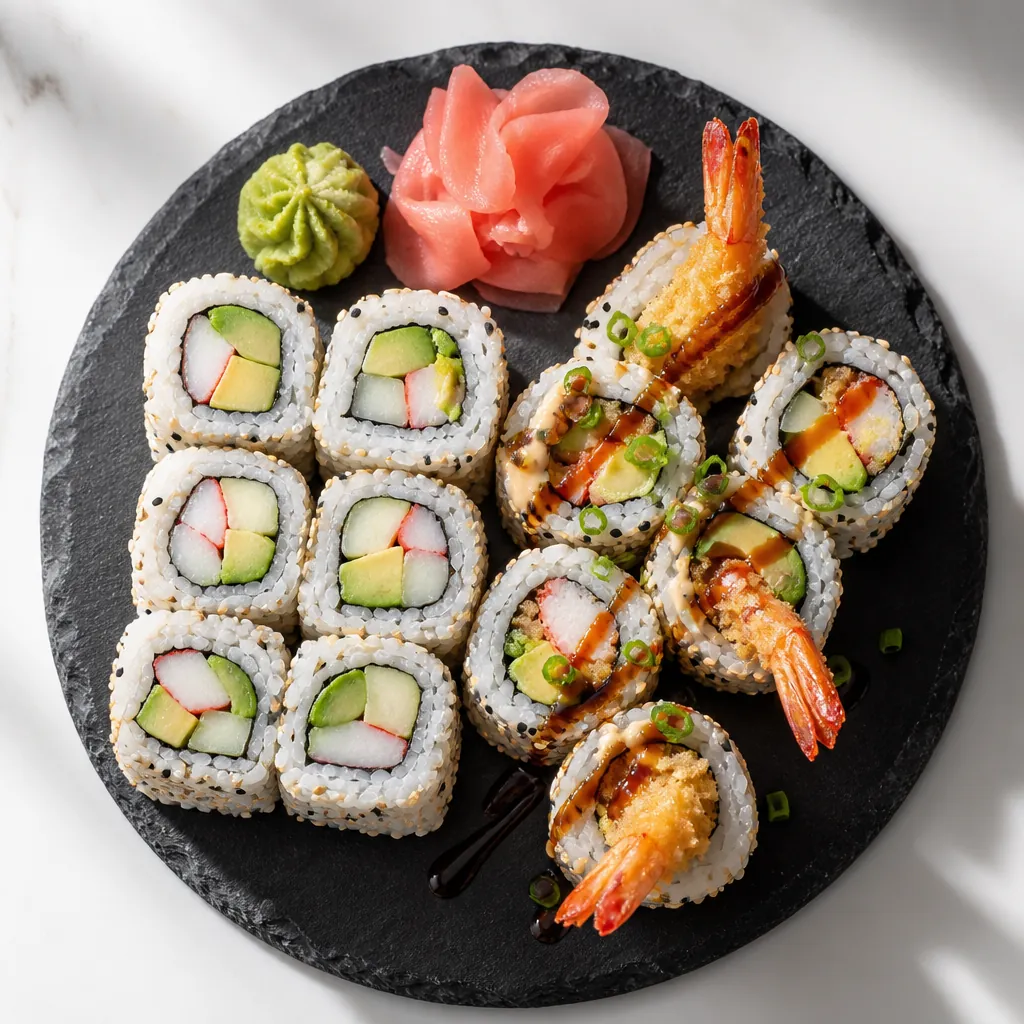
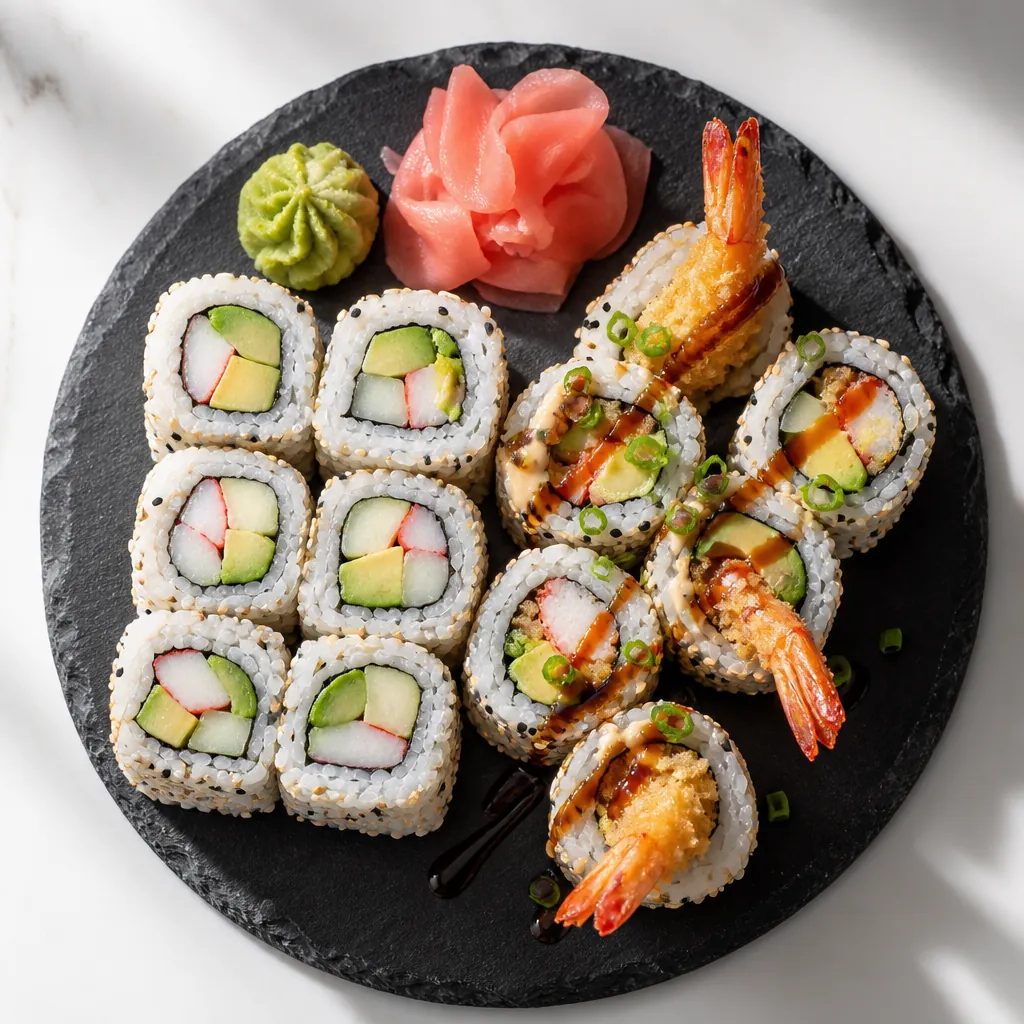
The California Roll is the undisputed starting point for sushi for first-timers. It contains imitation crab (or real crab at higher-quality establishments), avocado, and cucumber, typically rolled inside-out so the rice is on the outside. The avocado adds a creamy richness that makes the whole roll feel satisfying and non-threatening.
There is no raw fish. The flavor profile is mild and slightly sweet. The texture is soft with a light crunch from the cucumber. It is the roll that built the entire Western sushi industry, and it remains the correct choice for a first order.
Cucumber Roll (Kappa Maki)
The cucumber roll is as minimalist as sushi gets. Fresh cucumber wrapped in seasoned rice and nori. It is light, clean, and palate-cleansing. Ordering a cucumber roll alongside a more complex roll lets you reset between bites and appreciate what the rice and nori actually taste like on their own.
A common mistake is dismissing simple rolls like this as not worth ordering. In practice, they are the ones that reveal the quality of the rice preparation, which is the backbone of every great sushi experience.
Avocado Roll
Pure avocado in seasoned rice and nori. The fatty creaminess of ripe avocado is deeply satisfying and needs nothing else. This roll works especially well for diners who are vegetarian or simply unsure about seafood but still want to participate fully in the sushi experience.
Salmon Avocado Roll
Once you are ready to try raw fish for the first time, salmon is the correct choice. Salmon has a mild, slightly buttery flavor that does not carry the assertive oceanic intensity that fish like mackerel or yellowtail do. Paired with avocado, it is one of the most popular rolls in any Japanese restaurant for exactly this reason.
Pro tip: Ask your server at Zen Ramen and Sushi whether the salmon is fresh or previously frozen. Properly handled salmon served at a quality restaurant is safe and far more flavorful than the fish-counter anxiety many first-timers carry with them.
Rolls with Cooked Ingredients for the Cautious First-Timer
Not everyone is ready for raw fish on the first visit, and that is a completely reasonable position. Several rolls use fully cooked proteins and still deliver a genuinely excellent sushi experience.
Shrimp Tempura Roll
This is one of the most widely loved rolls among people new to Japanese cuisine. Shrimp is battered and deep-fried until crispy, then rolled with avocado and cucumber. The result is a warm, crunchy, satisfying roll that feels closer to familiar Western comfort food while still being genuinely Japanese in construction and flavor.
Many specialty versions of this roll are topped with a light drizzle of eel sauce or spicy mayo, which adds complexity without any raw fish involvement. If you see a shrimp tempura roll on the menu at Zen Ramen and Sushi, it is almost always a safe and enjoyable order.
Chicken Teriyaki Roll
Less traditional but increasingly common, the chicken teriyaki roll uses grilled teriyaki chicken as the protein. The sweet-savory glaze is immediately recognizable to most Western palates. This roll is a solid bridge between familiar flavors and the Japanese dining experience you are just beginning to explore.
Crab Tempura or Soft Shell Crab Roll
Soft shell crab rolls, sometimes called Spider Rolls, use fried soft shell crab as the filling. The texture is crispy and satisfying, the flavor is mild and slightly sweet. This is a step up in complexity from a California Roll but still completely accessible for anyone in their first few visits to a Japanese restaurant.
“Sushi is not just food. It is a reflection of patience, precision, and respect for ingredients. The best entry point into that world is a roll that lets the ingredients speak clearly without asking you to trust things you are not ready for yet.” – Jiro Ono, legendary sushi chef, as referenced in cultural commentary on Japanese culinary tradition.
Understanding What Goes Inside a Sushi Roll
The more you understand the structure of a sushi roll, the more confidently you will navigate any menu. Every maki roll (the standard rolled style) follows the same basic architecture: a sheet of nori (dried seaweed), a layer of vinegared sushi rice, and a filling running down the center before it is rolled and sliced.
Nori: The Seaweed Wrapper
Nori has a slightly savory, oceanic flavor that is subtle when fresh and can taste more pronounced if the roll has been sitting. A common mistake among first-timers is assuming the slightly briny flavor comes from the fish. In most beginner rolls, it comes primarily from the nori. Once you isolate that flavor, you will stop misidentifying it as fishiness.
Sushi Rice: The Real Star
Sushi rice is seasoned with rice vinegar, sugar, and salt. It should have a slight tang and a gentle sweetness. It should hold together cleanly when you pick up a piece but not feel gummy or overly compressed. At a well-run restaurant like Zen Ramen and Sushi, the rice is prepared with the same care as the fish, and you will notice the difference immediately compared to a lower-quality establishment.
Inside-Out vs. Traditional Rolls
Traditional maki has rice on the inside and nori on the outside. Inside-out rolls (uramaki) flip this so the rice is on the exterior, often coated with sesame seeds or tobiko (tiny fish roe). California Rolls are the most famous example of inside-out construction. The distinction matters for texture: inside-out rolls tend to feel creamier because the rice is the first thing you taste.
Pro tip: When ordering at Zen Ramen and Sushi for the first time, ask your server to recommend their most popular beginner-friendly roll. Staff at specialty Japanese restaurants know exactly which rolls convert hesitant diners into regulars, and that information is more valuable than any general guide.
Comparison of Beginner-Friendly Sushi Roll Styles
Not all beginner rolls are created equal. The three main styles you will encounter differ in texture, intensity, and how much you are being asked to trust unfamiliar ingredients.
| Roll Style | Best For | Flavor Profile |
|---|---|---|
| Simple Maki (California, Cucumber, Avocado) | True first-timers with no raw fish experience | Mild, clean, slightly sweet and tangy from the sushi rice. No raw fish intensity. |
| Tempura Rolls (Shrimp Tempura, Spider Roll) | First-timers who want cooked protein with more texture and richness | Warm, crunchy, savory. Often paired with sweet eel sauce or spicy mayo for depth. |
| Raw Fish Beginner Rolls (Salmon Avocado, Tuna Roll) | First-timers ready to try raw fish with a flavor buffer | Mild oceanic flavor softened by avocado or cucumber. Salmon is butter-forward. Tuna is lean and clean. |
How to Eat Sushi Rolls Without Embarrassing Yourself
There is no single correct way to eat sushi rolls, but there are a few habits that will make your experience significantly better and prevent you from accidentally ruining a well-made roll.
First, eat each piece in one bite if possible. Sushi rolls are designed to be consumed whole so that all the flavors hit simultaneously. Biting a roll in half and setting the other piece down causes it to fall apart and changes the flavor ratio entirely.
Second, do not mix wasabi directly into your soy sauce. This is a common Western habit that most Japanese sushi chefs find dilutive. If you want wasabi, apply a small amount directly to the roll. If the heat is too much, the avocado or cucumber in a beginner roll will naturally neutralize it.
Third, ginger is a palate cleanser, not a topping. The pink pickled ginger served alongside your rolls is meant to be eaten between different rolls to reset your taste buds, not placed on top of the sushi itself.
When to Graduate Beyond Easy Sushi Rolls
Once you have visited Zen Ramen and Sushi two or three times and feel comfortable with the rolls in this guide, you are ready to move into more complex territory. The progression is logical: if you enjoyed salmon avocado, try salmon nigiri next. It removes the avocado buffer and lets you taste the fish alone on rice, which is a more focused and ultimately more rewarding experience.
From there, yellowtail (hamachi) is the natural next fish to try. It is slightly richer and more flavorful than salmon but still mild compared to mackerel or eel. Most experienced Japanese cuisine diners consider yellowtail the point where you cross from casual sushi eater into genuine appreciation of the craft.
Specialty rolls with multiple toppings, sauces, and more than four ingredients are worth exploring once you have a baseline understanding of what sushi tastes like at its simplest. The complexity of a specialty roll is rewarding when you have context for what each ingredient is contributing. Without that context, the flavors blend together and you lose the point.
Frequently Asked Questions
What is the best sushi roll for someone who has never tried sushi before?
The California Roll is the single best starting point for anyone new to sushi. It contains no raw fish, uses familiar flavors like avocado and cucumber, and has a mild, slightly sweet taste that almost no one dislikes. It is available at virtually every Japanese restaurant including Zen Ramen and Sushi and requires no leap of faith from a first-time diner.
Are sushi rolls with raw fish safe to eat?
Yes, raw fish served at a reputable Japanese restaurant is safe for most healthy adults. Restaurants are required to follow strict food handling and temperature regulations. Fish used for sushi is often flash-frozen before service, which eliminates parasites. At an established restaurant with fresh daily deliveries, the safety risk is minimal for people without compromised immune systems.
What is the difference between maki rolls and specialty rolls?
Maki rolls are simple, traditionally structured rolls with one to three fillings wrapped in nori and rice. Specialty rolls are restaurant-created combinations that often involve multiple proteins, creative sauces, and toppings like tobiko or tempura flakes. Maki rolls are better for beginners because the flavors are cleaner and easier to evaluate. Specialty rolls are better once you understand the baseline flavors you are working with.
Do I have to eat raw fish to enjoy sushi rolls?
No. A significant portion of popular sushi rolls use cooked or vegetarian ingredients. Shrimp tempura rolls, California rolls, cucumber rolls, avocado rolls, and chicken teriyaki rolls all contain no raw fish. You can have a full, satisfying sushi meal at Zen Ramen and Sushi without ever touching raw seafood. Many regular sushi diners exclusively order cooked rolls and have no interest in changing that.
How many sushi rolls should I order as a first-timer?
Two to three rolls is the right starting amount for one person. This gives you enough variety to explore different flavor profiles without overspending or over-ordering before you know your preferences. At Zen Ramen and Sushi, pairing one cooked roll with one beginner raw fish roll alongside a bowl of ramen is a well-balanced first visit that covers multiple aspects of Japanese cuisine.
Is it acceptable to use a fork instead of chopsticks for sushi rolls?
Yes, and you can also eat sushi rolls with your hands. In Japan, eating nigiri and maki with fingers is traditional and completely acceptable. Forks are available at most Japanese restaurants for diners who prefer them. The only thing that matters is that you enjoy the food. No one at a good restaurant will judge you for how you choose to pick up your roll.
What drinks pair well with sushi rolls for beginners?
Green tea is the traditional pairing and for good reason. Its mild bitterness cleanses the palate between rolls and does not compete with the subtle flavors of sushi rice. Japanese beer like Sapporo or Kirin is another excellent choice. Avoid very sweet cocktails for your first sushi experience because they overwhelm the delicate flavors of beginner rolls and make it harder to appreciate what makes them well-crafted.
If you have tried sushi rolls for the first time recently or have a favorite beginner roll that converted you into a Japanese food enthusiast, share your experience in the comments so others heading to Zen Ramen and Sushi for the first time can get your honest recommendation.
References
- Statista: consumer dining trends and Japanese restaurant industry data
- Forbes: food culture and the growth of Japanese cuisine in the United States
- U.S. Food and Drug Administration: guidance on consuming raw fish and seafood safety standards
- Healthline: nutritional breakdown of common sushi roll ingredients
- Smithsonian Magazine: the cultural history of sushi and its journey to Western dining