
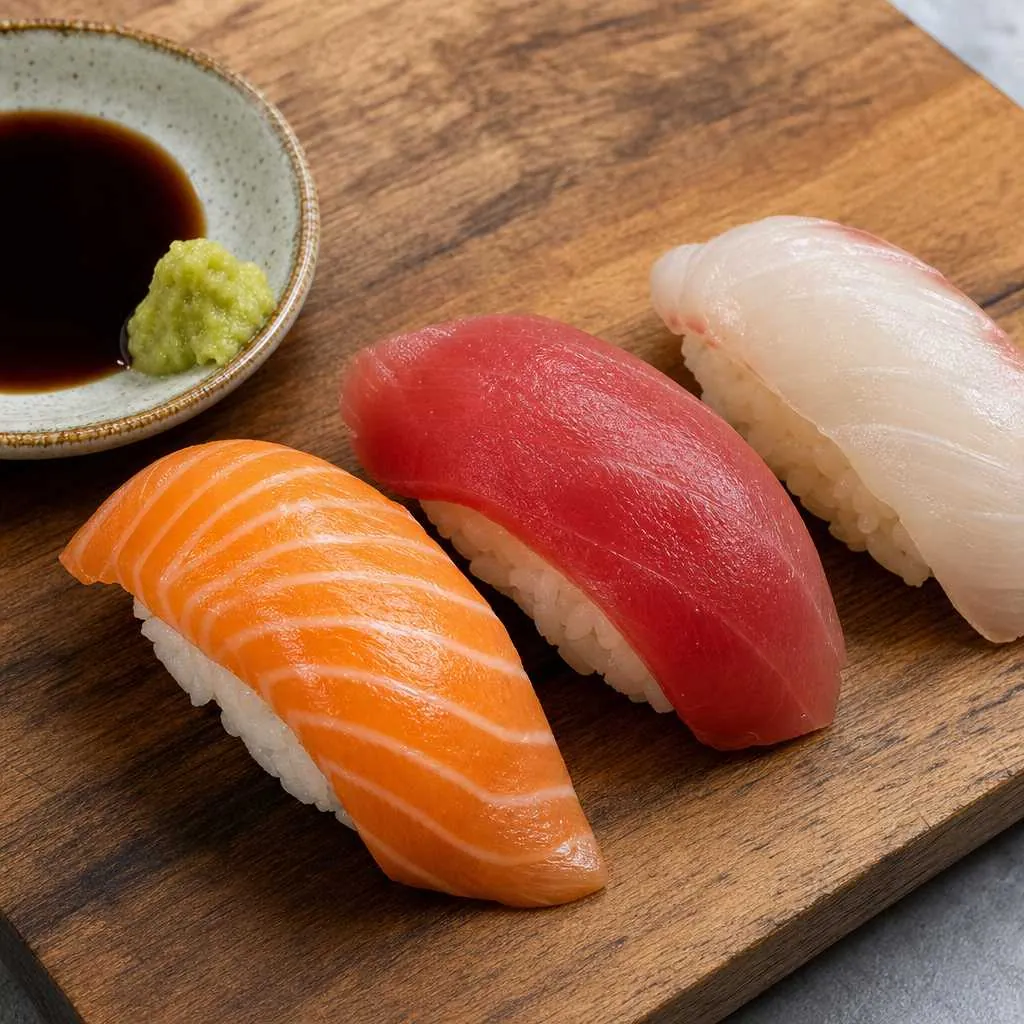
Most first-time sushi diners freeze the moment they open the menu. Too many names, too many unfamiliar ingredients, and the quiet fear of ordering something embarrassing. If a friend brought you to Zen Ramen and Sushi and you are staring at a menu wondering what half of it means, this guide is written for you. Learning how to order sushi is not complicated once you understand the core categories, and the reward is one of the most satisfying dining experiences you can have.
Table of Contents
- Quick Takeaways
- Understanding the Main Types of Sushi
- Nigiri Explained: The Purest Form of Sushi
- Maki Rolls: What They Are and How to Choose
- Sashimi vs Sushi: What Is the Difference
- Sushi Style Comparison Table
- How to Order Sushi Step by Step
- Common Beginner Mistakes and How to Avoid Them
- Soy Sauce, Wasabi, and Ginger: How to Use Each One
- Frequently Asked Questions
- References
Quick Takeaways
| Key Insight | Explanation |
|---|---|
| Nigiri is fish over rice, served as a pair | Each nigiri order typically comes as two pieces. The fish sits on a hand-pressed rice block with a small smear of wasabi underneath. |
| Maki rolls are the beginner-friendly entry point | Maki rolls wrap ingredients in seaweed and rice, making them easy to eat and widely varied in flavor. |
| Sashimi has no rice at all | Pure sliced fish without any rice component. A great choice if you want to taste the fish quality directly. |
| Do not mix wasabi directly into soy sauce | Apply wasabi lightly to the fish itself. Mixing it into soy sauce dilutes the flavor of both and is generally considered improper etiquette. |
| Ginger is a palate cleanser, not a topping | Pickled ginger is meant to be eaten between different pieces of sushi to reset your taste buds, not placed on top of the fish. |
| Start with cooked or mild options if you are nervous | Shrimp tempura rolls, California rolls, and salmon nigiri are approachable starting points with familiar flavors. |
| Omakase means trusting the chef to choose for you | If you want to experience the full range of what a kitchen can do, asking for omakase is one of the most rewarding ways to eat sushi. |
Understanding the Main Types of Sushi
The word “sushi” does not refer to raw fish. It refers to vinegared rice combined with various toppings or fillings. Raw fish on its own is sashimi. This distinction matters because it immediately opens the menu to people who are not interested in eating raw seafood at all.
There are five sushi styles worth knowing as a beginner: nigiri, maki, temaki (hand rolls), sashimi, and specialty rolls. Each has a different structure, a different eating experience, and a different level of complexity in flavor. Most menus at a place like Zen Ramen and Sushi organize these categories clearly, so once you know what to look for, navigation becomes straightforward.
In practice, most first-time diners do best ordering one or two maki rolls and one or two nigiri pieces. This gives you a wide enough sample to understand what you enjoy without overwhelming your palate or your budget.
Nigiri Explained: The Purest Form of Sushi
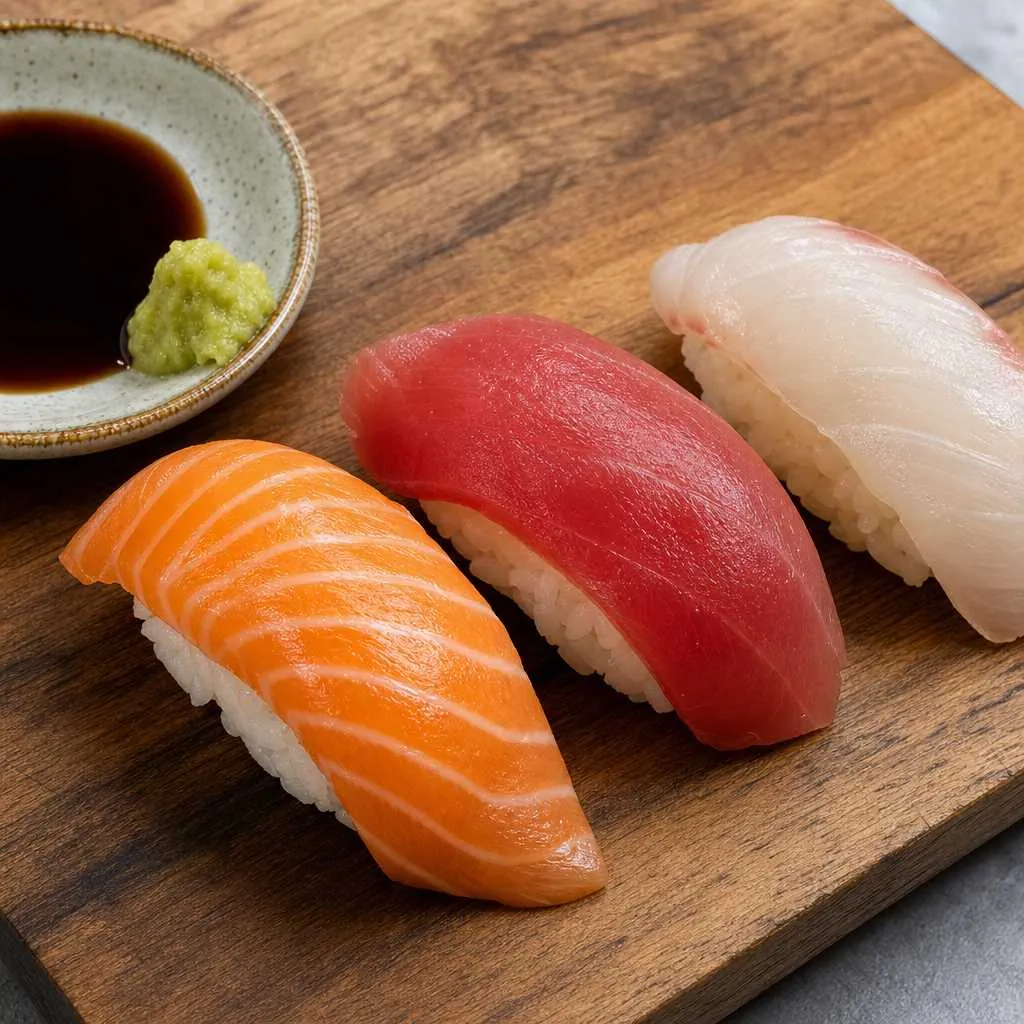
Nigiri is arguably the truest test of a sushi kitchen. It is nothing more than a hand-pressed oval of seasoned rice topped with a single piece of fish or shellfish. There is nowhere to hide. The rice temperature, the slice thickness, the fish quality, and the tiny touch of wasabi underneath all have to work together.
The Most Common Nigiri Options for Beginners
Salmon (Sake): Rich, buttery, and mild. This is consistently the most ordered nigiri worldwide, and for good reason. It is a reliable starting point that almost nobody dislikes.
Tuna (Maguro): Leaner than salmon with a clean, slightly meaty flavor. Bluefin tuna nigiri is considered a premium option. If the menu lists otoro (fatty tuna belly), understand that it is significantly richer in flavor and price.
Shrimp (Ebi): Served cooked, with a sweet and firm texture. This is the right choice if you want nigiri without raw fish.
Yellowtail (Hamachi): Slightly oily with a mild, almost citrusy flavor. One of the more elegant options and a favorite among sushi regulars.
A common mistake is eating nigiri with a fork and breaking the rice apart. Pick it up gently with your fingers or chopsticks, turn it fish-side down, and dip just the fish lightly into soy sauce. This protects the rice from absorbing too much sodium and keeps the piece intact.
Pro tip: When eating nigiri, place the entire piece in your mouth in one bite. Biting a nigiri in half causes the rice to fall apart and is considered poor form at most Japanese restaurants.
Maki Rolls: What They Are and How to Choose
Maki rolls are the most recognizable form of sushi outside Japan. A sheet of nori (dried seaweed) is laid flat, covered with rice and fillings, then rolled tightly and cut into six to eight pieces. The result is a cylinder of layered flavors that is easy to share and endlessly customizable.
Hosomaki vs Futomaki vs Uramaki
Hosomaki are thin rolls with a single filling, like a tuna roll or a cucumber roll. They are simple, clean, and focused on one flavor. A great choice if you want to taste a specific ingredient without distraction.
Futomaki are thick rolls with multiple ingredients. More filling, more complex, and often a better value per piece. Common in bento-style presentations.
Uramaki, also called inside-out rolls, have the rice on the outside and the nori on the inside. The California roll is the most famous example. These are the rolls you see topped with avocado slices, tobiko (flying fish roe), or sauces.
Specialty Rolls Versus Traditional Rolls
Specialty rolls are a Western adaptation, and there is no shame in enjoying them. They are often larger, topped with sauces, and designed to be satisfying for diners who are not yet committed to minimalist Japanese flavors. The spicy tuna roll, the dragon roll, and the rainbow roll all fall into this category.
Traditional rolls tend to have fewer ingredients and let the fish speak for itself. Over time, many diners migrate toward traditional rolls as their palate develops. Start wherever you feel comfortable.
Pro tip: If you are dining at Zen Ramen and Sushi with a group, order one specialty roll and one traditional roll per person. The contrast gives everyone a better picture of the full sushi experience.
Sashimi vs Sushi: What Is the Difference
Sashimi is not sushi. This is one of the most common points of confusion for beginners. Sashimi is simply raw fish or seafood sliced and served without rice. No seaweed, no rolling, no vinegar rice. Just the fish, a garnish of shredded daikon, and perhaps a shiso leaf.
Because sashimi has nothing to mask the fish, it demands the highest quality seafood available. Ordering sashimi at a restaurant that takes its sourcing seriously is one of the best ways to understand what premium fish actually tastes like.
From a practical standpoint, sashimi is also a lighter option. If you are pairing a sushi order with ramen, starting with a few pieces of sashimi rather than a full roll lineup keeps the meal balanced. This combination works especially well at Zen Ramen and Sushi, where the kitchen handles both with equal attention.
“The freshness of fish in sashimi is paramount. A piece of salmon sashimi should smell like the ocean, not like fish. Any strong fishy odor means the product is not fresh enough to serve.” – Nobu Matsuhisa, acclaimed Japanese chef and restaurateur
Sushi Style Comparison Table
The table below compares the three most common sushi styles side by side. Use this as a quick reference when you are sitting at the table and trying to decide where to start.
| Sushi Style | Best For | Beginner Friendliness |
|---|---|---|
| Nigiri (e.g., salmon, tuna, shrimp) | Tasting individual fish quality with minimal distraction. Ideal for diners who want to appreciate the protein itself. | Medium. Simple to understand but requires chopstick or hand confidence and willingness to eat raw fish. |
| Maki Rolls (e.g., California roll, spicy tuna roll) | Approachable flavors, shareable format, and wide variety including cooked options. Best for groups or first-timers. | High. The most forgiving option for new diners. Easy to eat, familiar textures, and available in cooked varieties. |
| Sashimi (e.g., salmon slices, yellowtail) | Experienced diners who want pure fish flavor without rice. Also a good low-carbohydrate option. | Low to Medium. No rice makes the fish flavor more intense. Best after you have tried nigiri and understand what you like. |
How to Order Sushi Step by Step
Knowing how to order sushi is less about memorizing every Japanese term and more about having a repeatable process that builds your confidence with each visit.
Step 1: Decide on Your Comfort Level With Raw Fish
Be honest with yourself. If the idea of raw fish makes you uncomfortable, start with a California roll (crab and avocado), a shrimp tempura roll, or an ebi nigiri. All of these use cooked seafood. There is no hierarchy of authenticity that makes raw fish superior to cooked. Order what you will actually enjoy eating.
Step 2: Choose One Style Anchor
Pick one style as your anchor order: either a nigiri selection or a maki roll selection. Do not try to sample everything on your first visit. One well-chosen anchor gives you a foundation for comparison on future visits.
Step 3: Add One Adventurous Item
Once your anchor is decided, add one item you are not sure about. This is how you expand your palate without feeling overwhelmed. Ask your server what they recommend for someone trying that category for the first time. A good server at Zen Ramen and Sushi will point you toward something appropriate for your stated preferences.
Step 4: Order in Stages if Possible
At many Japanese restaurants, you can order in rounds rather than all at once. Start with lighter items like sashimi or hosomaki, then move to heavier specialty rolls. This mirrors the traditional Japanese approach of progressing from delicate to bold flavors during a meal.
Common Beginner Mistakes and How to Avoid Them
A common mistake is over-soaking sushi in soy sauce. Dunking a full maki roll into soy sauce until the rice falls apart destroys both the structural integrity of the roll and the flavor balance the kitchen built into it. Dip lightly and briefly.
Another frequent error is eating the pickled ginger between bites of the same piece rather than between different types. Ginger is a palate cleanser, not a condiment. Use it when switching from tuna to salmon, not between consecutive bites of the same roll.
People also regularly confuse quality with price on specialty rolls. A heavily sauced specialty roll at a higher price point is not necessarily better sushi than a simple salmon nigiri. The sauce can mask quality or lack of it. As your experience builds, you will naturally gravitate toward simpler preparations where quality is more visible.
Finally, do not feel obligated to use chopsticks if you are not comfortable with them. Nigiri in particular is traditionally eaten with your hands in Japan. Using your fingers is not a breach of etiquette. It is actually the historically correct approach.
Soy Sauce, Wasabi, and Ginger: How to Use Each One
These three condiments arrive at almost every sushi table, and most beginners use them incorrectly. Getting them right elevates the entire experience.
Soy Sauce
Pour a small amount into the provided dish. Dip fish-side down, briefly. The goal is a light coating, not saturation. Sushi rice is already seasoned with vinegar and sometimes a small amount of sugar. Oversalting with soy sauce throws the balance off completely.
Wasabi
Most nigiri already has a small amount of wasabi placed between the fish and the rice. You may not need any additional wasabi at all. If you want more heat, use a small amount applied directly to the fish, not dissolved into your soy sauce dish. Wasabi mixed into soy sauce creates a muddy, indistinct flavor that benefits neither condiment.
Pickled Ginger
Take a single piece between sushi items. Let the ginger clear your palate before moving to a different fish. Some diners skip it entirely on a short order. That is perfectly acceptable. The ginger is there to serve your experience, not to be consumed as a side dish.
Pro tip: If you are unsure how much wasabi you can handle, ask your server to note your order as “light wasabi” or “wasabi on the side.” Most restaurants accommodate this without any issue, and it gives you full control over your heat level.
Frequently Asked Questions
What is the easiest sushi to order for a first-timer?
The California roll is the most beginner-friendly option because it uses imitation crab (cooked), avocado, and cucumber wrapped in rice and nori. It is mild, filling, and widely available. For nigiri, salmon is the most reliable first choice due to its mild, buttery flavor.
Is all sushi raw fish?
No. Many sushi options use cooked seafood including shrimp, crab, eel (unagi), and scallops. Vegetarian rolls using cucumber, avocado, pickled radish, or sweet potato are also common. You do not have to eat raw fish to enjoy a full sushi experience.
What is the difference between types of sushi rolls at a Japanese restaurant?
The main distinction is in size and structure. Hosomaki are thin rolls with one filling. Futomaki are thick rolls with several fillings. Uramaki (inside-out rolls) have rice on the outside. Temaki are cone-shaped hand rolls. Specialty rolls are typically uramaki with additional toppings and sauces added by the kitchen.
How many pieces of sushi should I order as a beginner?
A practical starting point is one maki roll (six to eight pieces) and two to four pieces of nigiri. This gives you enough variety to understand what you enjoy without overeating before the rest of your meal. If you are also ordering ramen or another entree, scale down to one roll or three to four nigiri pieces.
Can I ask my server for help ordering sushi?
Yes, and you should. A knowledgeable server at a quality Japanese restaurant like Zen Ramen and Sushi will ask you about your experience level, preferences for raw versus cooked, and any dietary restrictions. Telling your server it is your first time or that you are still learning is not embarrassing. It gives them useful information to guide you toward something you will genuinely enjoy.
What does omakase mean and should a beginner try it?
Omakase means “I leave it to you” in Japanese. You trust the chef to choose your entire meal based on what is freshest and best that day. For beginners, omakase can be a wonderful way to learn quickly, but it works best when you communicate your comfort level with raw fish clearly beforehand. If you are dining at a restaurant where you trust the kitchen, it is worth trying at least once.
Is sushi for beginners different from traditional sushi?
In terms of the food itself, no. What changes is the selection strategy. Beginners benefit from starting with familiar flavor profiles and approachable textures before exploring more assertive options like sea urchin (uni) or fermented flavors. The sushi itself is the same quality regardless of your experience level.
What was your first sushi order, and would you make the same choice today? Share your experience in the comments below.
References
- Statista: Global data and statistics on Japanese restaurant industry trends and consumer dining preferences
- Forbes: Food and restaurant coverage including dining trends, Japanese cuisine culture, and consumer behavior
- U.S. Food and Drug Administration: Federal guidelines on raw fish consumption, food safety standards, and seafood handling requirements
- JSTOR: Academic research archive covering Japanese culinary history, food culture, and the global spread of sushi
- USDA National Agricultural Library: Nutritional data and food safety resources for seafood and fish-based dishes