
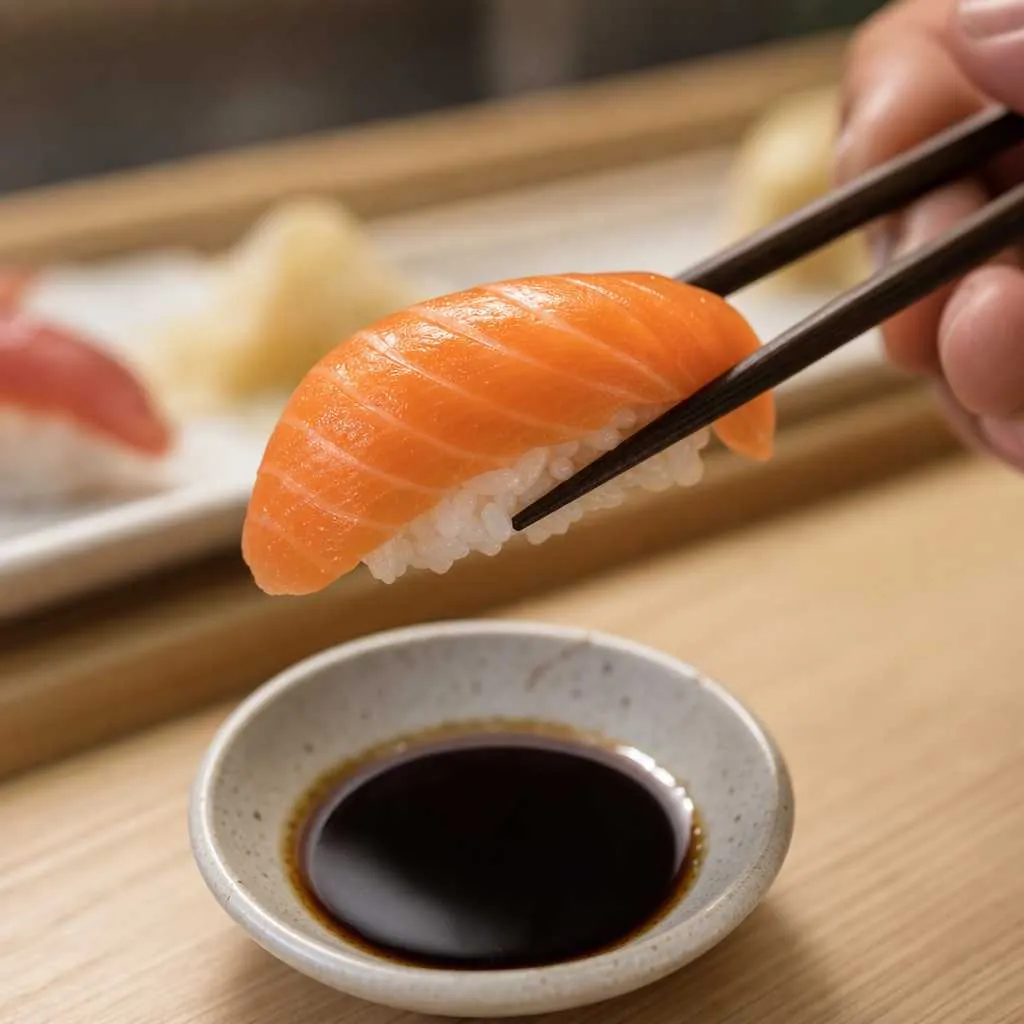
Most people eating sushi for the first time have no idea they are making at least three etiquette mistakes before their chopsticks even touch the plate. Sushi etiquette is not about rigid rules designed to embarrass guests. It is a set of practical customs rooted in respect for the chef, the ingredients, and the dining experience itself. Whether you are visiting Zen Ramen and Sushi for the first time on a friend’s recommendation or you have been here a dozen times, understanding how to eat sushi properly transforms a good meal into an exceptional one.
Table of Contents
- Quick Takeaways
- Why Sushi Etiquette Actually Matters
- How to Eat Nigiri Correctly
- Eating Sashimi Like a Local
- Maki Rolls and Common Mistakes
- Soy Sauce, Wasabi, and Ginger: The Rules
- Chopsticks vs. Hands: What Japanese Locals Actually Do
- Comparison of Sushi Eating Approaches
- Japanese Dining Customs Beyond the Plate
- Frequently Asked Questions
- References
Quick Takeaways
| Key Insight | Explanation |
|---|---|
| Nigiri is meant to be eaten in one bite | Cutting or splitting nigiri causes the topping to separate from the rice, ruining the flavor balance the chef designed. |
| Dip fish-side down in soy sauce | Dunking the rice side of nigiri into soy sauce makes it absorb too much sodium and causes the rice to fall apart. |
| Ginger is a palate cleanser, not a topping | Eating pickled ginger on top of sushi is a Western habit. In Japan, you eat it between different pieces to reset your taste buds. |
| Mixing wasabi into soy sauce is considered incorrect | The chef already applied the right amount of wasabi directly to most nigiri. Adding more in soy sauce overrides their judgment. |
| Hands are acceptable for nigiri | Traditional Japanese sushi etiquette explicitly permits eating nigiri with clean fingers. This is not rude, it is historically accurate. |
| Never pass food chopstick-to-chopstick | This gesture mirrors a Japanese funeral ritual and is considered deeply inappropriate at any dining table. |
| Order sushi from lighter to richer flavors | Starting with delicate white fish and moving toward fattier cuts like toro or eel lets you appreciate each piece without palate fatigue. |
Why Sushi Etiquette Actually Matters
Sushi etiquette is not gatekeeping. It exists because sushi is one of the most precisely crafted foods in the world. A skilled sushi chef, called an itamae, spends years learning rice seasoning ratios, fish aging techniques, and how to press nigiri with exactly the right pressure so it holds together but dissolves softly in the mouth. When a diner dunks that nigiri into a pool of soy sauce or slathers wasabi over every piece, they are not just breaking a custom. They are actively undoing the chef’s work.
At Zen Ramen and Sushi, the kitchen crafts each piece with specific flavor profiles in mind. Understanding basic sushi etiquette means you taste the actual dish as intended, not a soy-soaked approximation of it.
How to Eat Nigiri Correctly
Nigiri is the benchmark of sushi skill. It consists of hand-pressed rice topped with a slice of fish or seafood, sometimes secured with a thin strip of nori. The ratio of rice to fish, the temperature of the rice, and the seasoning are all deliberate decisions. Treating nigiri carelessly wastes that precision.
The One-Bite Rule
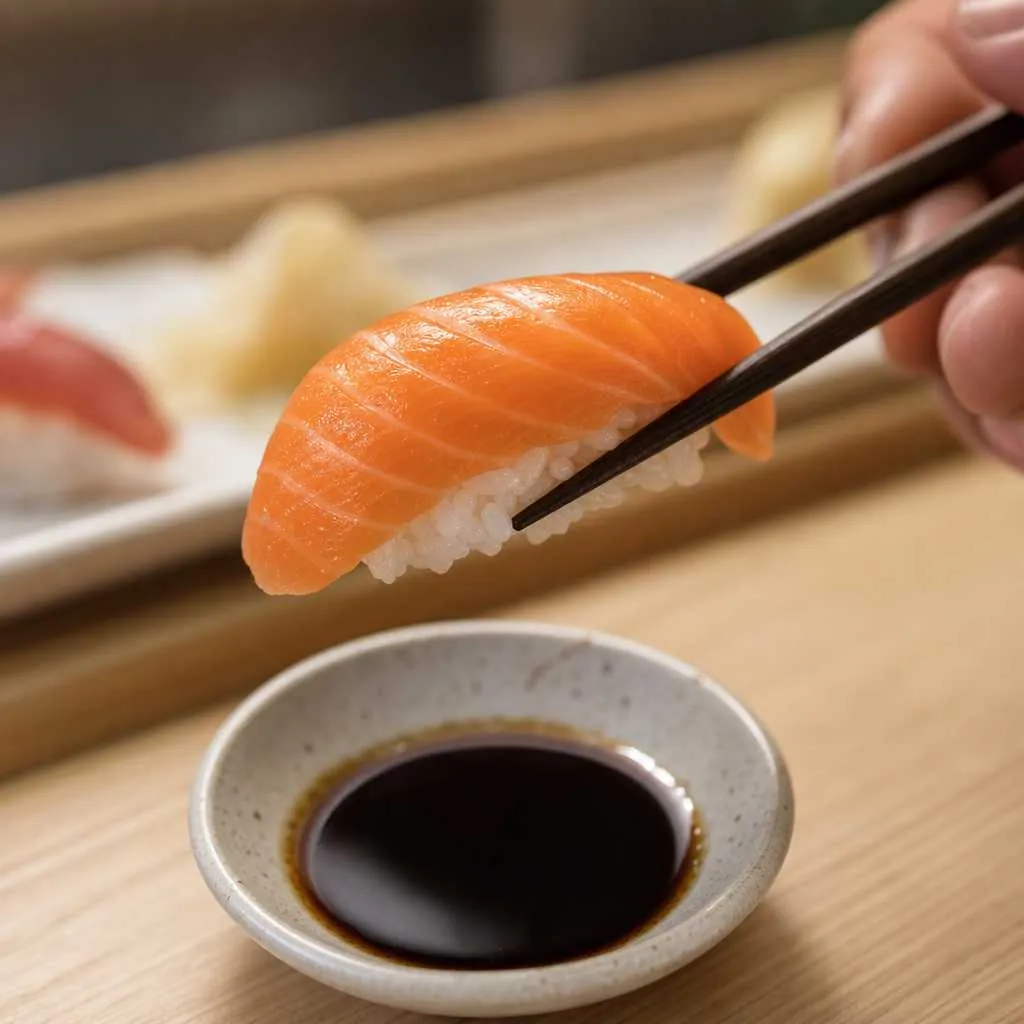
Eat nigiri in a single bite. This is not a performance challenge. The piece is sized so that the rice and fish land on your tongue simultaneously, delivering the full flavor combination the chef built. Taking a half-bite leaves the remaining piece structurally compromised and changes how the remaining half tastes.
A common mistake is picking up nigiri and then setting it back down on the plate repeatedly while you decide what to dip it in. Pick it up, dip if needed, and eat immediately. Nigiri rice is seasoned with rice vinegar and shaped warm. It continues changing texture the longer it sits.
The Correct Dipping Angle
Hold the nigiri gently, turn it upside down, and touch only the fish lightly to the soy sauce. The fish absorbs soy sauce quickly and evenly. The rice, by contrast, crumbles and oversalts. Even a three-second dip with the fish facing down is enough.
Pro tip: If a piece already has a sauce or glaze applied by the chef, such as an eel sauce drizzle or a citrus squeeze, skip the soy sauce entirely on that piece. The seasoning is already complete.
Eating Sashimi Like a Local
Sashimi is sliced raw fish or seafood served without rice. Because there is no rice as a buffer, the quality of the fish is fully exposed. This is why sashimi is often considered the purest test of a kitchen’s sourcing and knife skills.
How Much Soy Sauce to Use
Pour a small amount of soy sauce into your dipping dish, enough to lightly coat a piece, not drown it. Sashimi is cut to a specific thickness so the flavor of the fish comes through. Over-dipping turns every piece into the same salty experience regardless of whether it is salmon, yellowtail, or octopus.
In practice, one light dip is enough. Many Japanese diners use even less soy sauce on high-quality sashimi, or none at all when the fish is exceptional. If you are at a restaurant that sources carefully, trust the fish first.
Wasabi Application on Sashimi
With sashimi, placing a small amount of wasabi directly on the fish before eating is acceptable since there is no chef-applied layer. Use a rice-grain-sized amount. Wasabi at this quantity enhances the umami without overpowering the fish. More than that, and you are just testing your sinuses.
“Good sashimi needs almost nothing. The knife work, the freshness, the temperature, these are doing the seasoning. The soy sauce and wasabi are there to accent, not to rescue.” – Nobu Matsuhisa, chef and restaurateur
Maki Rolls and Common Mistakes
Maki rolls, the cylindrical rolls wrapped in nori and filled with rice, fish, and vegetables, are the most widely recognized form of sushi outside Japan. They are also the category where Western dining habits clash most visibly with Japanese sushi etiquette.
Biting Into a Maki Roll
Unlike nigiri, some maki rolls are too large to eat in one bite, particularly thick uramaki or specialty rolls. In this case, take a clean bite and set the rest down gently. Do not bite and shake or twist the remaining piece. This causes fillings to fall out and looks careless.
Thin maki, called hosomaki, such as a classic cucumber or tuna roll, should be eaten in a single bite. These are small and precisely portioned for that reason.
The Soy Sauce Problem With Maki
Maki rolls present a structural challenge with soy sauce. Dipping a maki roll rice-first is the fastest way to dissolve it. Instead, turn the roll so the nori or a flat fish surface touches the soy sauce. If the roll is entirely rice-out (uramaki style), a light sideways dip works. Keep it brief.
Pro tip: If you are at Zen Ramen and Sushi and unsure about a specific specialty roll, ask your server how the chef recommends eating it. Specialty rolls often have built-in sauces that make additional soy sauce redundant or disruptive to the flavor profile.
Soy Sauce, Wasabi, and Ginger: The Rules
These three condiments are present at every sushi table, and all three are commonly misused. Getting them right immediately separates a knowledgeable diner from a novice.
Soy Sauce Discipline
Pour only what you will use into your small dish. Pouring a full bowl and leaving most of it is considered wasteful. Refill in small amounts as needed. Do not use the soy sauce dish as a general dipping pool for mixing experiments.
Why Mixing Wasabi Into Soy Sauce Is a Problem
The wasabi-in-soy-sauce habit is largely a Western invention. In traditional Japanese dining customs, wasabi is applied directly to the fish because it interacts differently with the fish proteins than it does when dissolved in liquid. When stirred into soy sauce, wasabi loses its sharp volatility quickly and the flavor becomes flat and muddy.
Beyond the flavor science, mixing them signals to the chef that you plan to apply your own seasoning uniformly across everything, which dismisses the individual calibration they applied to each piece.
Pickled Ginger Is a Palate Cleanser
Eat pickled ginger (gari) between pieces of sushi, not on top of them. It is designed to clear your palate so the next piece tastes as the chef intended, not like the lingering memory of the last one. Eating ginger draped over a piece of nigiri is the sushi equivalent of using a breath mint while eating, it overwhelms what is already there.
Chopsticks vs. Hands: What Japanese Locals Actually Do
There is a persistent myth that eating sushi with your hands is rude or unsophisticated. This is factually incorrect. Edo-period street sushi in Japan was designed to be finger food. Nigiri was eaten by hand at food stalls. The hands-are-rude narrative is a relatively recent Western assumption.
Using your fingers for nigiri is not just permitted, it is historically the traditional method. Your fingers are cleaner than chopsticks in terms of contact surface, and they allow you to feel the rice pressure and handle the piece without crushing it.
When Chopsticks Make More Sense
Sashimi is best eaten with chopsticks because the sliced fish can be delicate and hard to pick up cleanly with fingers. Maki rolls can go either way depending on their size. If a roll is falling apart, fingers give you more control.
Chopstick Rules Worth Knowing
Never stick chopsticks upright in rice. This resembles a funeral incense offering. Never point at people with chopsticks. Never pass food directly from your chopsticks to someone else’s chopsticks. These are specific cultural transgressions that carry real weight in Japanese dining customs, and they apply whether you are in Tokyo or at a Japanese restaurant here.
Comparison of Sushi Eating Approaches
Not all approaches to sushi etiquette are equal. The table below compares three common eating approaches you will see at sushi restaurants, ranging from traditional Japanese style to the habits many Western diners develop without guidance.
| Approach | What It Looks Like | Impact on Flavor and Experience |
|---|---|---|
| Traditional Japanese Style | Eat nigiri with fingers, dip fish-side down briefly, use ginger as a palate cleanser, no wasabi in soy sauce, one bite per piece | Full appreciation of the chef’s flavor calibration. Each piece tastes as designed. Palate stays fresh throughout the meal. |
| Common Western Adaptation | Use chopsticks for everything, mix wasabi into soy sauce, dip rice-first, eat ginger on top of sushi, take multiple bites of nigiri | Soy sauce dominates. Rice disintegrates. Individual fish flavors become indistinct. Wasabi loses its sharpness. Overall experience is flatter. |
| Informed Modern Approach | Uses a mix of fingers and chopsticks based on piece type, light soy sauce dipping on fish side only, ginger between pieces, trusts chef-applied wasabi | Highly functional and respectful. Captures most of the traditional experience while accommodating personal comfort with different utensils. |
Japanese Dining Customs Beyond the Plate
Sushi etiquette does not begin when the food arrives. Several Japanese dining customs apply from the moment you sit down, and understanding them rounds out the full experience.
Oshibori, the Wet Towel
When you receive a small rolled or folded towel, called an oshibori, use it to clean your hands before eating. This is especially relevant for sushi since you may be eating with your fingers. Use the towel only for your hands, not your face. After cleaning your hands, fold or roll it neatly and set it aside.
Saying Itadakimasu Before Eating
In Japan, diners say “itadakimasu” before beginning a meal. It roughly translates to “I humbly receive” and acknowledges gratitude for the food, the people who prepared it, and the ingredients used. You are not required to say it at a Japanese restaurant outside Japan, but doing so is always appreciated and never out of place.
Pacing and Ordering
At omakase-style sushi, you eat at the chef’s pace. At a la carte restaurants like Zen Ramen and Sushi, order a few pieces at a time rather than placing the entire order upfront. This keeps sushi arriving fresh and lets you adjust based on what you are enjoying most. Start with lighter, more delicate fish and progress toward richer, fattier cuts. Ending with a warm ramen or miso soup follows traditional Japanese meal structure beautifully.
The idea of ordering everything at once and letting it pile up on the table is a common mistake. Sushi is meant to be eaten immediately after it is placed in front of you, while the rice is still at the right temperature and texture.
Frequently Asked Questions
Is it rude to eat sushi with your hands?
No. Eating nigiri with your hands is the traditional and historically correct method in Japan. Sushi was originally street food eaten by hand. Using clean fingers is acceptable and even preferred for nigiri at most authentic Japanese sushi restaurants.
Should I mix wasabi into soy sauce?
Traditional Japanese sushi etiquette says no. The chef applies wasabi directly to nigiri in a calibrated amount. Mixing it into soy sauce dissolves the wasabi’s sharp compounds quickly, flattening the flavor, and it signals that you plan to season everything uniformly rather than trusting the chef’s individual preparation.
What is pickled ginger for in sushi?
Pickled ginger, called gari, is a palate cleanser meant to be eaten between different pieces of sushi. It refreshes your taste buds so each new piece tastes as the chef intended. Eating it on top of sushi or alongside a specific piece defeats its purpose entirely.
How do I eat nigiri without it falling apart?
Hold nigiri from the sides with your fingers or chopsticks, keeping gentle pressure. Turn it upside down to dip only the fish in soy sauce. Eat it in one clean bite. The rice is pressed to hold together briefly but not indefinitely, so the faster you eat it after picking it up, the better it holds.
Can I ask for more wasabi or soy sauce at a sushi restaurant?
Yes, absolutely. Requesting additional condiments is not rude. Where etiquette comes in is how you use them. Asking for extra soy sauce and then swimming your nigiri in it still bypasses the chef’s flavor intention. Asking for more wasabi and applying it in small amounts directly to fish you want more heat on is perfectly reasonable.
What is the correct order to eat sushi in?
Start with lighter, more delicate fish such as flounder or sea bass. Move to medium-flavored fish like salmon or yellowtail. Finish with richer, fattier options like toro (fatty tuna) or eel. This order prevents early palate fatigue and lets you appreciate the subtlety of each fish category.
Is it acceptable to use soy sauce on sashimi?
Yes, with restraint. A light dip that coats the fish without saturating it is appropriate. At very high-quality restaurants, ask the chef whether a specific piece of sashimi is already seasoned before reaching for the soy sauce. Some premium sashimi is served with its own finishing salt or citrus and needs nothing additional.
If you have eaten sushi at Zen Ramen and Sushi or anywhere else where a specific etiquette moment surprised you or changed how you experienced the meal, share it in the comments below.
We would love your feedback and any insights you would share with others. What perspective would you add?
References
- Smithsonian Magazine: cultural and culinary history of Japanese food traditions
- The Japan Times: reporting on Japanese dining culture, food customs, and restaurant etiquette
- Forbes: features on global food culture, restaurant industry trends, and fine dining standards
- Statista: data on sushi industry market size, consumer dining preferences, and Japanese restaurant growth
- Epicurious: expert guidance on ingredient preparation, food technique, and culinary best practices