
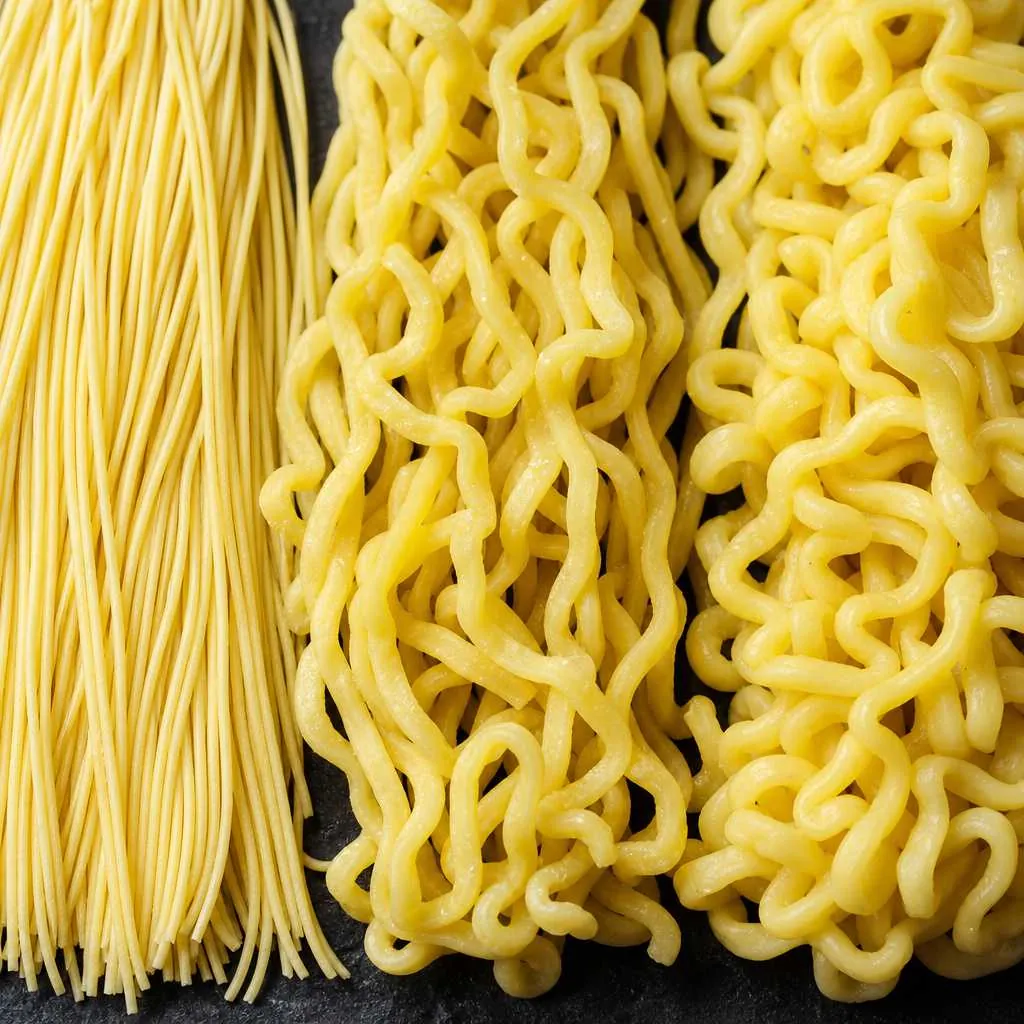
Most people who sit down to a bowl of ramen focus on the broth. That is understandable. But the noodle is doing at least half the work, and most diners have no framework for evaluating it. Ramen noodles vary dramatically in thickness, alkalinity, chew, and how they interact with specific broths. Order the wrong pairing and even a brilliant tonkotsu will feel flat. Understanding what separates a thin, straight Hakata noodle from a wavy, medium-thickness Tokyo noodle changes how you read a menu and how much you enjoy what lands in front of you.
Table of Contents
- Quick Takeaways
- What Makes Ramen Noodles Different from Other Japanese Noodles
- The Role of Kansui in Noodle Texture and Color
- Noodle Thickness and Broth Pairing: The Rules That Actually Hold
- Straight vs. Wavy Noodles: More Than a Visual Choice
- Regional Noodle Styles Across Japan
- Traditional Ramen Preparation: Mixing, Resting, and Cutting
- Comparison of Key Ramen Noodle Types
- What to Look for When Ordering at Zen Ramen and Sushi
- Frequently Asked Questions
- References
Quick Takeaways
| Key Insight | Explanation |
|---|---|
| Kansui is non-negotiable | The alkaline mineral water called kansui gives ramen noodles their characteristic yellow tint, firm bite, and resistance to going soggy in hot broth. |
| Thin noodles belong in rich broths | Thin, straight noodles cook quickly and absorb tonkotsu or rich soy broth efficiently without overwhelming the soup’s body. |
| Wavy noodles carry more broth per bite | The surface area created by a wavy cut holds more liquid, making wavy noodles ideal for lighter broths like shio or a mild shoyu. |
| Hydration percentage determines chew | Low-hydration dough (around 28-32%) produces a firm, springy noodle. High-hydration dough (38-42%) results in a softer, more yielding texture. |
| Resting the dough is not optional | A minimum 30-minute rest after mixing lets gluten relax, prevents tearing during cutting, and creates a more uniform chew across the finished noodle. |
| Flour protein content shapes everything | High-protein flour (above 11.5%) produces a chewier, more elastic noodle. Lower-protein flour creates a softer, more delicate result suited to certain regional styles. |
| Noodle thickness is measured in millimeters | Professional ramen kitchens categorize noodles by the number of cuts per 30mm width. A number 18 cut yields a thin noodle. A number 10 cut yields a thick, udon-adjacent noodle. |
What Makes Ramen Noodles Different from Other Japanese Noodles
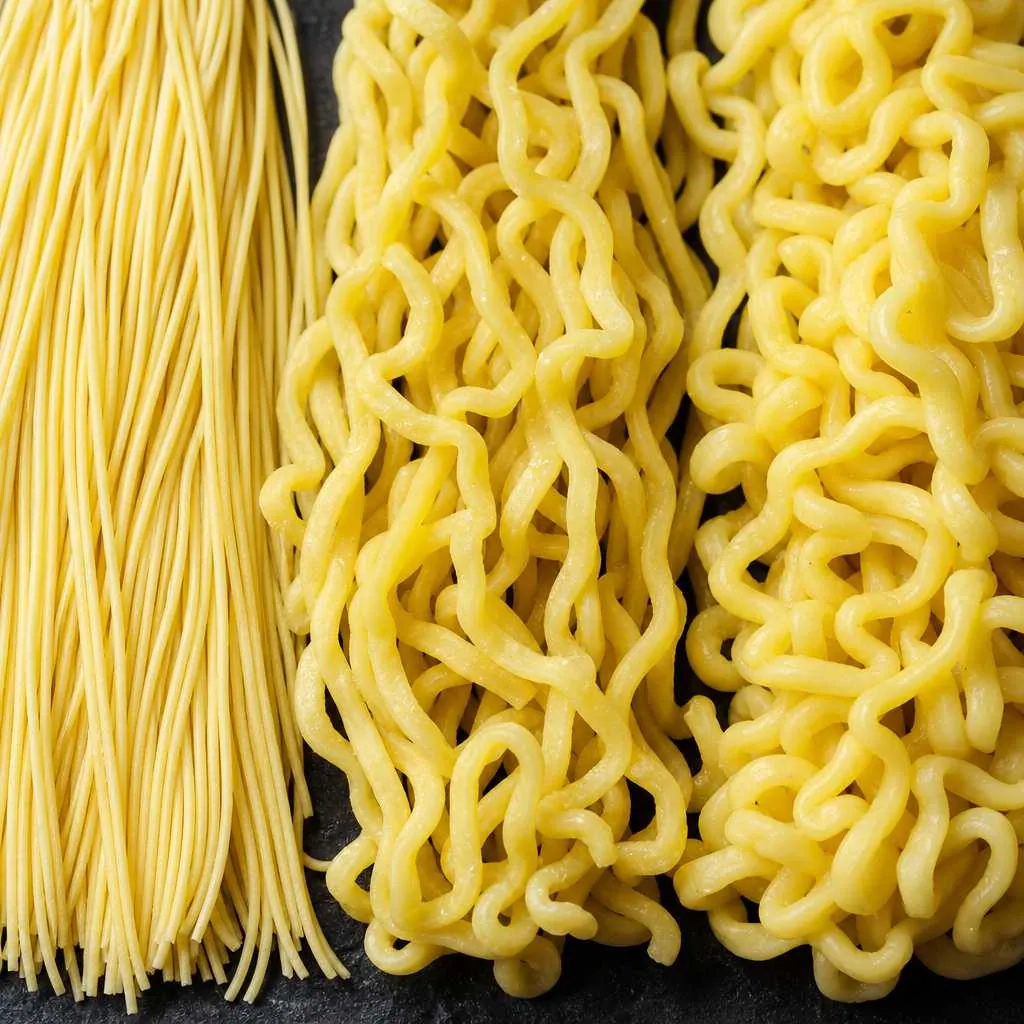
The category of Japanese noodles is wide. Soba is made from buckwheat. Udon is a thick wheat noodle with no alkaline treatment. Somen is a delicate, thin wheat noodle served cold. Ramen sits apart from all of them because of a single ingredient: kansui.
Without kansui, a wheat noodle cooked in broth becomes soft and starchy within minutes. With kansui, the same noodle holds its structure, develops a slight chew, and takes on a pale yellow color that is often mistaken for egg. Most traditional ramen noodles contain no egg at all. The color comes entirely from the alkaline reaction between kansui and the wheat flour proteins.
This distinction matters when you are evaluating quality. A ramen noodle that goes limp and pasty before you finish the bowl has either insufficient kansui, poor-quality flour, or was overcooked. A common mistake in lower-quality ramen shops is undercooking to compensate for poor noodle structure, which creates a raw-flour taste at the noodle’s core. Neither outcome is acceptable in a kitchen that takes the craft seriously.
The Role of Kansui in Noodle Texture and Color
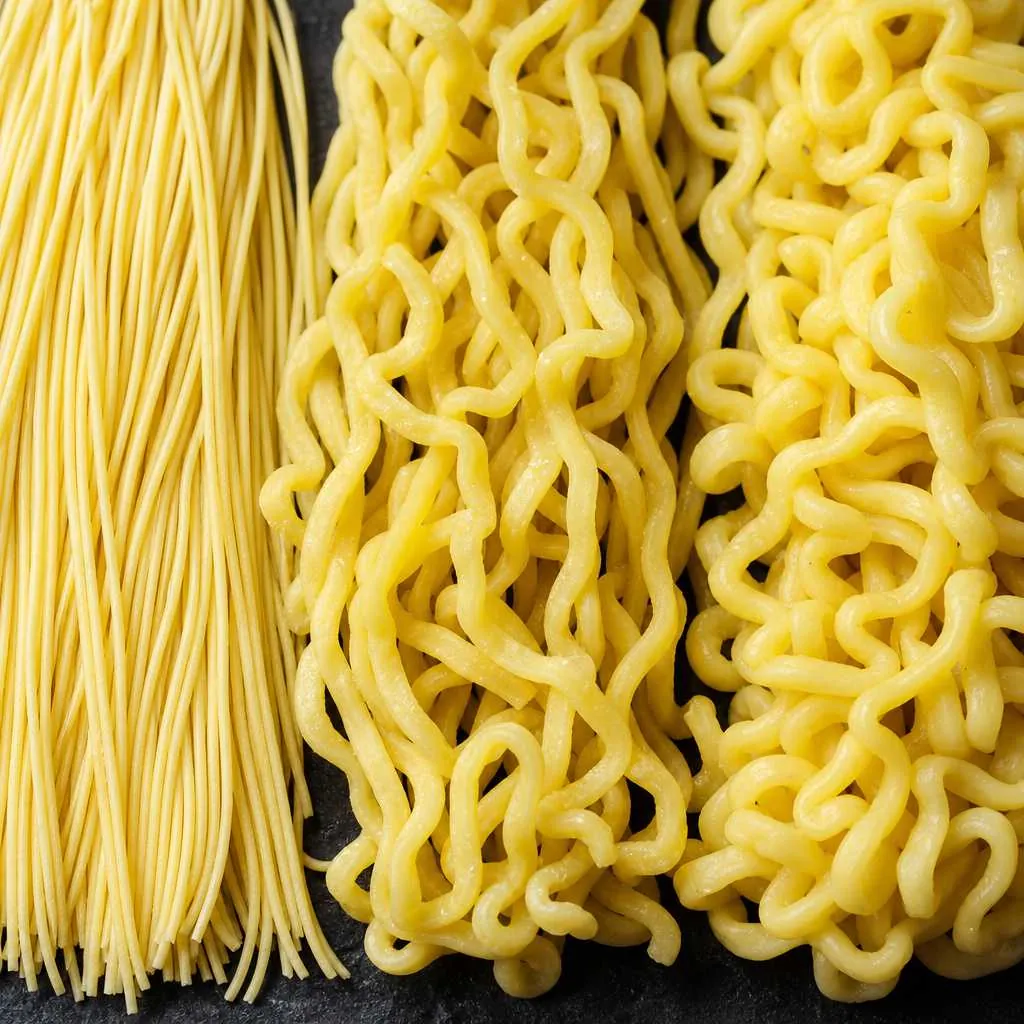
Kansui is a solution of potassium carbonate and sodium carbonate dissolved in water. Its pH typically falls between 9 and 11. When mixed into wheat flour dough, it triggers a Maillard-like reaction that yellows the dough, strengthens the gluten network, and creates the elastic, snappy texture that defines a well-made ramen noodle.
The concentration of kansui used has direct textural consequences. A higher kansui concentration produces a noodle that is firmer, springier, and more resistant to broth absorption. This is useful for rich broths where the noodle needs to stay intact through a long meal. A lower kansui concentration produces a softer noodle with a more delicate bite, which works well in lighter, more nuanced broths.
Pro tip: If a ramen noodle smells faintly of baked goods or has a slightly mineral taste on its own, that is the kansui working correctly. A noodle with no distinct aroma before it hits the broth is often made with baked soda substitutes rather than true kansui, which produces a less precise alkaline balance.
“The noodle is a delivery system for the broth, but it must also have integrity on its own. A noodle that cannot stand alone cannot elevate the bowl.” – Ivan Orkin, ramen chef and author of “Ivan Ramen”
In practice, the kansui ratio is one of the most closely guarded variables in any serious ramen kitchen. Changing it by even 0.5% shifts the finished texture enough that regular customers will notice. This is not an exaggeration. The difference between a springy Hakata noodle and a softer Tokyo-style noodle often comes down to exactly this kind of incremental adjustment.
Noodle Thickness and Broth Pairing: The Rules That Actually Hold
There is a persistent myth that noodle and broth pairing is purely subjective. It is not. The physics of how a noodle surface interacts with broth density produce outcomes that are consistent and predictable. Thin noodles in a watery broth disappear texturally. Thick noodles in a rich broth compete with rather than complement the fat and collagen content.
Thin Noodles and Rich Broth
Hakata-style tonkotsu ramen is the clearest example of this principle in action. The broth is intensely opaque, thick with emulsified pork collagen and fat. The noodle used is straight and very thin, typically a number 18 cut or finer. The thin noodle cooks in under 60 seconds and allows the diner to taste the broth as the dominant element in each bite. The noodle contributes chew and starch without diluting the broth’s richness.
Medium Noodles and Soy-Based Broth
Tokyo shoyu ramen typically uses a medium-thickness, slightly wavy noodle. The broth is clearer, more aromatic, and less dense than tonkotsu. The wavy medium noodle carries enough broth in its folds to keep the flavor present through each bite, while the thickness provides a more substantial chew that matches the broth’s moderate body.
Thick Noodles and Miso Broth
Sapporo miso ramen traditionally pairs with a thick, wavy noodle. Miso broth is hearty, slightly fermented, and carries strong umami. A thick noodle can hold its texture against this bold background. The chew ratio feels balanced rather than one element overwhelming the other.
Pro tip: When you sit down at Zen Ramen and Sushi, look at the noodle in the bowl before you pick up your chopsticks. If the noodle is thin and straight, the kitchen is signaling that the broth is the star. If it is thick and wavy, the noodle is built to share the spotlight. This visual shorthand tells you a lot about how to eat the bowl.
Straight vs. Wavy Noodles: More Than a Visual Choice
The shape of a ramen noodle is not decorative. It is functional. Straight noodles have less surface area per unit length than wavy noodles. This means a straight noodle releases into broth with less drag and allows the soup to flow freely around each strand. The result is a cleaner, broth-forward eating experience.
Wavy noodles are cut with a ridged roller or crimping mechanism that creates folds along the noodle’s length. Each fold acts as a pocket, trapping broth as you lift the noodle from the bowl. More broth per bite means more integrated flavor, which is exactly what lighter soups need to feel complete rather than thin.
A common mistake among diners is assuming that wavy noodles are simply a stylistic preference of the chef. In a well-designed ramen bowl, the wave pattern was chosen for the same reason the broth concentration was chosen. They are co-designed decisions, not independent variables.
Regional Noodle Styles Across Japan
Japan’s regional ramen traditions each developed distinct noodle profiles over decades, often in response to the local wheat varieties available, the regional water chemistry, and the type of protein used in the broth. These are not arbitrary differences. Each regional noodle style is an optimized response to its local culinary conditions.
Fukuoka (Hakata) produces the thinnest, straightest ramen noodles in Japan. The culture of “kaedama,” or requesting a fresh serving of noodles to finish the remaining tonkotsu broth, exists specifically because these noodles are so thin they cook and eat quickly. The concept of kaedama would make no sense with a thick Sapporo noodle.
Sapporo, in Hokkaido, developed thick, wavy noodles partly because the cold climate favored heartier, more filling bowls. The noodles hold heat better due to their mass, and they pair directly with corn, butter, and miso additions that characterize Hokkaido ramen.
Tokyo ramen uses a medium noodle with moderate wave that reflects the city’s blended culinary identity. Tokyo-style shoyu broth draws from both pork and chicken, and the noodle sits in the middle of the thickness spectrum to match a broth that is neither intensely rich nor aggressively light.
Kitakata, in Fukushima Prefecture, is known for flat, wide ramen noodles with high water content. These noodles have a softer bite than the springy Hakata style and a slightly different surface texture that interacts with Kitakata’s clear soy broth in a distinctive way. This regional style remains relatively unknown outside Japan but represents a genuine departure from the four major ramen categories most Western diners know.
Traditional Ramen Preparation: Mixing, Resting, and Cutting
Traditional ramen noodle preparation follows a sequence that has not changed significantly in over a century. The steps are not complicated, but each one has specific requirements that determine the quality of the finished noodle.
Mixing the Dough
Ramen preparation begins with dissolving kansui in cold water, then incorporating it into high-protein wheat flour. Cold water is intentional. It slows gluten development during mixing, which gives the baker more time to achieve uniform hydration before the gluten network becomes too tight to work. The dough should look shaggy and rough after initial mixing, not smooth. Overworking at this stage develops gluten unevenly.
Resting and Laminating
After mixing, the dough rests for at least 30 minutes, covered, at room temperature. This rest allows the gluten bonds to relax and the water to distribute evenly through the flour. Skipping this step produces noodles that tear during cutting and cook unevenly. After resting, the dough is folded and rolled through progressively thinner settings on a pasta machine or traditional rolling pin, a process called lamination. Each pass through a thinner setting aligns the gluten strands, creating the characteristic springy texture.
Cutting to Thickness
Final thickness is determined by the cutting attachment used, expressed as a number representing how many cuts fit within a 30mm width. A number 20 cut produces noodles approximately 1.5mm wide. A number 10 cut produces noodles approximately 3mm wide. Professional kitchens standardize these numbers precisely because even a 0.5mm difference in noodle width changes cooking time, broth absorption, and texture in ways that experienced diners notice.
Comparison of Key Ramen Noodle Types
| Noodle Type | Thickness and Shape | Best Broth Match |
|---|---|---|
| Hakata (Fukuoka) Noodle | Very thin, straight, low hydration (28-30%), firm bite | Tonkotsu (rich pork bone broth) |
| Tokyo Noodle | Medium thickness, slight wave, medium hydration (33-36%), moderate chew | Shoyu (soy-based broth, clear to light brown) |
| Sapporo Noodle | Thick, pronounced wave, higher hydration (38-42%), soft and chewy | Miso (fermented soybean paste broth) |
What to Look for When Ordering at Zen Ramen and Sushi
Knowing the fundamentals of noodle types transforms a menu into a map. When you visit Zen Ramen and Sushi, you are not just choosing a flavor profile. You are choosing a complete textural and structural experience, and the noodle is as important to that choice as the broth base.
If you are eating a tonkotsu-style bowl, expect the noodle to be thin and straight. If it is wavy and thick, something is off with the kitchen’s pairing logic. A shoyu bowl with a medium wavy noodle is a signal that the chef understands tradition. A miso bowl with a hearty, substantial noodle is the correct call and worth ordering confidently.
Noodle noodle types on a well-designed menu are not interchangeable. Restaurants that allow guests to choose any noodle with any broth are accommodating preference, not demonstrating expertise. At a quality Japanese kitchen, the pairings are set because they reflect genuine craft knowledge, not restriction for its own sake.
Compared to single-concept ramen specialists that serve only one broth style, a restaurant like Zen Ramen and Sushi that offers both ramen and sushi must manage a broader range of noodle and broth combinations. This makes the kitchen’s pairing decisions more visible and more telling. When those pairings are executed correctly, the range of options becomes a strength, not a dilution of focus.
Frequently Asked Questions
What is kansui and why does it matter for ramen noodles?
Kansui is an alkaline mineral solution made from potassium carbonate and sodium carbonate. It is mixed into ramen dough to create the firm, elastic texture and pale yellow color that distinguish ramen noodles from plain wheat noodles. Without kansui, ramen noodles would go soft and starchy in hot broth within minutes. The concentration used determines how firm and springy the finished noodle will be.
Why do different ramen regions use different noodle thicknesses?
Regional noodle thickness developed in response to local broth styles, available wheat varieties, and culinary traditions. Fukuoka’s rich tonkotsu broth pairs with thin noodles that do not compete with the soup’s density. Sapporo’s hearty miso broth pairs with thick noodles that can hold their structure in a bold, filling bowl. These are not arbitrary regional preferences. They are the result of decades of refinement matching noodle structure to broth behavior.
What is the difference between straight and wavy ramen noodles?
Straight noodles have less surface area and allow broth to flow freely around each strand, making them ideal for rich, heavy broths where the soup itself should dominate. Wavy noodles have folds that trap broth as the noodle is lifted, delivering more liquid per bite. This makes wavy noodles better suited to lighter broths that need a vehicle to stay present through the meal. The choice is functional, not decorative.
How do I know if a ramen noodle is high quality?
A high-quality ramen noodle holds its texture for at least 5 to 7 minutes in hot broth without going limp or pasty. It has a firm, springy bite at the center and a slightly glossy surface. It carries a faint mineral or wheat aroma before it hits the broth. A noodle that turns soft within two minutes, tastes of raw flour, or has an uneven texture across its length indicates poor flour quality, insufficient kansui, or improper preparation.
Can ramen noodles be substituted with other Japanese noodles like udon or soba?
Not meaningfully. Udon is a thick wheat noodle with no alkaline treatment, which gives it a completely different texture and no yellow tint. Soba is made from buckwheat and has a nutty, earthy flavor that clashes with most ramen broths. Using either as a ramen substitute produces a bowl that is technically a noodle soup but not ramen. The kansui-treated wheat noodle is specific to ramen and is not interchangeable with other noodle types without fundamentally changing the dish.
Does noodle cooking time affect the final texture significantly?
Yes, and the margin is narrow. Most thin ramen noodles cook in 45 to 90 seconds. Thick noodles may take 2 to 3 minutes. Overcooking by even 30 seconds produces a noticeably softer, less springy texture. This is why experienced ramen cooks never leave noodles unattended and always cook them to order rather than holding them in water. The short cooking window is one reason ramen kitchens operate at high speed with minimal multitasking during service.
If you have eaten ramen at Zen Ramen and Sushi or at any other Japanese restaurant that takes its noodles seriously, share what you noticed about the noodle texture and how it interacted with the broth. Your observations help others eat more intentionally.
References
- Statista: Global data on the instant and traditional noodle market, production volumes, and consumption trends across Asian food categories
- Forbes: Coverage of Japanese culinary culture, restaurant industry trends, and the global expansion of ramen dining
- ScienceDirect: Peer-reviewed food science research on alkaline noodle preparation, gluten network development, and kansui chemistry
- Penn State Extension: Food science and agricultural research on wheat flour protein content, hydration ratios, and noodle texture outcomes
- USDA Agricultural Marketing Service: Wheat classification standards, protein content grading, and flour quality specifications relevant to noodle production