You’re sitting across from a friend, scanning the menu at a Japanese restaurant, and the debate kicks in: ramen or sushi tonight? It sounds like a trivial choice, but it actually comes down to something real: your hunger level, your mood, the weather outside, and what you want your meal to feel like when you’re done. The ramen vs sushi question splits more dinner tables than any other in Japanese cuisine. This guide cuts through the indecision and gives you a clear, honest way to pick the right dish every time you sit down at a spot like Zen Ramen and Sushi.
Table of Contents
- Quick Takeaways
- What Actually Separates Ramen and Sushi
- How Your Mood Should Drive Your Order
- The Hunger and Fullness Factor
- Ramen vs Sushi by Occasion
- Nutrition and What You Feel Afterward
- Frequently Asked Questions
- References
Quick Takeaways
| Key Insight | Explanation |
|---|---|
| Ramen is the comfort choice | A hot, rich bowl of ramen is what you reach for when you want to feel warm, grounded, and deeply satisfied. Tonkotsu or miso broth in particular hits differently on cold nights. |
| Sushi suits a light, social mood | Sushi invites sharing, grazing, and conversation. It’s the better pick when you want flavor without heaviness or when you’re out to enjoy the experience as much as the food. |
| Hunger level is the clearest signal | If you’re genuinely hungry after a long day, ramen fills you properly. Sushi is brilliant when you’re moderately hungry and want variety over volume. |
| Broth type changes the experience completely | Shoyu is lighter and cleaner; tonkotsu is rich and creamy; miso is earthy and bold. The broth you pick matters as much as choosing ramen over sushi in the first place. |
| Sashimi closes the gap with ramen on protein | If you want the freshness of sushi but the staying power of a heavier dish, ordering sashimi gives you high protein with almost no carbohydrates from rice. |
| Group size influences the decision | Sushi is easy to share and order in rounds. Ramen is an individual experience. For a group with mixed appetites, ordering both in smaller portions often works best. |
| Ramen has overtaken sushi as the most satisfying Japanese dining experience for many diners | A shift in diner preferences reflects that ramen offers a richer sense of discovery and comfort that sushi, for all its elegance, does not replicate. |
What Actually Separates Ramen and Sushi
These are not just two different dishes. They represent two entirely different philosophies of Japanese cooking. Sushi is built on restraint: fresh fish, carefully seasoned rice, and precise technique. Every piece is a controlled, deliberate statement. Ramen, by contrast, is built on depth: a broth that may have simmered for twelve hours or more, noodles with specific chew and texture, and toppings that layer fat, salt, and umami until the bowl becomes something close to a full meal by itself.
Sushi’s roots lie in preservation, originally a method of fermenting fish with rice before evolving into the fresh, artful form recognized worldwide. Ramen’s story is different: brought from China and transformed by Japanese cooks, it is as nuanced and regional as any national dish gets, bearing almost no resemblance to the instant packets that introduced many Western diners to the name.
Ramen is an art form in Japan, bearing little resemblance to the instant soup packets beloved by college students. A nuanced noodle soup, it was carried from China by tradesmen in the 1800s but brought to life under the hands of Japanese cooks.
The main structural difference comes down to temperature and format. Sushi is served cold or at room temperature, emphasizing the natural flavor of raw fish. Ramen is served steaming hot, with the broth doing the heavy lifting. That single distinction already tells you a great deal about which one fits your moment.
The Four Ramen Broth Styles You Should Know
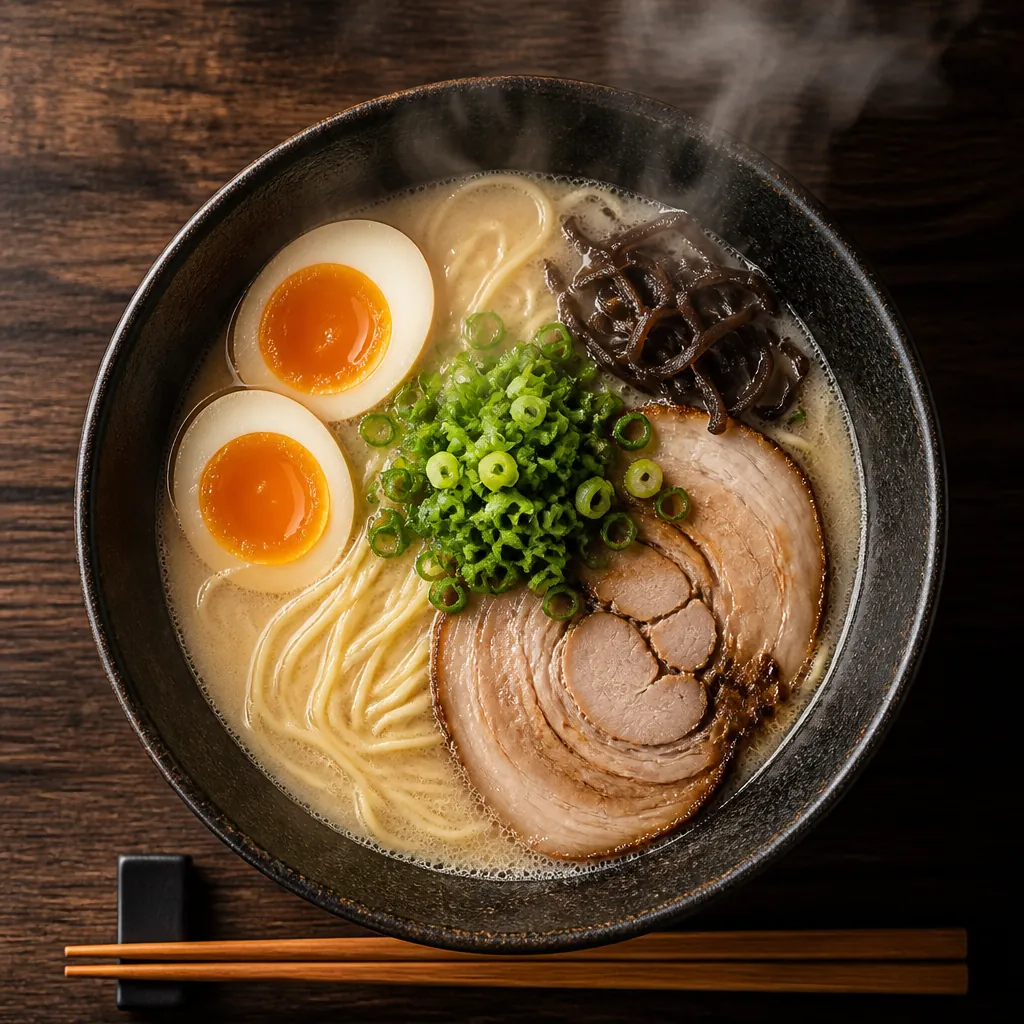
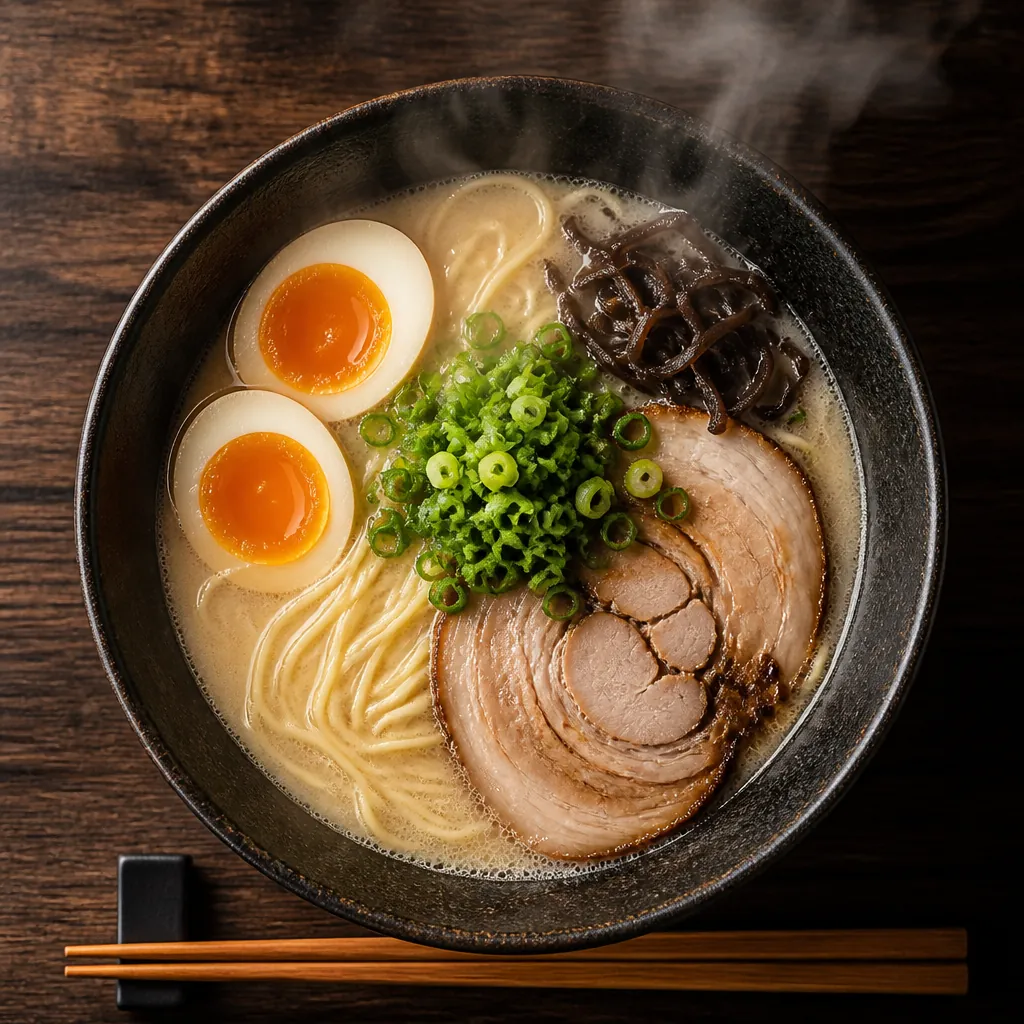
Choosing ramen means choosing a broth, and the four main styles each deliver a different experience. Shoyu (soy sauce) is light and brown, clean on the palate, and the most common style you will encounter. Shio (salt) is the most delicate and lets the noodle and toppings speak. Miso is earthy, bold, and rich, with a deep fermented quality that coats the palate. Tonkotsu, from Fukuoka, is made by simmering pork bones for hours until the broth becomes creamy, milky, and almost velvety in texture.
If you are new to ramen or ordering for a group of friends who are not sure what to expect, shoyu or shio makes an accessible starting point. If you want the full, indulgent ramen experience, tonkotsu is the benchmark.
The Sushi Styles Worth Understanding
Sushi is not a single dish any more than ramen is a single bowl. Nigiri is the classic form: a slice of fish draped over a small mound of seasoned rice, running roughly 60 to 80 calories per piece. Maki rolls wrap fish, vegetables, and rice in seaweed, with calorie counts rising when sauces and avocado are involved. Sashimi drops the rice entirely, giving you pure fish, high protein, and very few carbohydrates. For anyone watching portions, sashimi is the most nutritionally direct option on a sushi menu.
Understanding these styles matters because ordering “sushi” without thinking about which type is like ordering “ramen” without specifying the broth. The choices shape the entire meal.
How Your Mood Should Drive Your Order
Most people already know what they want before they open the menu. The challenge is listening to that instinct rather than defaulting to habit. Matching your dish to your mood is not overthinking it. It is just eating well.
Pick ramen when you feel tired, cold, stressed, or in need of something deeply satisfying. The combination of hot broth, chewy noodles, and rich toppings creates a physiological sense of comfort that nothing cold can replicate. A bowl of tonkotsu ramen on a rainy evening is not a meal; it is a reset.
Pick sushi when you feel alert, social, or celebratory. Sushi rewards attention. The interplay between fresh fish, rice, and condiments is subtle, and you notice it more when you are in a good headspace. It also suits occasions where you want to eat in stages, sharing plates and trying multiple things across the table.
Pro tip: If the debate at your table is ramen vs sushi and the group cannot agree, order both in smaller portions. A light sushi appetizer followed by a moderate bowl of ramen is a legitimate strategy, and it is how many regulars at Japanese restaurants eat without any sense of over-ordering.
The Hunger and Fullness Factor
Hunger level is the most practical variable when choosing between ramen and sushi. A restaurant ramen bowl is genuinely filling. One analysis of ramen bowls places a typical serving at a substantial calorie count driven by fat from the broth, protein from meat toppings like chashu, and carbohydrates from the noodles. This is not a light meal, and it is not designed to be one.
Sushi is more modular. You can order two pieces of nigiri and feel satisfied, or you can order three rolls and feel overfull. The flexibility is part of the appeal. A common mistake with sushi is under-ordering and leaving hungry, or over-ordering specialty rolls loaded with sauce and avocado and ending up with more calories than expected.
Sushi provides lean protein and omega-3 fats from fish, with carbohydrates coming primarily from rice. Ramen often contains richer broth, more sodium, and higher total fat from pork-based preparations. Neither is inherently better. They serve different hunger states.
Pro tip: If you are coming in genuinely hungry after skipping lunch, order ramen. If you have eaten during the day and want something satisfying but not heavy, sushi is the smarter call, and adding a miso soup on the side bridges the gap if you want something warm.
Ramen vs Sushi by Occasion
Occasion shapes the meal more than most diners admit. The setting, the company, and the purpose of the meal all point toward one dish or the other more clearly than mood alone.
| Occasion | Best Choice | Why It Works |
|---|---|---|
| Solo weeknight dinner after work | Ramen | A single bowl is self-contained, warming, and satisfying without requiring you to think about portions or variety. |
| Casual dinner with friends | Sushi (or both) | Sushi is naturally shareable. Ordering rounds of rolls lets everyone try different things and keeps the energy at the table alive. |
| Date night or celebratory meal | Sushi | The artful presentation of sushi, the pace of ordering, and the shared plates suit a social, intentional dining experience. |
| Cold weather or rainy evening | Ramen | Hot broth and warm noodles fit the occasion in a way that cold fish simply does not. |
| Light summer dinner | Sushi or sashimi | Cold, fresh preparations feel appropriate in warm weather. Sashimi especially feels clean and right when it is hot outside. |
| Post-workout or high-protein meal | Sashimi or ramen with extra protein toppings | Sashimi is dense with protein and low in carbohydrates. Ramen with additional chashu or a soft-boiled egg adds protein without changing the structure of the meal. |
A friend who recommends Zen Ramen and Sushi to you is almost always right about the occasion even if they cannot articulate why. Japanese cuisine restaurants that do both ramen and sushi well let you follow the table’s energy rather than locking you into a single format.
Nutrition and What You Feel Afterward
The honest conversation about ramen vs sushi includes what happens after you eat. Both dishes can be part of a balanced approach to dining. Neither is off-limits. But they land differently on the body, and that difference is worth knowing.
Sushi with raw fish delivers omega-3 fatty acids, high-quality protein, and relatively controlled carbohydrates if you lean toward nigiri or sashimi over large specialty rolls. Simple maki with fish or vegetables sit at the lighter end of the calorie range. Specialty rolls with cream cheese, tempura, or heavy sauces move substantially higher. The version of sushi you order matters more than the category itself.
Ramen, at restaurant quality, is higher in total calories and sodium than sushi, driven by the fat-rich broth and the marinated pork that tops most classic bowls. That richness is exactly why it satisfies the way it does. If you are eating ramen regularly and want to moderate sodium, a shio or shoyu broth is a lighter option than tonkotsu or miso, which tend to carry more sodium and fat.
Combining both in one meal, a practice more common than menus suggest, works well when portions are managed. A few pieces of sushi as a starter followed by a moderate ramen bowl is a common way regulars eat at Japanese restaurants, and it avoids the feeling of eating too much of a single thing.
Pro tip: When dining with friends who were referred to Zen Ramen and Sushi and are trying Japanese food seriously for the first time, start them with sushi to show the range of the cuisine, then introduce ramen as a separate course. It gives newcomers a complete picture of what Japanese casual dining actually offers.
Frequently Asked Questions
Is ramen or sushi better for a first-time Japanese food experience?
Both are excellent starting points, but they offer different introductions. Sushi shows the delicacy, freshness, and precision of Japanese cooking, while ramen shows its depth, warmth, and regional variety. If someone is unsure, starting with a light sushi order and then trying a shoyu or miso ramen in the same meal covers both ends of the experience without overwhelming them.
Which is more filling, ramen or sushi?
Ramen is consistently more filling as a single dish. A full ramen bowl combines hot broth, noodles, and protein-rich toppings in a format designed to satisfy serious hunger. Sushi can be filling depending on how much you order, but it requires more pieces or rolls to reach the same satiety level as a bowl of ramen.
Can I order both ramen and sushi in the same meal without overeating?
Yes, with portion awareness. The best approach is to treat one as the main and the other as a lighter addition. A few pieces of nigiri or sashimi alongside a ramen bowl works well, or you can share a roll or two at the table before everyone orders their own bowl. The mistake is ordering full portions of both independently and expecting to finish both comfortably.
What type of ramen should a beginner order?
Shoyu ramen is the most accessible starting point. The broth is light, brown, and clean, and it lets you taste the noodles and toppings clearly without the intensity of tonkotsu or the earthiness of miso. Once you have a baseline from shoyu, you can move to tonkotsu for richness or miso for depth on your next visit.
Is sushi a good option if I want something light but still want Japanese food for dinner?
Sushi is the right call in that scenario. Nigiri and sashimi are among the lightest, highest-protein options in Japanese cuisine. Sashimi in particular removes rice from the equation entirely, giving you pure fish with no carbohydrate load. Pairing sashimi with a small miso soup covers the warmth factor if you want something slightly more substantial.
Does the weather or season matter when choosing between ramen and sushi?
It matters more than most people acknowledge. Ramen is a hot dish and feels natural in cold weather or on rainy evenings. Sushi and sashimi, served cold or at room temperature, suit warm weather and lighter seasonal appetites. This is not a rule, but paying attention to it consistently leads to more satisfying meals.
What makes a good ramen and sushi restaurant different from one that only serves one or the other?
A restaurant that does both well has to maintain two distinct levels of craft simultaneously: the long preparation involved in a quality ramen broth and the precision and freshness required for good sushi. When a single kitchen executes both at a high level, it signals a serious commitment to the full range of Japanese casual dining, which is exactly what distinguishes Zen Ramen and Sushi from spots that specialize in only one format.
Have you found yourself torn between ramen and sushi on a particular night, and did the choice end up matching your mood? Share your experience in the comments below.
References
- National Geographic guide to sushi and ramen in Japan, covering the history and character of both dishes
- Analysis of why ramen has overtaken sushi as the most satisfying Japanese food experience for international diners
- Practical guide to pairing sushi and ramen together, including nutrition and portion management tips
- Culinary breakdown of the main ramen broth types, including tonkotsu, miso, shoyu, and shio
- Overview of sushi calorie counts by style, comparing nigiri, maki, sashimi, and specialty rolls