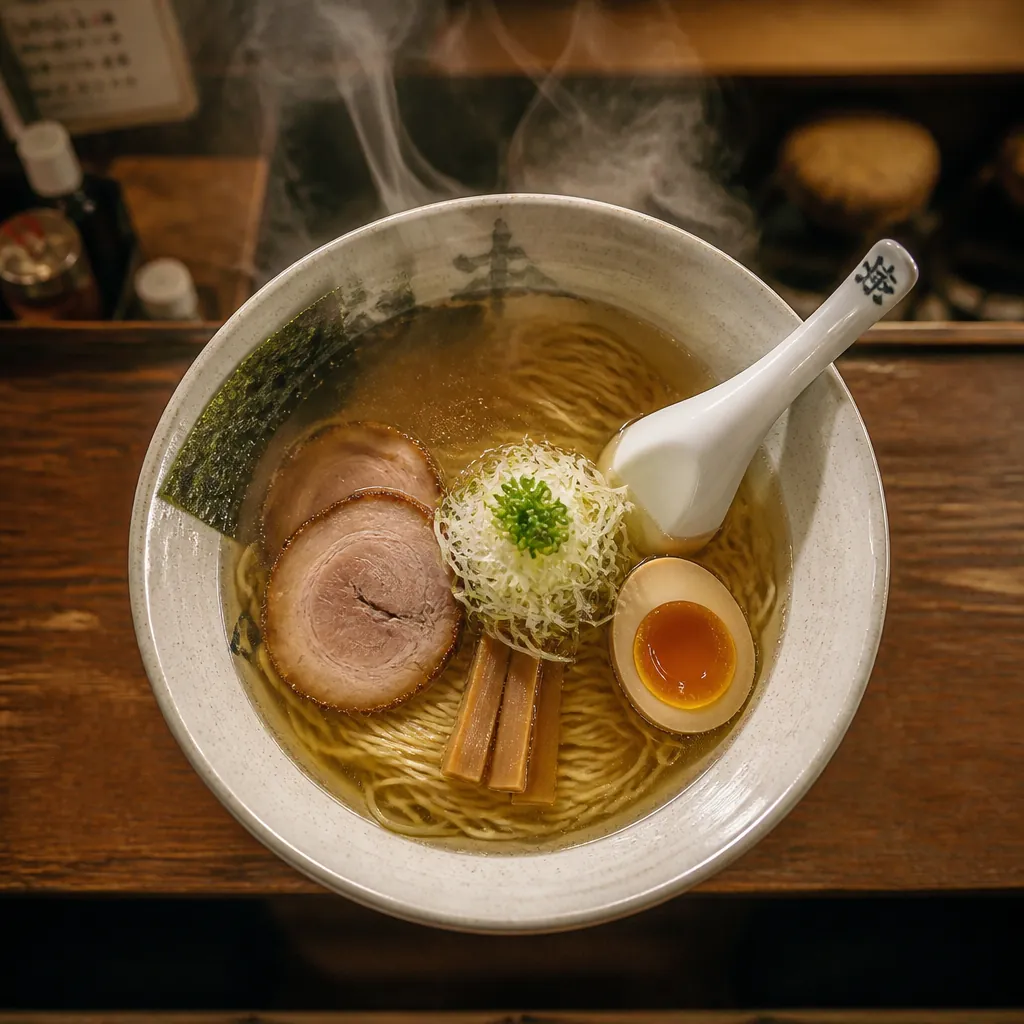
Most first-time ramen diners make the same mistake: they sit down, stare at the bowl, and wait for someone to tell them what to do next. The result is a lukewarm bowl of noodles, a few awkward glances, and a missed opportunity to experience one of Japan’s most satisfying culinary rituals. Knowing how to eat ramen properly is not about performing for the table next to you. It is about getting the most flavor out of every bowl, showing genuine respect for the craft, and feeling completely at ease from the moment you pull up a stool. Whether you are visiting Zen Ramen and Sushi for the first time or you are a regular who wants to deepen the experience, this guide covers everything you need.
Table of Contents
- Quick Takeaways
- Before the Bowl Arrives: Ordering and Seating
- The Ritual of the First Sip
- Slurping: The Truth About Making Noise at the Table
- Chopstick Rules You Cannot Afford to Ignore
- Pace, Focus, and Why Ramen Is Not a Social Hour
- Customization and Kaedama: Eating Like a Regular
- Ramen Styles and How Each One Changes Your Approach
- Frequently Asked Questions
- References
Quick Takeaways
| Key Insight | Explanation |
|---|---|
| Sip the broth first | Before touching the noodles, use the renge (soup spoon) to taste the broth on its own. The soup is the soul of the bowl and deserves that first moment of attention. |
| Slurping is correct behavior | Slurping cools the hot noodles, draws in aroma through the nose, and signals enjoyment to the chef. It is not rude in a ramen shop. |
| Eat quickly, not carelessly | Ramen noodles go soggy fast. Locals treat it as a focused, efficient meal, not a leisurely one. Getting through the bowl in 10 to 15 minutes is normal. |
| Say “itadakimasu” before eating | This phrase expresses gratitude to the chef, the ingredients, and the process. Saying it quietly to yourself is polite and respectful in Japanese dining culture. |
| Never stick chopsticks upright in the bowl | Chopsticks standing upright in food mimic a funeral ritual. Place them on the chopstick rest instead. |
| Finish your broth or leave it intentionally | Drinking the broth at the end is common and complimentary. It is also fine to leave some. What you should not do is leave half the bowl untouched. |
| One seat, one bowl | Every person seated is expected to order their own bowl. Sharing or ordering just a drink while others eat is considered disrespectful to the chef. |
Before the Bowl Arrives: Ordering and Seating
The anxiety around eating ramen often starts before you even sit down. Many ramen restaurants use a ticket machine near the entrance, where customers buy a meal ticket and hand it to the staff rather than ordering verbally. If you encounter one at a Japanese-style ramen shop, do not panic. Look for photos, price labels, or an English toggle. Choose your bowl, pay, take the ticket, and hand it over when seated or when asked.
At Zen Ramen and Sushi, the ordering process is straightforward and the staff is there to help you. But understanding the broader Japanese context makes the experience richer. Ramen shops in Japan are fast-paced and informal, and knowing how to navigate them like a local makes your meal smoother and more enjoyable, from ordering to finishing the last drop of broth.
Before the bowl reaches you, there is one small but meaningful step: say “itadakimasu” (ee-tah-dah-kee-mah-su). It does not need to be loud. Quietly saying it to yourself is considered polite and respectful. There is no need for a lengthy pause because ramen is best enjoyed while it is hot. The phrase expresses gratitude to the cook, the ingredients, and the effort behind the bowl.
Pro tip: After finishing your meal, say “gochisousama deshita” (go-chee-so-sama desh-tah) to express thanks. It is the natural bookend to itadakimasu, and staff at quality Japanese restaurants genuinely appreciate it.
The Ritual of the First Sip
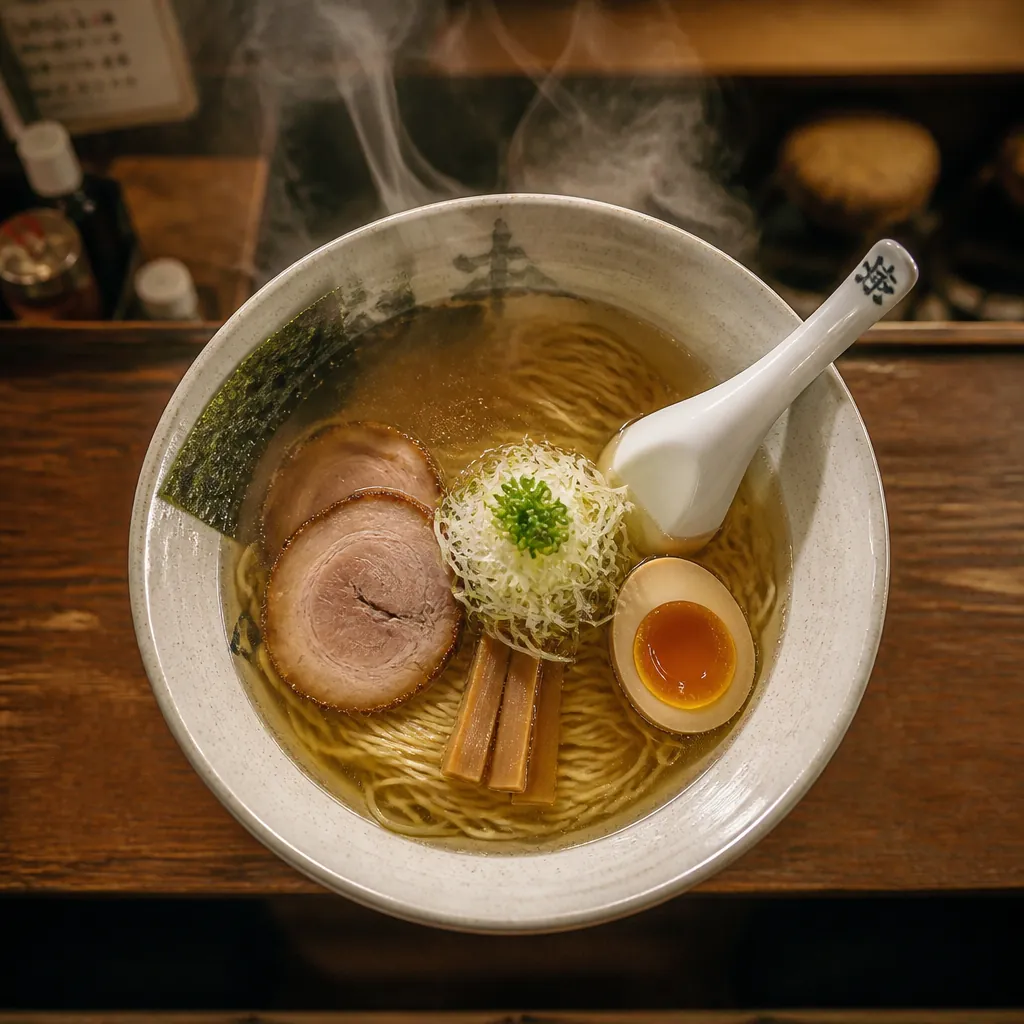
This is the single most important move in the entire bowl. Before you reach for the noodles with your chopsticks, pick up the renge, which is the wide, flat-bottomed soup spoon that comes with your ramen. Take a proper sip of broth on its own. Do not mix anything in yet. Just taste the soup as the chef made it.
The broth is where the real craft lives. A tonkotsu base can take many hours to develop its depth. A shoyu broth balances soy with dashi in a way that is quietly complex. Tasting it undiluted first is not ceremonial politeness. It is how you actually taste what the cook built.
You do not even have to use the spoon for this. Drinking directly from the bowl is completely acceptable. Just be careful because ramen is served very hot. Let the bowl sit for no more than thirty seconds if needed, but do not wait much longer. Noodles begin losing their ideal texture quickly once they hit the broth.
The soup is the heart and soul of any good bowl of ramen. Everything else in the bowl is built around it. Taste it first, and you will understand the whole dish in one sip.
Slurping: The Truth About Making Noise at the Table
This is the thing non-Japanese diners overthink the most. Slurping noodles in a ramen shop is not just tolerated. It is the natural way to eat. There are real reasons for it that go beyond cultural habit.
First, slurping cools the hot noodles as they travel from the bowl to your mouth. Second, you are drawing air through your nose as you eat, which amplifies the aroma of the broth and deepens the flavor experience, similar to how wine tasters aerate their sips. Third, the sound itself communicates appreciation to the chef and kitchen staff.
The practical technique is simple. Locals often take a few strands of noodles, lift them slightly with chopsticks, and slurp them in one motion. You are not expected to perform or be theatrical about it. The goal is to eat naturally. If slurping does not feel comfortable on your first visit, that is fine. Do it if it feels natural, skip it if it does not. You are not breaking any rules either way.
What you should not do is sit in silence while feeling embarrassed about the noise around you. That discomfort is all in your head. Everyone in a good ramen shop is focused on their own bowl.
Pro tip: Slurping is specifically for noodle dishes in Japan. Ramen, soba, and udon all invite it. Slurping other foods at the table is a different matter and is generally not appropriate. Keep the context in mind and you will not go wrong.
Chopstick Rules You Cannot Afford to Ignore
Chopstick etiquette in Japanese dining carries weight that goes beyond table manners. Some of the taboos are rooted in funeral customs, which means violating them can genuinely unsettle people around you even in a casual setting.
The two rules that matter most
Tatebashi means sticking chopsticks upright in your food. Never do this. It directly mimics the way incense sticks are placed in offerings during Japanese funeral rites. Even in a fast-casual ramen shop, this will get noticed immediately. When you are not using your chopsticks, rest them on the chopstick holder provided, or lay them flat across the edge of your bowl.
Utsushi-bashi means passing food from one set of chopsticks directly to another person’s chopsticks. This also mimics a funeral ritual involving bones. If you want to share a piece of chashu or a topping with someone, place it in their bowl or on a small plate instead.
Other chopstick habits to drop
Do not spear food with chopsticks. Do not hover them over the bowl while deciding what to pick up next. Do not lick them. And do not use them to point at people or gesture across the table. None of these are dramatic offenses in a casual restaurant, but they mark you as someone who has not eaten Japanese food much. At Zen Ramen and Sushi, the staff understands that not every guest grew up with chopsticks. The goal is simply to be intentional, not perfect.
Pace, Focus, and Why Ramen Is Not a Social Hour
Ramen is a fast food in the original, uncorrupted sense of the word. It is made quickly, served hot, and meant to be eaten while it is still at its best. Most customers at a traditional ramen shop eat their bowl and leave within about 10 to 15 minutes. Lingering long after finishing is generally considered impolite, especially at counter-style restaurants where other customers may be waiting.
This does not mean you should rush through your meal in a state of anxiety. It means you should stay focused on eating. Japanese diners often enjoy their ramen in quiet concentration, savoring each element, rather than pausing to scroll a phone or carry on a long conversation. Ramen is not a communal dining event in the way a shared dinner might be. The focus is the bowl in front of you.
This approach also serves the food. Noodles sitting in hot broth keep cooking. A bowl that takes 25 minutes to finish will have overcooked, mushy noodles in the last third. Eating at a steady pace protects the texture and flavor you paid for.
Customization and Kaedama: Eating Like a Regular
Knowing how to customize your ramen is what separates a first-timer from someone who comes back every week. At many ramen shops, especially those serving Hakata-style tonkotsu, you will be asked about your preferences when you order or sit down. The common options include noodle firmness, broth richness, and oil level.
For noodle firmness, the standard terms are katame (firm), futsuu (normal), and yawarakame (soft). First-time diners who are unsure should ask for futsuu and adjust on the next visit. Firm noodles hold up better in rich broths and give you more time to eat without the texture degrading.
What is kaedama and how do you ask for it
Kaedama is a refill of fresh noodles added to your remaining broth. It is one of the most satisfying moves you can make at a ramen shop that offers it. When your noodles are almost gone but you still have good broth left, you signal for kaedama before the bowl is empty. The kitchen drops a fresh portion of noodles directly into the remaining soup. You effectively get a second round of noodles without wasting the broth you worked through.
Not every ramen restaurant offers kaedama, and Hakata-style shops are the ones most associated with it. If the restaurant offers it, asking is a sign you know your way around a bowl. It is also a direct compliment to the broth quality.
Pro tip: When you are ready for kaedama, call out for it before your bowl is completely empty. You need enough broth left to absorb the fresh noodles. If you wait until the bowl is dry, the moment is gone.
Ramen Styles and How Each One Changes Your Approach
Not all ramen is eaten the same way. The style of the bowl shapes how you should approach the broth, the noodles, and the pacing. Here is a practical comparison of the three most common styles you will encounter at Zen Ramen and Sushi.
| Ramen Style | Broth Character | How It Affects Your Eating Approach |
|---|---|---|
| Tonkotsu | Rich, creamy, pork-bone based with deep umami | Sip the broth first to appreciate its full richness. The noodles are typically thin and firm, so eat at a steady pace before they soften. Finishing the broth is a strong compliment to the kitchen. |
| Shoyu (Soy Sauce) | Clear to amber, savory, more delicate and balanced | The lighter broth means every topping has more presence. Pay attention to the layering of flavors. Slurping works especially well here because the aroma is more subtle and the technique helps you catch it. |
| Miso | Bold, slightly fermented, often with added fat on top | Mix gently before your first sip to integrate the toppings. Miso broths cool faster than tonkotsu, so move with a bit more purpose. The umami depth rewards a slower, more attentive tasting approach. |
The ramen styles you choose also connect to seasonality. Richer and heartier broths like tonkotsu are especially welcome in colder months, while lighter bowls and cold noodle preparations like tsukemen fit the warmer season. If you visit Zen Ramen and Sushi regularly, you will start to develop your own seasonal preferences. That is exactly the kind of relationship with ramen that local diners build over years.
Frequently Asked Questions
Is slurping ramen actually required, or is it just optional?
It is not required, but it is the natural way to eat ramen in Japan. Slurping cools the hot noodles, enhances the flavor by drawing aroma through the nose, and signals enjoyment to the chef. You will not offend anyone by eating quietly, but you should not feel self-conscious when others around you slurp loudly. In a ramen shop, it is entirely normal and welcome.
What do I do with the chopstick wrapper when I am done?
At the end of a meal, the polite practice is to slide the used chopsticks part way back into the paper wrapper. This covers the soiled ends while indicating that the packaging has been used. Do not leave them sticking out of your broth or balanced across the rim of the bowl for the duration of the meal. Use the chopstick rest if one is provided at the table.
Can I add condiments and extra toppings to my ramen?
Yes, but with restraint. Most ramen shops place condiments like sesame seeds, chili oil, vinegar, or garlic at the table for a reason. They are there to adjust to your taste. The one thing to avoid is going overboard before tasting the bowl as it was intended. Take the first few sips plain, then add if needed. Drowning the broth in condiments before you have tasted it is the ramen equivalent of salting your food before trying it.
Is it rude to take photos of my ramen?
Taking photos of your food is completely acceptable at almost all ramen shops. It is the norm in many places. What you should avoid is photographing other customers, especially the chef or kitchen staff, without permission. Japanese people are generally sensitive about having photos taken by strangers. Keep the lens pointed at your bowl and you will be fine.
How long should I stay after finishing my bowl?
Most customers in a traditional ramen shop finish and leave within about 10 to 15 minutes of completing their meal. Staying to chat for an extended time, especially at a counter-style restaurant with a queue, is generally considered inconsiderate. At Zen Ramen and Sushi, the atmosphere is welcoming and there is no rush, but keeping this cultural context in mind reflects well on you as a diner.
What is the proper way to finish the broth?
Drinking the broth at the end of your meal is common and is widely seen as a compliment to the chef. Once you have finished the noodles and toppings, you can lift the bowl and drink directly from it. It is also perfectly acceptable to leave some broth behind if you are full or watching sodium intake. What matters is that you engaged with the bowl intentionally, not that you cleared every drop.
What should I say when I finish my meal at a Japanese ramen restaurant?
Say “gochisousama deshita” to the staff as you leave. It translates roughly to “that was a feast” and expresses genuine thanks for the meal. No tipping is part of Japanese dining culture. The phrase itself carries all the gratitude you need to express, and it is always appreciated by staff at authentic Japanese restaurants including Zen Ramen and Sushi.
Have you tried any of these ramen etiquette tips at Zen Ramen and Sushi? Share your experience in the comments below and let us know which part of the ritual surprised you most.
References
- Tokyo Ramen Tours guide to eating ramen the right way in Japan, covering broth-first technique and slurping customs
- Food in Japan guide on eating ramen like a Japanese local, including kaedama, broth etiquette, and pacing
- Instant Ramen Japan’s overview of seven ramen etiquette tips, including reasons behind slurping and chopstick conduct
- Ramen Beast shop etiquette guide for eating ramen like a Tokyo local, covering unspoken rules and respect for the chef
- Ramen Party SF breakdown of ramen dos and don’ts in Japan, including seasonal styles and counter conduct