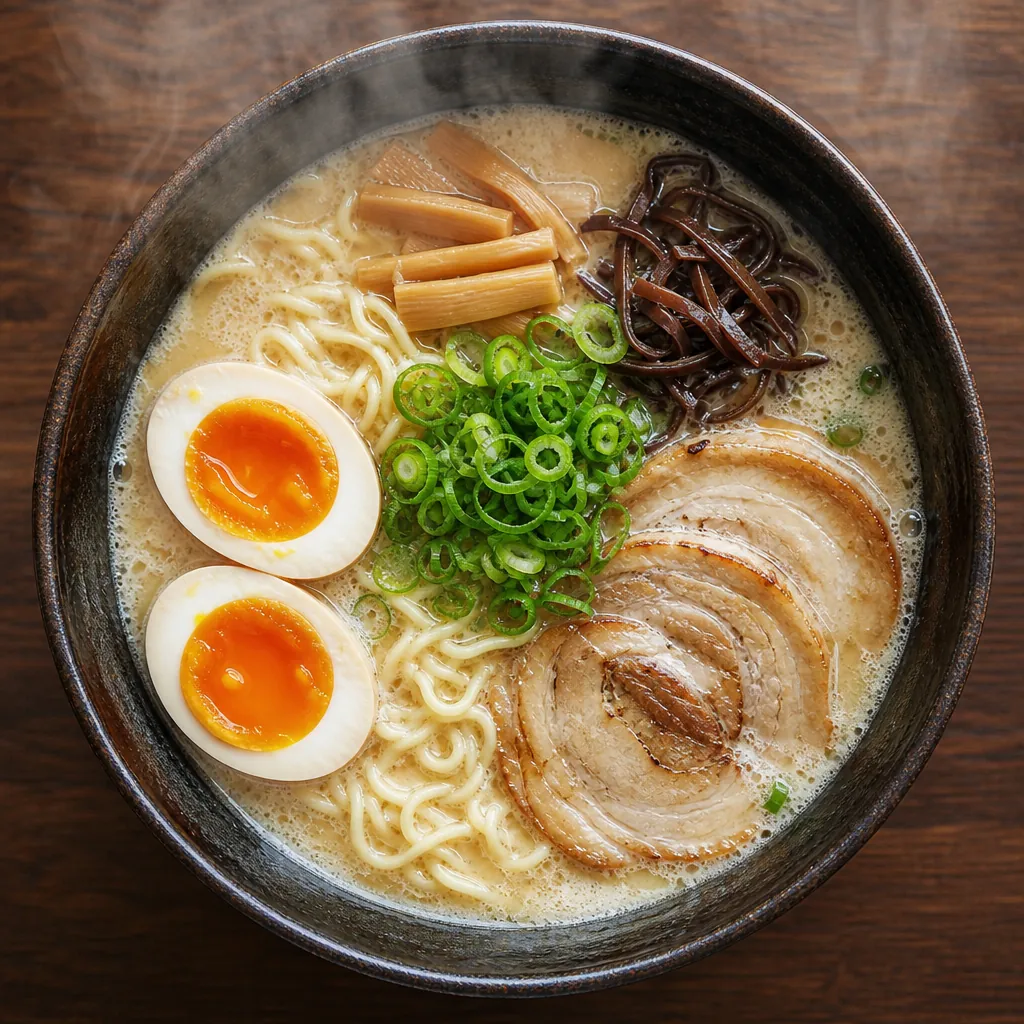
Most first-timers freeze the moment they sit down at a ramen counter. The menu reads like a foreign language, the server is waiting, and everyone around you seems to know exactly what they want. Learning how to order ramen is not complicated once you understand the four pillars: broth, noodle thickness, richness level, and toppings. This ramen guide for beginners breaks down every decision you will face, from the basics of ramen broth types to the unspoken customs that separate confident regulars from confused newcomers. By the end, ordering will feel natural.
Table of Contents
- Why Ramen Ordering Feels Overwhelming
- Quick Takeaways
- Ramen Broth Types Explained
- Noodle Styles and Firmness
- Richness Level and Seasoning Salt
- Choosing Your Toppings Without Overthinking
- Comparison of Popular Ramen Styles
- Common Beginner Mistakes to Avoid
- Ordering Ramen at Zen Ramen and Sushi
- Frequently Asked Questions
- References
Why Ramen Ordering Feels Overwhelming
Ramen has one of the steepest menu learning curves of any restaurant format. A single bowl involves at least five independent decisions, and many restaurants present them all at once on a printed sheet or a wall board. Unlike ordering a burger, there is no universal default. What you pick determines the entire character of the dish.
The good news is that ramen menus follow a consistent logic. Once you understand that logic, every ramen restaurant becomes easier to navigate, whether you are at a small neighborhood spot or a larger dining room like Zen Ramen and Sushi.
Quick Takeaways
| Key Insight | Explanation |
|---|---|
| Broth base is your first decision | Choose between tonkotsu, shoyu, miso, or shio before anything else. This sets the entire flavor direction of your bowl. |
| Richness (kotteri vs. assari) matters as much as broth type | Kotteri means heavy and rich; assari means light and clean. A miso kotteri bowl tastes very different from a miso assari bowl. |
| Noodle firmness is a preference, not a rule | Harder noodles (kata) hold up better in rich broths. Softer noodles absorb more flavor but become mushy quickly. |
| Start with two or three toppings maximum | Beginners who overload toppings dilute the broth. Let the base shine first, then add complexity on your next visit. |
| Eat within the first two minutes | Noodles continue cooking in hot broth. Waiting too long changes the texture significantly and softens the noodle beyond recovery. |
| Seasoning salt (tare) is the soul of the broth | Tare is the concentrated seasoning paste or liquid added to the base stock. It is what separates a shoyu bowl from a shio bowl even when the stock is identical. |
| Ask your server before customizing heavily | Some ramen recipes are calibrated precisely. Adding extra garlic or spice can throw off the balance the chef intended. Ask first. |
Ramen Broth Types Explained
Understanding ramen broth types is the single most important skill in this guide. There are four main categories, and each produces a distinctly different eating experience. Getting this choice right means the rest of your order almost takes care of itself.
Tonkotsu: The Rich, Creamy Pork Bone Broth
Tonkotsu broth is made by boiling pork bones at a rolling boil for 12 to 18 hours. The high heat emulsifies collagen and fat into the liquid, creating a milky white broth with a thick, almost velvety texture. The flavor is deeply savory, slightly fatty, and unmistakably porky.
This is the style most Western diners encounter first because it is the most visually dramatic. It pairs best with thin, straight noodles that do not compete with the intense broth. If you enjoy bold, filling flavors, start here.
Shoyu: The Classic Soy-Seasoned Broth
Shoyu ramen uses a chicken or chicken-pork stock seasoned with a soy-based tare. The result is a brown, clear-to-slightly-cloudy broth with a savory, slightly tangy depth. It is the most historically rooted style in Tokyo-area ramen culture.
Shoyu is an excellent entry point for first-timers who want something familiar but still distinctly Japanese. The flavor is balanced rather than overwhelming, which makes it a forgiving choice for any topping combination.
Miso: The Fermented, Complex Northern Style
Miso ramen originated in Hokkaido, Japan’s northernmost main island, where cold winters demanded a heartier bowl. The broth combines a meat or dashi stock with fermented soybean paste, producing an earthy, nutty, and deeply umami-forward flavor.
Miso ramen typically comes with corn, butter, or both, which are traditional Hokkaido additions. It handles spicy add-ons particularly well. If you enjoy fermented or umami-heavy foods like aged cheese or soy sauce, miso is your natural match.
Shio: The Lightest and Most Delicate Option
Shio ramen uses a salt-based tare, producing the clearest and most delicate of all ramen broth types. The stock is usually chicken or seafood, and the bowl often looks almost transparent. Do not mistake its lightness for lack of flavor. The best shio broths are nuanced and clean, with every ingredient visible and intentional.
This style is for diners who appreciate subtlety. It is also the most technically demanding for a kitchen to execute well, because there is nowhere to hide an off note in a clear, simple broth.
Noodle Styles and Firmness
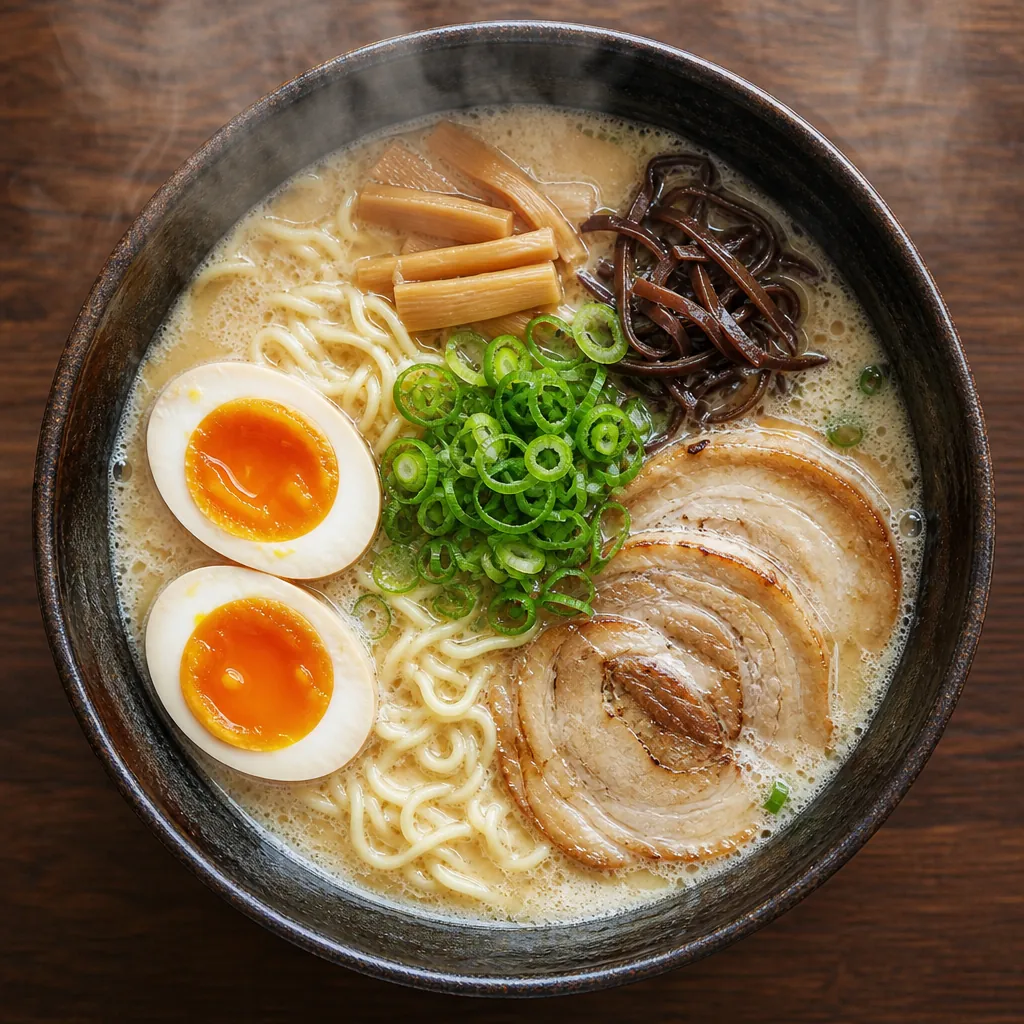
Ramen noodles are made from wheat flour, water, and an alkaline agent called kansui. The kansui gives ramen noodles their characteristic chew and yellow tint. Beyond that baseline, noodles vary in thickness, curl, and texture, and each variation serves a specific broth type.
Thin vs. Thick Noodles
Thin, straight noodles work best with rich broths like tonkotsu because they allow the broth’s flavor to coat every strand without the noodle overpowering it. Thick, wavy noodles grip lighter broths better, pulling more liquid into each bite and making a shio or shoyu bowl more filling.
Most restaurants match the noodle to the bowl by default. If you are given a choice and feel unsure, go with the house recommendation. Restaurants calibrate their noodle choice for a reason, and overriding it without experience often produces a less satisfying bowl.
Noodle Firmness: Kata, Futsu, and Yawarakai
Many ramen shops, especially those with roots in Fukuoka-style tonkotsu culture, let you specify firmness. Kata means firm or hard. Futsu means standard. Yawarakai means soft.
In practice, kata is the right choice in a rich broth because the noodles will continue to cook in the hot soup. Ordering firm noodles means they reach the ideal texture while you eat the first half of the bowl. Soft noodles in a rich, hot tonkotsu broth become mushy by the midpoint of a normal meal pace.
Pro tip: If you have never specified firmness before, order futsu (standard) on your first visit. On your second visit, try kata and notice how the texture holds up toward the end of the bowl. Most regulars settle on kata after making the comparison once.
Richness Level and Seasoning Salt
Two terms confuse beginners more than any others: richness level and tare. Both are invisible in the final bowl but completely define the eating experience.
Kotteri vs. Assari: What Richness Actually Means
Kotteri refers to a richer, heavier broth with more fat and collagen content. Assari refers to a lighter, cleaner broth. These terms apply across all broth types. A kotteri shio is richer than an assari shio, even though shio is generally considered the lightest ramen category.
Beginners often assume that ordering tonkotsu automatically means the heaviest possible bowl. That is not always the case. Some kitchens offer a lighter tonkotsu assari option that is significantly more approachable. If you find yourself nervous about richness, ask whether an assari version exists.
Tare: The Concentrated Seasoning That Defines Each Bowl
Tare is the concentrated seasoning base added to the stock. A kitchen might use one master stock and produce three completely different bowls by swapping the tare between shoyu, miso, and shio. The tare is not usually something you adjust as a customer, but understanding what it does explains why two bowls with the same stock taste so different.
“The tare is the fingerprint of a ramen shop. It is the one element that cannot be copied without the exact recipe.” – Ivan Orkin, chef and founder of Ivan Ramen, as cited in his book Ivan Ramen: Love, Obsession, and Recipes from Tokyo’s Most Unlikely Noodle Joint
Pro tip: When visiting a new ramen restaurant for the first time, order the house specialty without modification. The chef calibrated the bowl as a complete package. Taste it as designed, then customize on your next visit with a clear baseline for comparison.
Choosing Your Toppings Without Overthinking
Toppings in ramen are not decorative. Each one performs a specific function: adding fat, protein, texture, or aromatics. Understanding the function helps you choose without staring blankly at a list of 15 options.
The Core Toppings and What They Do
Chashu pork is braised pork belly or shoulder, sliced thin and often torched. It adds fat and protein and is the most common anchor topping in most styles. A soft egg (ajitsuke tamago) is marinated in a soy and mirin mixture, adding richness through the yolk and a subtle sweetness. Nori provides a clean, briny contrast and softens in the broth to become almost pasta-like in texture.
Menma (bamboo shoots) adds a chewy, slightly fermented crunch that offsets the softness of noodles and egg. Green onions add brightness and a mild bite that cuts through fat. These five toppings together cover all texture and flavor bases for a complete bowl.
Toppings to Add Based on Broth Type
Corn and butter are traditional in miso broth because their sweetness complements the fermented base. Black garlic oil (mayu) works beautifully in tonkotsu because the charred garlic adds depth to an already heavy bowl. Bean sprouts and kikurage mushrooms are classic in Hakata-style tonkotsu and provide texture without competing with the broth flavor.
In a shio or shoyu bowl, be conservative with toppings. These lighter broths are easy to overwhelm. Two or three well-chosen toppings will serve you better than six.
Comparison of Popular Ramen Styles
The table below compares the three most commonly ordered ramen styles by flavor intensity, best noodle pairing, and ideal diner profile. Use it as a reference before placing your order.
| Ramen Style | Flavor Intensity and Profile | Best For |
|---|---|---|
| Tonkotsu | Very rich, creamy, porky, heavy body. Pairs with thin straight noodles. Kotteri by default. | Diners who want a filling, bold bowl and enjoy fatty, savory flavors. Good cold-weather choice. |
| Shoyu | Medium body, savory, slightly tangy from soy. Pairs with wavy or straight medium noodles. | First-time ramen eaters who want something balanced and approachable without being bland. |
| Miso | Earthy, nutty, deeply umami. Often spicy versions available. Pairs with thick wavy noodles well. | Adventurous beginners, fans of fermented flavors, and anyone who wants a heartier bowl with more complexity than shoyu. |
Common Beginner Mistakes to Avoid
A common mistake is treating ramen like a dish that improves with waiting. It does not. Ramen is engineered to be consumed immediately. The broth is served hot enough to keep cooking the noodles, and the toppings are placed to maintain temperature during the first several minutes of eating. Sitting back and taking photos for five minutes before eating significantly degrades the bowl.
Another frequent error is drowning the broth in condiments before tasting it. Every table typically has sesame seeds, chili oil, vinegar, and garlic. Using all of them before tasting the broth means you will never know what the bowl actually tasted like. Taste first, adjust second, and only if the bowl genuinely needs it.
Finally, do not ignore the soup at the bottom of the bowl. Many beginners eat the noodles and toppings and leave a third of the broth behind. The broth is the most labor-intensive part of the dish. At quality restaurants like Zen Ramen and Sushi, that broth may have taken 12 hours or more to develop. Drinking it to the last drop is both appropriate and deeply satisfying.
Ordering Ramen at Zen Ramen and Sushi
Zen Ramen and Sushi is not a production-line ramen chain. The menu is built around authenticity, which means each broth style is prepared with the same seriousness you would find in Japan. This matters for first-timers because the quality of the base stock makes every customization decision more forgiving.
If a friend recommended Zen Ramen and Sushi to you, ask them what they ordered. Regulars at quality ramen restaurants develop strong preferences quickly, and a trusted recommendation is one of the fastest ways to find your starting point. From there, explore the full menu and experiment with different broth types on subsequent visits.
The combination of ramen and sushi on one menu is also worth noting. If you are dining with someone who is not a ramen enthusiast, they can order sashimi or rolls while you work through your first serious bowl. It removes the pressure of convincing your dining partner and lets everyone at the table find something they genuinely want.
Frequently Asked Questions
What is the easiest ramen to order for a complete beginner?
Shoyu ramen is the most beginner-friendly option. Its flavor is balanced and recognizable, the broth is not overly rich, and it pairs well with almost every standard topping combination. It gives you a clear baseline for understanding ramen before you start exploring heavier or more complex styles like tonkotsu or miso.
Is it rude to slurp ramen in a Japanese restaurant?
No. Slurping is culturally appropriate and practically useful when eating ramen. It cools the noodles slightly as they enter your mouth and enhances the flavor perception of the broth. At authentic Japanese ramen restaurants, slurping is a normal and accepted sound. Do not hold back out of politeness.
Can I customize my ramen if I have dietary restrictions?
Many ramen restaurants offer modifications for spice level, sodium, and toppings. However, the base stocks in traditional ramen almost always contain pork, chicken, or both, as well as soy and sometimes shellfish. If you have specific allergies or follow a plant-based diet, ask your server directly about the stock base before ordering. Some restaurants offer a separate vegetarian or vegan broth option.
What is the difference between tonkotsu and shoyu ramen?
Tonkotsu refers to the stock base, which is made from pork bones. Shoyu refers to the tare, which is a soy sauce seasoning. Technically, a bowl can be both tonkotsu broth seasoned with shoyu tare. However, when a menu lists them separately, tonkotsu typically means the creamy pork bone broth style and shoyu typically means a lighter, soy-seasoned chicken or chicken-pork broth. The distinction is in the cooking method and visual appearance: tonkotsu is milky white and thick, shoyu is brown and clearer.
How do I know if my ramen noodles are cooked correctly?
Correctly cooked ramen noodles should have a slight resistance in the center when you bite through them, similar to al dente pasta. They should not be mushy or fall apart. If you ordered your noodles at the standard firmness level and they feel too soft immediately, the restaurant may have overcooked them. If they feel too tough or starchy, they were undercooked. For future orders, use this experience to specify kata (firm) or yawarakai (soft) based on what you experienced.
Should I drink the ramen broth directly from the bowl?
Yes, and most ramen purists consider this the correct way to finish a bowl. Using the spoon throughout your meal and then lifting the bowl to drink the remaining broth is standard practice at traditional ramen counters. The broth represents the majority of the effort in the dish. Leaving it behind misses the most concentrated layer of flavor at the bottom of the bowl.
What should I order alongside ramen if I am still hungry?
Gyoza (pan-fried dumplings) is the most traditional ramen accompaniment in Japan and pairs well with every broth type. A small rice side (called kae-dama in some shops) is another common add-on at tonkotsu restaurants where you can also order extra noodles. At Zen Ramen and Sushi, the sushi menu offers an excellent counterpoint to ramen if you want something cool and light to follow a heavy bowl.
Have you ordered ramen at Zen Ramen and Sushi or another Japanese restaurant recently? Share what you chose and whether it landed the way you expected – your experience helps other first-timers know what to try.
References
- Statista: Restaurant industry data and consumer dining preference statistics
- Forbes: Food and dining culture coverage including Japanese cuisine trends in the United States
- U.S. Food and Drug Administration: Allergen labeling and restaurant food safety guidelines relevant to broth and seasoning ingredients
- USDA National Agricultural Library: Nutritional composition data for ramen ingredients including pork, soy, and wheat noodles
- Ahrefs Blog: Consumer search behavior research showing rising interest in Japanese cuisine and ramen-related queries