
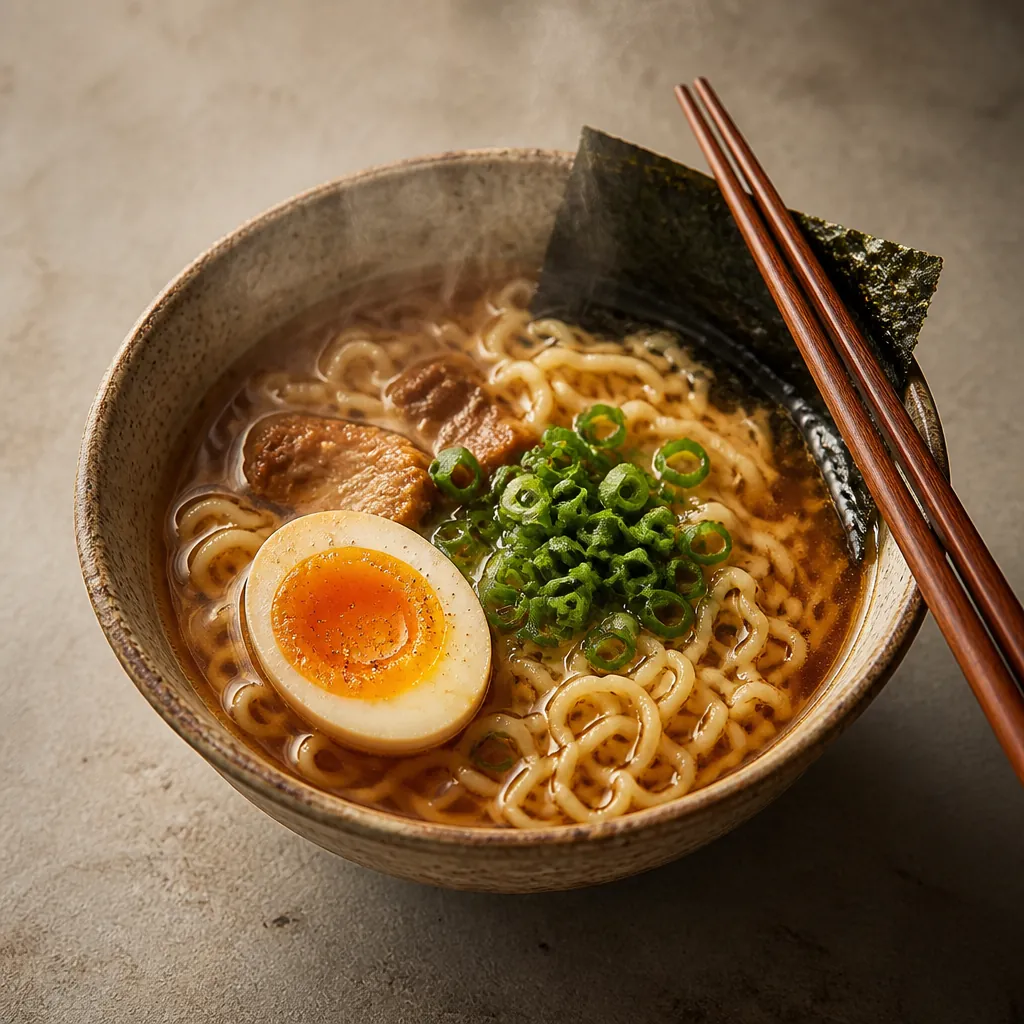
Most people who order a bowl of ramen have no idea they are eating the result of more than a century of migration, war, scarcity, and culinary reinvention. The history of ramen is not a tidy origin story. It is a messy, fascinating record of how a Chinese noodle dish traveled to Japan, got remade by necessity, survived two catastrophic conflicts, and eventually became one of the most recognized comfort foods on the planet. If you love ramen, understanding where it came from makes every bowl taste a little more meaningful.
Table of Contents
- Quick Takeaways
- Chinese Origins: The Noodle That Crossed the Sea
- Meiji Era Japan: Yokohama and the First Ramen Shops
- War, Scarcity, and Ramen on the Street
- Instant Ramen and the Democratization of the Bowl
- Regional Varieties: How Japan Made Ramen Its Own
- Ramen Goes Global
- Ramen Versus Sushi: Two Icons of Japanese Food Culture
- Frequently Asked Questions
- References
Quick Takeaways
| Key Insight | Explanation |
|---|---|
| Ramen is Chinese in origin, not Japanese | Chinese immigrants brought wheat noodle soups to Japan in the late 19th century, particularly through port cities like Yokohama, Kobe, and Nagasaki. |
| The word “ramen” comes from Chinese “la mian” | La mian means pulled noodles in Chinese. Japanese speakers adapted the pronunciation into “ramen,” which stuck as the dish became a fixture of Japanese food culture. |
| Rairaiken in Asakusa was Japan’s first dedicated ramen shop | Opened in 1910 in Tokyo, Rairaiken served ramen as a deliberate fusion of Chinese noodle technique and Japanese soup sensibility, and reportedly served 3,000 bowls on busy days. |
| Post-WWII food scarcity accelerated ramen’s spread | American wheat flour flooded Japan after the war. Street vendors used it to make cheap, filling noodle soups, turning ramen into survival food for millions. |
| Instant ramen was invented in 1958 by Momofuku Ando | Ando, the Taiwanese-Japanese founder of Nissin Foods, developed flash-fried pre-cooked noodles that could be prepared quickly at home, changing how the world ate. |
| There are four main ramen flavor categories | Shoyu (soy sauce), shio (salt), miso, and tonkotsu (pork bone) are the four primary types, each tied to specific regions and local ingredient traditions across Japan. |
| Ramen earned Michelin recognition | A Tokyo ramen shop called Japanese Soba Noodles Tsuta became the first ramen establishment to receive a Michelin Star, cementing ramen’s status as serious cuisine. |
Chinese Origins: The Noodle That Crossed the Sea
The ramen origins story begins not in Japan but in China, where wheat noodles have been a dietary staple for centuries. The noodles that would ultimately shape ramen as we know it are the lamian, characterized by their chewy texture and made through a process of stretching and pulling the dough. The word “ramen” itself is a Japanese borrowing of the Chinese word lāmiàn, meaning “pulled noodles.”
However, the precise lineage is more complicated than a simple name transfer. While ramen borrowed its name from northern Chinese lamian, the dish actually evolved from southern Chinese noodle soups, reflecting the demographics of Chinese immigrants who settled in Yokohama and other Japanese port cities. These immigrants brought their regional cooking traditions with them, and it was southern Chinese noodle preparations, not the northern hand-pulled lamian technique, that formed ramen’s culinary backbone.
There are records in Japan dating back to the 15th century that a noodle called keitai-men was eaten, made from a recipe close to what is used for modern ramen noodles, though it was not food available to common people at that time. The defining ingredient that makes ramen noodles distinct from plain wheat noodles is kansui, an alkaline water solution. Combining kansui with wheat flour, salt, and water gives ramen noodles their characteristic springy texture and faint golden color. Without kansui, you simply have pasta.
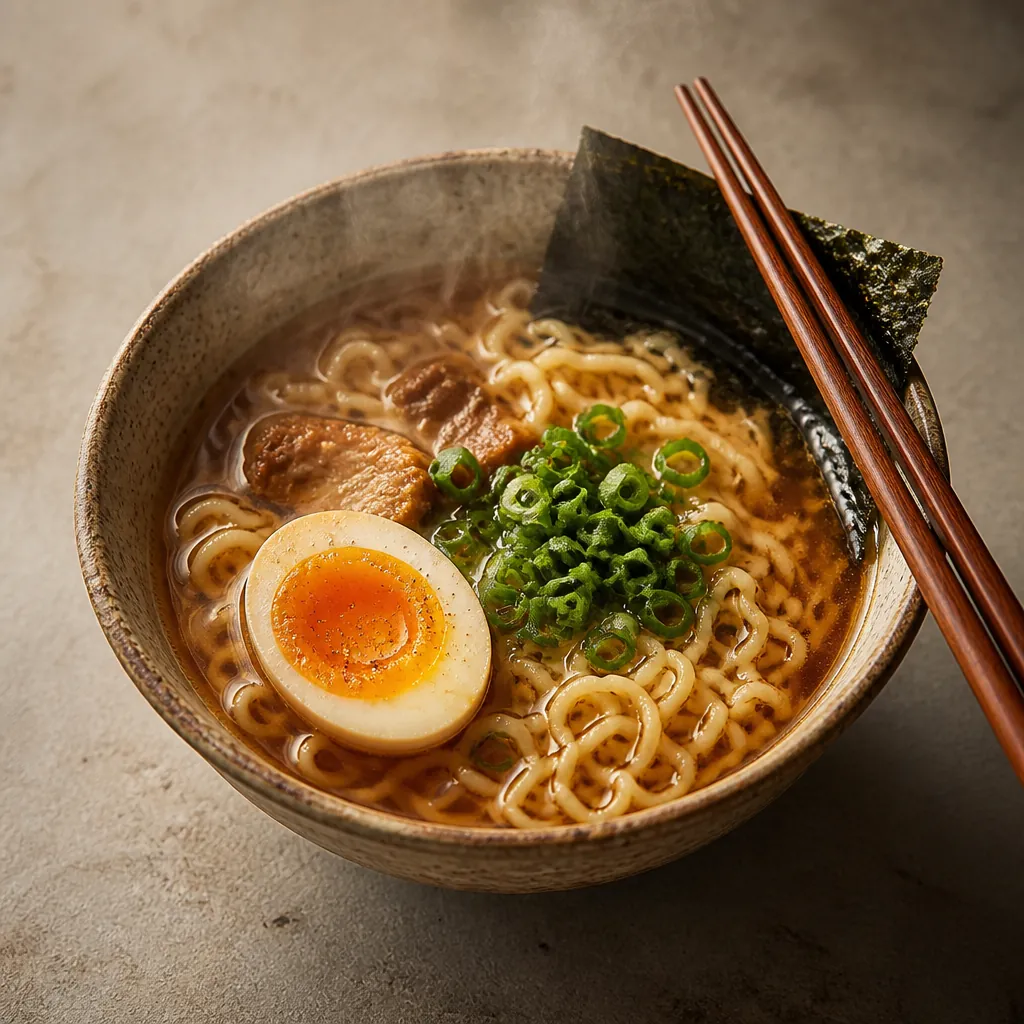
The real turning point came in the early 1880s, when Chinese traders arrived in the port city of Yokohama and established a Chinatown there, opening restaurants that served Chinese dishes. One especially popular dish was called la mian, which Japanese customers embraced and adapted. By the late 19th century, Chinese immigrants had brought their noodle dishes to port cities including Yokohama, Kobe, and Nagasaki. Early versions were known as Shina soba, meaning “Chinese soba,” featuring clear broths and simple toppings like green onions and roast pork.
Pro tip: When you hear someone say ramen is “just Japanese noodles,” gently correct them. The dish’s identity was shaped by Chinese culinary tradition first, then transformed by Japanese adaptation. Knowing this makes you a better-informed diner, and a more interesting dinner companion.
Meiji Era Japan: Yokohama and the First Ramen Shops
The Meiji era, running from 1868 to 1912, was the moment Japan opened its doors to the world after centuries of isolation. With foreign merchants, students, and traders arriving, the ports became cultural mixing bowls. Yokohama was ground zero for Chinese culinary influence. Chinese cuisine had been treated as high-class fare, but with an increase in Chinese students arriving in Japan during the latter half of the Meiji period, the number of more accessible Chinese restaurants grew significantly.
In 1870, the first Chinese restaurant opened in Yokohama. By 1900, Japanese restaurants were already serving their own versions of ramen, typically a simple dish of noodles, some toppings, and a broth flavored with salt and pork bones. The Japanese made one key technical change: they cut the noodles rather than pulling them by hand as Chinese cooks did. But they kept enough of the original approach to preserve the dish’s essential character.
Rairaiken: Where Modern Ramen Was Born
The year 1910 marks a decisive moment in Japanese ramen history. Rairaiken, Japan’s first dedicated ramen shop, opened in the Asakusa neighborhood of Tokyo. It was deliberately conceived as a fusion of Chinese noodle technique and Japanese cuisine, and it was an immediate commercial success. On busy days, Rairaiken reportedly served 3,000 bowls. That number tells you everything about how hungry the Japanese public was for this dish.
Then in 1923, the Great Kanto Earthquake devastated Tokyo and Yokohama. The destruction that leveled buildings also paradoxically helped spread ramen. Because yatai, or street food stalls, were far easier and cheaper to establish than brick-and-mortar restaurants, the number of ramen yatai multiplied across earthquake-damaged cities. Ramen moved from restaurant to street, reaching a much wider and more working-class audience. The dish that had begun as Chinese immigrant food was becoming embedded in the daily life of ordinary Japanese people.
The broth is often regarded as the soul of ramen, the element that elevates it from a simple dish to a culinary masterpiece. A well-built broth is what separates an unforgettable bowl from a forgettable one.
War, Scarcity, and Ramen on the Street
Ramen’s most important chapter is also its darkest. World War II left Japan physically and economically shattered. Japan’s 1945 rice crop failed, resulting in food shortages nationwide. The United States, occupying Japan after the war, pumped the market full of cheap wheat flour. American authorities also encouraged the production of bread as a way to feed the population, but wheat-based noodles turned out to be a far more culturally fitting response to hunger.
Street vendors, many of them operating without official permits, began making ramen from cheap wheat flour, selling bowls to dock workers, factory laborers, and anyone else who needed a hot, filling meal at a price they could actually afford. This is the period that truly locked ramen into Japan’s working-class identity. It was not a restaurant dish anymore. It was survival food, and it tasted like it was made with care precisely because the people making and eating it had almost nothing else.
The connection between hardship and comfort food runs deep in Japanese food culture, and ramen crystallized that connection. As Japan’s economy began recovering in the 1950s, street vendors who had operated informally gradually transitioned into legitimate businesses, setting up the first wave of permanent ramen shops that would define the modern ramen shop experience.
Instant Ramen and the Democratization of the Bowl
If the yatai stalls brought ramen to the streets, then 1958 brought ramen into every kitchen on the planet. During the post-war period, Momofuku Ando, the Taiwanese-Japanese founder of Nissin Foods, invented pre-cooked instant noodles. His motivation was explicit: he believed that “peace will come to the world when people have enough to eat.” Through relentless experimentation, he discovered that flash-frying noodles allowed them to rehydrate quickly when boiled water was added. This breakthrough transformed ramen from a restaurant and street food staple into a pantry essential.
In 1958, Ando’s product Chicken Ramen launched. In 1971, he went further and introduced Cup Noodles, which required no bowl, no stove, and no preparation skill whatsoever. The impact was enormous. Instant ramen made what had been a regional Japanese street food into a global pantry item, accessible to anyone regardless of income or culinary experience. It also, importantly, introduced hundreds of millions of people outside Japan to the concept of ramen flavors: the savory richness of a pork-bone broth, the sharp depth of a soy-sauce base, the warming weight of miso.
Pro tip: Do not confuse instant ramen with authentic ramen. Instant noodles introduced the world to ramen’s flavor profile, but a properly built bowl at a dedicated ramen shop involves a broth that may simmer for 12 hours or more and fresh noodles calibrated to the specific tare being used. They are related products in the same way that instant coffee and a well-pulled espresso are related. Knowing the difference makes you a more discerning diner.
Regional Varieties: How Japan Made Ramen Its Own
One of the most striking facts about Japanese food culture is how fiercely regional ramen pride runs. Japan is a relatively small country, but the regional variations of ramen are so distinct that dedicated enthusiasts travel specifically to eat the local style. Broadly speaking, there are four main ramen flavor categories: shoyu (soy sauce), shio (salt), miso, and tonkotsu (pork bone broth). Within those four, the combinations and local interpretations are nearly endless.
The Four Main Ramen Types Compared
| Ramen Type | Flavor Profile and Origin | Classic Regional Association |
|---|---|---|
| Shoyu (Soy Sauce) | Savory, slightly salty, clear to amber brown broth typically built on chicken or dashi stock with soy-based tare. One of the oldest Japanese ramen styles. | Tokyo, where it was the dominant early style |
| Shio (Salt) | Lighter and more delicate than the other types, usually featuring a cleaner, pale broth. Known for allowing the stock’s natural flavor to come through. | Coastal regions; Hakodate in Hokkaido is closely associated with shio ramen |
| Miso | Rich, hearty, and deeply savory. Miso paste is incorporated into the tare, giving the broth a thick, complex character. Often topped with corn, butter, and local vegetables. | Sapporo in Hokkaido, where miso ramen originated and only gained wide popularity in the 1960s |
| Tonkotsu (Pork Bone) | Creamy, opaque, intensely rich broth produced by boiling pork bones for hours. Uses straight noodles with low water content. Hakata-style includes kaedama, the practice of refilling noodles while broth remains hot. | Fukuoka in Kyushu; Hakata tonkotsu ramen was reportedly created by accident in 1947 |
Sapporo ramen, for example, famously combines a tonkotsu base with miso and often features local favorites like corn and seafood as toppings. Tottori Prefecture is known for its beef bone broth, while Kasaoka ramen uses soy sauce with chicken stock topped with roasted chicken and bamboo shoots. Local pride became strongly attached to these varieties, and regional shops started drawing culinary tourism long before that term existed.
By the 1980s, local ramen dishes were readily available across Japan and ramen had become a foodie symbol of the country alongside sushi, sake, and matcha. The appetite for ramen history and culture led to the opening of the Shinyokohama Ramen Museum in 1994, an institution dedicated to the preservation and celebration of ramen’s rich past. It features a nostalgic recreation of post-war Tokyo and offers visitors a chance to taste regional varieties from Hokkaido’s miso ramen to Kyushu’s tonkotsu under one roof.
Ramen Goes Global
Ramen’s global spread happened in two waves. The first was driven by instant noodles, which put ramen-flavored products in grocery stores worldwide from the 1970s onward. The second wave was driven by Japanese diaspora communities and dedicated ramen chefs who wanted to bring authentic bowls to international cities.
Japanese residents abroad started ramen shops for expatriate employees and curious locals, following the same pattern that Chinese immigrants had used to bring ramen to Japan a century earlier. The iconic New York ramen shop Sapporo was established in 1975, introducing American diners to authentic Japanese ramen. Ramen quickly gained traction abroad as a casual, accessible alternative to sushi, which requires specialized preparation and tends toward higher price points.
Beyond the United States, ramen shops spread to Germany, France, the United Kingdom, Australia, and Italy. As international attention grew, ramen began attracting recognition from prestigious culinary guidebooks. The first ramen shop to receive a Michelin Star was Japanese Soba Noodles Tsuta in Tokyo, which established a new genre called tanrei: clear soups made from high-quality materials seasoned with soy sauce or salt, representing ramen elevated to fine dining. Ramen chefs became celebrity figures, writing philosophical treatises on broth and noodle craft, and their fans built museums and dedicated online communities around them.
At a restaurant like Zen Ramen and Sushi, the menu represents this full arc of development. The ramen served today did not spring from nowhere. It is the product of 150-plus years of adaptation, borrowing, hardship, and craft refinement. Ordering a bowl is, in a small way, participating in that ongoing history.
Ramen Versus Sushi: Two Icons of Japanese Food Culture
It is worth taking a moment to understand why ramen and sushi are so often paired in the Western imagination of Japanese cuisine, and what distinguishes them historically. Sushi has much older Japanese roots and carries an association with precision, ceremony, and scarcity of certain premium ingredients. Ramen, by contrast, is defined by abundance of flavor, accessibility, and the kind of deep satisfaction that comes from a bowl built on hours of careful cooking rather than the flash of a knife.
They are complementary, not competing. Ramen fills the cold-weather, comfort-craving, broth-hungry part of the appetite that sushi does not address. Sushi fills the craving for clean, precise flavors, pristine textures, and the theatricality of fresh fish presented with minimal interference. Both are products of Japanese food culture’s commitment to technique and ingredient quality, just expressed through entirely different philosophies.
For diners visiting Zen Ramen and Sushi, the menu is built around exactly this complementarity. You can move from a bowl of tonkotsu ramen to a plate of carefully prepared sushi and experience two completely different expressions of what Japanese cuisine does best. That combination, casual enough for a weeknight and satisfying enough to recommend to every friend you have, is what makes the Japanese dining experience genuinely distinct from any other food culture in the world.
Pro tip: When you are at a ramen and sushi restaurant, pay attention to the broth first. A well-constructed ramen broth tells you more about the kitchen’s skill and philosophy than almost any other element on the menu. If the broth has complexity, depth, and balance, the rest of the bowl will follow.
Frequently Asked Questions
What country did ramen originally come from?
Ramen originated in China. Chinese immigrants brought wheat noodle soups to Japan in the late 19th century, primarily through port cities like Yokohama, Kobe, and Nagasaki. The dish was adapted and transformed by Japanese cooks over several decades into what we recognize as ramen today.
When did ramen become popular in Japan?
Ramen became a mass-market food in Japan during the post-World War II period, roughly from the late 1940s through the 1950s. Food scarcity and an influx of cheap American wheat flour drove street vendors to produce affordable noodle soups. By the 1980s, ramen had become a recognized symbol of Japanese food culture, with regional varieties found in every corner of the country.
Who invented instant ramen?
Momofuku Ando, the Taiwanese-Japanese founder of Nissin Foods, invented instant ramen in 1958. He discovered that flash-frying noodles allowed them to rehydrate quickly when hot water was added. He later created Cup Noodles in 1971, which further expanded instant ramen’s global reach.
What are the four main types of ramen?
The four main ramen types are shoyu (soy sauce-based), shio (salt-based), miso (fermented soybean paste-based), and tonkotsu (pork bone broth). Each type has regional associations in Japan: shoyu with Tokyo, miso with Sapporo in Hokkaido, and tonkotsu with Fukuoka in Kyushu. Within each category, local variations using different stock bases and toppings create an enormous range of distinct bowls.
What makes ramen noodles different from other wheat noodles?
Ramen noodles are distinguished by the use of kansui, an alkaline water solution, combined with wheat flour, salt, and water. The kansui gives ramen noodles their characteristic springy, chewy texture and a faint golden color. Without kansui, the noodles would be closer to plain pasta or udon, lacking ramen’s signature bite.
Is ramen considered Japanese food culture or Chinese food culture?
Ramen sits at the intersection of both, but it has been thoroughly claimed by Japanese food culture. Its origins are Chinese, its noodle technique borrowed from Chinese immigrants, and its broth concepts shaped by Chinese culinary traditions. But the Japanese transformed it over more than a century, developing regional styles, refining broth-building techniques, and elevating ramen to the level of serious gastronomy. Today, ramen is recognized globally as a Japanese dish, even as serious ramen historians acknowledge its Chinese roots.
How did ramen spread outside Japan?
Ramen spread internationally through two main channels. First, instant ramen products distributed worldwide from the 1970s onward introduced the flavor profile to mass audiences. Second, Japanese residents abroad opened ramen shops starting in the mid-1970s, with the New York shop Sapporo established in 1975 being an early example. Over the following decades, dedicated ramen shops opened across Europe, North America, and Australia, and the dish eventually attracted Michelin recognition.
Have you had a bowl that changed the way you think about ramen? Share what made it memorable in the comments.
References
- Britannica encyclopedia entry on ramen: its Chinese origins, kansui noodles, and role in Japanese cuisine
- Wikipedia overview of ramen history, etymology, and regional varieties in Japan
- Halal Ramen Japan article tracing ramen’s journey from Chinese street food to Japanese soul food
- Ramen Yokocho historical timeline from 1800s China through the birth of instant noodles and regional ramen styles
- Japan National Tourism Organization guide to ramen types, regional varieties, and Momofuku Ando’s instant noodle invention