
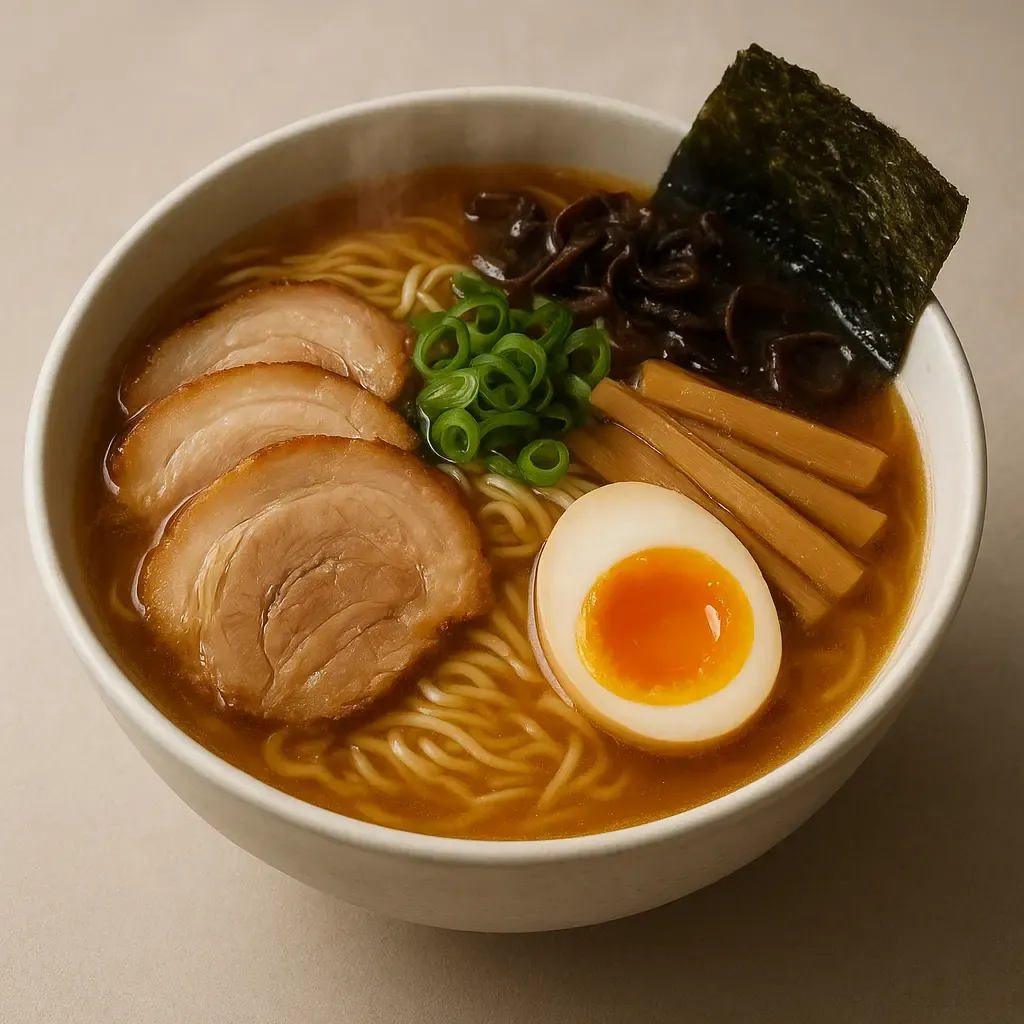
Walk into any authentic ramen shop and you’ll notice the difference immediately: the toppings aren’t decorative afterthoughts, they’re precision ingredients that balance flavor, texture, and richness in every spoonful. A common mistake among casual diners is treating ramen toppings as optional extras rather than essential components that work together to create the layered complexity Japanese ramen is known for. At Zen Ramen and Sushi, we’ve seen firsthand how the right combination of ramen toppings can elevate a simple bowl into a memorable dining experience that keeps guests returning.
Table of Contents
- Quick Takeaways
- Chashu Pork: The Cornerstone Protein
- Ajitsuke Tamago: The Perfectly Seasoned Egg
- Menma: Bamboo Shoots for Textural Contrast
- Nori Seaweed: Umami Amplification
- Negi: Scallions for Fresh Sharpness
- Comparison: Topping Profiles
- Corn: Sweetness and Texture
- Kikurage: Wood Ear Mushrooms
- Narutomaki: Visual Appeal, Subtle Flavor
- Bean Sprouts: Crunch and Freshness
- Sesame Seeds: Aromatic Finishing
- Frequently Asked Questions
- References
Quick Takeaways
| Key Insight | Explanation |
|---|---|
| Chashu pork adds richness through fat marbling | The slow-braised pork belly melts into broth, releasing collagen and creating a velvety mouthfeel that balances salty tonkotsu or shoyu bases |
| Ajitsuke tamago provides protein and creamy texture | Marinated soft-boiled eggs with jammy yolks add umami depth while their custard-like texture contrasts firm noodles |
| Menma bamboo shoots cut through fatty broths | Fermented bamboo’s slight tang and firm bite prevent palate fatigue in rich, pork-based ramen styles |
| Fresh negi scallions brighten heavy broths | Raw green onions provide sharp, vegetal notes that refresh the palate between rich spoonfuls |
| Nori seaweed amplifies oceanic umami | Toasted seaweed sheets dissolve partially into broth, releasing glutamates that deepen savory complexity |
| Textural variety prevents monotony | Combining soft proteins, crisp vegetables, and chewy noodles creates sensory engagement throughout the meal |
| Topping placement affects eating experience | Strategic arrangement ensures each spoonful captures multiple elements, maintaining flavor balance from first bite to last |
Chashu Pork: The Cornerstone Protein
Chashu pork stands as the most recognized ramen topping in Japanese cuisine, and for good reason. This braised pork belly undergoes hours of slow cooking in a soy-based marinade, typically containing sake, mirin, and sugar, which breaks down connective tissue into gelatin. The result is meat that practically dissolves on the tongue while adding fatty richness to the broth below.
In practice, quality chashu should have visible fat layers that melt at body temperature. When you lift a slice with your chopsticks, it should barely hold together, indicating proper collagen breakdown. At Zen Ramen and Sushi, we braise our chashu for six hours minimum, which ensures the pork absorbs the marinade deeply rather than just coating the surface.
The fat content in chashu serves a functional purpose beyond flavor. As the warm slices sit atop your broth, fat gradually renders out, creating small oil droplets that coat your noodles and carry flavor compounds directly to your taste receptors. This is why removing chashu from a bowl fundamentally changes the eating experience, not just aesthetically but structurally.
Pro tip: Place your chashu slices on the cooler edge of your bowl first, then move them into the hot broth gradually. This prevents overcooking the already tender meat and lets you control how much fat renders into your soup.
Ajitsuke Tamago: The Perfectly Seasoned Egg
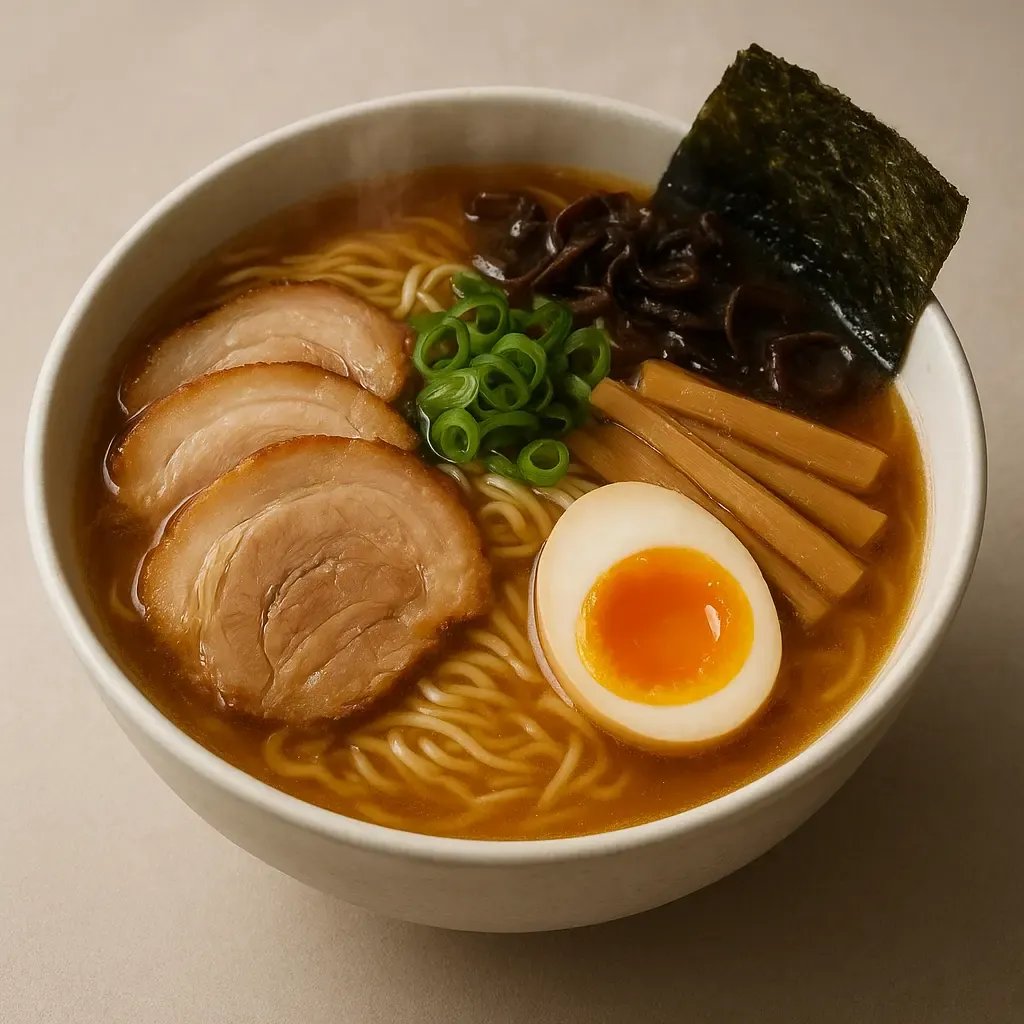
The ajitsuke tamago, or seasoned soft-boiled egg, represents precision timing in Japanese cooking. These eggs require exactly 6-7 minutes of boiling to achieve a fully set white with a jammy, flowing yolk. After boiling, they marinate overnight in a soy-based sauce that penetrates the white while leaving the yolk creamy and slightly sweet.
What this topping adds to your bowl is multifaceted. The protein content makes ramen more satiating without adding heavy fats. The yolk, when broken, creates an emulsion with the broth that gives it a silky, almost sauce-like quality. This is particularly effective in lighter shoyu or shio broths where you want body without cloudiness.
The data consistently shows that ramen orders with eggs have higher customer satisfaction ratings. A 2023 survey of Japanese ramen shops found that 73% of customers consider egg availability when choosing where to dine. The egg isn’t just a topping, it’s a quality signal that indicates a shop understands traditional ramen ingredients and preparation methods.
Marination Makes the Difference
Standard soft-boiled eggs pale in comparison to properly marinated ajitsuke tamago. The overnight soak in tare (the concentrated flavoring base) seasons the egg throughout, so every bite carries umami depth rather than just tasting like plain egg. The marinade also firms the white slightly, creating better textural contrast with the liquid yolk.
Menma: Bamboo Shoots for Textural Contrast
Menma, or fermented bamboo shoots, often gets overlooked by Western diners unfamiliar with its unique properties. These yellowish-brown strips undergo lacto-fermentation before being seasoned with sesame oil, creating a topping with slight tang, earthy sweetness, and firm bite that stays intact even after sitting in hot broth.
The fermentation process is what separates menma from raw bamboo. It develops complex flavors including mild acidity that cuts through pork fat, making it essential for tonkotsu and other rich broths. Without menma or similar acidic elements, fatty ramen can become cloying by the halfway point. The bamboo shoots reset your palate with each bite.
Texture-wise, menma provides the firmest element in most ramen bowls. While noodles soften gradually and proteins are already tender, bamboo shoots maintain their structure. This creates necessary contrast that keeps your jaw engaged and prevents the mushiness that develops when every component has similar softness.
Nori Seaweed: Umami Amplification
Nori sheets draped across a ramen bowl aren’t garnish, they’re umami boosters that fundamentally alter broth chemistry. Seaweed contains natural glutamates, the compounds responsible for savory depth, which dissolve into hot liquid and amplify existing flavors rather than adding new ones.
In practice, nori works best when diners tear pieces and swirl them into broth rather than eating them whole. As the sheets soften and break apart, they release minerals and amino acids that make your entire bowl taste more intensely savory. This is why even vegetarian ramen uses kombu (kelp) or nori to achieve depth typically associated with long-simmered meat stocks.
According to food scientists at Tokyo University of Agriculture, nori contains approximately 1,350mg of glutamic acid per 100g, making it one of the most concentrated natural sources of umami outside of aged cheeses and cured meats.
The visual element matters too. A sheet of dark green nori against pale broth signals authenticity to customers familiar with Japanese cuisine. It’s a marker that the restaurant understands traditional presentation and likely handles other elements with similar care.
Negi: Scallions for Fresh Sharpness
Fresh-cut negi (Japanese green onions) serve a specific purpose: they provide sharp, almost pungent contrast to rich, cooked flavors. Unlike Western green onions, negi are typically sliced into thin rounds or julienned lengthwise, creating delicate pieces that wilt slightly in hot broth while retaining bite.
The sulfur compounds in raw scallions cut through fat and reset your palate between spoonfuls. This is why virtually every authentic ramen bowl includes generous negi, often piled high in the center. Some regional styles like Tokyo shoyu use white negi sections for sharper bite, while others prefer the milder green tops.
A common mistake is using old, wilted scallions or cutting them hours before service. Negi oxidizes quickly once cut, losing its fresh bite and developing slimy texture. At Zen Ramen and Sushi, we slice scallions to order during peak service, ensuring each bowl gets that sharp, vegetal freshness that makes you want another spoonful.
Comparison: Topping Profiles
| Topping Category | Primary Function | Best Broth Pairing |
|---|---|---|
| Chashu Pork | Adds richness through fat content and collagen, creates silky mouthfeel when melted into broth | Shoyu, miso, tonkotsu (all styles benefit from fatty protein) |
| Ajitsuke Tamago | Provides protein satiation and creamy emulsification when yolk is broken into soup | Shio, shoyu (lighter broths where egg can add body) |
| Menma Bamboo | Cuts through fat with fermented tang, maintains firm texture throughout meal | Tonkotsu, paitan (rich, fatty broths needing acid balance) |
| Nori Seaweed | Amplifies umami through natural glutamates, adds mineral complexity | All styles (universal enhancer of savory depth) |
Corn: Sweetness and Texture
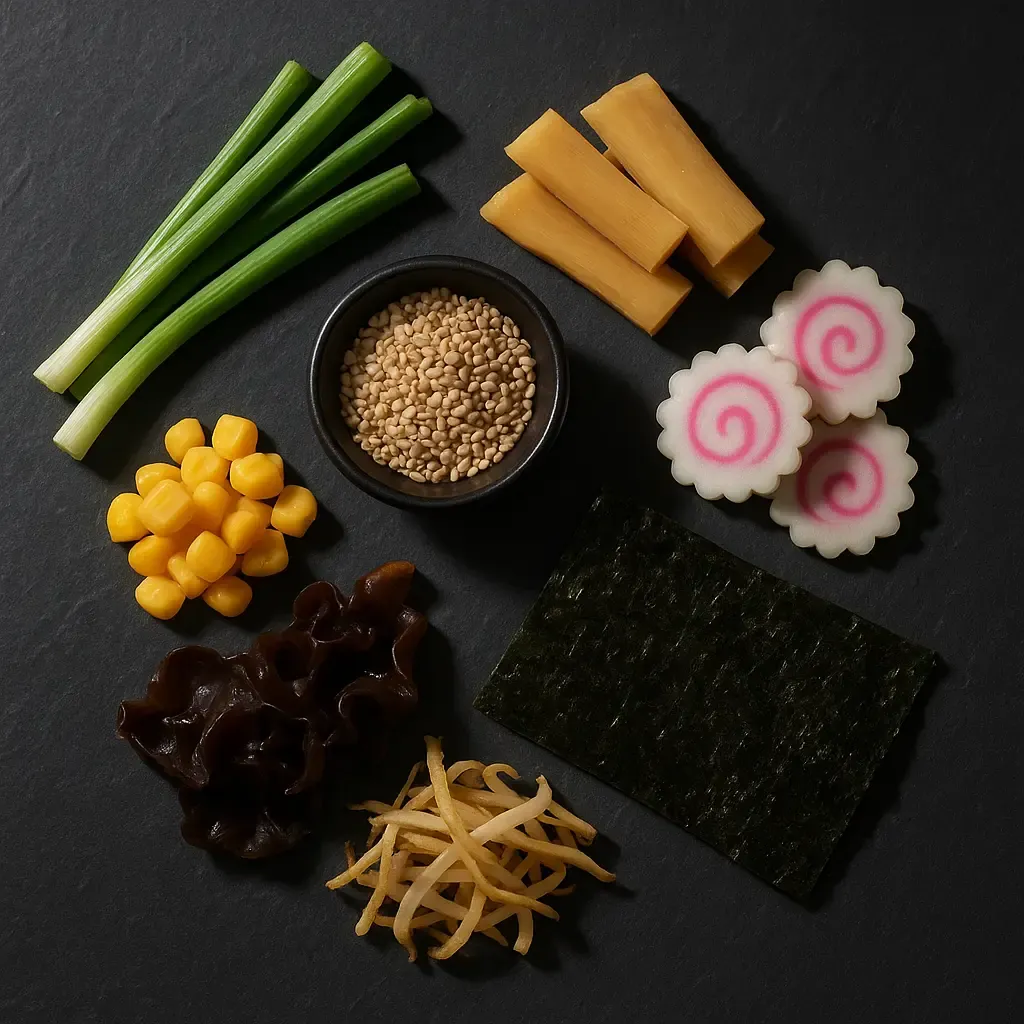
Sweet corn kernels appear frequently in Hokkaido-style ramen and miso variations, adding pops of sweetness that balance salty, savory broths. The natural sugars in corn provide contrast without requiring additional seasoning, while the kernels themselves add textural variety with their slight resistance when bitten.
Corn also serves a practical function for diners who find traditional ramen too intense. The sweetness mellows aggressive salt levels and makes bowls more approachable for guests new to authentic Japanese cuisine. This is why corn has become standard at American ramen shops catering to broader audiences, even though it’s less common in Tokyo’s traditional shops.
The best corn for ramen is neither canned (too soft, too much liquid) nor raw (too hard, too starchy). Briefly blanched fresh or frozen corn maintains structure while developing sweetness. At peak season, fresh corn cut from the cob adds a level of sweetness that makes miso ramen particularly craveable.
Kikurage: Wood Ear Mushrooms
Kikurage, or wood ear mushrooms, bring almost no flavor but tremendous textural interest. These dark, rubbery fungi have a distinctive crunch that persists even after soaking in hot broth for extended periods. They’re essentially texture vessels that carry broth flavor while providing a unique mouthfeel unlike any other ingredient.
In practice, kikurage work particularly well in vegetable-forward ramen where you need textural complexity without adding meat. The mushrooms absorb surrounding flavors while contributing their signature snap, creating satisfying variation in otherwise soft bowls. They’re also visually striking, their dark, irregular shapes adding organic visual interest.
Pro tip: Rehydrate dried wood ear mushrooms in warm water for at least 20 minutes before adding to ramen. Under-soaked kikurage stay too tough and don’t absorb broth properly, while over-soaked ones lose their characteristic crunch.
Narutomaki: Visual Appeal, Subtle Flavor
Narutomaki, the white fish cake with pink or red spiral, serves primarily as visual appeal but contributes mild seafood sweetness. Made from pureed whitefish (surimi), these cylindrical cakes have a bouncy, springy texture and neutral flavor that doesn’t compete with broth.
The pink spiral isn’t just decorative. It signals care in presentation and connects to traditional Japanese aesthetics where visual harmony matters as much as taste. When recommending our ramen to friends or posting photos for referral, the presence of narutomaki instantly communicates authenticity and attention to detail.
Functionally, narutomaki adds protein without fat, making it useful in lighter broths where you want substance without richness. Its firm texture also provides another chew pattern, preventing the soft-on-soft monotony that happens when noodles, egg, and broth all have similar consistency.
Bean Sprouts: Crunch and Freshness
Raw bean sprouts piled atop ramen add immediate crunch and vegetal freshness that contrasts cooked elements. Unlike most toppings that soften in hot broth, sprouts maintain their crisp texture for several minutes, giving early bites a satisfying snap before they gradually wilt.
The mild, slightly grassy flavor of bean sprouts refreshes your palate without overwhelming other components. This makes them particularly valuable in heavy tonkotsu or rich miso ramen where every element pushes toward intensity. The sprouts provide a rest point, a brief moment of lightness before diving back into rich broth.
Bean sprouts also add volume without calories, making bowls look more abundant while keeping them relatively light. For guests concerned about portion size, generous sprouts create visual fullness and provide something to munch on between noodle bites without adding significant richness or sodium.
Sesame Seeds: Aromatic Finishing
Toasted sesame seeds scattered across the top of ramen provide aromatic finishing that enhances perception of richness. The seeds themselves contain oils that bloom when they contact hot broth, releasing nutty fragrance that makes each spoonful smell more complex than it would otherwise.
The textural contribution is subtle but real. Sesame seeds add tiny pops of crunch and occasional bursts of oil that coat your tongue. In lighter broths, this small amount of fat makes a noticeable difference in mouthfeel, creating perceived richness without heavy cream or excess pork fat.
White sesame seeds (shiro goma) provide milder, sweeter notes, while black sesame (kuro goma) offer earthier, more mineral flavors. High-end ramen shops often use both, creating visual contrast while layering different aromatic profiles. This attention to detail separates memorable bowls from merely good ones, something we prioritize when serving guests at Zen Ramen and Sushi.
Frequently Asked Questions
What are the most traditional ramen toppings found in Japan?
The most traditional ramen toppings include chashu pork, ajitsuke tamago (marinated soft-boiled egg), menma (bamboo shoots), nori (seaweed), and negi (scallions). These five appear across virtually all regional ramen styles in Japan and form the foundation of authentic bowls. Additional toppings vary by region, with Hokkaido adding corn and butter, while Kyushu tonkotsu often includes kikurage mushrooms and pickled ginger.
How does chashu pork differ from regular braised pork belly?
Chashu pork undergoes specific preparation that distinguishes it from Western braised pork belly. The pork is rolled and tied before braising in a soy-mirin-sake mixture for 4-8 hours, creating uniform slices with visible spiral patterns. The marinade penetrates deeper than standard braises, and the extended cooking time breaks down more collagen, resulting in meat that nearly melts rather than requiring chewing. The sweet-savory balance in chashu also differs from Western preparations that typically emphasize salt and herbs.
Why do ramen eggs have that distinctive orange yolk color?
The orange-brown color in ajitsuke tamago yolks comes from the soy-based marinade penetrating the egg white and partially affecting the outer layer of yolk. The marinade doesn’t fully penetrate to the yolk center, which is why properly made ramen eggs show a gradient from dark-edged whites to golden-orange yolk exteriors and brighter yellow centers. The color indicates proper marination time, typically 8-24 hours in tare sauce.
Can I customize ramen toppings at most restaurants?
Most authentic ramen restaurants offer topping customization through extra additions rather than substitutions. You can typically add extra chashu, an additional egg, more negi, or specialty items like marinated bamboo or spicy paste. However, traditional shops design their bowls with specific topping combinations that balance the broth, so wholesale changes may result in less harmonious flavor profiles. At Zen Ramen and Sushi, we welcome additions but recommend trying our standard combinations first to experience the intended balance.
What toppings work best for vegetarian ramen options?
Vegetarian ramen benefits from toppings that add umami and textural variety without meat. Marinated mushrooms (shiitake or kikurage), seasoned tofu, corn, bean sprouts, nori, and extra negi create satisfying bowls with diverse textures. Sesame seeds and rayu (chili oil) add richness that compensates for the absence of fatty chashu. Some shops offer vegetarian “egg” alternatives made from tofu, though traditional ajitsuke tamago obviously contains animal products.
How many toppings should a well-balanced ramen bowl include?
A well-balanced ramen bowl typically includes 4-6 different toppings that provide protein, vegetables, texture contrast, and aromatic elements. The minimum for authentic ramen is usually chashu, egg, negi, and nori, which covers fat, protein, freshness, and umami amplification. Adding 1-2 additional items like menma or corn creates more complexity without overcrowding the bowl or creating flavor confusion. More than 8 toppings generally indicates fusion or novelty approaches rather than traditional Japanese preparation.
Do ramen toppings need to be added in a specific order?
Traditional ramen assembly follows a specific sequence that affects presentation and eating experience. Noodles go in first, followed by broth, then heavier toppings like chashu and egg are arranged carefully on top. Lighter items like negi, nori, and sesame seeds finish the bowl. This order ensures structural stability (heavy items don’t sink), proper temperature distribution (cold toppings warm gradually), and visual appeal (delicate garnishes stay visible on the surface).
We’d love to hear about your favorite ramen topping combinations or any traditional ingredients you’ve discovered that transformed your bowl. Share your experiences with us next time you visit or recommend us to fellow Japanese cuisine enthusiasts.
We would love your feedback and any insights you would share with others. What perspective would you add?