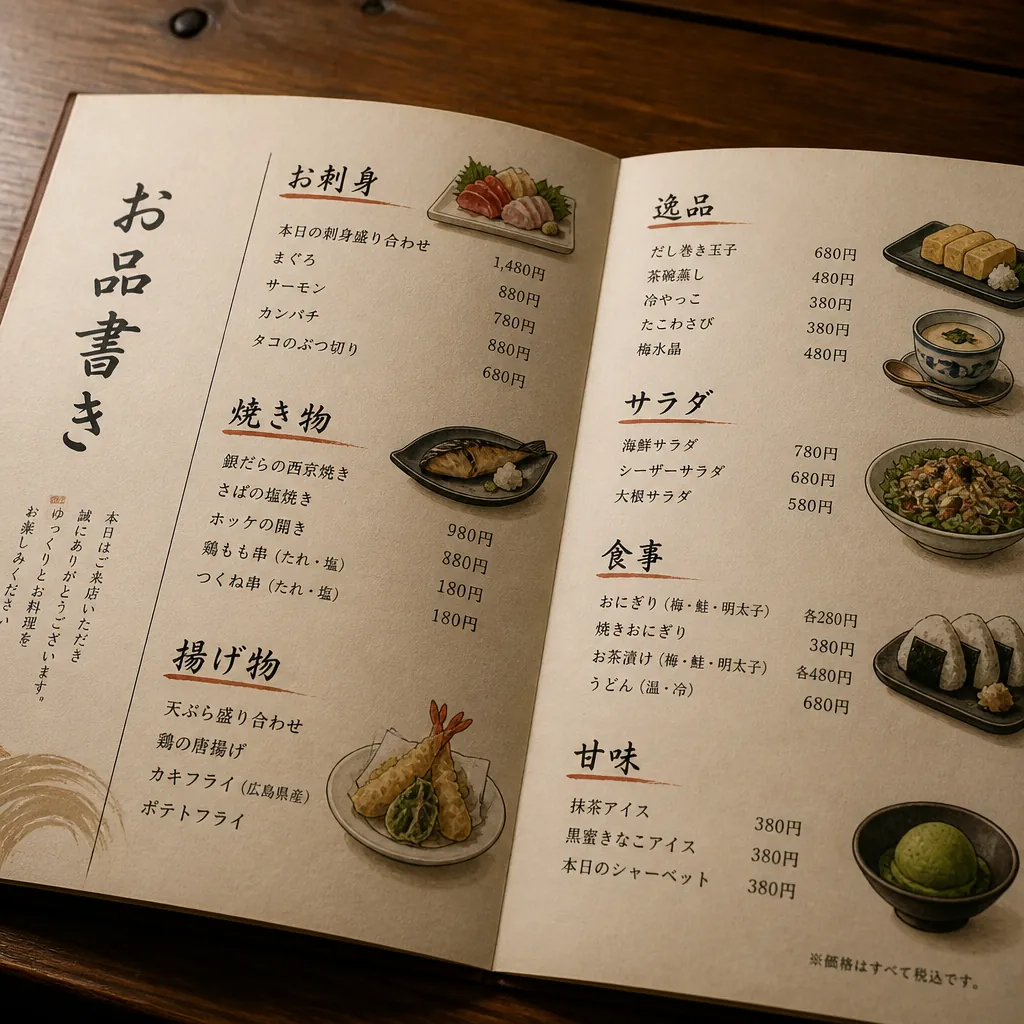
Most people stare at a Japanese restaurant menu the same way: eyes scanning left to right, brain catching nothing but syllables. You recognize “tonkotsu” from somewhere, “nigiri” sounds familiar, and suddenly you are pointing at whatever the table next to you ordered. That is not dining, that is guessing. Learning to read a Japanese restaurant menu properly changes your entire experience, from a lottery to a deliberate, satisfying meal. Whether a friend brought you to Zen Ramen and Sushi for the first time or you are a regular who never quite cracked the vocabulary, this guide gives you the real framework for ordering like someone who knows exactly what they want.
Table of Contents
- Quick Takeaways
- How Japanese Menus Are Organized
- Decoding the Ramen Menu
- Navigating the Sushi Menu
- Menu Terms Every Diner Should Know
- Comparison: Ordering Styles at a Japanese Restaurant
- Japanese Dining Etiquette That Changes How You Order
- Frequently Asked Questions
- References
Quick Takeaways
| Key Insight | Explanation |
|---|---|
| Ramen broth defines the bowl | Tonkotsu, shoyu, miso, and shio are the four main broth types. Each signals a completely different flavor profile before you see a single topping. |
| Nigiri and maki are not the same thing | Nigiri is hand-pressed rice with fish on top. Maki is rolled sushi sliced into pieces. Confusing them leads to ordering the wrong format entirely. |
| “Osusume” means the chef recommends it | Look for this word or symbol on a menu. It usually marks seasonal or freshest items, making it the safest pick when you are unsure. |
| Sashimi has no rice | Sashimi is thinly sliced raw fish served alone. If you want rice included, you want nigiri, not sashimi. |
| Omakase means you trust the chef completely | It translates literally to “I leave it up to you.” The chef selects every dish. It is not a menu item you customize. |
| Noodle firmness can be requested | At many ramen restaurants, you can specify noodle firmness (kata for firm, yawarakai for soft). Ask early, before the bowl is made. |
| Dipping soy sauce on sushi goes fish-side down | Dipping rice-side into soy sauce over-soaks the rice and can break the piece apart. Flip it and dip only the fish into the sauce. |
How Japanese Menus Are Organized
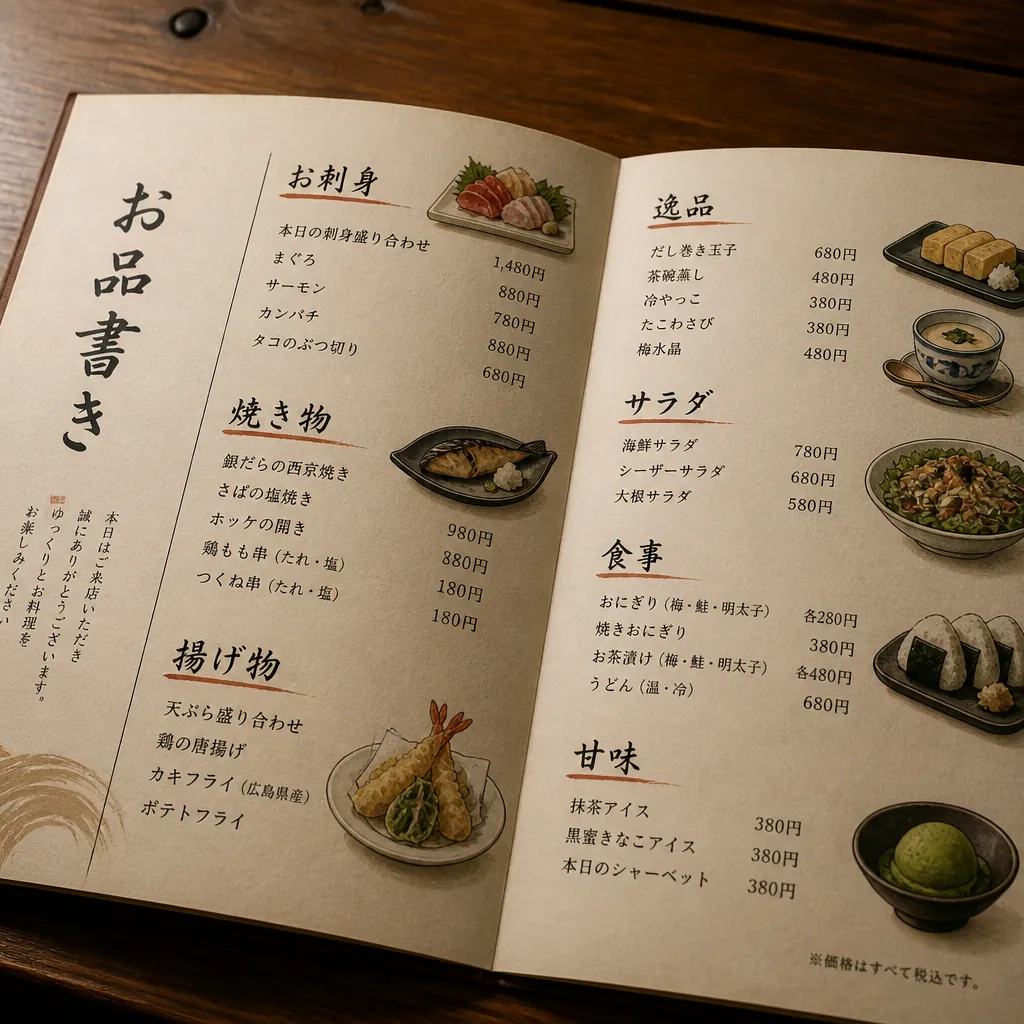
A well-structured Japanese menu follows a logic that makes complete sense once you know the pattern. Most menus move from lighter to heavier, from small bites to closing dishes. Understanding this flow helps you pace your order rather than front-loading every rich dish at once.
At the top or in a clearly marked section, you will typically find otsumami, small dishes intended to accompany drinks, similar to tapas. Think edamame, cold tofu, or pickled vegetables. These are not appetizers in the Western sense. They are designed for the table to share while drinking before heavier food arrives.
The middle of a Japanese menu holds the main dishes, grouped by cooking method or dish type: grilled items, noodle soups, rice bowls, sushi, and so on. Near the bottom or end of the menu, look for shime, a closing dish. The shime is typically something savory and carb-forward, like a small ramen or rice dish, meant to round out the meal. At Zen Ramen and Sushi, the structure is familiar: you are there primarily for the noodle soups and sushi, so those sections will carry the most weight on the menu.
Pro tip: When you see “osusume” on a menu item, prioritize it. That label flags the kitchen’s current recommendation, often tied to what is freshest or most seasonal that day. It is the closest thing to the chef telling you directly what to order.
Decoding the Ramen Menu
The single biggest mistake people make with a ramen menu is treating every bowl as essentially the same thing with different names. It is not. The broth is the entire identity of a ramen bowl, and there are four main broth categories you need to know before you order.
The Four Core Ramen Broth Types
Tonkotsu is a rich, creamy pork-bone broth. It is thick, deeply savory, and strongly associated with Kyushu, particularly Fukuoka. If you want something hearty that coats the noodles, this is your pick. Shoyu ramen uses a soy-sauce-seasoned broth, typically built on chicken or vegetable stock. It is lighter than tonkotsu, with a clear or slightly brown appearance and a salty, tangy flavor. Many regard it as one of the most classic ramen styles, particularly connected to Tokyo.
Miso ramen features a broth seasoned with fermented soybean paste, producing a bold, umami-forward bowl. It often comes with thick, curly noodles and is the heartiest of the four styles. Shio ramen is the lightest of the group, built on a clear, salt-seasoned broth that lets the quality of the stock speak for itself. It is the most delicate option on a ramen menu and often the most underappreciated.
Toppings and Add-Ons
Beyond broth, ramen menus list toppings you should be able to recognize on sight. Chashu is braised or roasted pork belly, almost always present. Ajitsuke tamago is a soft-boiled egg marinated in soy and mirin. Nori is dried seaweed. Menma refers to bamboo shoots. Negi means green onions or scallions.
Some ramen restaurants offer a customization called kaedama, where you can order an extra serving of noodles to add to your remaining broth after finishing the first portion. If you see it on the menu, use it. It is one of the more satisfying ways to extend a great bowl.
The broth is where a ramen chef puts the most work. The toppings finish the bowl, but the broth defines it. Order based on the broth first, toppings second.
Navigating the Sushi Menu
A sushi menu is not just a list of fish. It is organized by format, and the format matters as much as the filling. Getting these terms straight means you will always order the right style for what you actually want to eat.
The Core Sushi Formats
Nigiri is hand-pressed sushi: a small, compacted mound of vinegared rice with a single slice of fish or seafood placed on top. It is the format most closely associated with traditional sushi craft. Maki is rolled sushi. A sheet of nori is layered with rice and fillings, tightly rolled into a tube, and sliced into bite-sized pieces. When you look at a slice from the side, you see the filling at the center, surrounded by rice, with nori on the outside.
Uramaki is an inside-out roll, where the rice sits on the outside and the nori wraps the interior filling. Most American-style rolls fall into this category. Temaki is a hand roll, shaped into a cone of nori with rice and fillings inside. It is meant to be eaten immediately, before the cone softens.
Sashimi is a separate category entirely. It is thinly sliced raw fish, served without any rice. When someone orders sashimi expecting a rice component, they will be surprised. If rice is part of what you want, you want nigiri, not sashimi.
Pro tip: When dipping sushi into soy sauce, always turn the piece fish-side down and dip only the fish, not the rice. Dipping the rice side soaks up far too much sauce, overpowers the fish flavor, and causes the rice to break apart in the dish.
Understanding Omakase on a Sushi Menu
Omakase appears on some sushi menus as a course option. It translates literally to “I leave it up to you,” meaning the chef selects and sequences every piece based on what is freshest that day. A traditional omakase progression moves from lighter, milder fish toward richer, fattier cuts, often ending with tamago, a sweet egg omelette.
Omakase is not a customizable experience. You do not pick and choose within it. If you have strong food preferences or aversions, it is better to order individually from the menu. If you are open to whatever is being served at its best, omakase is one of the most rewarding ways to eat at a serious sushi spot.
Menu Terms Every Diner Should Know
Beyond dish names, certain words appear consistently across Japanese menus and give you real information about preparation style, portion size, and service format. Knowing them stops you from ordering the wrong thing or being caught off guard.
Teishoku means a set meal. If you see this on a menu, expect a combination of a main dish, rice, miso soup, and pickles served together, often at a value price. It is a reliable choice when you want a complete, balanced meal without assembling individual items. Donburi refers to a rice bowl with toppings. You will see this in the rice section of a menu, with variations like gyudon (beef) or katsudon (breaded pork cutlet).
Yakitori means grilled chicken skewers. Edamame are steamed soybeans in the pod, salted. Gyoza are pan-fried or steamed dumplings, almost always available as a side dish at ramen restaurants. At Zen Ramen and Sushi, gyoza alongside a bowl of tonkotsu ramen is one of those pairings that requires no deliberation.
Comparison: Ordering Styles at a Japanese Restaurant
| Ordering Style | What It Means | Best For |
|---|---|---|
| A La Carte | You select individual dishes from the menu at your own pace, building the meal piece by piece. | Diners who know exactly what they want or are exploring specific items like ramen or hand rolls. |
| Teishoku (Set Meal) | A pre-arranged combination of dishes served together, usually including a main, rice, miso soup, and pickles. | First-timers or anyone who wants a complete, balanced meal without decision fatigue. |
| Omakase (Chef’s Choice) | The chef selects and sequences every course based on freshness and skill. No substitutions during the experience. | Adventurous diners who trust the kitchen completely and have no major dietary restrictions. |
Japanese Dining Etiquette That Changes How You Order
How you interact with a Japanese menu is only part of the picture. The customs surrounding how you order, eat, and signal the staff matter equally, and getting them right makes the whole meal more comfortable for everyone at the table.
Signaling Your Server
In Japan, it is customary to call the server by saying “sumimasen,” which means “excuse me.” You do not wait passively or wave aggressively. At upscale Japanese restaurants, closing the menu signals to the server that you are ready to order. In more casual settings, making polite eye contact works perfectly well.
Before and After Eating
Before eating, it is traditional to say “itadakimasu,” a phrase that expresses gratitude for the meal and everyone who contributed to preparing it. It is not a religious formality; it is a cultural acknowledgment that most Japanese diners observe naturally. After the meal, “gochisosama deshita” is the equivalent closing expression, thanking the kitchen for the food.
For drinks, the custom is to wait until everyone at the table has a drink before anyone begins. It is polite to pour for others at the table before pouring for yourself. The toast is “kanpai,” said together before the first sip.
Chopstick Basics That Affect Your Order
Lifting a bowl to drink soup directly from it is perfectly acceptable in Japanese dining, actually expected with ramen. Do not leave chopsticks standing upright in a bowl of rice. That gesture has funerary associations and is considered inappropriate at the table. Rest chopsticks on the chopstick rest provided or across the bowl when not in use.
In practice, knowing these customs means you will feel comfortable asking for clarification about a dish, signaling your server at the right moment, and pacing your order through the meal, all of which directly improve what ends up in front of you.
Frequently Asked Questions
What is the difference between miso ramen and tonkotsu ramen?
Miso ramen is seasoned with fermented soybean paste, giving the broth a bold, earthy, umami-rich flavor. Tonkotsu ramen uses a pork-bone broth that is cooked for many hours until it turns thick, creamy, and rich. Miso is heavier in flavor; tonkotsu is heavier in body. Both are filling, but they are entirely different taste experiences.
Is sashimi always raw fish?
Sashimi is thinly sliced raw seafood or fish served without rice. Some preparations use lightly seared or marinated ingredients, but the defining characteristic is that it is sliced protein served without a rice base. If you are looking for cooked fish options on a sushi menu, look for terms like “aburi” (flame-seared) or ask your server directly about cooked preparations.
What should a first-time Japanese restaurant diner order?
Start with a teishoku set meal if available, because it removes decision pressure and gives you a balanced introduction to multiple elements of the cuisine. If the menu is ramen-focused, order a shoyu or miso ramen first since both are approachable and widely liked. On the sushi side, a simple nigiri or a maki roll with familiar fish like salmon or tuna is a confident starting point.
What does “spicy” actually mean on a Japanese menu?
Japanese restaurants vary widely in how they define spicy. A ramen labeled “spicy miso” at one restaurant may be mild by the standards of another. If you have a specific heat tolerance, ask your server to describe the spice level before ordering. Most kitchens at ramen-focused restaurants can adjust heat on request, so it is worth asking rather than assuming.
Is it rude to ask for modifications at a Japanese restaurant?
At casual ramen and sushi restaurants, reasonable requests like noodle firmness, extra toppings, or soy sauce on the side are generally welcomed. At omakase-style or highly traditional establishments, modifications are outside the spirit of the experience. The general rule is: the more casual the setting, the more flexibility you have. When in doubt, ask politely. “Karakunai de kudasai” means “without spice, please,” and most servers will appreciate the effort.
What is the correct way to eat nigiri sushi?
Nigiri is designed to be eaten in one bite. It is acceptable to eat it with your hands or chopsticks, with your fingers actually being the traditional method at a sushi counter. When dipping, turn the piece over and dip only the fish side into the soy sauce. Dipping the rice causes it to absorb too much salt and may cause the piece to fall apart.
Have you tried navigating a Japanese menu for the first time at Zen Ramen and Sushi? Share what threw you off or what you discovered, your experience might help another diner at the table next time.
References
- Complete guide to reading a Japanese restaurant menu, including section labels and ordering phrases
- Japanese table manners and dining etiquette for restaurant visitors
- Sushi menu vocabulary guide with Japanese terms and their English meanings
- Overview of the four main ramen broth types and what to expect from each
- Breakdown of sushi types including nigiri, maki, uramaki, and more