Most people assume that a truly satisfying bowl of ramen requires hours of simmering pork bones or chicken carcasses. That assumption is wrong, and it stops a lot of people from ever exploring what vegetarian ramen can actually deliver. When you understand how umami works in a plant-based kitchen, you stop missing the meat entirely. This guide breaks down exactly how to build a vegetarian ramen bowl that is as deep, complex, and craveable as anything on a traditional menu, whether you are dining out or thinking about what to look for when you sit down at a Japanese restaurant.
Table of Contents
- Quick Takeaways
- Why Vegetarian Ramen Actually Works
- The Broth Is Everything: Building Depth Without Meat
- Miso Vegetable Ramen: The Most Reliable Starting Point
- Toppings That Matter: Texture, Protein, and Contrast
- Comparing the Main Plant-Based Ramen Styles
- Common Mistakes That Make Vegetarian Ramen Taste Flat
- What to Look for When Ordering Japanese Vegetarian Food at a Restaurant
- Frequently Asked Questions
- References
Quick Takeaways
| Key Insight | Explanation |
|---|---|
| Kombu and dried shiitake are the foundation of a great vegetarian dashi | These two ingredients create the glutamate-rich base that gives plant-based broth its savory depth, replicating what pork bones do in tonkotsu. |
| Miso paste is not optional, it is the flavor engine | Awase miso (a blend of red and white) is the most versatile choice and adds fermented complexity that no single seasoning can replicate. |
| Soy milk adds creaminess without heaviness | A splash of unsweetened soy milk stirred into the broth before serving rounds out bitterness and gives the soup a smooth, fuller texture. |
| Doubanjiang is the secret weapon for bold vegetarian broth | This fermented broad bean and chili paste injects savory heat and character that makes plant-based broth taste complex rather than thin. |
| Protein selection completely changes the bowl’s identity | Firm tofu, tempeh, and edamame each bring different textures. Pressing and pan-frying tofu before adding it to the bowl prevents it from going watery. |
| Not all ramen noodles are vegetarian by default | Some dried ramen noodles contain egg or are processed in facilities with animal products. Check packaging or ask at the restaurant before ordering. |
| Finishing oils change everything at the last second | A drizzle of toasted sesame oil or chili crisp just before serving adds aroma, richness, and perceived body to even a simple broth. |
Why Vegetarian Ramen Actually Works
The reason people doubt vegetarian ramen comes down to a misunderstanding of where flavor actually comes from in a great bowl. It does not come from fat alone, or from protein by-products, it comes from glutamates, the naturally occurring compounds responsible for the sensation we call umami. The good news is that the plant kingdom is loaded with them.
Dried shiitake mushrooms, kombu seaweed, tomatoes, miso, soy sauce, and fermented bean pastes all deliver concentrated glutamate without a single gram of meat involved. Plant-based ramen built on these ingredients does not taste like a compromise. It tastes like a completely different but equally valid approach to the same bowl.
The mental shift that matters most is this: stop trying to replicate the taste of pork broth with vegetables. That approach will always feel like something is missing. Instead, build toward a target flavor profile of savory, slightly sweet, earthy, and aromatic using the ingredients that are genuinely excellent at hitting those notes.
The Broth Is Everything: Building Depth Without Meat
Every serious bowl of ramen, meat-based or not, starts with a stock and ends with a tare (a concentrated seasoning sauce added just before serving). This two-step structure is what separates authentic ramen from instant noodle soup, and it applies directly to vegetarian versions.
The Vegetarian Dashi Base
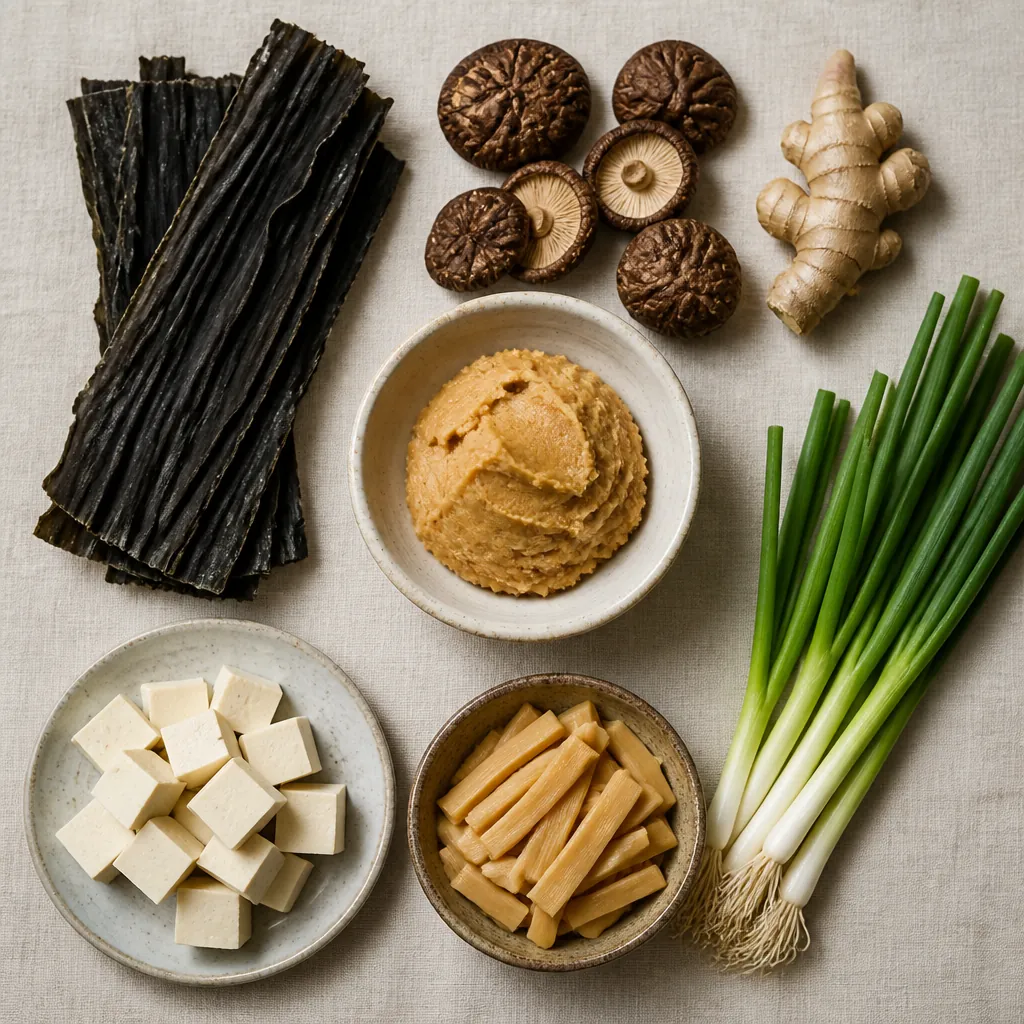
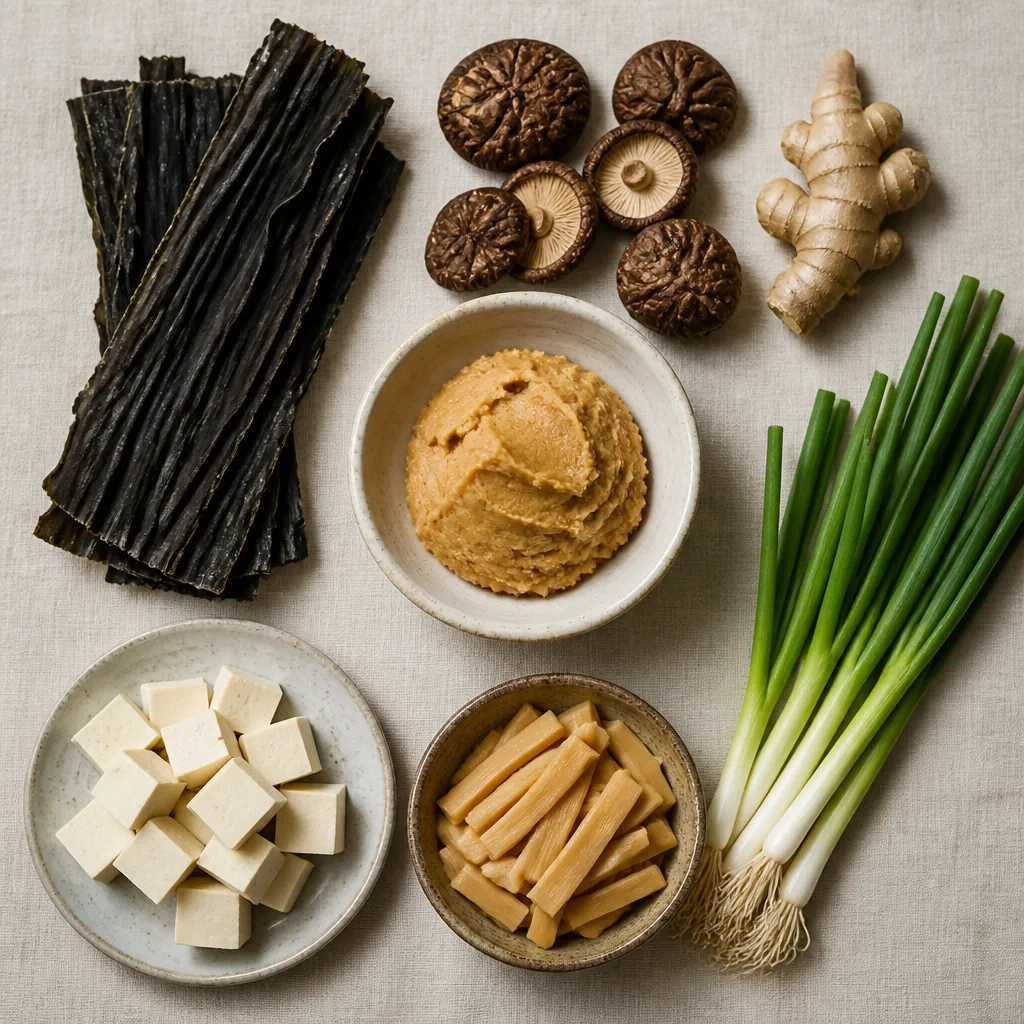
Kombu dashi is the correct foundation for a vegetarian ramen broth. To make it, you soak kombu (dried kelp) and dried shiitake mushrooms in cold water for at least 30 minutes, then gently heat the liquid to just below a boil. Longer soaking, even overnight, produces a noticeably stronger and more complex result. Once strained, this dashi carries a clean, oceanic depth that forms the base for everything else you add.
From there, aromatics do the heavy lifting. Onion, garlic, and fresh ginger simmered in the dashi add warmth and body. A splash of tamari or soy sauce brings salinity. Mirin and rice vinegar add balance so the broth does not taste one-dimensional.
Making the Broth Creamy
One of the smartest techniques in vegetarian ramen is adding unsweetened soy milk directly to the broth just before serving. This adds creaminess without requiring any animal fat and rounds out any bitterness from the aromatics. It also gives the soup a slightly richer visual appearance that makes the bowl feel more substantial.
The right plant-based ingredients can yield remarkable flavors. The trick is understanding which plants carry the same structural role as meat, not which ones taste like it.
A common mistake is adding too much water when cooking down aromatics, which dilutes the final broth. Treat the initial dashi like a concentrate. Keep it tight, then adjust the volume after all the seasoning layers are in place.
Pro tip: Add a tablespoon of doubanjiang (fermented broad bean and chili paste) to your vegetarian broth base. Even a small amount contributes a salty, savory depth that is extremely difficult to achieve with any other single ingredient. If you prefer no heat, look for non-spicy doubanjiang, which carries the same umami character without the burn.
Miso Vegetable Ramen: The Most Reliable Starting Point
Miso vegetable ramen is where most people should begin their vegetarian ramen journey, for good reason. Miso, which is fermented soybean paste, brings a concentrated, complex saltiness that naturally compensates for the absence of meat-based collagen. It is forgiving, widely available, and works beautifully with a long list of vegetable toppings.
Which Miso to Choose
Awase miso, a blend of red and white miso, is the most practical choice for ramen. White miso (shiro) is milder and slightly sweet, which works well if you want a delicate broth. Red miso (aka) is bolder and more intensely fermented, bringing a darker, earthier flavor. The blend gives you both without requiring you to balance two separate pastes. Koji miso is another excellent option with a naturally sweet complexity that rounds out a spicy broth very effectively.
One important note: not all commercially produced miso is vegetarian. Some brands use dashi made with bonito flakes during fermentation or as an additive. Check the label or ask specifically when ordering at a restaurant.
Vegetables That Belong in This Bowl
The best vegetables for miso ramen are the ones that hold their texture in hot broth rather than dissolving into it. Bok choy, napa cabbage, bean sprouts, corn, bamboo shoots, and carrots all work well. Shiitake mushrooms deserve a special mention because they add additional glutamates directly to the bowl, reinforcing the umami already in the broth. Roasting vegetables before adding them as toppings, rather than boiling them in the soup, adds caramelized flavor and prevents them from turning soft and waterlogged.
Pro tip: Do not stir miso paste directly into boiling broth. High heat destroys the beneficial enzymes and dulls the flavor. Remove the pot from heat, dissolve the miso in a small ladle of warm broth first, then stir it back into the soup.
Toppings That Matter: Texture, Protein, and Contrast
A bowl of ramen without good toppings is just noodle soup. The toppings are what give every bite variety and make the bowl feel complete. For vegetarian ramen, this layer of the bowl deserves just as much attention as the broth.
Protein Options Beyond Eggs
Firm tofu is the most common plant-based protein in ramen, and it earns that position. The key is preparation. Pressing the tofu removes excess moisture, and pan-frying or baking it before adding it to the bowl creates a firm, slightly chewy surface that holds up in hot liquid. Soft tofu dropped directly into the broth will fall apart and dilute the soup.
Tempeh is a stronger-flavored alternative that adds a nuttier, denser bite. Edamame scattered over the bowl adds color and a clean, mild sweetness. Soy curls, if you can find them, mimic a shredded meat texture more closely than any other plant-based protein and absorb broth flavor extremely well. For those who include eggs, a soft-boiled soy-marinated egg (ajitsuke tamago) remains one of the best ramen toppings in any category.
Finishing Toppings That Elevate the Bowl
Nori (dried seaweed sheets), sesame seeds, sliced scallions, and a sheet of toasted garlic chips all contribute aroma and visual contrast. Chili crisp or toasted sesame oil drizzled on at the very last moment before the bowl reaches the table adds a layer of richness and aroma that changes how you perceive the broth underneath. These finishing elements are not decoration. They are active flavor components.
Comparing the Main Plant-Based Ramen Styles
| Ramen Style | Flavor Profile | Best For |
|---|---|---|
| Miso Vegetable Ramen | Savory, earthy, slightly sweet. Rich without being heavy. Fermented complexity from miso. | First-time vegetarian ramen eaters. Works well with almost any vegetable topping combination. |
| Mushroom Shoyu Ramen | Clear, deeply savory, and clean-tasting. Soy sauce provides salt and color. Shiitake and kombu provide umami. | People who prefer a lighter, more delicate broth that still has genuine depth and complexity. |
| Spicy Soy Milk Ramen (Shiro Ramen) | Creamy, spicy, and bold. Doubanjiang brings heat. Soy milk creates a tonkotsu-like texture. | Anyone who misses the thick, rich texture of tonkotsu pork broth but wants a fully plant-based option. |
Common Mistakes That Make Vegetarian Ramen Taste Flat
The single most common failure in vegetarian ramen is building the broth with only vegetables and salt, skipping the fermented elements entirely. Fermentation is where the depth comes from. Miso, soy sauce, doubanjiang, and even a splash of rice vinegar all bring fermented complexity that raw vegetables simply cannot produce on their own.
Skipping the Tare
Traditional ramen always uses a tare, a small amount of highly concentrated seasoning stirred into each individual bowl rather than seasoning the entire pot. This allows every diner to receive the right salt level for their portion. Many home cooks and even some restaurants skip this step with vegetarian ramen and just season the whole broth, which makes it harder to adjust and often leads to either under-seasoned or over-salted results.
Using the Wrong Noodles
Ramen noodles are not all the same and not all of them are vegetarian. The classic wheat noodle used in ramen is typically made with baked soda or kansui (alkaline water), which gives them their characteristic springy bite and yellow color. Some brands include egg as an ingredient, making them unsuitable for vegans. When dining out, asking specifically whether the noodles contain egg is a reasonable and necessary question.
Not Accounting for Finishing Oils
A bowl of vegetarian ramen that arrives without any fat element on the surface will taste noticeably leaner than its meat-based counterpart. Traditionally, ramen gets a layer of rendered animal fat added right before serving. For vegetarian versions, toasted sesame oil or a house-made aromatic chili oil fills that role. Skipping this step is the most overlooked reason that plant-based ramen at some restaurants feels one-dimensional.
What to Look for When Ordering Japanese Vegetarian Food at a Restaurant
Ordering Japanese vegetarian food at a restaurant requires a different level of attention than ordering at, say, a salad bar. Japanese cooking layers flavors in ways that are not always visible on the menu, and several common ingredients such as fish sauce, bonito dashi, and some miso blends, are animal-derived even when the dish is described as vegetable-based.
Questions Worth Asking Before You Order
Ask whether the broth base contains bonito flakes or fish-based dashi. Ask whether the miso paste used in the soup contains any animal additives. Ask whether the noodles contain egg. These are not unreasonable questions. Any ramen restaurant that takes its craft seriously will have these answers immediately available, because a well-run kitchen knows its ingredients at that level of detail.
Reading the Menu for Real Signals
A menu that lists specific miso types (white, red, awase, koji), specific mushroom varieties (shiitake, king oyster, maitake), and specific finishing components (sesame oil, nori, scallion, chili crisp) is signaling a kitchen that is working with intention. Generic descriptions like “vegetable broth” or “mixed vegetables” on a ramen menu are a yellow flag that the vegetarian option may be an afterthought rather than a crafted dish. At Zen Ramen and Sushi, the same standard of ingredient attention that goes into every tonkotsu bowl applies to vegetarian preparations. That specificity is what separates a genuinely satisfying plant-based bowl from one that just happens to lack meat.
Pro tip: When visiting a ramen restaurant with a friend who eats meat and a friend who does not, both can have an excellent meal if the kitchen is working at a high level. The broth styles differ, but the satisfaction level does not have to. Ask for a recommendation specific to the vegetarian option rather than just ordering the “default” non-meat bowl.
Frequently Asked Questions
Is vegetarian ramen actually filling?
Yes, when it is built correctly. A bowl with a miso or mushroom-based broth, a full serving of wheat noodles, a protein component like tofu or edamame, and a range of vegetable toppings is a substantial and satisfying meal. The key is that all the components need to be present. A thin broth with noodles and a few greens will not hold you. A properly constructed bowl absolutely will.
What is the difference between vegetarian ramen and vegan ramen?
Vegetarian ramen may include eggs and dairy derivatives, most commonly a soft-boiled marinated egg as a topping and sometimes butter stirred into the broth for richness. Vegan ramen eliminates both of these. A well-made vegan version uses soy milk in place of dairy and relies on tofu or plant-based proteins in place of eggs. The flavor difference between the two is minimal when the broth is built with sufficient depth from fermented ingredients and aromatics.
Does vegetarian ramen have enough protein?
It depends on what toppings you choose. A bowl with firm tofu, edamame, and a soft-boiled egg delivers a meaningful amount of protein. If you are eating strictly vegan, firm tofu plus edamame plus a side of tempeh covers the protein gap well. The noodles themselves also contribute some protein. Where vegetarian ramen falls short on protein is when it is ordered without any protein topping at all, which is true of meat-based ramen as well.
Can I ask a ramen restaurant to make a meat-based broth vegetarian?
In most cases, no. A tonkotsu or chicken paitan broth is built over many hours of simmering animal bones, and the flavor is completely embedded in the liquid. There is no way to remove it after the fact. If a restaurant has a dedicated vegetarian broth on the menu, that broth was prepared separately from the beginning. Asking for a meat-based broth to be made vegetarian by omitting the pork chashu from the toppings does not change the broth itself.
What makes miso vegetable ramen different from regular miso soup?
Miso soup is a simple preparation of dashi and dissolved miso paste with minimal additions, usually tofu cubes and wakame. Miso vegetable ramen is an entirely different dish. The broth is far more complex, built with multiple aromatics and seasoning layers. It contains a full serving of wheat noodles, substantial vegetable toppings, and a protein component. The miso in ramen is used as part of a tare seasoning system, not as the sole flavor. The result is richer, heavier, and more filling than miso soup by a large margin.
How do I know if a restaurant’s ramen noodles are suitable for vegetarians?
Ask directly. Traditional ramen noodles are made from wheat flour and kansui (alkaline solution), which are both plant-based. However, some commercial brands add egg to their noodle formulation, which makes them unsuitable for vegans and some vegetarians. A kitchen that prioritizes its vegetarian offering will use a confirmed egg-free noodle and will know this immediately when asked. If the staff cannot answer the question, that itself tells you something about how the vegetarian option was designed.
Have you ordered vegetarian ramen at a Japanese restaurant recently? Let us know what made the bowl work for you, or what you wish had been done differently.
References
- Just One Cookbook: How to build an authentic umami-rich vegetarian ramen broth using soy milk, miso, and doubanjiang
- Love and Lemons: A complete guide to making vegan ramen with mushroom dashi, miso, and fresh toppings
- Sudachi Recipes: Step-by-step spicy vegetarian miso ramen with kombu dashi and roasted vegetable toppings
- Ahead of Thyme: Quick vegetarian ramen recipe with vegetable stock, shiitake mushrooms, and plant-based protein options