Most people in the United States eat lunch as a transaction. A sandwich at the desk. A granola bar between meetings. A drive-through window. Japanese lunch culture operates on an entirely different premise: the midday meal is a deliberate pause, a shared moment, and in many cases, a ritual built around foods like ramen for lunch and sushi that carry centuries of tradition behind them. Understanding why that matters will change how you approach the next time you sit down at a Japanese restaurant for lunch.
Table of Contents
- Quick Takeaways
- What Is Japanese Lunch Culture, Really?
- Ramen for Lunch: A Midday Institution
- Sushi Lunch: More Than a Lighter Dinner
- The Ritual Elements That Define Japanese Midday Dining
- Ramen vs. Sushi vs. Teishoku: Comparing Lunch Approaches
- How to Order and Eat Like the Ritual Demands
- Frequently Asked Questions
- References
Quick Takeaways
| Key Insight | Explanation |
|---|---|
| Lunch in Japan is a cultural fixture, not an afterthought | Japanese lunch culture treats the midday meal as a meaningful break. Leaving the office to eat a proper meal is expected, not exceptional. |
| Ramen has long been rooted in lunchtime eating | In Japanese food culture, ramen is associated with midday meals: fast, satisfying, affordable, and built for the working day. |
| Lighter broths work better at noon than at dinner | A shoyu or shio ramen at lunch delivers full flavor without the heavy fat load that can slow down an afternoon. Save the double-fat tonkotsu for dinner. |
| Teishoku is the defining lunch format in Japanese restaurants | A teishoku set includes a main dish, rice, soup, and sides. It mirrors the structure of a proper meal without requiring a long sit-down. |
| Sushi lunch carries specific value beyond price | Midday sushi sets offer access to the same fresh preparations as dinner omakase at a more accessible price point, often with faster service. |
| Slurping ramen is technique, not table manners failure | In Japanese noodle culture, slurping aerates the broth and cools the noodles. It signals appreciation to the cook and is an expected part of the experience. |
| The ritual phrase “itadakimasu” sets the tone before eating | Said before every Japanese meal, itadakimasu expresses gratitude for the food and those who prepared it. It marks the start of the meal as intentional, not incidental. |
What Is Japanese Lunch Culture, Really?
The Japanese word for lunch, hirugohan, literally translates to “midday rice.” That framing alone tells you something. It is not a snack break. It is not optional. It is a meal, and meals in Japan carry weight.
Lunch in Japan typically happens between noon and 1 PM. Office workers and students leave their buildings and head to restaurants. Lines form outside popular ramen shops and sushi counters. The meal is consumed with attention, not distraction. This is a consistent pattern in Japanese daily life, not a special occasion behavior.
There is also a communal dimension. A well-known Japanese expression, onaji kamameshi wo kuu, translates loosely as “all eating out of the same pot.” The idea is about shared experience building solidarity. When colleagues eat lunch together at a Japanese restaurant, they are doing something culturally significant: reinforcing professional bonds through food. American desk lunches have no equivalent function.
The contrast with Western habits is not subtle. Where American lunch culture rewards speed and convenience, Japanese lunch culture rewards presence. Sitting down, ordering properly, and eating with attention is the norm, not the exception.
Ramen for Lunch: A Midday Institution
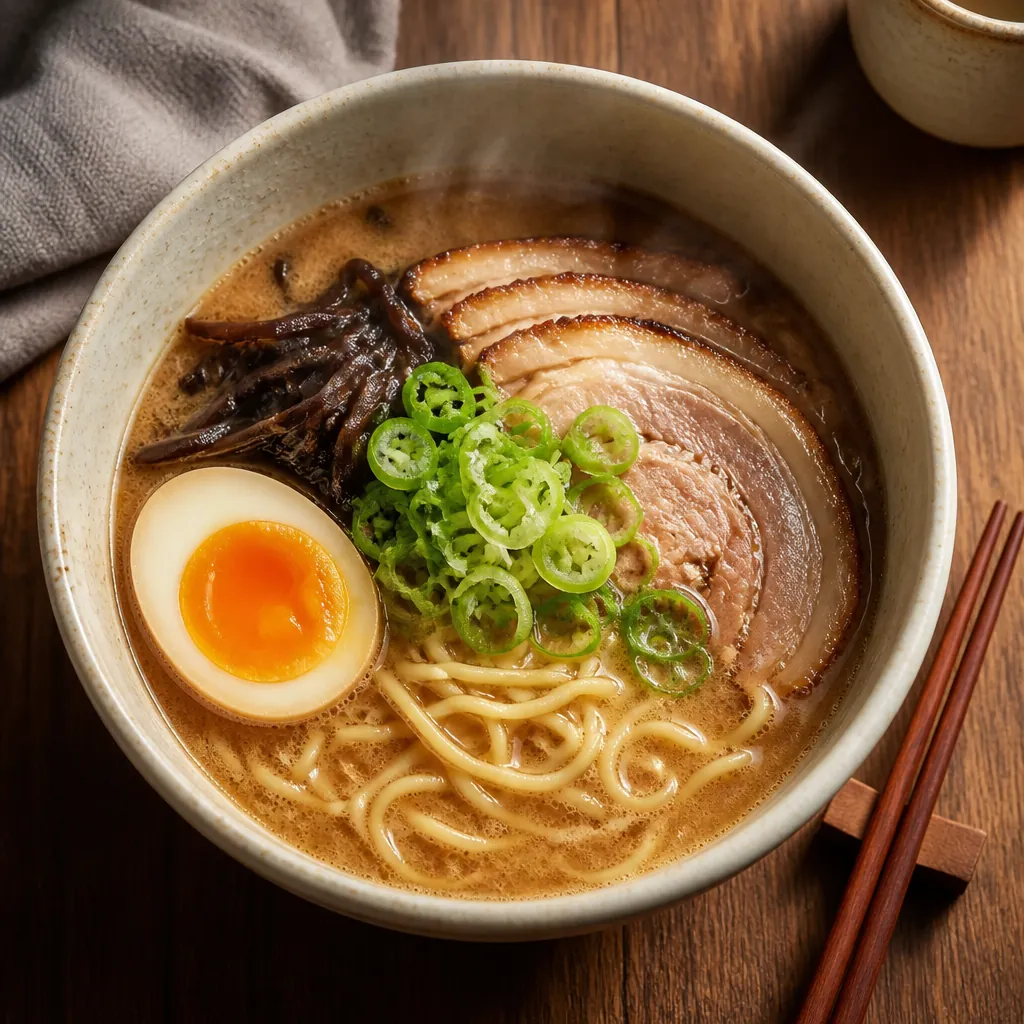
Ramen’s association with lunchtime in Japan runs deep. It is valued for being fast to prepare, filling enough to sustain an afternoon of work, and affordable enough to eat regularly. The traditional ramen-ya, Japan’s small counter-style noodle shop, was built around exactly this function: a focused meal experience measured in minutes, not hours.
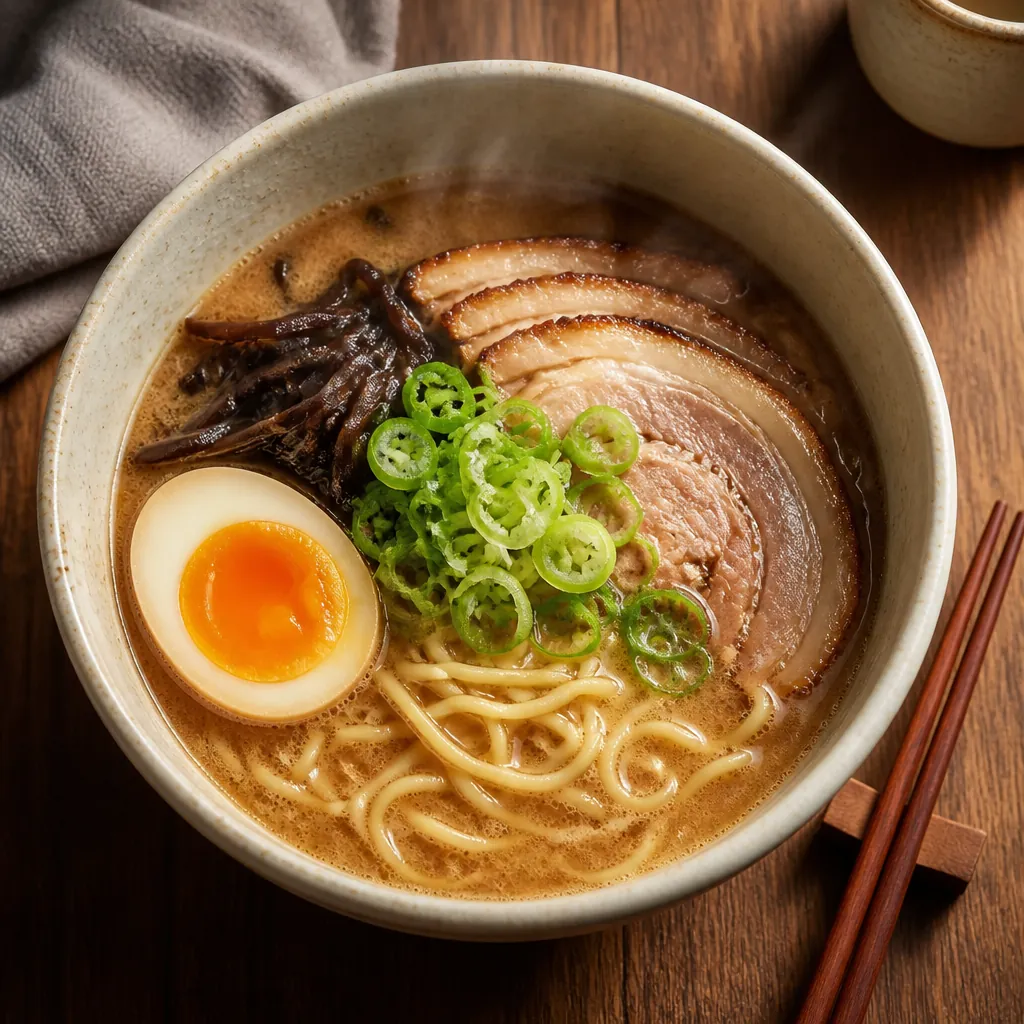
Walk into a ramen-ya at noon in any Japanese city and you will find a ticket vending machine near the door, a counter of seats, and a cook focused entirely on the bowls in front of them. You buy your ticket, hand it over, sit down, and within minutes a steaming bowl is placed in front of you. The entire interaction is purposeful. There is no table service theater. There is just the bowl.
Why Broth Weight Matters at Lunch
The choice of ramen style at lunch is not trivial. A rich tonkotsu loaded with fat and intensity at noon creates a real energy slowdown in the afternoon. The Japanese midday ramen tradition leans toward lighter constructions: shoyu (soy sauce-based), shio (salt-based), or a cleaner miso. These deliver the depth and satisfaction of a proper ramen without leaving the diner heavy and unfocused through the afternoon hours.
In practice, this means that what you order for a ramen lunch should be calibrated differently than what you order at dinner. Save the ultra-rich, double-fat tonkotsu for an evening bowl when there is no afternoon to recover for. At lunch, the lighter styles are not the timid choice. They are the correct one.
Pro tip: When ordering ramen for lunch, ask for a standard portion rather than a large. The modest difference in portion size matters more than most people expect when you have hours of work ahead. A perfectly sized bowl beats a too-heavy one every time.
Lunch Sets and Their Practical Logic
Many Japanese restaurants run dedicated weekday lunch sets combining a bowl of ramen with gyoza, rice, or a drink at a combined price meaningfully lower than ordering those items individually at dinner. This is not a gimmick. It reflects the Japanese understanding that lunch should be accessible, complete, and efficient without sacrificing quality. At Zen Ramen and Sushi, the lunch approach follows this same logic: well-crafted bowls that give you the full experience of a proper Japanese meal without requiring an hour and a half at the table.
Sushi Lunch: More Than a Lighter Dinner
Sushi lunch occupies a different register than its dinner counterpart, and not just because of price. The midday sushi experience in Japan has historically been tied to accessibility. High-end sushi counters that run omakase menus in the evening often offer the same craftsmanship at lunch for a fraction of the cost, specifically because lunch sets are meant to bring a broader audience to quality fish preparations.
That democratizing function matters. Sushi lunch lets someone who would not typically book an expensive omakase dinner experience the same quality of fish, the same precise knife work, and the same attention to seasonal ingredients. The format is compressed. The experience is not.
What Differentiates a Good Sushi Lunch Order
A common mistake with sushi lunch is ordering exactly as you would at dinner and then feeling rushed. Midday sushi is best approached with intentionality about what you want to anchor the meal. A few pieces of high-quality nigiri built around the freshest fish available that day, a well-made roll, and a miso soup is a complete and satisfying sushi lunch. It does not require the full spread of an evening sitting.
The sushi counter is also one of the better solo dining formats in any Japanese restaurant. You face the chef directly, you can ask questions about what is best that day, and the pacing of the meal stays in your hands. This is particularly true at lunch when counters are slightly less busy than dinner service.
Pro tip: At a sushi lunch counter, ask what arrived that morning. The answer tells you immediately what to build your order around. Chefs appreciate the question and it almost always leads to a better meal than defaulting to the same roll every time.
The Ritual Elements That Define Japanese Midday Dining
The ritual dimension of Japanese lunch culture is not metaphorical. It is embedded in specific practices that apply whether you are eating ramen at a counter in Osaka or sitting down at a Japanese restaurant lunch in the United States.
Itadakimasu and Gochisousama Deshita
Every Japanese meal begins with itadakimasu and ends with gochisousama deshita. The first expresses humble gratitude for the food and the effort behind it. The second thanks the cook and acknowledges the meal is complete. These phrases are not ceremonial formality. They frame the meal as a conscious act with a beginning and an end. Saying them reinforces the mindfulness that Japanese food culture builds around eating.
Food in Japanese culture carries a significance that goes beyond nutrition. The attention given to ingredients, presentation, and the act of eating itself reflects a broader cultural value around intentionality. The meal deserves your full attention. That idea is present in a bowl of ramen just as much as it is in a multi-course kaiseki dinner.
The Role of Slurping in Ramen Culture
Slurping ramen noodles is one of the most misunderstood elements of Japanese dining etiquette for Western diners. It is not a lapse in manners. In Japan, slurping noodles is a recognized technique: it aerates the broth, cools the noodles slightly as they enter the mouth, and draws air across the palate in a way that genuinely enhances flavor. The sound communicates to the cook that the bowl is being enjoyed.
The practice has a scientific basis in retronasal olfaction: drawing air through the mouth while eating activates additional scent receptors, intensifying the perception of flavor. This is not folk belief. It is why trained palates in many food cultures aerate their food in similar ways.
That said, slurping outside of noodle-specific meals in Japan is still considered poor form. The practice is appropriate and encouraged at the ramen counter. Applying it broadly to every dish is not the point.
Mindfulness is deeply woven into the act of eating ramen. From the steaming broth to the precisely cooked noodles, every element of the bowl invites presence rather than distraction.
Ramen vs. Sushi vs. Teishoku: Comparing Lunch Approaches
The midday Japanese dining experience in the United States most often takes one of three forms. Understanding the differences helps you choose not just what to eat but what kind of experience you are actually after.
| Lunch Format | Best For | What to Know Before You Order |
|---|---|---|
| Ramen for Lunch | A focused, satisfying meal with strong savory depth. Works solo or with one other person. Faster pacing. | Choose lighter broth styles at noon (shoyu, shio, lighter miso). Start with a sip of broth before touching the noodles. Eat while the bowl is hot. |
| Sushi Lunch | A precise, ingredient-forward experience. Good for those who want quality and variety without a heavy finish. | Ask what is freshest that day. Anchor on nigiri before rolls. Pair with miso soup. Pacing is in your hands at the counter. |
| Teishoku Set | A complete, balanced meal in a single order. Mirrors the structure of a traditional Japanese lunch with multiple components. | Teishoku includes rice, soup, and a main. It is firmly rooted in Japanese lunch culture and rarely appears at dinner. The format rewards variety over single-dish intensity. |
None of these formats is superior. They serve different purposes and different moods. A ramen lunch is for depth and warmth. A sushi lunch is for precision and freshness. A teishoku is for completeness and balance. The honest answer is that the best Japanese restaurant lunch is the one you ate with your full attention on the food in front of you.
How to Order and Eat Like the Ritual Demands
Understanding Japanese lunch culture is useful. Applying it when you actually sit down changes the quality of the meal in a tangible way. These are not rules for performance. They are habits that make the food taste better and the experience more satisfying.
For Ramen
Take the first sip of broth before picking up your chopsticks. Use the renge, the wide ceramic spoon typically provided with Japanese ramen, to taste the soup on its own. The broth is the foundation of the bowl. Tasting it first sets your palate correctly for everything that follows. Then work through the noodles while they are still firm. Ramen noodles continue to soften in hot broth, and the texture window is shorter than most people expect.
Do not scroll your phone through the whole bowl. This sounds obvious. In practice, it is the most common way people undercut the experience. The bowl demands about fifteen minutes of actual attention. Give it that.
For Sushi
Eat nigiri in a single bite when possible. The piece is constructed so that the rice, fish, and any seasoning arrive together. Splitting it disrupts the balance the chef built. Place it fish-side down on your tongue so the fish makes first contact rather than the rice.
Dip the fish, not the rice, into soy sauce. The rice is already seasoned. Over-soaking it changes the texture and dominates the flavor of the fish. Light, restrained use of soy sauce is not fussy etiquette. It is correct flavor management.
Arriving at the Right Time
Peak lunch hours at Japanese restaurants in the United States mirror Japan’s patterns: noon to 1 PM is the busiest window. Arriving at 11:45 AM or after 1:15 PM consistently means shorter waits, more attentive service, and a better experience. This is a practical observation, not a guess. Anyone who eats Japanese restaurant lunches regularly has noticed it. At Zen Ramen and Sushi, the lunch hours are built to accommodate exactly this kind of deliberate midday visit.
Pro tip: If you are new to ordering ramen, resist the instinct to load the bowl with every available topping at once. A well-made base broth deserves space. Order one or two additional toppings at most. You can always ask for extras on the side to add as you go.
Frequently Asked Questions
What makes Japanese lunch culture different from Western lunch habits?
Japanese lunch culture treats the midday meal as a genuine break and a meaningful social or personal ritual. Leaving the office to eat a proper meal is the norm, not exceptional behavior. The meal has defined start and end phrases, an emphasis on fresh seasonal ingredients, and a structure that places the food at the center of the experience rather than treating it as background fuel.
Is ramen traditionally considered a lunch food in Japan?
Yes. Ramen has long been associated with midday eating in Japan. The ramen-ya format, a small counter-based shop with fast service and focused menus, was built around the lunch hour. Ramen is prized for being filling, quick, and affordable in a way that suits the working day. While ramen is eaten at dinner as well, its roots and original cultural function are tied to the midday meal.
What should I order for a Japanese lunch if I have never eaten at a Japanese restaurant before?
A teishoku set is the most approachable entry point. It gives you a complete meal with a main dish, rice, and soup in a single order. If the restaurant offers ramen, a shoyu or miso ramen is a good starting point: flavorful but not overwhelming. For sushi, a mixed nigiri set or a lunch special roll set lets you try multiple preparations without committing to a single dish. Ask the staff what they recommend that day. Japanese restaurant staff consistently give useful answers to that question.
Is it rude to slurp ramen at a Japanese restaurant in the United States?
Not at all. Slurping ramen is an accepted and encouraged practice rooted in Japanese noodle culture. It cools the noodles, aerates the broth, and genuinely enhances the flavor. At any authentic Japanese ramen counter, you will hear it from other diners. The technique is appropriate in the context of eating noodles and signals engagement with the food, not poor manners.
What is the difference between a sushi lunch and a sushi dinner?
The ingredients and craftsmanship at a quality Japanese restaurant are consistent across both services. The practical differences are pacing, format, and often price. Sushi lunch sets are typically structured for faster service and a more contained number of pieces. Dinner allows for longer omakase-style progression and more elaborate ordering. Lunch is not a lesser version of dinner. It is a different context with its own value, and for fresh nigiri in particular, the midday service is often when fish is at its freshest from morning delivery.
How do I know which ramen broth to choose for lunch?
The general principle is: the lighter the broth, the better it works at noon. Shoyu (soy sauce) and shio (salt) broths deliver clean, complex flavor without the heavy richness that can slow you down in the afternoon. Tonkotsu, which is pork-bone based and higher in fat, is better suited to dinner when there is no afternoon to navigate afterward. Miso sits in the middle and works well at either time, though a lighter miso preparation is still the smarter noon choice.
What does “itadakimasu” mean and should I say it?
Itadakimasu is said before every Japanese meal and expresses humble gratitude for the food and the effort of those who prepared it. It translates roughly to “I humbly receive.” Saying it is not required at a Japanese restaurant outside Japan, but understanding what it means changes how you approach the meal. It frames eating as an intentional act with genuine appreciation behind it, which is exactly the spirit Japanese lunch culture is built on.
We would love to hear how your experience of Japanese lunch culture has shaped the way you approach a midday meal. Share your thoughts in the comments below.
We would love your feedback and any insights you would share with others. What perspective would you add?
References
- A guide to the cultural significance of the Japanese midday meal and professional lunch customs
- An overview of meal times in Japan including lunch hours, teishoku sets, and dining habits
- The philosophy of ramen and mindful eating: how presence and attention shape the bowl
- What a typical Japanese lunch looks like: teishoku, bento, noodles, and bowl dishes explained
- How to eat ramen properly in Japan: practical etiquette from broth-first to slurping